Crystal Jellyfish
Crystal Jellyfish: The Jelly That Won a Nobel Prize
The crystal jellyfish is almost invisible — a transparent bell drifting off the Pacific coast — yet it changed science forever. A glowing protein from its bell won the 2008 Nobel Prize in Chemistry.
By Emily Carter · Reviewed by our vet team · Updated 10 November 2026 · 9 min read
Bell to 25 cmGlows greenWon a Nobel Prize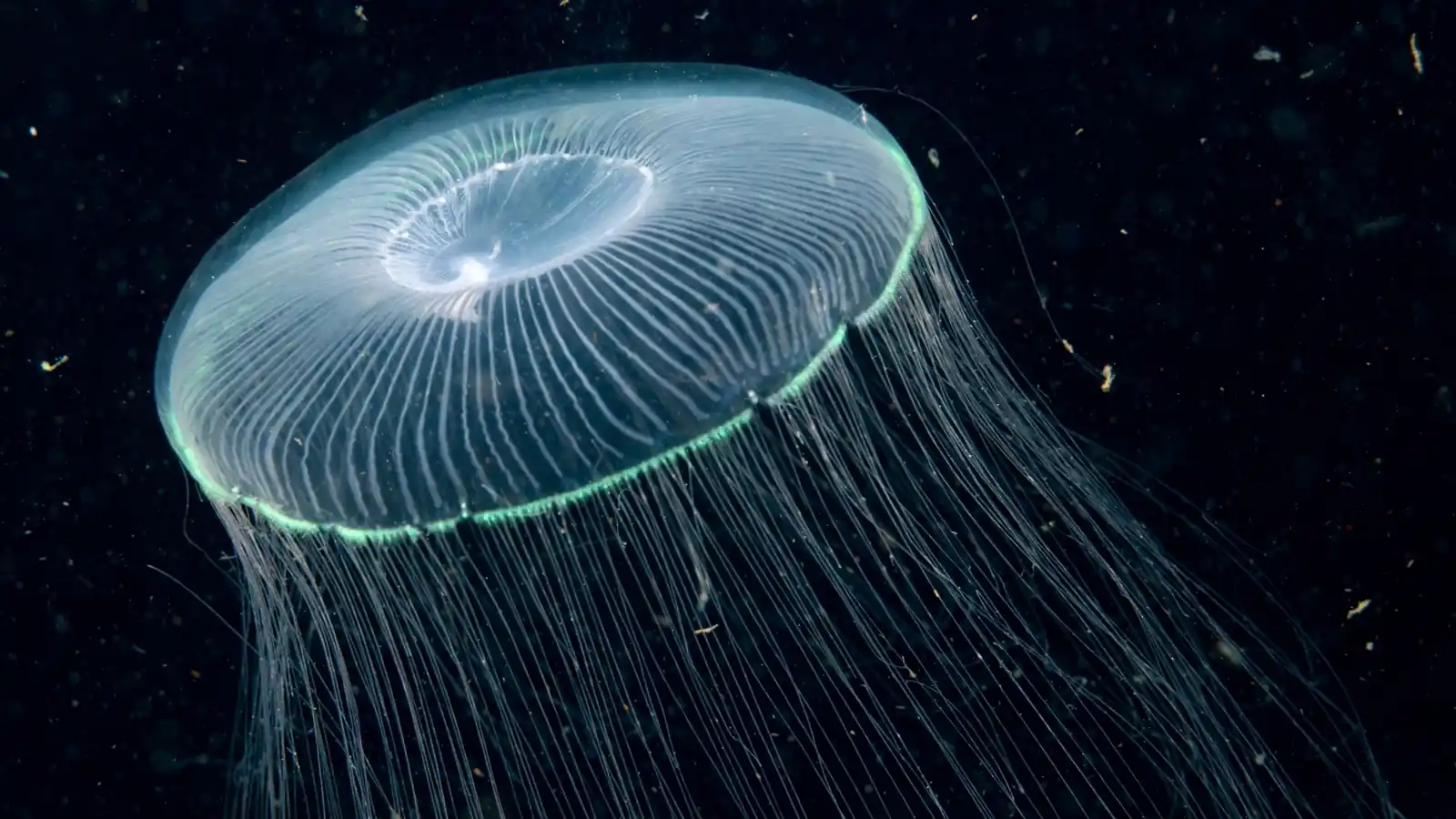
At a Glance
The crystal jellyfish is a transparent jellyfish from the west coast of North America, and it is the most famous jellyfish in science. Its bell carries two glowing proteins, and one of them — green fluorescent protein — won a Nobel Prize and now lights up laboratories all over the world.
Crystal Jellyfish Size: A Transparent Bell
It grows a bell to about 25 cm across — roughly the size of a dinner plate — but it is almost invisible in the water. The bell is transparent, with only a faint rim of light to give it away, and in daylight it can drift past a diver unnoticed.
The transparency is the point: in open water there is nowhere to hide, so it hides by being see-through. Only at night, when the rim of its bell glows green, does it show itself — and even then the glow is a faint ring of light in the dark.
The Glow: Aequorin and Green Fluorescent Protein
It glows thanks to two proteins working together. Aequorin makes blue light when it meets calcium, and green fluorescent protein — GFP — takes that blue light and shifts it to green. The result is a green rim around the bell, visible in the dark water of the Pacific.
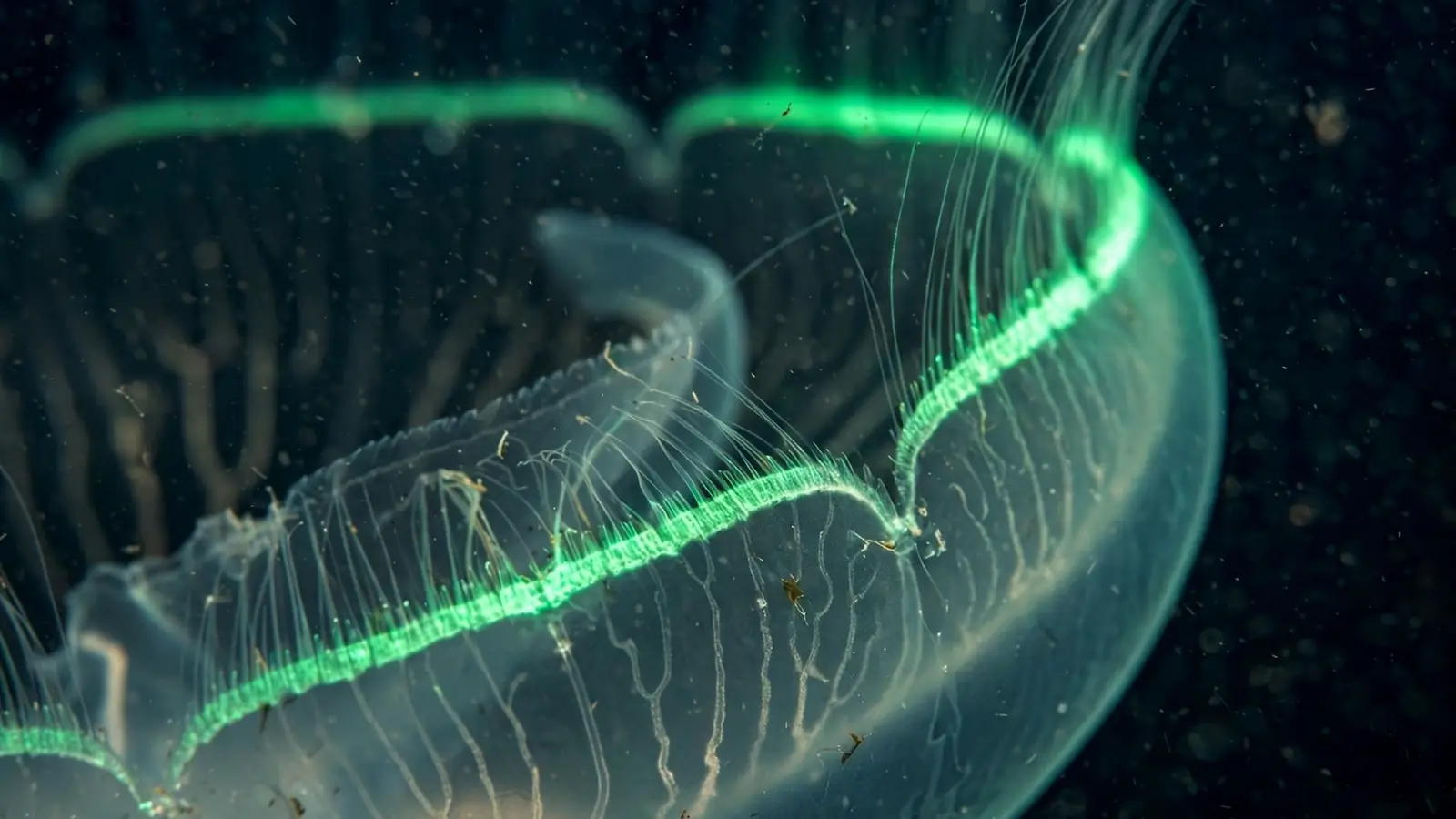
Why the animal glows in the wild is still unknown. The light may startle predators, or it may be a side effect of chemistry that serves another purpose — the glow colour may even shift with depth. What is certain is that the glow is beautiful, and that it changed science: GFP is now one of the most used tools in biology.
The Nobel Prize: From a Jellyfish to Glowing Mice
In 2008, the Nobel Prize in Chemistry went to Osamu Shimomura, Martin Chalfie and Roger Tsien for green fluorescent protein — the protein Shimomura had pulled from the species decades earlier at Friday Harbor. It was the first time a jellyfish had won a Nobel Prize, and it was won for a molecule, not a medicine.
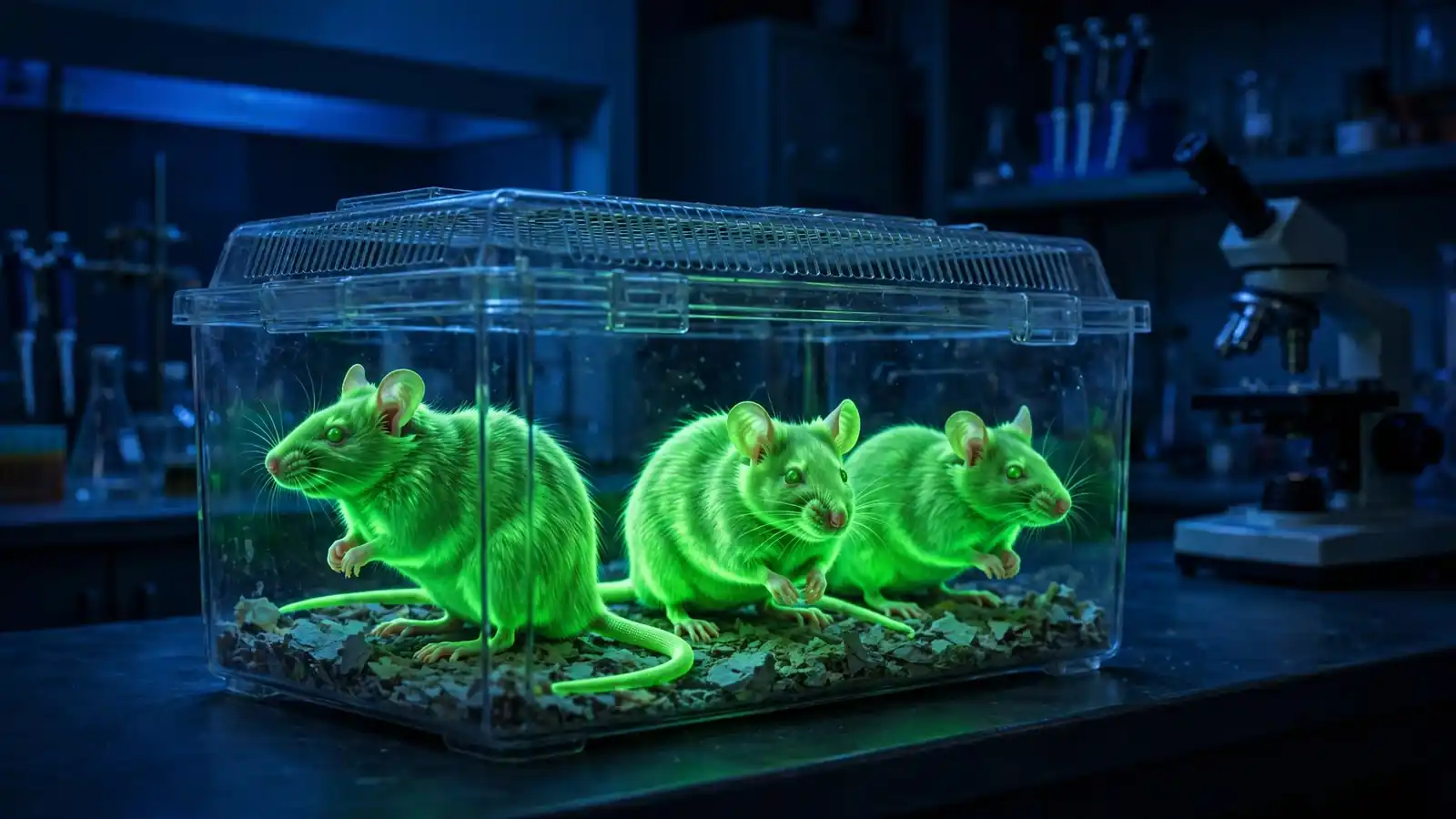
GFP works like a lamp that scientists can attach to anything: put the GFP gene into a cell, and the cell glows green. Glowing mice, glowing fish, glowing cancer cells under the microscope — all of it traces back to this jellyfish. The animal itself is humble; its protein is everywhere. For the story of the glowing protein, see this account of the crystal jelly’s light.
Where They Live: The North American West Coast
It lives along the west coast of North America, from the Bering Sea to southern California, drifting in the cold coastal water. It is a surface and near-surface animal, carried by the currents that run along the coast.
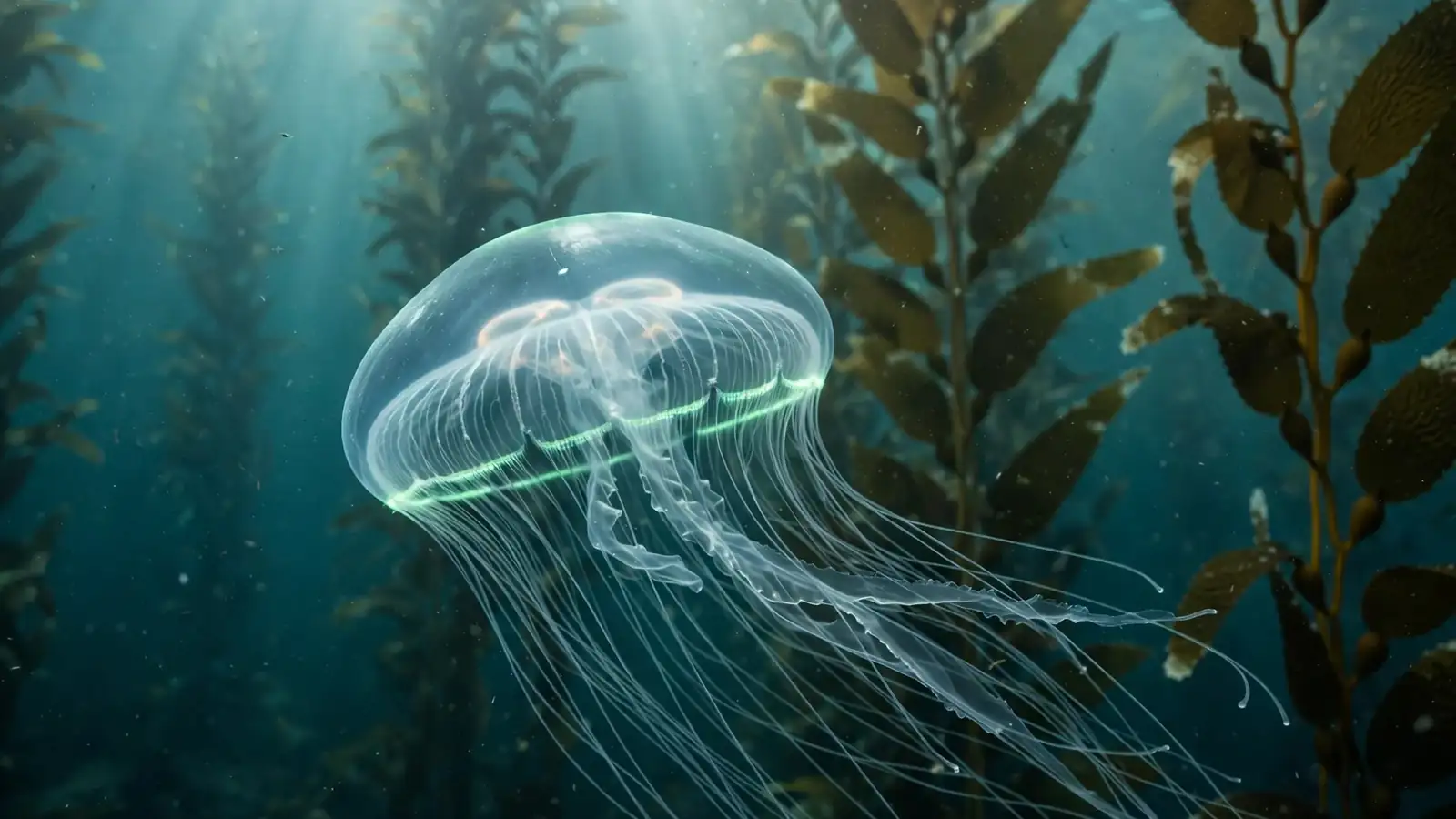
Its most famous home is Friday Harbor, in Puget Sound, where Shimomura collected the animals for his work. The population there collapsed in later years — a story of its own — but the species still drifts along the whole coast, transparent and easy to miss.
The currents that carry it along the coast are cold and rich, and the animal drifts with them for its whole six-month life, from polyp to glowing medusa and back again. It does not choose where it goes — the water decides — and a jellyfish that washes up in one bay may have begun its life as a polyp on a rock a hundred miles away.
What Do They Eat? Plankton in the Dark
It eats plankton — small crustaceans, larvae and other drifting animals that its tentacles catch in the dark. It is not a hunter so much as a drifting net: the bell pulses, the tentacles sweep the water, and whatever touches them is stung and drawn in.
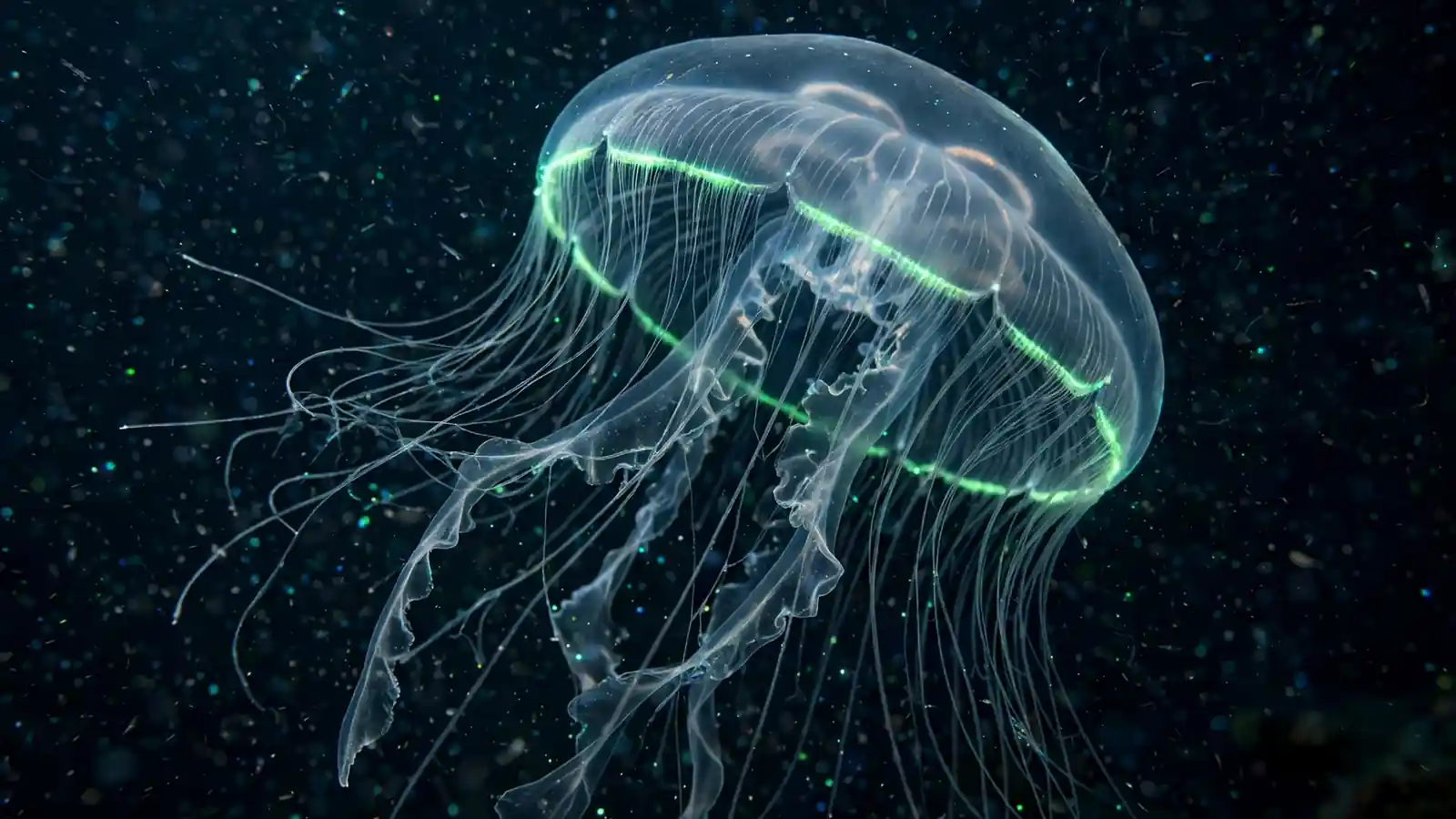
At night the glow may help: small animals drawn to the light swim straight into the tentacles. Whether the light is a lure or an accident, the result is the same — it feeds in the dark on the smallest animals of the sea.
Crystal Jellyfish Life Cycle: A Six-Month Medusa
The medusa — the drifting bell — lives about six months in the wild. It begins, like all true jellyfish, as a polyp on a rock, buds off young medusae, and grows into the transparent bell that glows green at night.

In aquariums, individuals have lived over two years on exhibit — but that is managed care, not wild life, and the two figures should not be confused. The wild medusa is a six-month animal: it grows, it glows, it spawns, and it dies, and the polyps carry the species through to the next year.
The Friday Harbor Story: A Population That Collapsed
Friday Harbor, in Puget Sound, is where it became famous — Shimomura collected thousands of them there in the 1960s and 1970s, squeezing the bells for the protein that would win the Nobel Prize. The docks and the laboratory there are part of the animal’s story.
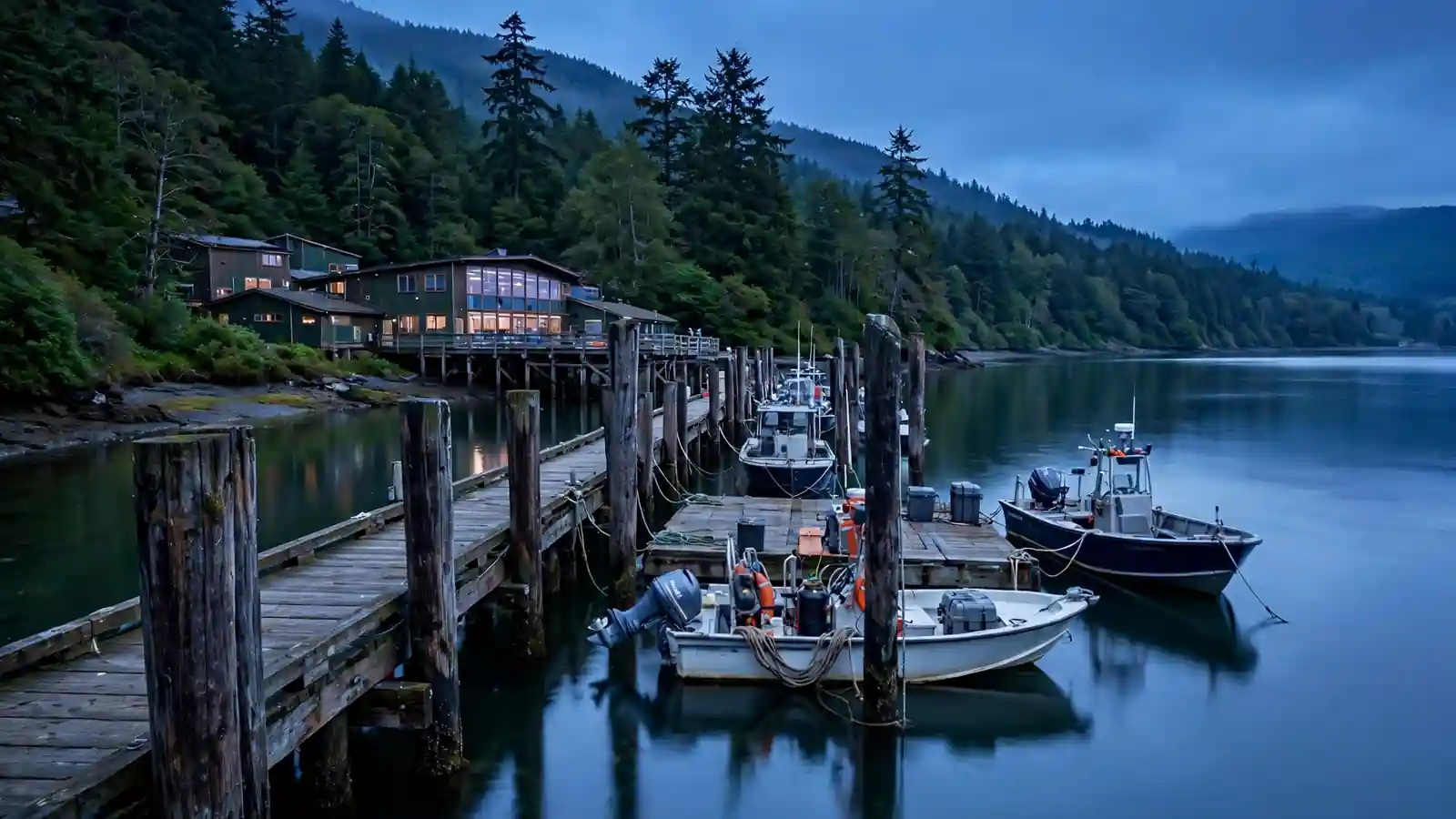
Then the population collapsed. The jellyfish that had filled the harbour in Shimomura’s time became scarce, and no one is entirely sure why — the water changed, the currents shifted, and the great blooms did not return. The species survives along the coast, but Friday Harbor is a reminder that even an abundant animal can vanish from a place it once filled.
Fun Facts
- Its glow comes from two proteins: aequorin makes blue light, and GFP shifts it to green.
- Green fluorescent protein won the 2008 Nobel Prize in Chemistry.
- The wild medusa lives about six months — aquarium animals have lasted over two years on exhibit.
- Its bell is transparent, so it is nearly invisible in daylight.
- Shimomura collected the animals at Friday Harbor, where the population later collapsed.
- Nobody knows for certain why it glows in the wild.
Frequently Asked Questions
What Is a Crystal Jellyfish?
A transparent jellyfish, Aequorea victoria, from the west coast of North America. Its bell grows to about 25 cm across, and its rim glows green at night thanks to two proteins — aequorin and green fluorescent protein.
Why Does the Crystal Jellyfish Glow?
Because of aequorin and green fluorescent protein in the rim of its bell. Aequorin makes blue light, and GFP shifts it to green. The purpose of the glow in the wild is still unknown — it may startle predators, or it may be a side effect of other chemistry.
What Is Green Fluorescent Protein?
A protein from the species that glows green under blue light. Scientists attach the GFP gene to cells, genes and proteins to make them glow, so they can be watched under a microscope. It is one of the most used tools in biology.
How Did a Jellyfish Win a Nobel Prize?
The 2008 Nobel Prize in Chemistry went to Osamu Shimomura, Martin Chalfie and Roger Tsien for green fluorescent protein, which Shimomura had isolated from the species at Friday Harbor. It was the first Nobel Prize won for a jellyfish molecule.
How Big Do Crystal Jellyfish Get?
The bell grows to about 25 cm across, roughly the size of a dinner plate. The animal is almost invisible in daylight because the bell is transparent — only the glowing rim gives it away at night.
Where Do Crystal Jellyfish Live?
Along the west coast of North America, from the Bering Sea to southern California, drifting in cold coastal water near the surface. Its most famous home is Friday Harbor in Puget Sound.
How Long Do Crystal Jellyfish Live?
The wild medusa lives about six months. Aquarium individuals have lived over two years on exhibit, but that is managed care, not wild life — the two figures should not be confused.
Similar Species Worth Exploring
Keep Exploring
Meet the immortal jellyfish, the other famous jellyfish, then the moon jellyfish, the gentle jelly of the same coast, and browse the whole family in our types of jellyfish hub — then come back to the jelly that won a Nobel Prize, the crystal jellyfish.