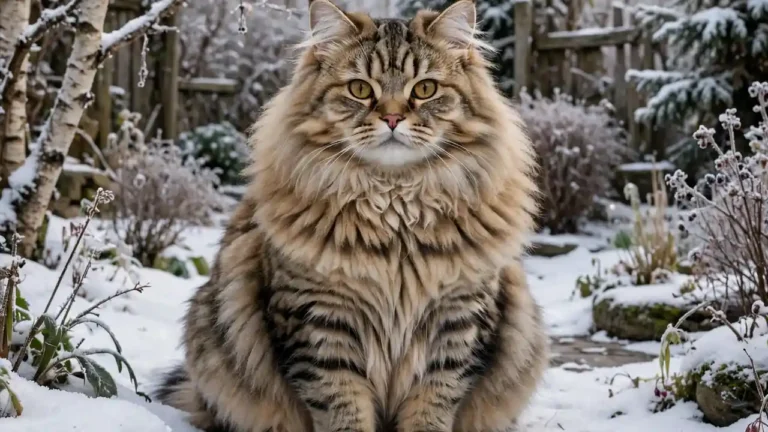
American Wirehair Cat Breed Guide
American Wirehair: the cat with the crimped coat
The American Wirehair cat sports a unique wiry, springy coat unlike any other breed. Calm, playful, and even tempered, it is a low-key charmer.
By Emily Carter · Reviewed by our vet team · Updated 21 October 2026 · 10 min read
Lifespan 14–18 yrs Weight 8–12 lb Calm & rare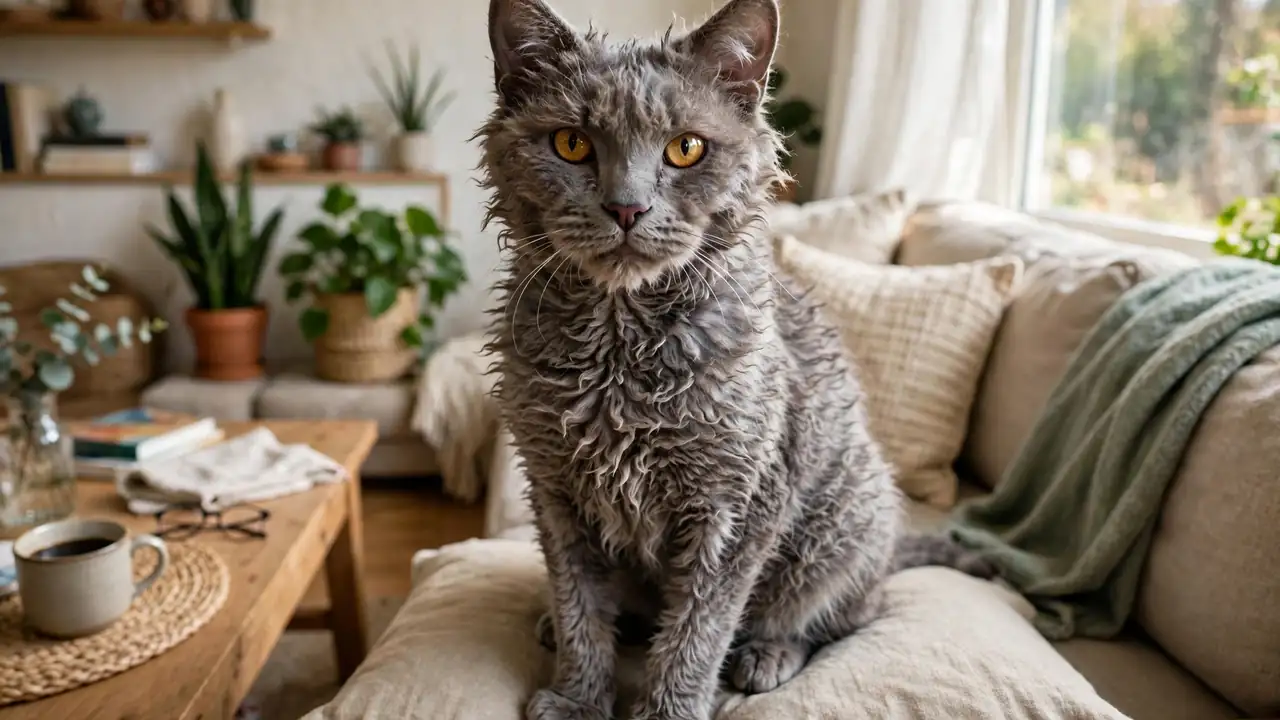
Thinking about an american wirehair cat? This quick snapshot covers the essentials of one of the rarest pedigreed breeds in the United States.
At a Glance
Size and Weight
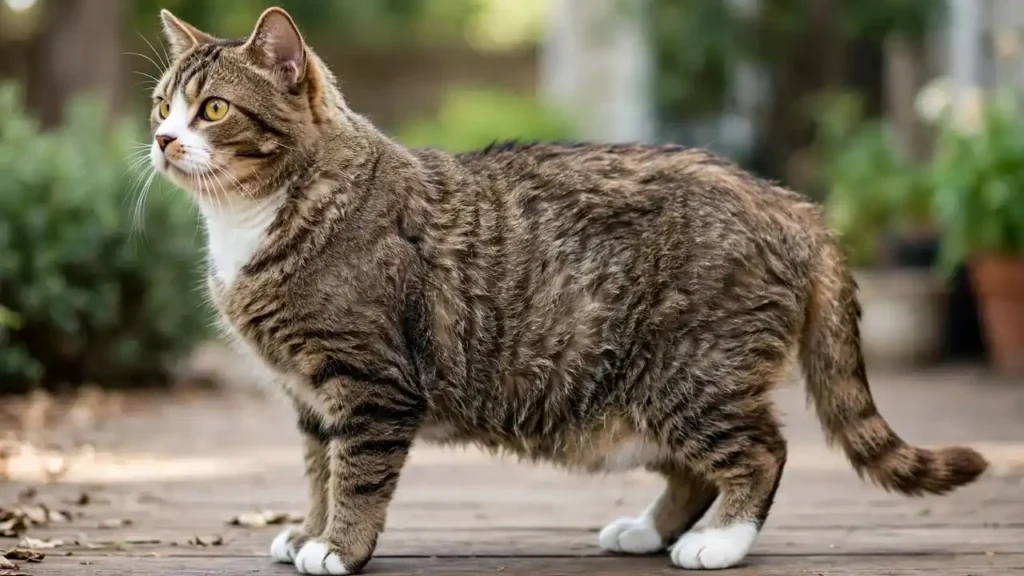
The american wirehair cat is built for sturdiness rather than sleekness. Everything about this breed is rounded and solid, from the broad chest to the compact paws.
Males usually weigh between 8 and 12 pounds, with females running a little lighter. The body is cobby and muscular, set on medium length legs, with a level back completing the chunky silhouette. Most reach full size by about three years of age, filling out gradually. Because the frame is naturally round, it can hide a few extra pounds, so keeping an eye on weight matters.
Coat and Colors
This is the section most people skip straight to, and for good reason. The coat of the american wirehair cat is unlike anything else in the cat world.
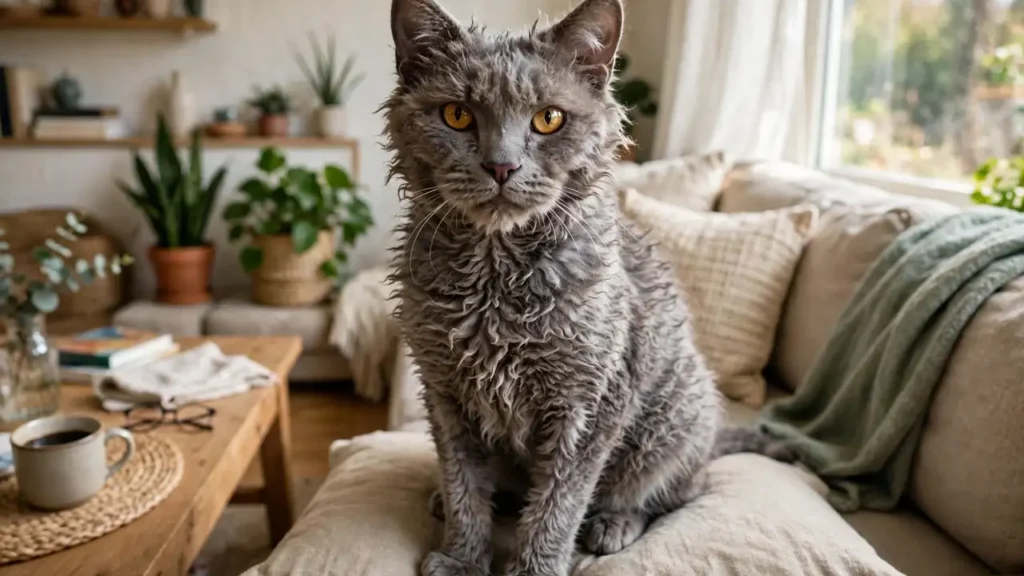
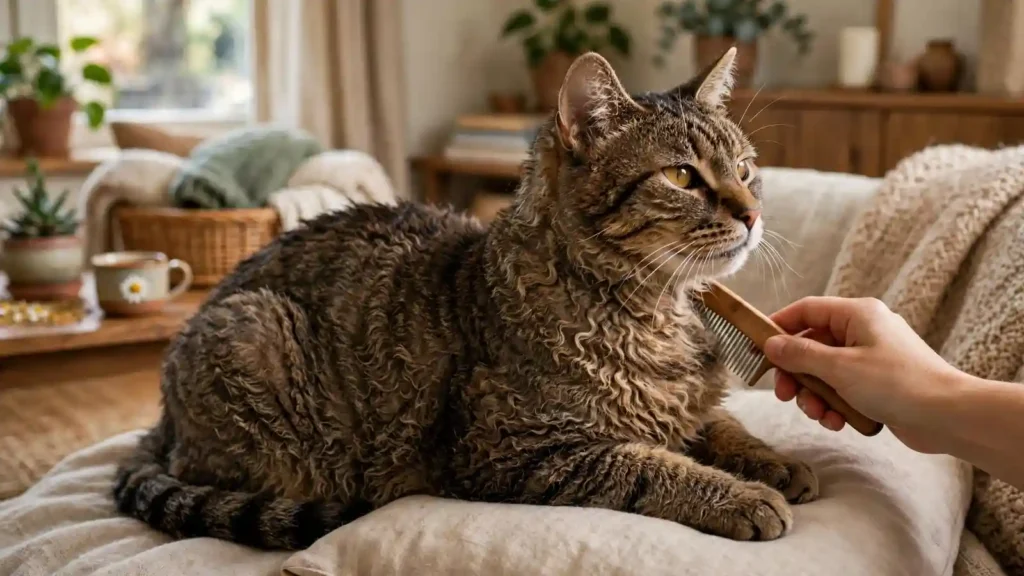
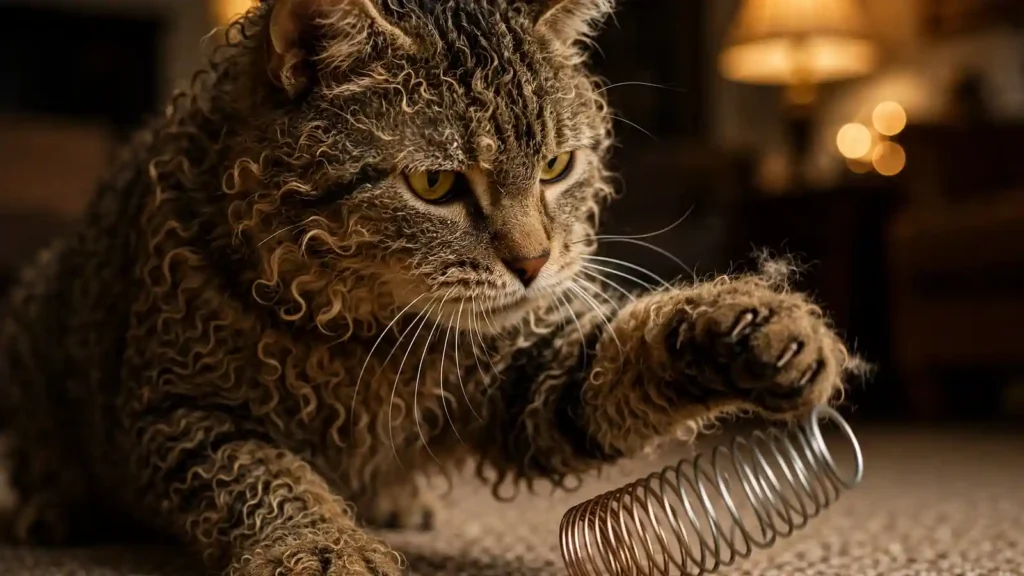
Every hair, including the whiskers, grows with a natural crimp. Picture the texture of steel wool softened into something you can actually touch. The individual hairs bend and ripple along their length instead of lying flat, which gives the whole coat a springy, tousled look. Run your hand across it and the coat pushes back a little, almost like a plush brush. That springiness comes from the guard hairs, which are thicker and more elastic than those of an ordinary shorthair.
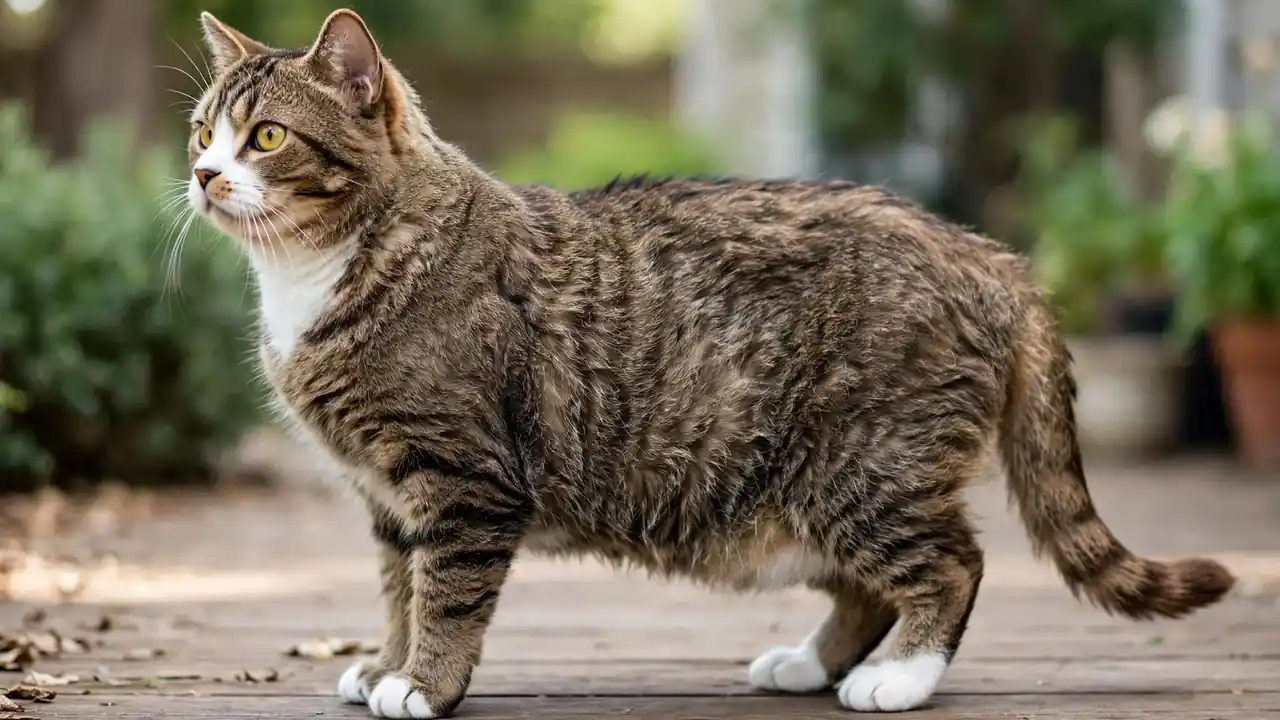
Set beside a regular domestic shorthair, the difference is obvious. A normal shorthair coat lies smooth, each hair following the curve of the body. On the wirehair, the coat stands slightly away from the body and looks perpetually windswept, as if the cat just shook itself off. The crimped whiskers are the giveaway detail. They curl and kink in ways that look almost accidental, yet they are completely natural and a hallmark of the breed.
The full wiry texture develops as the adult coat comes in, and the degree of crimp varies from cat to cat. Some show a tight ripple you can see from across the room, while others carry a gentler wave. Both are correct.
When it comes to color, there are no limits. Every color and pattern is accepted, from solid black, white, and blue to red, cream, and chocolate. Tabby patterns are common and show off the texture beautifully, since the stripes catch the light along each bent hair. You will also find tortoiseshell, calico, bicolor, and shaded varieties. Eye color generally complements the coat, with gold, copper, green, and blue all appearing across the breed.
History and Origins
In 1966, on a farm in upstate New York, a litter of barn kittens included one red and white male whose coat looked and felt completely different from his siblings.
The wiry, crimped fur was the result of a spontaneous natural mutation.
That kitten became the foundation of the breed — bred to a neighboring shorthair female, he passed the wiry coat to some of his kittens.
The breed grew slowly and was never mass produced, which is why the wirehair remains one of the rarer pedigreed breeds today.
Every american wirehair cat alive today traces back to a single barn kitten and one remarkable twist of genetics.
In 1966, on a farm in upstate New York, a litter of barn kittens included one red and white male whose coat looked and felt completely different from his siblings. The wiry, crimped fur was the result of a spontaneous natural mutation. A local breeder recognized how special the kitten was and set out to preserve the trait.
That kitten became the foundation of the breed. Bred to a neighboring shorthair female, he passed the wiry coat to some of his kittens, confirming the trait was inherited. From those early litters, careful breeding built a small but devoted population. The breed grew slowly and was never mass produced, which is why the wirehair remains one of the rarer pedigreed breeds today.
Physical Characteristics
Beyond the famous coat, the american wirehair cat is a study in roundness. The head is round with full cheeks that give the face a sweet expression, and the large, round eyes add to the gentle look.
Ears are medium with rounded tips, set wide apart. The body matches the head: broad chest, muscular shoulders, level back, and a medium length tail that is thick at the base and tapers to a rounded tip. Even the paws are round. Nothing about this cat is angular, which suits its calm personality perfectly.
American Wirehair Personality and Behavior
Do not let the wild looking coat fool you. The american wirehair cat is one of the most easygoing breeds you can share a home with.
These cats strike a lovely balance between playful and calm. They genuinely enjoy interactive play and will chase a wand toy with real enthusiasm, then settle quickly when the game ends. With their own people they are openly affectionate, happy to lounge nearby and accept petting. Around strangers they can be reserved at first, preferring to observe before deciding someone is trustworthy.
Vocally, they are on the quiet side. You will hear soft chirps and the occasional meow, but this is not a breed that narrates its day at full volume. For apartment dwellers or anyone who values a peaceful home, that quiet nature is a genuine plus.
They chase a wand toy with real enthusiasm, then settle quickly when the game ends.
Openly affectionate with their own people, happy to lounge nearby and accept petting.
Around strangers they can be reserved at first, preferring to observe before deciding someone is trustworthy.
- Easygoing — one of the calmest breeds
- Quiet voice, apartment friendly
- Very low maintenance coat care
- Rare — expect a search and possibly a wait
- Reserved with strangers at first
- Round build hides extra pounds
Care Essentials
Complete, balanced food by life stage; measure meals, since the round build disguises weight gain.
A gentle weekly session with a soft brush or mitt — avoid stiff slicker brushes and frequent baths.
Two short interactive sessions a day — wand toys, feather teasers, puzzle feeders.
Indoors suits it perfectly; a window perch and a reliably quiet retreat complete the setup.
Nutrition and Diet
A sturdy cat needs solid fuel. Feed a complete and balanced diet formulated for your cat’s life stage, whether kitten, adult, or senior.
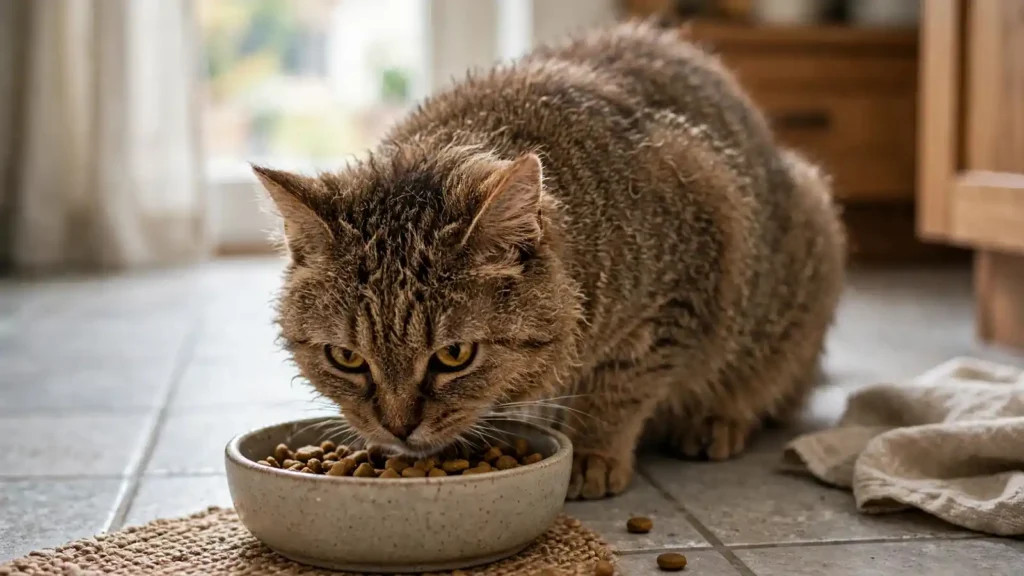
Look for foods where a named animal protein leads the ingredient list. Wet food makes a smart staple because its moisture supports urinary tract health, and you can mix in quality dry food for convenience. Measure meals instead of feeding freely all day, since that round build disguises gradual weight gain. Treats are fine in moderation. If your cat starts looking rounder than usual, ask your vet about adjusting portions.
Grooming
Here is where the famous coat needs a slightly different touch. The wiry fur should always be handled gently.
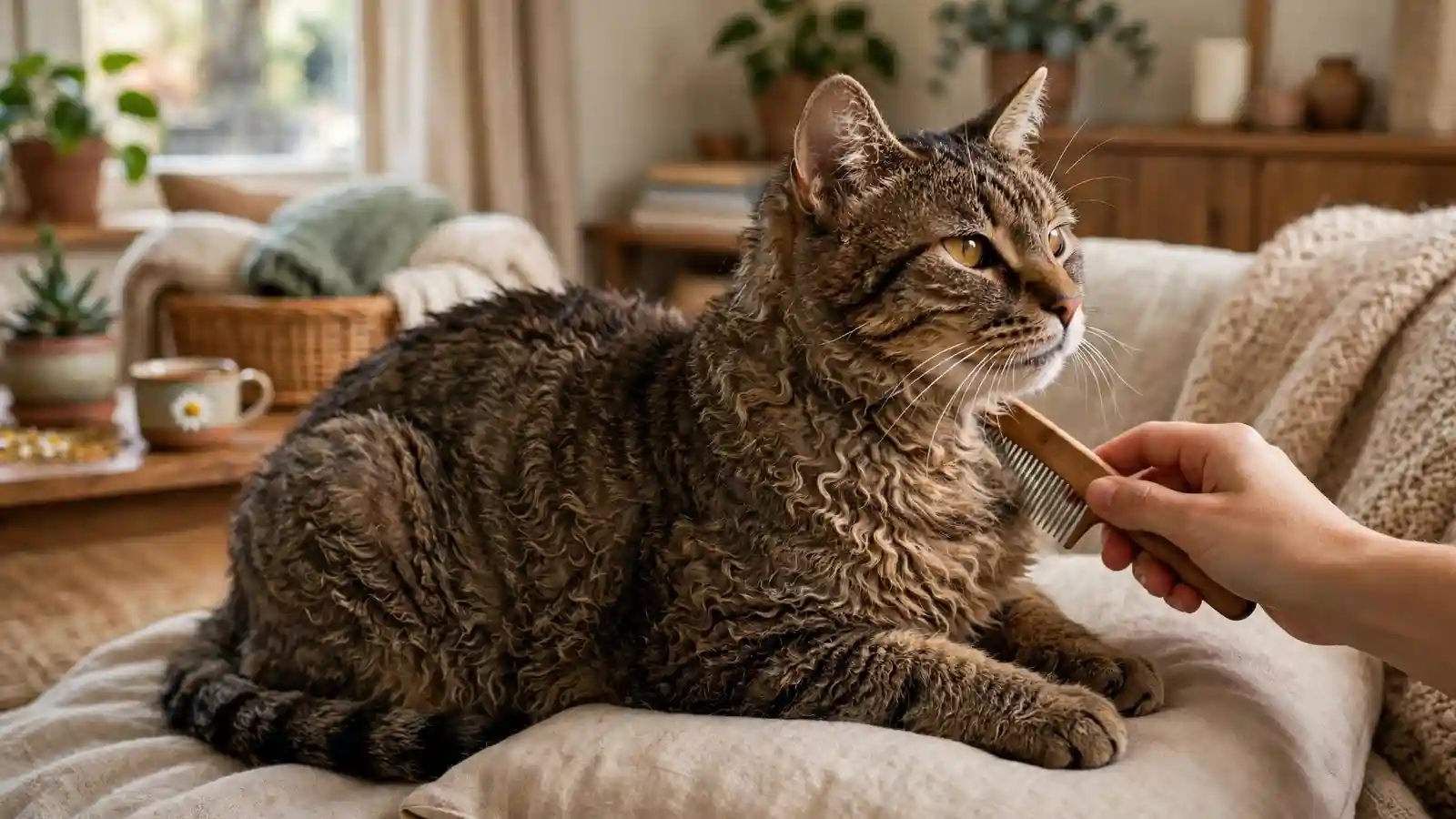
A weekly session with a soft brush or grooming mitt is plenty to lift loose hair and keep things tidy. Avoid stiff slicker brushes or heavy combing, which can pull at the crimped hairs and irritate the skin. Let the brush glide rather than pressing hard. Bathing is rarely necessary, and too frequent washing can dry the skin and disturb the coat’s natural texture.
Keep up the routine extras as well: trim nails every couple of weeks, check ears for buildup, and stay on top of dental care. None of this is breed specific, but it all contributes to a long, comfortable life.
Exercise and Enrichment
The american wirehair cat will not demand a marathon, but daily play keeps it fit and happy.
Two short interactive sessions a day hit the sweet spot. Wand toys and feather teasers tap into the hunting instinct, while puzzle feeders make mealtime mentally engaging. A window perch is close to essential, giving hours of low key entertainment, and a tall scratching post covers climbing and stretching. Rotate toys every week or two to keep things fresh.
Health
The american wirehair cat is generally a healthy breed, with no widespread inherited disorders tied to its signature mutation.
Still, preventive care is essential. Annual vet checkups catch small issues early, and staying current on vaccinations and parasite prevention is non negotiable. Dental disease is common in all cats, so make oral health part of the routine. Watch weight closely too, since the naturally round build hides extra pounds easily. With sensible care, most live 14 to 18 years.
A generally healthy breed with no widespread inherited disorders tied to its signature mutation. Annual checkups, vaccinations, and parasite prevention stay essential.
The naturally round build hides extra pounds easily — weigh regularly and adjust portions early.
Indoor and Outdoor Living
Keep your wirehair indoors, and it will repay you with a longer, safer life.
Indoor living protects against traffic, predators, parasites, and contagious illness. This breed is especially well suited to it: quiet, adaptable, and not prone to roaming. If you want to offer a taste of the outdoors, a screened catio or harness training both work well. Start harness sessions young, keep them short and positive, and bring treats.

Family Suitability
Few breeds fit into family life as smoothly as the american wirehair cat.
The calm, even temper makes these cats patient with respectful children, and their sturdy build handles clumsy hugs better than more delicate breeds. They generally get along with other pets too, including cat friendly dogs, when introductions are gradual. For singles, couples, and seniors, the appeal is the same: an affectionate companion that enjoys company without demanding constant attention.
Finding a Breeder or Rescue
Because this is a relatively rare breed, finding one takes a little patience. That patience pays off.
If you go the breeder route, look for someone who raises kittens in the home, welcomes questions, and is open about health testing and living conditions. A responsible breeder will interview you too. Be wary of anyone who rushes the sale or will not show you where the cats live. Do not overlook rescue either: breed specific groups occasionally have wirehairs or mixes, and an adult rescue lets you see the finished coat and personality up front.
- Kittens raised in the home — the breeder welcomes questions
- Open about health testing and living conditions
- A responsible breeder interviews you too
- Check breed specific rescues for wirehairs and mixes
Quick Quiz: Is a American Wirehair Right for You?
Answer four questions. Tap yes or no.
Frequently Asked Questions
What makes the American Wirehair coat different from a normal cat coat?
Every hair grows with a natural crimp from a spontaneous mutation, giving a wiry, springy texture that stands slightly away from the body. Even the whiskers are crimped. A normal shorthair coat lies smooth and flat by comparison.
Are american wirehair cats hypoallergenic?
No cat is truly hypoallergenic, and the wirehair is no exception. It sheds a normal amount. If allergies are a concern, spend time with the breed before committing.
How much does an american wirehair cat weigh?
Most adults weigh roughly 8 to 12 pounds, males typically heavier than females. The round, muscular build can make them look heavier than the scale says.
Do american wirehair cats need a lot of grooming?
No. A gentle weekly brushing is enough. Avoid stiff brushes and frequent baths, which can damage the crimped texture and dry the skin.
Are american wirehair cats good apartment cats?
Yes, they are excellent apartment cats. Quiet, calm, and adaptable, with exercise needs easily met through indoor play. A window perch and scratching post keep one perfectly content.
Are american wirehair cats rare?
Yes, they remain one of the rarer pedigreed breeds. The breed began from a single mutated kitten in New York in 1966 and was never bred in large numbers, so expect to search and possibly wait.
The American Wirehair cat sports a unique wiry, springy coat unlike any other breed — and under it sits one of the most easygoing cats you can share a home with. Calm, playful, and even tempered, it is a low-key charmer made for quiet homes and apartments.
Similar Breeds Worth Exploring

Related Breed Guides
- American Shorthair Cat Breed Guide
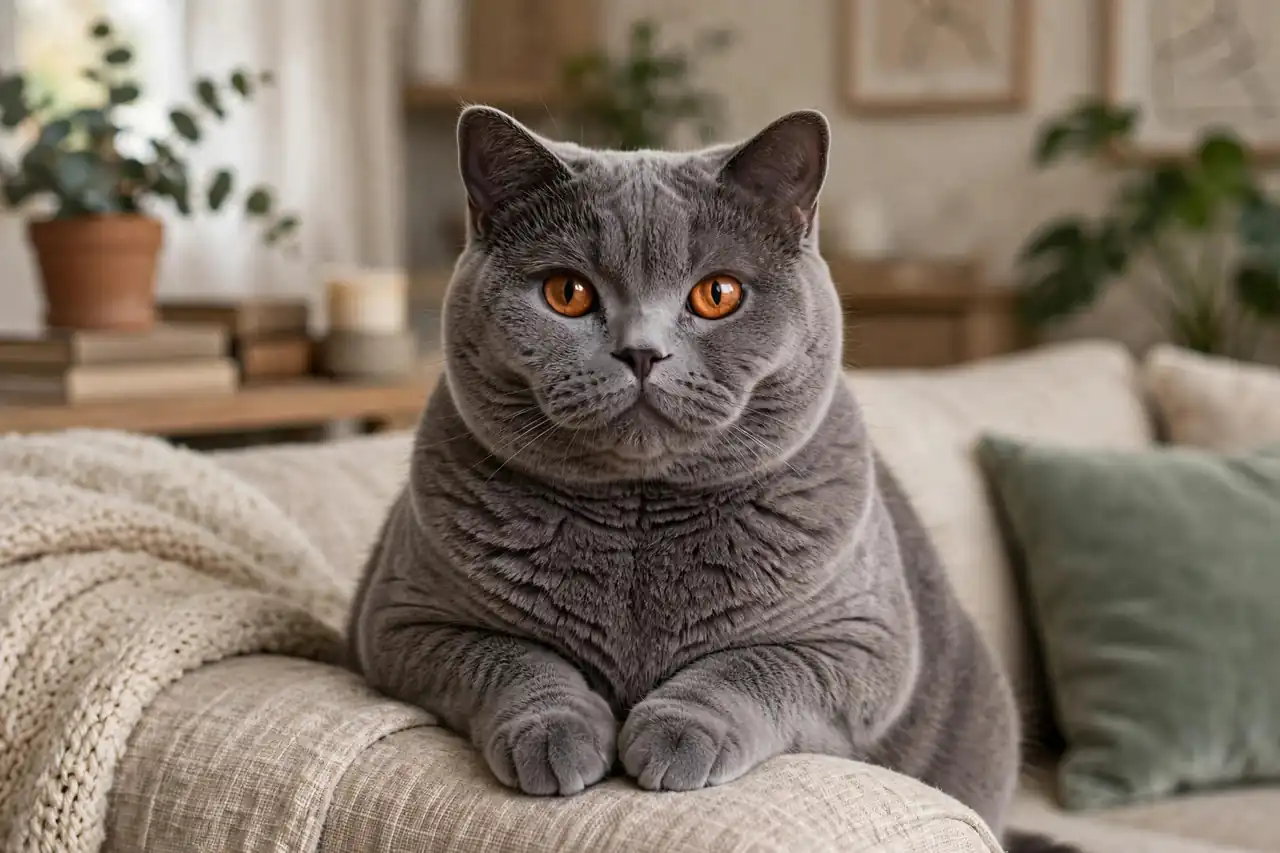
- British Shorthair Cat Breed Guide
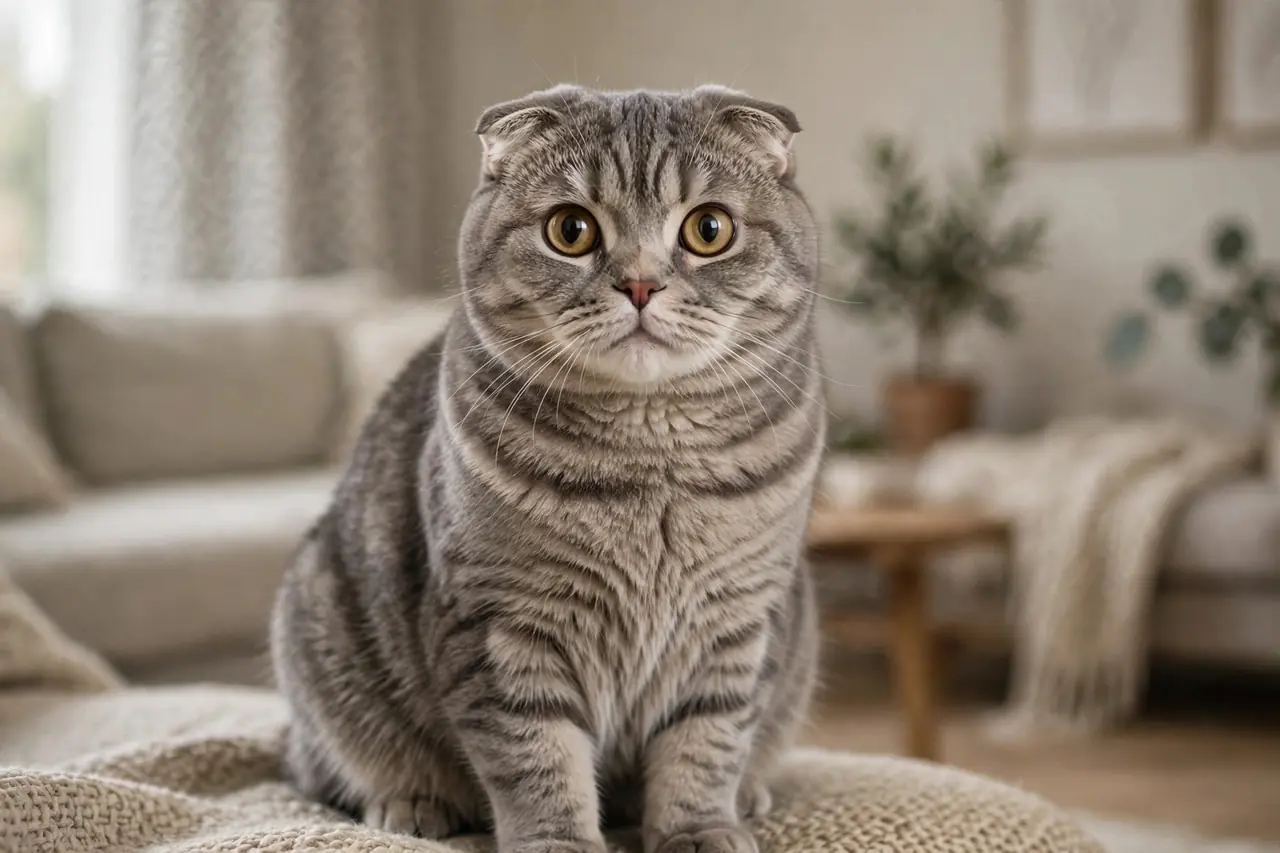
- Scottish Fold Cat Breed Guide
- American Curl Cat Breed Guide
Keep Exploring
Browse the full A to Z cat breed collection to compare personalities, or find out your cat’s age in human years with the cat age calculator.