Burmese Cat
Burmese: a brick wrapped in silk
The Burmese cat is a people obsessed companion with a satin coat and a heart of gold: surprisingly solid and muscular beneath a coat so sleek it gleams.
By Emily Carter · Reviewed by our vet team · Updated 21 October 2026 · 9 min read
Lifespan 10–16 yrsWeight 8–10 lbGold eyes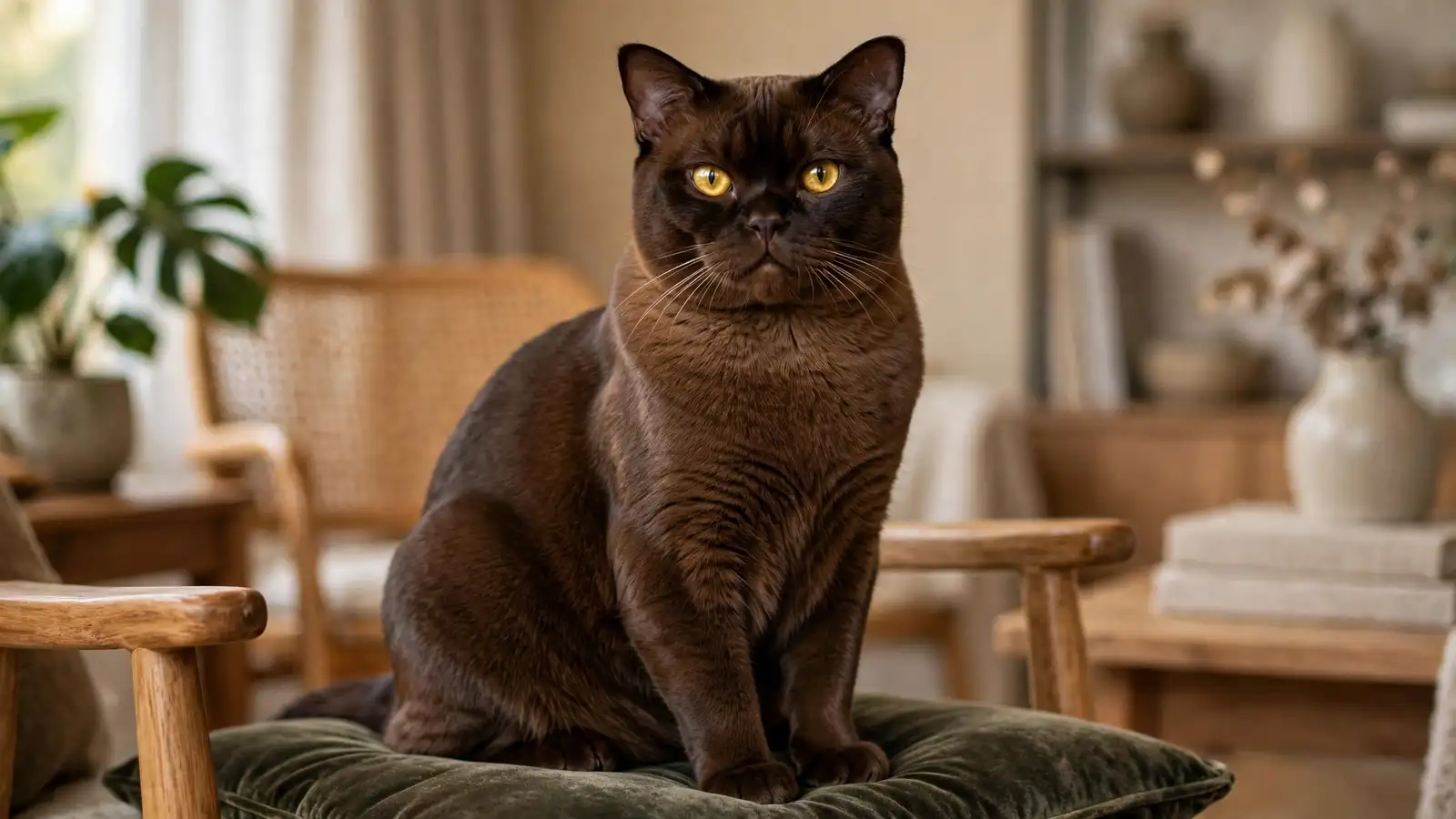
They call it “a brick wrapped in silk”: surprisingly solid and muscular beneath a coat so sleek it gleams like satin. The Burmese cat is a people obsessed, dog like companion that will follow you from room to room. If you want a cat that acts more like a loyal friend than an aloof housemate, the Burmese deserves your attention.
At a Glance
Size and Weight
Do not let the elegant look fool you: pick up a Burmese cat and you will be surprised by the heft. The Burmese is a medium sized cat weighing 8 to 10 pounds, not much larger than a Siamese but noticeably more muscular and sturdy. The body is compact and solid, with a rounded head and rounded ear tips.
Coat and Colors
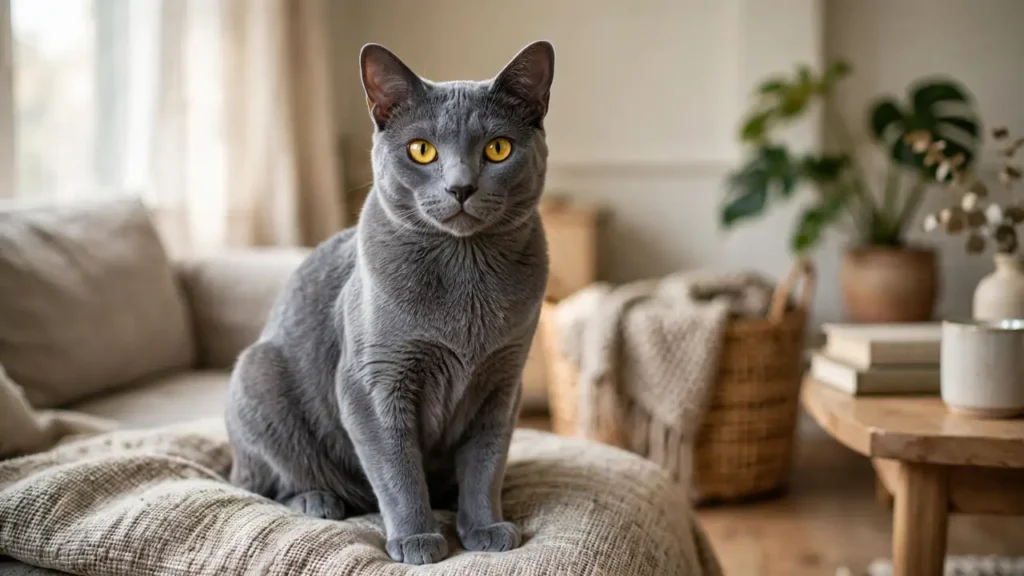
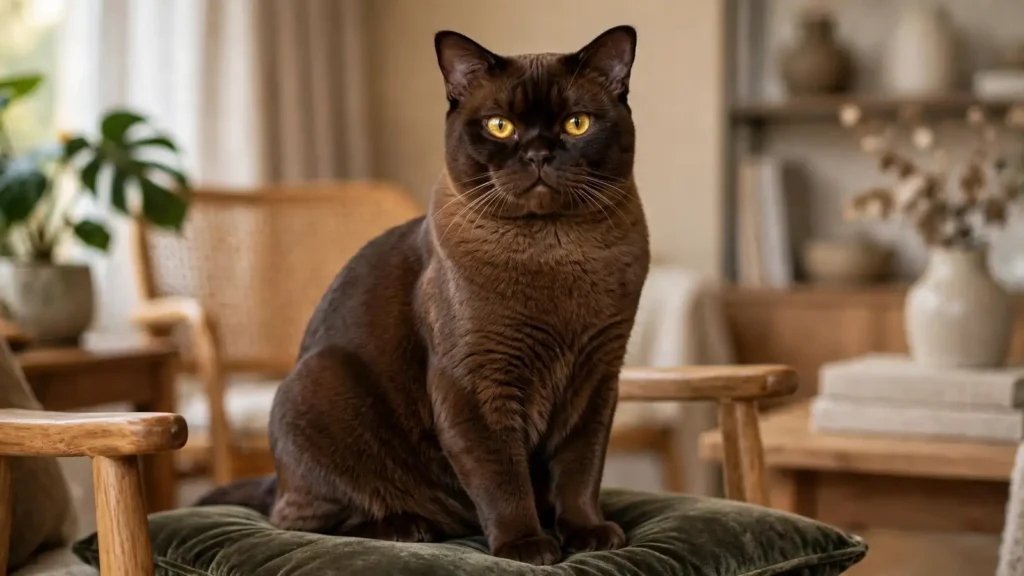
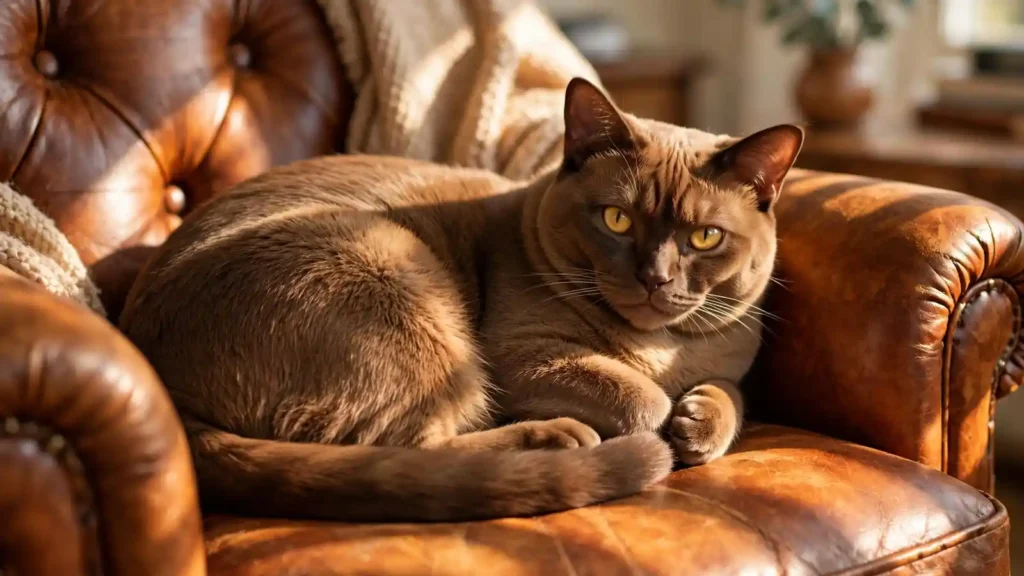
The Burmese coat is one of its most beautiful features: short, fine, and satin textured, with a gleam that catches the sunlight. The original and still most iconic Burmese color is sable, a rich, deep brown that can look almost black in dim light. Over the years the accepted palette has grown to include champagne, a warm beige brown; blue, a soft silvery tone; and platinum, a pale silver grey with a warm tint.

History and Origins
The Burmese has one of the most dramatic histories of any breed. Long before the modern breed existed, cats resembling the Burmese lived in Thailand’s temples: during the Ayutthaya kingdom (1350 to 1767), illustrated poems depicted a dark coated cat as a symbol of luck.
The modern breed begins with one cat. In 1930, a small, deep brown female named Wong Mau traveled from Burma to San Francisco with Dr. Joseph Thompson. Many assumed she was simply a dark Siamese, but Thompson believed she was something different, and he bred her.
One fun legacy of all that early crossbreeding: it gave rise to three entirely new breeds, the Tonkinese, the Bombay, and the Burmilla. The Burmese family tree keeps growing.
From temple cats to a single Pacific crossing, few breeds owe so much to one cat.
Physical Characteristics
Round, solid, and gleaming: that is the Burmese in three words. The head is round with a short muzzle, the ears are medium sized with rounded tips that tilt slightly forward, and the eyes are large, round, and gold. The body is compact and muscular, heavier than it looks: the famous brick wrapped in silk.
Burmese Personality and Behavior
If personality is what you are shopping for, the Burmese might be the richest breed in the cat world. The Burmese cat personality is famously people oriented: these cats bond deeply with their families, follow their owners from room to room, and appoint themselves supervisors of every household activity. They are playful and energetic well into adulthood, keeping a kitten like love of games for years, and many learn to play fetch.
Bonds deeply with its family, follows owners from room to room, and supervises every household activity.
Playful and energetic well into adulthood, keeping a kitten like love of games for years.
Talkative like its Siamese ancestors, but the Burmese voice is soft and sweet rather than loud.
- The ideal lap cat
- Dog like devotion
- Low effort coat
- Needs company: does not do well left alone
- Can be pushy with other breed cats
- Emotionally high maintenance
Care Essentials
Complete and balanced food with portion control and measured meals: a sturdy cat with a healthy appetite.
A weekly combing keeps the satin coat gleaming; nails, ears, and teeth on a routine.
Daily interactive play with wand toys, balls, and puzzle feeders, plus learning tricks.
Someone around for much of the day, or another cat for company: this breed needs people.
Nutrition and Diet
The Burmese is a sturdy, stocky cat with a healthy appetite, so portion control matters. Feed a complete and balanced diet suited to your cat’s age and activity level: because the breed can gain weight easily, measure meals rather than free feeding. Fresh water should always be available, and regular weigh ins at vet visits will catch creeping weight gain early.

Grooming
Grooming a Burmese cat is delightfully low effort. The short, satin coat needs only a weekly combing to remove dead hair and redistribute skin oils, which keeps the coat gleaming, and shedding is minimal. Beyond that, trim nails regularly and keep ears clean.

Exercise and Enrichment
A Burmese with nothing to do is a Burmese plotting mischief, so keep body and mind busy. Schedule daily interactive play with wand toys, balls, and anything that triggers the chase instinct; puzzle feeders and treat dispensing toys engage their intelligence, and many Burmese enjoy learning tricks. Because they are so social, the best enrichment is often simply you.

Health
The Burmese is generally a healthy, long lived breed, but there are breed specific conditions worth knowing about before you commit.
The most common concern: Burmese are prone to gingivitis, so regular teeth brushing and veterinary dental checks matter.
Burmese are also known to be sensitive to anesthesia, which your vet should note before any procedure.
More serious but less common conditions include craniofacial abnormalities (sometimes called Burmese head defect, linked to extreme head type breeding) and feline orofacial pain syndrome.
Indoor and Outdoor Living
The Burmese cat is an indoor cat by nature and by best practice: their trusting, people focused temperament makes them vulnerable outdoors, and their curiosity can carry them into trouble. An indoor home with window perches, climbing furniture, and daily interactive play gives them everything they need.
Family Suitability
The Burmese suits people who want a true companion, not an independent roommate. This breed is ideal for families with children, homes with other Burmese or cat friendly pets, and anyone who works from home or is around during the day. They repay attention with extraordinary devotion. Supervise introductions to cats of other breeds, which should be gradual.
Finding a Breeder or Rescue
Whether you choose a breeder or adoption, choose carefully. A responsible Burmese breeder health tests breeding cats, is open about results, raises kittens in the home around people, and provides a written health guarantee: ask about dental health in their lines. Burmese and Burmese mixes also appear in shelters and rescues, and an adult rescue can be a wonderful choice.
- Ask for health testing results and a written health guarantee
- Ask about dental health in the breeder’s lines
- Kittens should be raised in the home, around people
- Consider an adult rescue: the personality is already visible
Quick Quiz: Is a Burmese Right for You?
Answer four questions. Tap yes or no.
Burmese vs Tonkinese
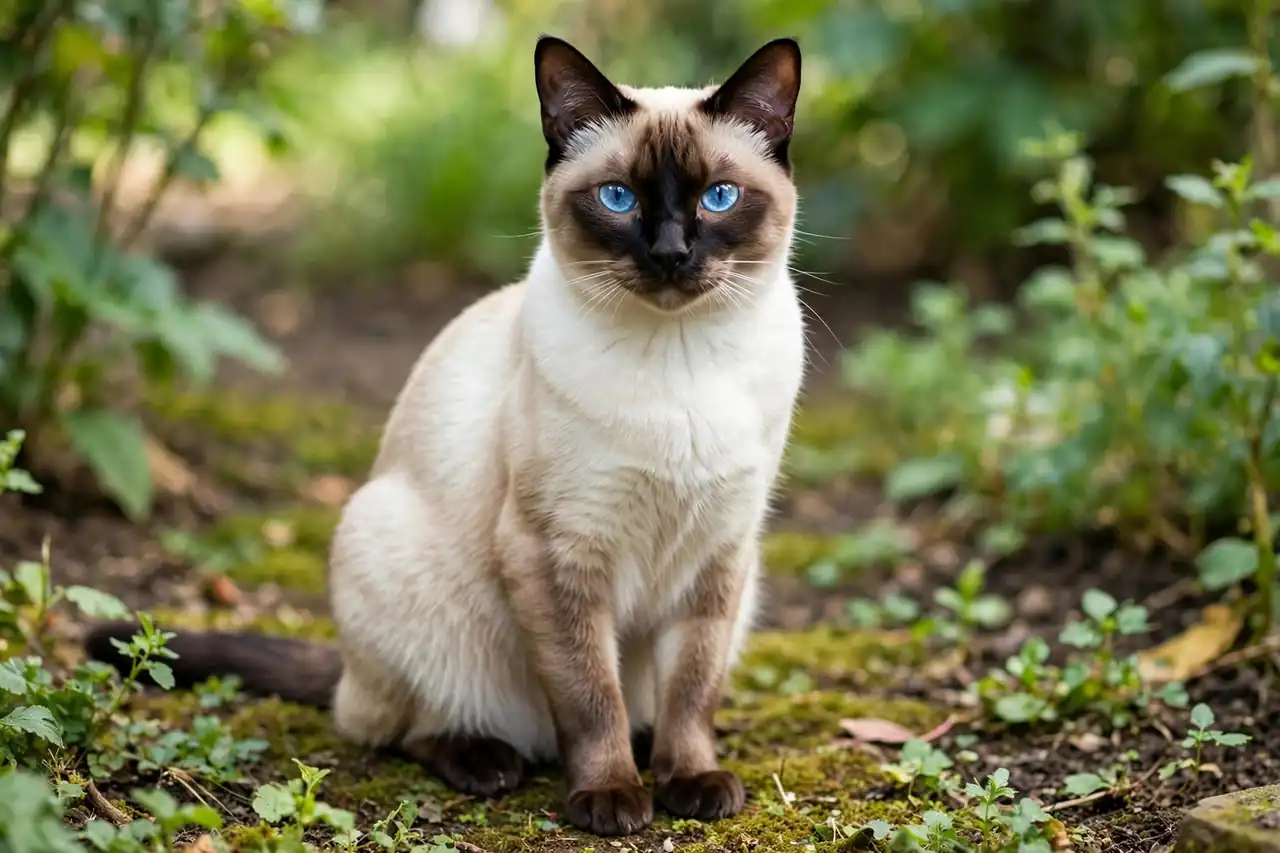
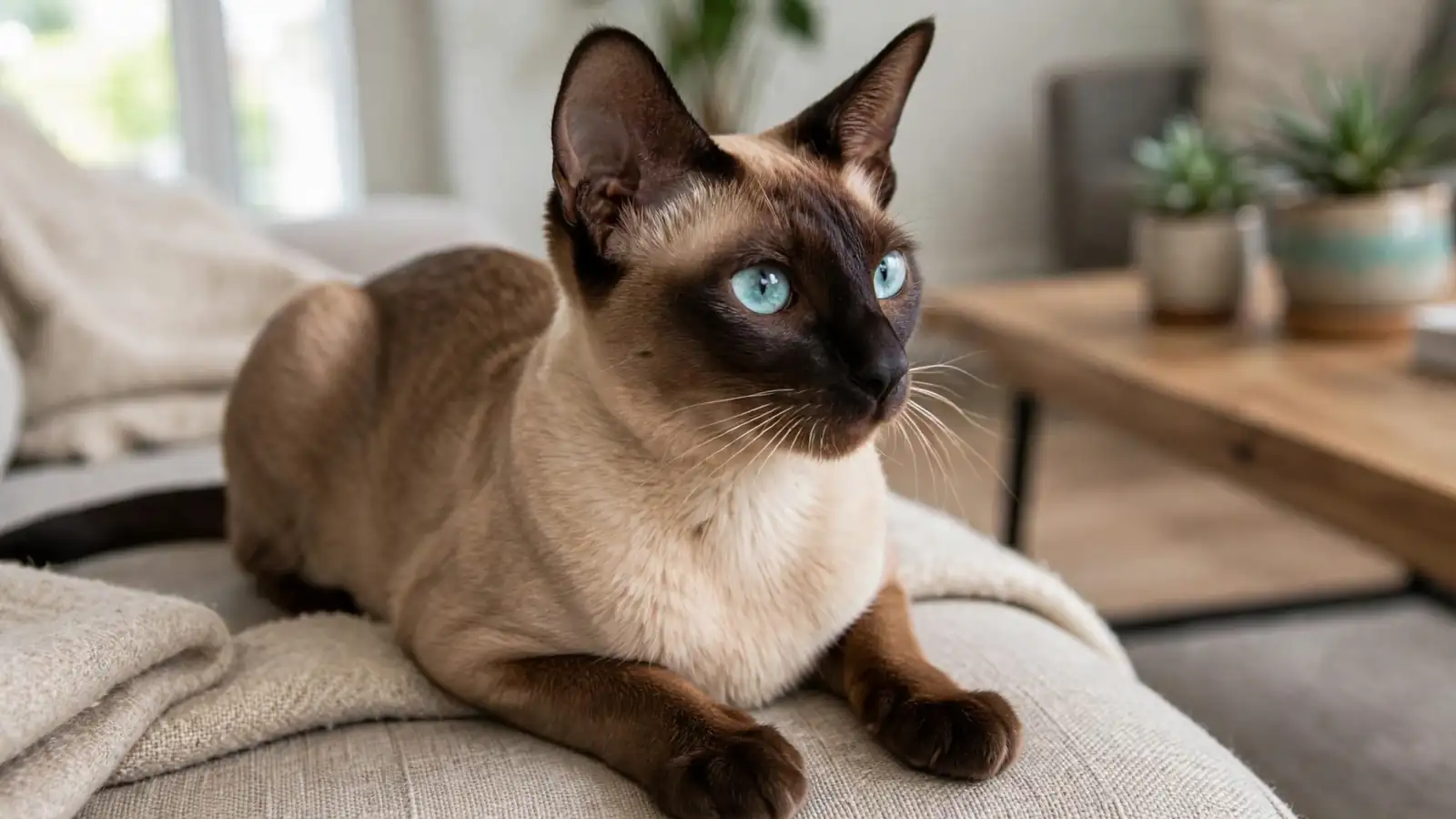
If the Burmese appeals to you, these breeds scratch a similar itch: the Tonkinese, a breed born from Burmese crossbreeding, is the closest relative of all.
Frequently Asked Questions
Are Burmese cats lap cats?
Absolutely. The Burmese is often called the ideal lap cat. They crave physical contact, follow their people everywhere, and are happiest touching you, whether in your lap, on your shoulder, or beside you in bed.
Are Burmese cats vocal?
Yes, but pleasantly so. They inherited talkativeness from their Siamese ancestors, yet the Burmese voice is soft and sweet rather than loud and demanding. Expect conversation, not yowling.
Do Burmese cats get along with other pets?
They do well with children, other cats (especially other Burmese), and cat friendly dogs. They can be less accepting of cats from other breeds, so introductions should be gradual.
How long do Burmese cats live?
The typical lifespan is 10 to 16 years. With good care, a healthy weight, dental attention, and an indoor lifestyle, many Burmese reach their mid teens.
The Burmese cat suits people who want a true companion, not an independent roommate: a people obsessed, dog like friend wrapped in silk. If someone is home for much of the day and you can give the attention it craves, the Burmese repays it with extraordinary devotion.
Similar Breeds Worth Exploring
Related Breed Guides
- Siamese Cat Breed Guide
- Tonkinese Cat Breed Guide
- Ragdoll Cat Breed Guide
- Bombay Cat Breed Guide
- Singapura Cat Breed Guide
- European Burmese Cat Breed Guide
Keep Exploring
Still deciding? Meet the louder cousin, the Siamese, or its closest relative, the Tonkinese. Every guide on this site follows the same layout, so the facts you need are always in the same place.