Snowshoe Cat
Snowshoe: white boots, big heart
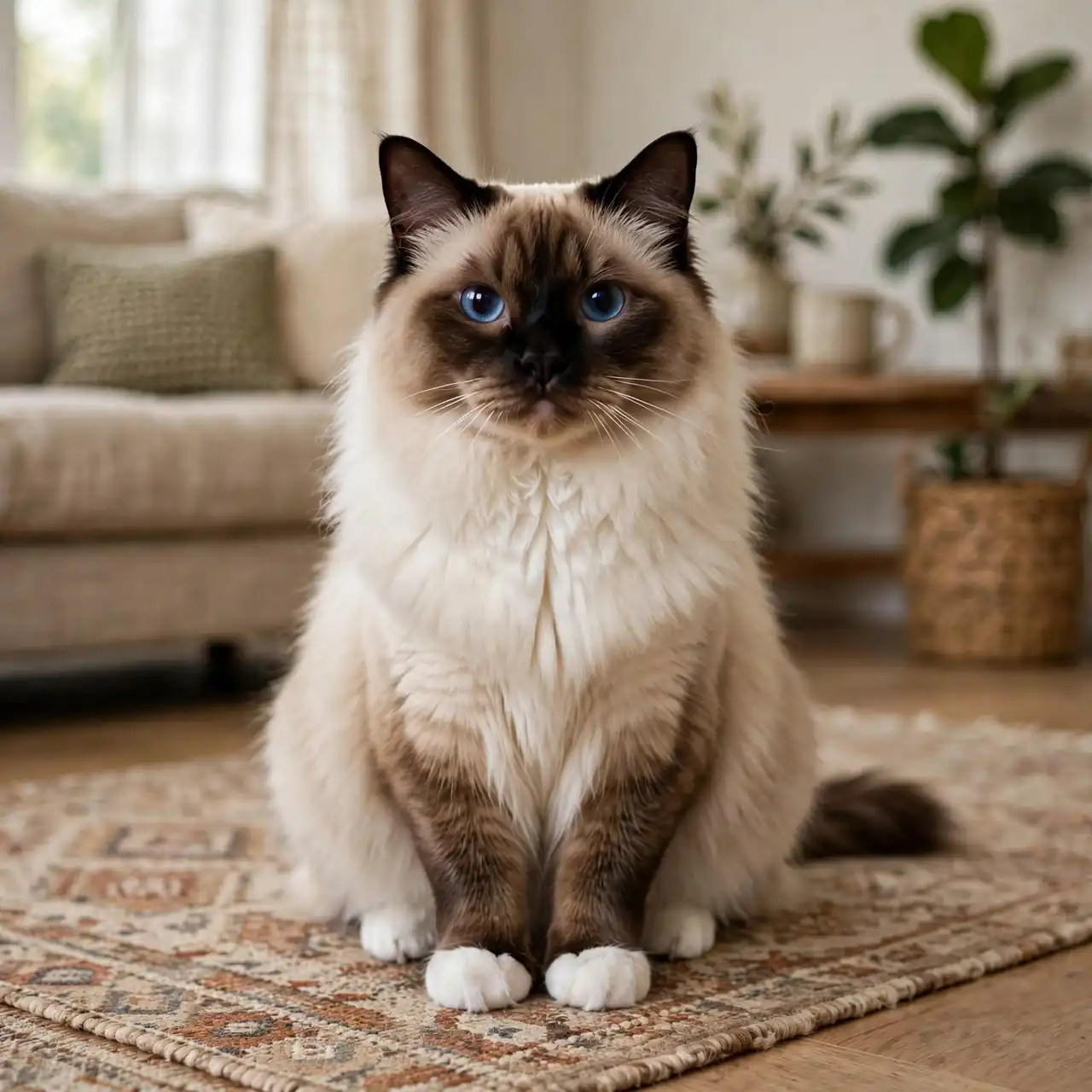
The Snowshoe cat looks like it walked through fresh snow, with white paws, blue eyes, and a personality as unique as a snowflake: one of the rarest pedigreed cats on earth.
By Emily Carter · Reviewed by our vet team · Updated 21 October 2026 · 10 min read
Lifespan 14–20 yrsWeight 7–12 lbWhite boots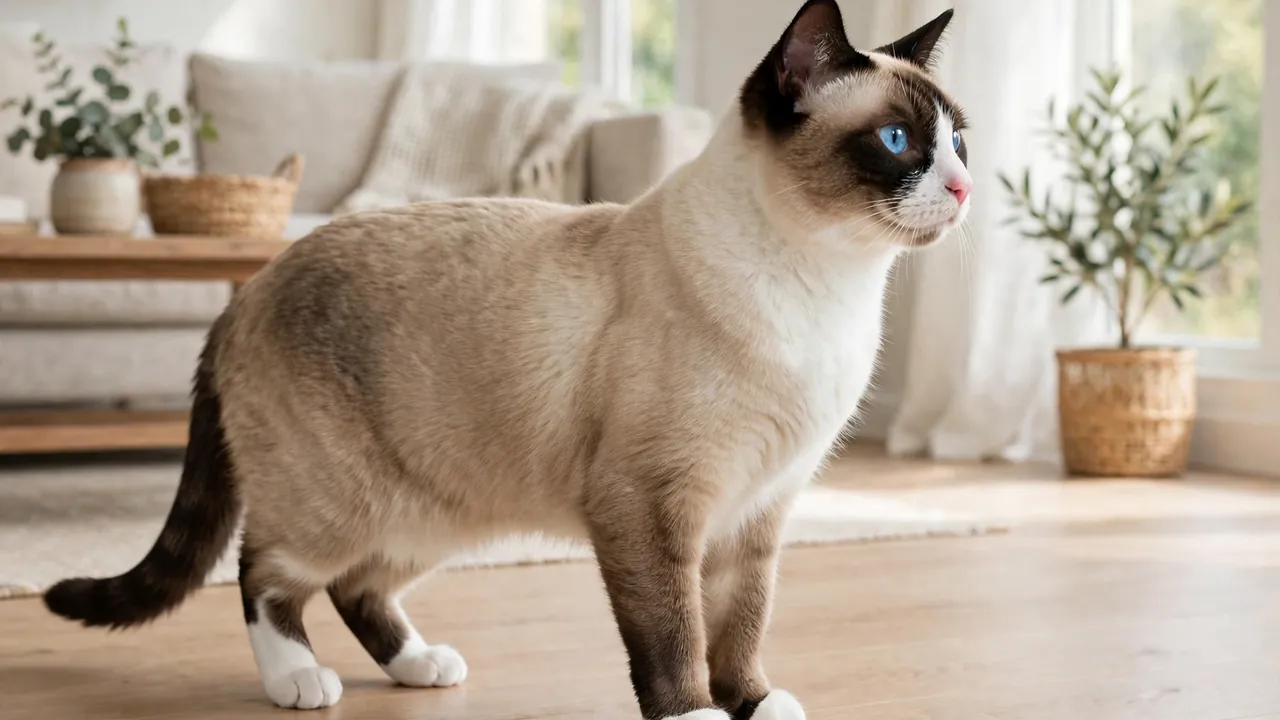
They look like they stepped in fresh snow and never wiped their paws. With white “boots”, sapphire blue eyes, and an inverted V of white across the face, the Snowshoe cat is one of the most striking breeds you will ever see. The Snowshoe is also one of the rarest pedigreed cats on earth, with only a couple dozen breeders worldwide.
At a Glance
Size and Weight
The Snowshoe is a medium sized cat with a deceptive build. Males typically weigh 9 to 12 pounds, while females run smaller at 7 to 10 pounds, though some females match the males in size. The body is firm and muscular without being bulky, more like a runner than a wrestler.
Coat and Colors
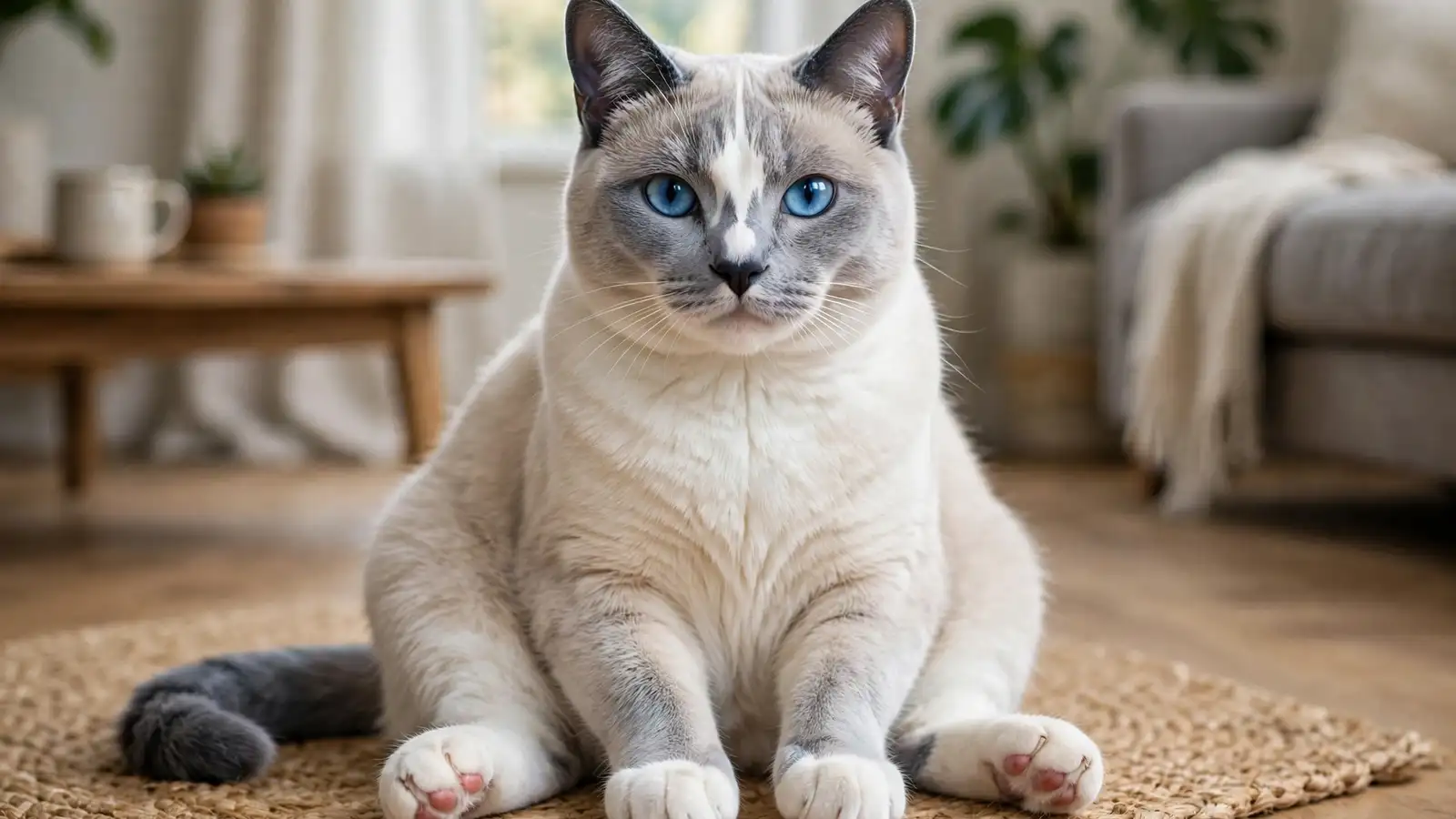
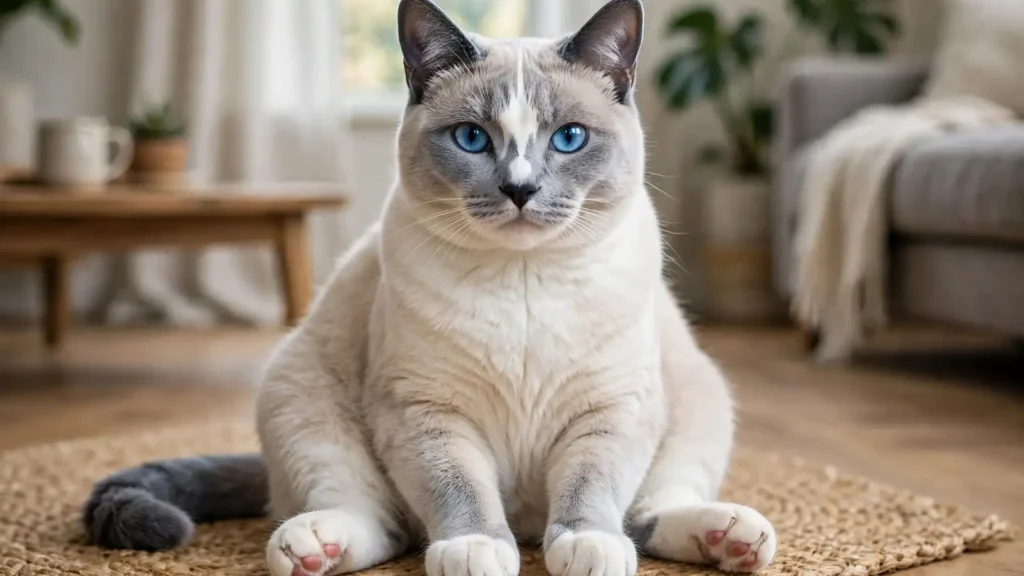
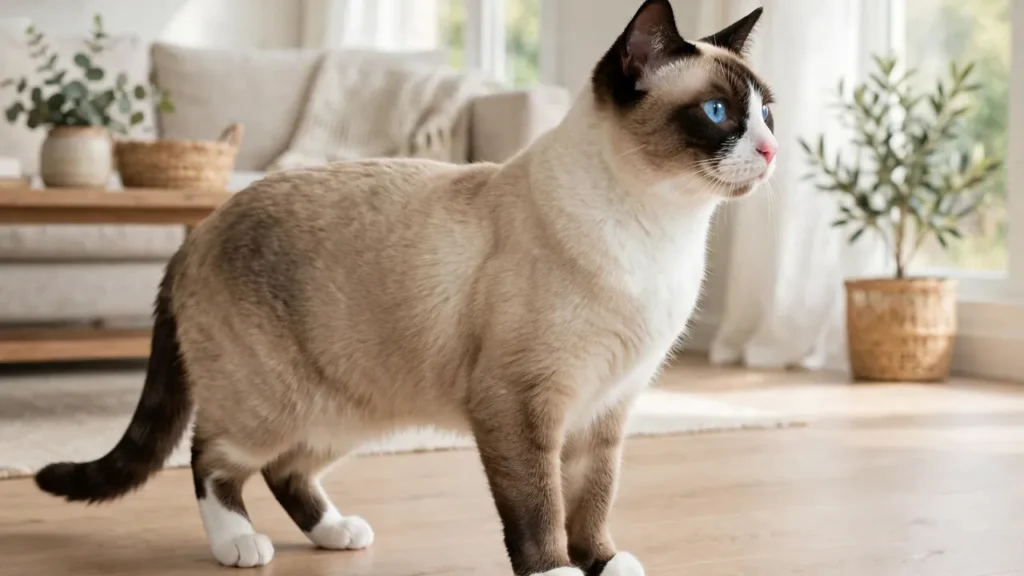
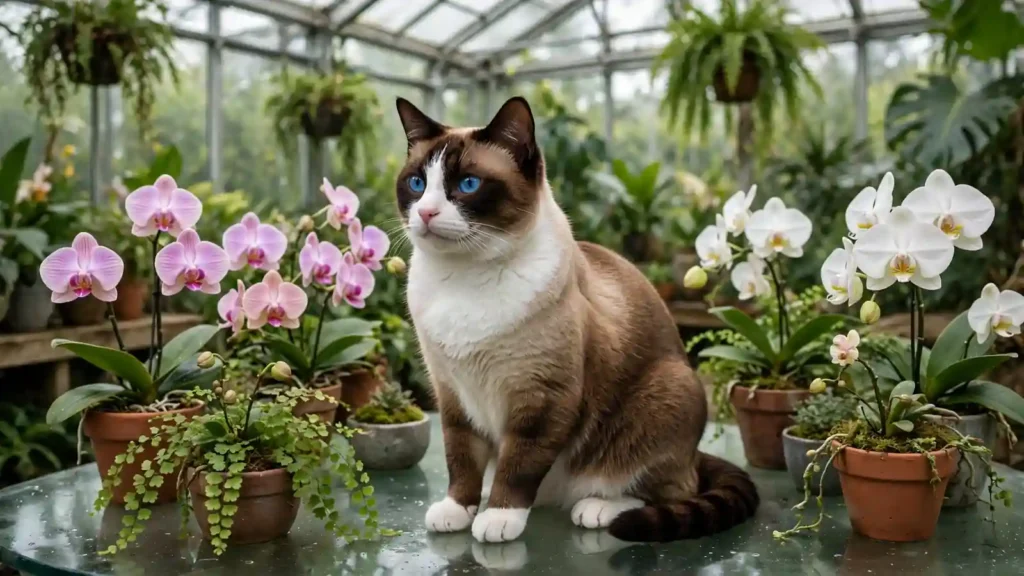
No other breed looks quite like a Snowshoe. The signature features are the four white feet, which look as if the cat dipped its paws in snow, and often a white inverted V marking between the eyes; the rest of the coat carries pointed coloration like a Siamese. Here is something remarkable: Snowshoe kittens are born completely white, and the full pattern can take up to two years to develop.
History and Origins
The Snowshoe began with a happy accident in Philadelphia in the late 1960s. A Siamese breeder named Dorothy Hinds Daugherty was startled to find three kittens in a Siamese litter with an unexpected feature: the classic pointed pattern, but with white feet like little socks.
Progress was painfully slow. The white markings come from recessive genes, making them extremely difficult to reproduce consistently, and the breed’s early records were poorly kept.
The breed was developed from Siamese and American Shorthair lines, and it remains one of the rarest pedigreed cats on earth, with only a couple dozen breeders worldwide.
A breed created by chance, and kept rare by its own genetics.
Physical Characteristics
Athletic, balanced, and unmistakable. The Snowshoe has a modified wedge head with medium large ears that continue the triangular shape, and large oval eyes in shades of sparkling blue to pale blue gray. The body is moderately long and muscular. The coat is short to medium in length, single layered with no undercoat, and smooth to the touch: a low maintenance coat that usually looks after itself.
Snowshoe Personality and Behavior
Like snowflakes, no two Snowshoes share the same personality, but they are never boring. The Snowshoe cat personality is a fascinating mix: some are shy, some are bossy in the nicest possible way, and some appoint themselves caregivers. They are deeply social and bond intensely, often choosing one family member as “their person” while staying friendly with everyone else, and they prefer to lead rather than follow.
Deeply social and bonded intensely, often choosing one family member as their person while staying friendly with everyone.
No two share the same personality, but they are never boring: supervisors, shoulder riders, and caregivers.
Intelligence plus curiosity means a Snowshoe can get into anything, and they love learning tricks.
- Sweet, social, and playful
- Bonds intensely with its people
- Low maintenance coat
- Needs engagement, not an independent cat
- Very hard to find: a genuine search
- Curiosity gets into everything
Care Essentials
Complete, balanced, high quality food for the age and lifestyle, with gradual food changes for kittens.
Brush once or twice a week with a soft brush or fine toothed comb; start routines early.
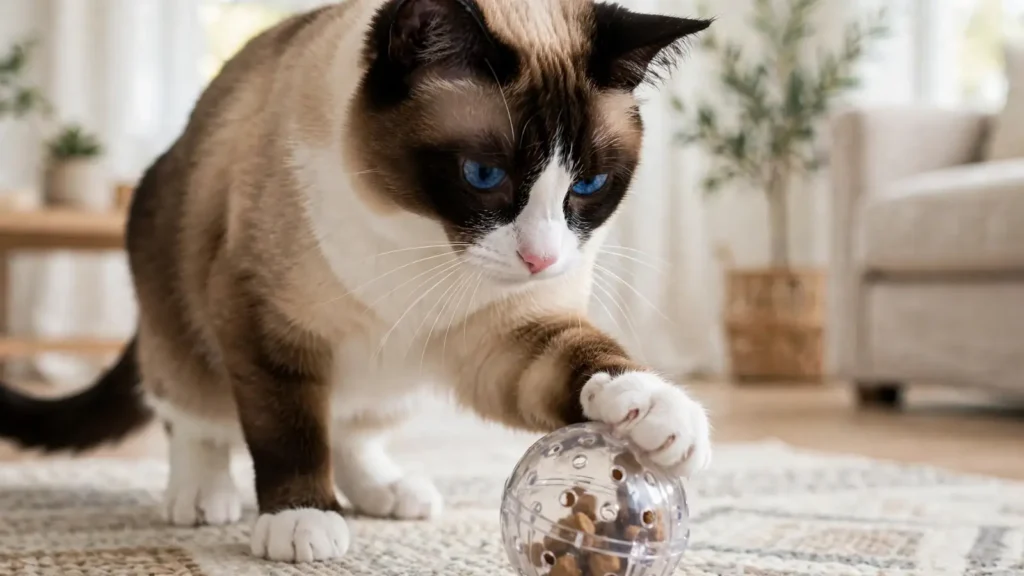
Wand toys, feather teasers, balls, puzzle feeders, and short trick training sessions daily.
Climbing structures and high perches, at the center of family life: and keep valuables safe.
Nutrition and Diet
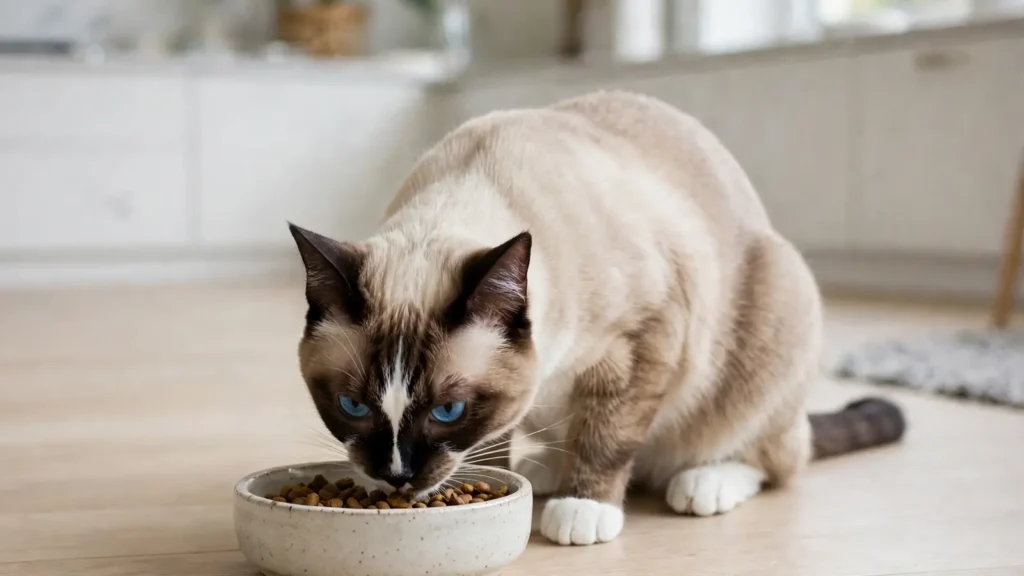
Feed a complete, balanced, high quality diet appropriate for your cat’s age and lifestyle: as obligate carnivores, Snowshoes need the right nutrients in the right ratios, and high quality proteins and fatty acids help maintain that sleek, shiny coat. Two watch points: Snowshoe kittens can have sensitive stomachs, so introduce new foods gradually; and monitor weight, since the breed can drift toward gaining.
Grooming
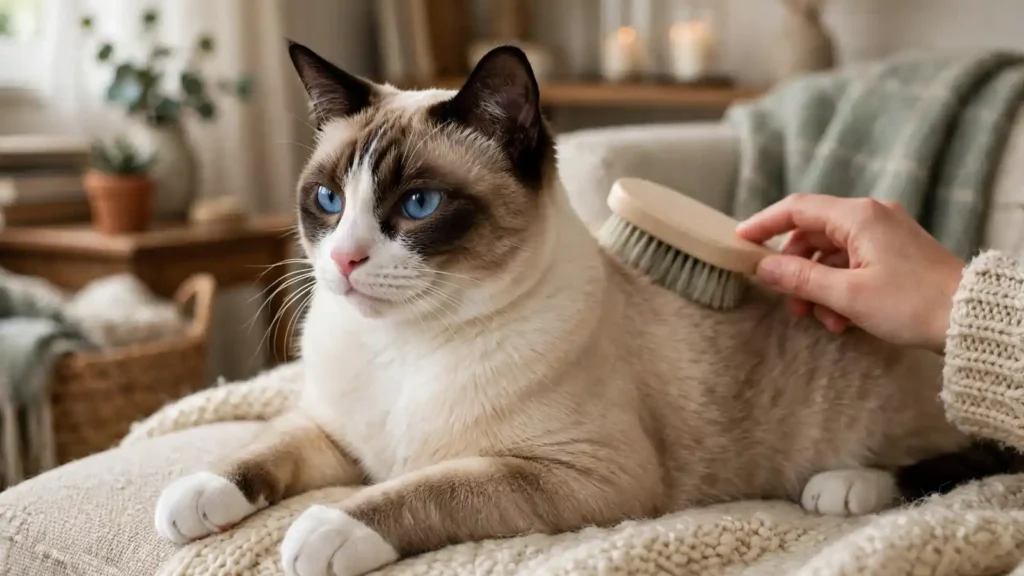
The Snowshoe is one of the easier breeds to keep looking sharp. Brush the short, smooth coat once or twice a week with a soft brush or fine toothed comb to remove dead hair and distribute skin oils: shedding is minimal thanks to the single layer coat with no undercoat. Start grooming routines early so your cat accepts them calmly.
Exercise and Enrichment
A bored Snowshoe cat is a creative Snowshoe, and not always in ways you will appreciate. These cats are athletic and speedy, with energy to burn: provide wand toys, feather teasers, ball toys, puzzle feeders, and treat dispensing games. They love learning tricks, and short training sessions suit them well. And here is the delightful quirk: many Snowshoes love water, splashing in shallow containers and pawing at running faucets.
Health
The Snowshoe is considered a generally healthy breed with a long lifespan, commonly 14 to 20 years, though some sources cite 12 to 15. A few issues are worth watching.
Insurance claims data points to a few issues worth watching: dental disease, digestive upsets, and respiratory issues appear most often in the breed.
Polycystic kidney disease, an inherited condition where cysts form in the kidneys, has been reported in the breed, though the risk is lower than in the breeds most prone to it.
Their Siamese ancestry occasionally shows up as a kinked tail or crossed eyes. Annual wellness exams catch problems early.
Indoor and Outdoor Living
The Snowshoe cat is a natural indoor companion: they are deeply people oriented and do best at the center of household life. Their curiosity can carry them into danger outdoors, and their rarity makes them a target for theft. An indoor home with climbing structures, perches, and daily company is the right setup.
Family Suitability
The Snowshoe suits people who want an interactive, entertaining partner. This breed is ideal for families with children, especially older kids who appreciate a playful but gentle cat, and for homes with other pets. They adapt well to busy households and are not easily rattled.
Finding a Breeder or Rescue
Be prepared for a search: this is genuinely one of the rarest breeds. With only around two dozen breeders worldwide, Snowshoe kittens are hard to find and typically cost between $2,000 and $3,500, varying by breeder, pedigree, and markings. Do not overlook rescues and shelters either: Snowshoe type cats and mixes appear in adoption channels more often than you would expect.
- Expect a waiting list: budget $2,000 to $3,500
- Ask about health screening, including kidneys
- Perfect markings are rare even in good litters: recessive genes decide
- Check rescues and shelters for Snowshoe type cats
Quick Quiz: Is a Snowshoe Right for You?
Answer four questions. Tap yes or no.
Snowshoe vs Siamese
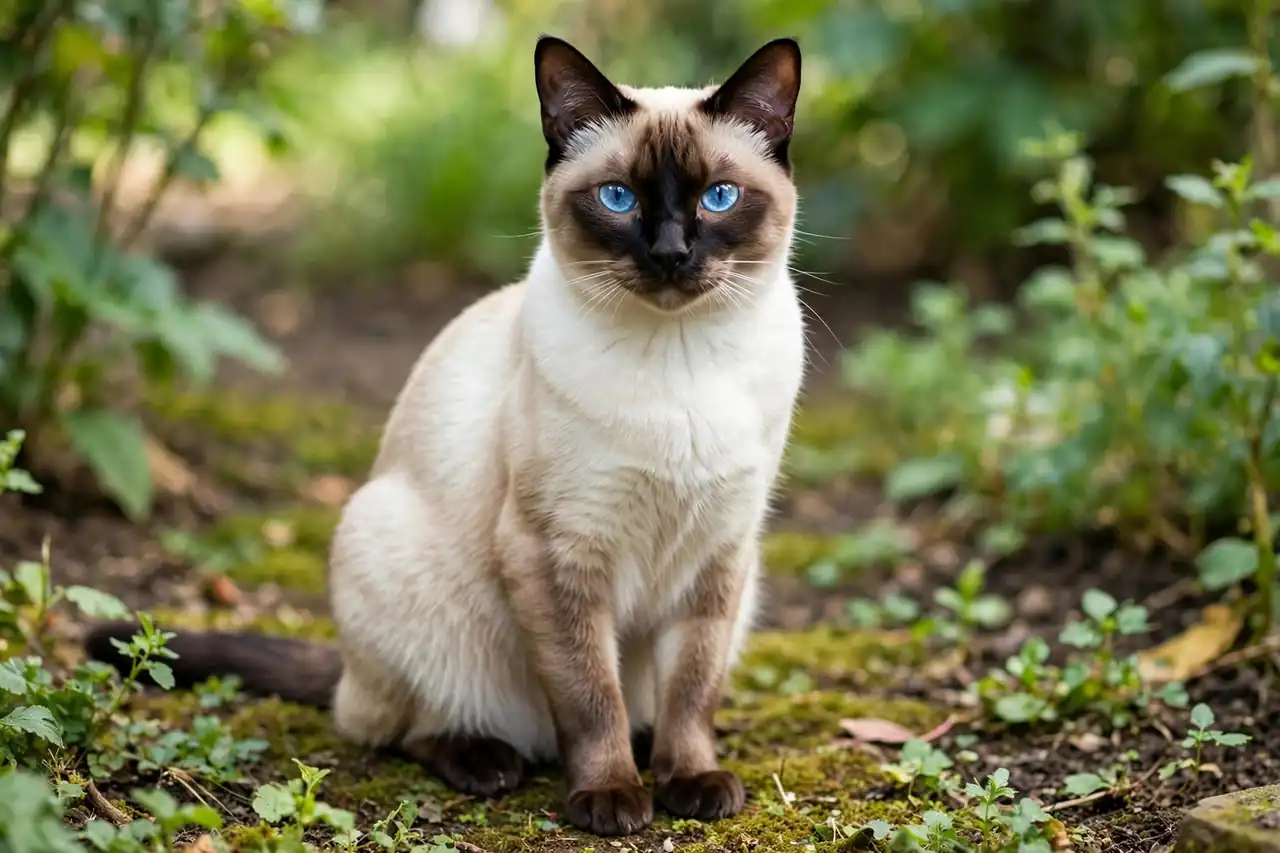
If the Snowshoe appeals to you, these breeds share its spirit: the Siamese offers the same pointed elegance and chattiness in a more vocal, demanding package. But a Snowshoe is not a Siamese with socks.
Frequently Asked Questions
What is special about Snowshoe cats?
The four white “snowshoe” feet, blue eyes, and white facial markings make them visually unique, but owners cherish them most for their sweet, social, endlessly entertaining personalities.
Why are Snowshoe cats so rare?
Their markings come from recessive genes that are very difficult to reproduce consistently. Many kittens in a litter will not show the perfect pattern, which keeps numbers low and prices high.
Is a Snowshoe cat the same as a Siamese?
No. Snowshoes descend partly from Siamese and share the pointed coat and blue eyes, but they are a distinct breed with American Shorthair influence, white markings, and their own breed standard.
Are Snowshoe cats good family pets?
Wonderful. They are social, playful, tolerant of noise and activity, and good with children and other pets. They do best where someone is home for much of the day.
The Snowshoe cat is a rare treasure: visually stunning, whip smart, and devoted beyond reason to its chosen people. Finding one takes patience, but owners consistently say the search is worth it.
Similar Breeds Worth Exploring
Related Breed Guides
Keep Exploring
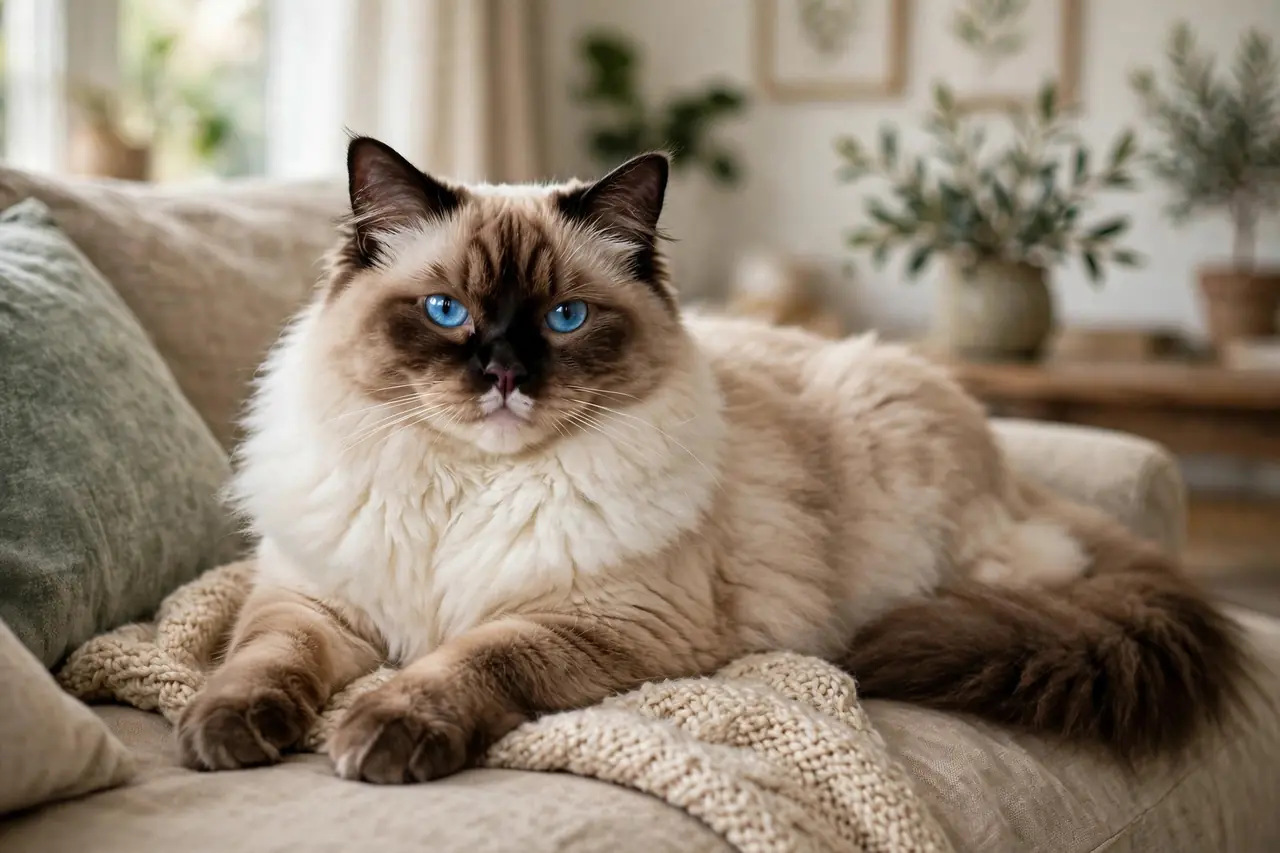
Still deciding? Meet the parent breed, the Siamese, or the gentle, gloved Birman. Every guide on this site follows the same layout, so the facts you need are always in the same place.