American Curl Cat Breed Guide
American Curl: sweet nature, signature curled ears
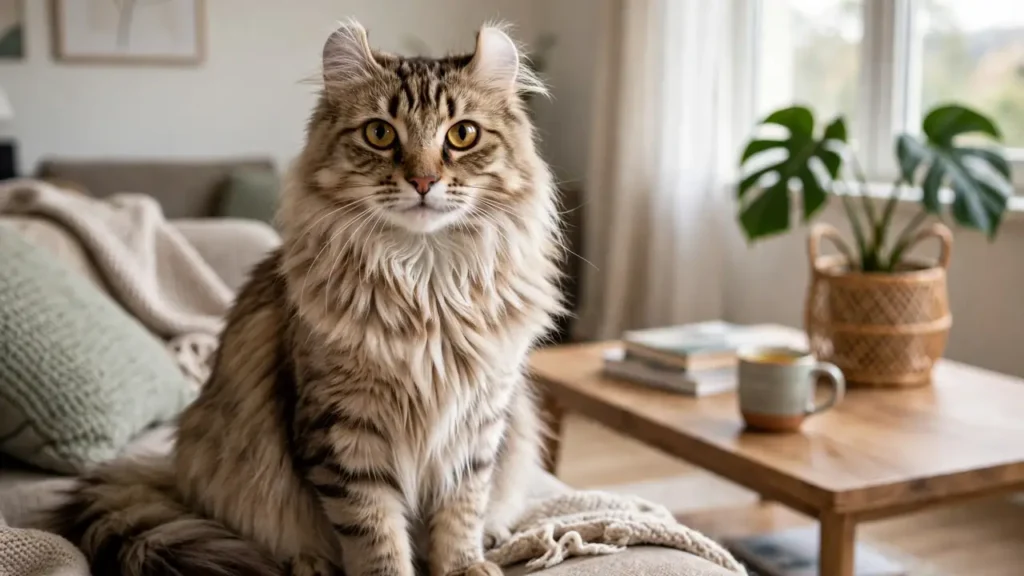
The American Curl cat is known for ears that curl back in a graceful arc. Gentle, playful, and people oriented, it keeps a kitten-like spirit well into adulthood.
By Emily Carter · Reviewed by our vet team · Updated 21 October 2026 · 10 min read
Lifespan 13+ yrs Weight 5–10 lb Playful & devoted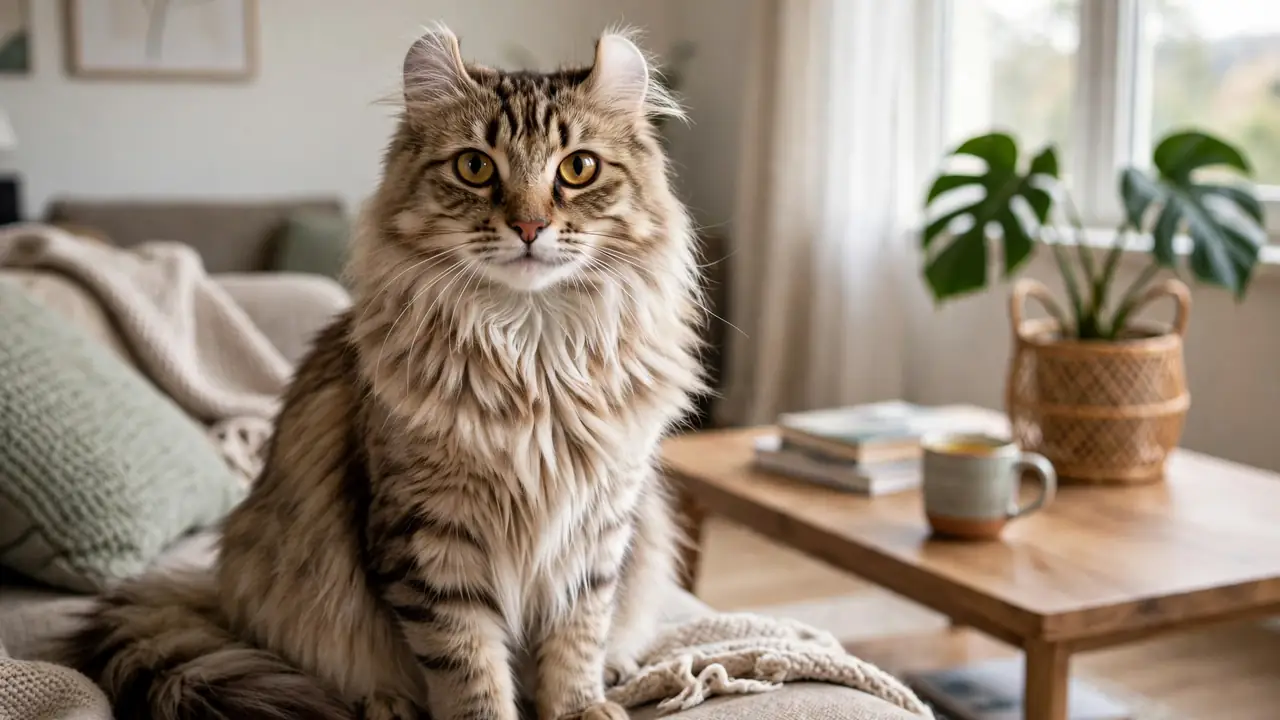
Short on time? This quick snapshot covers the essentials of the american curl cat.
At a Glance
Size and Weight
It sits in a comfortable middle ground, neither tiny nor large.
Most adults weigh between 5 and 10 pounds. The body is medium in length and elegant rather than stocky, with smooth lines from shoulders to hips. Males usually run a little heavier than females, though the difference is modest. This size makes the breed easy to lift and cuddle, yet sturdy enough for lively play sessions.
Coat and Colors
Few breeds give you as many choices as the american curl cat. The variety here is genuinely fun to explore.
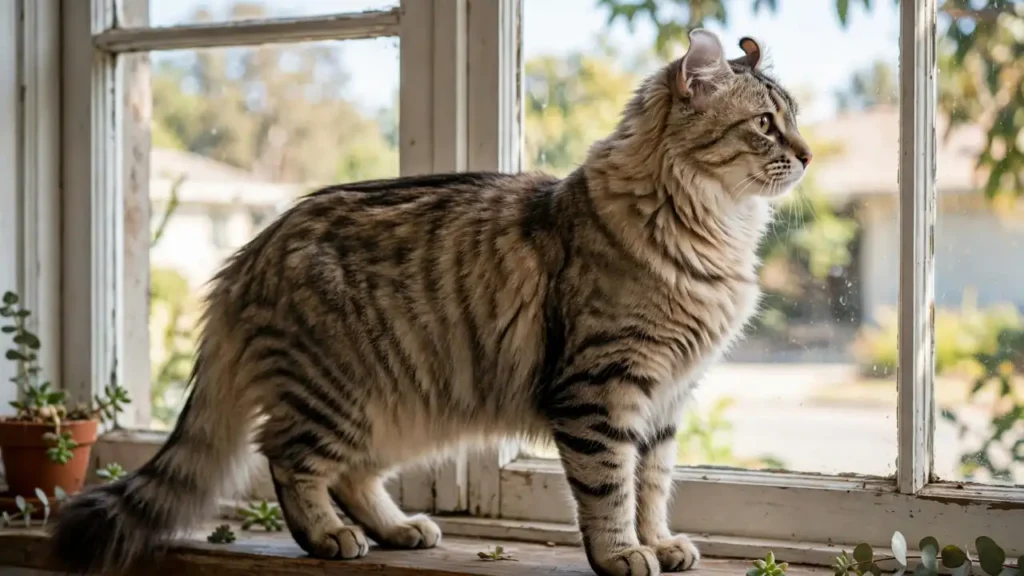
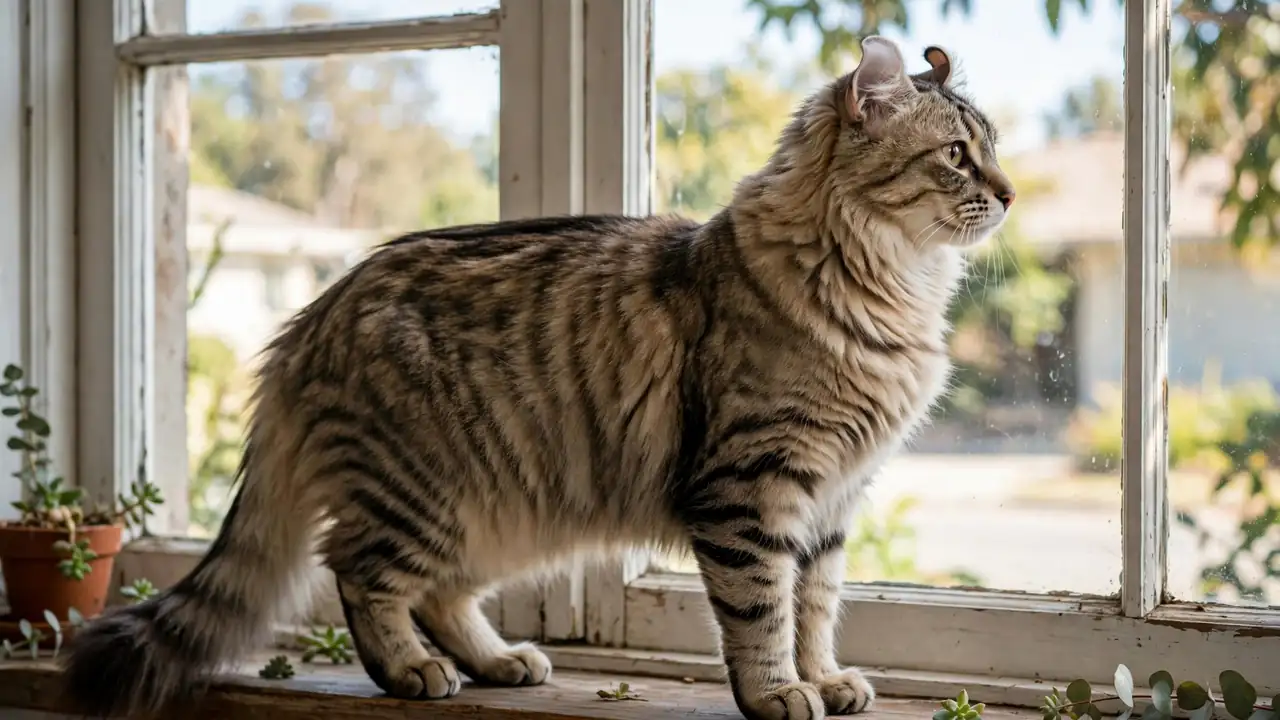
The coat comes in two lengths. The shorthair version lies close to the body with a sleek, polished look. The longhair version flows a little longer and often carries a plumed tail, yet it stays light and silky instead of heavy. Both share the same fine texture, and both carry very little undercoat.
That minimal undercoat matters more than you might think. With less dense filler beneath the topcoat, the fur resists matting and tangles far better than the coats of many longhaired breeds. Shedding still happens, since every cat sheds, but loose hair is easier to manage and the coat keeps a natural shine with routine brushing.
Color and pattern options cover just about everything you can picture on a cat. Solid colors include black, white, blue (a soft gray), red (a warm orange), and cream. Tabby patterns appear as classic swirls, mackerel stripes, and spotted markings, each wearing the distinctive forehead M that tabbies are known for. Bicolor cats pair white with any of these shades in endless combinations.
You will also find tortoiseshell coats blending black and red in a patchwork, and colorpoint patterns with darker ears, face, paws, and tail set against a paler body. Shaded and smoke coats add another layer of beauty, with each hair tipped in color over a lighter base. Nose leather and paw pads usually echo the coat, shifting from pink to black depending on the shade.
Whatever color you choose, the texture stays the same: soft, silky, and pleasant to stroke. The coat is one of the breed’s quiet luxuries.
History and Origins
In 1981, a stray female with strangely curled ears wandered up to a family home in California. They took her in and named her Shulamith.
When Shulamith had kittens, some inherited the same curled ears — a new breed grew from that single natural mutation.
Kittens arrive with straight ears; the curl begins to develop within the first few days of life.
Cat lovers were charmed by the sweet, alert expression, and the breed steadily gained admirers through the 1980s and beyond.
Every american curl cat alive today traces back to one stray cat in California.
In 1981, a stray female with strangely curled ears wandered up to a family home in California. They took her in and named her Shulamith. When she later had kittens, some of them inherited the same curled ears, and a new breed grew from that single natural mutation.
Kittens arrive with straight ears like any newborn kitten, and the curl begins to develop within the first few days of life. Cat lovers were charmed by the sweet, alert expression those ears create, and the breed steadily gained admirers through the 1980s and beyond.
Physical Characteristics
The ears steal the show, but the rest of the american curl cat is equally refined.
Each ear curls backward in a smooth, graceful arc, sweeping away from the face. The cartilage feels firm yet flexible, and the curl never presses flat against the head. Responsible breeders never force or manipulate the ears, since the natural shape is exactly the point.
Under those ears sits a medium sized cat with an elegant, well balanced frame. Nothing about the body is exaggerated. Legs are proportionate, the tail is long and tapering, and the whole cat gives an impression of grace rather than bulk. Combined with the silky coat in either length, the result is a cat that looks refined without looking fragile.
American Curl Personality and Behavior
Bring home an american curl cat and the kitten phase may feel like it never ends.
This is a playful, people loving breed that holds onto its curiosity far longer than most cats. Curls tend to follow their favorite humans from room to room, joining in whatever is happening instead of watching from a distance. Visitors are greeted with interest rather than suspicion, and most settle into new routines with little fuss.
Their voice stays quiet. You will hear soft trills and chirps more often than demanding meows, which makes them pleasant company in apartments. They love perching up high to survey their territory, and they take to interactive toys with real enthusiasm. With children and other pets, they are typically patient and good natured, as long as introductions are handled gently.
A playful breed that holds onto its curiosity far longer than most cats — the kitten phase may feel like it never ends.
Curls follow their favorite humans from room to room, joining in whatever is happening.
Soft trills and chirps more often than demanding meows — pleasant company in apartments.
- Playful and affectionate into adulthood
- Patient with children and other pets
- Quiet voice — apartment friendly
- Ears need gentle handling for life
- Wants daily interaction, not long stretches alone
- Curious investigators move breakables into range
Care Essentials
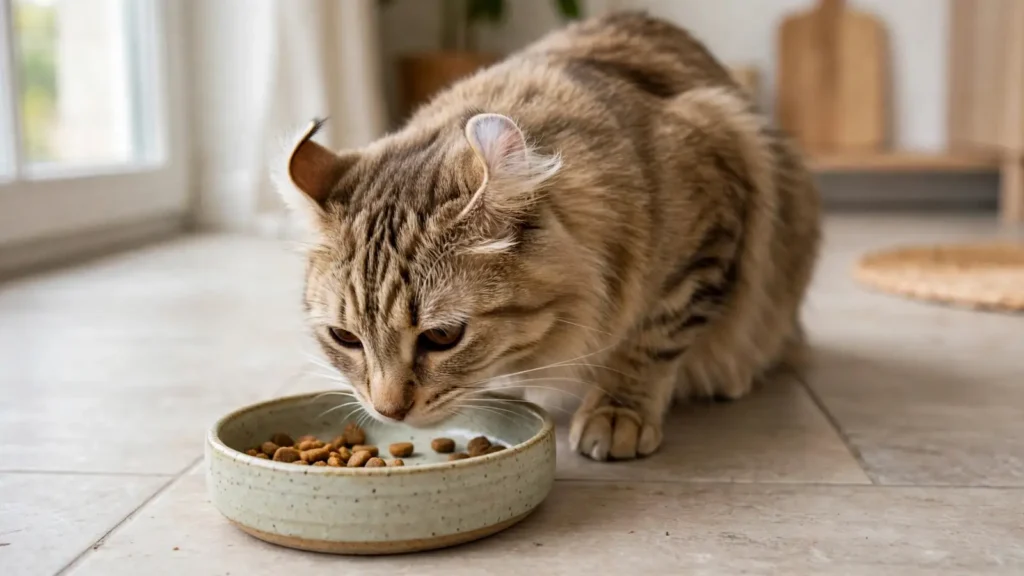
High quality food by life stage, with measured meals — even an active breed gains weight with constant bowl access.
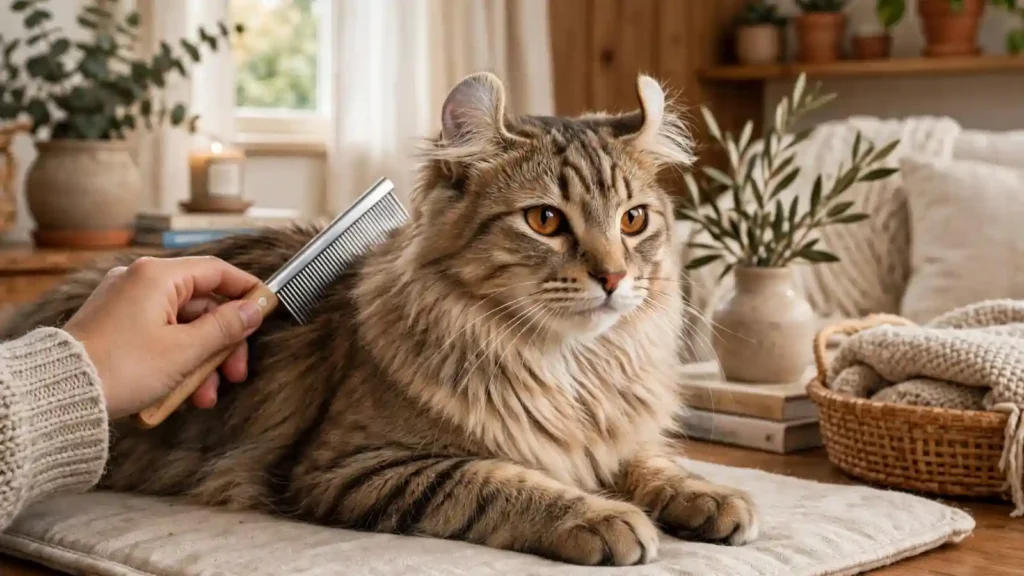
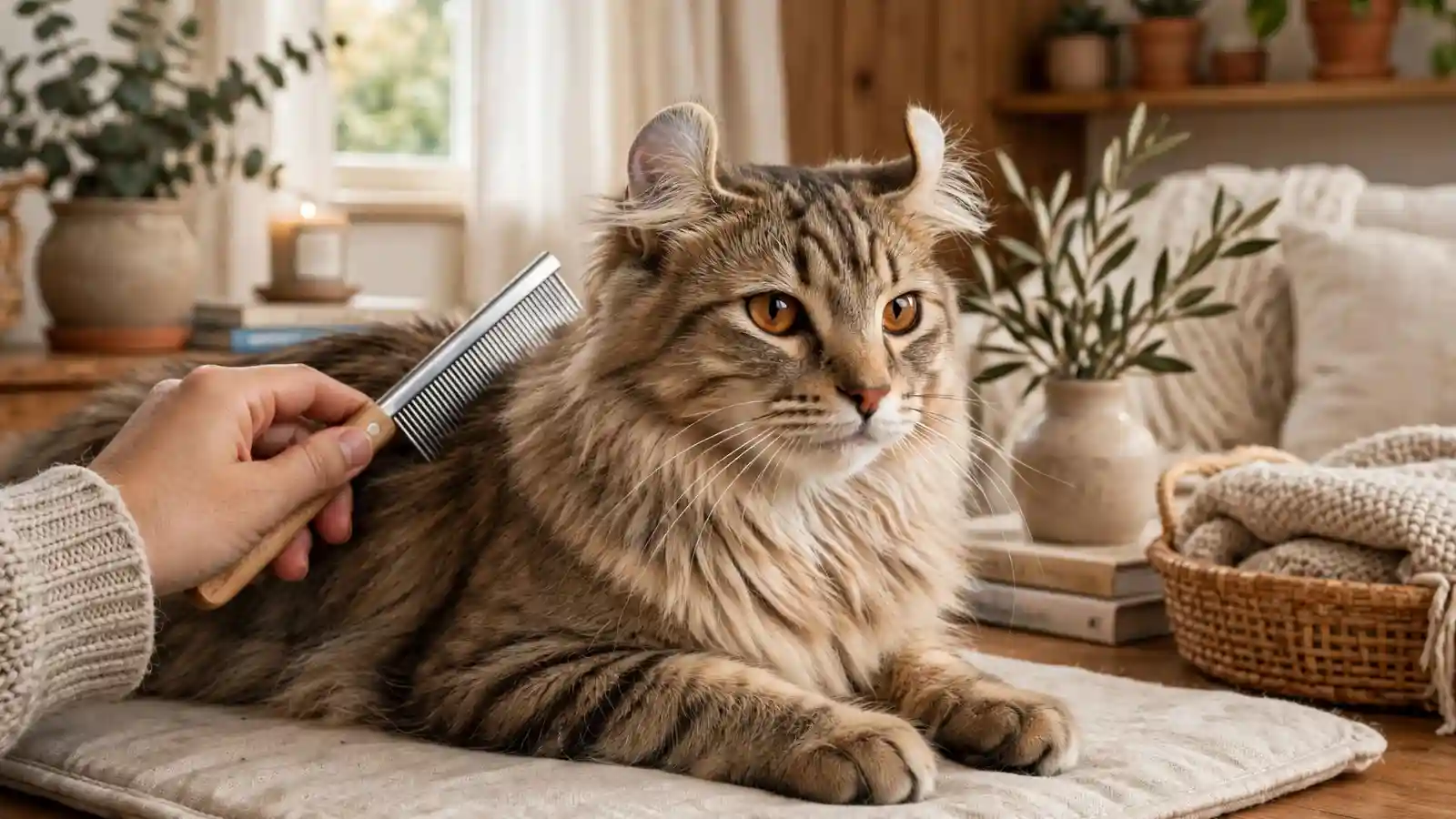
Shorthair once a week; longhair two or three gentle sessions. Work carefully around the ears.
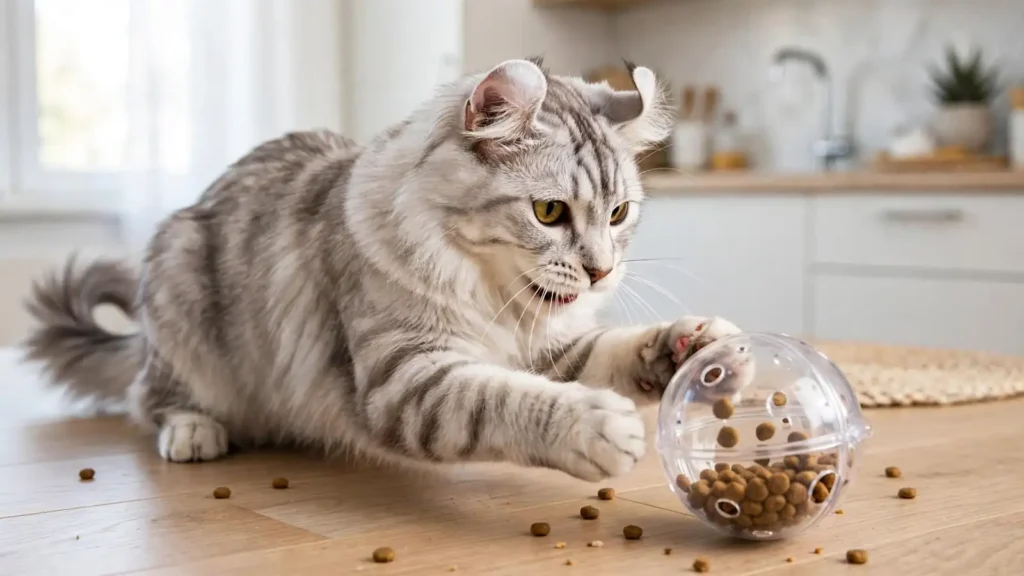
Daily interactive play — wand toys, feather teasers, crinkle balls and puzzle feeders.
Indoors is best; a catio, screened porch or harness walks for fresh air.
Nutrition and Diet
Good food shows in the coat. A well fed american curl cat wears a noticeable shine.
Feed a high quality commercial cat food suited to your cat’s life stage, whether kitten, adult, or senior. Look for real animal protein among the first ingredients, since cats are obligate carnivores. Measure meals instead of leaving food out all day, because even an active breed can gain weight with constant access to the bowl. Keep fresh water available at all times, and keep treats to a small share of the daily diet.
Grooming
Thanks to the silky, low maintenance coat, grooming sessions stay short and sweet.
Brush the shorthair coat once a week with a soft brush to lift loose hair and spread natural oils. The longhair version does better with two or three gentle sessions each week, which heads off the occasional tangle. Because the undercoat is so light, mats are uncommon, but always work carefully around the ears. Trim nails every few weeks, and check the ears for wax buildup. Clean them only with a vet approved product, using a soft touch and never forcing an ear into a different position.
Exercise and Enrichment
A playful cat needs outlets. Without them, that famous curiosity invents its own entertainment.
Set aside time each day for interactive play. Wand toys, feather teasers, and crinkle balls all tap into the american curl cat’s hunting instincts. Puzzle feeders add mental work to mealtimes and slow down fast eaters. A tall cat tree or window perch satisfies the love of high places. Rotate toys every week or two to keep things fresh, since a bored Curl dreams up games you may not enjoy.
Health
The american curl cat is a generally healthy breed, with one body part that asks for extra gentleness.
The curled ears need a light touch for life — never bend, fold, or force them, and teach children the same rule. Peek inside now and then for redness, odor, or heavy wax.
Indoor and Outdoor Living
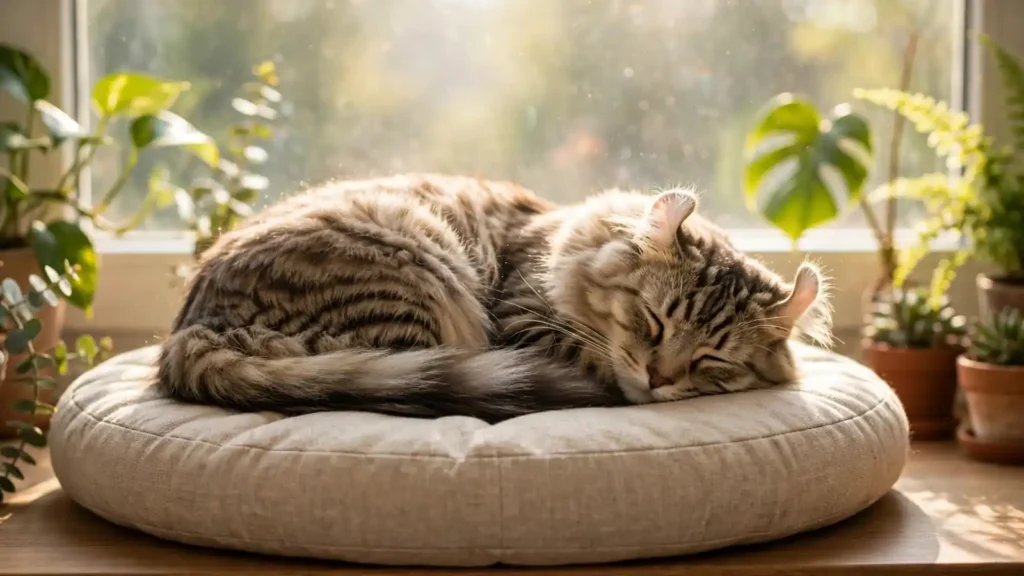
Inside is the best address for an american curl cat.
An indoor life protects your cat from traffic, predators, parasites, and harsh weather. It also keeps those distinctive ears safe from scrapes and injury. If you want your cat to enjoy fresh air, consider a secure catio, a screened porch, or harness walks in a calm area. Always supervise outdoor time, and keep identification and microchip details current in case of an escape.
Family Suitability
Few breeds slide into family life as smoothly as the american curl cat.
These cats tend to be patient with respectful children and usually accept other cats and cat friendly dogs after slow, proper introductions. Their playful streak gives kids a willing playmate, while their affectionate side suits quiet evenings on the couch. They adapt well to apartments and houses alike, as long as someone makes time for daily interaction. A home where the cat shares in family life, rather than sitting alone for long stretches, brings out the best in this breed.
Finding a Breeder or Rescue
Take your time here. A careful choice now pays off for years.
If you go the breeder route, look for someone who raises kittens inside the home and welcomes your questions. Ask how the kittens are socialized, what health screening the parents have had, and whether you can meet the mother cat. A responsible breeder will interview you too, and that is a good sign. Also check local shelters and breed specific rescue groups, since wonderful cats of every type wait for homes there. Walk away from sellers who refuse visits, pressure quick decisions, or dodge health questions.
- Ask how kittens are socialized and what health screening the parents have had
- Kittens raised inside the home
- A responsible breeder interviews you too
- Check shelters and breed specific rescues as well
Quick Quiz: Is a American Curl Right for You?
Answer four questions. Tap yes or no.
Frequently Asked Questions
Are American Curl kittens born with curled ears?
No. Kittens are born with straight ears, and the curl begins to develop within the first few days of life. The final shape settles as the kitten keeps growing.
Do the curled ears cause health problems?
The curl itself is simply a cartilage shape and causes no pain. The main rule is gentle handling: never force, bend, or fold the ears, and let your vet check them during regular exams.
Are American Curl cats hypoallergenic?
No cat is truly hypoallergenic. The minimal undercoat means less loose hair around the home, which some allergy sufferers notice, but the breed still produces the proteins that trigger allergies.
How long do American Curl cats live?
With good care, an american curl cat often lives 13 years or more. Quality nutrition, regular vet visits, and an indoor lifestyle all support a long life.
Do American Curls get along with dogs?
Usually, yes. Their sociable nature extends to other animals, and many live happily with cat friendly dogs. Introduce them gradually and give the cat safe retreats during the adjustment period.
Which coat length needs more grooming?
The longhair version needs more attention, usually two or three brushing sessions per week compared to one for the shorthair. Both stay easier than many breeds because the undercoat is so light.
The American Curl cat is known for ears that curl back in a graceful arc — and loved for everything else: gentle, playful, and people oriented, it keeps a kitten-like spirit well into adulthood and slides into family life as smoothly as any breed.
Similar Breeds Worth Exploring

Related Breed Guides
Keep Exploring
Browse the full A to Z cat breed collection to compare personalities, or find out your cat’s age in human years with the cat age calculator.