
Bernese Mountain Dog Dog Breed Guide
Bernese Mountain Dog: the gentle giant of the Swiss Alps
The gentle giant of the Swiss Alps: huge, fluffy, and famously sweet-natured. Care, health, and family fit in one complete guide.
By Emily Carter · Reviewed by our vet team · Updated 22 October 2026 · 10 min read
Lifespan 7–10 yrsWeight 70–115 lbGentle & calm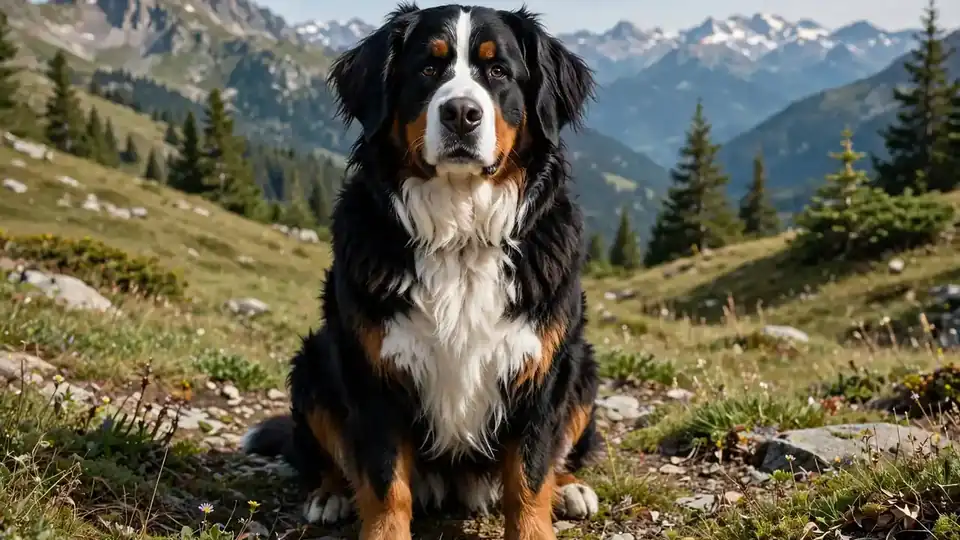
Bernese Mountain Dog is the gentle giant of the Swiss Alps: huge, fluffy, and famously sweet-natured. Here is what matters before you fall for one.
At a Glance
Size and Weight
Very big, very fast. Here are the numbers.
Males stand 25 to 28 inches and weigh 80 to 115 pounds; females are 23 to 26 inches and 70 to 95 pounds. Puppies grow astonishingly quickly, reaching near-adult size by a year old.
Everything must be scaled up: the car, the food budget, the vet bills, the couch space. This is a full-commitment large breed.
Coat and Colors
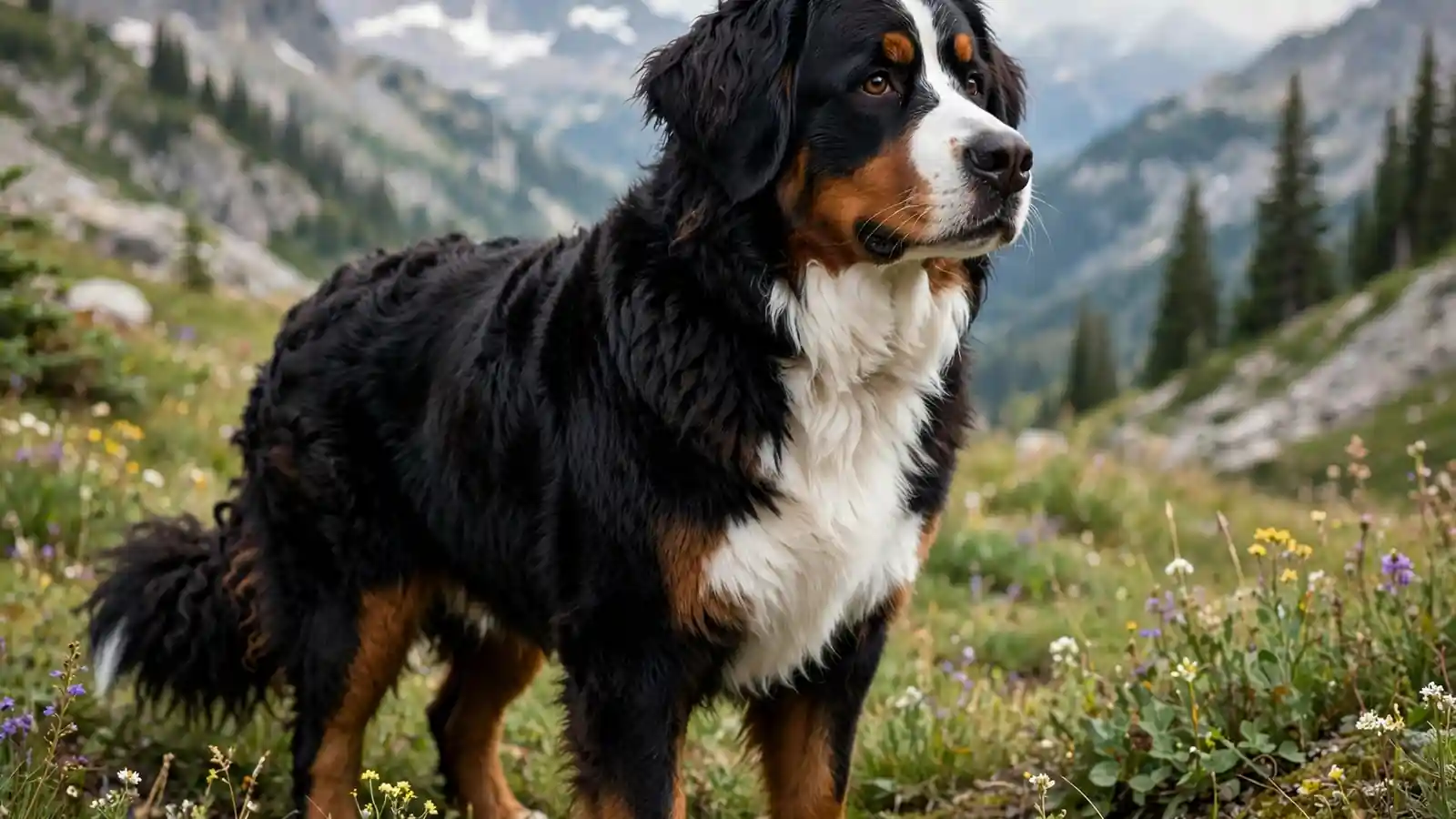
The tricolor flag of the Swiss Alps. Here is what to expect.
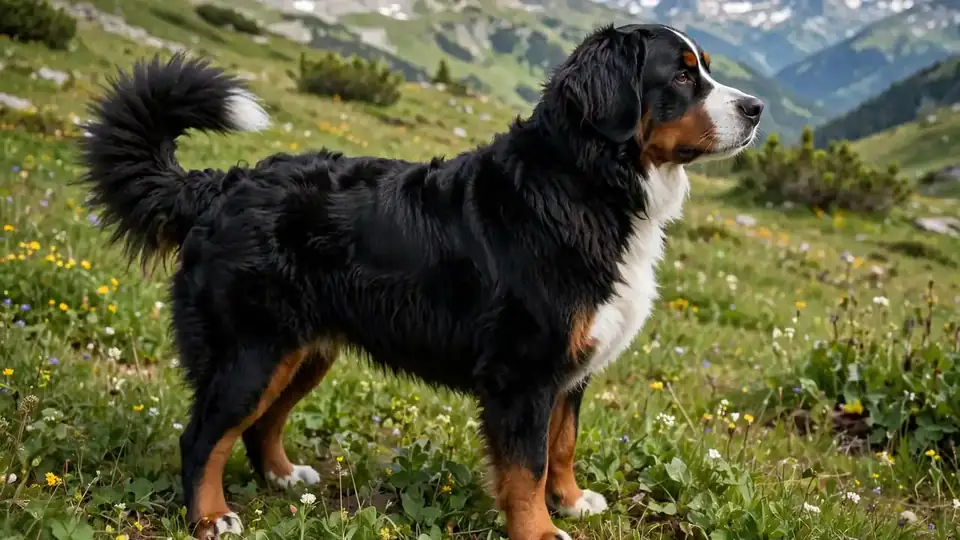
A thick, moderately long double coat in the striking tricolor pattern: black with rust markings and white on the chest, face, and feet. The coat is beautiful and sheds heavily year-round, with worse periods seasonally.
If you dislike dog hair on everything you own, stop here. This breed and pristine housekeeping do not mix.


History and Origins
Berners descend from Roman mastiff-type dogs brought to Switzerland two thousand years ago, crossed with local flock-guarding dogs.
On Alpine farms they pulled carts, drove cattle, and guarded property: the original all-purpose farmhand.
The breed nearly died out in the late 1800s as farming mechanized. Swiss fanciers saved it, and it came to America in the 1920s.
A Swiss farm dog with ancient roots. Here is the story.
Bernese Mountain Dogs descend from Roman mastiff-type dogs brought to Switzerland two thousand years ago, crossed with local flock-guarding dogs. On Alpine farms they pulled carts, drove cattle, and guarded property: the original all-purpose farmhand.
The breed nearly died out in the late 1800s as farming mechanized. Swiss fanciers saved it, and it came to America in the 1920s, winning hearts with that gentle temperament.
Physical Characteristics
Powerful but never coarse. Here is the build.
Sturdy, balanced body with a deep chest and strong bone. The head is broad with a gentle expression; the tail is bushy and carried low. Males are impressively massive; females are slightly more refined.
Despite the size, the movement is agile and the temperament soft. This is a draft breed with a poet’s soul.
Bernese Mountain Dog Personality and Behavior
A big soft heart in a bigger body. Here is the honest picture.
Bernese Mountain Dogs are famously gentle, affectionate, and eager to please. They bond deeply with their families and are wonderful with children, matching kid energy with patience. They are slower to mature than many breeds, staying puppyish for two to three years.
They are reserved but polite with strangers rather than guardy. Separation anxiety can occur because they love their people so much; they want to be wherever you are, preferably leaning against you.
Owners consistently describe the Berner as gentle, affectionate, and calm. In practice, owners report that the breed’s sweet temperament is the main reason they recommend it to loving families.
A big soft heart in a bigger body is exactly right. The Bernese Mountain Dog is famously gentle, affectionate, and eager to please, bonding deeply with its family and wonderful with children, matching kid energy with patience. Slower to mature than many breeds, the dog stays puppyish longer.
The reserved, people-loving character sets the conditions. Reserved but polite with strangers rather than guardy, the breed wants to be wherever you are, preferably leaning against you, and separation anxiety can occur because it loves its people so much. A lonely dog is a sad dog.
Berners are famously gentle, affectionate, and eager to please, bonding deeply with their families.
They match kid energy with patience and are superb family dogs, gentle with children of all ages.
They stay puppyish for two to three years, and separation anxiety can occur because they love their people so much.
- Gentle, patient and affectionate
- Superb with children
- Eager to please and a joy to train
- A short lifespan of 7 to 10 years
- Cancer, especially histiocytic sarcoma, is common
- Heavy shedding and giant-breed costs
Care Essentials
Large-breed puppy food to control growth speed, then two meals a day for adults. Keep them lean; extra weight punishes the joints of a giant breed.
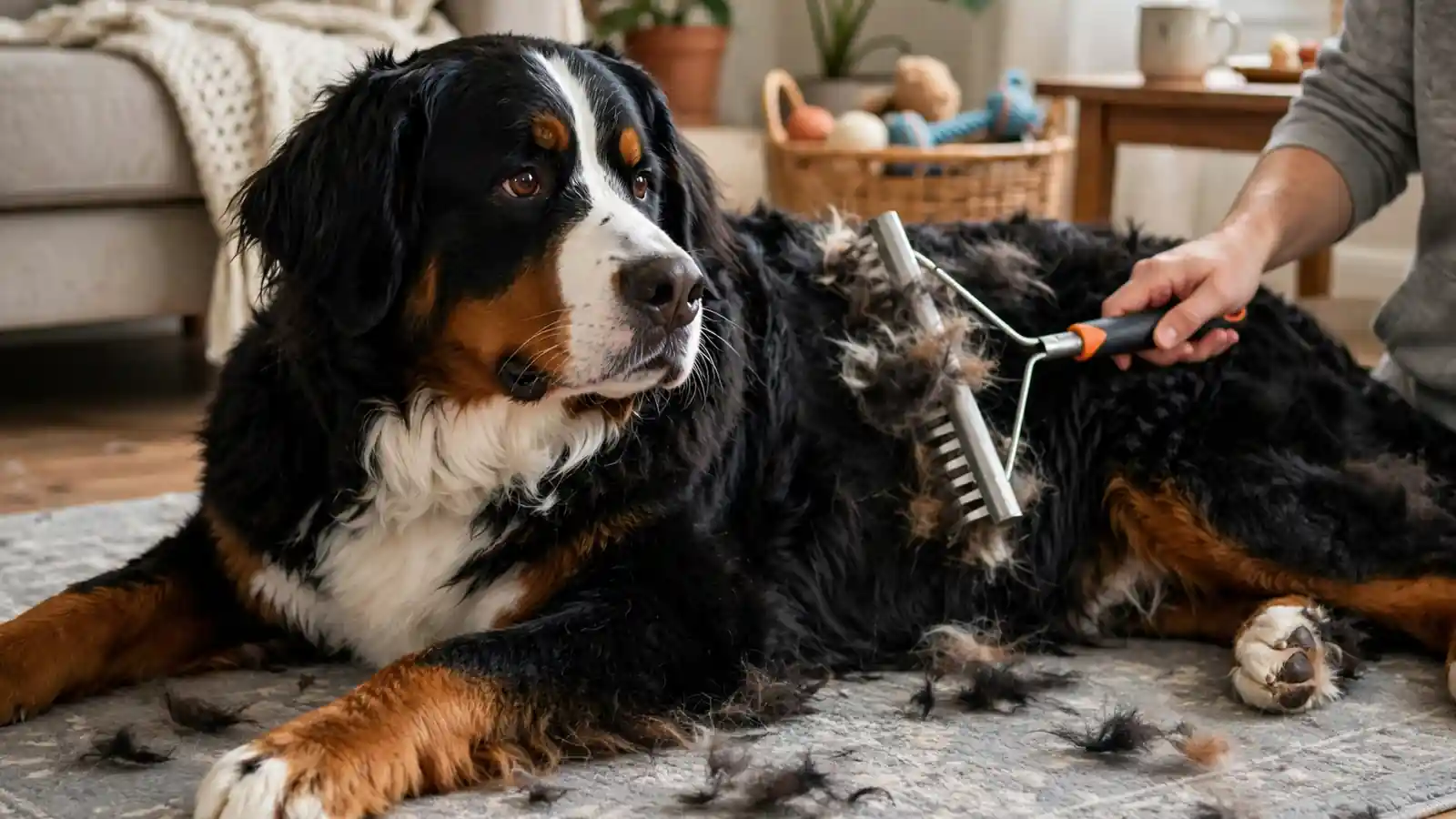
Brush two to three times a week with an undercoat rake, daily during shedding season. Start young: a Berner that will not stand for grooming is a 100-pound standoff.
45 to 60 minutes of moderate activity daily: walks, hiking, and carting, which honors the breed’s draft heritage.
Indoors with family in a home with space, ideally in a cool climate. They want to be near their people always.
Big dog, big needs, biggest heart. Here is the daily reality.
Berners need moderate daily exercise and a lot of companionship. They do best in homes with space and prefer cooler climates; heat is genuinely hard on them. Training is a joy because they want to please, but start early before the puppy weighs 80 pounds.
The heartbreak of the breed is the short lifespan. Go in with open eyes: you get fewer years, but they are wonderful ones.
A typical day runs on moderate exercise and a lot of companionship. The Bernese Mountain Dog needs moderate daily exercise and a lot of companionship, doing best in a home with space and preferring cooler climates, since heat is genuinely hard on the breed. Training is a joy because the dog wants to please, but starting early, before the puppy is too big to manage, keeps the giant polite.
Nutrition and Diet
Giant appetite, careful growth. Here is the feeding plan.
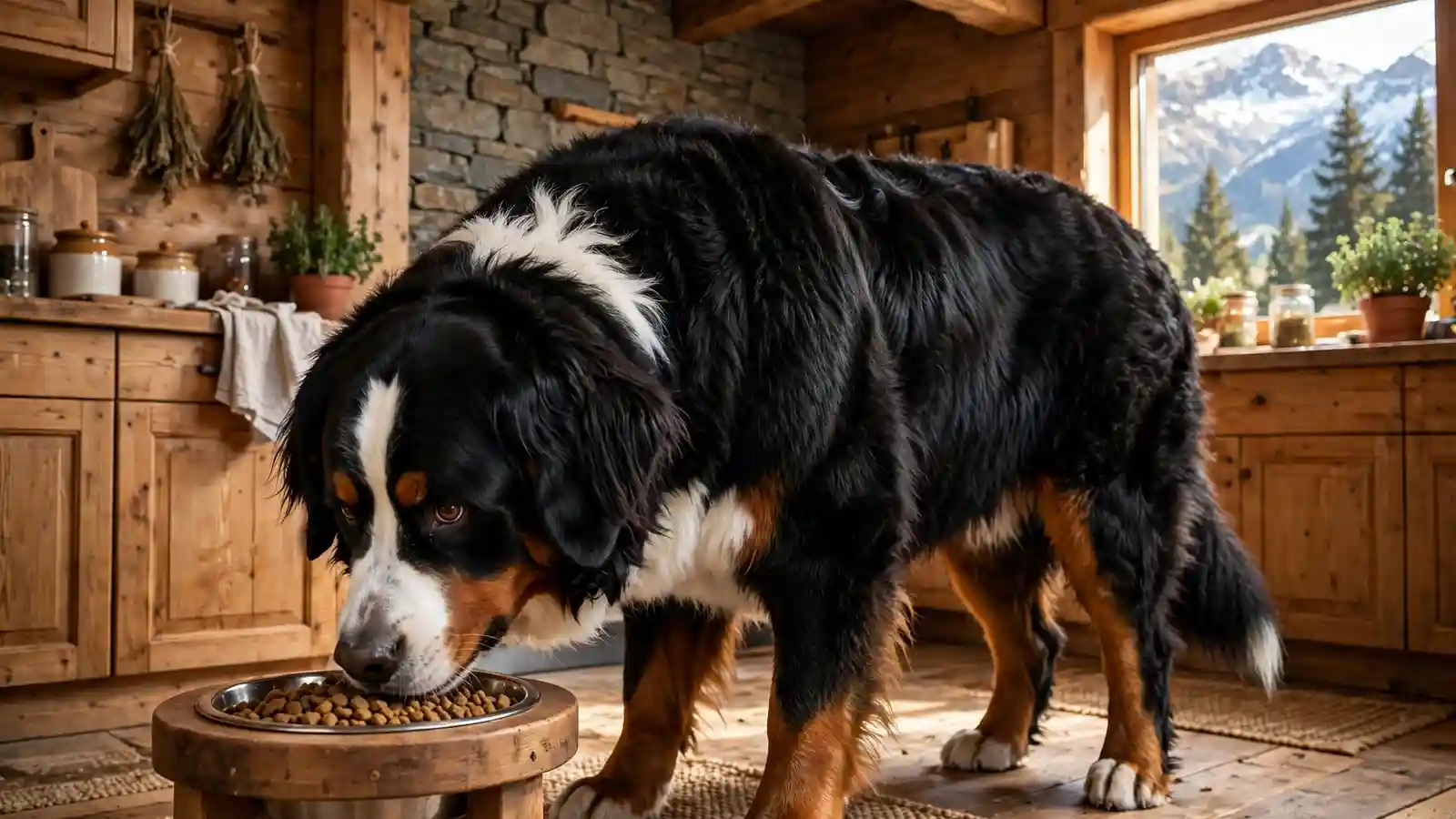
Puppies need large-breed puppy food to control growth speed and protect joints. Adults eat a lot: budget accordingly. Feed two meals a day rather than one, and avoid exercise right after eating to reduce bloat risk in this deep-chested breed.
Keep them lean. Extra weight punishes the joints of a giant breed, and Berners already face orthopedic challenges.
Feeding suits a giant appetite with careful growth. Puppies of the Bernese Mountain Dog need large-breed puppy food to control growth speed and protect joints, while adults eat a lot, so budget accordingly. Two meals a day rather than one, with no exercise right after eating to reduce bloat risk, and keeping the dog lean, since extra weight punishes the joints of a giant breed, complete the plan.
Grooming
The price of that gorgeous coat. Here is the routine.
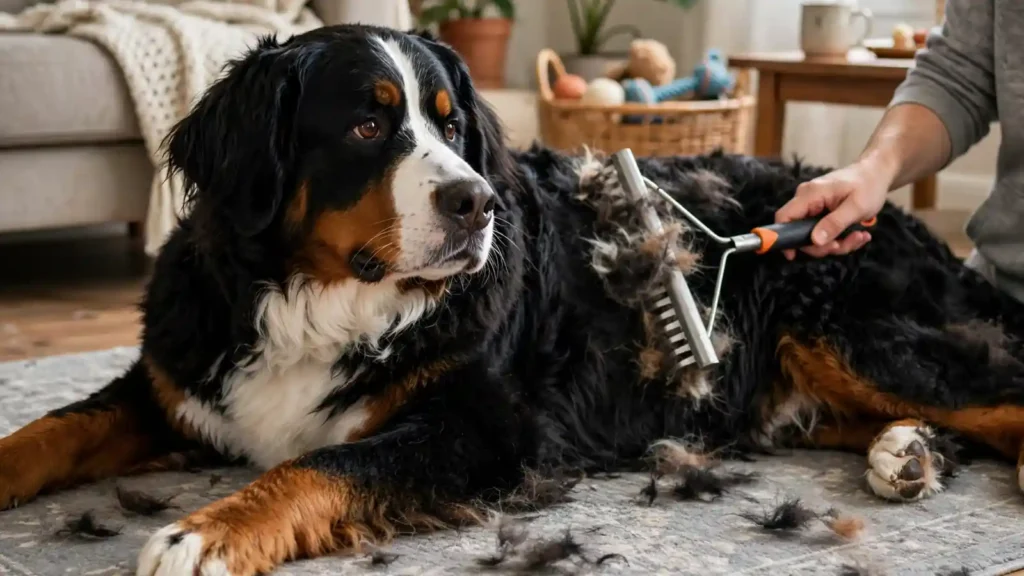
Brush two to three times a week with an undercoat rake; daily during shedding season. Bathe every couple of months. Trim nails, clean ears, brush teeth regularly.
Start young. A Berner that will not stand for grooming is a 100-pound standoff you will lose.
Grooming is the price of that gorgeous coat. Brushing two to three times a week with an undercoat rake, daily during shedding season, manages the heavy year-round shedding, with baths every couple of months. The same session covers nails, ears, and teeth, and starting young matters, since a dog that will not stand for grooming is a 100-pound standoff you will lose.
Exercise and Enrichment
Moderate energy, giant body. Here is the balance.
Aim for 45 to 60 minutes of moderate activity daily: walks, hiking, and carting, which honors the breed’s draft heritage. Avoid overexercising puppies; growing giant joints need protection until about 18 months.
Mental enrichment through training and gentle games keeps them happy. They love having a purpose, even a small one.
Exercise is moderate energy in a giant body. The Bernese Mountain Dog needs 45 to 60 minutes of moderate activity daily: walks, hiking, and carting, which honors the draft heritage, with mental enrichment through training and gentle games keeping the dog happy. Puppies should avoid overexercise, since growing giant joints need protection until about 18 months, and the dog loves having a purpose, even a small one.
Health
The short lifespan of 7 to 10 years is the breed’s tragedy. Here is what to know.
Cancer, particularly histiocytic sarcoma, is heartbreakingly common and the leading cause of death. Hip and elbow dysplasia occur; buy from breeders who screen rigorously. Bloat is a risk. Some lines carry degenerative myelopathy.
This is the breed where breeder selection matters most. Seek breeders with exceptional longevity in their lines and full health testing. Schedule annual wellness exams, or twice-yearly exams for adults given the cancer risk, and ask your vet about screening for conditions the breed can be prone to, such as hip dysplasia. Consult your veterinarian promptly if you notice lumps, changes in appetite, weight, or energy. For general background, see the Bernese Mountain Dog article on Wikipedia.
Health care follows the familiar rhythm with cancer vigilance in focus. The Bernese Mountain Dog’s short lifespan of 7 to 10 years is the breed’s tragedy, with cancer, particularly histiocytic sarcoma, heartbreakingly common and the leading cause of death. Annual exams, twice-yearly exams for adults given the cancer risk, and screening for hip and elbow dysplasia cover the ground the guide names, and breeders with exceptional longevity in their lines and full health testing are worth seeking out. Day to day, limping, lumps, and changes in appetite, weight, or energy deserve a prompt vet call.
Particularly histiocytic sarcoma, is heartbreakingly common and the leading cause of death. Breeder selection matters most in this breed; seek lines with exceptional longevity.
Both occur; buy from breeders who screen rigorously. Some lines also carry degenerative myelopathy.
A risk in this deep-chested giant. Feed two meals a day rather than one, and avoid exercise right after eating.
Indoor and Outdoor Living
Indoor family dog that loves cold outdoors. Here is the balance.
Berners live indoors with their families and adore cold weather; many prefer snow to a warm house. In hot climates they need air conditioning and exercise only in cool hours. A fenced yard is ideal but they are not outdoor kennel dogs.
They want to be near their people always. A lonely Berner is a sad Berner.
Indoor living as a family dog defines the arrangement. The Bernese Mountain Dog lives indoors with its family and adores cold weather, with many preferring snow to a warm house, and in hot climates needing air conditioning and exercise only in cool hours. A fenced yard is ideal but the dog is not an outdoor kennel dog, and nearness to its people is the rule.

Family Suitability
Superb family dogs. Here is the picture.
Gentle with children of all ages, patient, and affectionate. Their size means supervision with small kids, but the temperament is gold. They usually do well with other dogs and with cats they are raised with.
The main family consideration is the lifespan conversation with children. Losing a beloved dog at eight hits hard.
With families, gentleness leads and lifespan sets the limit. The Bernese Mountain Dog is gentle with children of all ages, patient, and affectionate, with size meaning supervision with small kids, though the temperament is gold. Usually doing well with other dogs and with cats raised with, the breed’s main family consideration is the lifespan conversation with children, since losing a beloved dog at eight hits hard.
Finding a Breeder or Rescue
Take exceptional care here. The health stakes are the highest of any breed on this list.
The best breeders test everything (hips, elbows, eyes, heart, degenerative myelopathy DNA), track longevity obsessively, and have waiting lists. Berner rescues and breed clubs can point you to ethical sources. Never buy from a breeder who cannot show health clearances.
- Ask what health testing the breeder does on their dogs
- Ask to see the parents and the living conditions
- Puppies should be raised in a home environment
- A good breeder answers questions openly and asks you some too
Quick Quiz: Is a Bernese Mountain Dog Right for You?
Answer four questions. Tap yes or no.
Frequently Asked Questions
Are Bernese Mountain Dogs good family dogs?
Superb. They are gentle, patient, and affectionate with children and love family life.
Why do Bernese Mountain Dogs have short lifespans?
Cancer prevalence, especially histiocytic sarcoma, plus the general giant-breed pattern. Ethical breeding for longevity is improving this slowly.
How much exercise does a Berner need?
About 45 to 60 minutes of moderate activity daily. They are not hyper, but they need movement.
Do Bernese Mountain Dogs shed a lot?
Heavily, year-round. This is a high-shedding breed.
Can Berners live in warm climates?
It is difficult. They are built for cold and overheat easily. Air conditioning and careful management are required.
How long do Bernese Mountain Dogs live?
Typically 7 to 10 years.
What do Berner owners say about living with the breed?
Owners consistently describe the Berner as gentle, affectionate, and calm. In practice, owners report that the breed’s sweet temperament is the main reason they recommend it to loving families.
When should I ask my vet about my Berner’s health?
Schedule annual wellness exams, or twice-yearly exams for adults given the cancer risk, and ask your vet about screening for conditions the breed can be prone to, such as hip dysplasia. Consult your veterinarian promptly if you notice lumps, changes in appetite, weight, or energy.
The Bernese Mountain Dog packs a poet’s soul into a draft dog’s body: gentle, devoted and superb with children. The bargain is honest but hard: fewer years than most breeds, every one of them wonderful.
Similar Breeds Worth Exploring
Related Breed Guides
Keep Exploring
Browse all our Dog Breed Guides, try the Dog Age Calculator, or explore our Cat Breed Guides.