
Greyhound Dog Breed Guide
Greyhound: the fastest dog breed, and a surprising couch potato
The fastest dog breed and the world’s most surprising couch potato. Care, adoption, and health in one complete guide.
By Emily Carter · Reviewed by our vet team · Updated 22 October 2026 · 10 min read
Lifespan 10–14 yrs Weight 55–80 lb Gentle & quiet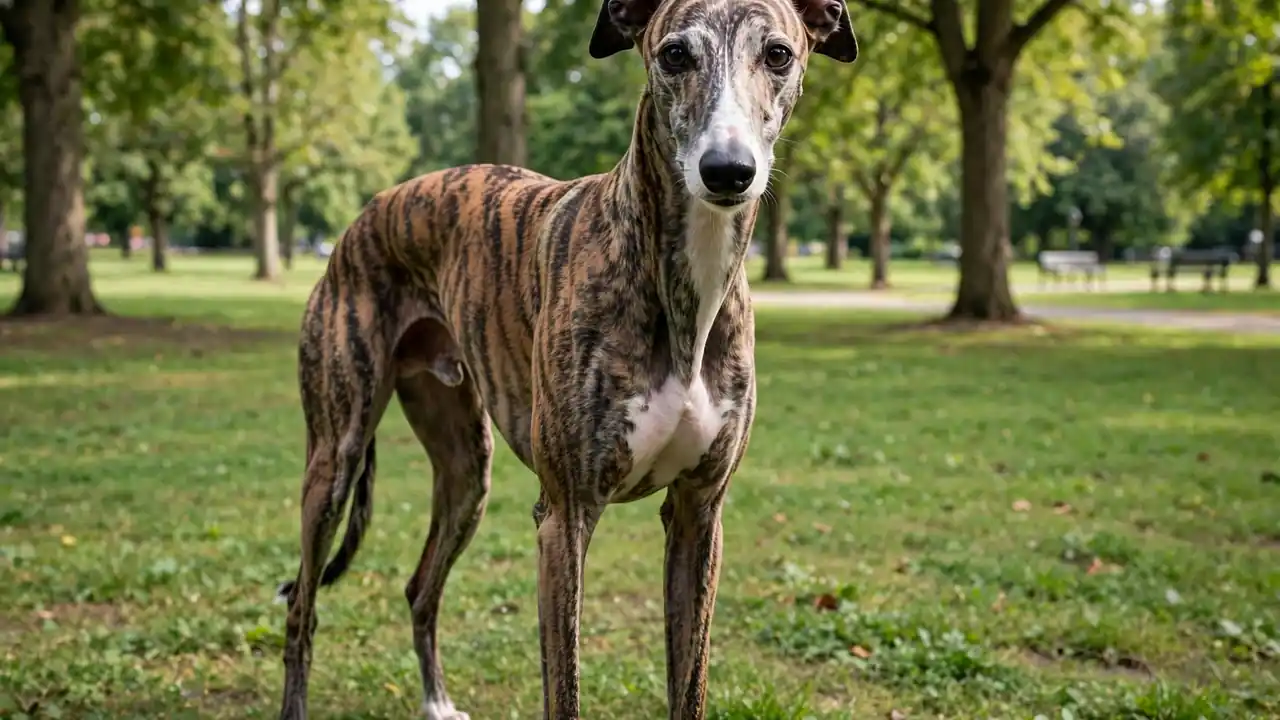
Greyhound dog: Famously gentle, quiet, and calm indoors, this breed is affectionate with its family in a dignified way — clean, undemanding, and professional about one thing above all: lounging.
Sighthounds resembling this breed appear in ancient Egyptian art thousands of years old. They were prized coursing dogs of nobility, bred for the explosive sprint that catches hares. The Greyhound dog has an ancient history.
Because so many retired racers are placed through adoption groups each year, many owners meet this breed as an adult: typically well-socialized, often crate-trained, and ready to settle into home life from the first week. The Greyhound dog often arrives as an adult.
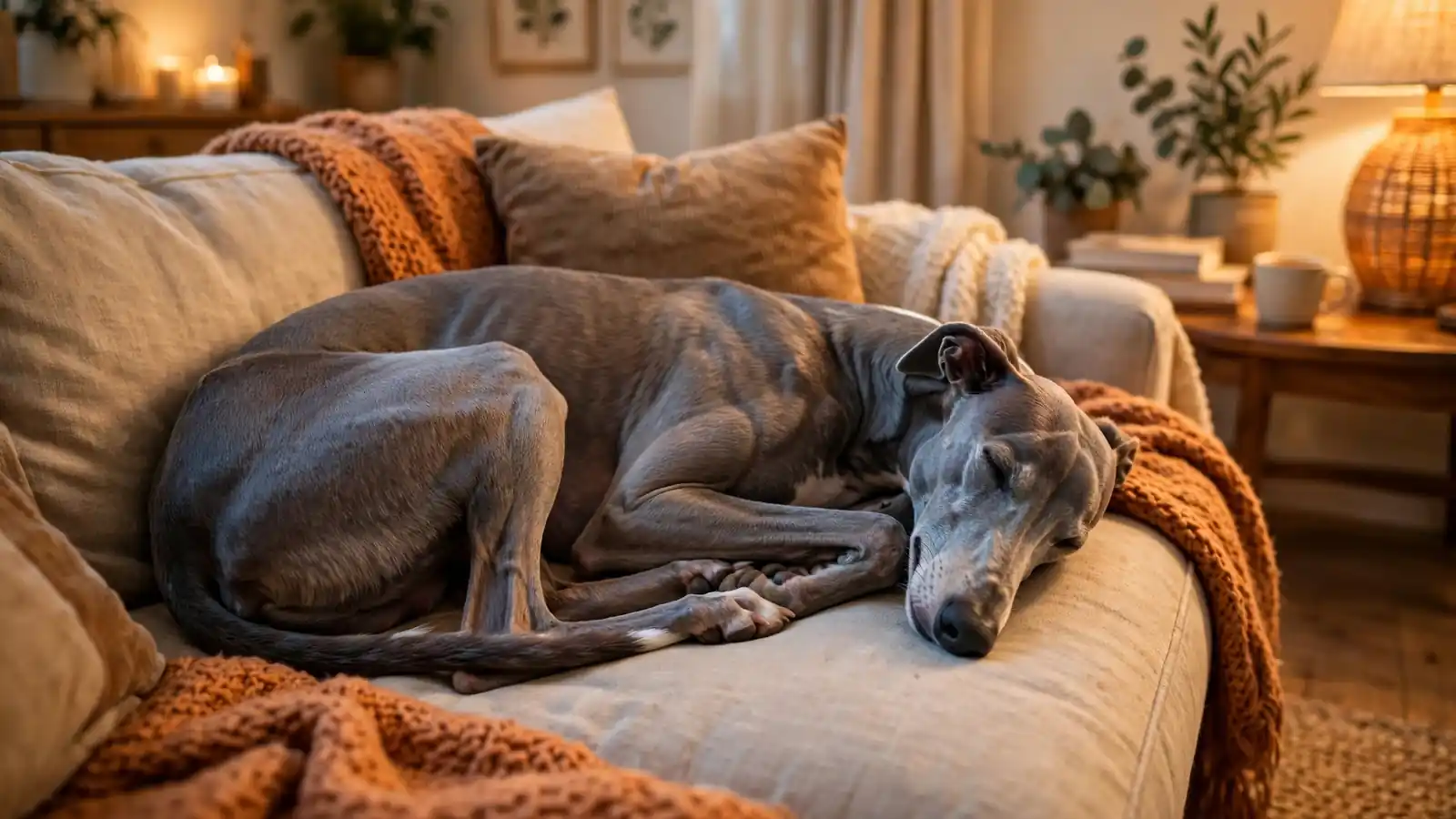
That sprint drive is real outdoors, but it switches off at the front door. At home, expect a calm, tidy companion that folds itself into impossibly compact sleeping positions and saves its speed for the next short burst in a fenced field. The Greyhound dog rests well after a sprint.
At a Glance
Size and Weight
Tall, sleek, and light for the height — the build is all aerodynamics: deep chest, tucked waist, long legs. The Greyhound dog is tall and light.
Males stand 28 to 30 inches and weigh 65 to 80 pounds; females are 27 to 28 inches and 55 to 65 pounds.
They are larger than people expect but lighter than they look.
Coat and Colors
Short, fine, and easy: a very short, smooth coat in black, white, fawn, brindle, blue, or combinations. The Greyhound dog has a short, smooth coat.
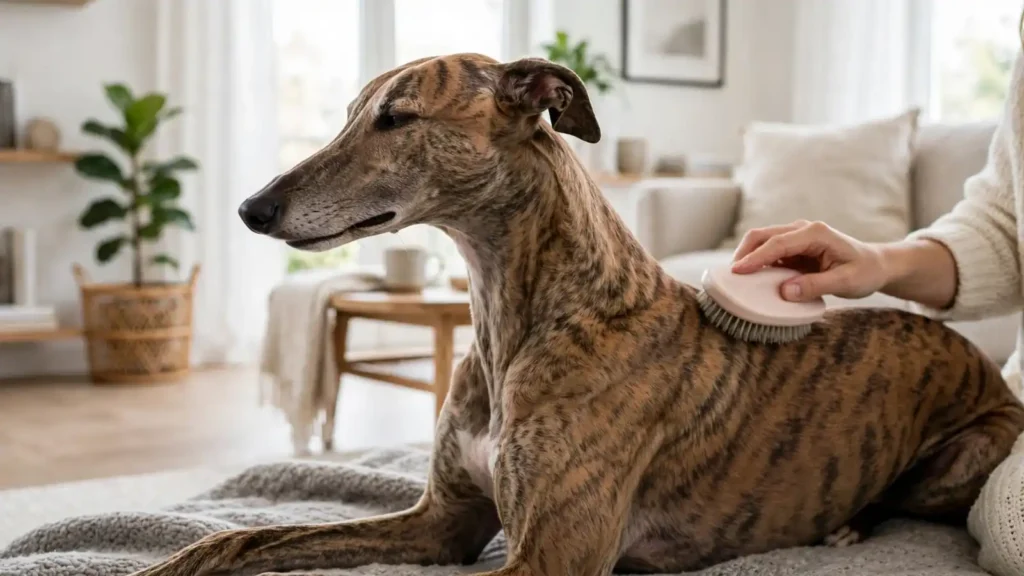
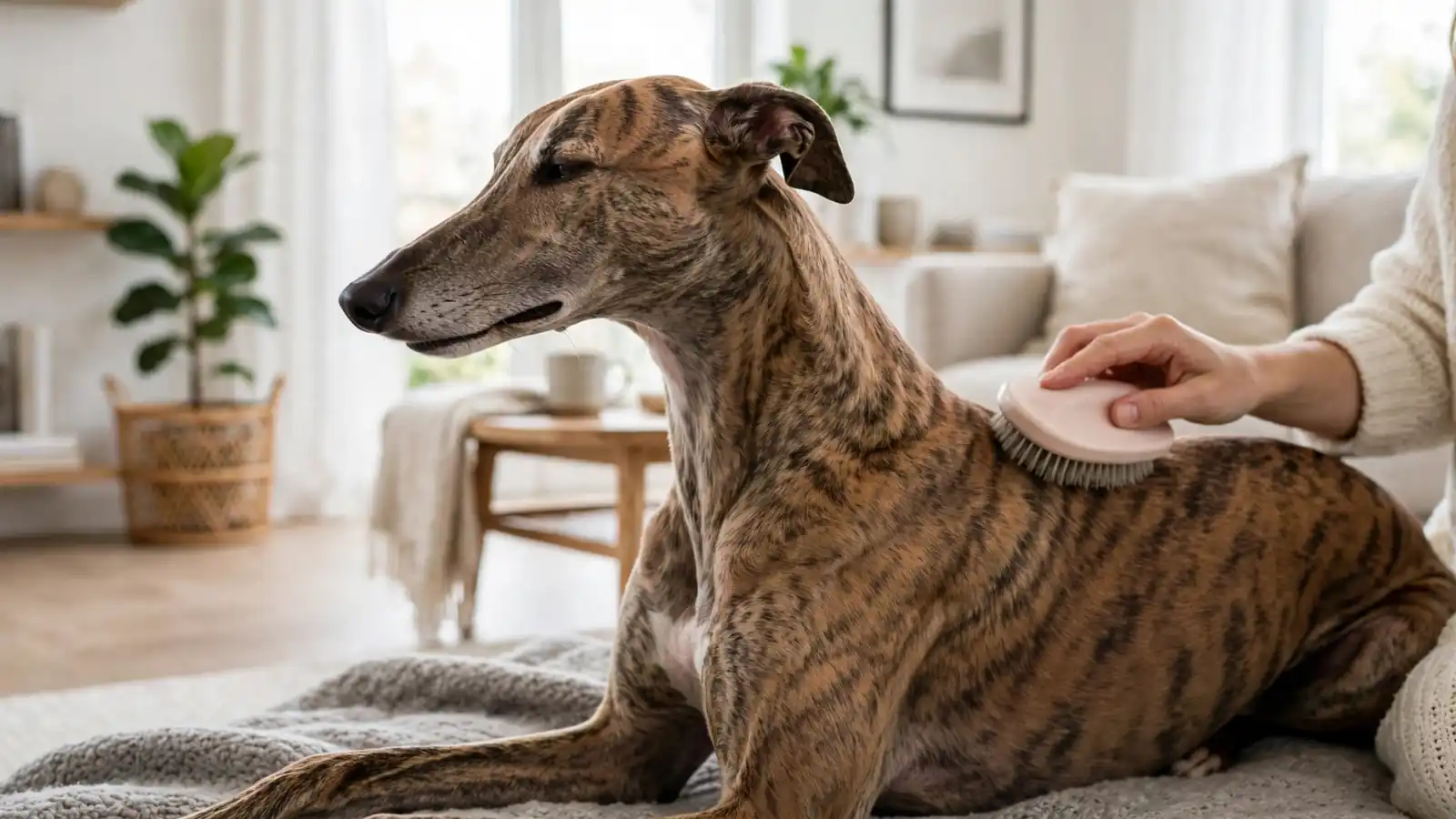
Shedding is light, and grooming is minimal — occasional brushing and baths are all the coat asks for.
The thin coat and low body fat mean they feel the cold; sweaters are essential in cool weather.


History and Origins
Sighthounds resembling this breed appear in ancient Egyptian art thousands of years old.
They were prized coursing dogs of nobility, bred for the explosive sprint that catches hares.
Today’s racing dogs descend from these coursing dogs.
Thousands of retired racers need homes every year, making adoption the breed’s defining story.
One of the oldest breeds in existence, this sighthound has been shaped by millennia of selection for speed. Its modern chapter is written by the families who adopt retired racers and discover how gentle a sprinter can be. The Greyhound dog is among the oldest breeds.
Physical Characteristics
Built for 45 miles per hour: a deep chest housing a huge heart and lungs, a tucked-up waist, long powerful legs, and a streamlined head.
The build is the product of millennia of selection for speed.
At rest, they fold into impossibly compact sleeping positions.
Greyhound Personality and Behavior
A 45-mph couch potato is the honest picture: famously gentle, quiet, and calm indoors, affectionate with family in a dignified way, clean, and undemanding. The Greyhound dog is gentle with family.
They can be sensitive and a little aloof with strangers. They are rarely aggressive and almost never nuisance barkers.
Many are cat-trainable, though the chase instinct varies by individual and must be tested. Owners consistently describe the breed as gentle, quiet, and affectionate — and in practice, its calm nature is the main reason they recommend it to relaxed households.
A 45-mph couch potato is the honest picture. The Greyhound dog is gentle, quiet, and calm indoors, affectionate with its family in a dignified way, clean and undemanding, and professional about one thing above all: lounging. The sprint drive is real outdoors but switches off at the front door, which is the breed’s great surprise.
The sensitivity and chase instinct set the limits. The breed can be sensitive and a little aloof with strangers, rarely aggressive and almost never a nuisance barker, while the chase instinct varies by individual and must be tested, especially with cats. Many are cat-trainable, but never assume, and off-leash in unfenced areas is never an option.
Explosive sprint drive outdoors, professional lounger indoors. The two speeds never seem to meet.
Famously gentle, quiet, and calm indoors — and almost never nuisance barkers.
A little aloof with strangers, affectionate and dignified with the family they know.
- Gentle, quiet, and clean indoors
- Low exercise needs — 20 to 30 minutes of walking a day
- Among the best apartment dogs
- Never off-leash in unfenced areas — the chase instinct overrides everything
- Feel the cold; sweaters are essential in cool weather
- Chase instinct with cats varies and must be tested first
Care Essentials
Surprisingly easy: short daily walks, a warm coat in winter, measured meals, and a soft place to sleep cover most of the daily reality. The Greyhound dog needs only modest daily care.
A typical day is surprisingly easy. Short daily walks, a warm coat in winter, measured meals, and a soft place to sleep cover most of the daily reality, with safe sprint opportunities a few times a week in a fenced area completing it. The calm, tidy companion that results folds itself into impossibly compact sleeping positions.
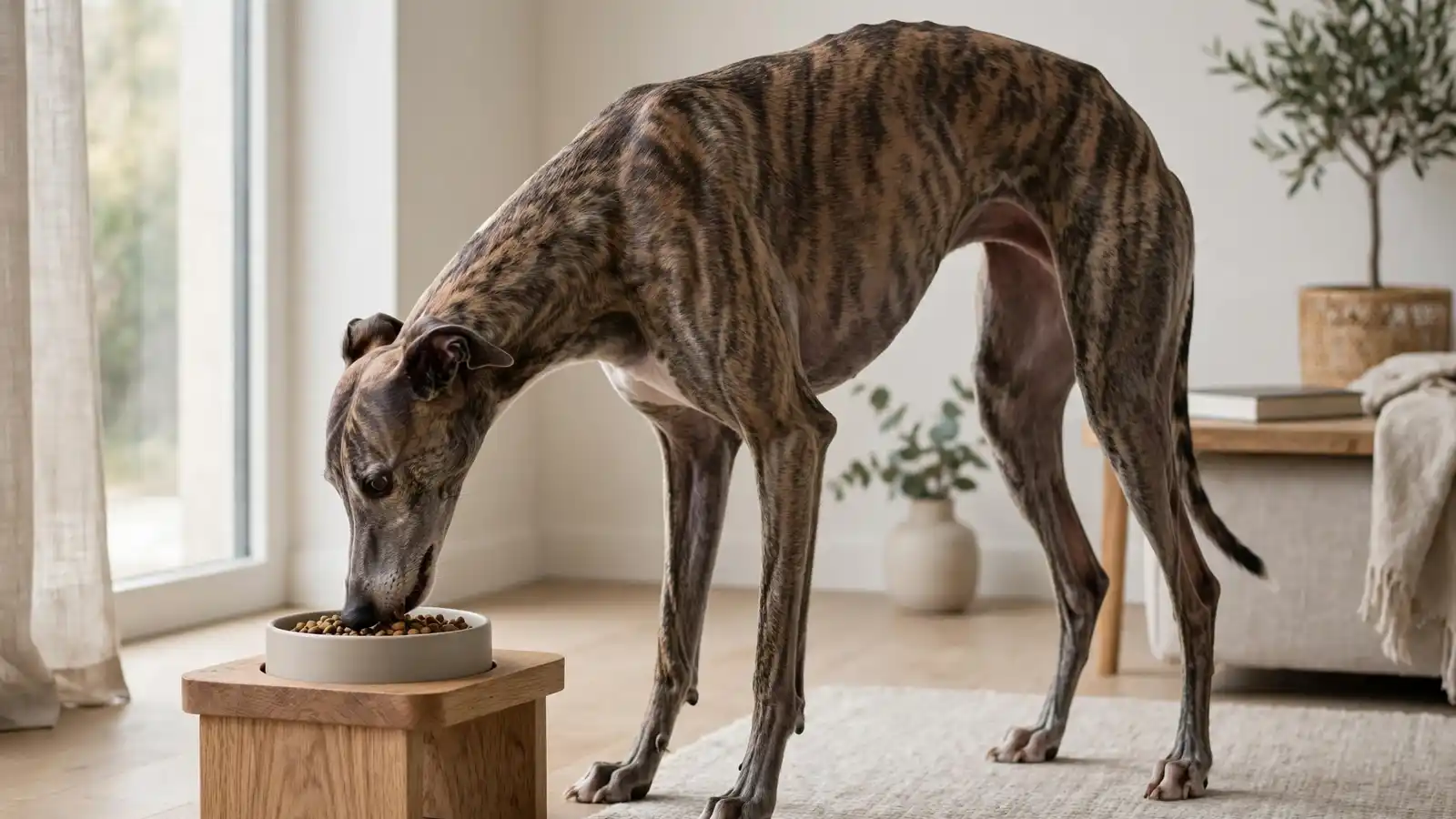
Measured, high-quality meals twice a day. Keep them lean; the tucked waist should be visible.
Occasional brushing and baths as needed, with regular nail trims and teeth brushing.
20 to 30 minutes of walking daily, plus occasional sprint opportunities in a fenced area.
A calm indoor home, sweaters in cold weather, and a leash or a fence outdoors — always.
Nutrition and Diet
Lean athletes, straightforward feeding: a measured, high-quality diet in two meals a day. The Greyhound dog thrives on measured meals.
Keep them lean; the tucked waist should be visible. Retired racers may need diet transitions; ask your vet.
Feeding suits a lean athlete. A measured, high-quality diet in two meals keeps the tucked waist visible, and retired racers may need diet transitions, so asking the vet keeps the change smooth. Keeping the dog lean matters more than usual, since the aerodynamic build is meant to stay light.
Grooming
Minimal effort: occasional brushing, baths as needed, regular nail trims, and teeth brushing.
Dental care matters; the breed can be prone to dental issues.
Grooming is minimal effort, as the guide says. Occasional brushing and baths as needed cover the very short, smooth coat and its light shedding, while regular nail trims and teeth brushing complete the routine. Dental care matters most of all, since the breed can be prone to dental issues.
Exercise and Enrichment
Low energy with sprint needs: aim for 20 to 30 minutes of walking daily plus safe sprint opportunities a few times a week in a fenced area. That is genuinely enough for most of these dogs.
Mental enrichment through gentle training and sniffy walks suits the calm temperament.
They cannot be trusted off-leash in unfenced areas; the chase instinct overrides everything at 40 mph.
Exercise is low-energy with sprint needs. Twenty to thirty minutes of walking daily plus safe sprint opportunities a few times a week in a fenced area are genuinely enough for most of these dogs, with mental enrichment through gentle training and sniffy walks suiting the calm temperament. The chase instinct overrides everything at 40 mph, so fenced sprinting is the rule.

Health
Most live 10 to 14 years and are generally healthy. Here are the health issues to know:
The critical breed-specific concern; vets must know the protocols for sighthounds.
Bloat can occur, as it can in other deep chested breeds.
Dental disease is common, so regular teeth brushing matters.
Osteosarcoma (bone cancer) appears in the breed.
Corns on the feet bother some individuals.
Schedule annual wellness exams, or twice-yearly exams for seniors, and make sure your vet understands sighthound anesthesia protocols. Consult your veterinarian promptly if you notice lameness, or changes in appetite, weight, or energy. For general background, see the Britannica guide.
Health care follows the familiar rhythm with sighthound awareness in focus. Annual exams, twice-yearly exams for seniors, and a vet who understands sighthound anesthesia protocols cover the ground the guide names, and adoption groups placing retired racers usually share the health history honestly. Day to day, lameness and changes in appetite, weight, or energy deserve a prompt vet call.
Indoor and Outdoor Living
Indoor lounger, outdoor sprinter: this breed lives indoors and is among the best apartment dogs there are — quiet, clean, and low-energy between walks.
They need sweaters in cold weather and should never be off-leash outside fenced areas.
A fenced yard is wonderful for zoomies but not required with regular walks. They live indoors by need as much as by preference: the thin coat offers little protection from the cold.
Indoor living as a lounger defines the arrangement. The breed lives indoors as among the best apartment dogs there are: quiet, clean, and low-energy between walks, with sweaters in cold weather essential. A fenced yard is wonderful for zoomies but not required with regular walks, and the thin coat offers little protection from the cold.
Family Suitability
Wonderful with calm families: gentle and patient, good with respectful children, and usually fine with other dogs.
With cats, individual testing is essential; many retired racers live happily with cats, but never assume.
They are rarely aggressive and almost never nuisance barkers, which makes them easy neighbors as well as easy housemates.
With families, calmness leads and the chase instinct sets the limit. The breed is wonderful with calm families: gentle and patient, good with respectful children, and usually fine with other dogs, while cats need individual testing, since many retired racers live happily with cats but never assume. The Greyhound dog’s gentle, quiet character shows best in calm homes that enjoy a dignified, lounging companion.
Finding a Dog: Adoption First
The breed’s story is adoption. Adoption groups place thousands of retired racers yearly, and for most people, adoption is the best path to one of these dogs.
These are typically well-socialized, crate-trained, gentle adults, often at a fraction of breeder cost.
- Ask the adoption group about the dog’s temperament and history
- If you have cats, ask whether the dog has been cat-tested
- Ask what the dog already knows — many retired racers are crate-trained
- Make sure your vet understands sighthound anesthesia protocols
Quick Quiz: Is a Greyhound Right for You?
Answer four questions. Tap yes or no.
Frequently Asked Questions
Are Greyhounds good family dogs?
Wonderful for calm families. They are gentle, quiet, and clean indoors.
How much exercise does a Greyhound need?
Only 20 to 30 minutes of walking daily plus occasional sprints. They are low-energy indoors.
Are Greyhounds really that fast?
Yes. They reach 40 to 45 miles per hour, making them the fastest dog breed.
Do Greyhounds bark a lot?
No. They are famously quiet indoors.
How long do Greyhounds live?
Typically 10 to 14 years.
Can Greyhounds live in apartments?
They are among the best apartment dogs: quiet, clean, and low-energy.
What do Greyhound owners say about living with the breed?
Owners consistently describe the Greyhound as gentle, quiet, and affectionate. In practice, owners report that the breed’s calm nature is the main reason they recommend it to relaxed households.
When should I ask my vet about my Greyhound’s health?
Schedule annual wellness exams, or twice-yearly exams for seniors, and make sure your vet understands sighthound anesthesia protocols. Consult your veterinarian promptly if you notice lameness, or changes in appetite, weight, or energy.
The fastest dog breed is also one of the easiest to live with: gentle, quiet, affectionate, and clean indoors, content with short walks, long naps, and a soft sofa. It asks for little — measured meals, a daily walk, a warm coat in winter — and gives back calm, affectionate company. For calm households — especially those who adopt a retired racer — this is a deeply rewarding companion.
Similar Breeds Worth Exploring
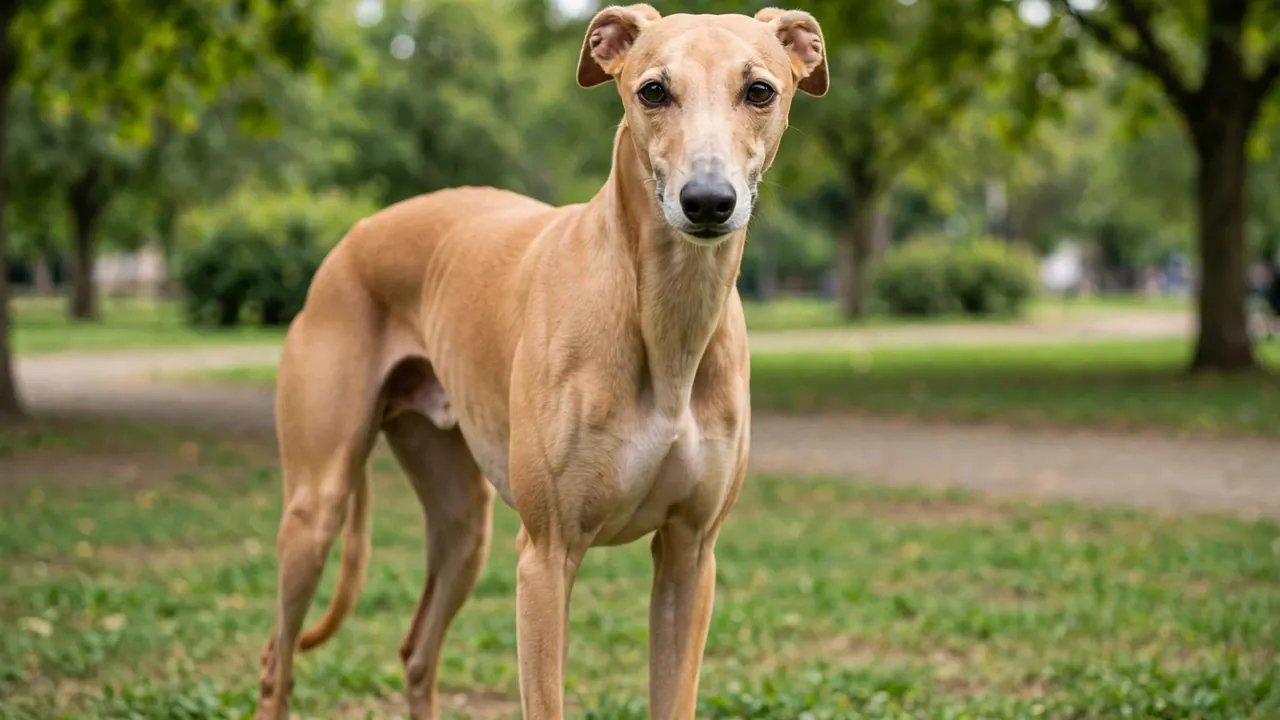
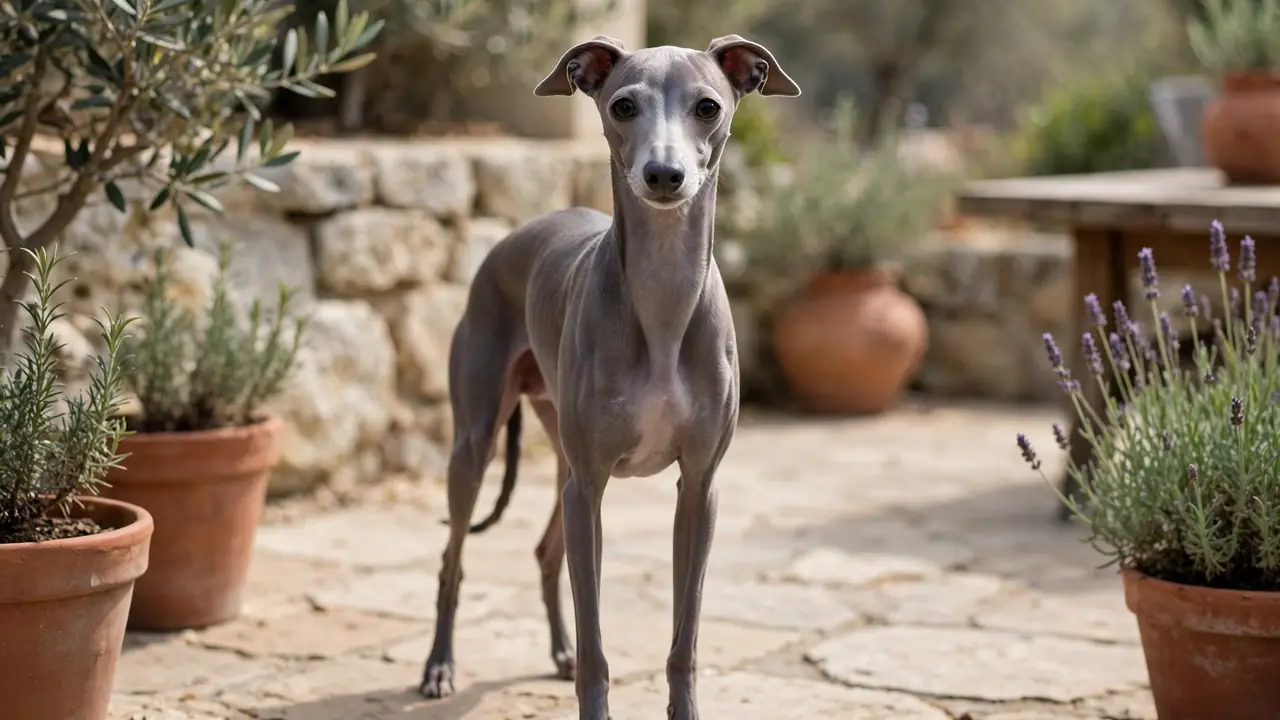
If this breed appeals to you, consider the Whippet (smaller version), the Italian Greyhound (toy version), the Saluki (elegant ancient sighthound), or the Borzoi (larger, coated sighthound). Both guides below keep the sighthound shape and the calm indoor temperament, in smaller packages.
Related Breed Guides
Keep Exploring
Browse all our Dog Breed Guides, try the Dog Age Calculator, or explore our Cat Breed Guides.