
Maltese Dog Breed Guide
Maltese: the ancient lap dog of royalty
Tiny, elegant, and full of charm — purpose-built for affection. Care, grooming, and health in one complete guide.
By Emily Carter · Reviewed by our vet team · Updated 22 October 2026 · 9 min read
Lifespan 12–15 yrs
Weight under 7 lb
Gentle & charming

Maltese dog: The ancient lap dog of royalty: tiny, elegant, and full of charm. Dogs of this type appear in ancient Mediterranean art and were prized companions of nobility for thousands of years.
They were never workers; they were always cherished lap dogs. The companion heritage is the whole breed — they are purpose-built for affection. The Maltese dog is a devoted companion.
Famously gentle, affectionate, and playful, they adore their people, love to be held, and are surprisingly lively and fun. The Maltese dog loves gentle play.
At a Glance
Size and Weight
Tiny and portable: they weigh under 7 pounds, typically 4 to 7, and stand 7 to 9 inches tall. The Maltese dog is tiny and portable.
They are true toy dogs, easy to carry and suited to any living space. The Maltese dog suits apartment living.
Coat and Colors
The famous white silk: a long, silky, single white coat with no undercoat.
Kept in full coat, it needs daily brushing; most pet owners choose a short puppy cut for easy care.
Shedding is minimal, which suits many allergy-sensitive households. The Maltese dog sheds very little.




History and Origins
Dogs of this type appear in ancient Mediterranean art, thousands of years old.
They were prized companions of nobility for thousands of years.
They were never workers; they were always cherished lap dogs.
One of the oldest toy breeds, purpose-built for affection from the very beginning. The Maltese dog has an ancient heritage.
For thousands of years the breed’s whole job was companionship, and nothing about that has changed: given a warm lap and gentle hands, this is a dog completely in its element.
Physical Characteristics
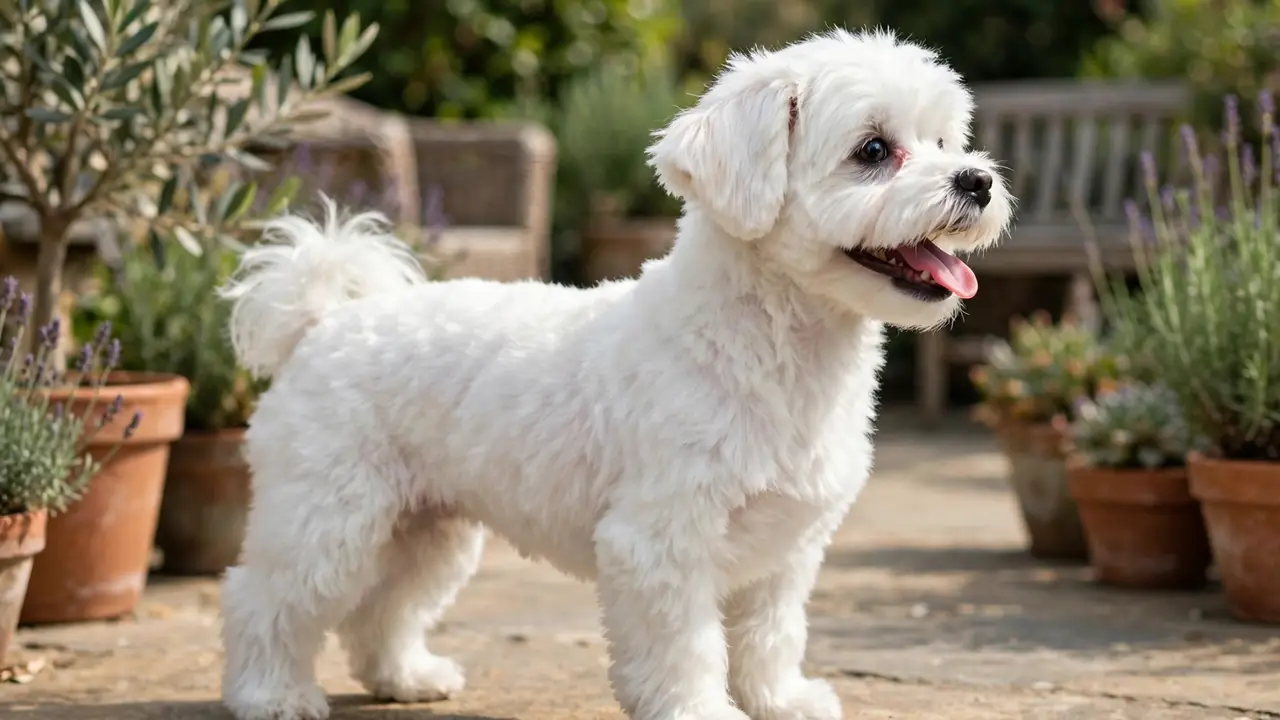
Tiny, elegant, and expressive: a compact body with a slightly rounded head, dark expressive eyes, and the flowing white coat. The tail is carried curled over the back.
They are fragile. Everything in care accounts for the tiny size.
Maltese Personality and Behavior
A charming little aristocrat: famously gentle, affectionate, and playful. They adore their people, love to be held, and are surprisingly lively and fun. They are intelligent and learn quickly.
They can be prone to separation anxiety and can become yappy without training.
Do not mistake the size for dullness. They are clever, learn quickly, and enjoy gentle games and short walks — a little dog with a real personality, not a stuffed toy.
They are delicate; rough handling or large, boisterous dogs are risks. They suit calm households. Owners consistently describe the breed as gentle, affectionate, and charming — and its devoted sweetness is why they recommend it to gentle households.
The aristocratic charm is ancient and genuine. The Maltese dog has been a cherished lap dog of royalty for thousands of years, and the companion heritage is the whole breed: purpose-built for affection, never for work, and completely in its element on a warm lap with gentle hands. The cleverness underneath surprises people who mistake small for dull.
The devoted sweetness comes with two cautions. Separation anxiety is a real tendency, since a dog bred only for companionship does not enjoy being left alone, and yappiness grows without training, so gentle guidance from the start matters. The delicacy sets the other rule: rough handling and large, boisterous dogs are risks, and calm households suit this breed best.
Purpose-built for affection, they want to be held and close all day.
Playful and fun, with more sparkle than the royal portrait suggests.
Fragile little dogs that thrive on gentle handling and calm homes. The Maltese dog thrives on gentle handling.
- Gentle, affectionate, and charming
- Minimal shedding
- An ideal apartment dog, suited to any living space
- Prone to separation anxiety; does poorly alone all day
- Fragile — falls and rough play are real risks
- Full coat needs daily brushing; tear staining is common
Care Essentials
Gentle handling and companionship — here is the daily reality. Because they are so small, safety is part of daily care: watch where you step, supervise children, and think ahead about stairs, gaps, and open doors.
Feeding
A measured small-breed diet in two to three meals a day; regular meals matter, especially for tiny puppies.
Grooming
Daily brushing in full coat, daily eye-area cleaning, regular nail trims and teeth brushing.
Exercise
20 to 30 minutes of gentle daily activity: short walks and indoor play.
Home
An indoor lap-dog home; protect from falls, cold, hawks, and large dogs.
A typical day is gentle and watchful. Safety is part of daily care at this size: watching where you step, supervising children, and thinking ahead about stairs, gaps, and open doors, alongside twenty to thirty minutes of gentle activity in short walks and indoor play. The indoor lap-dog home that results needs protection from falls, cold, hawks, and large dogs outdoors.
Nutrition and Diet
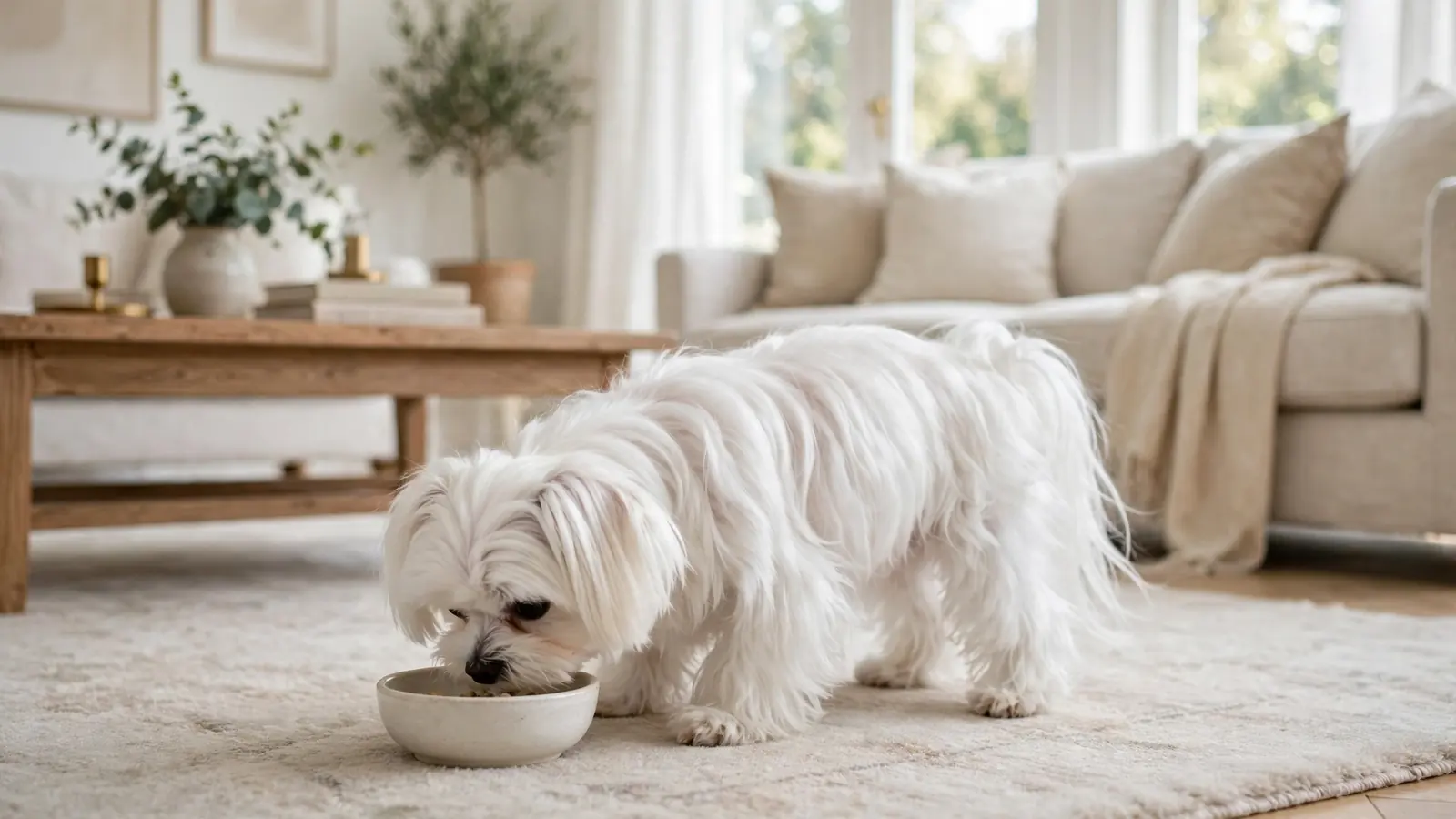
Tiny stomachs, quality food: feed a measured, high-quality small-breed diet in two to three meals a day.
Small breeds can have dental issues; appropriate kibble size and dental care help.
Avoid overfeeding; even a little extra weight is a lot on a 5-pound dog. Watch for hypoglycemia in tiny puppies; regular meals matter.
Feeding suits a tiny stomach. A measured, high-quality small-breed diet in two to three meals a day keeps weight steady, and regular meals matter, especially for tiny puppies prone to hypoglycemia. Avoiding overfeeding matters more than usual: even a little extra weight is a lot on a five-pound dog, and dental care with appropriate kibble size helps the small-breed mouth.
Grooming
The coat decision defines the routine. Full coat: daily brushing to prevent mats, regular baths, professional grooming.
Puppy cut: much easier, with trims every 6 to 8 weeks. All coats: daily eye-area cleaning (tear staining is common), regular nail trims, teeth brushing. The Maltese dog needs regular grooming.
The coat decision defines the routine, as the guide says. Full coat means daily brushing to prevent mats, regular baths, and professional grooming, while the puppy cut trades that for trims every six to eight weeks and much easier days. All coats need daily eye-area cleaning, since tear staining is common, plus regular nail trims and teeth brushing.

Exercise and Enrichment
Low to moderate energy: aim for 20 to 30 minutes of gentle activity daily. Indoor play counts.
They enjoy short walks and gentle games. Mental enrichment through training suits the clever mind.
Exercise is low to moderate and mostly indoor-friendly. Twenty to thirty minutes of gentle activity daily cover the need, indoor play counts fully, and short walks plus gentle games suit the clever mind. Mental enrichment through training suits the breed well: a Maltese that learns tricks and games is usually calmer and happier than one that only walks.
Health
Most live 12 to 15 years. Here are the health issues to know:
Common in the tiny mouth; regular dental care is essential.
Patellar luxation occurs in the breed.
Appears occasionally.
Liver shunts occur in some lines.
They are fragile; injuries from falls are a real risk in a dog this small.
Schedule annual wellness exams, or twice-yearly exams for seniors, and ask your vet about screening for conditions the breed can be prone to, such as patellar luxation and dental disease. Consult your veterinarian promptly if you notice trembling, limping, or changes in appetite, weight, or energy. For general background, see the Wikipedia guide.
Health care follows the familiar rhythm with joint and dental screening in focus. Annual exams, twice-yearly exams for seniors, and screening for patellar luxation and dental disease cover the ground the guide names, and the Maltese dog’s breeders should health-test patellas, heart, and eyes without breeding extremely tiny dogs. Day to day, limping, mouth discomfort, and changes in appetite, weight, or energy deserve a prompt vet call.
Indoor and Outdoor Living
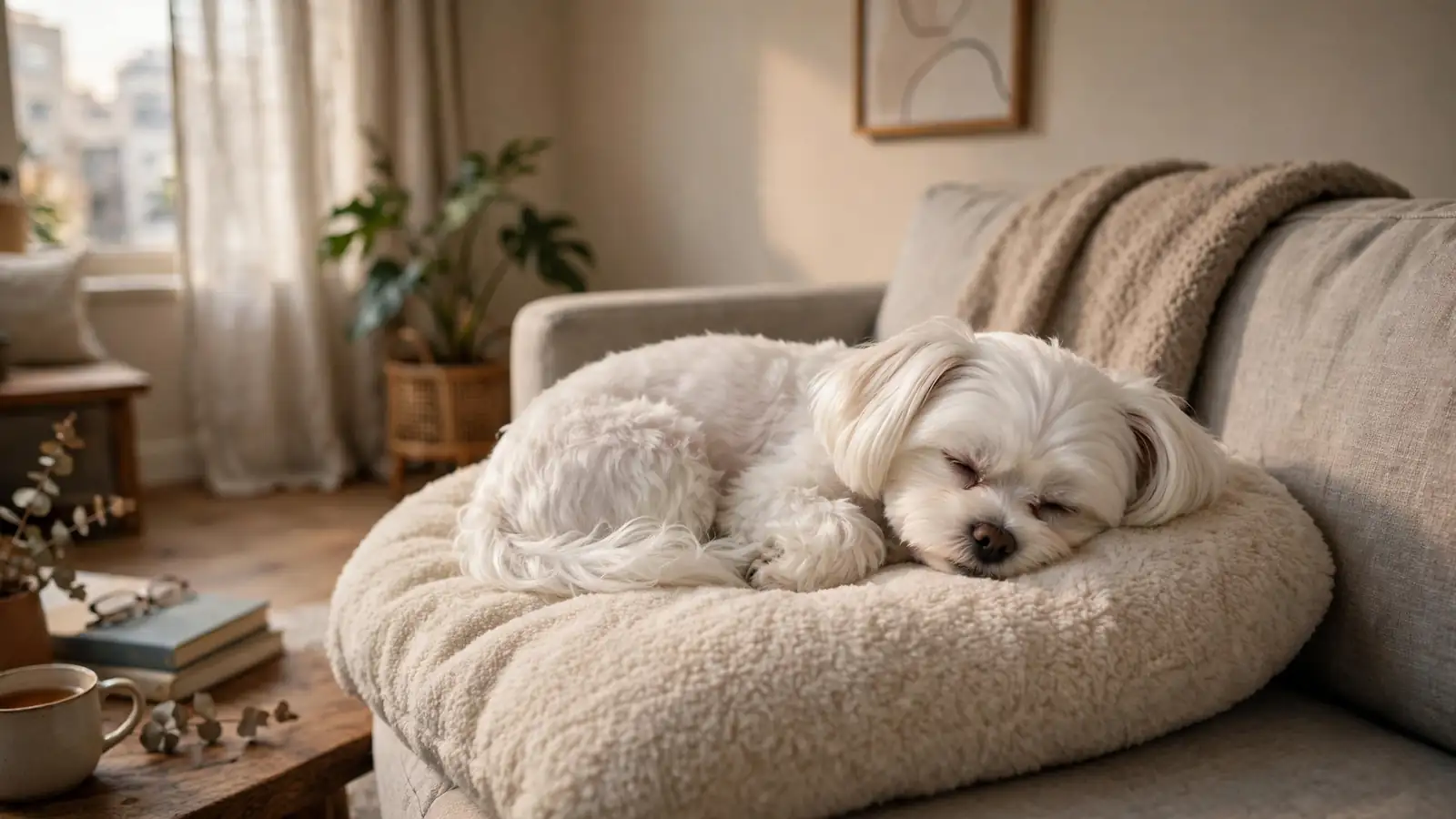
Indoor lap dog, absolutely: they live indoors and are ideal apartment dogs.
They need protection from cold, hawks, and large dogs outdoors. Short, supervised outdoor time is enough.
Indoor living is absolute for this breed. The Maltese lives indoors as an ideal apartment dog, tiny and portable enough for any living space, with short, supervised outdoor time enough for most days. Protection from cold, hawks, and large dogs outdoors is the rule, and a warm, safe home with gentle people is the ideal.
Family Suitability
Wonderful with gentle households: affectionate and playful with calm adults and older children.
They are too fragile for rough toddler play. They usually get along with other gentle pets. Gentle children who understand how small and fragile a toy dog is can be wonderful companions for one.
With families, gentleness is the condition. The breed is wonderful with gentle households, affectionate and playful with calm adults and older children, but too fragile for rough toddler play, and usually good with other gentle pets. Gentle children who understand how small and fragile a toy dog is can be wonderful companions, and the Maltese dog’s devoted sweetness shows best in calm, careful homes.
Calm householdsApartment livingHomes with older childrenGentle pet homes
You work long hours away from homeYou have rough-and-tumble toddlers
Finding a Breeder or Rescue
Tiny breed, careful breeding: good breeders health-test (patellas, heart, eyes), do not breed extremely tiny dogs, and raise puppies in the home.
Rescues have wonderful dogs too.
- Ask about health testing — patellas, heart, and eyes
- Ask whether puppies are raised in the home
- Be wary of breeders advertising extremely tiny dogs
- Consider a breed rescue
Quick Quiz: Is This Tiny Lap Dog Right for You?
Answer four questions. Tap yes or no.
Frequently Asked Questions
Are Maltese good family dogs?
They are wonderful for calm households with older kids or adults. They are too fragile for rough play.
How much exercise does a Maltese need?
Only 20 to 30 minutes of gentle activity daily.
Do Maltese shed?
Very little. The single coat is minimal-shedding.
Are Maltese hypoallergenic?
No dog is truly hypoallergenic, but the minimal shedding suits many sensitive people.
How long do Maltese live?
Typically 12 to 15 years.
Are Maltese easy to train?
They are intelligent and learn quickly, though house training needs patience.
What do Maltese owners say about living with the breed?
Owners consistently describe this breed as gentle, affectionate, and charming. In practice, owners report that the breed’s devoted sweetness is the main reason they recommend it to gentle households.
When should I ask my vet about my Maltese’s health?
Schedule annual wellness exams, or twice-yearly exams for seniors, and ask your vet about screening for conditions the breed can be prone to, such as patellar luxation and dental disease. Consult your veterinarian promptly if you notice trembling, limping, or changes in appetite, weight, or energy.
Purpose-built for affection: tiny, elegant, gentle, and devoted, with a glorious white coat and minimal shedding. For calm households that are home to enjoy it, few companions are sweeter.
Similar Breeds Worth Exploring
If this breed appeals to you, consider the Bichon Frise (similar white fluff, sturdier), the Havanese (playful and similar size), the Shih Tzu (companion breed, similar grooming), or the Yorkshire Terrier (tiny and spirited).




Related Breed Guides
- Bichon Frise Dog Breed Guide
- Havanese Dog Breed Guide
- Shih Tzu Dog Breed Guide
- Yorkshire Terrier Dog Breed Guide
Keep Exploring
Browse all our Dog Breed Guides, try the Dog Age Calculator, or explore our Cat Breed Guides. Every guide on this site follows the same layout, so the facts you need are always in the same place.