
Bichon Frise Dog Breed Guide
Bichon Frise: the cheerful little white companion
The cheerful white powder puff: playful, gentle, and always smiling. Care, grooming, and health in one complete guide.
Lifespan 12 to 15 yrs Weight 12 to 18 lbs Always white, minimal shedding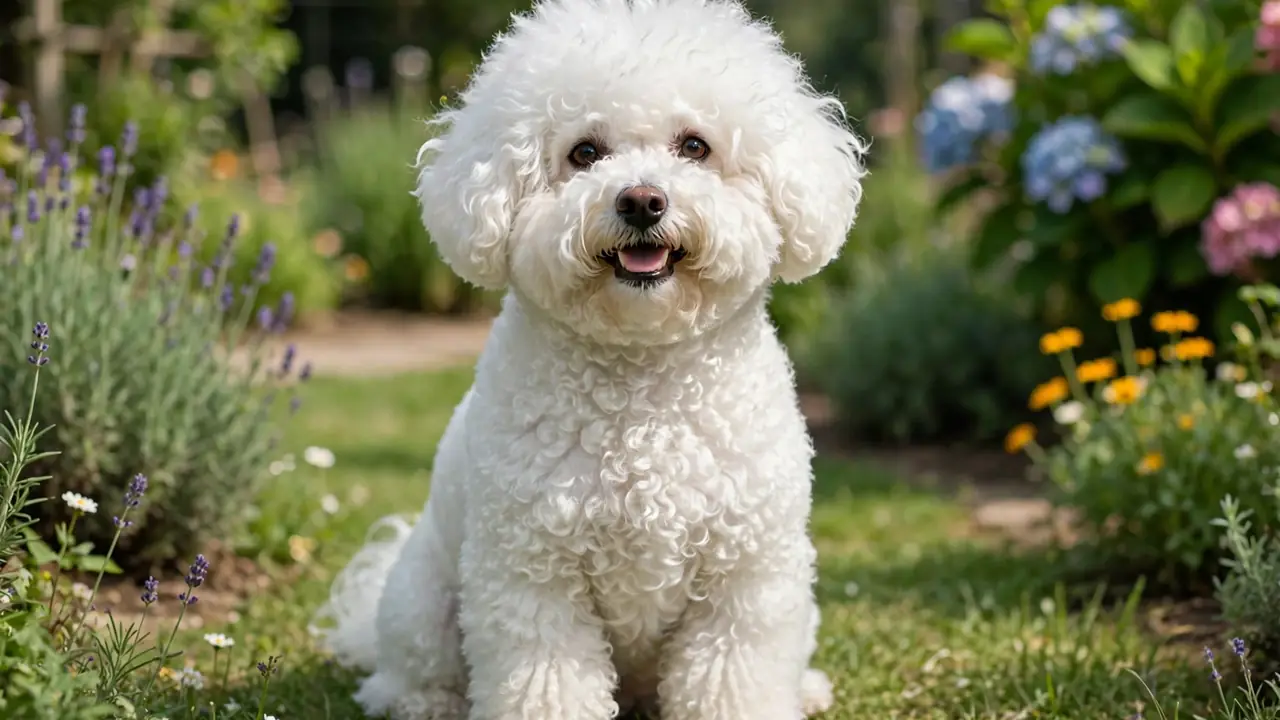
Bichon Frise dog is the cheerful white powder puff: playful, gentle, and always smiling.
This guide covers the Bichon Frise in full, from size and coat to personality, care, and health, so you can decide whether the Bichon Frise fits your home.
At a Glance
Size and Weight
Bichons weigh 12 to 18 pounds and stand 9 to 12 inches tall. The build is sturdy for a small companion. For a small companion, the Bichon Frise dog is sturdy and well balanced.
Coat and Colors
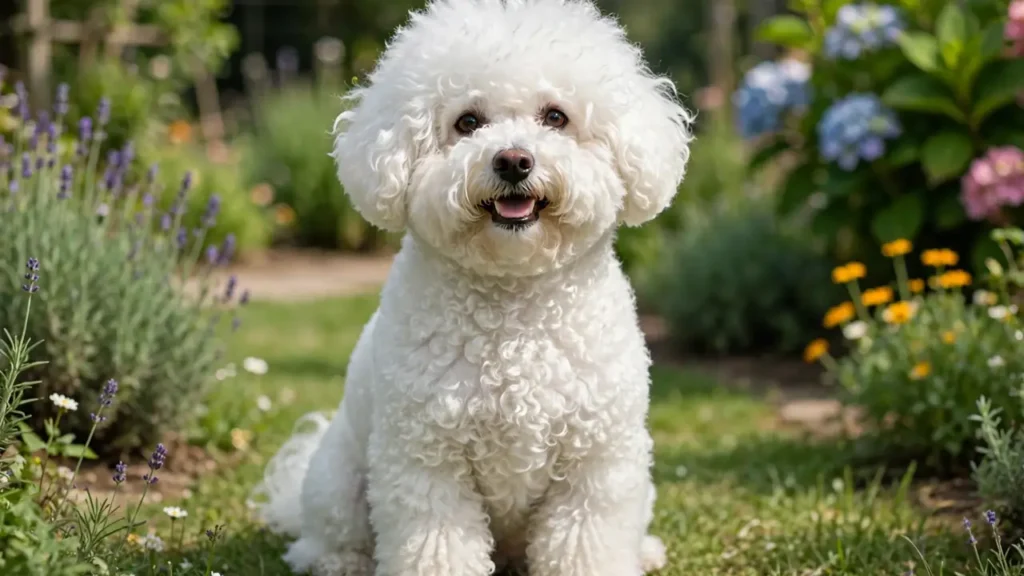
A soft, curly double coat, always white. The coat needs professional clipping every 4 to 6 weeks and regular brushing between. Shedding is minimal, which suits many households. The Bichon Frise dog wears its white coat with pride, and regular care keeps it at its best.


History and Origins
A Mediterranean sailor’s dog turned French favorite.
Bichon-type dogs traveled with sailors around the Mediterranean, becoming favorites of French nobility and later circus performers.
Their trainability and charm made them entertainers. The companion and performer heritage shows in the cheerful, trainable temperament.
Physical Characteristics
A white cloud with dark eyes.
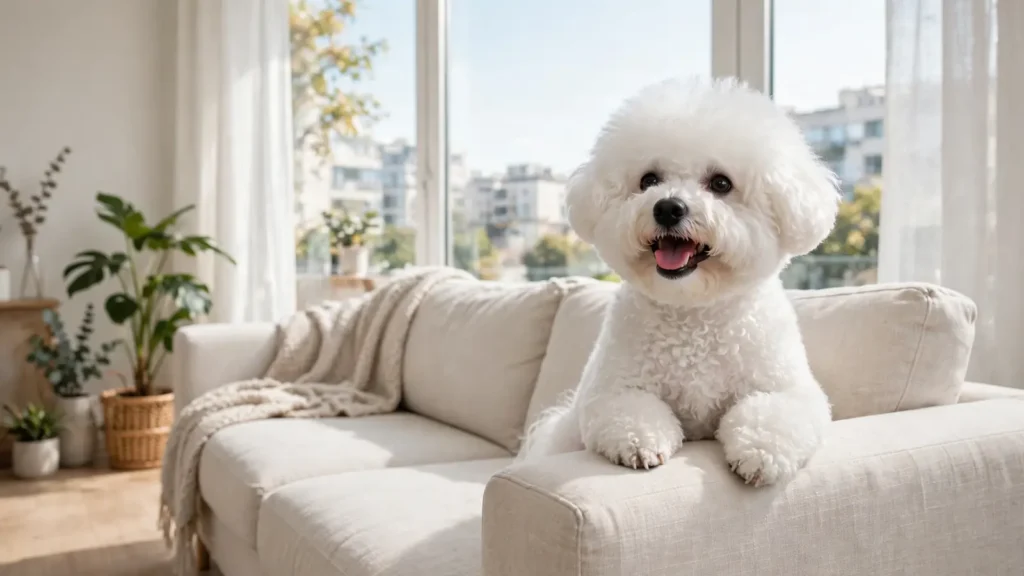
Compact body with a soft curly coat, dark expressive eyes, and a plumed tail carried over the back. The expression is famously cheerful. In motion, the Bichon Frise dog is light on its feet and full of cheer.
Bichon Frise Personality and Behavior
Bichons are famously cheerful, playful, and gentle. They adore their people, love to entertain, and are friendly with everyone. They are smart and trainable, excelling at tricks. At home, the Bichon Frise dog is a constant, cheerful companion.
They are companion dogs who hate being alone and can develop separation anxiety. They are sturdy enough for play. A Bichon Frise dog left alone too long may grow anxious, so company matters.
Owners consistently describe the Bichon as cheerful, playful, and gentle. In practice, owners report that the breed’s happy charm is the main reason they recommend it to companion-dog lovers.
The cheerful temperament is constant rather than occasional. A Bichon Frise dog greets the day with the same enthusiasm it greets its people, loves to entertain, and stays friendly with visitors, children, and other pets alike. The smart, trainable mind behind the smile shows in tricks and games, and owners often say the breed’s happy charm is what first wins them over and what keeps them devoted.
The companion need is the other side of that charm. Bichons hate being alone and can develop separation anxiety when left for long hours, so the breed suits households where someone is usually around. Company is not a luxury for this dog: a Bichon with its people nearby is a content, playful companion, while one left alone too long may grow anxious and unhappy.
Bichons are famously cheerful, playful, and gentle. They adore their people, love to entertain, and are friendly with everyone. They are smart and trainable, excelling at tricks.
They are companion dogs who hate being alone and can develop separation anxiety. They are sturdy enough for play.
Owners consistently describe the Bichon as cheerful, playful, and gentle. In practice, owners report that the breed’s happy charm is the main reason they recommend it to companion-dog lovers.
- Friendly, gentle companion for families
- Minimal shedding from the white coat
- Adaptable to apartments and houses
- Needs professional clipping every 4 to 6 weeks
- Prone to bladder stones and allergies
- Dental care needs attention
Care Essentials
Bichons need 30 minutes of daily activity: walks, indoor play, games. They are indoor family dogs who want to be with their people constantly. With this routine, the Bichon Frise dog stays happy, healthy and well groomed.
The grooming is the real commitment. Budget for professional grooming every 4 to 6 weeks.
A typical day is built around togetherness and the grooming calendar together. Thirty minutes of walks, indoor play, and games cover the activity, and the rest of the day is mostly about being near the family. The grooming commitment deserves honest budgeting: professional clipping every four to six weeks plus brushing between is a fixture, not an occasional extra.
Feed a measured, high-quality small-breed diet in two meals a day. Keep them lean. Dental health matters; appropriate kibble helps.
Brush two to three times a week to prevent mats. Professional clipping every 4 to 6 weeks. Bathe as needed. Trim nails, clean ears, brush teeth regularly.
Aim for 30 minutes of activity daily. They enjoy walks, play, and training games. They are surprisingly playful for their size.
Bichons live indoors and are excellent apartment dogs. They enjoy outdoor play and handle most climates well.
Nutrition and Diet
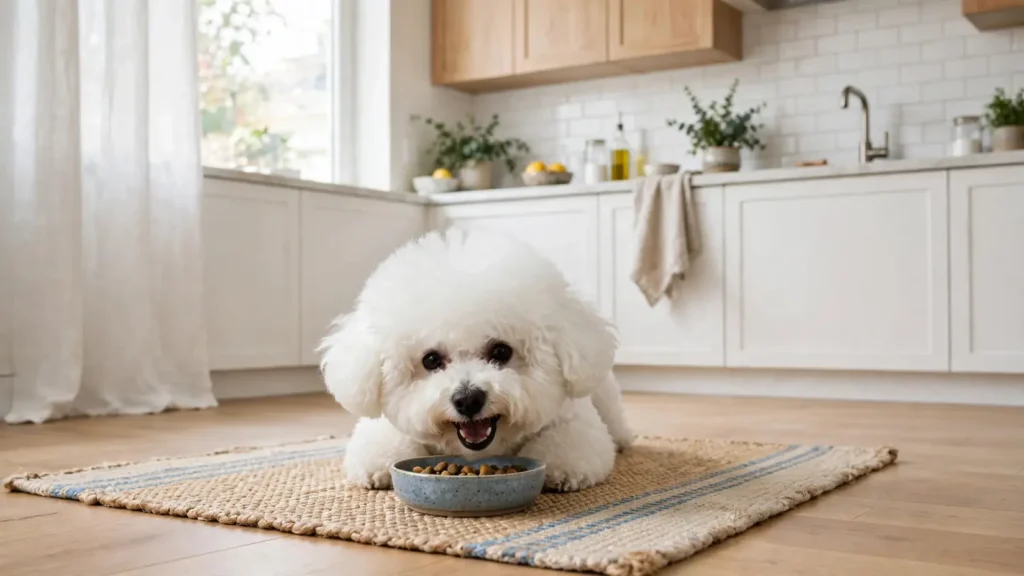
Feed a measured, high-quality small-breed diet in two meals a day. Keep them lean. Dental health matters; appropriate kibble helps.
Feeding follows the familiar small-breed pattern. A measured, high-quality diet in two meals keeps the sturdy build lean, and dental health matters alongside weight, with appropriate kibble and regular tooth brushing as the daily habits. Treats stay counted, since a small companion gains weight quietly when extras go unmeasured.
Grooming
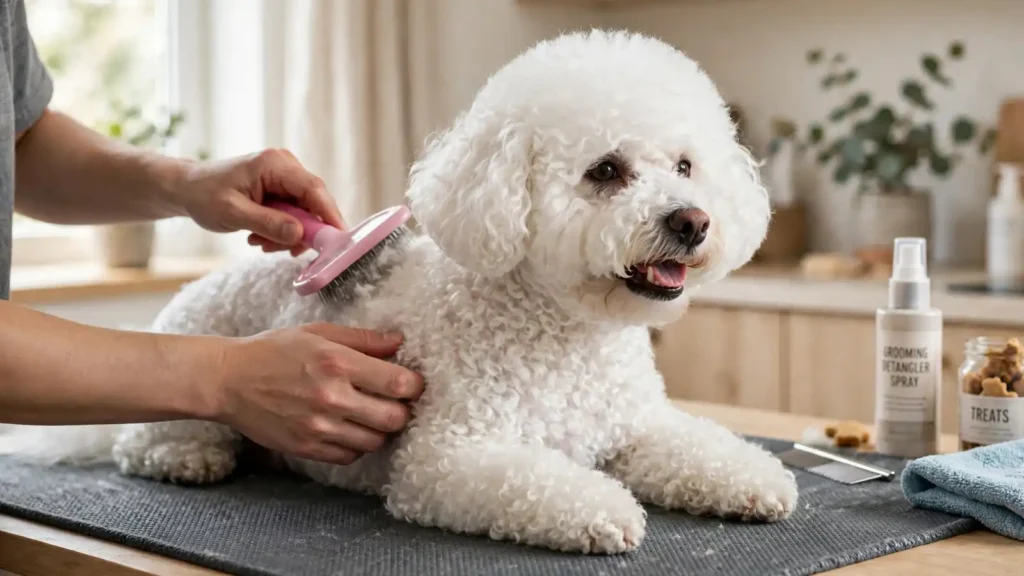
Brush two to three times a week to prevent mats. Professional clipping every 4 to 6 weeks. Bathe as needed. Trim nails, clean ears, brush teeth regularly.
Keeping the white coat beautiful takes routine. Brushing two to three times a week prevents mats in the soft, curly double coat, professional clipping every four to six weeks keeps the shape, and baths come as needed between appointments. The same session covers nails, ears, and teeth, and owners who keep the rhythm steady usually find the coat far easier than owners who let it slide and then catch up.
Exercise and Enrichment
Aim for 30 minutes of activity daily. They enjoy walks, play, and training games. They are surprisingly playful for their size.
Play is the natural exercise for this breed. Walks, indoor play, and training games cover the daily need, and the surprising playfulness for the size means a Bichon often asks for one more game long after the walk ends. Training games double as enrichment, since the smart, trick-loving mind tires happily through learning as well as movement.

Health
Urinary and bladder stone issues occur in the breed.
Loose kneecaps appear in some lines; ask about screening.
Skin allergies are common, and small mouths need dental care.
Schedule annual wellness exams, or twice-yearly exams for seniors, and ask your vet about screening for conditions the breed can be prone to, such as urinary and dental issues. Consult your veterinarian promptly if you notice straining to urinate, limping, or changes in appetite, weight, or energy. For general background, see the Bichon Frise dog reference on Wikipedia.
Health care follows the usual rhythm with two breed watch points. Annual exams, twice-yearly exams for seniors, and screening for urinary and dental issues cover the ground the guide names, and the signs worth mentioning promptly include straining, mouth discomfort, and changes in appetite, weight, or energy. Breeders who screen patellas, eyes, and hips are worth seeking out for the same reason.
Indoor and Outdoor Living
Bichons live indoors and are excellent apartment dogs. They enjoy outdoor play and handle most climates well.
Apartment living suits the breed well. The size fits small spaces, the exercise need is modest, and outdoor play is enjoyed rather than demanded, with most climates handled comfortably. The main requirement is company rather than space: a Bichon in a small flat with its people nearby is usually far happier than one in a large house left alone.
Family Suitability
Playful and gentle with children, friendly with everyone. They are sturdier than many small breeds. They are usually good with other pets. For many households, the Bichon Frise dog is an easy, affectionate fit.
With families, gentleness leads. The breed is playful and gentle with children and friendly with everyone, and the sturdier build means it copes better with family life than many small breeds, though respectful handling still matters. Other pets are usually welcomed, and the Bichon Frise dog’s easy, affectionate fit is why so many households recommend the breed to friends.
Finding a Breeder or Rescue
Good breeders screen patellas, eyes, and hips. Bichon rescues have wonderful dogs.
- Ask about health screening for bladder stones and patellar luxation
- Meet the puppy’s mother and see where the puppies are raised
- Ask how the puppies are socialized in their first weeks
- Consider rescue too: breed rescues place wonderful dogs
Quick Quiz: Is a Bichon Frise Right for You?
Answer four questions. Tap yes or no.
Frequently Asked Questions
Are Bichon Frises good family dogs?
Wonderful. They are playful, gentle, and good with children.
How much exercise does a Bichon need?
About 30 minutes of activity daily.
Do Bichons shed?
Very little. The curly coat is minimal-shedding but needs clipping.
Are Bichons hypoallergenic?
No dog is truly hypoallergenic, but the minimal shedding suits many sensitive people.
How long do Bichon Frises live?
Typically 12 to 15 years.
Are Bichons easy to train?
They are smart and eager to please, excelling at tricks.
What do Bichon owners say about living with the breed?
Owners consistently describe the Bichon as cheerful, playful, and gentle. In practice, owners report that the breed’s happy charm is the main reason they recommend it to companion-dog lovers.
When should I ask my vet about my Bichon’s health?
Schedule annual wellness exams, or twice-yearly exams for seniors, and ask your vet about screening for conditions the breed can be prone to, such as urinary and dental issues. Consult your veterinarian promptly if you notice straining to urinate, limping, or changes in appetite, weight, or energy.
The Bichon Frise is a cheerful, gentle little companion with a cloud-white coat. Its grooming bill is real, but so is its charm.
Similar Breeds Worth Exploring
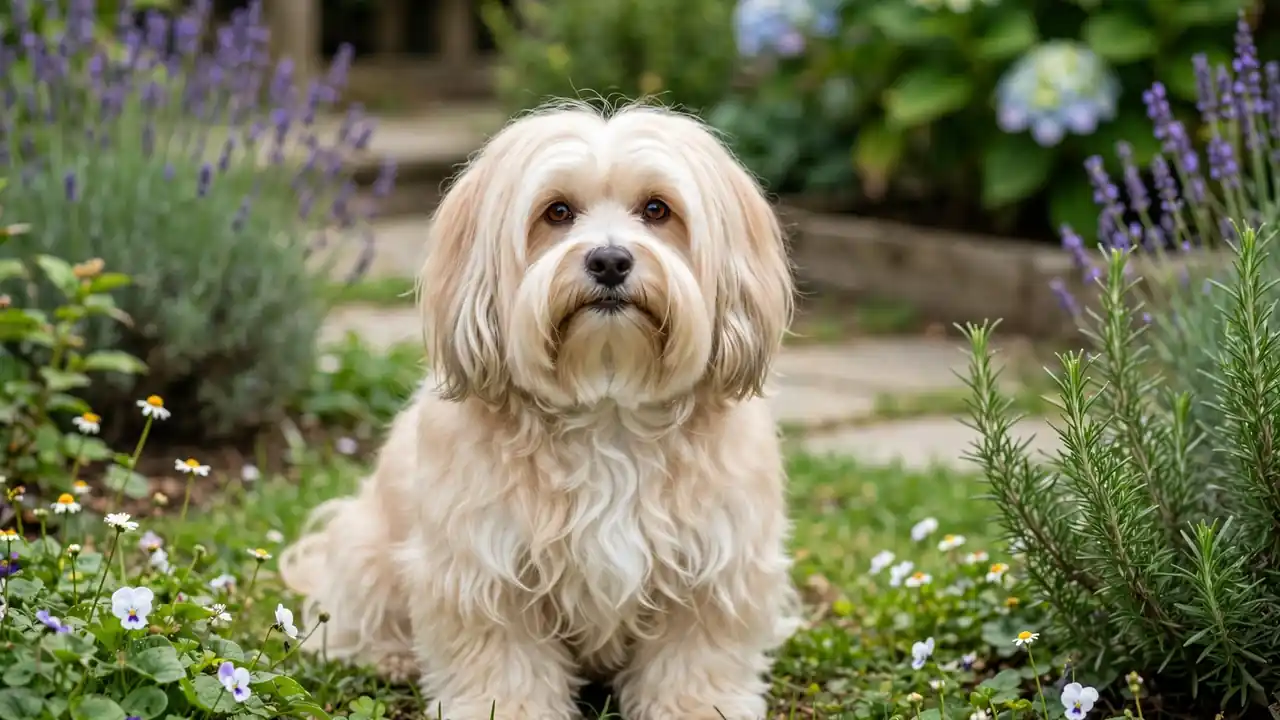
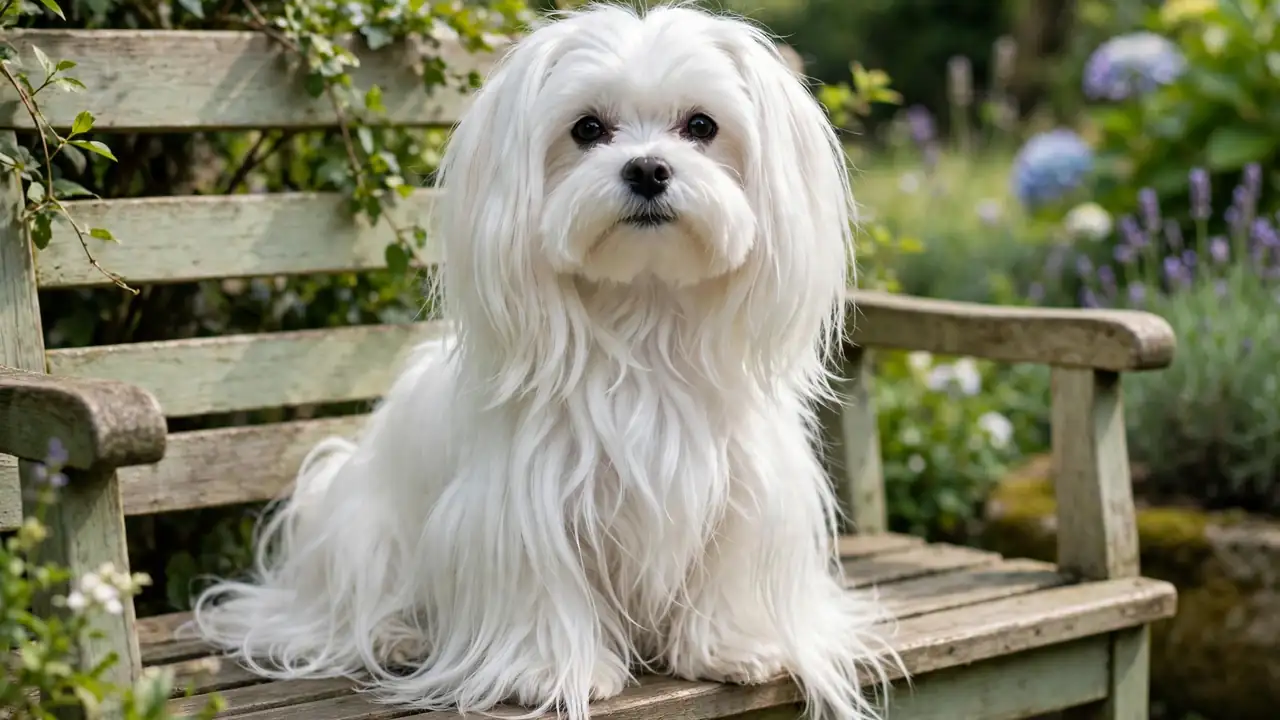
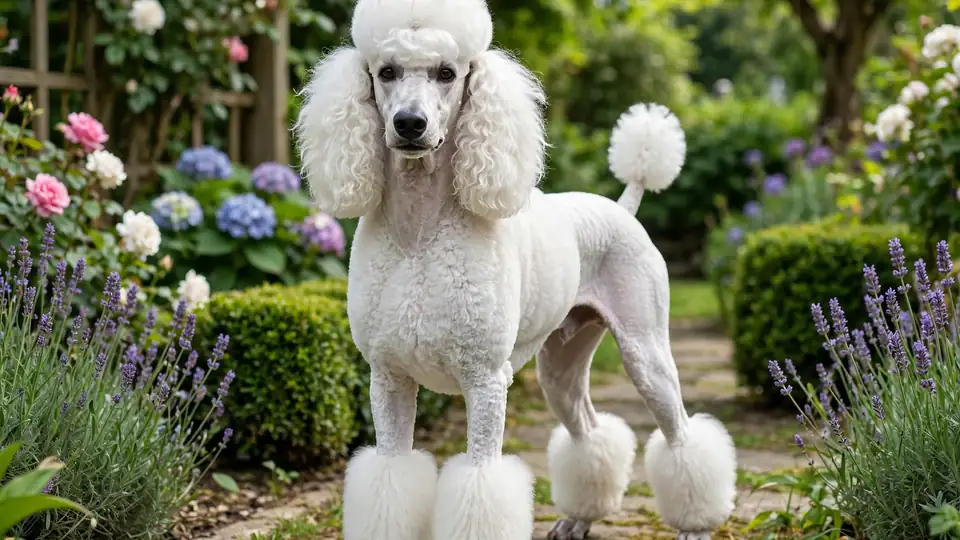
If the Bichon appeals to you, consider the Havanese (similar cheerful companion), the Maltese (gentler white toy), the Coton de Tulear (similar coat), or the Poodle (smarter, similar coat).
Related Breed Guides
Keep Exploring
Browse all our Dog Breed Guides, try the Dog Age Calculator, or explore our Cat Breed Guides.