
Shetland Sheepdog Dog Breed Guide
Shetland Sheepdog: the miniature Collie with a huge heart
The miniature Collie with a huge heart: smart, sensitive, and devoted. Care, grooming, and health in one complete guide.
Lifespan 12 to 14 yrs Weight 15 to 25 lbs Smart, sensitive, devoted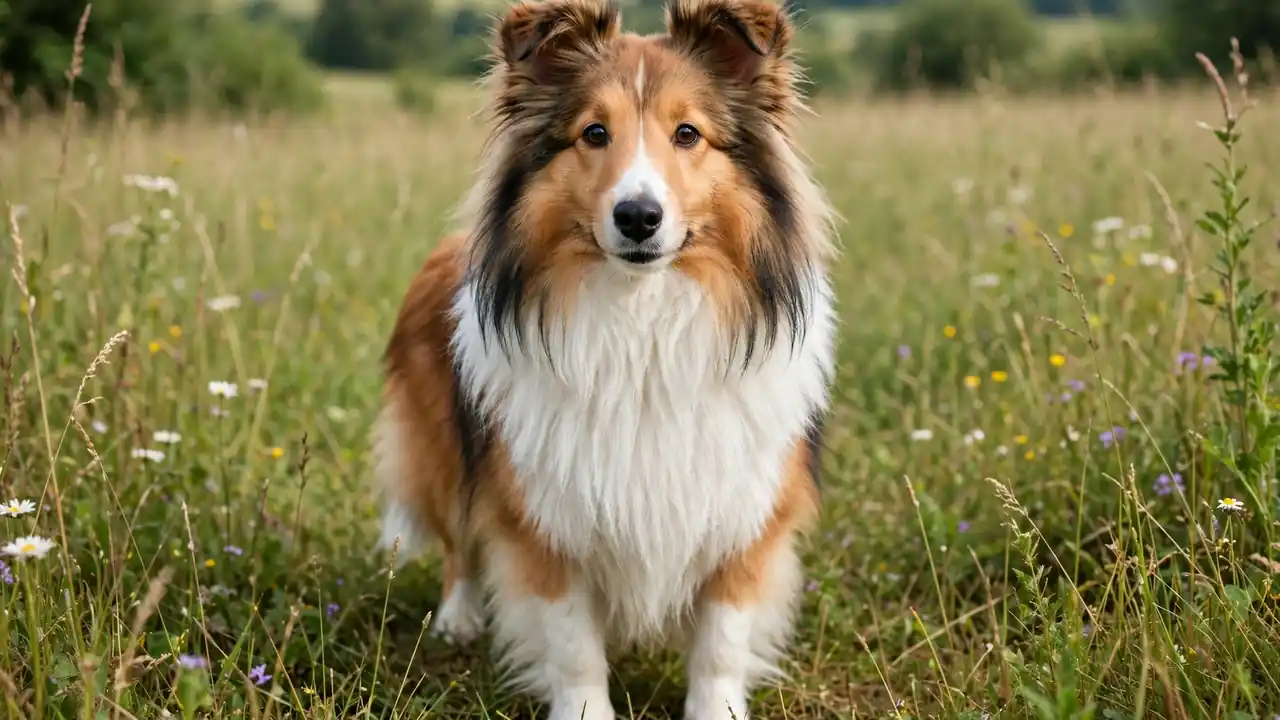
Shetland Sheepdog dog is the miniature Collie with a huge heart: smart, sensitive, and devoted.
This guide covers the Shetland Sheepdog in full, from size and coat to personality, care, and health, so you can decide whether this breed fits your home.
Every section below is written for future Shetland Sheepdog owners, with the real day-to-day needs of the breed in mind.
At a Glance
Size and Weight
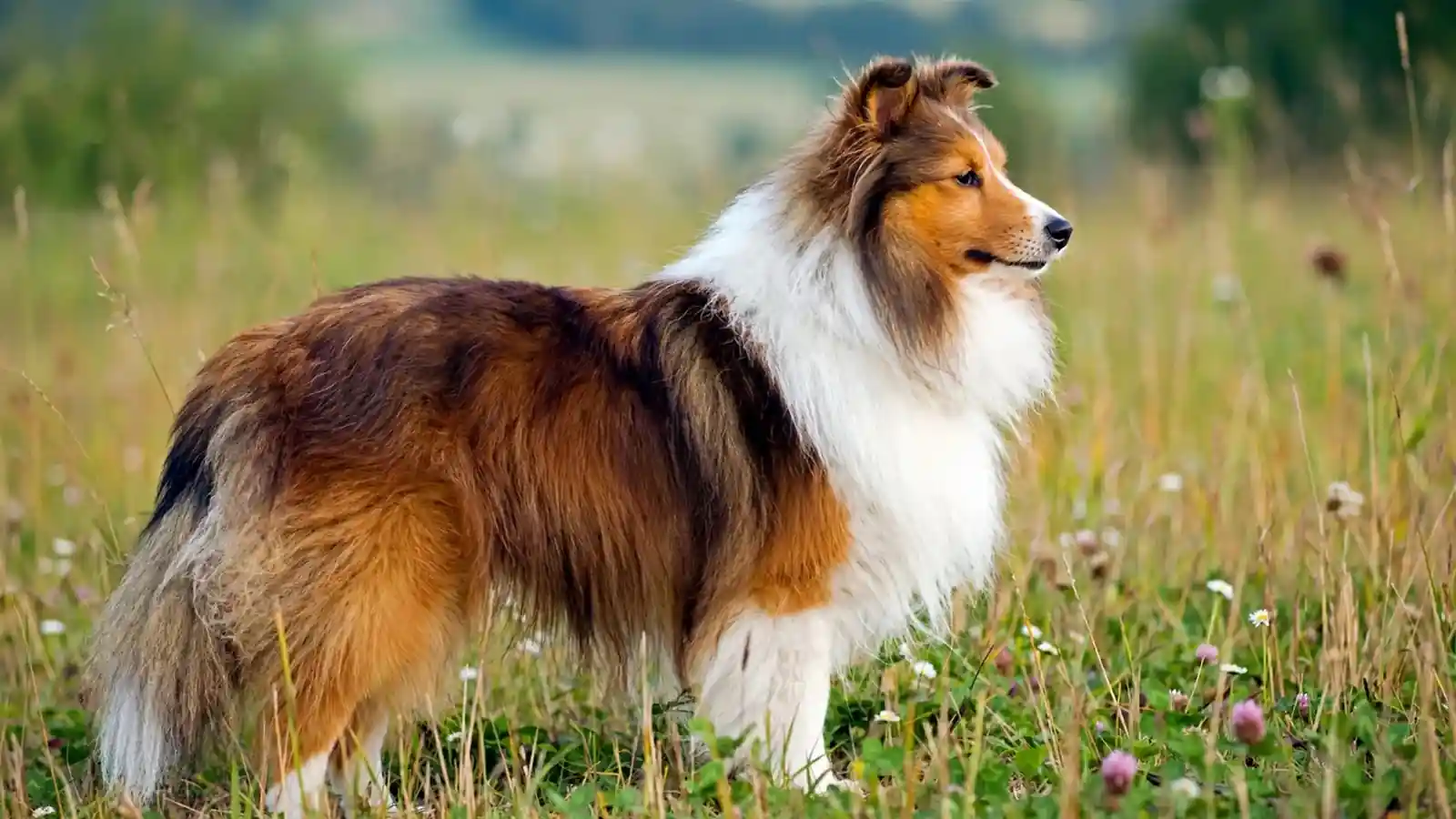
Shelties stand 13 to 16 inches and weigh 15 to 25 pounds. They look like miniature Rough Collies, but they are a distinct breed. The Shetland Sheepdog dog is small, elegant, and sturdy.
Coat and Colors
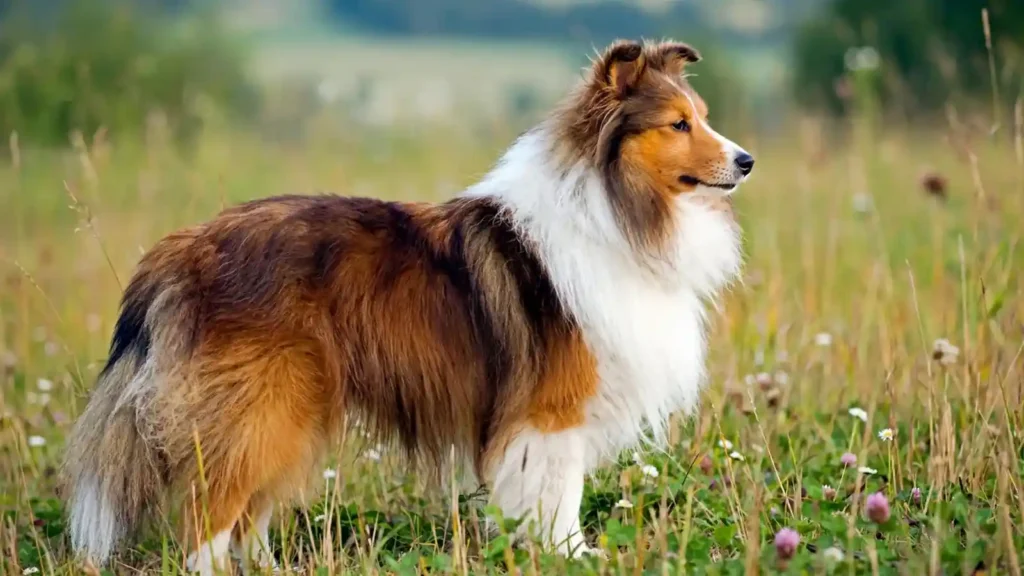
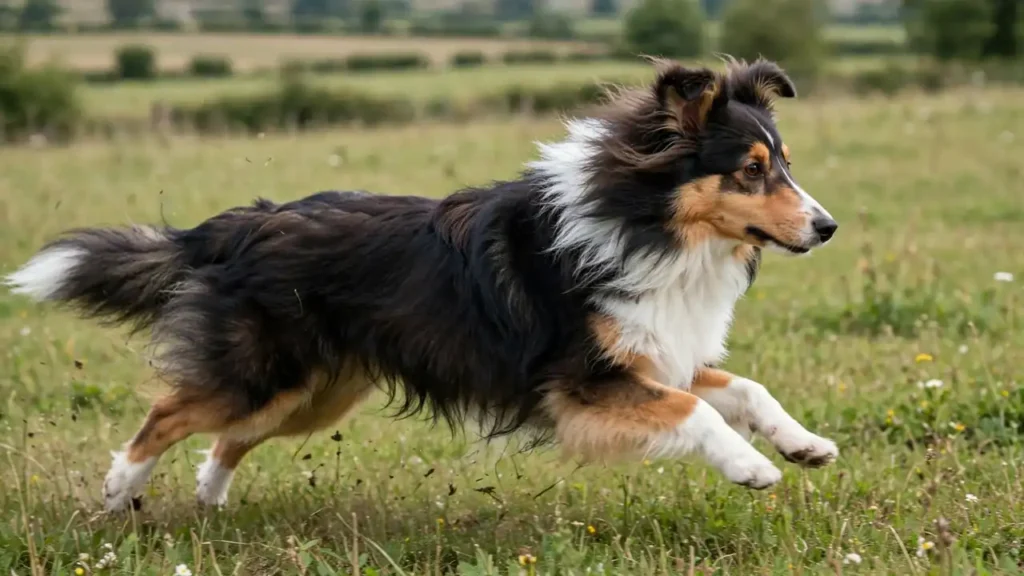
A long, dense double coat with a profuse mane, in sable, tricolor, blue merle, or bi-black, with white markings. Shedding is heavy year-round with seasonal heavier periods. The Shetland Sheepdog dog is famous for its long, dense double coat.
Weekly brushing minimum; more during shedding season. This is a high-maintenance coat.

History and Origins
A herding dog from the Shetland Islands.
Shelties herded sheep on the rugged Shetland Islands, bred small to suit the harsh conditions and small farms.
Collie crosses refined them into the elegant breed we know. The herding heritage drives the intelligence, sensitivity, and barking.
Physical Characteristics
Small, elegant body with a refined head and sweet expression. The profuse coat is the glory. The movement is graceful and agile. The Shetland Sheepdog dog has a small, elegant build with a refined head.
Shetland Sheepdog Personality and Behavior
Shelties are famously smart, sensitive, and gentle. They are deeply devoted to their families, eager to please, and highly trainable. They are reserved with strangers. The Shetland Sheepdog dog is smart, sensitive, and gentle.
They are sensitive souls who wilt under harsh corrections and bloom with gentle guidance. They bark a lot; it is the herding heritage. They can be shy without thorough socialization.
Owners consistently describe the Sheltie as smart, sensitive, and gentle. In practice, owners report that the breed’s devoted intelligence is the main reason they recommend it to gentle, engaged owners.
The devoted intelligence is the breed’s signature. The Shetland Sheepdog dog is smart, sensitive, and gentle, deeply devoted to its family and eager to please, with a trainability that makes it a natural at agility and obedience. The reserved manner with strangers is part of the same temperament: a Sheltie watches first and warms up on its own terms.
Sensitivity shapes every interaction. Shelties wilt under harsh corrections and bloom with gentle guidance, and the barking the guide names is herding heritage rather than naughtiness: a Sheltie announces movement, visitors, and changes because that is what herding dogs do. Shyness without thorough socialization is the risk to manage early, with calm, positive exposure from puppyhood.
Shelties are famously smart, sensitive, and gentle. They are deeply devoted to their families, eager to please, and highly trainable. They are reserved with strangers.
They are sensitive souls who wilt under harsh corrections and bloom with gentle guidance. They bark a lot; it is the herding heritage. They can be shy without thorough socialization.
Owners consistently describe the Sheltie as smart, sensitive, and gentle. In practice, owners report that the breed’s devoted intelligence is the main reason they recommend it to gentle, engaged owners.
- Highly trainable and eager to please
- Gentle and patient with children
- Beautiful profuse double coat
- Heavy shedding year-round
- Barks a lot; it is the herding heritage
- Sensitive and needs gentle guidance
Care Essentials
Shelties need 45 to 60 minutes of daily exercise plus training. They excel at agility, obedience, and herding trials. They are indoor family dogs who want to be with their people. The Shetland Sheepdog dog needs 45 to 60 minutes of daily activity.
The grooming is the real commitment. Budget time for it honestly.
A typical day mixes exercise with training. Forty-five to sixty minutes of walks, play, agility, and training cover the need, and the indoor family dog that results wants to be with its people. The grooming commitment deserves honest budgeting alongside the activity: this is a high-maintenance coat, and the time for it should be planned like the exercise, not discovered afterward.
Feed a measured, high-quality diet in two meals a day. Keep them lean. Some Shelties have sensitive stomachs; work with your vet if issues appear.
Brush two to three times a week minimum to prevent mats; daily is better during shedding. The dense undercoat needs an undercoat rake. Bathe as needed. Never shave a Sheltie. Trim nails, clean ears, brush teeth.
Aim for 45 to 60 minutes of activity daily: walks, play, agility, training. Mental work through training is essential; the brilliant mind needs engagement.
Shelties live indoors with their families and exercise outdoors. They handle most climates with the dense coat. A fenced yard is great for play.
Nutrition and Diet
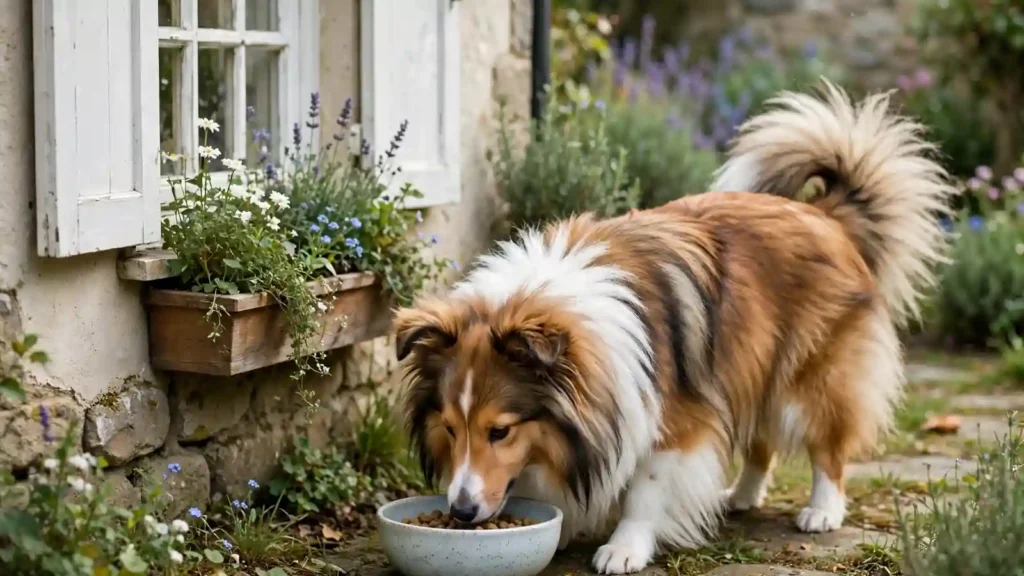
Feed a measured, high-quality diet in two meals a day. Keep them lean. Some Shelties have sensitive stomachs; work with your vet if issues appear.
Feeding stays measured and observant. A high-quality diet in two meals keeps the small, elegant build lean, and sensitive stomachs deserve attention: if digestive issues appear, working with the vet is the guide’s advice rather than guessing at food changes. Treats stay counted, since a small dog gains weight quietly when extras go unmeasured.
Grooming
Brush two to three times a week minimum to prevent mats; daily is better during shedding. The dense undercoat needs an undercoat rake. Bathe as needed. Never shave a Sheltie. Trim nails, clean ears, brush teeth.
The coat is the glory and the work. Brushing two to three times a week minimum prevents mats in the long, dense double coat, daily brushing is better during shedding, and the dense undercoat needs an undercoat rake rather than a surface brush. Never shave a Sheltie: the coat protects as well as beautifies, and the same session covers nails, ears, and teeth.

Exercise and Enrichment
Aim for 45 to 60 minutes of activity daily: walks, play, agility, training. Mental work through training is essential; the brilliant mind needs engagement.
Exercise is training as much as movement. Walks, play, agility, and training cover the daily need, and mental work through training is essential, since the brilliant mind needs engagement as much as the body needs motion. A Sheltie with learning built into the day is calmer and easier to live with than one that only walks.
Health
Collie eye anomaly and progressive retinal atrophy occur; choose breeders who screen every generation.
Hip problems occur in the breed.
A skin and muscle condition appears in some lines, and the MDR1 gene can cause medication sensitivity.
Schedule annual wellness exams, or twice-yearly exams for seniors, and ask your vet about screening for conditions the breed can be prone to, such as eye conditions. Consult your veterinarian promptly if you notice vision changes, skin lesions, or changes in appetite, weight, or energy. For general background, see the Shetland Sheepdog dog reference on Wikipedia.
Health care follows the familiar rhythm with eye screening in focus. Annual exams, twice-yearly exams for seniors, and screening for eye conditions cover the ground the guide names, and breeders who eye-test every generation and screen hips are worth seeking out. Day to day, vision changes and changes in appetite, weight, or energy deserve a prompt vet call.
Indoor and Outdoor Living
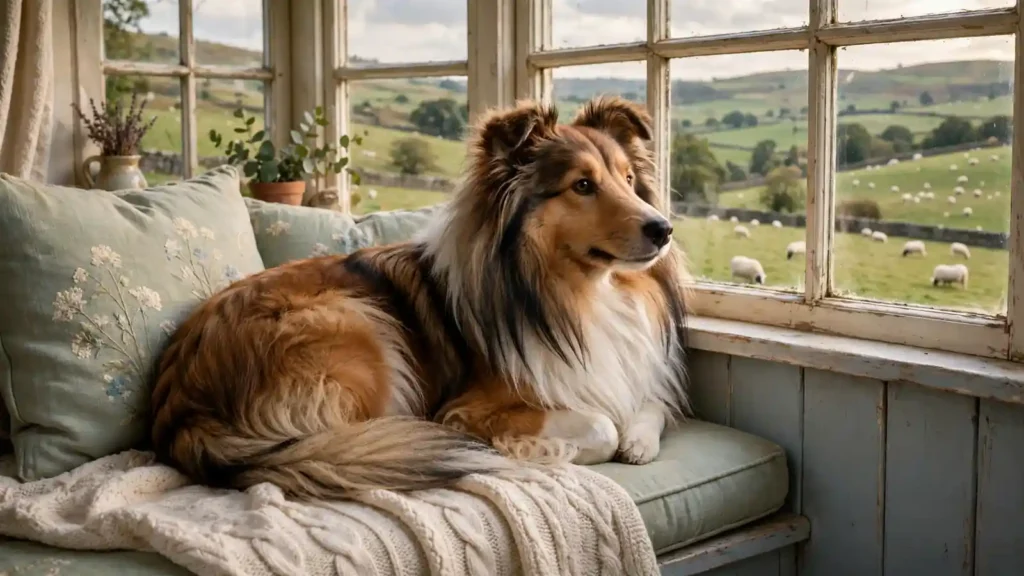
Shelties live indoors with their families and exercise outdoors. They handle most climates with the dense coat. A fenced yard is great for play.
They are good apartment dogs with enough exercise, being relatively quiet indoors except for the barking.
Indoor living suits the breed with exercise covered. Shelties live indoors with their families and exercise outdoors, handling most climates with the dense coat, and a fenced yard is great for play. They are good apartment dogs with enough exercise, relatively quiet indoors except for the barking, which is the one noise neighbors may notice.
Family Suitability
Gentle and patient with children, though the sensitivity means they prefer calm households. They are usually good with other dogs and with cats they are raised with. The Shetland Sheepdog dog is gentle and patient with children.
With families, gentleness leads and calm wins. The breed is gentle and patient with children, though the sensitivity means it prefers calm households, and usually good with other dogs and with cats it is raised with. The Shetland Sheepdog dog’s devoted, sensitive character shows best in gentle, engaged homes that enjoy a smart dog and accept the barking and the brushing as part of the bargain.
Finding a Breeder or Rescue
Good breeders eye-test every generation and screen hips. Sheltie rescues have wonderful dogs; the breed’s barking and grooming needs cause surrenders. The Shetland Sheepdog dog does best with breeders who eye-test every generation and screen hips.
- Ask about health screening for eye conditions and hip dysplasia
- Meet the puppy’s mother and see where the puppies are raised
- Ask how the puppies are socialized in their first weeks
- Consider rescue too: breed rescues place wonderful dogs
Quick Quiz: Is a Shetland Sheepdog Right for You?
Answer four questions. Tap yes or no.
Frequently Asked Questions
Are Shetland Sheepdogs good family dogs?
Wonderful for gentle families. They are smart, loyal, and good with children.
How much exercise does a Sheltie need?
About 45 to 60 minutes of activity daily, plus training.
Do Shelties bark a lot?
Yes, famously. They are vocal herding dogs.
Are Shelties miniature Collies?
They look like them but are a distinct breed, smaller and separately developed.
How long do Shetland Sheepdogs live?
Typically 12 to 14 years.
Do Shelties shed a lot?
Heavily, year-round. The dense double coat needs regular brushing.
What do Sheltie owners say about living with the breed?
Owners consistently describe the Sheltie as smart, sensitive, and gentle. In practice, owners report that the breed’s devoted intelligence is the main reason they recommend it to gentle, engaged owners.
When should I ask my vet about my Sheltie’s health?
Schedule annual wellness exams, or twice-yearly exams for seniors, and ask your vet about screening for conditions the breed can be prone to, such as eye conditions. Consult your veterinarian promptly if you notice vision changes, skin lesions, or changes in appetite, weight, or energy.
The Shetland Sheepdog is a smart, sensitive herder that blooms with gentle, engaged owners. Expect devotion, beauty, barking, and a great deal of hair.
Similar Breeds Worth Exploring
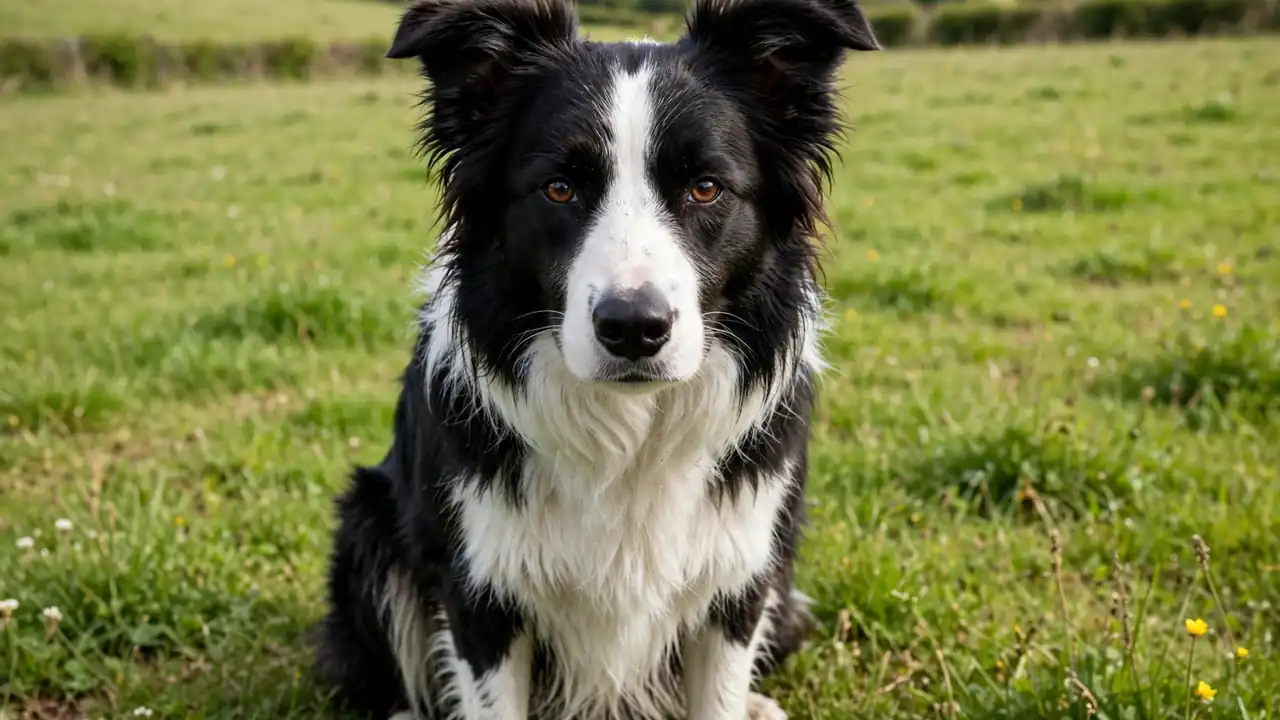
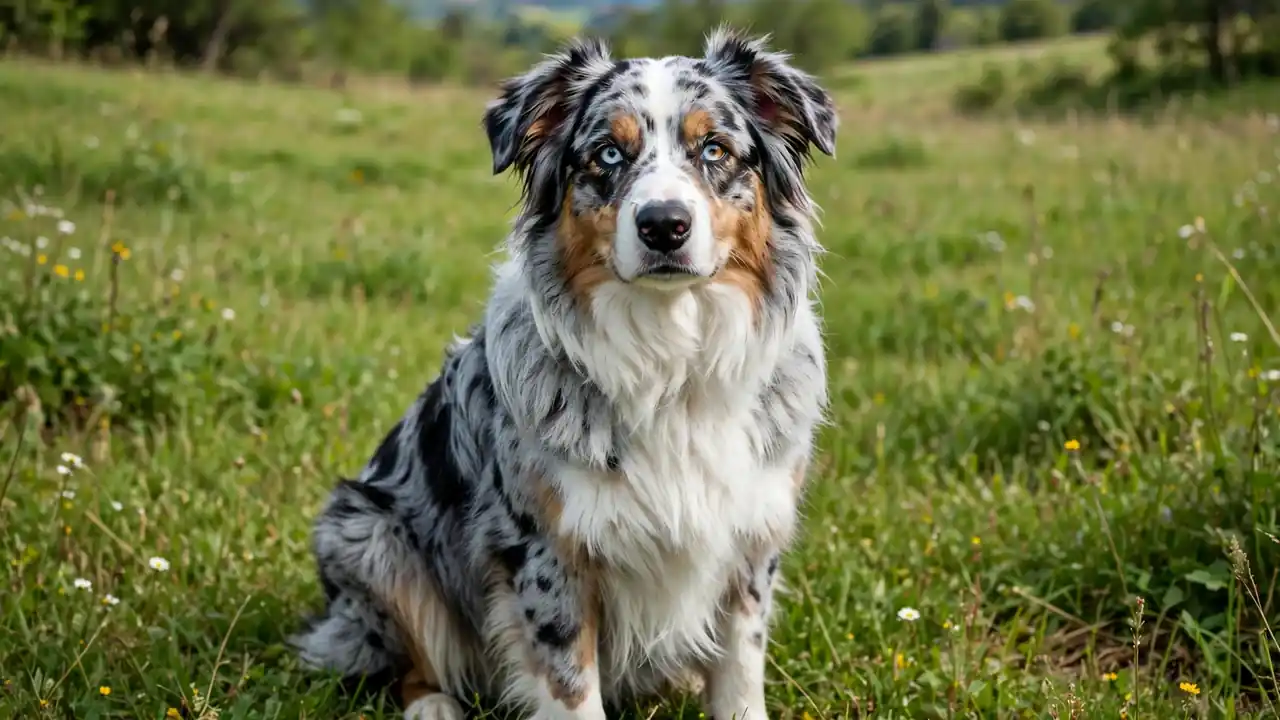
If the Sheltie appeals to you, consider the Rough Collie (the larger original), the Border Collie (more intense herder), the Australian Shepherd (similar herding athlete), or the Icelandic Sheepdog (similar Spitz herder).
Related Breed Guides
Keep Exploring
Browse all our Dog Breed Guides, try the Dog Age Calculator, or explore our Cat Breed Guides.