
West Highland White Terrier Dog Breed Guide
West Highland White Terrier: the cheerful white terrier
West Highland White Terrier dog: the cheerful white terrier: confident, friendly, and full of character. Care and health in one complete guide.
Lifespan 12 to 16 yrs Weight 13 to 20 lbs Confident, friendly, spirited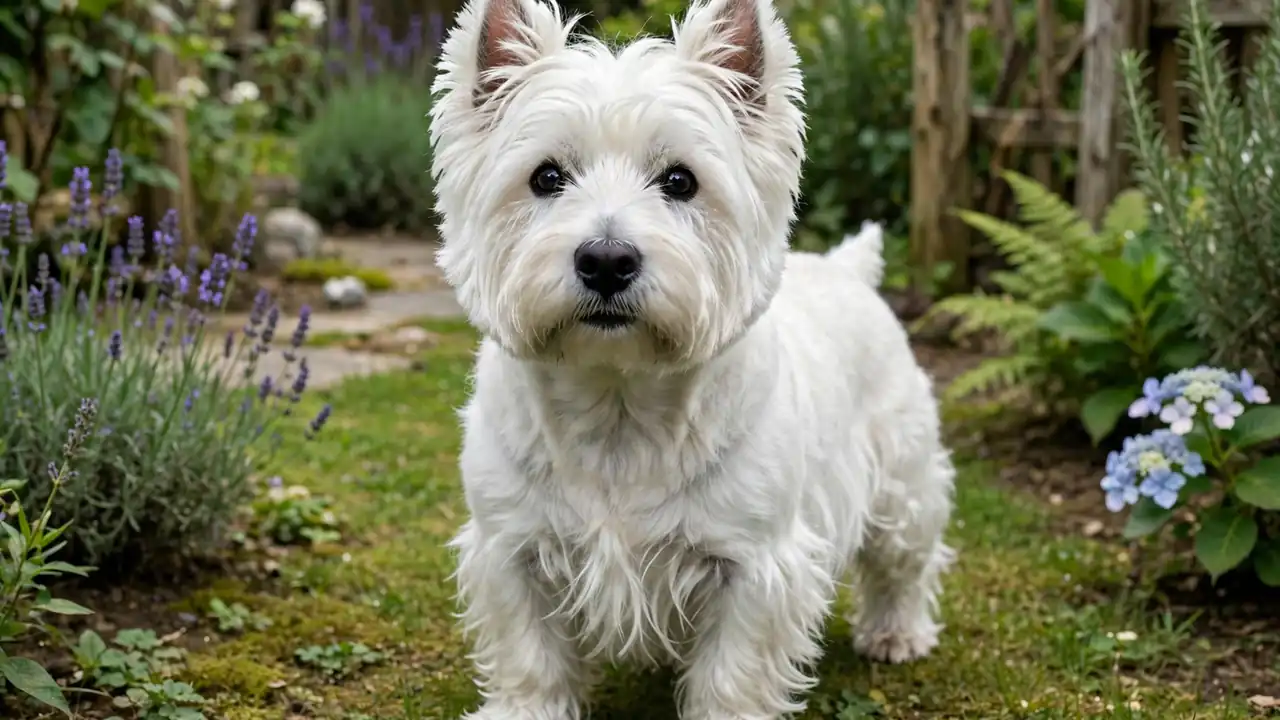
West Highland White Terrier dog: the West Highland White Terrier dog (Westie) is the cheerful white terrier: confident, friendly, and full of character.
This guide covers the West Highland White Terrier dog in full, from size and coat to personality, care, and health, so you can decide whether the West Highland White Terrier dog fits your home.
At a Glance
Size and Weight
Westies stand 10 to 12 inches and weigh 13 to 20 pounds. The build is compact and sturdy for a small terrier.
Coat and Colors
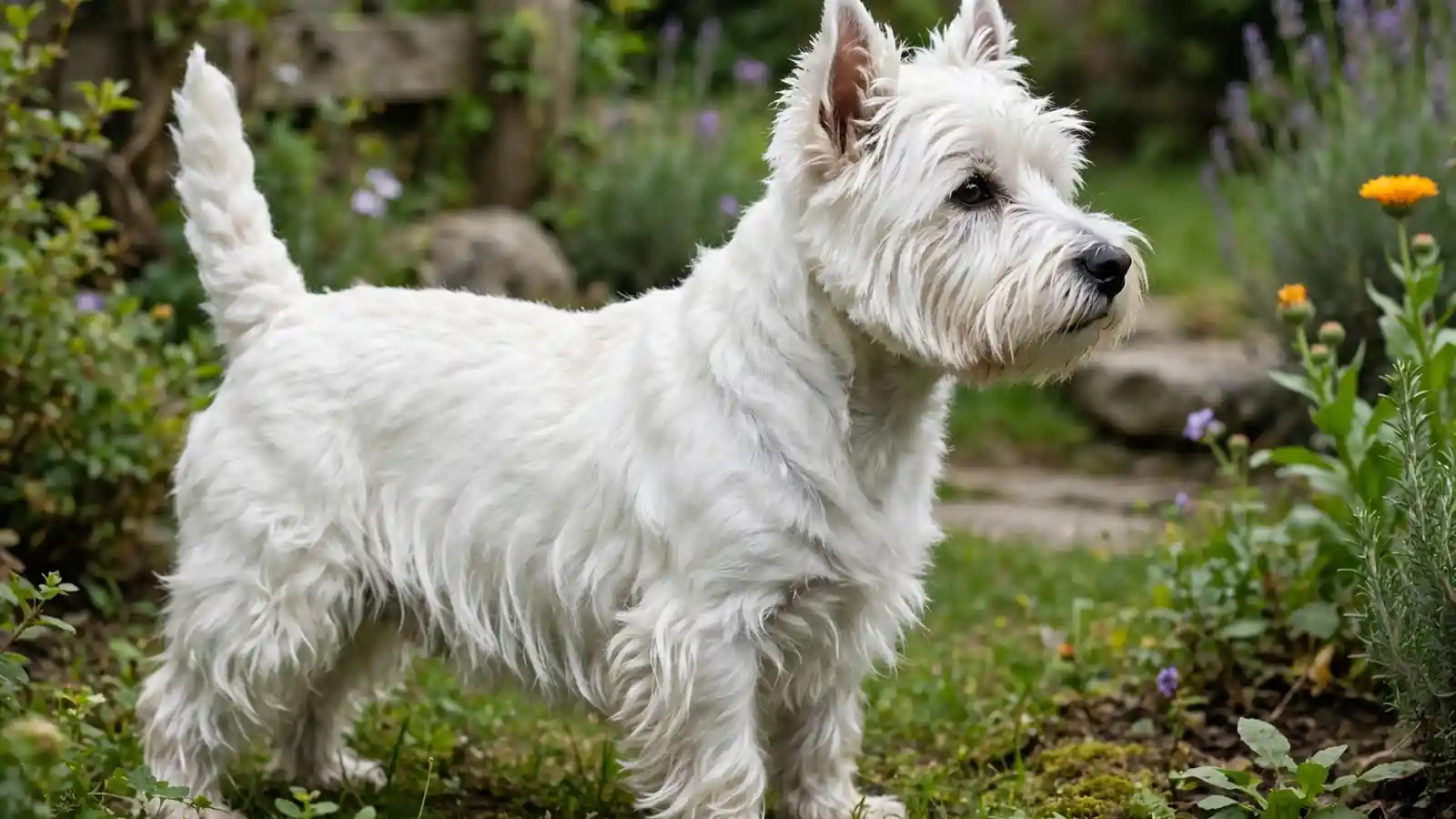
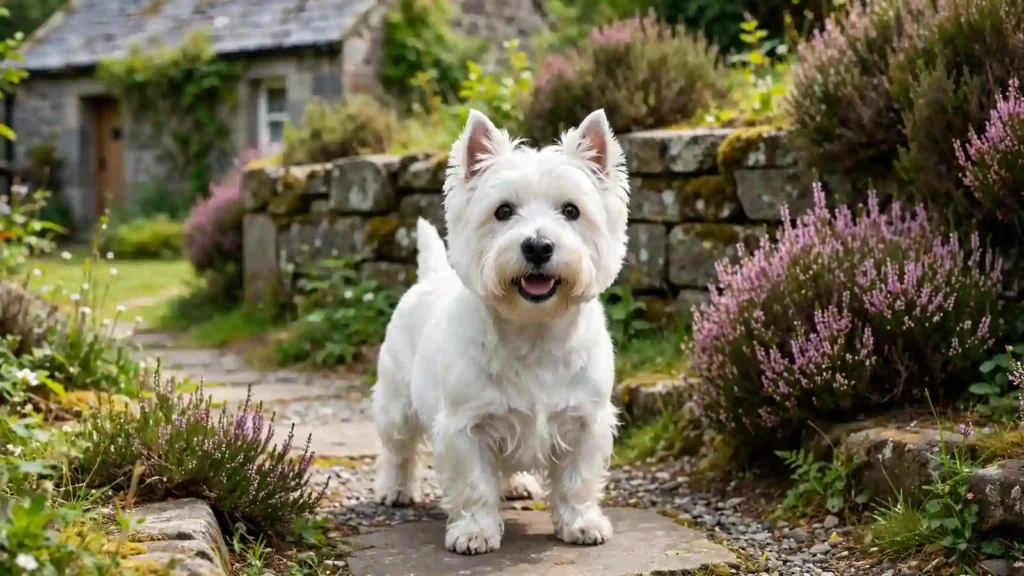
A harsh, straight outer coat with a soft dense undercoat, always white. The coat needs hand-stripping or clipping every 6 to 8 weeks. Shedding is moderate.

History and Origins
Westies worked the Scottish Highlands as vermin hunters.
The white coat was bred so hunters would not mistake them for foxes.
They became beloved companions worldwide. The working heritage shows in the confidence, independence, and prey drive.
Physical Characteristics
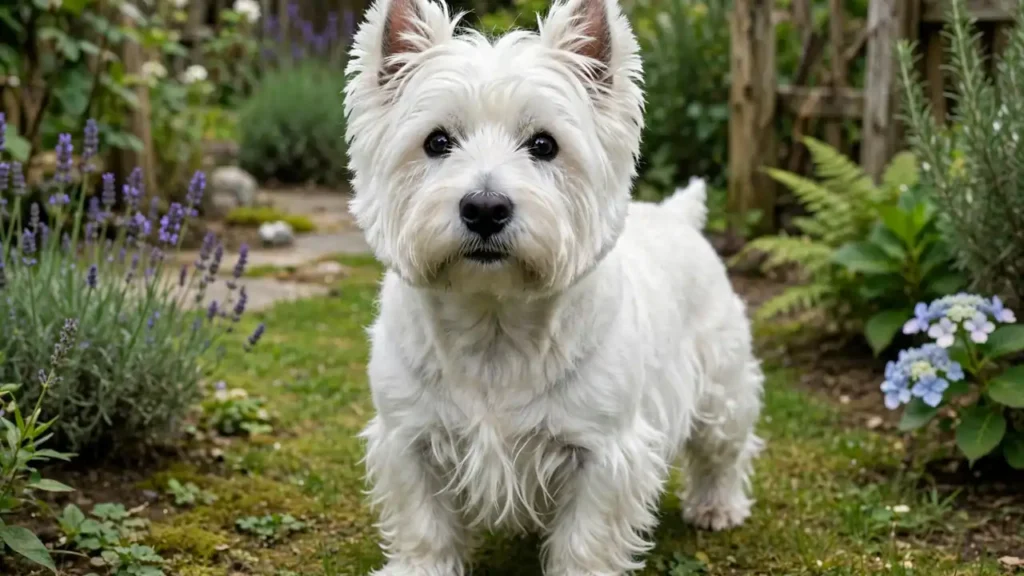
Compact body with a harsh white coat, dark eyes, and perky ears. The expression is confident and friendly.
West Highland White Terrier Personality and Behavior
Westies are famously confident, friendly, and spirited. They are self-assured, good-natured, and entertaining. They bond strongly with their families.
They can be independent, stubborn, and scrappy with other dogs. They have a powerful prey drive and are champion diggers.
Owners consistently describe the Westie as confident, friendly, and spirited. In practice, owners report that the West Highland White Terrier dog’s big personality is the main reason they recommend it to terrier-loving owners.
The big personality is what owners remember first. The West Highland White Terrier dog is confident, friendly, and spirited in a compact package, self-assured without being sharp, and entertaining in the way only a terrier can be. The bond with the family runs deep, and a Westie that trusts its people is good-natured and devoted in equal measure.
The terrier instincts need planning. Independence and stubbornness grow when rules are inconsistent, the scrappy streak toward other dogs needs early socialization, and the powerful prey drive plus champion digging mean small pets need separation and yards need securing. Owners who plan for these traits early usually find them manageable; owners who discover them late usually find them surprising.
Westies are famously confident, friendly, and spirited. They are self-assured, good-natured, and entertaining. They bond strongly with their families.
They can be independent, stubborn, and scrappy with other dogs. They have a powerful prey drive and are champion diggers.
Owners consistently describe the Westie as confident, friendly, and spirited. In practice, owners report that the breed’s big personality is the main reason they recommend it to terrier-loving owners.
- Big personality in a compact, sturdy body
- Confident and entertaining companion
- Good with respectful kids
- Champion digger with a strong prey drive
- Skin issues are the top health concern
- Can be stubborn and scrappy with other dogs
Care Essentials
Westies need 30 to 45 minutes of daily exercise. They are indoor family dogs who want to be involved in everything. They do well in apartments with enough activity.
The grooming is a real commitment. Budget for professional grooming every 6 to 8 weeks.
A typical day mixes activity with involvement. Thirty to forty-five minutes of walks, play, and games cover the exercise, and the indoor family dog that results wants to be involved in everything the household does. Given enough activity, apartment life suits the breed well, and the grooming calendar is the other fixture: professional grooming every six to eight weeks is a commitment to budget honestly.
Feed a measured, high-quality diet in two meals a day. Keep them lean. Some Westies have skin sensitivities; work with your vet on diet if issues appear.
Hand-strip or clip every 6 to 8 weeks. Brush two to three times a week. Bathe as needed; the white coat shows dirt. Trim nails, clean ears, brush teeth.
Aim for 30 to 45 minutes of activity daily: walks, play, games. They enjoy earthdog trials and digging (provide a dig pit). Mental enrichment suits the clever mind.
Westies live indoors and are good apartment dogs with enough exercise. They need a secure yard; they dig.
Nutrition and Diet
Feed a measured, high-quality diet in two meals a day. Keep them lean. Some Westies have skin sensitivities; work with your vet on diet if issues appear.
Feeding stays measured and observant. A high-quality diet in two meals keeps the compact build lean, and skin sensitivities deserve attention: if itching or skin issues appear, working with the vet on diet is the guide’s advice rather than guessing at food changes. Treats stay counted, since a small, sturdy terrier gains weight quietly when extras go unmeasured.

Grooming
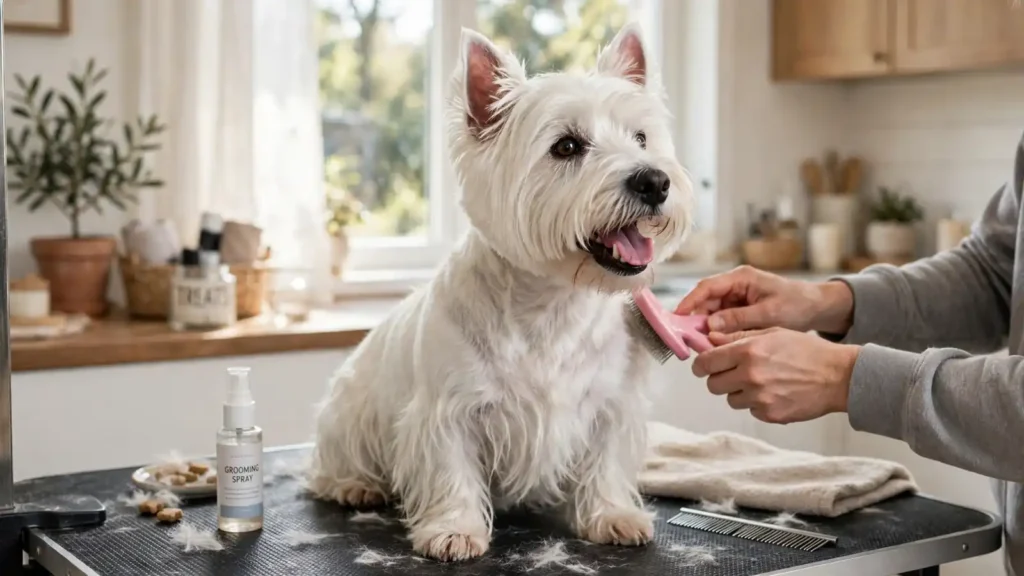
Hand-strip or clip every 6 to 8 weeks. Brush two to three times a week. Bathe as needed; the white coat shows dirt. Trim nails, clean ears, brush teeth.
The white coat is the breed’s glory and its upkeep. Hand-stripping or clipping every six to eight weeks keeps the harsh, straight outer coat in shape, brushing two to three times a week prevents mats in the soft, dense undercoat, and baths come as needed since white shows dirt quickly. The same session covers nails, ears, and teeth, so the routine fits into one regular habit.
Exercise and Enrichment
Aim for 30 to 45 minutes of activity daily: walks, play, games. They enjoy earthdog trials and digging (provide a dig pit). Mental enrichment suits the clever mind.
Exercise suits the clever terrier mind. Walks, play, and games cover the body, while earthdog trials and digging games suit the instincts, and a dedicated dig pit gives the champion digger a legal outlet that saves gardens. Mental enrichment matters as much as movement: a Westie with a job to do is calmer and easier to live with than one with energy and nothing to spend it on.

Health
Allergies and dermatitis are the top concern; many Westies have sensitive skin.
Loose kneecaps occur in the breed.
Craniomandibular osteopathy, known as Westie jaw, can appear in puppies.
Schedule annual wellness exams, or twice-yearly exams for seniors, and ask your vet about screening for conditions the West Highland White Terrier dog can be prone to, such as skin issues. Consult your veterinarian promptly if you notice itching, skin problems, limping, or changes in appetite, weight, or energy. Learn more about the West Highland White Terrier dog on Wikipedia.
Health care follows the familiar rhythm with skin in focus. Annual exams, twice-yearly exams for seniors, and screening for skin issues cover the ground the guide names, and the West Highland White Terrier dog’s skin sensitivities make vet guidance worth seeking early rather than after problems settle in. Breeders who screen patellas and pay attention to skin health in their lines are worth seeking out for the same reason.
Indoor and Outdoor Living
Westies live indoors and are good apartment dogs with enough exercise. They need a secure yard; they dig.
Indoor living suits the breed provided the yard is secure. A Westie that digs will test fences from below as well as at the gate, so checking boundaries matters as much as building them. Indoors, the breed wants family company and a comfortable resting spot, and with activity covered it is a confident, entertaining housedog.
Family Suitability
Confident and entertaining with their families, good with respectful kids. They can be scrappy with other dogs; early socialization helps. Small pets are at risk.
With families, confidence leads and the scrappy streak sets the limit. The breed is confident and entertaining with its family and good with respectful kids, but other dogs need early socialization and small pets need separation given the prey drive. The West Highland White Terrier dog’s big, friendly character shows best in terrier-savvy homes that enjoy a spirited small dog.
Finding a Breeder or Rescue
Good breeders screen patellas and pay attention to skin health in their lines. Westie rescues have wonderful dogs.
- Ask about health screening for skin issues and patellar luxation
- Meet the puppy’s mother and see where the puppies are raised
- Ask how the puppies are socialized in their first weeks
- Consider rescue too: breed rescues place wonderful dogs
Quick Quiz: Is a West Highland White Terrier Right for You?
Answer four questions. Tap yes or no.
Frequently Asked Questions
Are West Highland White Terriers good family dogs?
Wonderful for terrier-savvy families. They are confident and entertaining.
How much exercise does a Westie need?
About 30 to 45 minutes of activity daily.
Do Westies shed?
Moderately. The harsh coat needs stripping or clipping.
Why are Westies white?
The white coat was bred so hunters would not mistake them for foxes.
How long do West Highland White Terriers live?
Typically 12 to 16 years.
Do Westies have skin problems?
They can be prone to skin sensitivities. Diet and vet care manage it.
What do Westie owners say about living with the breed?
Owners consistently describe the Westie as confident, friendly, and spirited. In practice, owners report that the breed’s big personality is the main reason they recommend it to terrier-loving owners.
When should I ask my vet about my Westie’s health?
Schedule annual wellness exams, or twice-yearly exams for seniors, and ask your vet about screening for conditions the breed can be prone to, such as skin issues. Consult your veterinarian promptly if you notice itching, skin problems, limping, or changes in appetite, weight, or energy.
The West Highland White Terrier is a cheerful, confident little Scots dog with a huge personality. Terrier lovers will find it endlessly entertaining.
Similar Breeds Worth Exploring
If the Westie appeals to you, consider the Cairn Terrier (the close cousin), the Scottish Terrier (the dignified relative), the Norfolk Terrier (similar size), or the Sealyham Terrier (similar white terrier).
Related Breed Guides
Keep Exploring
Browse all our Dog Breed Guides, try the Dog Age Calculator, or explore our Cat Breed Guides.