Calico Cat Guide: Genetics, Personality and Care
Calico: three colours, two X chromosomes
A calico is a coat pattern written by genetics — bold white, orange and black patches, and a simple reason almost every calico you meet is female.
By Emily Carter · Reviewed by our vet team · Updated 7 November 2026 · 9 min read
Almost always female A pattern, not a breed Males: about 1 in 3,000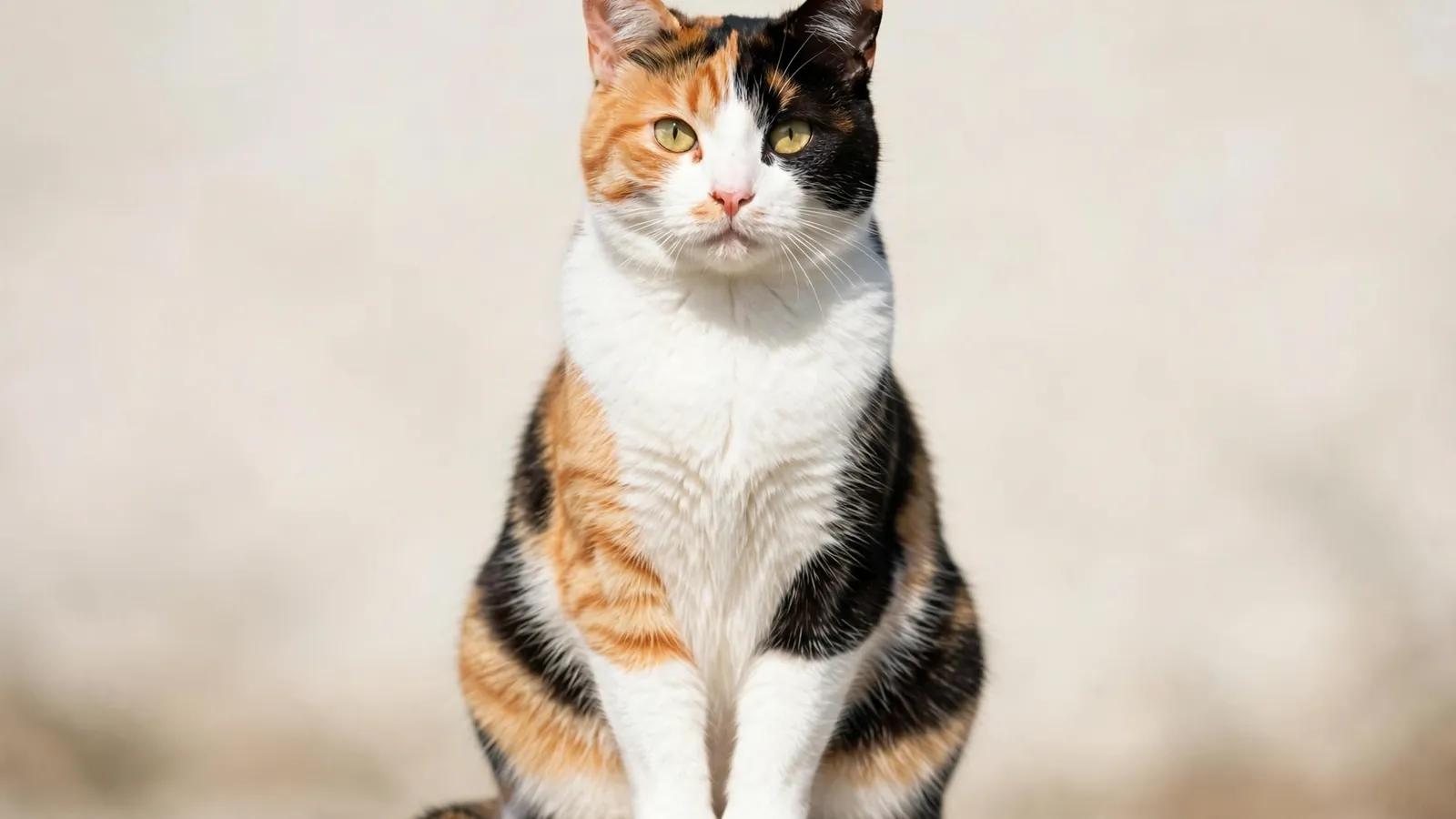
The calico is easy to recognise and easy to misunderstand. The white, orange and black patches look like a breed trait, but calico is not a breed at all. It is a coat pattern, and it can appear on many different breeds — from a longhaired Persian to a short-legged Munchkin. What makes a calico special is not a breed standard. It is the genetics underneath the patches, and those genetics explain the one fact almost everyone has heard about calicos: nearly all of them are female.
This guide explains what a calico is, how the pattern works, how it differs from a tortoiseshell, which breeds can carry it, what is true and what is myth about calico personality, and how to care for one.
At a Glance
What Is a Calico Cat?
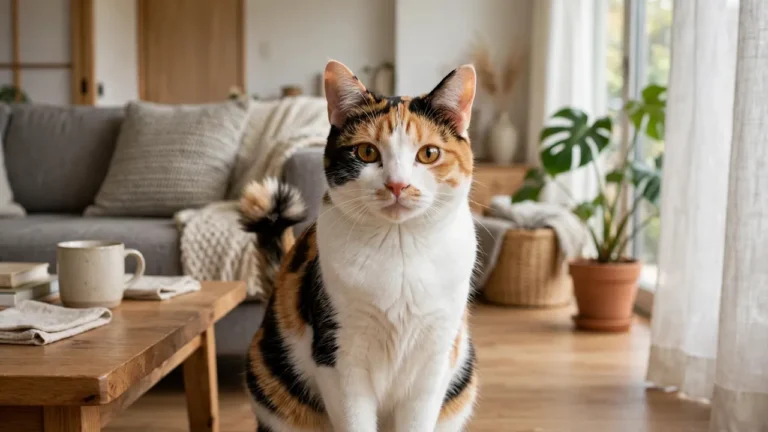
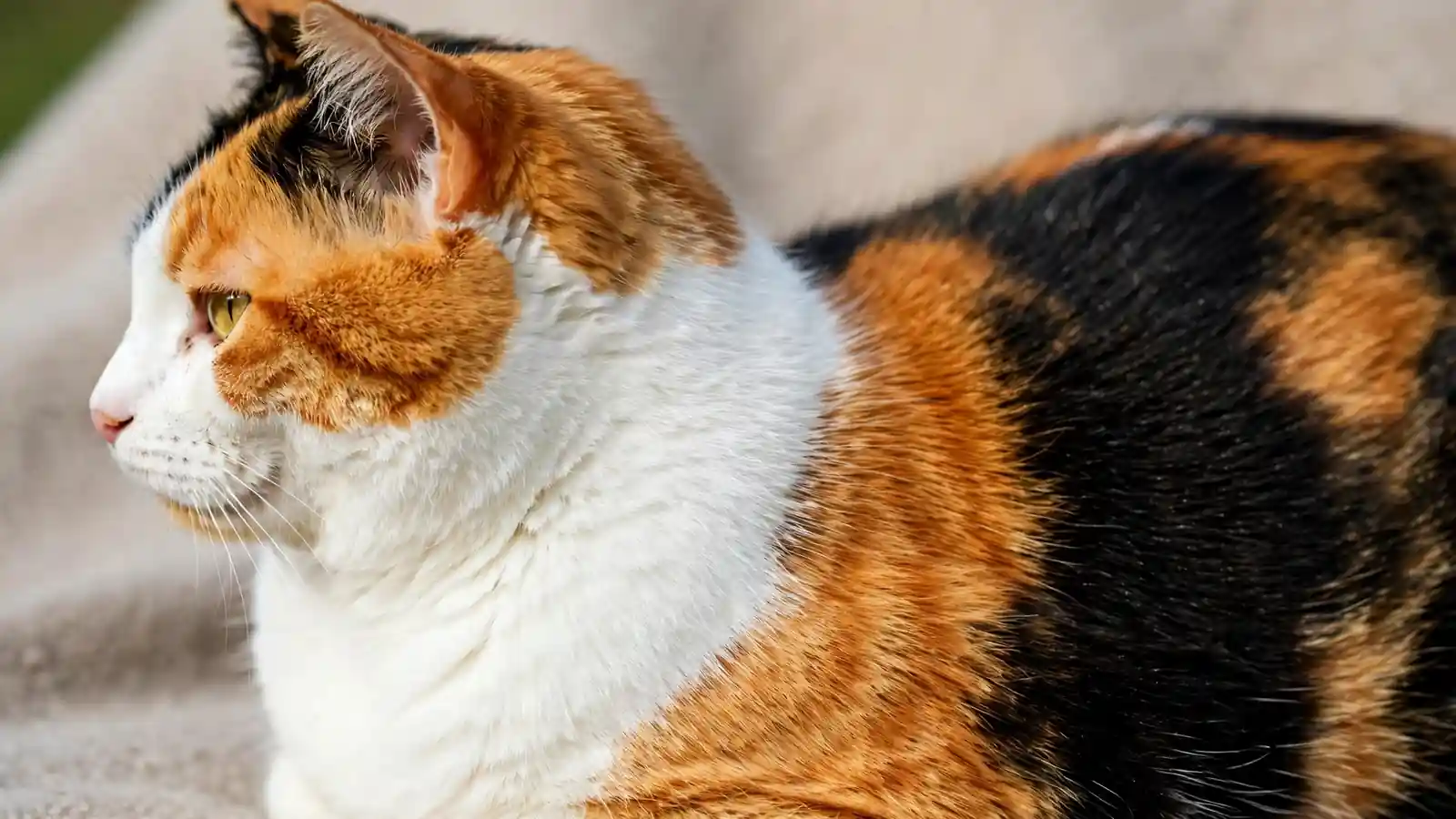
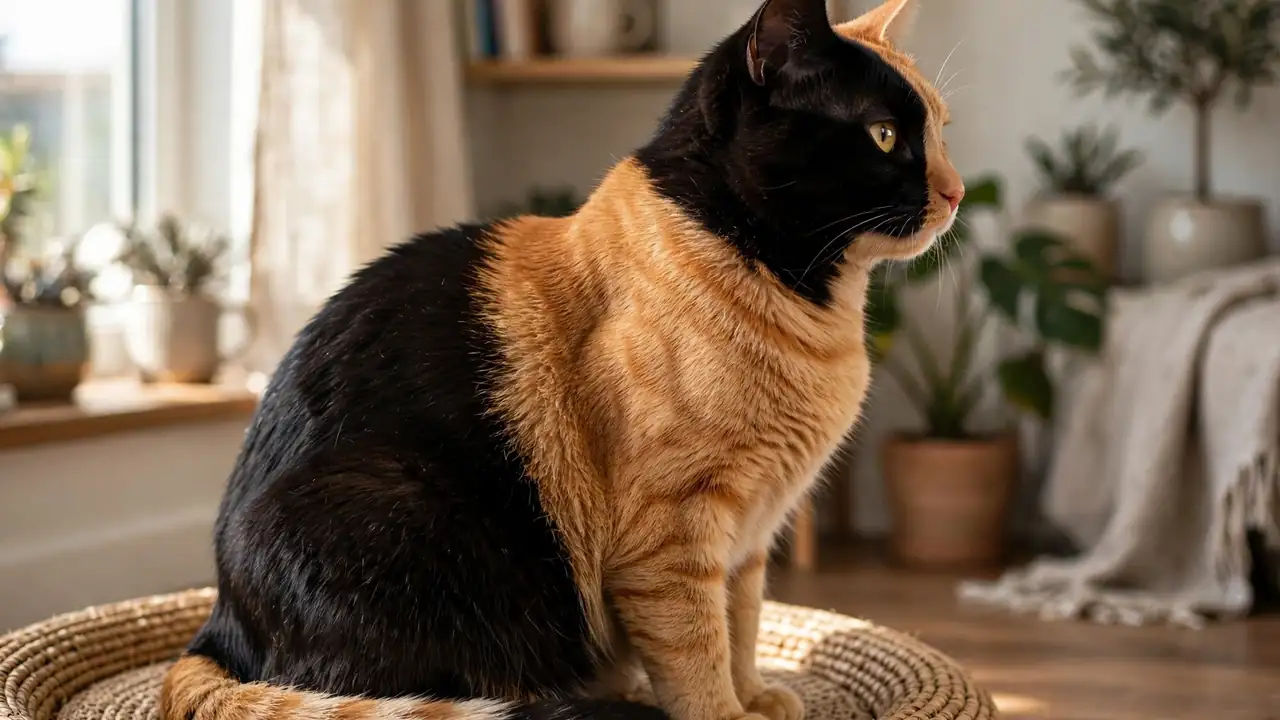
A calico is a cat whose coat carries three colours in distinct patches: white, orange (also called red or ginger), and black. The white usually covers a large part of the body, with the orange and black appearing as clear patches on top of it. The patches can be large blocks of colour or smaller splashes, and no two calico cats ever have exactly the same pattern.
The white is the key. A cat with orange and black patches but no white is not a calico — it is a tortoiseshell, and the difference matters enough that it has its own section below.
Calico is not a breed, so there is no calico breed standard, no calico size, and no calico lifespan. A calico Persian will be a Persian in size, coat length and temperament; a calico Maine Coon will be a Maine Coon. The pattern is a layer on top of the breed, not a breed in itself. That is also why a calico cat can be longhaired or shorthaired, large or small, depending entirely on which breed is wearing the pattern.
There is also a softer version of the pattern. A dilute calico carries the same three-colour layout, but the black softens to grey or blue-grey and the orange softens to cream. The patches are the same, only paler. A calico with tabby striping inside its coloured patches is sometimes called a caliby — calico plus tabby — and it is still a calico, just with an extra pattern layered in.
Calico Cat Genetics
The genetics of the calico are the reason the pattern exists, and the reason almost every calico is female. It comes down to where the orange colour gene lives, and to a process called X-inactivation.
Female cats have two X chromosomes. Male cats have one X and one Y. The gene that decides between orange and black fur lives on the X chromosome, so a female cat carries two copies of that choice and a male normally carries only one.
In each cell of a female cat, one of the two X chromosomes randomly switches off early in development — a process called X-inactivation. In some patches of skin, the X carrying orange stays active; in others, the X carrying black stays active. The result is a mosaic coat: orange patches where one X won, black patches where the other won. The white patches come from a separate gene that blocks colour altogether in parts of the coat.
This is the same explanation given in the Chimera guide on this site, and the two guides agree on purpose: calico and tortoiseshell coats come from X-inactivation, while a true chimera comes from two embryos fusing, which is a different mechanism that can look similar. A calico with a split face is not necessarily a chimera. The pattern alone cannot prove it — only DNA testing can.
Because the pattern needs two X chromosomes carrying different colours, a male cat normally cannot be a calico. The rare exceptions prove the rule. Male tortoiseshells occur in roughly one in three thousand cats, and male calicos are rarer still. Most of these males carry an extra X chromosome — XXY, known as Klinefelter syndrome — and they are usually sterile and can face additional health problems. A smaller number are chimeras, carrying two sets of DNA, and those males are often fertile. Either way, a male calico is a genetic exception, not a variety a breeder can produce on demand. Anyone offering male calico kittens as a regular product should be treated with suspicion.
Calico vs Tortoiseshell
Calico and tortoiseshell are the pair most people mix up, and the distinction is simple once it is seen.
A calico has white in its coat — large white patches alongside the orange and black. A tortoiseshell cat has orange and black (or their dilute versions) mottled together with little or no white. If the cat is mostly orange and black with white paws or a white chest, it sits on the tortoiseshell side of the line; a true calico shows white as one of its three main colours.
Both patterns come from the same X-inactivation mechanism, so both are almost always female, and both are often confused with chimeras for the same reason. The difference is only the white. A tortoiseshell with tabby striping is called a torbie; a calico with tabby striping is a caliby. The names change, the genetics underneath do not.
Which Cat Breeds Can Be Calico?
Because calico is a pattern and not a breed, it can appear in any breed whose standard allows the three colours with white. Some breeds carry it more often than others, and these are the ones this site’s own breed guides already record as carrying calico:
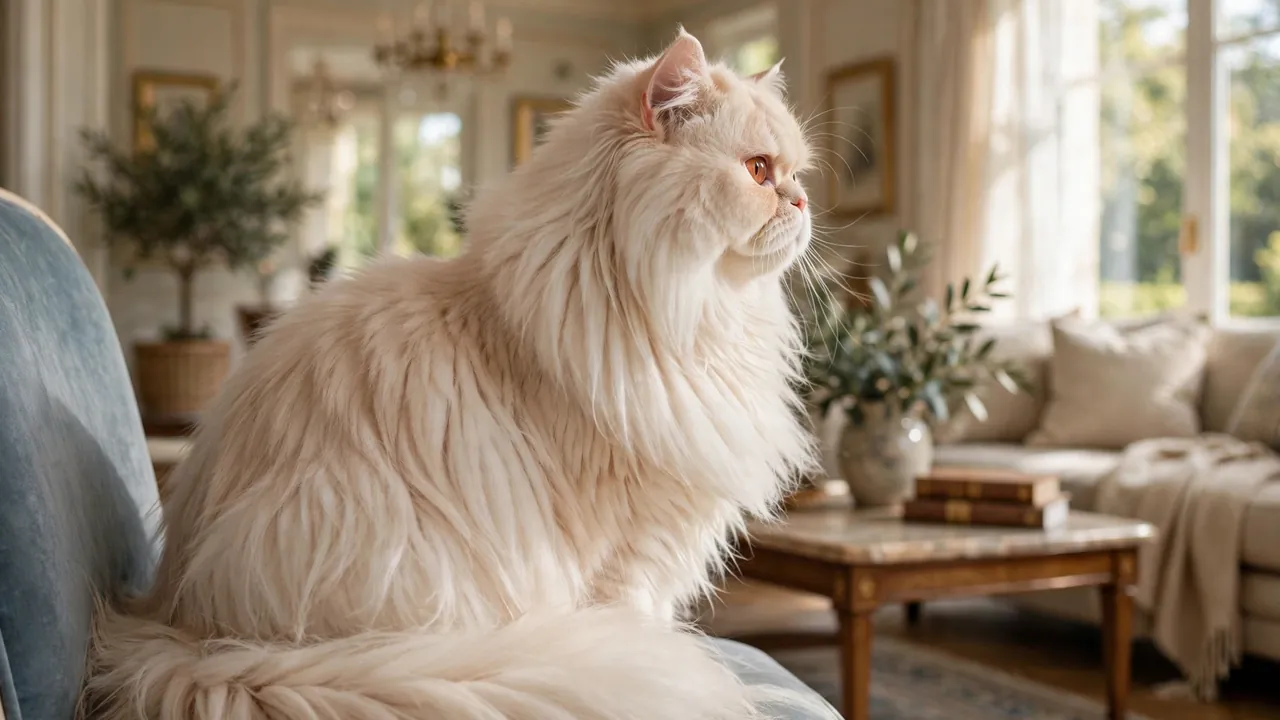
- Persian — the breed guide lists calico among the Persian’s many colours and patterns, alongside tabby, bicolor, smoke and pointed.
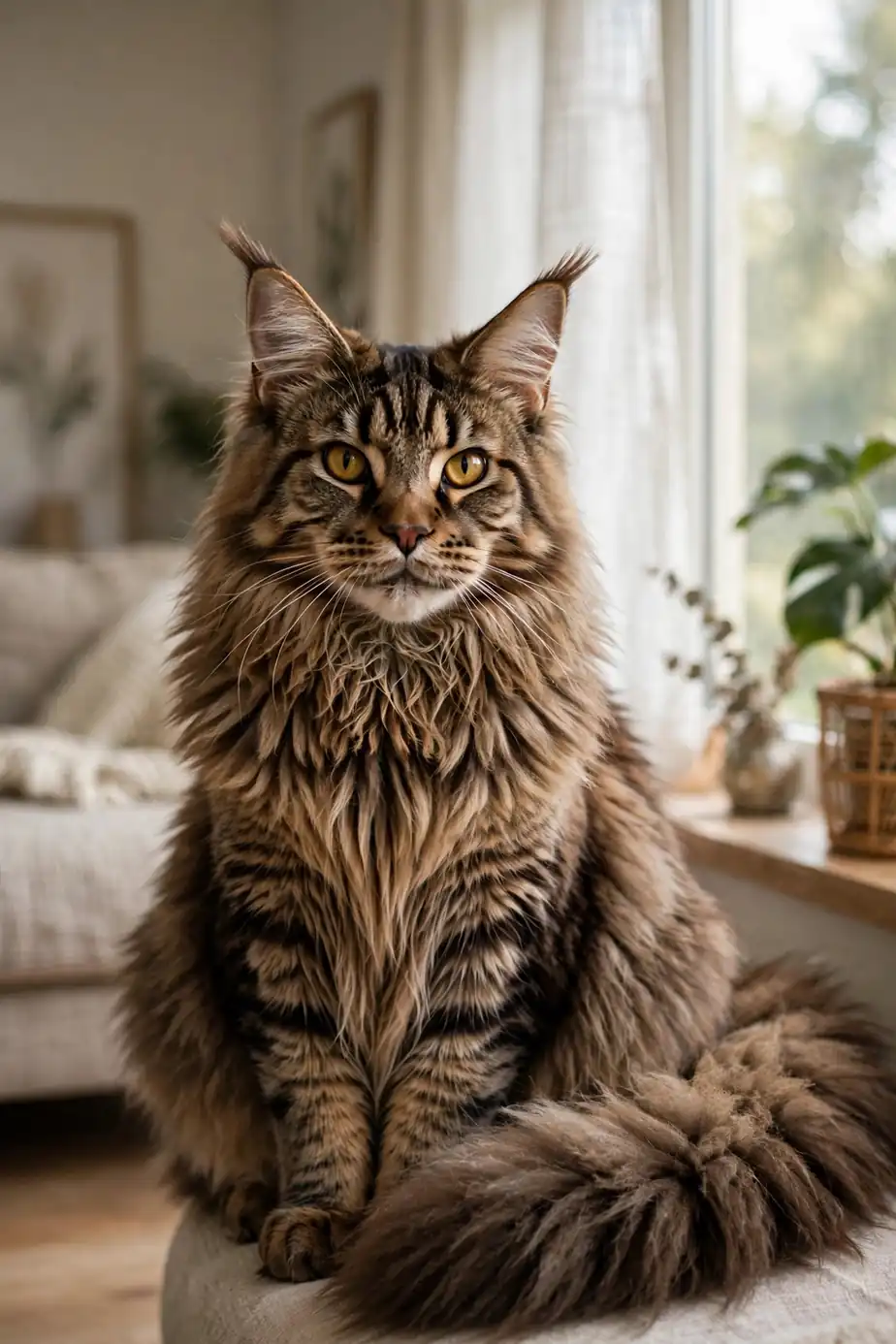
- Maine Coon — the guide records calicos among the breed’s established colours and patterns, with tortoiseshells, bicolors and shaded patterns.
- Scottish Fold — the guide lists calico among the breed’s colours, with tabby, bicolor and tortoiseshell.
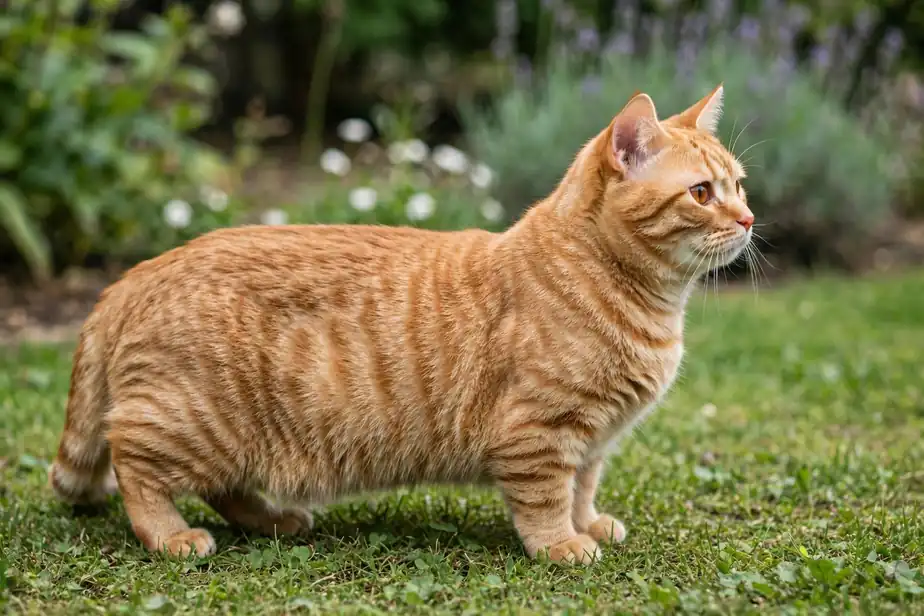
- Munchkin — the guide includes calico among the breed’s colours, alongside tabby and solid black.
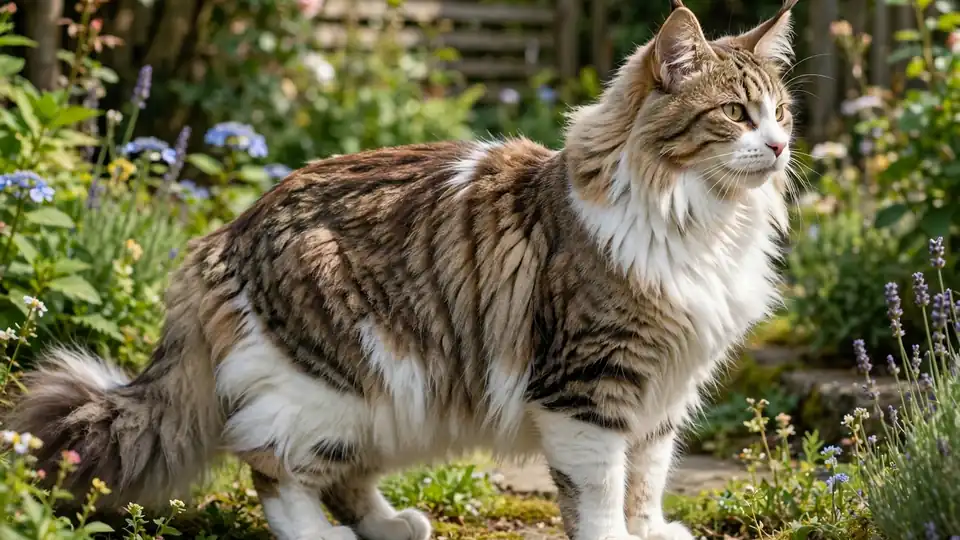
- Norwegian Forest Cat — the guide lists calico among the breed’s colours, with solid, bicolor and tortoiseshell.
Other breeds carry the pattern too, and the list above is not exhaustive — it is simply the set this site has already documented. What matters for anyone choosing a cat is the breed underneath the pattern: a calico Maine Coon will need the grooming and space a Maine Coon needs, while a calico Persian will need the daily coat care a Persian needs. Choose the breed first, and treat the calico pattern as the coat it happens to wear.
Calico Cat Personality and Behavior
This is the section where myth and fact part ways, and the honest answer is less exciting than the legend.
There is a popular idea, sometimes called “calico attitude” or “tortitude”, that calico cats are feistier, more independent or more strong-willed than other cats. It is a charming story, and many calico owners will swear their cat fits it. But there is no scientific evidence that coat pattern decides personality. No study has shown that the genes behind the patches also shape temperament, and the pattern itself carries no behaviour profile.
What does shape a calico’s personality is the same set of things that shapes any cat’s: the breed underneath the pattern, the individual cat, and how it was raised and socialised. A calico Persian tends to be calm because Persians tend to be calm. A calico Maine Coon tends to be sociable because Maine Coons tend to be sociable. The pattern adds colour, not character.
That does not mean calico owners are imagining things. Individual cats vary enormously, and a bold, vocal calico is a real cat with a real personality — it is just a personality that belongs to that cat, not to all calicos. Anyone choosing a cat for temperament should look at the breed guide and meet the individual cat, rather than choosing by coat pattern and expecting a fixed personality to come with it.
Calico Cat Care
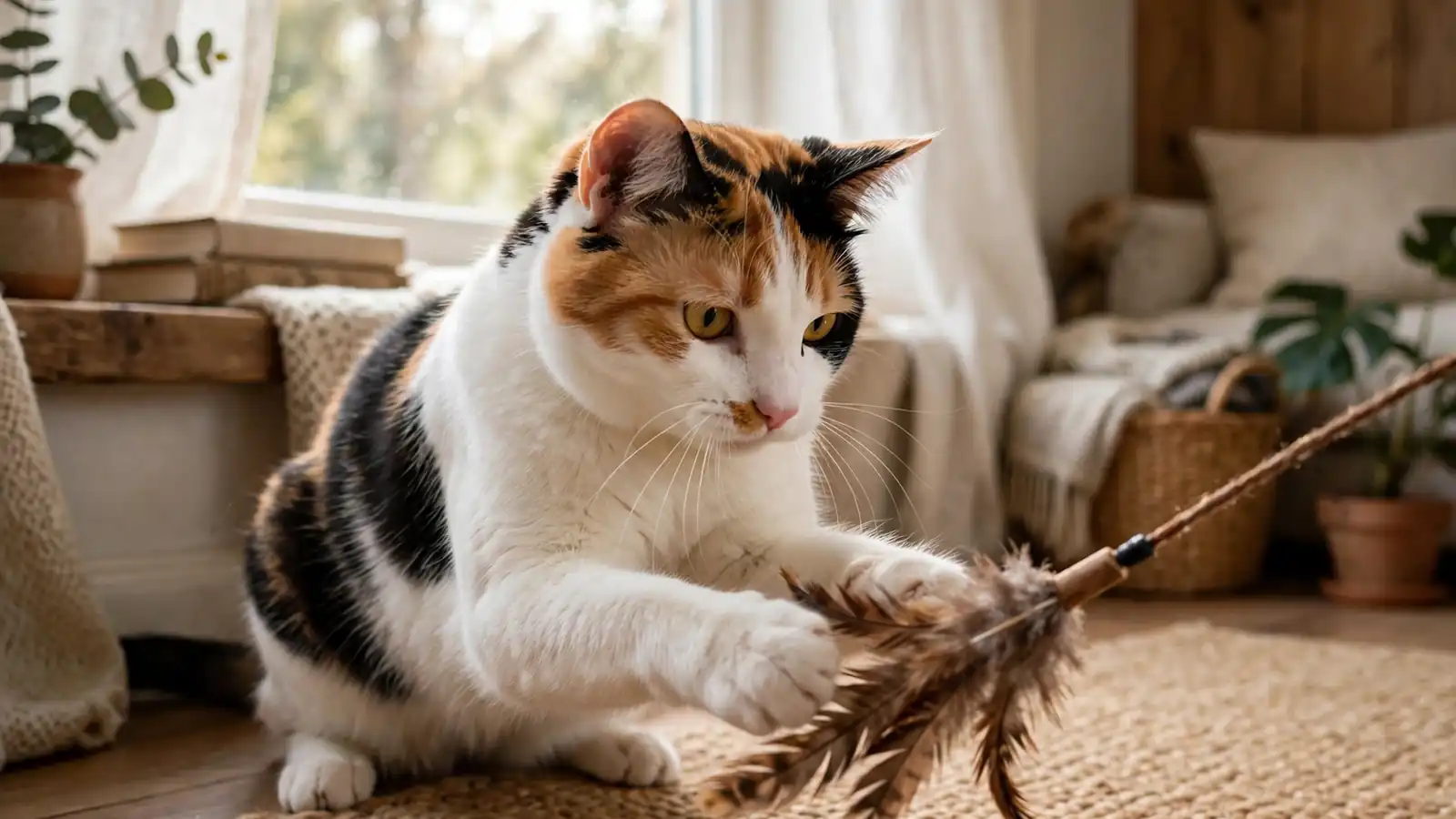
Caring for a calico means caring for the breed underneath the pattern, because the pattern itself needs no special care. There is no calico diet, no calico grooming routine, and no health problem caused by being calico. The practical points are the ordinary ones, applied to the right breed:
- Grooming follows coat length. A longhaired calico, such as a calico Persian or Maine Coon, needs regular brushing to prevent matting. A shorthaired calico needs far less — a weekly brush is usually enough.
- Feeding follows the breed and the cat. Feed for the cat’s age, size and activity level, as the breed guide recommends, rather than for the pattern.
- Health follows the breed. A calico’s health risks and lifespan are the breed’s health risks and lifespan. Keep up routine vet checks and vaccinations, and watch for the conditions the breed guide lists.
- Indoor life suits most calicos. Like most pet cats, a calico is safest indoors or in supervised outdoor time, with play and enrichment to match the breed’s energy level.
The one care note that is specific to calicos is for the rare male. A male calico, usually XXY, should have a vet check that covers the extra health issues that can come with the condition, and owners should not expect him to be able to father kittens.
Frequently Asked Questions
What Is a Calico Cat?
A calico is a cat with a three-colour coat pattern — white, orange and black in distinct patches. Calico is a pattern, not a breed, and it can appear on many different breeds.
Are Calico Cats Always Female?
Almost always. The pattern needs two X chromosomes carrying different colours, so nearly every calico is female. Male calicos are extremely rare and usually carry an extra X chromosome (XXY) or are chimeras.
What Is the Difference Between Calico and Tortoiseshell?
A calico has white as one of its three main colours. A tortoiseshell has orange and black mottled together with little or no white. Both come from the same X-inactivation genetics.
Do Calico Cats Have a Special Personality?
There is no scientific evidence that coat pattern decides personality. The “calico attitude” idea is anecdote, not fact. A calico cat’s temperament comes from its breed, its individual character, and how it was raised.
Can Male Calicos Have Kittens?
Almost never. Most male calicos are XXY and sterile. Chimeric males are the exception and are often fertile, but a male calico is a rare genetic exception in either case.
Are Calico Cats Rare?
Female calicos are not rare — the pattern is common across many breeds. Male calicos are very rare. What is rare is the exact patch pattern: no two calico cats have identical markings.
Which Breeds Can Be Calico?
Many breeds can carry the pattern, including Persian, Maine Coon, Scottish Fold, Munchkin and Norwegian Forest Cat. Choose the breed for its size, temperament and care needs, and treat calico as the coat it wears.
Related Breeds

Keep Exploring
Read the Chimera Cat guide for the genetics that look like calico but are not, compare the pattern on a Maine Coon or a Persian, or browse the full Cat Breeds collection. The tortoiseshell guide is next in this series.