Chimera Cat
Chimera: two cats in one body
The chimera cat carries two sets of DNA in one body, sometimes wearing the evidence as a perfectly split face.
By Emily Carter · Reviewed by our vet team · Updated 21 October 2026 · 10 min read
Lifespan ~16 yrs Weight Any size Two DNAs, one cat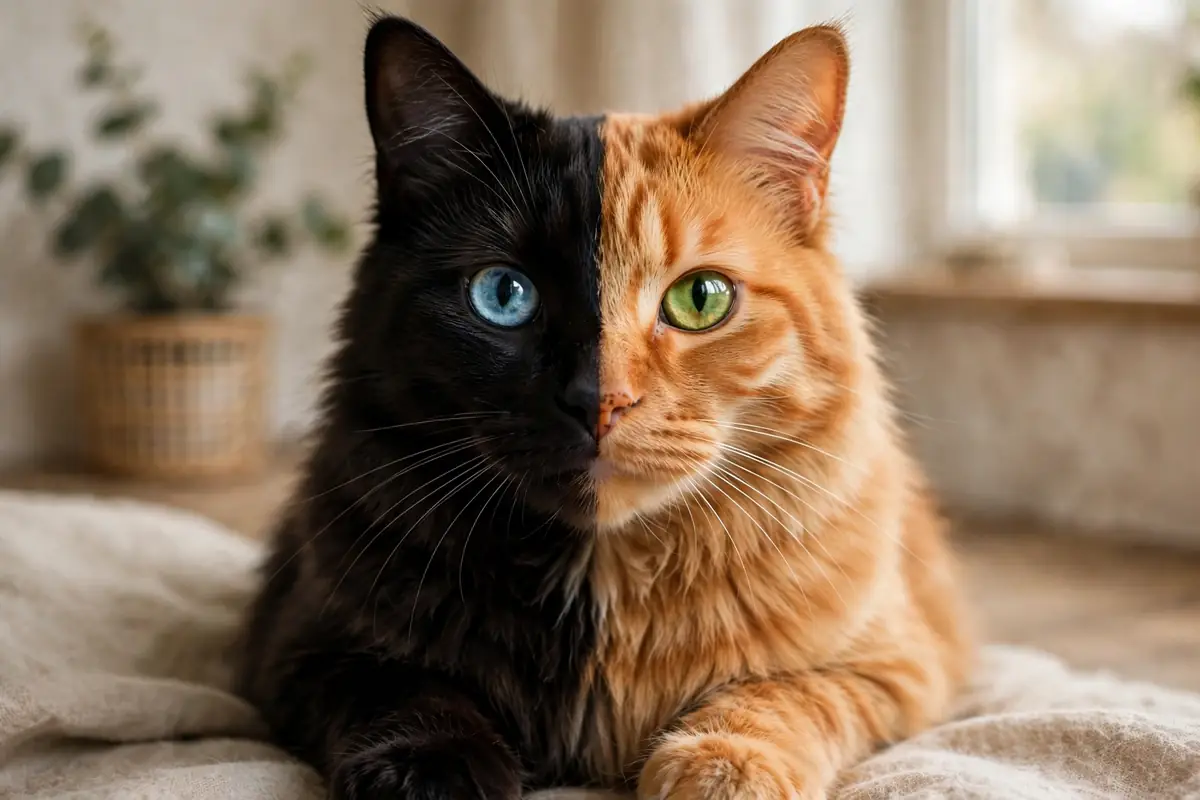
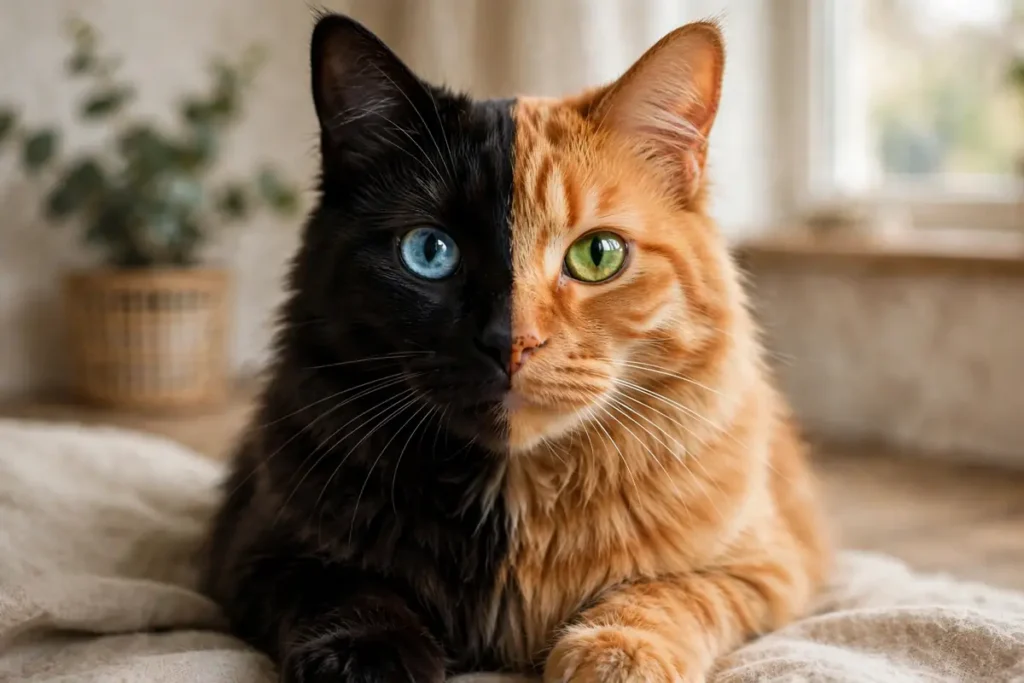
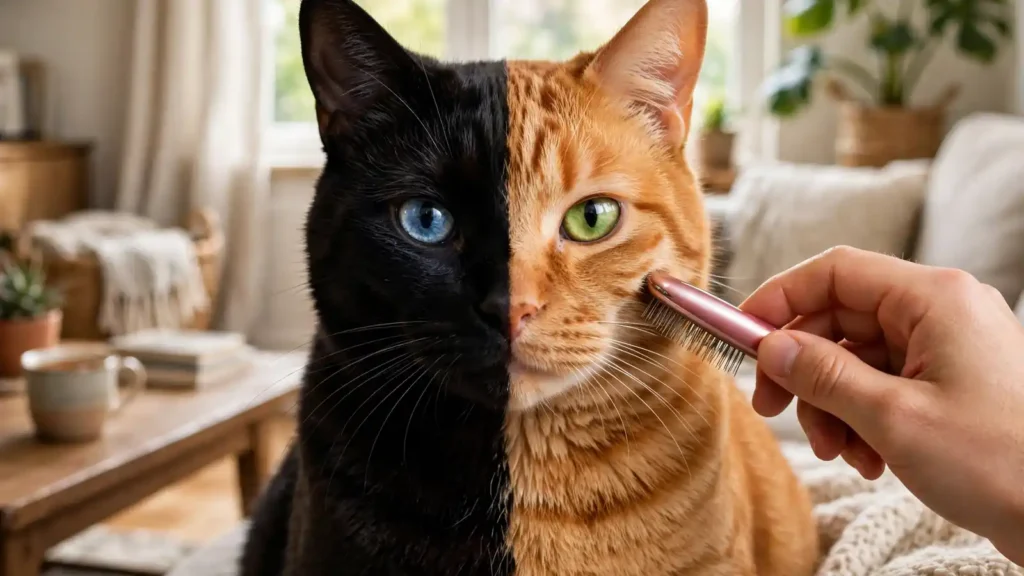
One half black, one half orange, split in a nearly perfect line down the middle of the face. Sometimes with one blue eye and one green. This cat looks like two different cats fused into one body, and in a very real sense, that is exactly what it is.
But here is the first thing to understand: a chimera is not a breed. It is a rare genetic phenomenon that can happen to any cat. This complete guide explains what a chimera really is, how it happens, how to tell one apart from lookalikes, and what life with one is like.
At a Glance
What Is a Chimera Cat?
A chimera cat is a single cat carrying two distinct sets of DNA.
It happens like this: very early in pregnancy, two separate fertilized embryos fuse together in the mother’s womb and continue developing as one kitten. Each original cell population keeps its own genetic code, so the resulting cat is literally two genetically distinct individuals in one body. Some describe them as being their own twin.
Chimerism is not unique to cats. It occurs in dogs, mice, monkeys, donkeys, and even humans, often when an embryo absorbs DNA from a twin in the womb.
Coat and Colors
The dramatic split face comes down to how the two cell populations divide up the body.
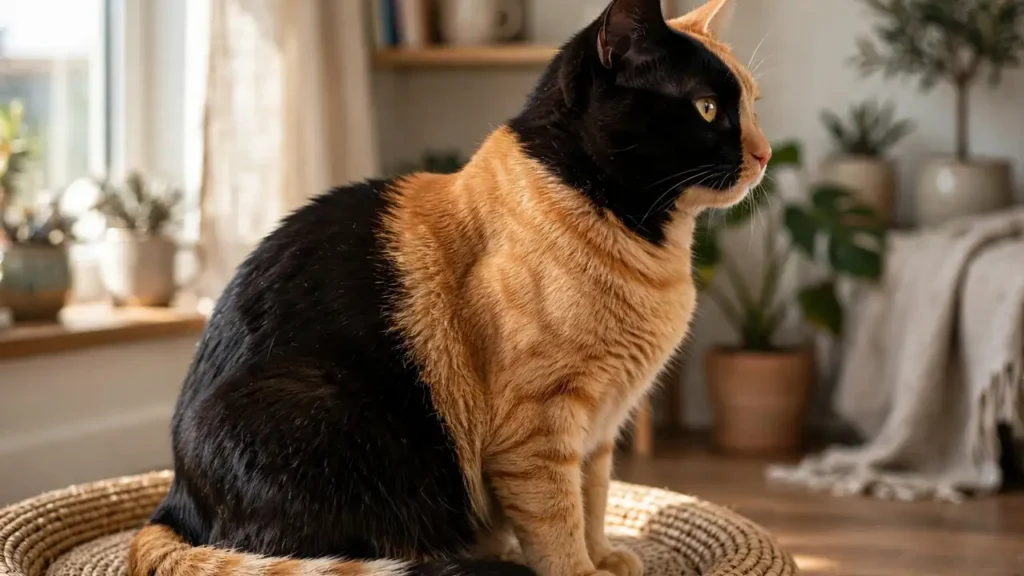
As the fused embryo develops, cells from each original embryo migrate to different regions. If one population carries genes for black fur and the other for orange, and they settle on opposite sides of the face, you get the famous half and half look. In many chimeras, the dividing line is strikingly straight.
The effect is not limited to fur. Different organs can be built from different cell populations. Some even have two distinct blood types circulating in one body. Eye color can split too, producing heterochromia, one blue eye and one green, as seen in the famous Venus.
But here is the twist: many show no visible signs at all. If two embryos with similar coloring fuse, say two white Persians with green eyes, the kitten looks exactly like its siblings. Its secret only emerges through DNA testing.
History and Origins
The name comes from the Chimera of Greek mythology, a fire breathing monster with a lion’s head, a goat’s body and a serpent’s tail.
The most famous chimera, with a face split perfectly between black and orange and two different colored eyes, one blue and one green.
Another black and orange split face, this time with green and blue eyes.
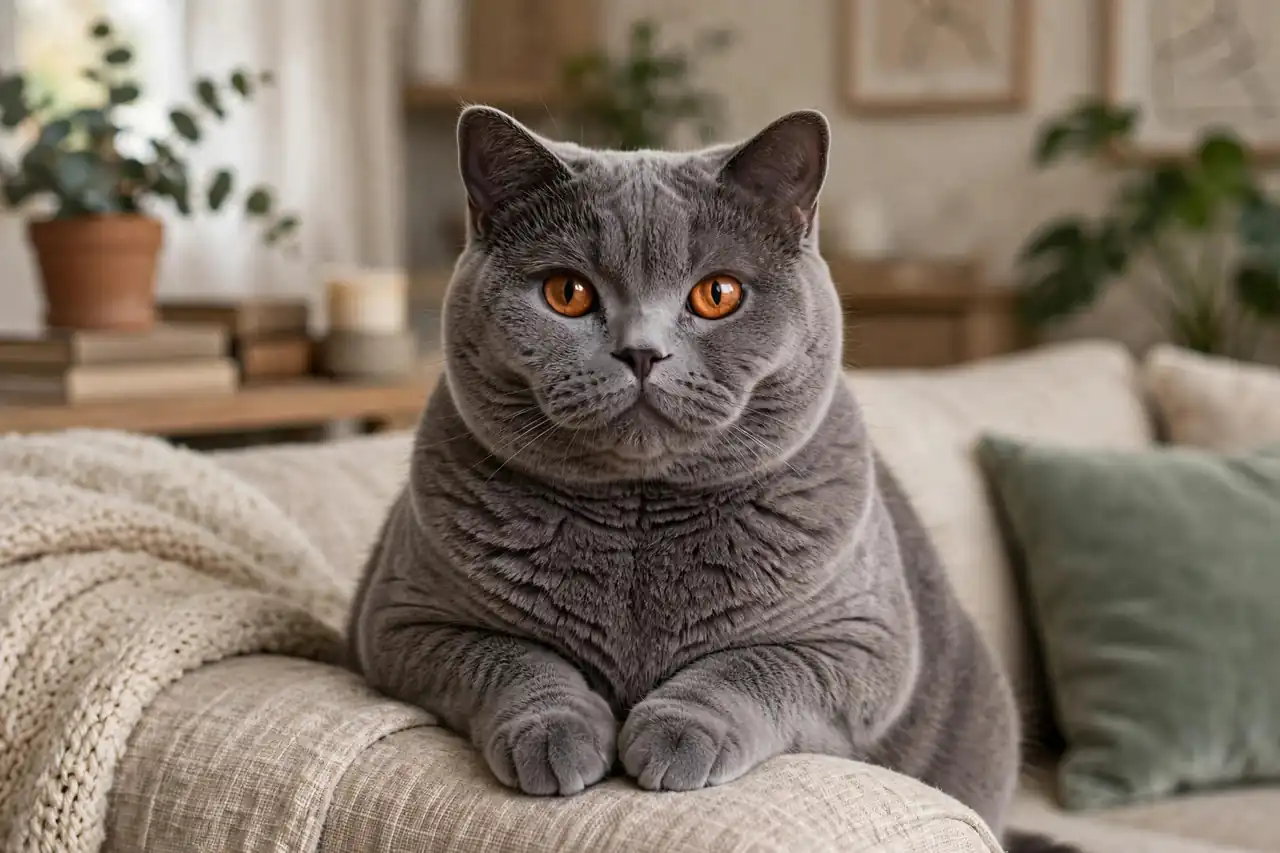
A stunning British Shorthair type with a black and pale gray split face and piercing blue eyes.
A few celebrity cats turned the chimera from a genetics footnote into an internet sensation.
These cats did more than collect followers. They introduced millions of people to the concept of chimerism and sparked the modern fascination with split faced cats.
The Curious Case of Male Tortoiseshell Cats
Male tortoiseshell cats are extraordinarily rare: roughly one in three thousand.
The reason is chromosomal. Males normally carry one X and one Y chromosome, and since coat color genes ride on the X, a male can normally display only one color. For a male to show tortoiseshell coloring, something unusual must have happened, and genetics professor Leslie Lyons of UC Davis notes that most male tortoiseshells are probably chimeras: a male embryo fused with a female embryo in the womb, gaining the extra X needed for the second color.
The alternative explanation is Klinefelter syndrome, where a male is born XXY. These cats are usually sterile and often face additional health problems and shorter lifespans. Chimeric males, by contrast, are often fertile, contrary to popular belief.
Physical Characteristics
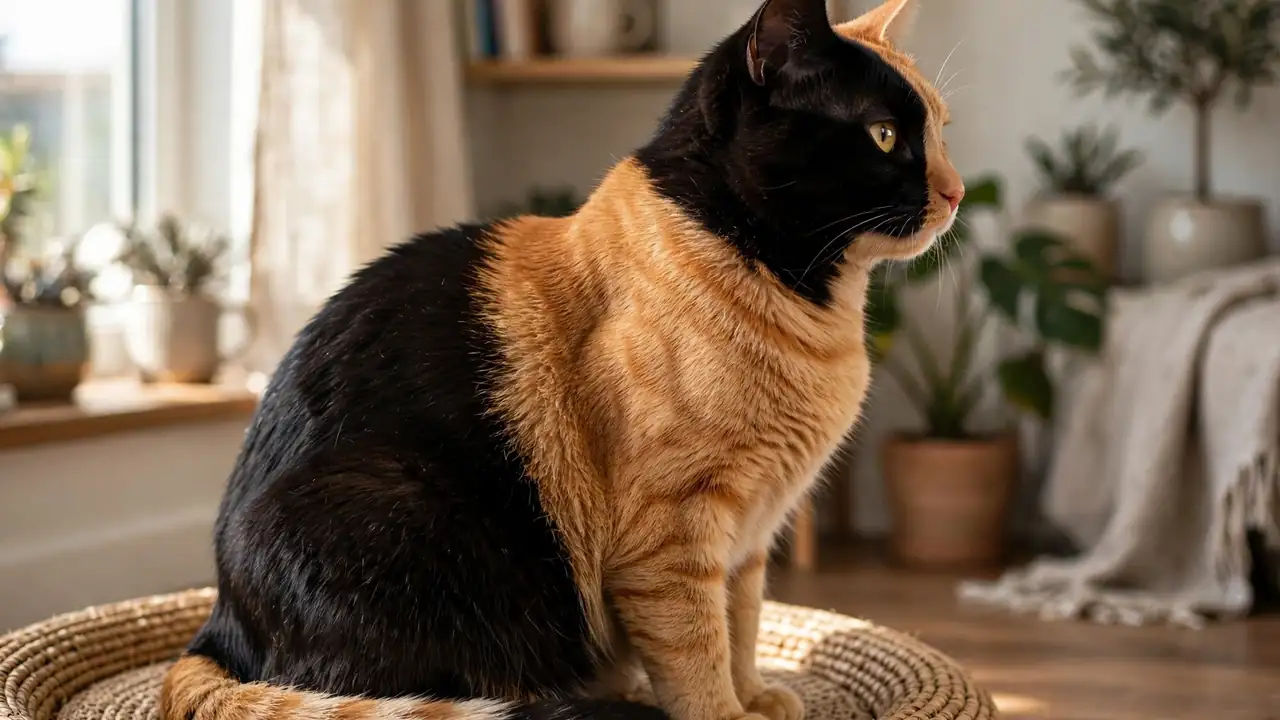
A chimera’s most famous feature is the split face: one side black, the other orange, often divided by a strikingly straight line down the middle. It happens because the cat carries two distinct sets of DNA in one body, and as the fused embryo develops, each cell population settles in different regions, so one side of the face grows black fur while the other grows orange.
The two-tone effect is not limited to fur. Eye color can split too, giving some chimeras heterochromia, one blue eye and one green, and different organs can be built from different cell populations. Yet many chimeras show no visible signs at all, and chimerism can only be confirmed by a DNA test.
Chimera Personality and Behavior
A chimera has two sets of DNA, but it does not have two personalities.
Temperament depends on the same things as any cat: breed background, upbringing, and individual character. A chimera with Siamese ancestry might be chatty and social, while one with Russian Blue genes might be reserved and quiet. The chimerism itself does not create a distinct personality type.
A chimera cat has two sets of DNA, but it does not have two personalities.
A chimera with Siamese ancestry might be chatty and social, while one with Russian Blue genes might be reserved and quiet.
Choose by energy level, sociability and fit with the household, not by the face alone.
- A one of a kind, unforgettable look
- Normal health and a normal lifespan
- Behaves like any other domestic cat
- Cannot be bred — there are no chimera breeders
- Most split faced lookalikes are calicos or mosaics
- Only a DNA test can confirm true chimerism
Care Essentials
Quality nutrition and fresh water, exactly as for any cat.
Depends on coat length, not on chimerism: long coats need regular brushing, short coats need little.
Play, enrichment and scratching posts complete the picture.
Regular veterinary checkups, vaccinations, parasite prevention and a clean litter box.
Nutrition and Diet
Care for one is care for any cat.
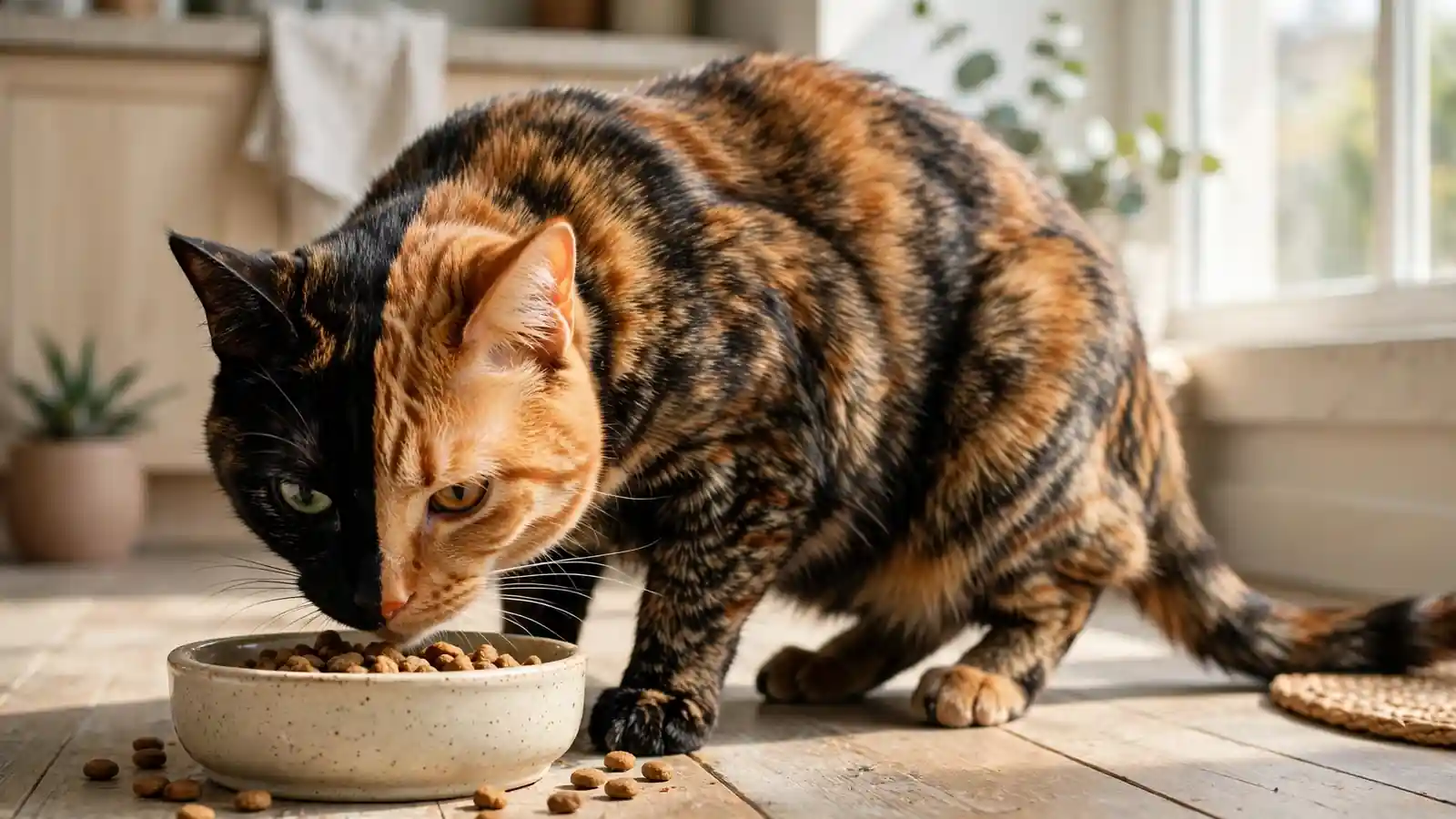
Provide quality nutrition, fresh water, regular veterinary checkups, vaccinations, and parasite prevention. Grooming depends on coat length, not on chimerism: a longhaired chimera needs regular brushing, a shorthaired one needs little. Play, enrichment, scratching posts, and a clean litter box complete the picture.
The only special consideration is curiosity: if you want to confirm chimerism, a consumer DNA test kit can reveal it for under a hundred dollars. Otherwise, just enjoy your one of a kind companion.
Grooming
Grooming depends on coat length, not on chimerism: a longhaired chimera needs regular brushing, a shorthaired one needs little.
Exercise and Enrichment
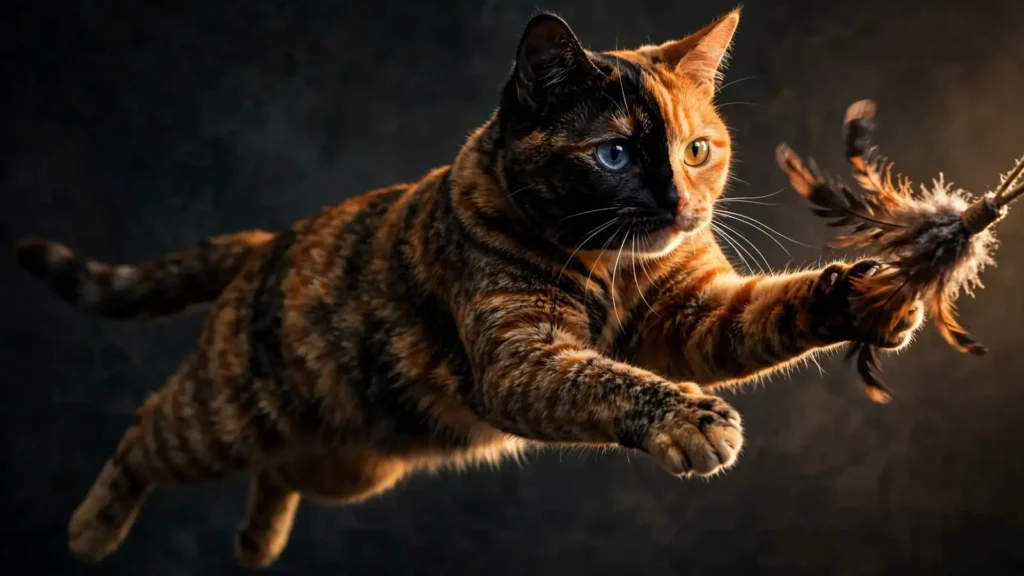
Play and enrichment matter for a chimera exactly as they do for any cat: interactive toys, scratching posts and play matched to the individual cat’s energy level, sociability and breed background.
Health
For most chimeras, the extra DNA is simply along for the ride.
Some chimeras carry two distinct blood types circulating in one body — worth mentioning to your vet before any transfusion.
Male tortoiseshell and calico cats with XXY chromosomes are a different genetic situation and can face fertility issues, other health problems and shorter lives.
Chimerism on its own does not cause health problems, and they live normal lifespans of around sixteen years with standard care. The exception involves male tortoiseshell and calico cats with XXY chromosomes rather than true chimerism; those cats can face fertility issues, other health problems, and shorter lives.
Indoor and Outdoor Living
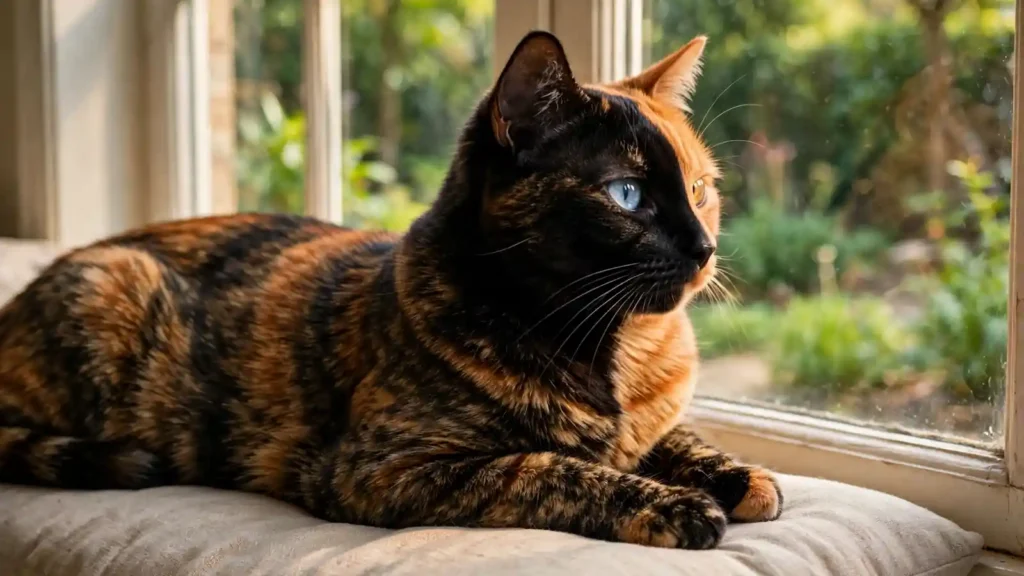
They live ordinary domestic lives. If two embryos with similar coloring fuse, the kitten looks exactly like its siblings, and its secret only emerges through DNA testing — in most homes, a chimera is simply a house cat like any other.
Family Suitability
Anyone drawn to these cats for their looks should choose the way they would choose any cat: by energy level, sociability, and fit with the household, not by the face alone.
Finding a Breeder or Rescue
Essentially, no.
Because chimerism results from a random embryo fusion in the womb, it cannot be produced through selective breeding. A mother cat carrying multiple embryos might, by chance, produce a chimera in any litter, but no breeder can plan for it or reproduce it reliably. There are no chimera breeders, and any listing advertising “chimera kittens for sale” as a breed should be treated with skepticism.
This randomness is part of what makes each chimera unique.
If your heart is set on a split faced cat, patience is required.
True chimeras with visible markings are very rare, and since there are no breeders, adoption is the only route. Check shelters and rescue organizations, and be prepared to wait. Because of their rarity and coveted appearance, they often come at a higher price than other rescues.
A more achievable alternative: tortoiseshell and calico cats offer similarly stunning multi colored coats and are widely available for adoption. Many have dramatic split faces of their own.
- There are no chimera breeders — treat “chimera kittens for sale” listings with skepticism
- Adoption from shelters and rescues is the only route
- Only a DNA test, for under $100, can confirm chimerism
- Consider a tortoiseshell or calico for a similar dramatic look
Quick Quiz: Is a Chimera Right for You?
Answer four questions. Tap yes or no.
Chimera vs Calico & Tortoiseshell
This is the most common confusion, so let us clear it up.
Frequently Asked Questions
Are chimera cats a breed?
No. Chimerism is a genetic condition that can occur in any breed or mixed breed cat. It cannot be selectively bred.
How can I tell if my cat is a chimera?
Only through DNA testing. A split face or heterochromia suggests the possibility but does not confirm it; similar looks can come from calico patterning or mosaicism.
Do chimera cats have health problems?
Usually not. Chimerism itself does not cause illness. The exception is XXY male tortoiseshells, which are a different genetic situation and can have health issues.
Why do chimera cats have two different colored eyes?
Heterochromia can occur when the two cell populations carry different eye color genes. However, odd eyes alone do not prove chimerism; the white spotting gene also affects eye color independently.
How long do chimera cats live?
Around sixteen years on average, the same as any well cared for domestic cat.
Are chimera cats more expensive?
Chimera type cats with visible split faces often command higher prices in rescues and private sales due to their rarity and striking appearance.
What do owners of chimera cats say about living with one?
A chimera cat has two sets of DNA, but it does not have two personalities. Owners report that a chimera cat behaves like any other domestic cat and needs the same everyday care; the extraordinary split-face look is simply a bonus.
Do chimera cats need special veterinary care?
Not because of the chimerism itself. Schedule annual wellness exams, or twice-yearly exams for seniors, and consult your veterinarian promptly if you notice changes in appetite, thirst, weight, breathing, or litter box habits.
The chimera cat reminds us how wonderfully strange nature can be: two lives beginning separately, merging into one, and walking around with the evidence written across its face. Whether confirmed by DNA or simply admired from across the room, these cats deserve the same love, care, and respect as any other. And if you ever meet a split faced cat in a shelter, you will be meeting one of nature’s rarest accidents.
Similar Breeds Worth Exploring
Related Breed Guides
Keep Exploring
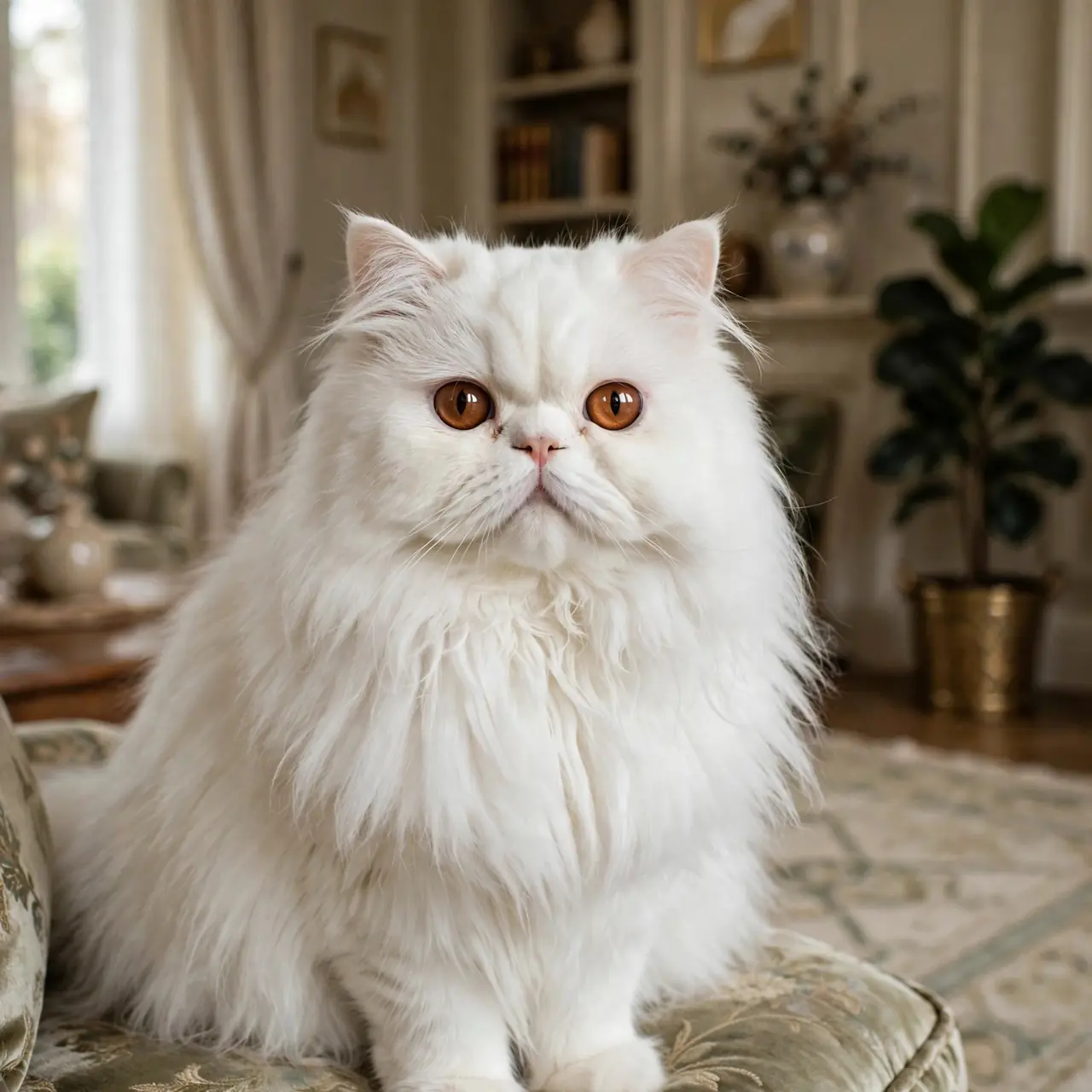
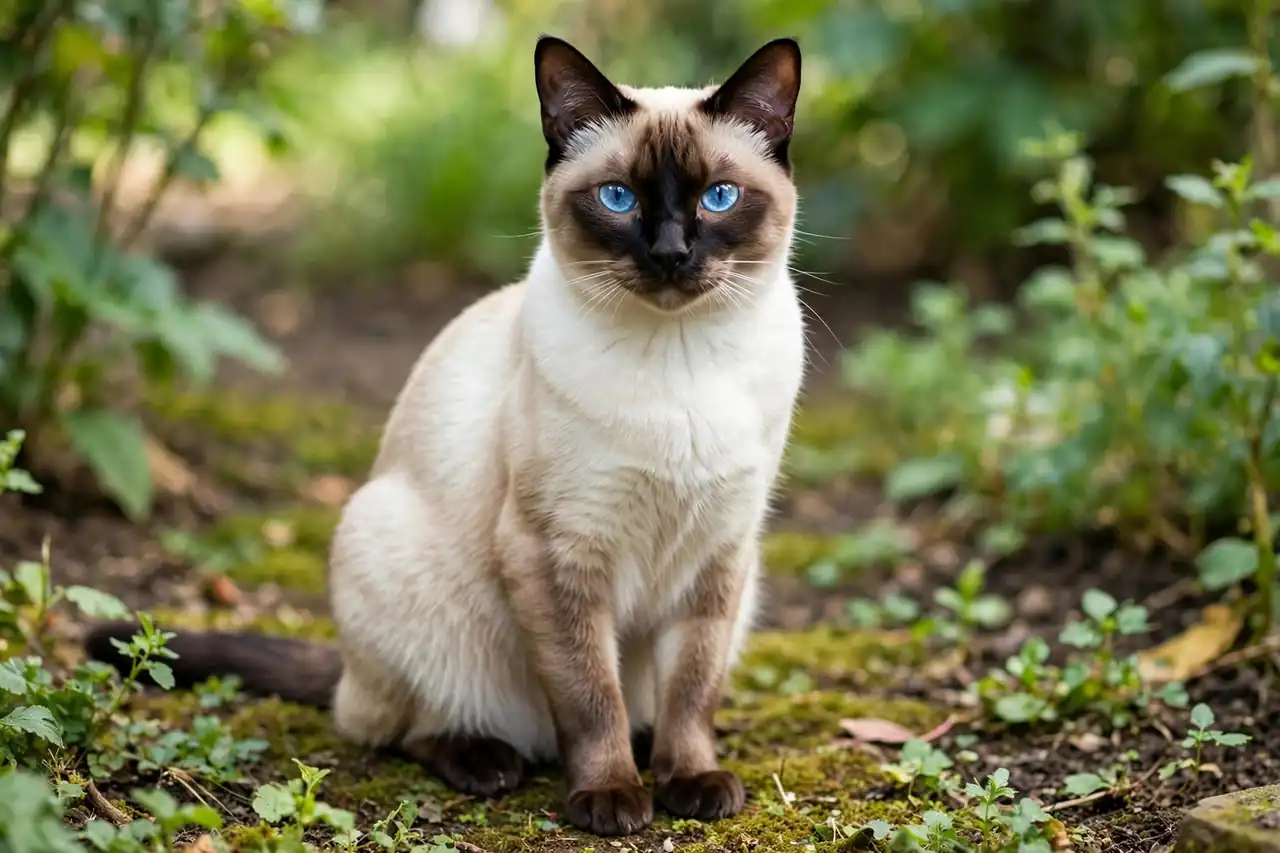
Keep exploring: the stunning British Shorthair, the Persian and the Siamese in the guides above. And if you ever meet a split faced cat in a shelter, you will be meeting one of nature’s rarest accidents.