Russian Blue Cat: Personality, Care, Health, History & Breed Guide
Russian Blue: shy elegance in silver
A graceful, green eyed cat with a shimmering silver coat. Loyal, playful and independent at home, most live an impressive 15 to 20 years.
By Emily Carter · Reviewed by our vet team · Updated 21 October 2026 · 9 min read
Lifespan 15–20 yrs Weight 7–12 lb Quiet & loyal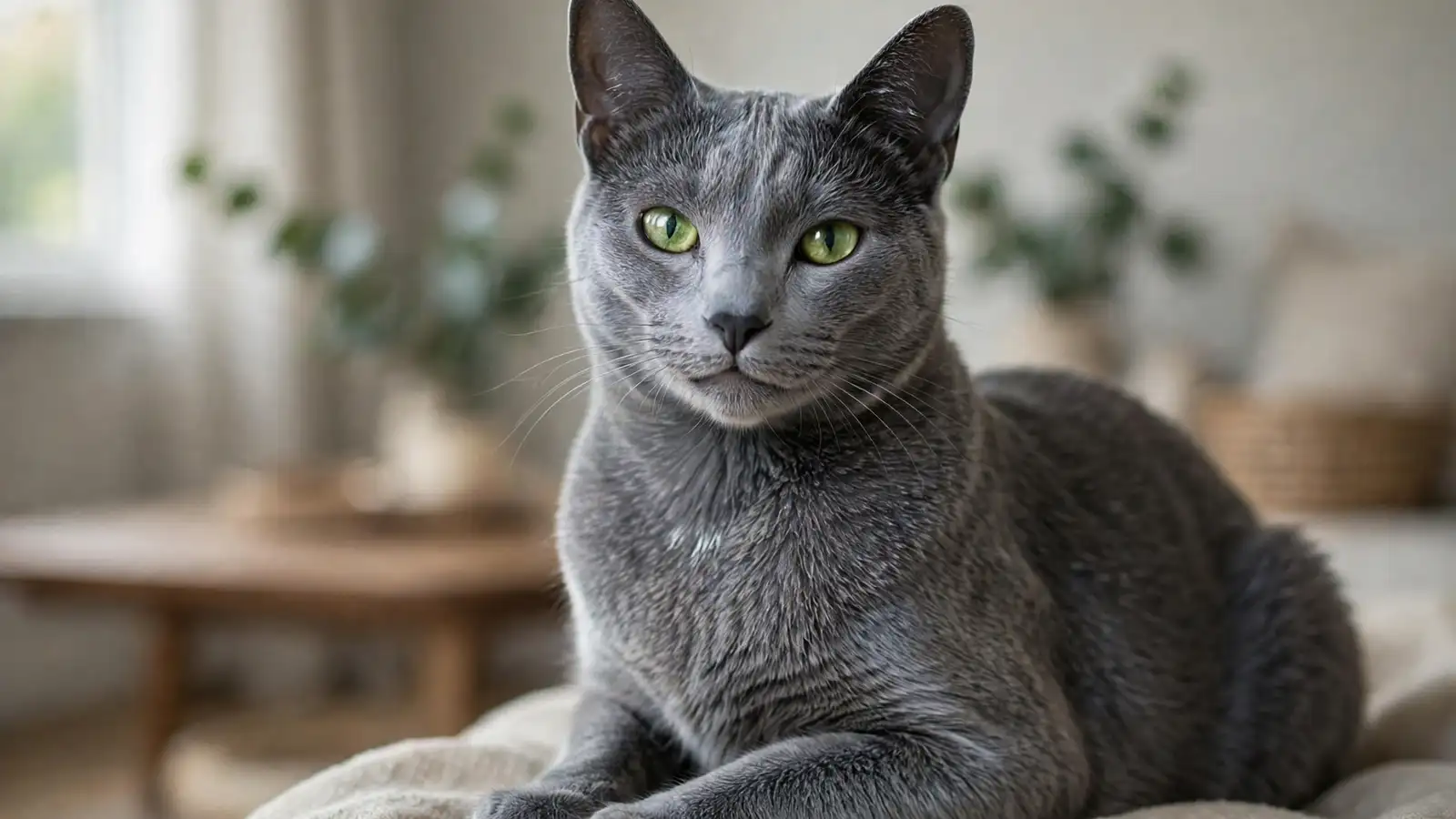
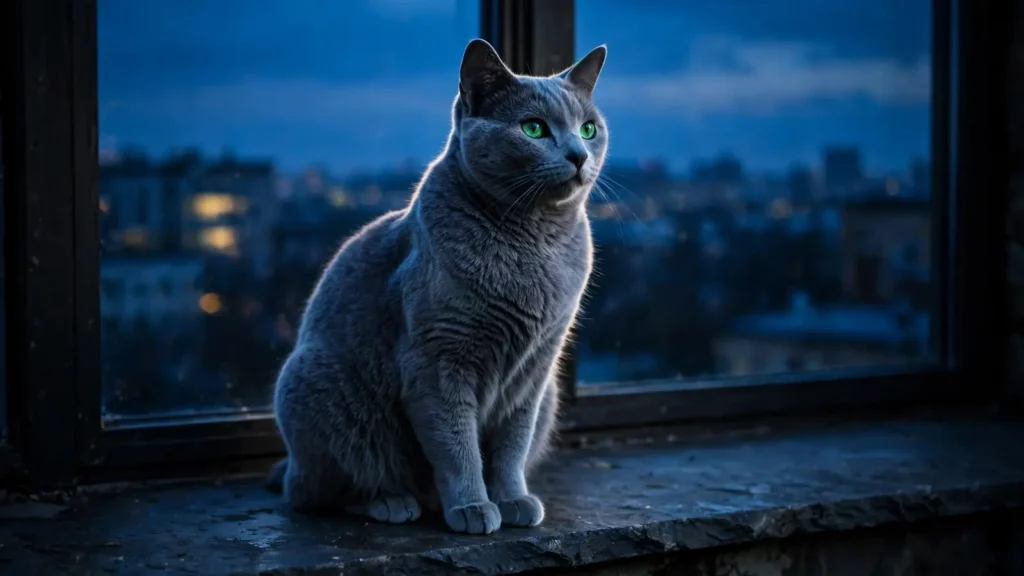
Few cats make a first impression quite like the Russian blue cat. One look at that shimmering blue gray coat, the bright green eyes, and the gentle smile written into its wedge shaped face, and you understand why cat lovers have prized this breed for generations.
At a Glance
Size and Weight
The Russian blue cat is medium sized: adult males usually weigh 10 to 12 pounds and females 7 to 10 pounds. The body runs up to 24 inches long from nose to tail tip, standing 8 to 10 inches at the shoulder — a medium, fine boned frame under that plush coat.
Coat and Colors
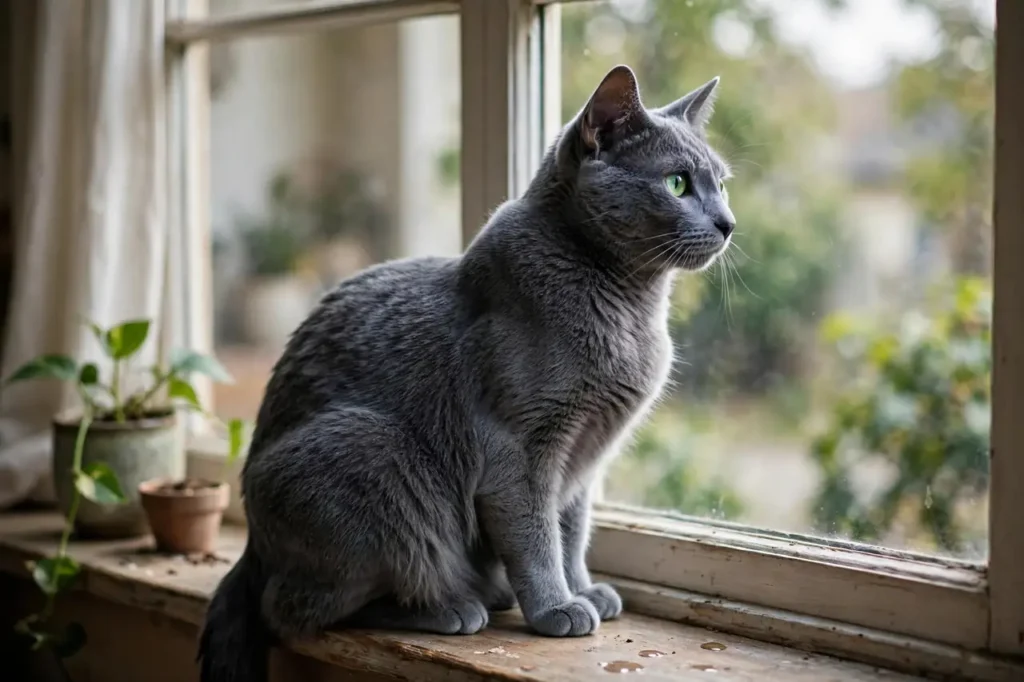
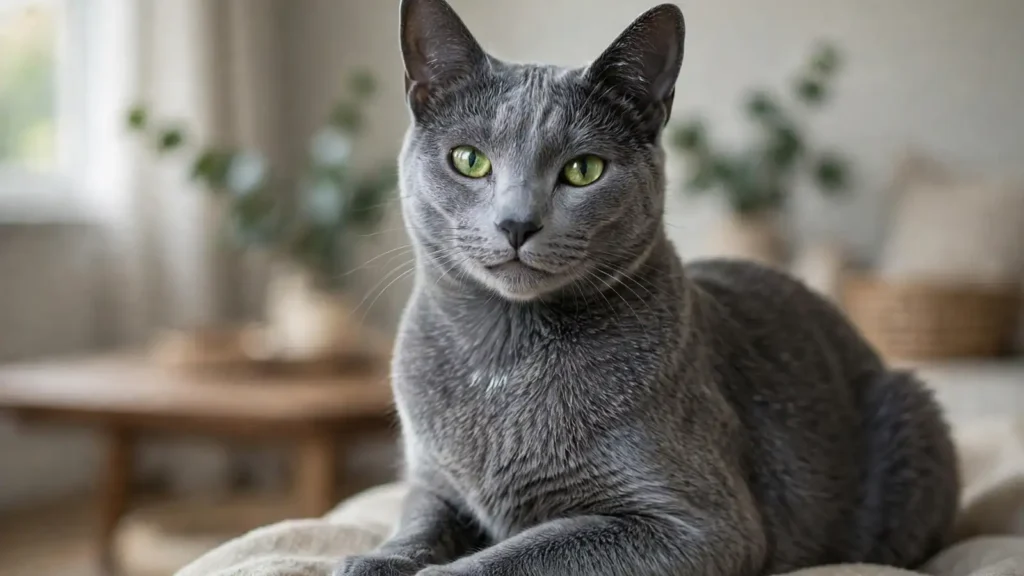
You can spot a Russian blue cat across a room. The coat is short, dense and plush, and it stands out from the body rather than lying flat. The blue gray color carries a silver sheen, because the tips of the guard hairs are silver. It is the only color this breed comes in.
History and Origins
These cats are believed to have come from the Archangel Isles region of Russia, around the White Sea port of Arkhangelsk.
One persistent story holds that these blue cats descended from the cats kept by the Russian Czars, which would explain their regal bearing.
British sailors are believed to have brought the cats home with them to England and northern Europe.
The exact origin story of this breed blends history and legend, but most accounts agree on the broad strokes, from the northern ports of Russia to the drawing rooms of England.
Physical Characteristics
The head forms a smooth, medium wedge shape, neither long and tapering nor short and massive. The muzzle is blunt and blends into the wedge without an exaggerated pinch, and the corners of the mouth turn up in the breed’s famous gentle smile. The eyes are vivid green and wide set, and the ears are large and pointed.
Russian Blue Personality and Behavior
If you want a cat that greets guests at the door, this breed may not be it. If you want a cat that studies you, approves of you, and then loves you with unusual intensity, you are looking at the right breed. They greet their owners at the door, settle nearby while they work, and keep a close, quiet watch on the household they have chosen.
They often pick a favorite human and follow that person from room to room.
Cautious with strangers, but they study you, approve of you, then love you with unusual intensity.
Meals, play and greetings at the door, on schedule. These cats notice routine, and notice when it slips.
- Devoted and loyal to their chosen people
- Quiet, gentle voice and tidy habits
- Low grooming needs — one brush a week
- Shy with guests and slow to warm up
- Sensitive to changes in routine and surroundings
- Adores mealtime, so portions need watching
Care Essentials
Measured meals of high protein food. This breed adores mealtime and asks often, so free feeding leads to weight gain.
One gentle brush a week keeps the dense double coat shining and loose hair under control.
Daily interactive play — feather wands, fetch and puzzle toys. They are graceful athletes who love high perches.
A calm indoor home with a predictable routine, a tall cat tree and quiet hiding spots.
Nutrition and Diet
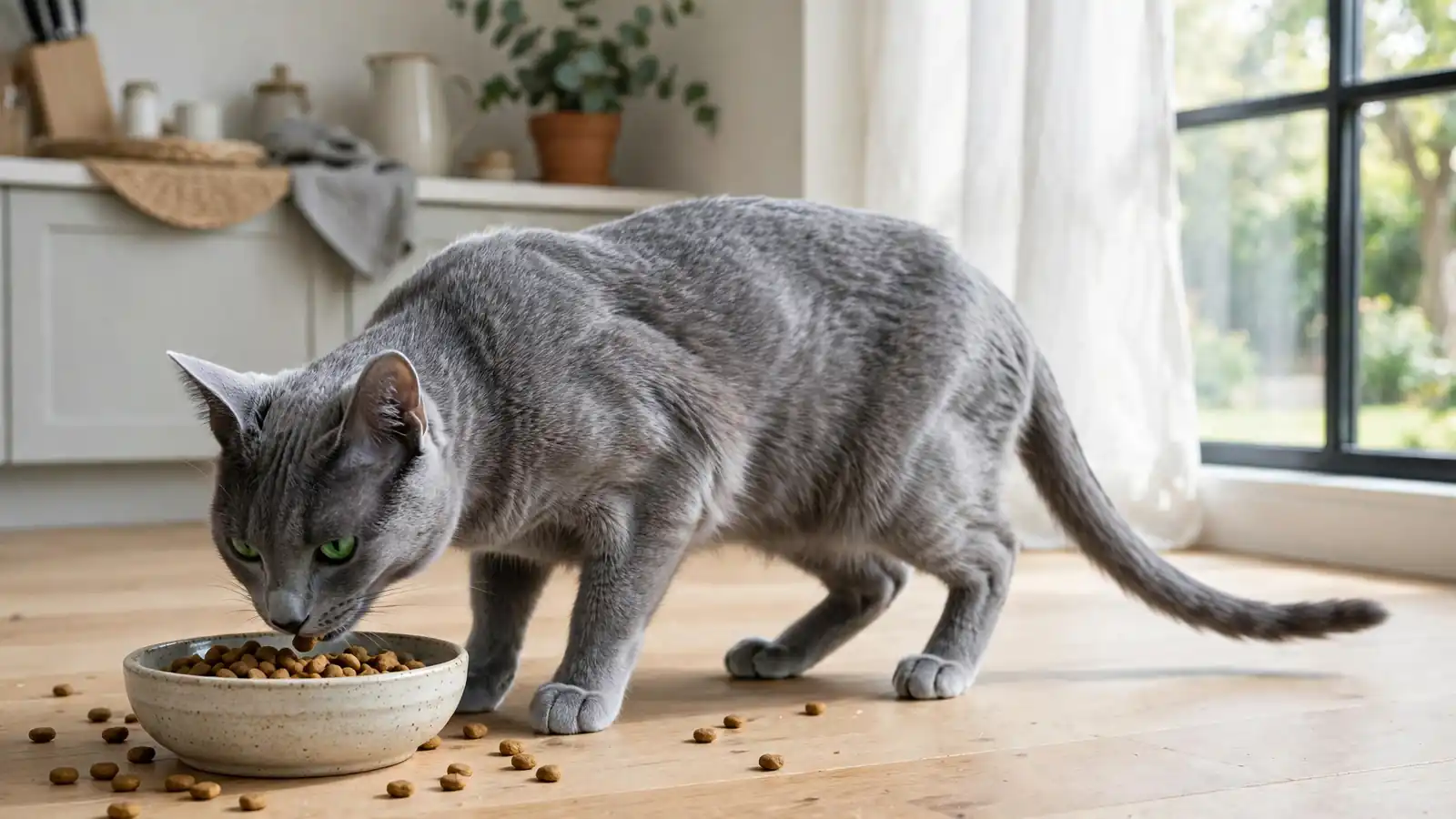
The Russian blue cat has no unusual dietary requirements, but it does have one well known weakness: it adores mealtime. These cats often ask for food multiple times a day, and extra treats plus an indoor lifestyle can lead to obesity. Feed a high quality diet built around real fish or real meat as the main ingredient, and keep portions measured.
Grooming
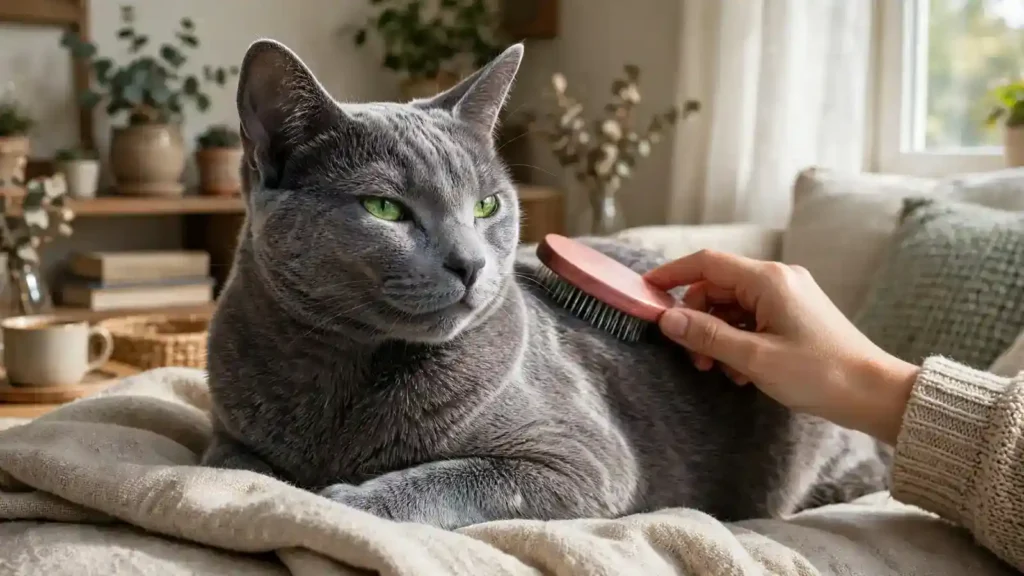
The short double coat is easy to live with. One gentle brushing a week removes loose hair and keeps the silver sheen bright. Shedding stays light year round and may pick up in the spring.
Exercise and Enrichment
They are graceful athletes. Long legs and a light, muscular body make them quick, and they enjoy racing through the home, jumping to high perches, and stalking toys with total focus. Offer a multilevel cat tree with spots for sleeping and hiding, sturdy scratching posts, and a mix of solo and interactive toys. Many Russian Blues enjoy playing fetch.

Health
The Russian blue cat is one of the hardier breeds. As a naturally occurring breed, it has a strong genetic foundation, and there are no widely recognized breed specific health problems tied to it. With proper care, most live long, healthy lives of 15 to 20 years. Two things to stay aware of:
Progressive retinal atrophy, which damages the photoreceptor cells of the eye and can lead to blindness, is seen in the breed.
Urinary tract infections can occur, as in other cats. Fresh water, a quality diet and prompt vet care keep risk low.
Indoor and Outdoor Living
Although the breed’s thick coat evolved for harsh winters, the modern Russian blue cat prefers indoor living, where the average lifespan stretches toward 15 to 20 years. Indoor life suits their temperament too — these cats are sensitive to sudden changes and cautious around unfamiliar people, so a secure home with predictable routines gives them a real sense of safety.
Family Suitability
Russian Blues do well in quiet homes where they feel safe and comfortable, and they can be good family pets with children who approach gently. They prefer a peaceful environment over a noisy, busy household, and they bond most deeply with the people who respect that.
Finding a Breeder or Rescue
When you are ready to add a Russian Blue to your home, you have two main paths: a responsible breeder or a shelter or rescue organization. From a reputable breeder, expect to pay between $400 and $600, with prices reaching $2,000 or more for show quality kittens. Either way, patience and homework pay off.
- Ask what health testing the breeder does on their cats
- Ask to see the parents and the living conditions
- Kittens should be raised in a home environment
- A good breeder answers questions openly and asks you some too
Quick Quiz: Is a Russian Blue Right for You?
Answer four questions. Tap yes or no.
Russian Blue vs Korat
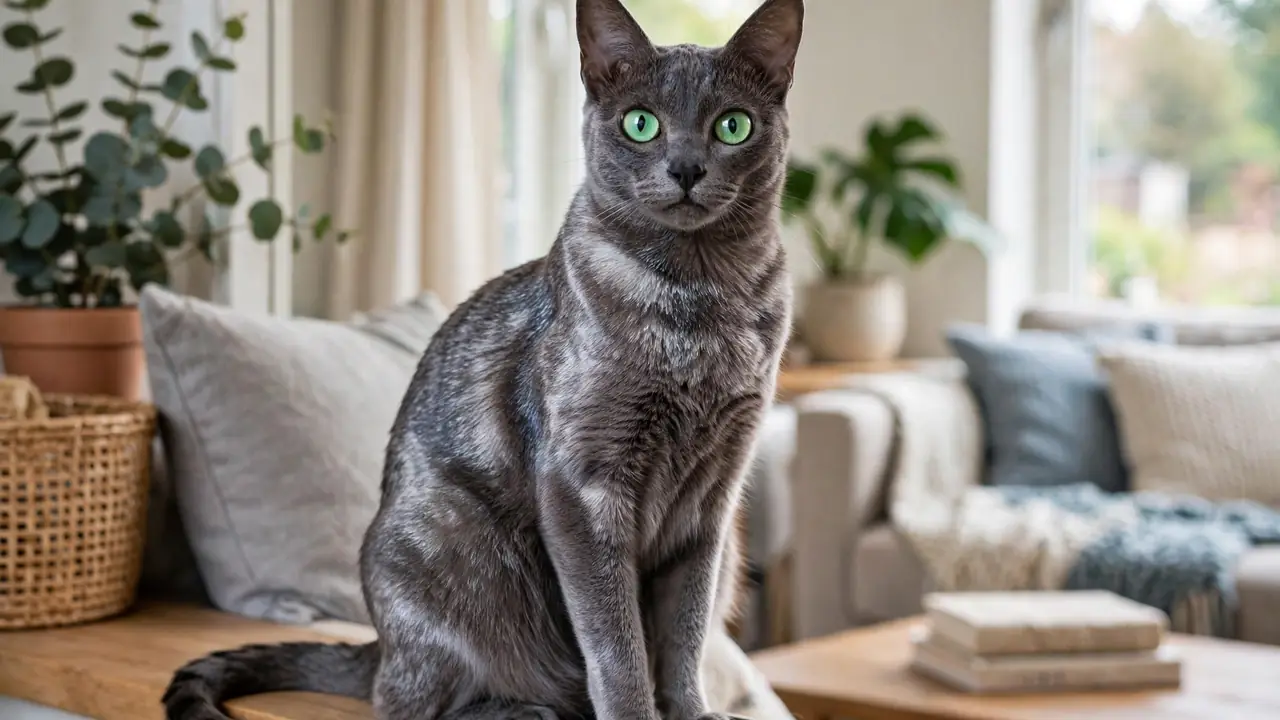
This breed is sometimes confused with other blue coated breeds. Here is how it compares to the Korat.
Frequently Asked Questions
How long do Russian blue cats live?
Most live 15 to 20 years, and some reach 25. Good nutrition, regular vet care, weight control, and an indoor lifestyle support a long life.
How big do they get?
The Russian blue cat is a medium sized cat. Adult males usually weigh 10 to 12 pounds and females 7 to 10 pounds, with a body up to 24 inches long from nose to tail tip and a height of 8 to 10 inches at the shoulder.
Do they shed a lot?
Yes, but less than many breeds. The short double coat sheds lightly year round, and weekly brushing keeps loose hair under control. Shedding may pick up in the spring.
Are they hypoallergenic?
No cat is truly hypoallergenic, but Russian blue cats produce lower levels of the Fel d 1 protein than many breeds and shed relatively little, which makes them a better choice for some allergy prone people. If you have allergies, spend time with the breed before committing.
The Russian blue cat combines rare beauty with a personality that rewards steady, attentive owners. Its shimmering coat and vivid green eyes draw people in, but it is the loyalty, intelligence and love of routine that make it unforgettable.
Similar Breeds Worth Exploring
Related Breed Guides
Keep Exploring
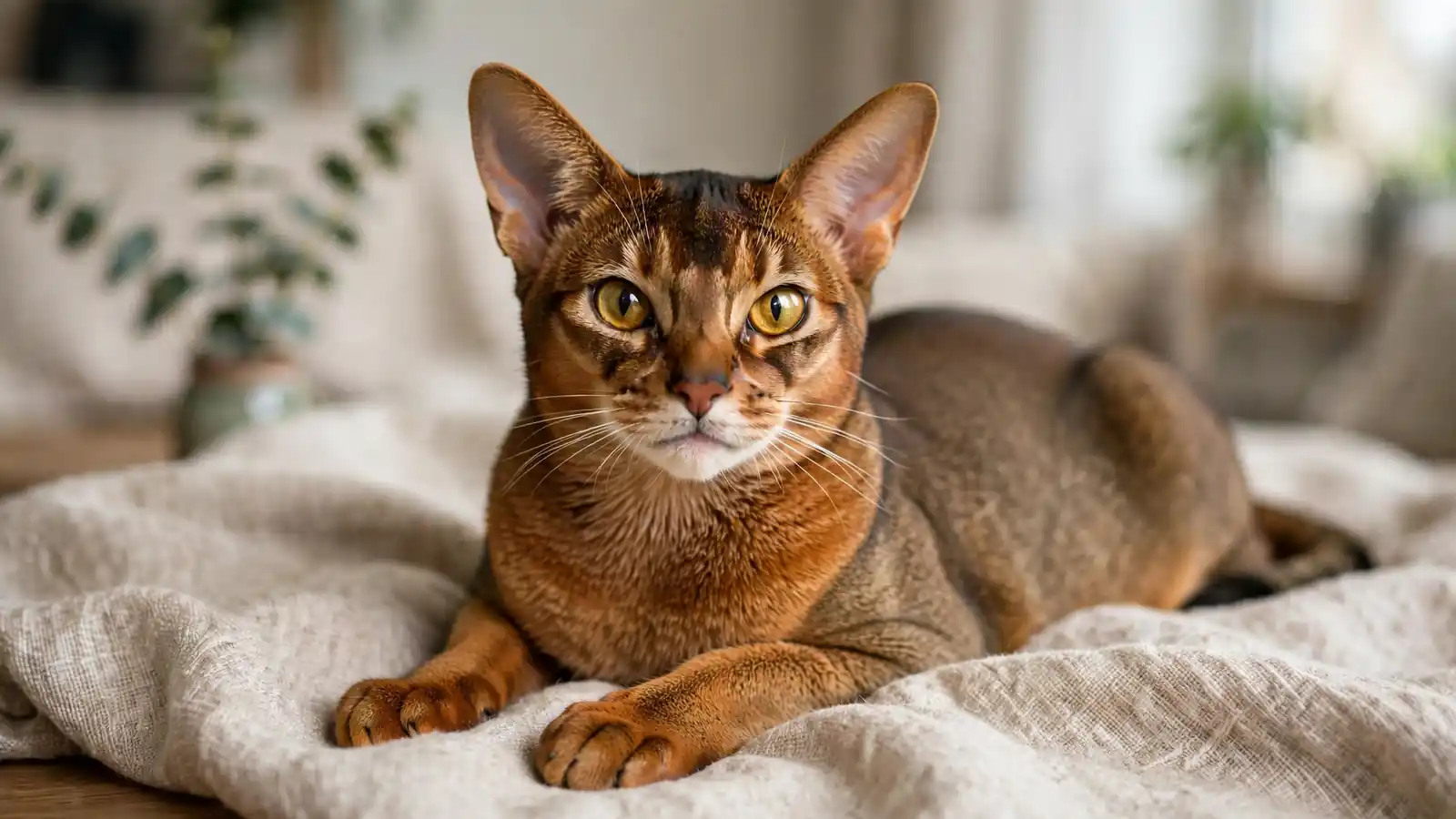
Still deciding? Compare the Korat for another blue coated breed, or meet the athletic Abyssinian at the opposite end of the energy scale. Every guide on this site follows the same layout, so the facts you need are always in the same place.