British Shorthair Cat
British Shorthair: calm, plush, legendary
The British Shorthair cat is the teddy bear of the cat world: chubby cheeked, plush coated, and quietly devoted.
By Emily Carter · Reviewed by our vet team · Updated 21 October 2026 · 10 min read
Lifespan 12–17 yrs Weight 9–18 lb Calm & independent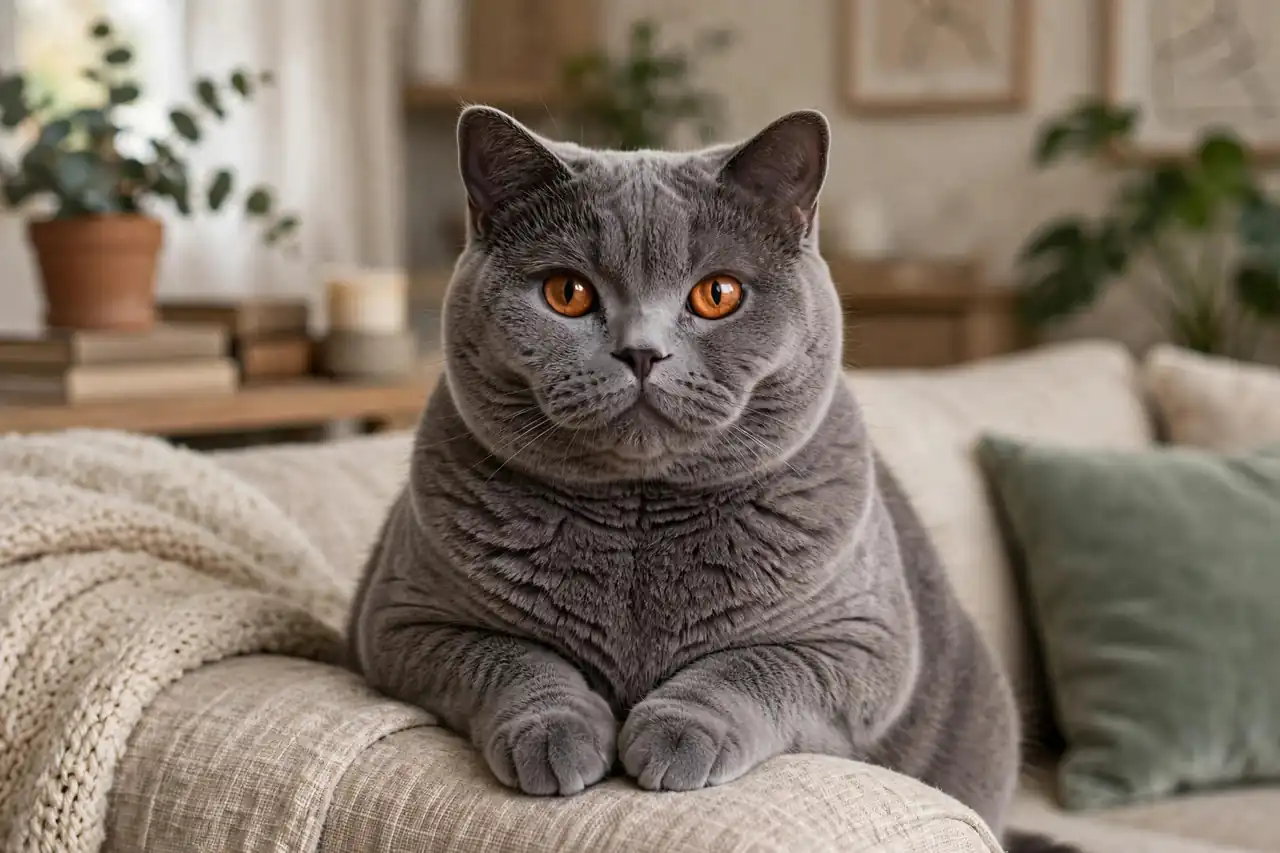
With chubby cheeks you want to pinch, a plush coat like a teddy bear, and the calm confidence of a cat that has seen it all, the British Shorthair is the undisputed gentleman of the cat world. This is one of the oldest and most beloved breeds on earth: easygoing, loyal, and quietly hilarious in its dignified way.
From Roman ships to the Cheshire Cat’s grin, the British Shorthair has a story worth telling. This complete guide covers the British Shorthair cat’s personality, size, colors, health, care, and whether this famously independent breed fits your home.
At a Glance
Size and Weight
The British Shorthair cat is a substantial cat, and it takes its time getting there.
Males typically weigh 12 to 18 pounds, with females smaller at 9 to 15 pounds. This is a slow maturing breed: like many medium to large cats, the British Shorthair takes at least three years to reach full physical maturity, filling out gradually into that famously cobby frame.
Height runs 12 to 14 inches at the shoulder. Everything about the build says strength: broad chest, thick legs, muscular neck, and a body that feels solid when lifted.
Coat and Colors
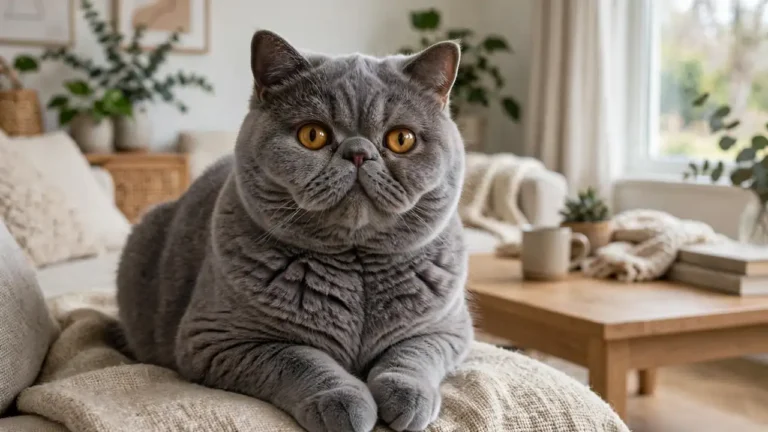
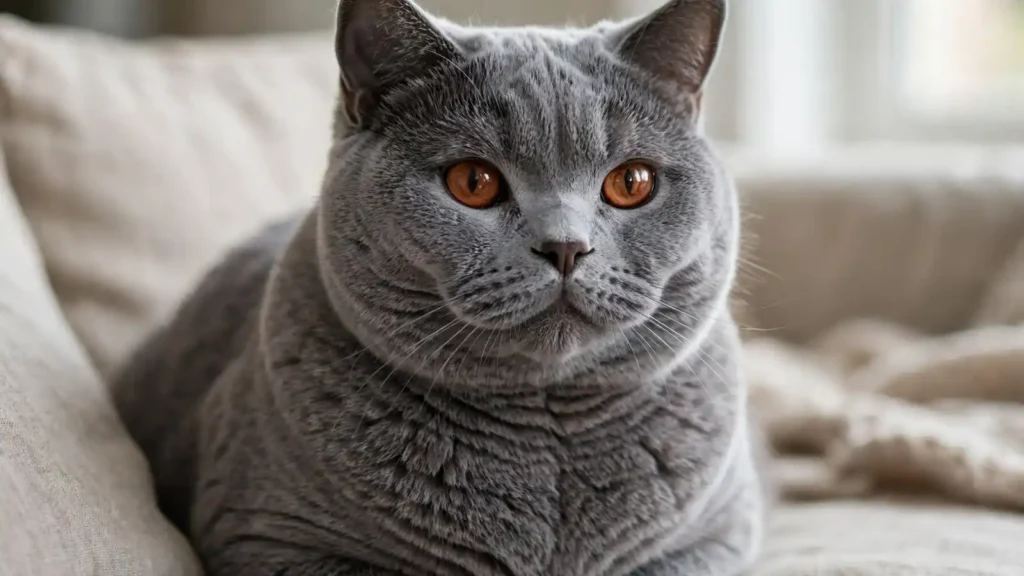
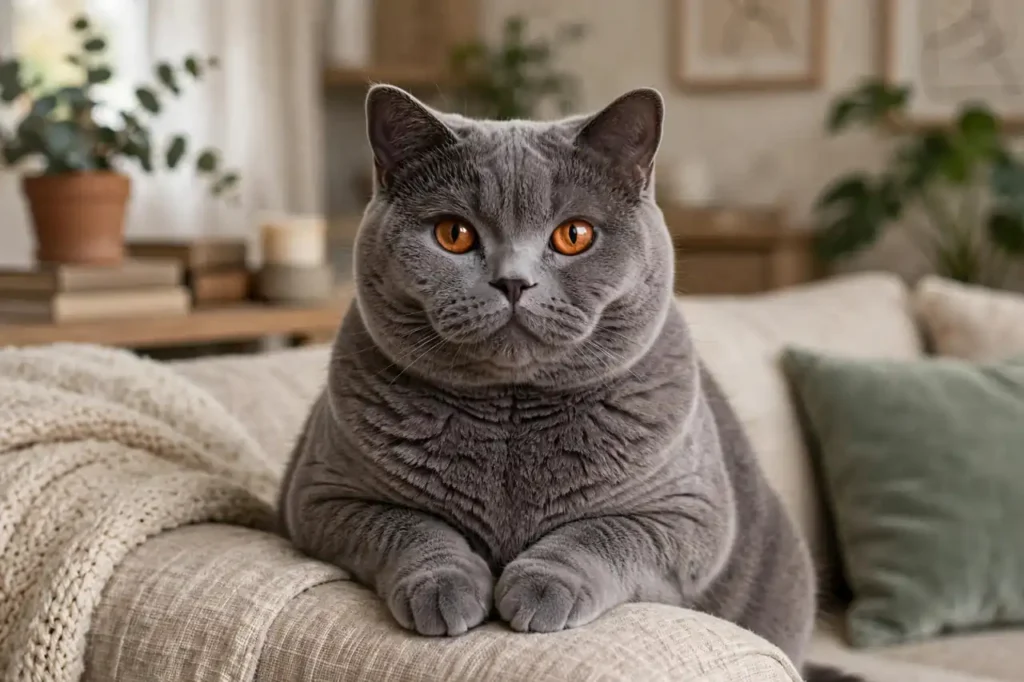
The coat is the breed’s glory: short, thick, and incredibly dense, with a crisp texture that stands away from the body.
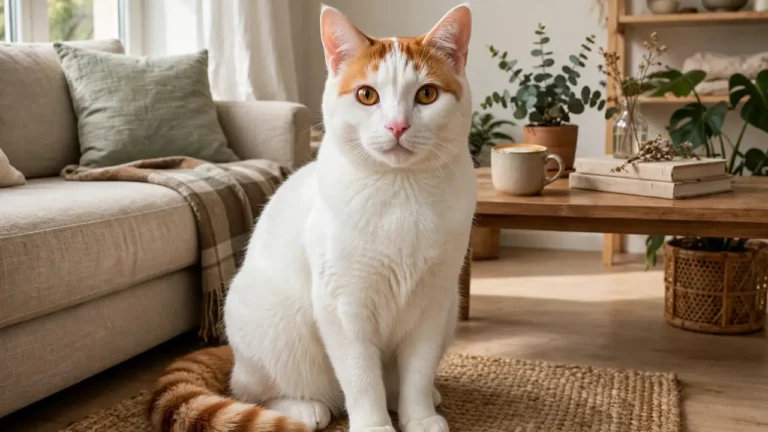
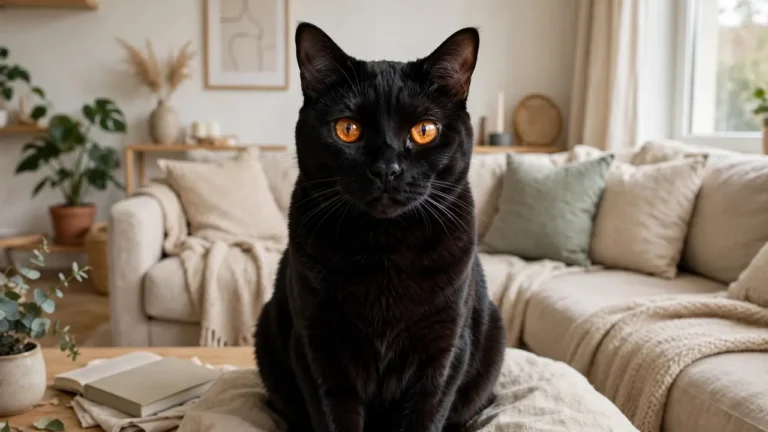
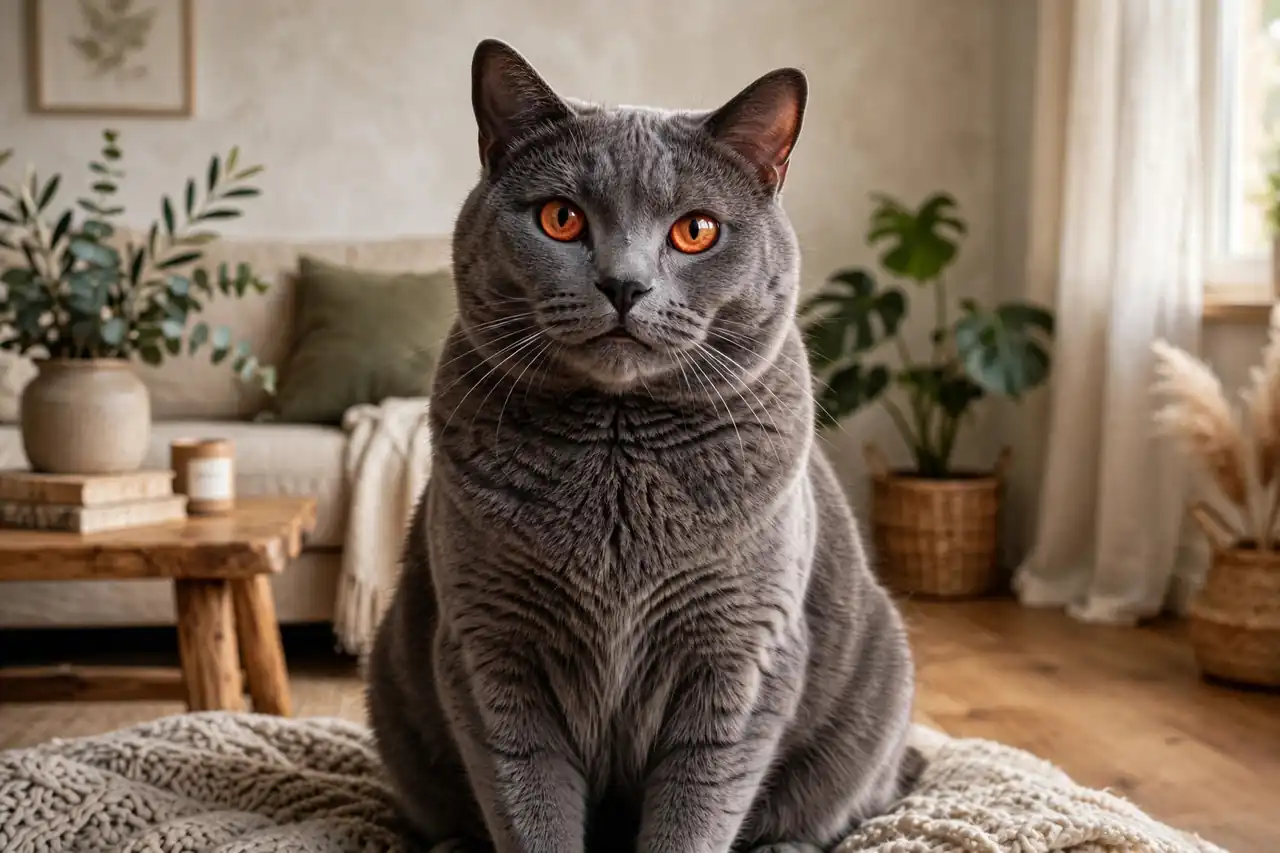
The most iconic color is blue, a solid gray that earned the nickname “British Blue.” But the breed comes in nearly every color and pattern imaginable: black, white, red, cream, chocolate, lilac, plus tabby, tortoiseshell, and shaded varieties. Eye color follows the coat: blue coated cats typically have bold gold or copper eyes, while other colors can show green, amber, or blue.
One charming detail British Shorthair cat owners mention: the coat does not feel fluffy so much as plush, like a high quality stuffed animal. It thickens noticeably in winter for extra insulation.

History and Origins
Cats from Egypt traveled with Roman legions to Britain in 43 AD, prized as mousers protecting grain stores and homes.
Harrison Weir refined Britain’s street cats through selective breeding and organized the first cat show at Crystal Palace in 1871, where a blue tabby British Shorthair won Best in Show.
Both World Wars devastated the breed nearly to extinction; it was rebuilt afterward with Persian, Russian Blue, Chartreux and domestic shorthair crosses.
Formal recognition followed in 1967, 1979 and 1980, and today it ranks among the world’s most popular breeds.
Few breeds can claim a history this long. The British Shorthair’s story begins with an empire.
The breed’s ancestors were domestic cats from Egypt that traveled with Roman legions when they invaded Britain in 43 AD. The Romans prized cats as mousers, protecting grain stores and homes from rodents. When the Romans eventually left, the cats stayed, interbreeding with native European wildcats and adapting over centuries into hardy street and farm cats with round faces and thick, weatherproof coats.
Physical Characteristics
Round is the word that describes everything about the British Shorthair cat.
The head is broad and round with full, chubby cheeks, a short muzzle, and large round eyes. The ears are medium sized with rounded tips. The body is cobby and muscular: broad chest, strong legs, and a thick tail that tapers to a rounded tip. When you pick up a British Shorthair, always support the back end; letting the hindquarters dangle makes them uncomfortable and insecure.
British Shorthair Personality and Behavior
The British Shorthair cat personality is best described as calm confidence with a dry sense of humor.
These cats are affectionate without being clingy and playful without being hyper. They love their people fiercely and will follow you from room to room out of curiosity, then settle beside you, not on you, for the evening. They are famously not lap cats and generally dislike being picked up and carried, though they are perfectly happy snuggling next to you on the couch.
They play on their own schedule. A British Shorthair in the mood will find someone and deliver a toy, or happily entertain itself. They are smart enough to learn routines but see no need to show off. Males tend to stay more rambunctious than the reserved females, and all become increasingly sedentary, and dignified, with age.
What makes them special for busy households: the British Shorthair tolerates being left alone better than most breeds. They will not punish you for a workday; they will simply be napping in a sunbeam when you return, then greet you like the old friend you are.
Calm confidence with a dry sense of humor is the breed’s signature personality.
Affectionate without being clingy: they settle beside you on the couch, not on your lap.
Playful without being hyper, and content to nap in a sunbeam while you are at work.
- Affectionate without being clingy
- Tolerates alone time better than most breeds
- Easy coat care — one brush a week
- Not a lap cat; dislikes being picked up and carried
- Prone to weight gain without portion control
- Sheds more heavily in spring and fall
Care Essentials
Measured meals, never free feeding. This breed loves food and trends sedentary, so portion control is the kindest care.
One brush a week keeps the dense plush coat in top condition; brush more during spring and fall shedding.
Daily interactive play with wand toys and balls, plus cat trees and window perches for passive activity.
A quiet, predictable routine, scratching posts, and oversized litter boxes — a box as wide as the cat is long.
Nutrition and Diet
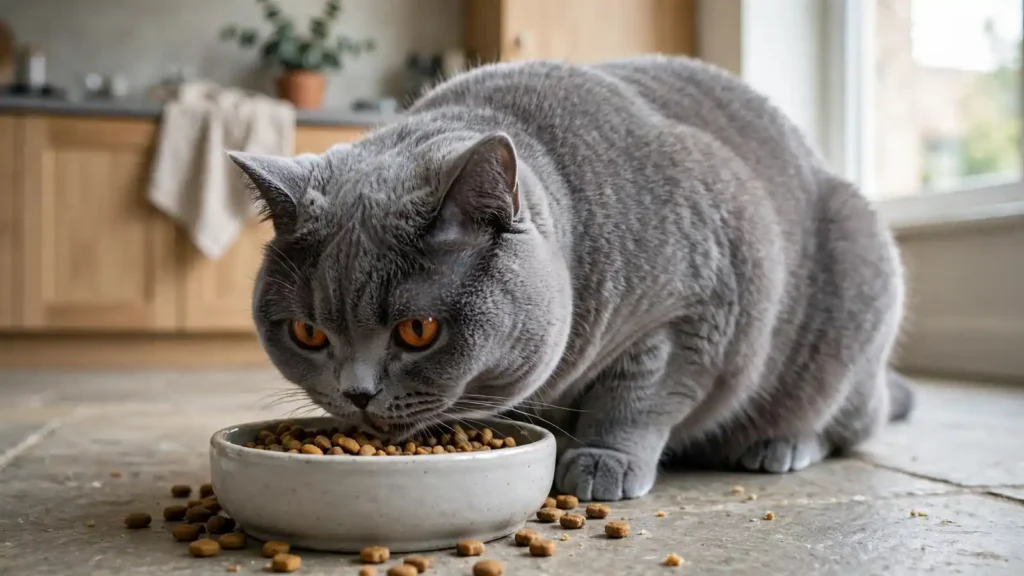
Weight management is the single most important nutritional task with the British Shorthair cat.
British Shorthairs love food and trend toward a sedentary lifestyle, especially as they age, making obesity the breed’s most common preventable problem. Feed measured meals of a complete, balanced diet rather than free feeding, and consider a weight management formula if your vet advises it. Kittens need a nutrient rich kitten food through their first year, even though they will keep growing for two more.
Fresh water always available, regular weigh ins at vet visits, and honest portion control will keep your chunky companion at a healthy chunk rather than an unhealthy one.
Grooming
The British Shorthair cat’s magnificent coat is surprisingly easy to maintain.
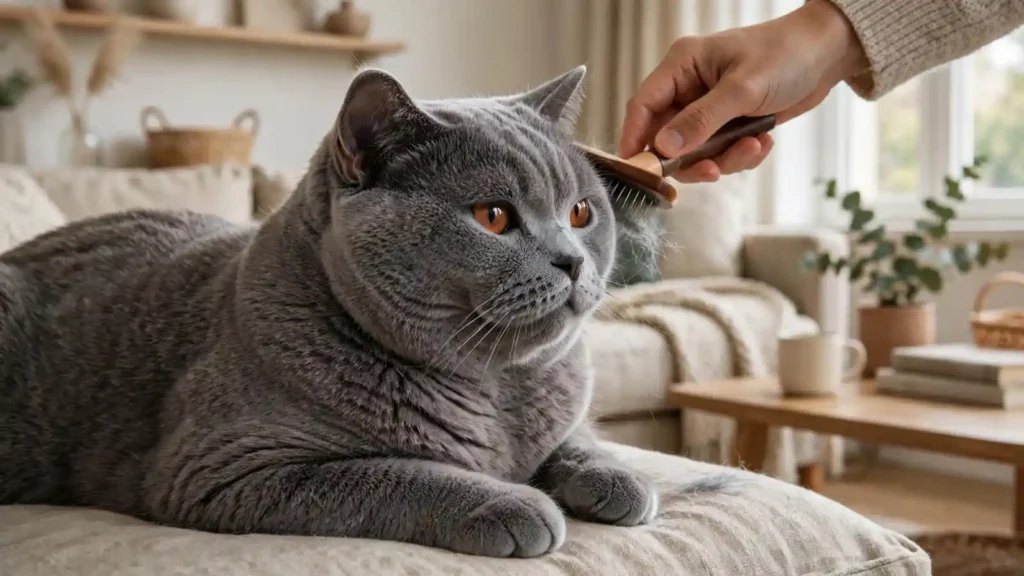
Weekly brushing with a suitable brush removes dead hair and keeps the dense coat in top condition. During spring and fall, seasonal shedding increases, so brush more often in those periods. Even this shorthaired breed can develop knots if neglected, so do not skip the routine entirely.
Beyond the coat: trim nails as needed, check ears weekly for wax buildup, and brush teeth regularly. The breed is prone to dental issues, so dental care deserves real attention.
Exercise and Enrichment
The British Shorthair cat will not exercise itself into fitness; a little encouragement goes a long way.
Schedule regular interactive play with wand toys, balls, and anything that triggers the chase instinct, especially while they are young. Climbing structures, cat shelves, and window perches add passive activity. Puzzle feeders make mealtimes more engaging and slow down enthusiastic eaters.
The goal is not athleticism but maintenance: keeping an aging British Shorthair moving preserves muscle, protects joints, and holds weight in check.

Health
The British Shorthair cat is a relatively healthy breed with few genetic diseases, but there are conditions to know about.
Hypertrophic cardiomyopathy, a thickening of the heart’s muscular walls that can cause breathing difficulty and lethargy in older cats.
A blood clotting disorder that is often diagnosed young.
Gingivitis appears frequently in this breed, so regular dental care matters.
Obesity deserves special mention as the gateway problem. An overweight British Shorthair faces higher risks of diabetes, joint strain, and heart stress. Keeping yours lean is the kindest health intervention you can make.
Indoor and Outdoor Living
Indoor life suits the British Shorthair cat perfectly.
Their calm temperament, moderate activity level, and trusting nature make them ideal house cats. They are content with window views, sunbeams, and the occasional supervised adventure. If you want to offer outdoor time, a secure catio or harness walks in a safe area work well, but most British Shorthairs will not campaign for it.

Family Suitability
The British Shorthair fits an unusually wide range of households.
This breed is ideal for working owners who are out during the day, singles who want an undemanding companion, families with gentle respectful children, seniors seeking a calm friend, and multi pet homes with cat friendly dogs or other cats. They ask for affection on their own terms and give loyalty in return.
Think twice if you dream of a cat that sleeps on your chest and demands constant cuddles. The British Shorthair loves you deeply; it just prefers to express it from the adjacent cushion.
Finding a Breeder or Rescue
The breed’s popularity means kittens are available, but choose carefully.
A responsible breeder health tests for HCM and other known issues, raises kittens in the home, and provides a health guarantee. Ask about heart screening in their lines. Expect to wait for the right kitten, especially in the coveted blue color.
British Shorthairs and mixes also appear in rescues and shelters. An adult rescue lets you see the full personality and that magnificent adult coat from day one.
- Ask about HCM heart screening in the breeder’s lines
- Kittens should be raised in the home
- A responsible breeder provides a health guarantee
- Expect to wait for the right kitten, especially in blue
Quick Quiz: Is a British Shorthair Right for You?
Answer four questions. Tap yes or no.
British Shorthair vs Chartreux
This breed is sometimes confused with other blue coated breeds. Here is how it compares to the Chartreux.
Frequently Asked Questions
Are British Shorthair cats lap cats?
Generally no. They adore being near their people and will snuggle beside you on the couch, but most dislike sitting on laps or being picked up and carried. Each cat is an individual, but independence is the breed norm.
Are British Shorthair cats hypoallergenic?
No. They shed moderately with heavier seasonal shedding, and produce allergens like any cat. Allergy sufferers should spend time with the breed first.
How big do British Shorthairs get?
Males reach 12 to 18 pounds and females 9 to 15 pounds, at 12 to 14 inches tall. They mature slowly, taking about three years to reach full size.
How long do British Shorthair cats live?
Typically 12 to 17 years, with some reaching 20. Healthy weight, dental care, and indoor living all extend life.
What is a British Blue?
The nickname for the blue gray color variety, the breed’s most famous and popular color. A “British Blue” is simply a blue coated British Shorthair.
Are British Shorthairs good for first time owners?
Excellent. They are easygoing, undemanding, tolerant of alone time, and easy to groom, making them one of the most beginner friendly pedigreed breeds.
What do British Shorthair owners say about living with the breed?
Owners consistently describe the British Shorthair as calm, loyal, independent. The British Shorthair cat personality is best described as calm confidence with a dry sense of humor. In practice, owners report that this personality is the main reason they recommend the breed to friends.
When should I ask my vet about my British Shorthair’s health?
Schedule annual wellness exams, or twice-yearly exams for seniors, and ask your vet about screening for conditions the breed can be prone to, such as diabetes and obesity. Consult your veterinarian promptly if you notice changes in appetite, thirst, weight, breathing, or litter box habits.
The British Shorthair is proof that quiet confidence wins hearts. Loyal without being needy, playful without being wild, and beautiful without demanding admiration, it is the rare breed that fits almost any home. If you want a dignified companion who will greet you at the door, supervise your evenings from the next cushion, and occasionally grace you with a headbutt of approval, the British Shorthair is waiting.
Similar Breeds Worth Exploring
Related Breed Guides
- Scottish Fold Cat Breed Guide
- Russian Blue Cat Breed Guide
- Persian Cat Breed Guide
- British Longhair Cat Breed Guide
- Munchkin Cat Breed Guide
- Chimera Cat Breed Guide
Keep Exploring
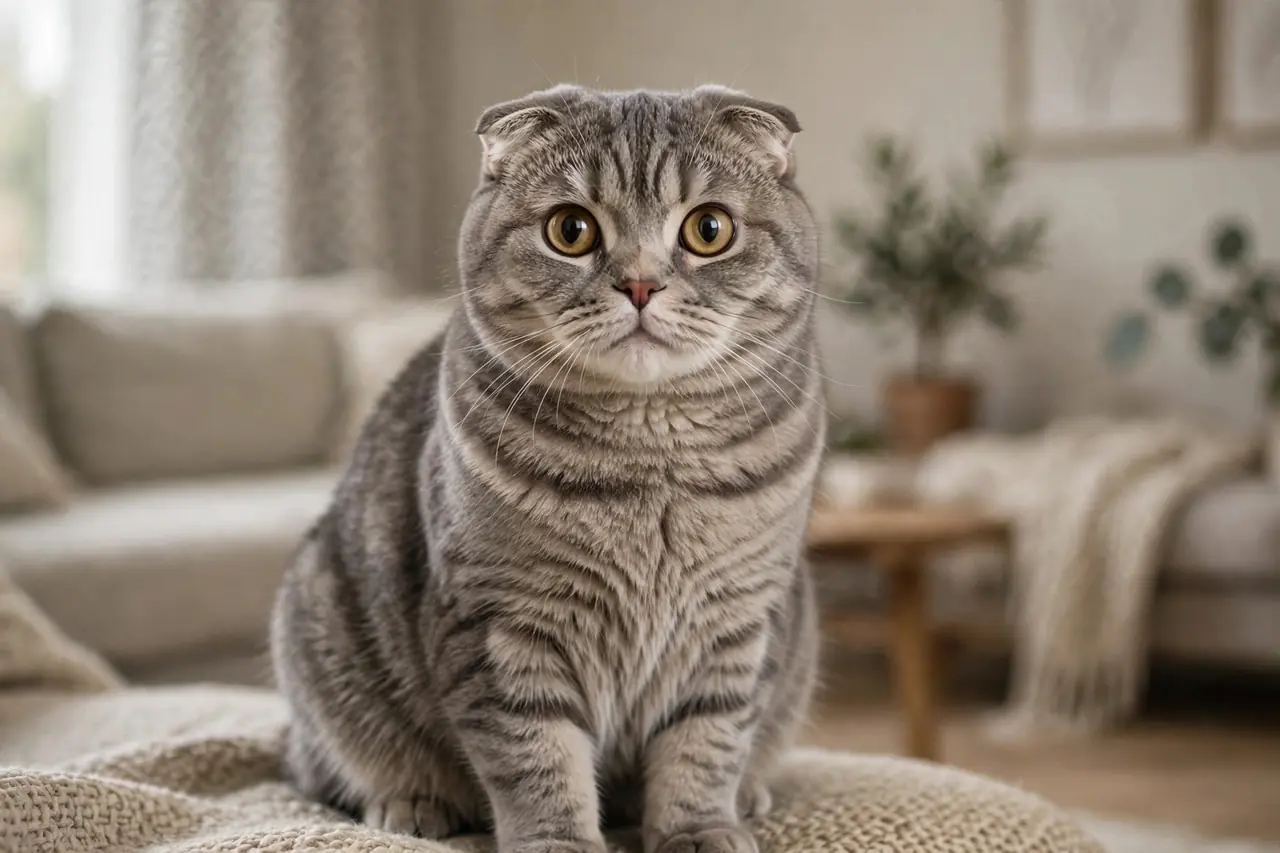
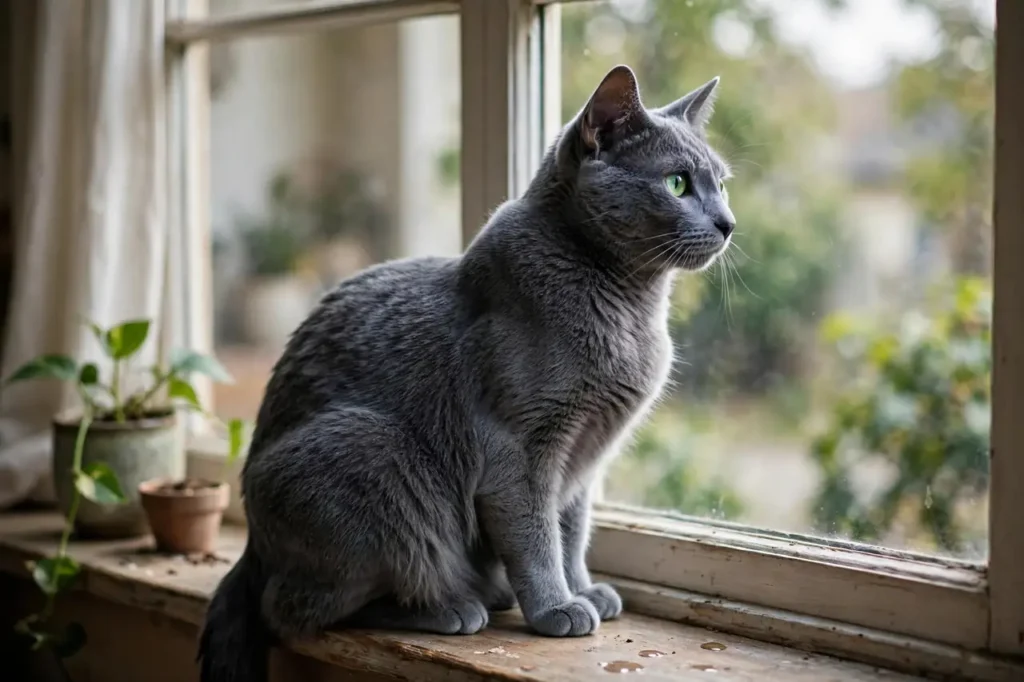
Still deciding? Compare the British Shorthair with the round faced Scottish Fold and the elegant Russian Blue in the guides above, or explore more breeds in our complete cat breed guides.