Ragdoll Cat: Personality, Care, Health, History & Breed Guide
Ragdoll: devoted companion, gentle giant
The Ragdoll cat is gentle, floppy, and devoted: a large blue eyed breed that follows its people from room to room and settles into laps like it was born for the job.
By Emily Carter · Reviewed by our vet team · Updated 21 October 2026 · 9 min read
Lifespan 12–17 yrsWeight 10–20 lbFamously floppy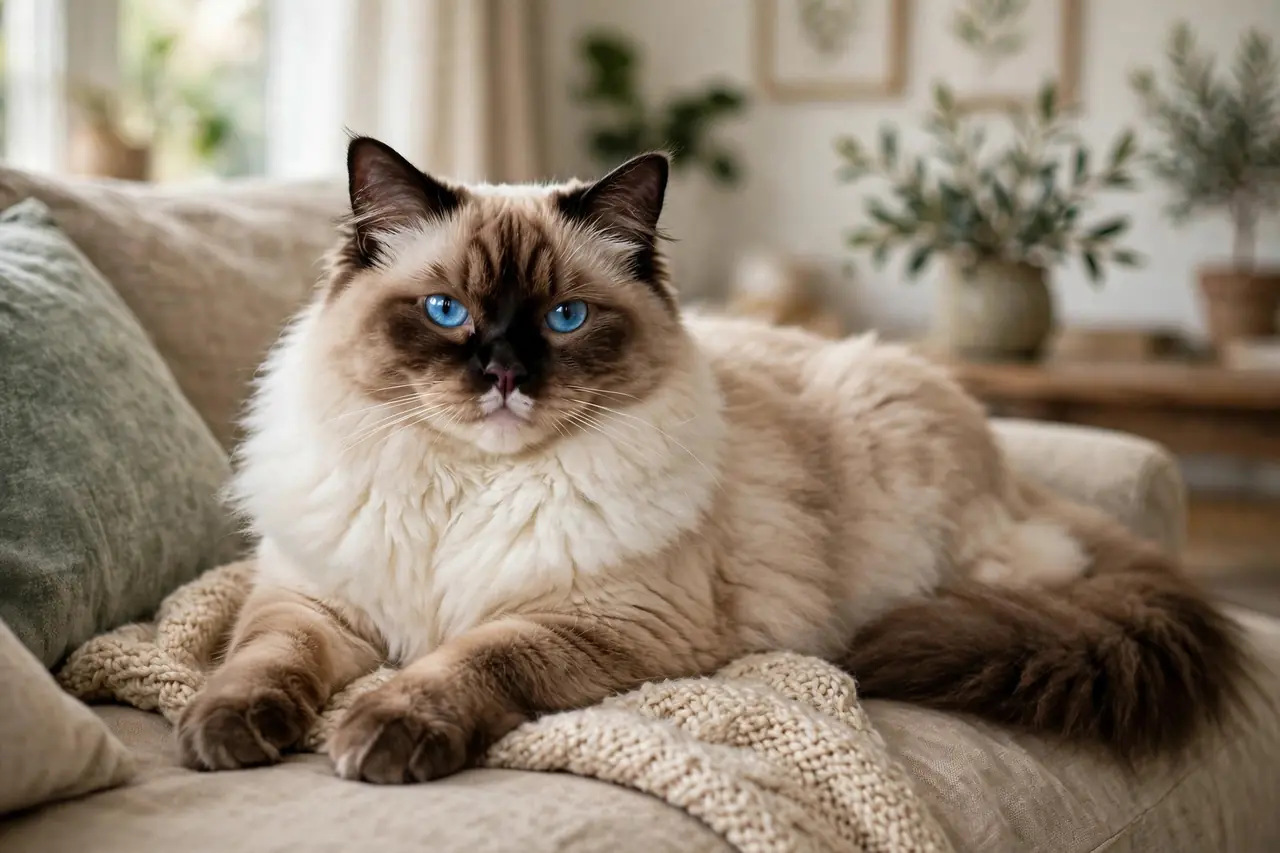
If you want a devoted companion that happens to be a cat, the Ragdoll is hard to beat. This guide covers everything a future owner needs to know about the Ragdoll cat: history, looks, personality, daily care, feeding, grooming, exercise, health, and costs.
At a Glance
Size and Weight
Expect a body length of roughly 17 to 21 inches, not counting the tail, on a long, rectangular body sitting on heavily boned legs. Males typically reach 15 to 20 pounds and females 10 to 15 pounds, which makes Ragdolls among the largest domestic breeds. Height at the shoulder is commonly 9 to 11 inches, and the plume like tail adds considerable overall length.
Coat and Colors
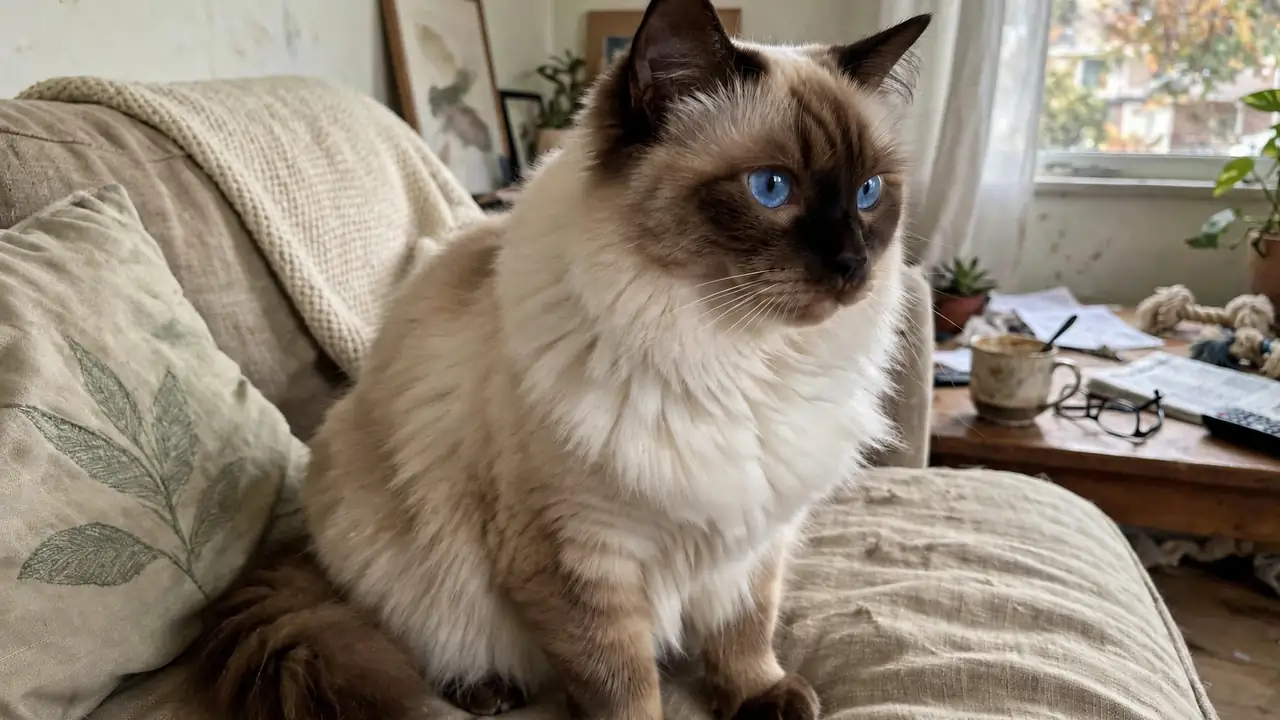
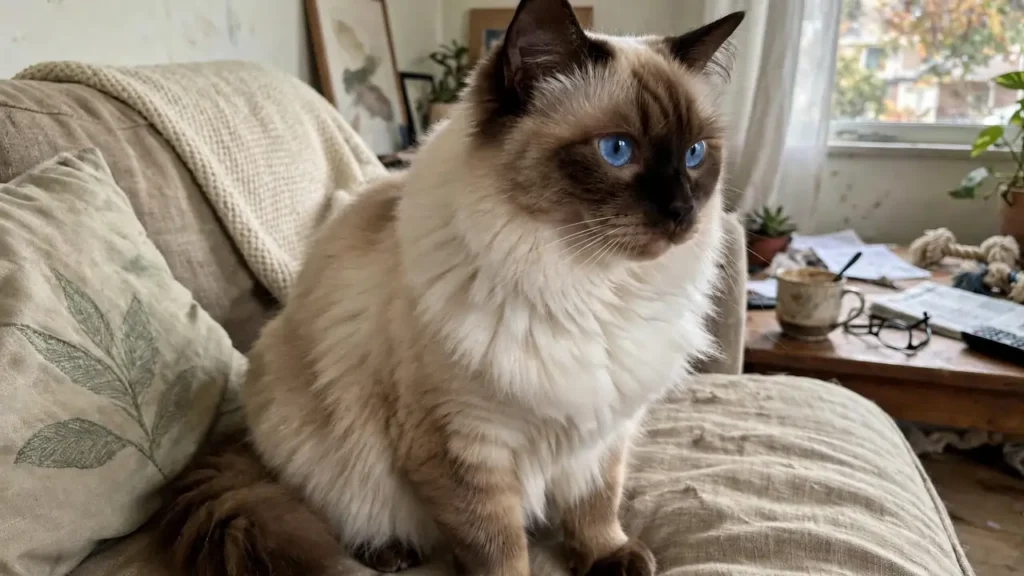
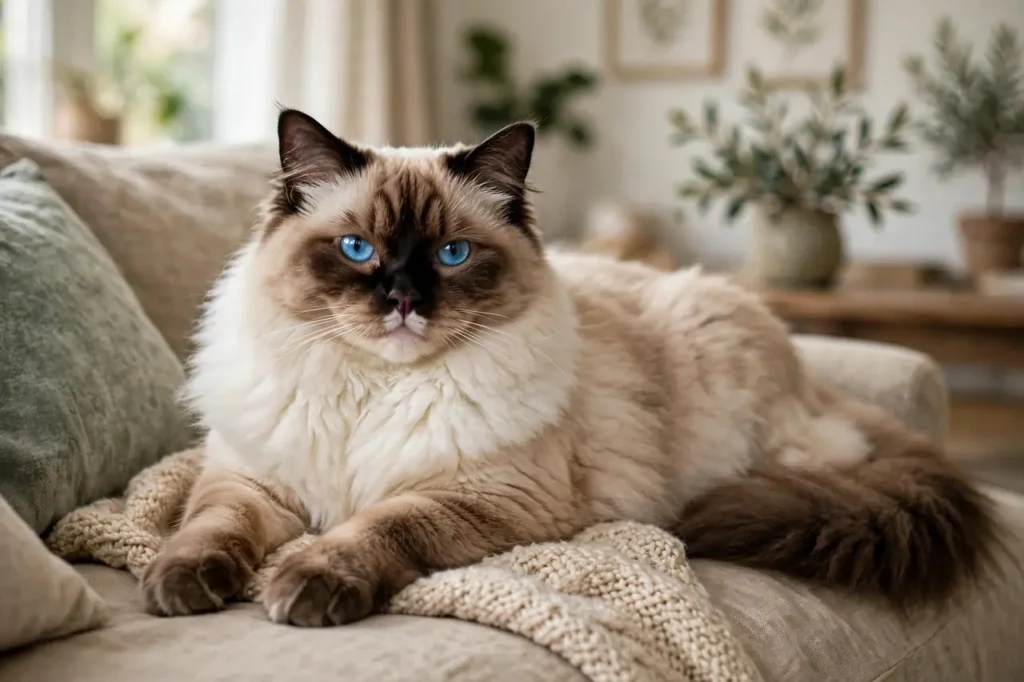
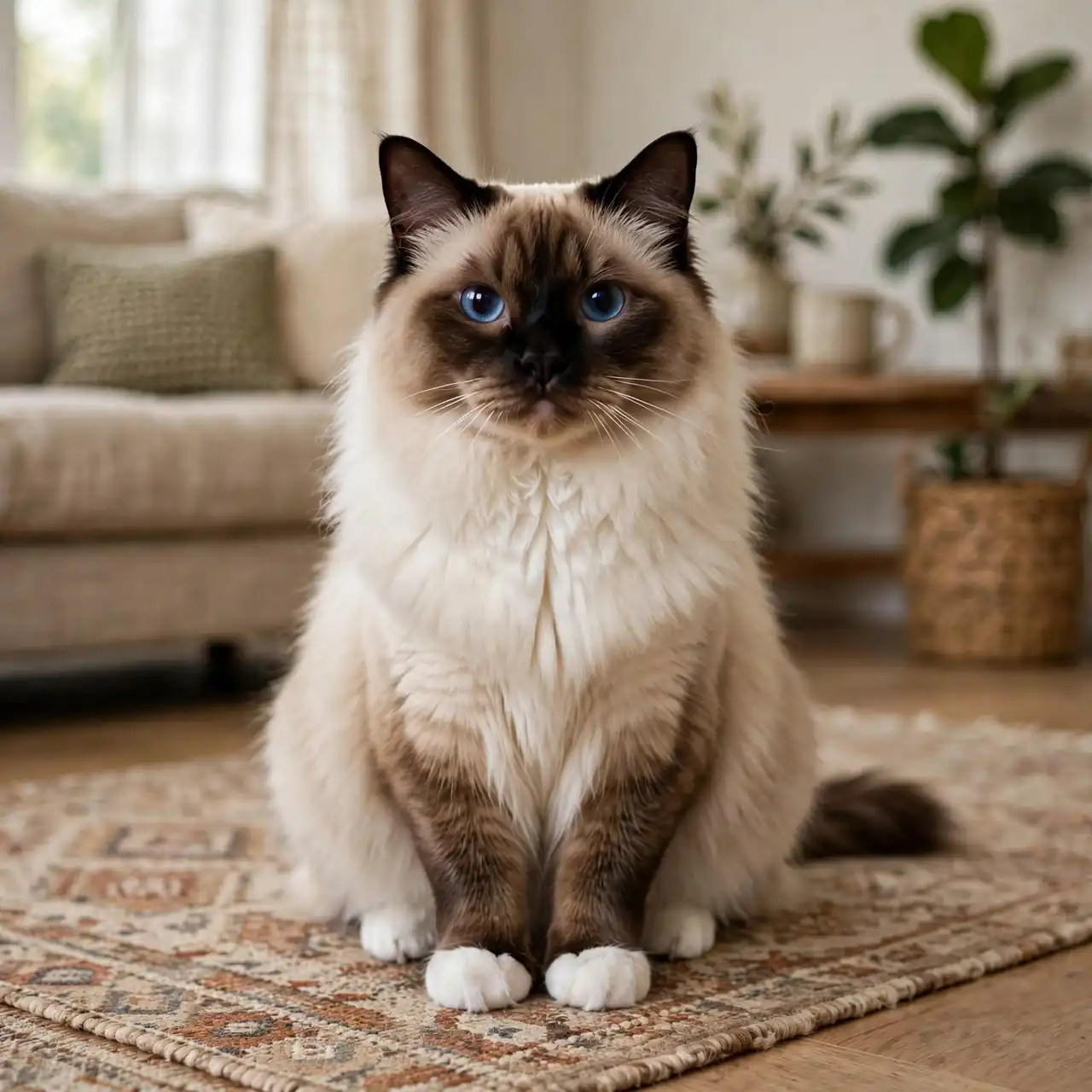
The coat is semilong to long, soft, plush, and silky. Abundant guard hairs with minimal woolly undercoat give it a smooth texture that resists matting better than many longhaired coats. The six accepted point colors are seal, blue, chocolate, lilac, red, and cream, appearing in colorpoint, mitted, and bicolor patterns.
History and Origins
The breed began in Riverside, California in the early 1960s. Ann Baker, a local breeder, started with a pure white longhaired cat named Josephine, who is believed to be the matriarch of the breed.
Baker claimed that Josephine had been hit by a car and treated at a medical center, and that the kittens born after her recovery inherited an unusually limp, loving personality. That claim is folklore, but the floppy temperament is very real.
From Josephine’s line came the Ragdoll: a large, gentle, blue eyed cat devoted to its people, following them from room to room.
The story behind the Ragdoll cat is one of the most colorful in the cat fancy, mixing verified facts with a legend breeders still talk about.
Physical Characteristics
Looks alone would make this breed famous, but its structure is as distinctive as its coloring. This is a large, long, solid cat with heavy boning and firm musculature: the body is rectangular with a full chest, and the hind legs are slightly longer than the front legs. The head is proportionately large with a broad modified wedge shape, a gently rounded muzzle, a strong chin, and large, vivid blue eyes.
Ragdoll Personality and Behavior
The Ragdoll cat is loving without being demanding. Gentle, calm, and sociable, Ragdolls stay close to their people throughout the day: expect yours to greet you at the door and follow you from room to room. This is a famously trainable breed: Ragdolls can learn to come when called, and many learn to play fetch.
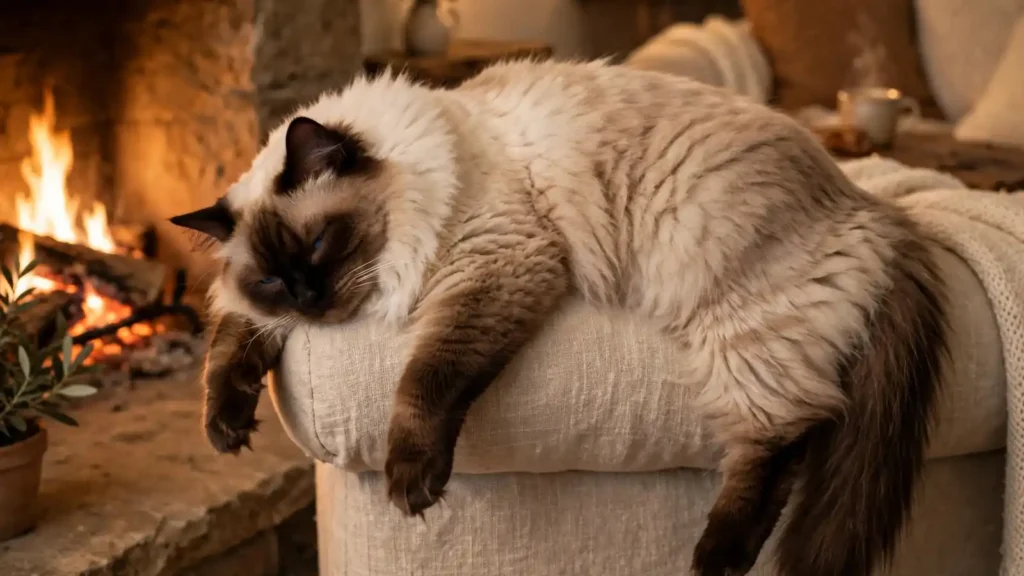
Many Ragdolls relax completely in trusted arms: the tendency to go limp that gave the breed its name.
They wait for their owners to come home, carry toys around, and join in whatever the family is doing.
Patient with children, rarely scratching or biting, and one of the easiest breeds to integrate with other pets.
- Deeply affectionate without being demanding
- Patient and tolerant with children
- Easy to groom for a longhaired breed
- Needs company: unhappy alone for very long hours
- Loves food and gains weight easily
- Too trusting and not streetwise outdoors
Care Essentials
Complete and balanced food suited to age and lifestyle, with measured meals: this breed loves food and can gain weight easily.
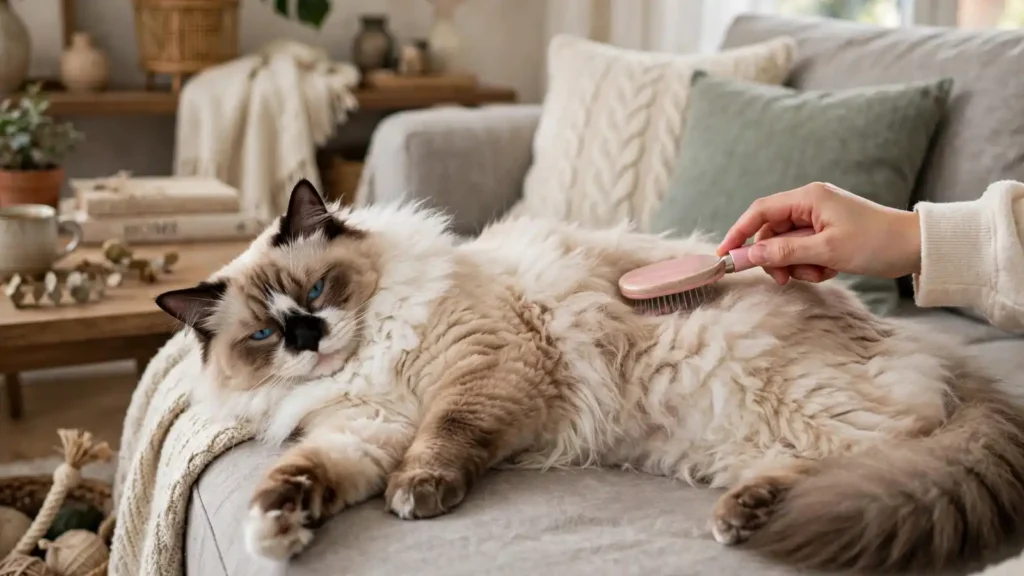
Brush or comb a few times a week. The silky coat resists matting thanks to its minimal woolly undercoat.
At least one focused play session a day: feather wands, fishing rod toys, and games of fetch.
Strictly indoor living with a tall cat tree by a sunny window, puzzle toys, and people around.
Nutrition and Diet
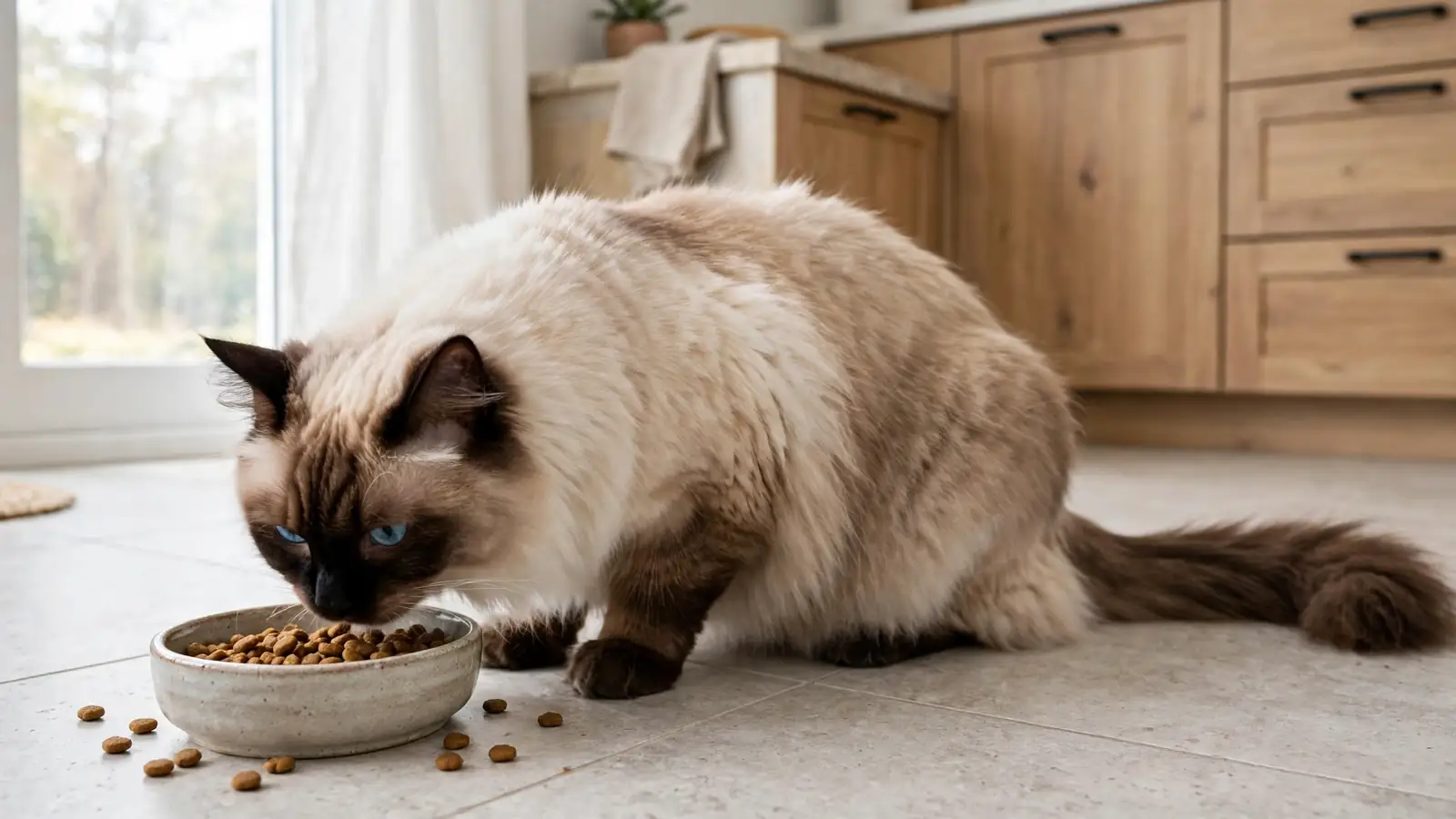
Feeding a Ragdoll well comes down to quality food, sensible portions, and consistency. Choose a complete cat food that meets recognized nutritional standards for your cat’s life stage: kitten, adult, or senior. Portion control matters more than brand debates for this breed: it is known for its love of food, and these cats can become overweight without careful feeding.
Grooming
For a longhaired breed, the Ragdoll is refreshingly easy to groom. The secret is the coat structure: abundant guard hairs with minimal woolly undercoat mean the fur resists matting naturally. A thorough brushing a few times a week is enough for most Ragdolls, using a wide toothed comb or a soft slicker brush, with extra attention to the ruff, the britches, and behind the ears.
Exercise and Enrichment
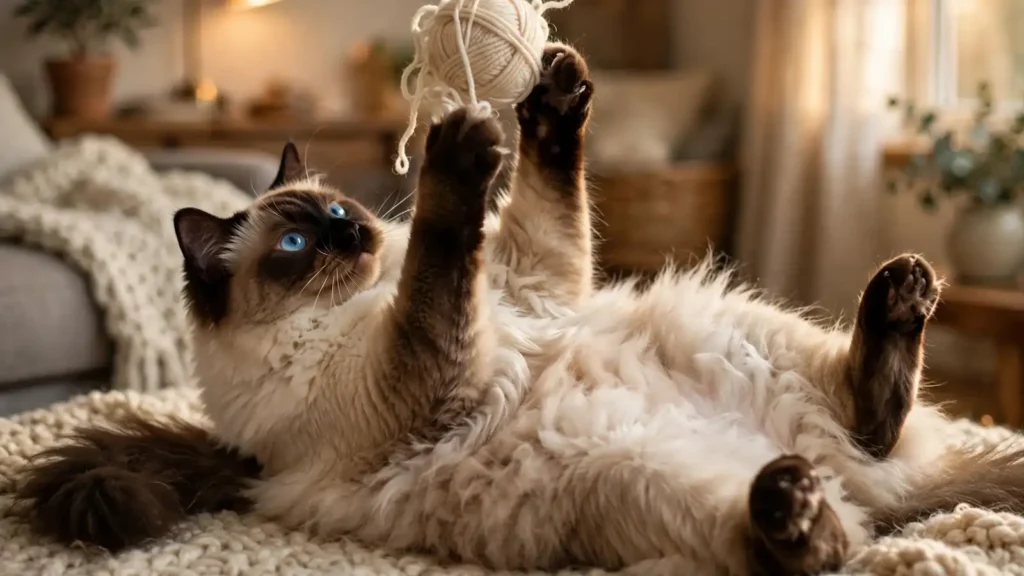
The Ragdoll will not demand a workout, but it still needs daily activity to stay fit. Aim for at least one focused play session each day: interactive toys such as feather wands and fishing rod toys bring out the hunter in a gentle way, and many ragdolls genuinely enjoy a game of fetch. Food puzzle toys slow down enthusiastic eaters and engage the brain between sessions.
Health
The Ragdoll is a generally healthy breed with a diverse genetic background, and responsible breeding has kept it that way. Regular veterinary care, an indoor lifestyle, and careful weight management all support a long life.
Hypertrophic cardiomyopathy, in which the heart muscle becomes abnormally thick and cannot beat effectively, is the hereditary condition most associated with the breed. DNA testing exists, and breeding cats should be screened.
Polycystic kidney disease: responsible breeders screen breeding cats for PKD as well as HCM, and share the results openly.
Beyond inherited disease, weight is the everyday health topic for this breed. A Ragdoll loves food and can become overweight easily, which strains joints and organs over time.
Indoor and Outdoor Living
The safest home for a Ragdoll cat is an indoor one. This breed is famously trusting: Ragdolls approach strangers readily, show little fear, and are not particularly streetwise. Indoors does not mean boring: a tall cat tree by a sunny window, daily play sessions, and puzzle toys give your cat plenty of stimulation, and a secure catio or enclosed garden offers safe fresh air.
Family Suitability
Few breeds slot into family life as smoothly as the Ragdoll. With children, Ragdolls are patient, gentle, and tolerant: they rarely scratch or bite, and they go with the flow when household routines change. With other pets, this is one of the easiest breeds to integrate, getting along well with other cats and with cat friendly dogs.
Finding a Breeder or Rescue
Whether you choose a breeder or a rescue, take your time and do your homework. From a reputable breeder, expect to pay roughly $1,200 to $2,300 for a pet quality kitten, with show quality or rare colors sometimes costing more. Look for a breeder who health tests and shares the results openly, and ask direct questions about breeding experience and health guarantees.
- Ask for HCM and PKD screening results for both parents
- Ask to see the parents and the living conditions
- Kittens should be raised in a home environment
- A good breeder asks you questions too, about your home and lifestyle
Quick Quiz: Is a Ragdoll Right for You?
Answer four questions. Tap yes or no.
Ragdoll vs Birman
The Ragdoll shares traits with several other breeds, and knowing the differences helps you choose well.
Frequently Asked Questions
Are ragdoll cats good for beginners?
Yes. The Ragdoll is easygoing, affectionate, and forgiving, which makes it a great match for less experienced owners. Just be ready for the grooming that comes with a long coat and the companionship this breed expects.
Do ragdoll cats really go limp when you pick them up?
Many do. The tendency to relax completely in trusted arms gave the breed its name. Not every individual flops dramatically, but most ragdoll cats are notably loose and trusting when held.
How big do ragdoll cats get?
Males typically reach 15 to 20 pounds and females 10 to 15 pounds, with a body length of 17 to 21 inches plus the tail. They are among the largest domestic breeds and keep maturing until about age four.
How long do ragdoll cats live?
The typical lifespan is 12 to 17 years. Indoor living, portion controlled feeding, regular vet care, and attention to heart health all support longevity.
The Ragdoll is an outstanding match for people who want a deeply affectionate, gentle, and sociable companion. You will love this breed if you work from home or have family around during the day, and enjoy a cat that follows you and joins in.
Similar Breeds Worth Exploring
Related Breed Guides
- Birman Cat Breed Guide
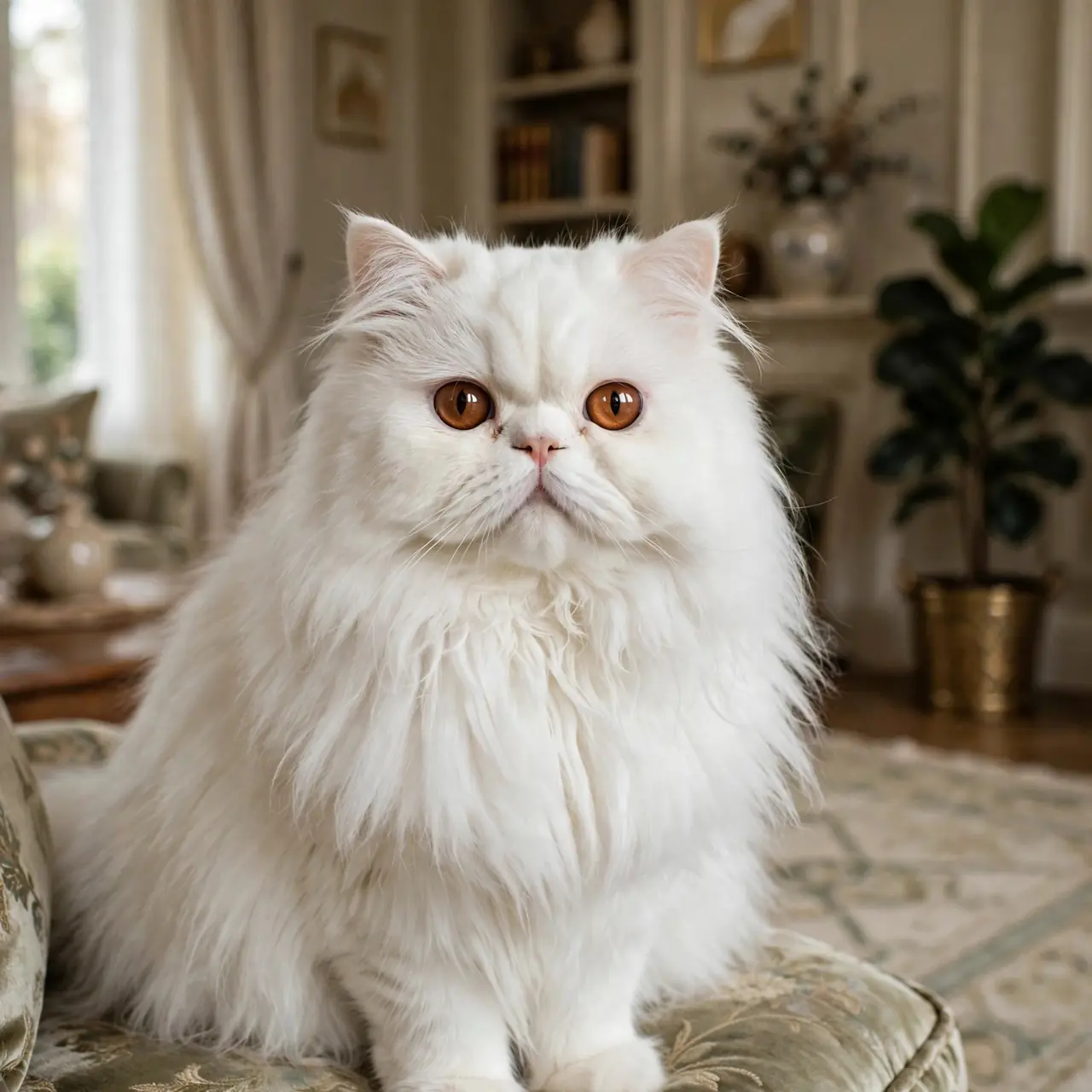
- Persian Cat Breed Guide
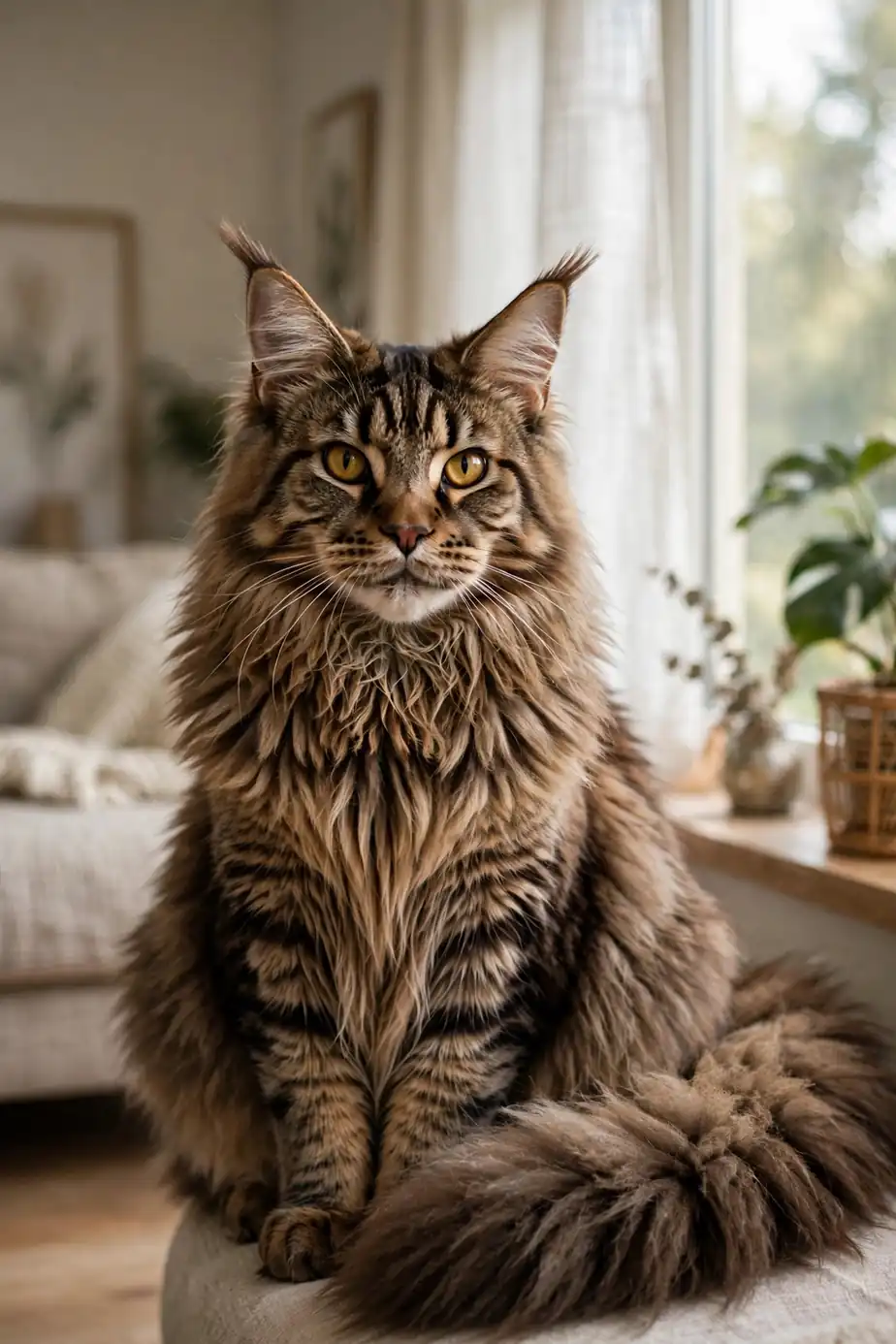
- Maine Coon Cat Breed Guide
- Ragamuffin Cat Breed Guide
- Himalayan Cat Breed Guide
Keep Exploring
Still deciding? Compare the smaller, gloved Birman, or meet the other gentle giant, the Maine Coon. Every guide on this site follows the same layout, so the facts you need are always in the same place.