Siamese Cat: Personality, Care, Health, History & Breed Guide
Siamese: famous voice, fierce devotion
The Siamese cat is just as famous for its voice as for its striking blue eyes and pointed coat: talkative, social, and intensely devoted to its people.
By Emily Carter · Reviewed by our vet team · Updated 21 October 2026 · 9 min read
Lifespan 10–15+ yrsWeight 8–15 lbFamously vocal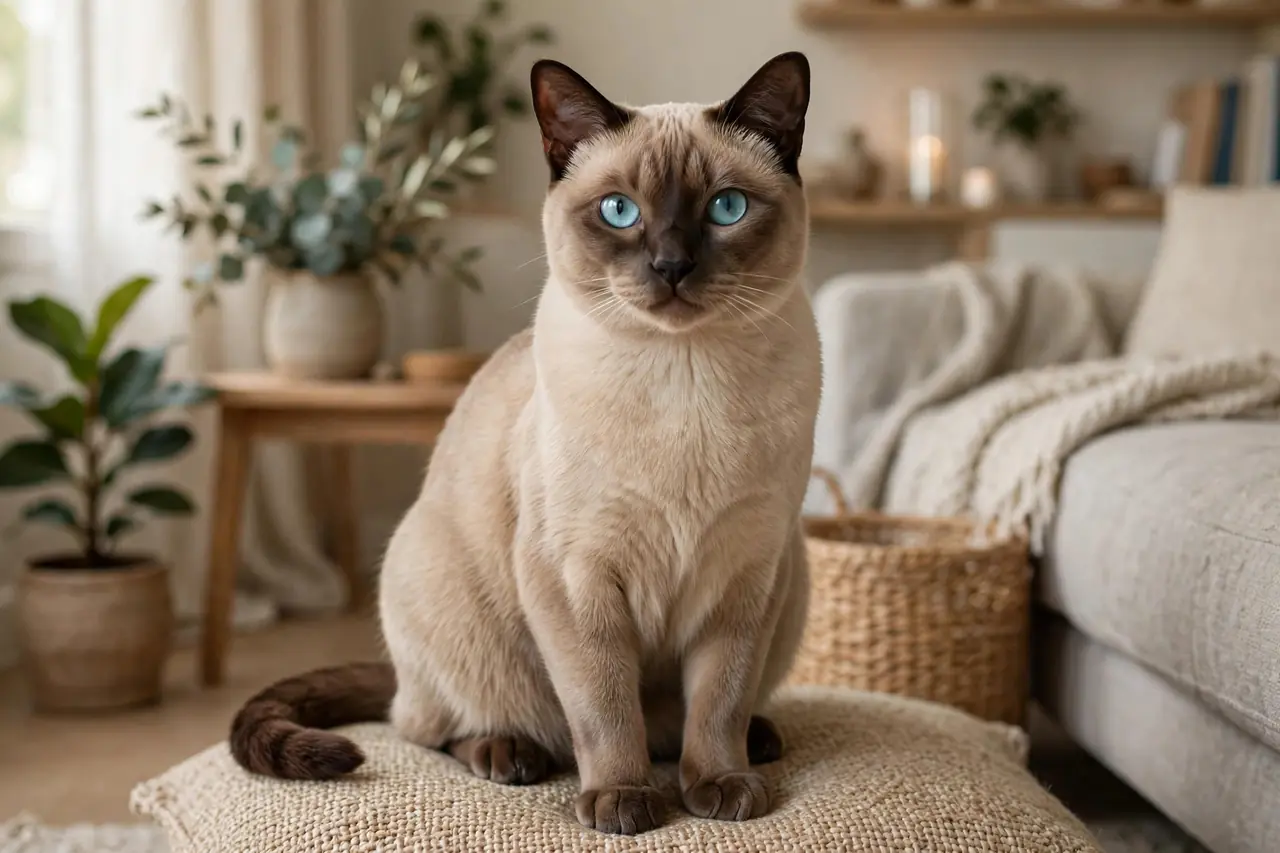
Few cats are as instantly recognizable as the Siamese cat. The pale body, dark points, deep blue eyes and loud voice make this one of the most famous breeds in the world. This guide covers the Siamese in full: history, looks, personality, daily care, health, and cost.
At a Glance
Size and Weight
Most sources place the adult Siamese cat between 8 and 15 pounds, with males usually larger than females; some lines run a little lighter, around 7 to 13 pounds. Whatever the exact number, these are slender, fine boned cats, medium in size overall, standing roughly 8 to 10 inches tall at the shoulder, with long lines that can make them look larger than they are.
Coat and Colors
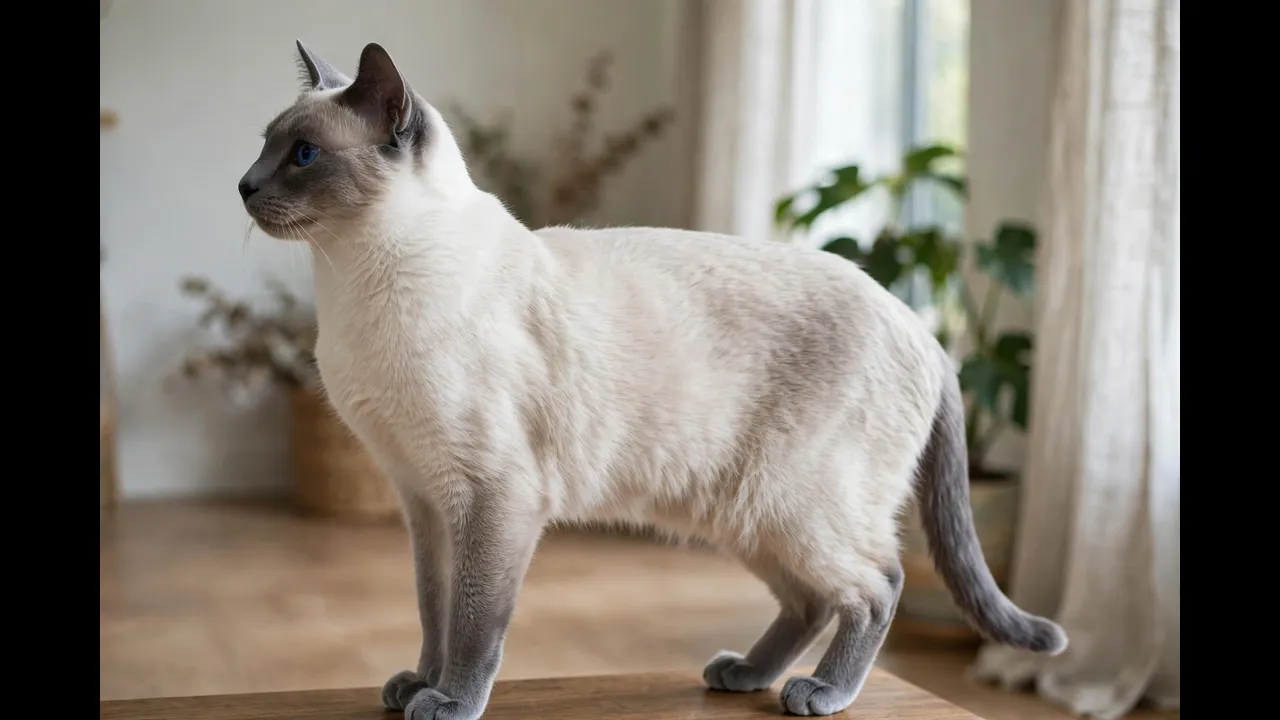
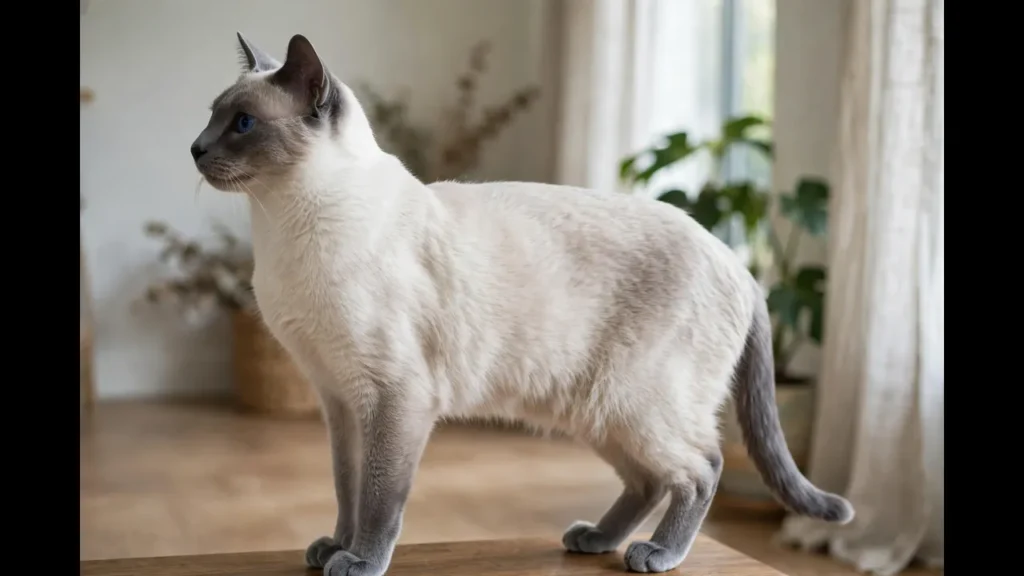
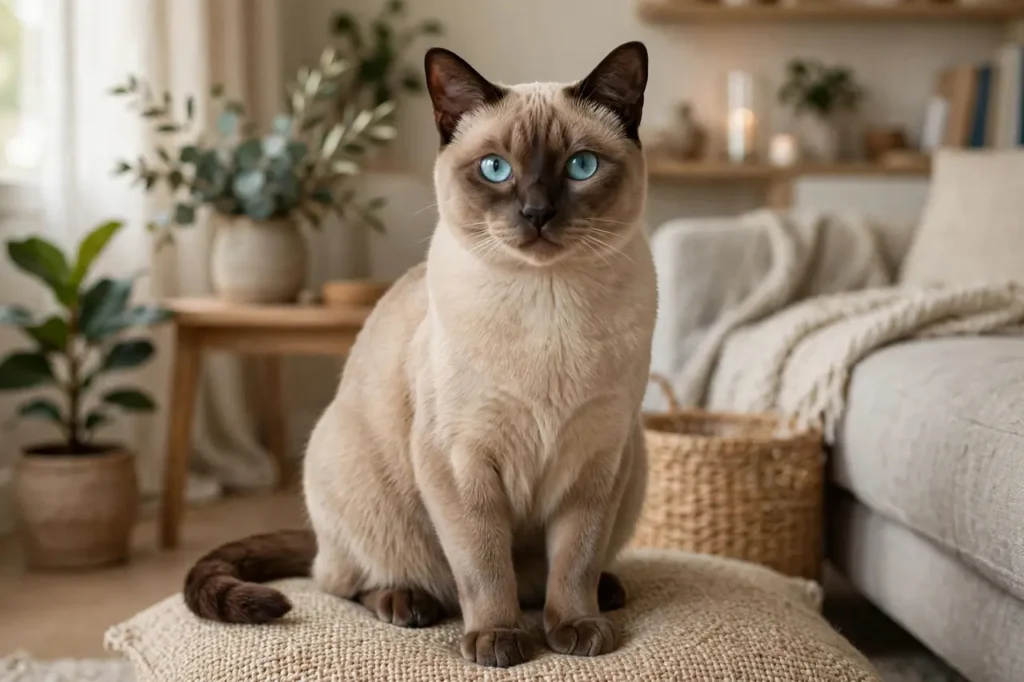
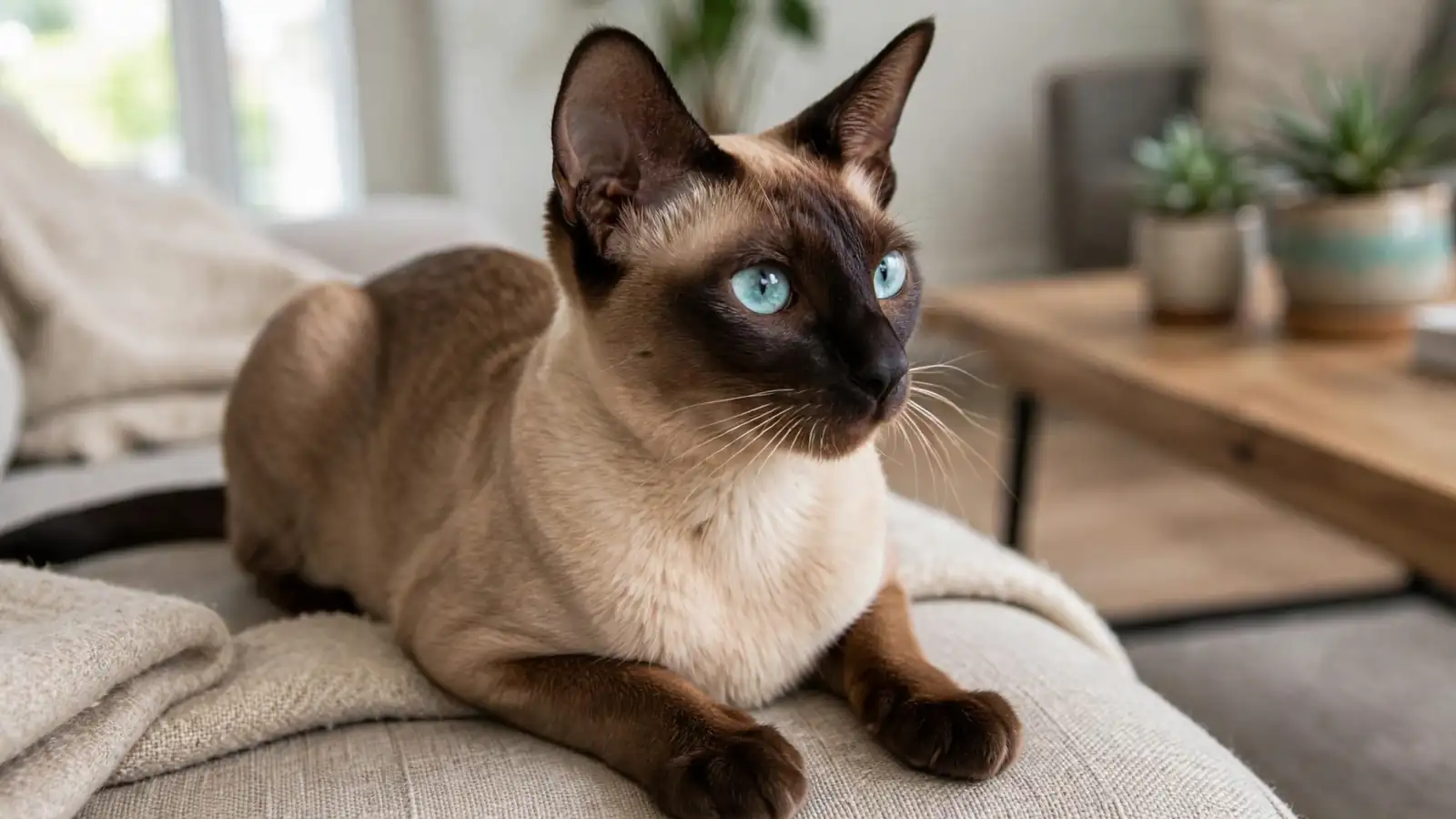
The coat is short, fine in texture, glossy and lying close to the body, with no heavy undercoat and low shedding. The defining feature is the pointed pattern: a pale, even body color with dense, clearly defined darker color on the mask, ears, legs, feet and tail. The four original point colors are seal, chocolate, blue and lilac, with a wider range accepted elsewhere.
History and Origins
The breed was first described in the Tamra Maew manuscripts, also known as The Cat Book Poems, which were compiled during the Ayutthaya Kingdom between 1351 and 1767.
When European dignitaries began visiting Siam in the 1800s, members of the Siamese royal family started offering these cats as gifts.
The breed made its debut in Europe in 1871 at the Crystal Palace Cat Show, and went on to become one of the most famous breeds in the world.
Few breeds can match the Siamese for a history that is both ancient and well documented. The story begins in Siam, the country we now call Thailand.
Physical Characteristics
The Siamese is a study in long, elegant lines: nothing about the modern show type is round. The body is medium in size, graceful, long and svelte, with fine bones and firm muscle. The head is a long tapering wedge with a flat skull and a long, straight nose, and the ears are strikingly large and pointed, set wide at the base and continuing the straight lines of the wedge.
Siamese Personality and Behavior
Ask any Siamese owner what stands out most and the answer is almost always the same: the voice. These cats talk all day and night, expressing every opinion in a loud, low pitched voice. Underneath the noise is a deeply affectionate and social animal, often described as the most people focused of all cat breeds, with a loyalty and desire for involvement more often associated with dogs.
A loud, low pitched voice and a habit of talking all day and night earned the breed the nickname Meezer.
Deeply affectionate and social, with a loyalty and desire for involvement that is more often associated with dogs.
Highly intelligent and playful well into adulthood: they learn tricks, play fetch, and can be trained to walk on a lead.
- Intensely devoted and affectionate
- Highly intelligent and trainable
- Very low shedding, minimal grooming
- Loud: expect commentary all day
- Prone to separation anxiety
- A bored Siamese is a mischievous Siamese
Care Essentials
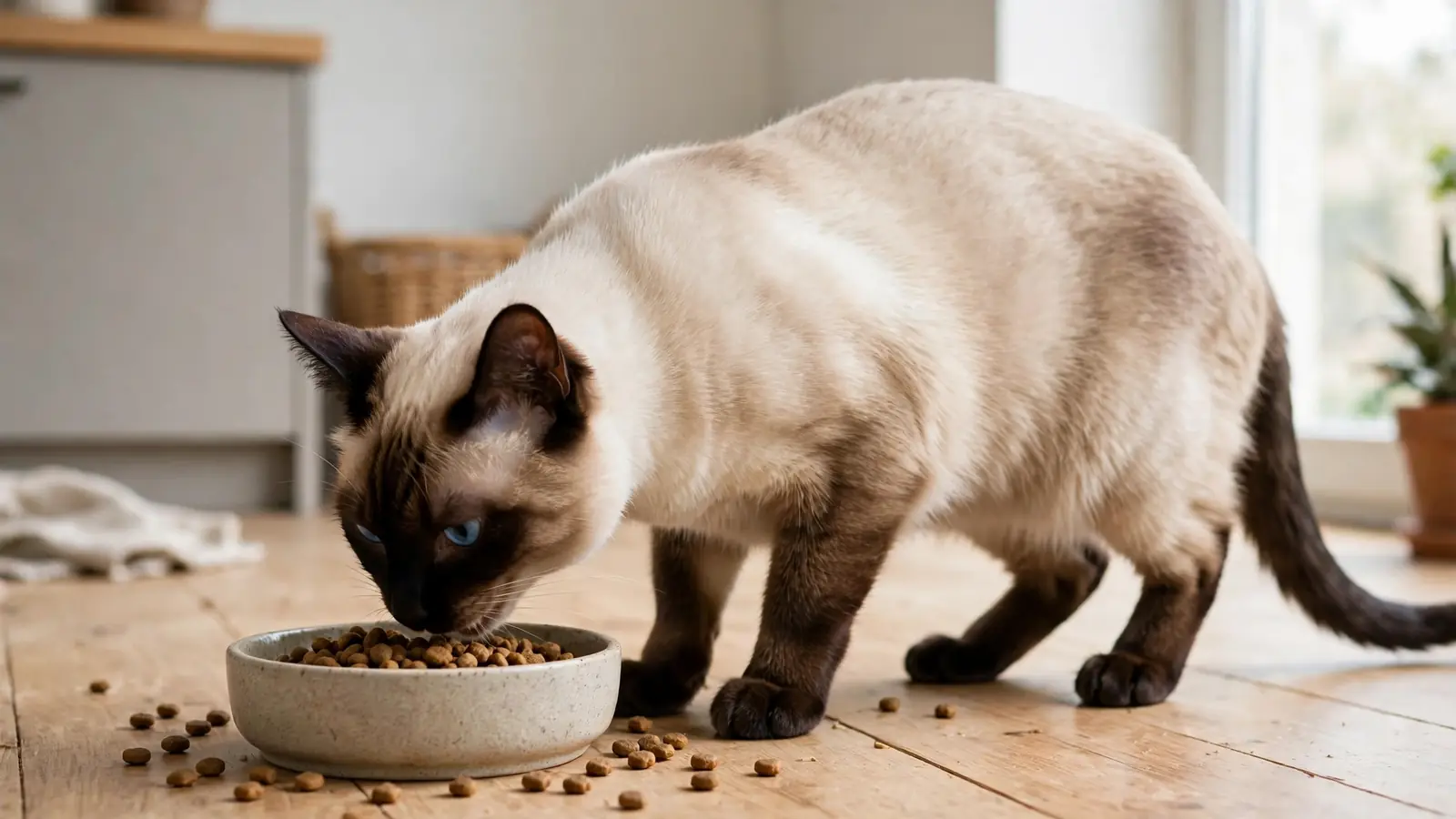
High quality food matched to life stage, with strict portion control: weight gain shows quickly on the lean frame.
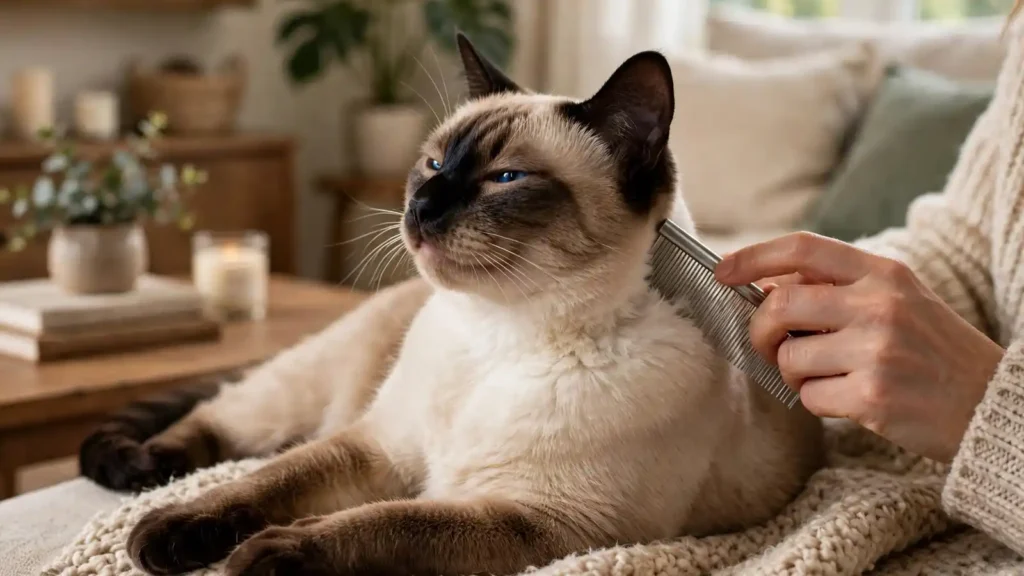
A weekly combing is enough for most cats, and most Siamese genuinely enjoy the attention.
Interactive play sessions every day, plus puzzle feeders and games of fetch: Siamese want their people to join in.
The biggest care requirement is your time. A lonely Siamese is an unhappy Siamese, and many owners keep two.
Nutrition and Diet
The Siamese has no special nutritional needs beyond what any cat requires, but portion control matters more than usual: weight gain shows quickly on the long, muscular body. Feed adult Siamese at least twice a day, kittens three or four times, and always provide fresh, clean water.
Grooming
Grooming a Siamese cat is one of the easiest parts of owning the breed. The short, single layer coat rarely mats and sheds very little, and a weekly combing is enough for most cats. Beyond the coat, trim the nails regularly, clean the ears weekly with a warm, damp cloth, and keep up dental care.
Exercise and Enrichment
The Siamese cat is an active, athletic breed with a busy mind, and it needs daily outlets for both. These are great jumpers that love heights, so tall perches and sturdy cat trees are close to essential. Interactive play sessions matter more than passive toys, and a bored Siamese will invent its own entertainment, from opening cabinets to holding loud conversations at full volume.

Health
The Siamese cat is generally a robust and healthy breed, and many live well into their teens. Still, like every purebred cat, the breed has some known predispositions worth understanding.
Progressive retinal atrophy: an inherited eye disorder in which part of the eye degenerates, and it can lead to blindness. It is caused by a recessive gene and DNA testing is available, so responsible breeders test for it.
A disease of the lower airways seen in the breed. Coughing and laboured breathing are signs to raise with your vet promptly.
Mucopolysaccharidosis and gangliosidosis GM2: rare inherited storage diseases affecting growth and the nervous system. Ask breeders about screening in their lines.
Indoor and Outdoor Living
The Siamese is best kept as an indoor cat: their vision is less acute than that of many breeds, which is one more reason to keep them inside. Life indoors does not have to be boring: a tall cat tree by a sunny window, puzzle feeders, rotating toys and regular play sessions give an indoor Siamese everything it needs. For outdoor time, keep it controlled: a secure enclosure or a leash walk, never free roaming.

Family Suitability
The Siamese cat is a family oriented breed: they love people of all ages, including children, cat-friendly dogs and other cats, and they thrive on attention and affection. Most Siamese are playful and tolerant with children, and because the breed dislikes being alone, a second animal in the home is often a genuine help.
Finding a Breeder or Rescue
Whether you choose a breeder or a rescue, take your time: a Siamese cat can share your home for 15 to 20 years, so the search is worth doing properly. The price from breeders runs roughly $600 to $1,200, with show quality cats costing more. Look for breeders who follow a written code of ethics, and ask about health screening in their lines, including DNA testing for progressive retinal atrophy.
- Ask about health screening, including DNA testing for PRA
- Ask to see the parents and the living conditions
- Kittens should be raised in a home environment
- Points develop over the first weeks: ask to see the parents for the adult look
Quick Quiz: Is a Siamese Right for You?
Answer four questions. Tap yes or no.
Siamese vs Balinese
The Siamese has directly shaped several close relatives, so shoppers often compare them. Here is how the closest relative differs.
Frequently Asked Questions
Are they good pets?
Yes, for the right household. The Siamese personality is sociable and highly intelligent, similar to that of a dog, making them excellent pets for owners who enjoy spending time and playing with their cats. They are less suited to people who are away from home all day or who prefer a quiet, independent cat.
Are they hypoallergenic?
Not truly. The Siamese are not less allergenic, and no cat breed is completely free of allergens. The short coat does shed very little, which some allergy sufferers find easier to live with, but sensitive individuals should spend time with the breed before committing.
How long do they live?
The siamese cat lifespan is typically 10 to 15 years, with many living 15 to 20 years or more. The breed tends to outlive the average cat, and some Siamese have been known to pass 20.
Do they meow a lot?
Yes. They are among the most vocal of all breeds, with a loud, low pitched voice. Expect commentary throughout the day, especially when they want attention, food or entertainment.
The Siamese cat is a wonderful match for people who are home often and want a deeply interactive pet: a cat that chooses you back, completely and loudly. It is a poor match for quiet households and for people who are away all day.
Similar Breeds Worth Exploring
Related Breed Guides
- Tonkinese Cat Breed Guide
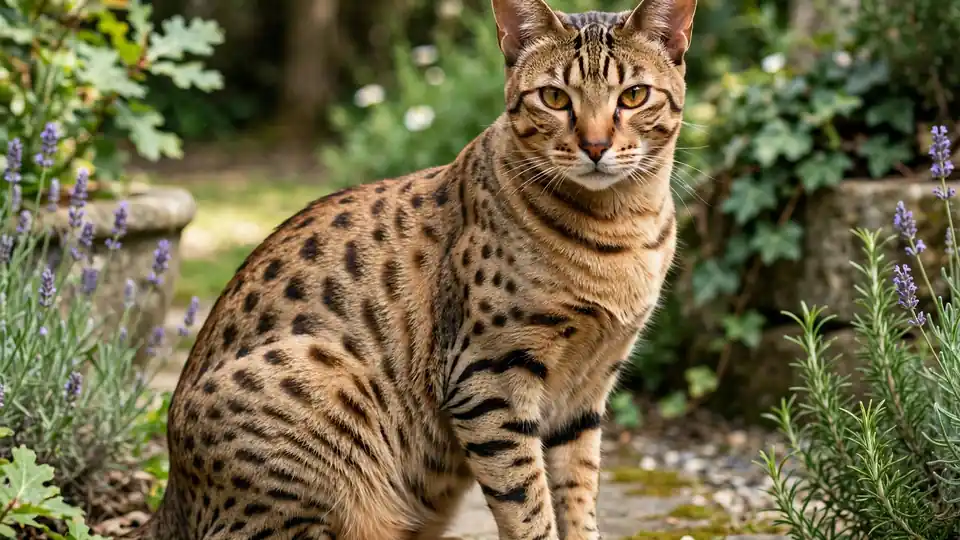
- Ocicat Cat Breed Guide
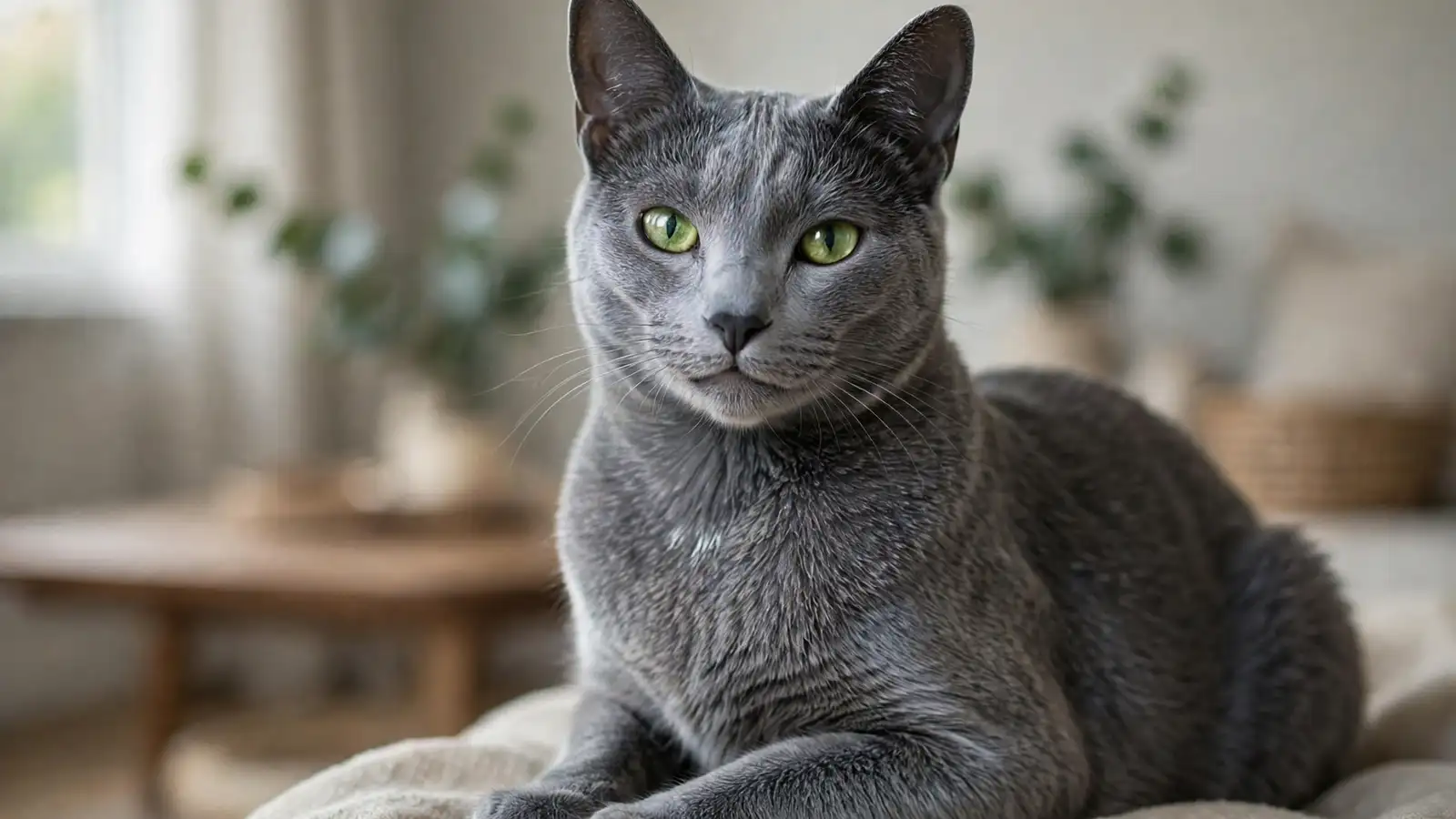
- Russian Blue Cat Breed Guide
- Thai Cat Breed Guide
- Khao Manee Cat Breed Guide
- Snowshoe Cat Breed Guide
- Havana Brown Cat Breed Guide
Keep Exploring
Still deciding? Meet the softer voiced Tonkinese, or the quiet, reserved Russian Blue. Every guide on this site follows the same layout, so the facts you need are always in the same place.