Kemp’s Ridley Sea Turtle: Smallest Turtle, Day Nesting
Kemp’s Ridley Sea Turtle: Smallest Turtle, Day Nesting
The Kemp’s ridley sea turtle is the smallest sea turtle in the world, the rarest, and the only one that nests in broad daylight. It lives almost entirely in the Gulf of Mexico, comes ashore in the daytime arribada at a single Mexican beach, and came closer to extinction than any other sea turtle — then came back, one protected nest at a time.
By Emily Carter · Reviewed by our vet team · Updated 10 November 2026 · 8 min read
Smallest sea turtleRarest sea turtleOnly day nester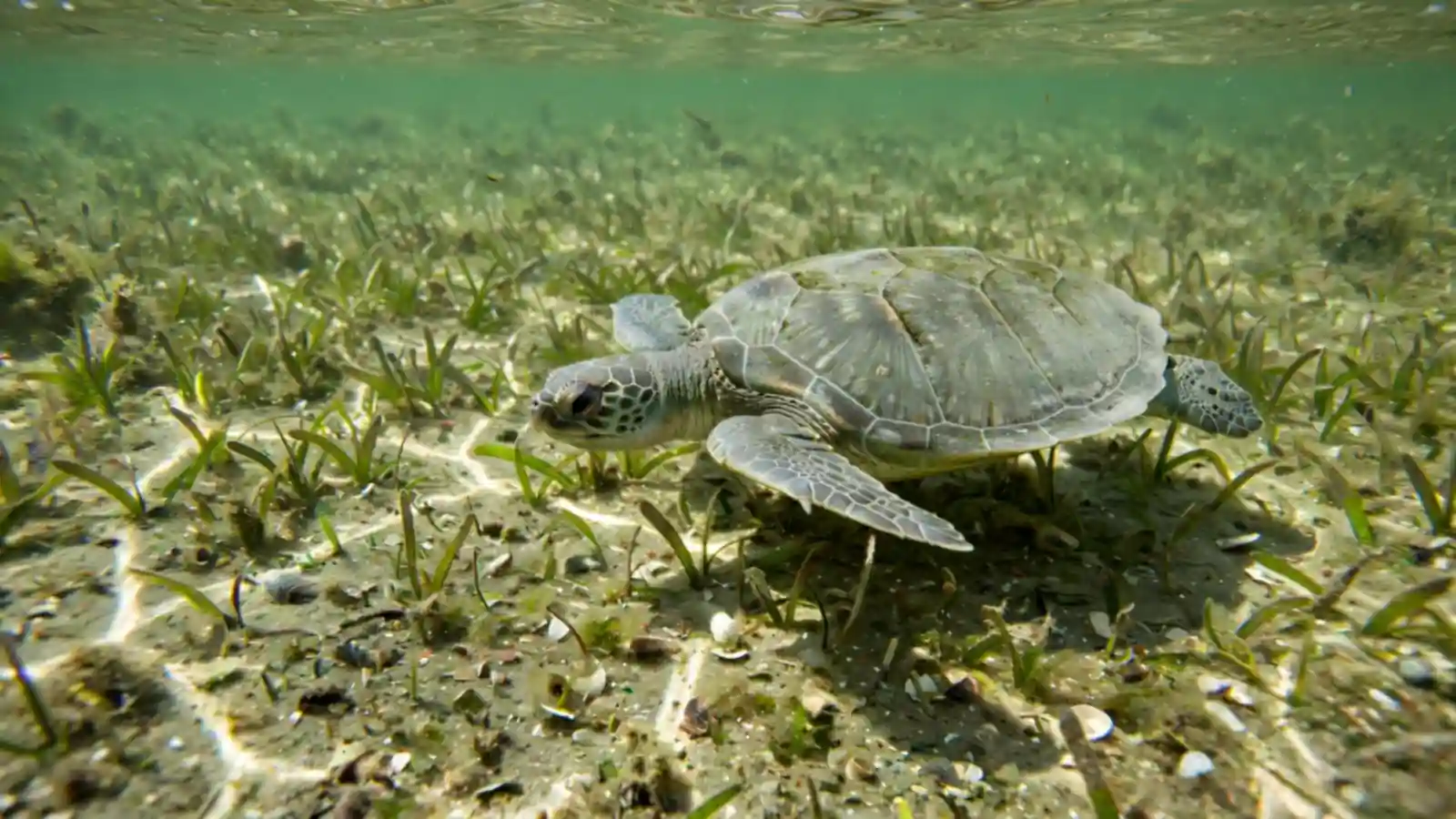
At a Glance
The Kemp’s ridley sea turtle is the smallest and rarest of all the sea turtles, and it breaks the family rules in almost every way. It nests by day, when every other sea turtle nests by night. It gathers in arribadas like its cousin the olive ridley, but on one beach — Rancho Nuevo in Mexico — rather than many. And it came closer to vanishing than any other sea turtle: in 1985, only 702 nests were counted, laid by fewer than 250 females.
What Is a Kemp’s Ridley Sea Turtle?
The Kemp’s ridley is a small, grey-green sea turtle with a round, almost circular shell, named after Richard Kemp, a Florida fisherman who sent the first specimen to science in 1906. Its scientific name is Lepidochelys kempii, and it is the Atlantic twin of the olive ridley sea turtle, its Pacific cousin. The two ridleys are the only sea turtles that nest in arribadas, and the Kemp’s ridley is the smaller and rarer of the pair.

It is a turtle of one sea. Almost the whole population lives in the Gulf of Mexico, feeding in the shallow coastal waters off Texas, Louisiana and Mexico, and nesting almost entirely on a single stretch of Mexican beach. A few wanderers reach the Atlantic coast of the United States and even Europe, carried by currents, but the species’ heart is the Gulf — which is also why one disaster in the Gulf, like an oil spill, can threaten the whole species at once.
Kemp’s Ridley Sea Turtle Size: The Smallest Turtle
An adult Kemp’s ridley measures 58 to 70 centimetres across the shell and weighs 36 to 45 kilograms, with the largest animals reaching about 75 centimetres and 50 kilograms. That makes it the smallest of all the sea turtles — smaller even than the olive ridley, its closest relative, and far smaller than the green turtle or the loggerhead, which can be twice as long and four times as heavy.
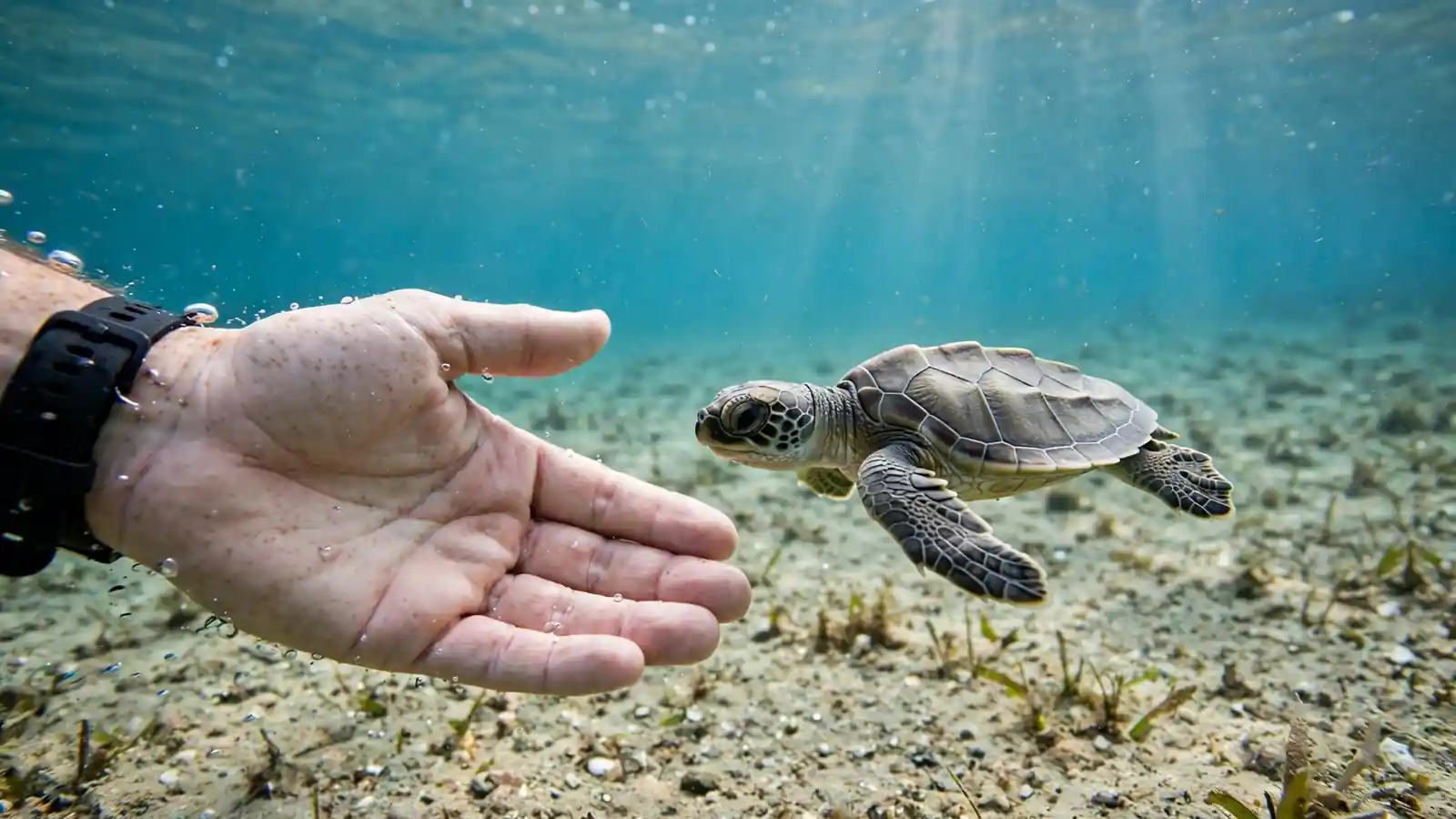
The shell is round and grey-green, almost circular when seen from above, and the head is small with a hooked beak. Hatchlings are dark grey-black and only about 4 centimetres long, and they grow slowly: the species takes around 10 to 15 years to mature. The small size is part of the turtle’s story — a small turtle in a small sea, with nowhere else to go.
Kemp’s Ridley Sea Turtle Range: A Gulf of Mexico Turtle
The Kemp’s ridley lives in the Gulf of Mexico and almost nowhere else. Adults feed in the shallow coastal waters of the western Gulf, over muddy and sandy bottoms where crabs are plentiful, and the young drift in the open Gulf and the western Atlantic. The nesting beaches are even more concentrated: nearly all of them are at Rancho Nuevo in Tamaulipas, Mexico, with a second, smaller nesting colony on Padre Island in Texas, built up by decades of moving eggs and hatchlings there.
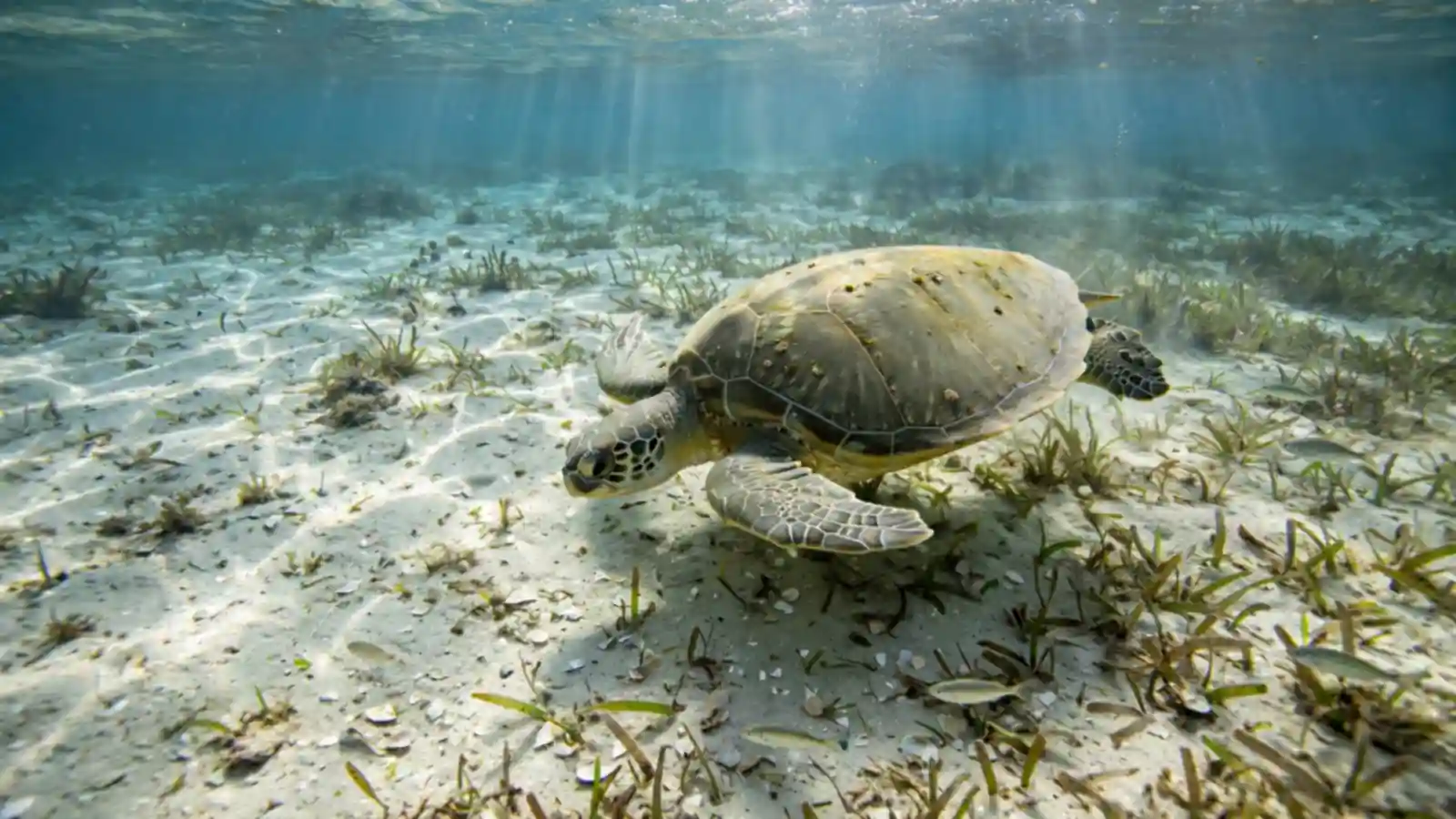
That concentration is the species’ greatest weakness. A single oil spill, a single hurricane season, or a single bad year on the nesting beach can hit a large share of the whole population at once. The 2010 Deepwater Horizon spill in the Gulf was exactly that kind of event, and it is still studied as a case study in how a single-species disaster unfolds. The recovery since then has been real but slow, and the population is still a long way from safe.
Daytime Nesting: The Only Sea Turtle That Nests by Day
Every other sea turtle nests at night. The Kemp’s ridley nests in the day — the only sea turtle that does. The females come ashore in the morning, in the light, digging their nests and laying their eggs while the sun is up, and they do it together, in arribadas that can bring hundreds of females to the beach on a single day.
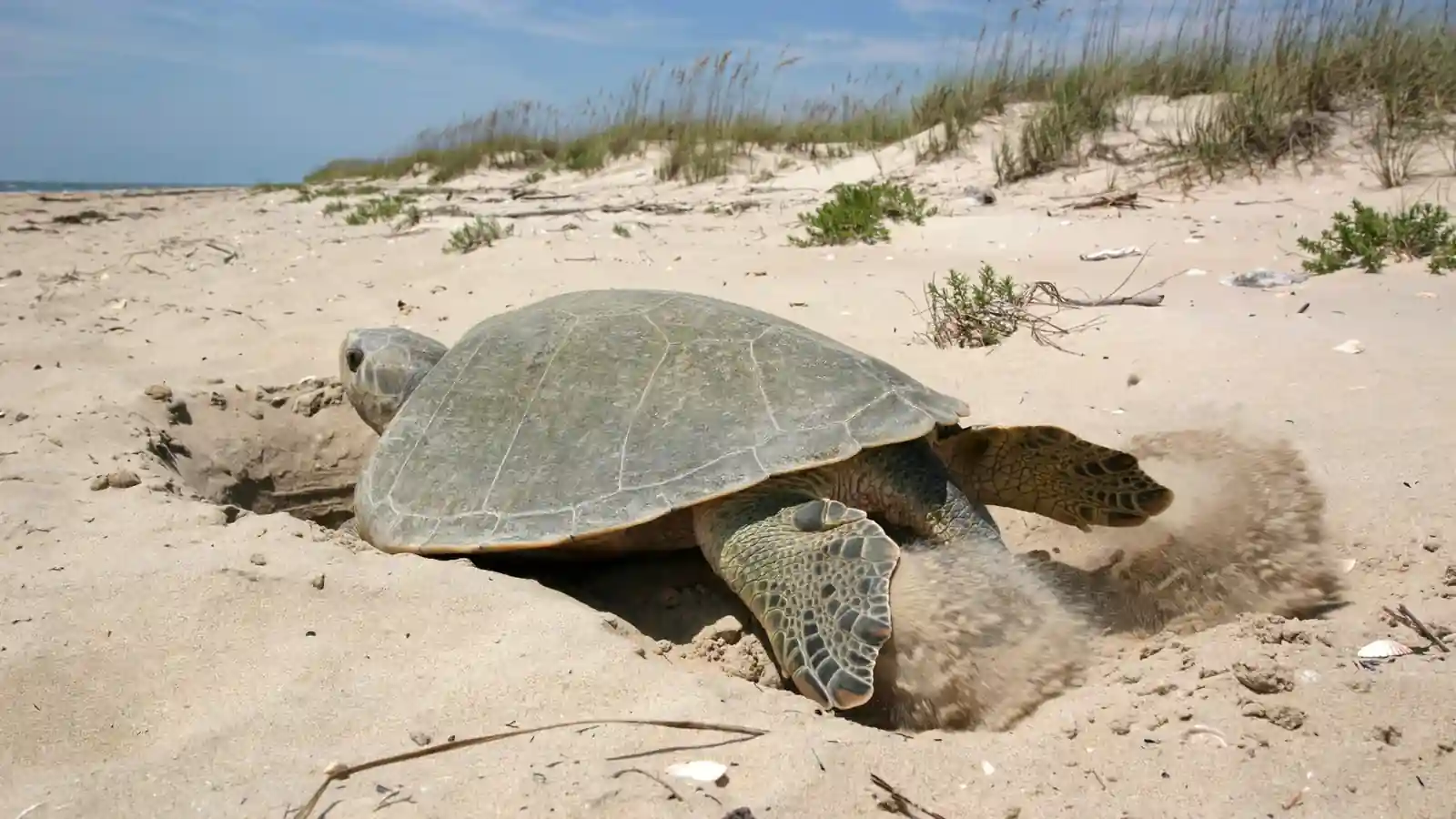
Why the daytime habit exists is still debated. One idea is that it is a leftover from the species’ history, a trait the ridleys kept while other turtles went nocturnal. Another is that nesting by day lets the females use the wind: Rancho Nuevo’s strong onshore winds may help them find the beach and may cool the sand. Whatever the reason, the daylight nesting is what makes the Kemp’s ridley famous — and what makes it easy to protect, because rangers can watch the whole event in daylight.
The Kemp’s Ridley Arribada at Rancho Nuevo
The arribada at Rancho Nuevo is the Kemp’s ridley’s great event. Over the nesting season, from April to July, females arrive in waves, sometimes hundreds in a single day, all digging nests on the same stretch of beach. The season’s nests are counted one by one, and the count is the species’ health report: in 1985, the worst year, there were just 702 nests. In good recent years the count has passed 20,000.
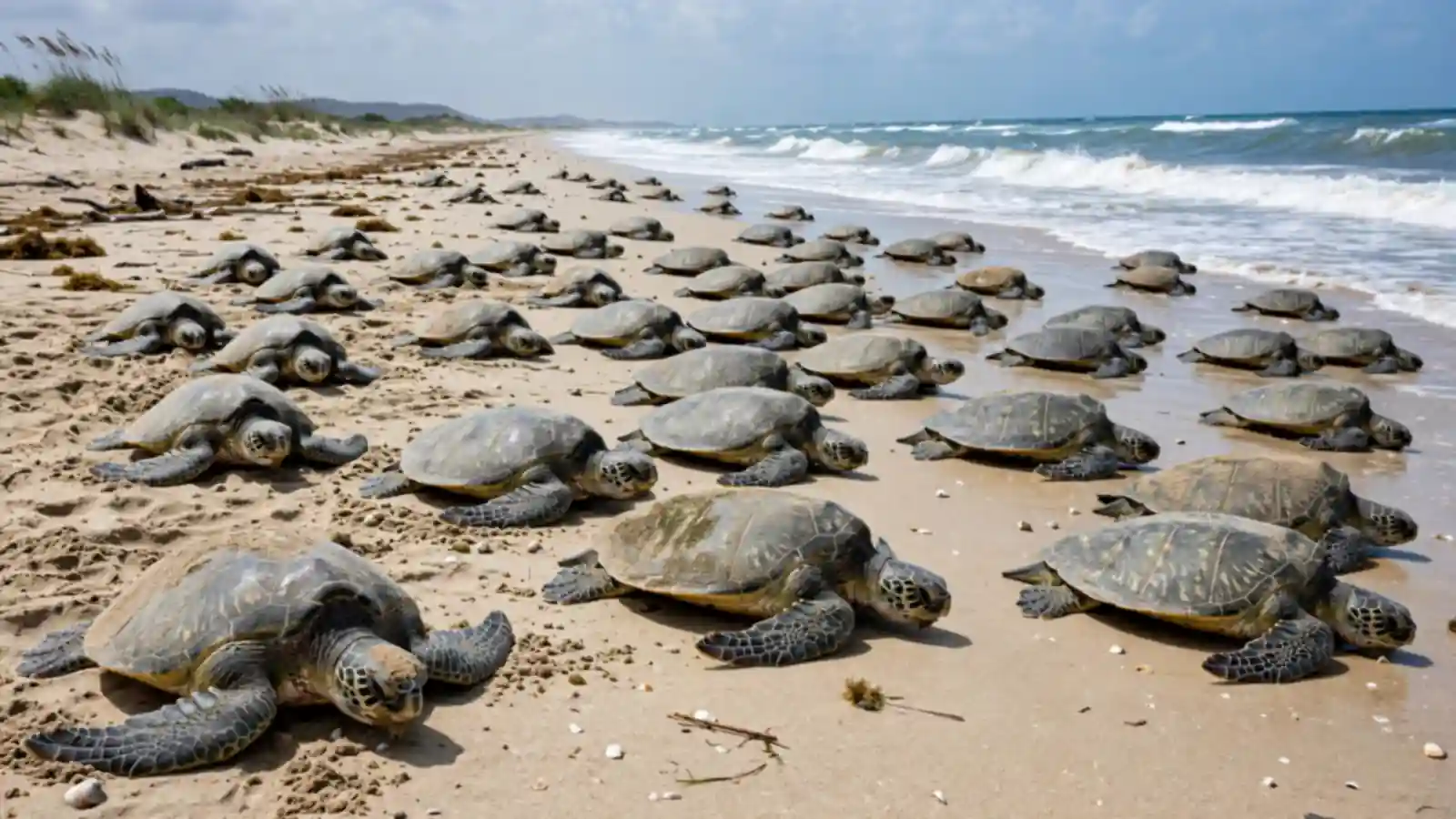
Each female lays around 100 eggs, and the eggs incubate for about 50 to 55 days. The sand’s temperature decides the sex of the hatchlings, and the hatchlings race for the sea in the same daylight their mothers nested in — a daylight race that makes them easy prey for birds and crabs, and easy to count for the rangers who guard the beach. The arribada is both the species’ strength and its fragility: everything depends on one beach, and one beach can be protected.
Kemp’s Ridley Sea Turtle Diet: Crab Specialist
The Kemp’s ridley is a crab specialist. Its diet is built around blue crabs and other swimming crabs, with mollusks, shrimp and jellyfish as extras, and the turtle’s small head and strong jaws are made for cracking crab shells. In the shallow Gulf waters where it feeds, crabs are plentiful, and the turtle spends its days hunting them over muddy and sandy bottoms.
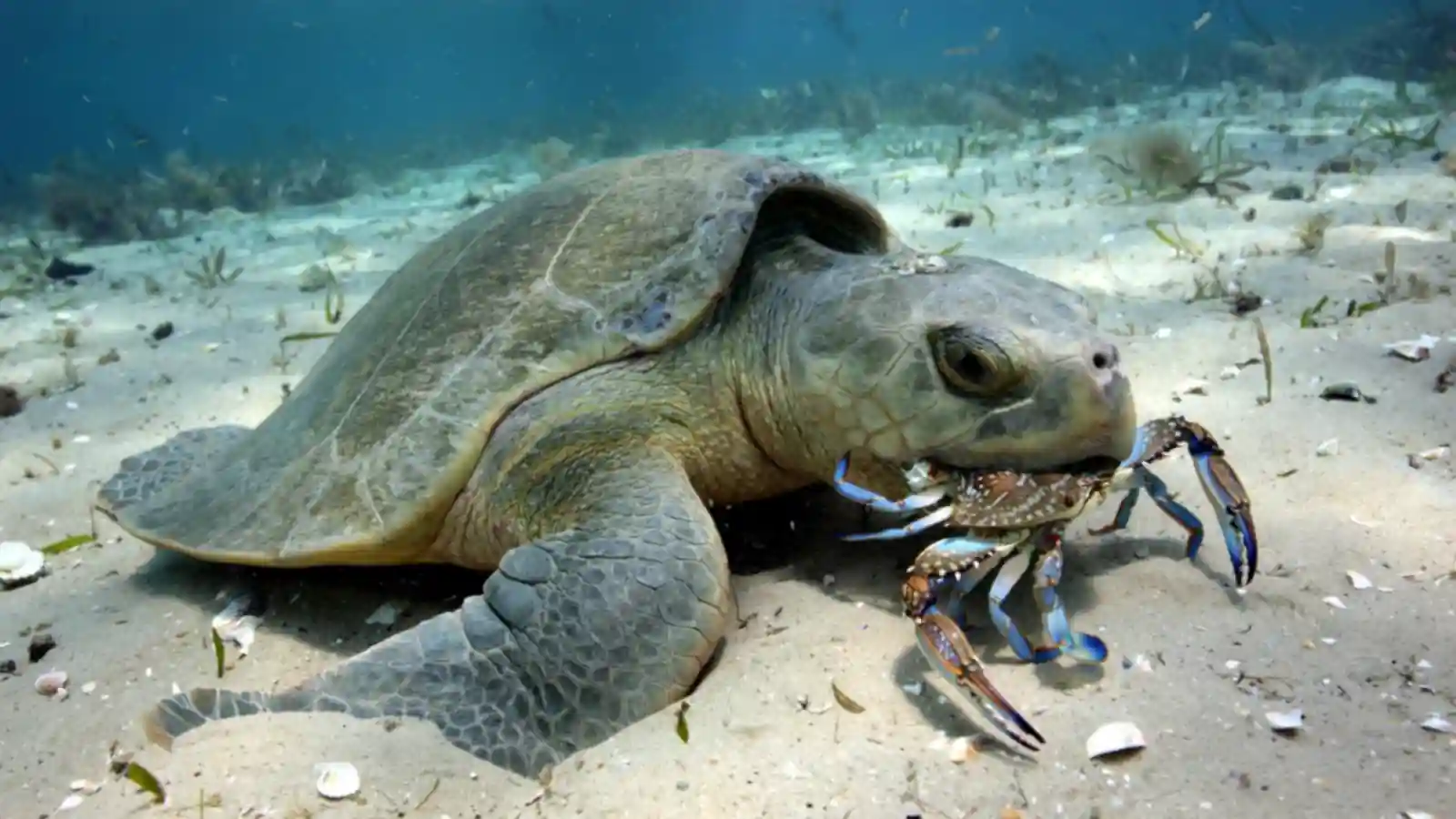
The young eat differently, taking jellyfish and small crustaceans in the open water before they move into the coastal shallows. The crab diet is also why the species is sensitive to the health of the Gulf’s crab fisheries: when crab numbers fall, the turtles feel it. And it is why the turtle’s feeding grounds — the shallow, muddy Gulf coast — are as important to protect as the nesting beach.
Kemp’s Ridley Sea Turtle Recovery Story
The Kemp’s ridley is listed as Critically Endangered on the IUCN Red List — the highest threat level of any sea turtle — and as Endangered under United States law. The two labels describe the same animal from different systems: Critically Endangered is the global IUCN assessment, Endangered is the American legal listing. Both mean the same thing in practice: without protection, the species would not survive.
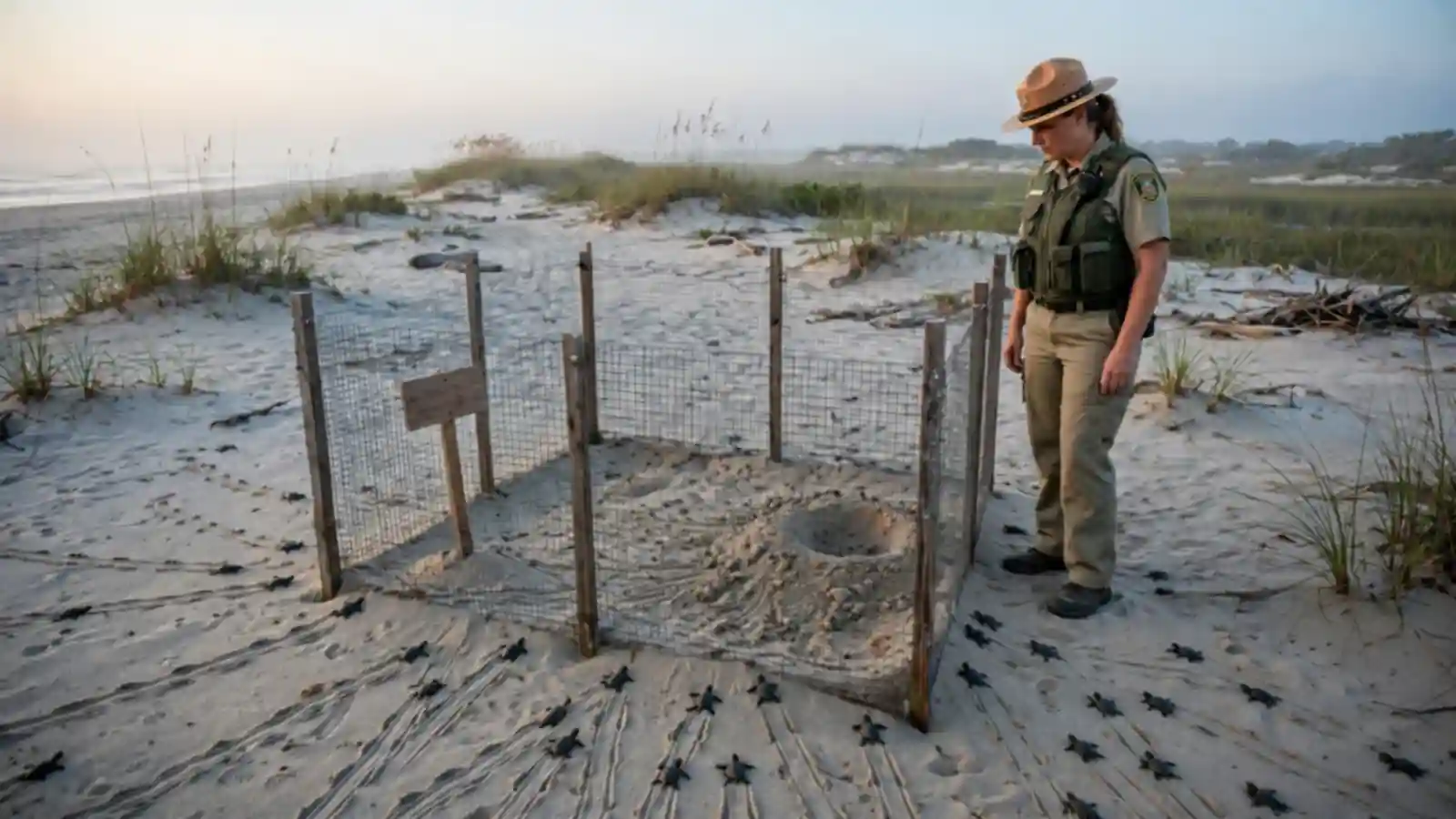
The recovery story is one of the great comebacks in conservation. From the 1985 low of 702 nests, nest counts climbed through the 1990s and 2000s as Mexico protected Rancho Nuevo, the United States built up the Padre Island colony, and fishing fleets fitted turtle excluder devices to their nets. The 2010 oil spill set the recovery back, and numbers have wavered since, but the direction is clear: a species that was counted in hundreds is now counted in thousands. The Kemp’s ridley sea turtle profile tells the recovery story in full.
Fun Facts
- In 1985, only 702 Kemp’s ridley nests were counted — laid by fewer than 250 females.
- The Kemp’s ridley is the only sea turtle that nests in daylight.
- It is the smallest sea turtle in the world, at 58 to 70 centimetres across the shell.
- Almost the whole species nests on one beach: Rancho Nuevo in Mexico.
- The species is named after Richard Kemp, a Florida fisherman who sent the first specimen to science.
- A female lays around 100 eggs per nest, and the sand’s temperature decides their sex.
Frequently Asked Questions
Why Is the Kemp’s Ridley the Smallest Sea Turtle?
Because it simply grows the least. An adult Kemp’s ridley sea turtle measures 58 to 70 centimetres across the shell and weighs 36 to 45 kilograms — smaller than the olive ridley, its closest relative, and far smaller than the green turtle or loggerhead. Its small size fits its life: a small turtle feeding on crabs in the shallow Gulf of Mexico.
Where Do Kemp’s Ridley Turtles Nest?
Almost entirely at Rancho Nuevo beach in Tamaulipas, Mexico, with a second, smaller colony on Padre Island in Texas that was built up by moving eggs and hatchlings there over decades. The nesting season runs from April to July. The concentration on one beach is the species’ greatest weakness — and the reason protecting that beach matters so much.
Why Do Kemp’s Ridley Turtles Nest During the Day?
Nobody knows for certain. The Kemp’s ridley is the only sea turtle that nests in daylight, while every other species nests at night. One idea is that the strong onshore winds at Rancho Nuevo help the females find the beach and cool the sand. Whatever the reason, the daylight habit makes the turtles easy to watch — and easy to protect.
What Is an Arribada?
An arribada is a mass nesting event in which many female turtles come ashore on the same beach over a short period to lay their eggs. The word means “arrival” in Spanish. Kemp’s ridleys nest in arribadas at Rancho Nuevo, sometimes hundreds of females in a single day, and their cousin the olive ridley does the same on beaches in Costa Rica, Mexico and India.
What Do Kemp’s Ridley Turtles Eat?
Mostly crabs — blue crabs and other swimming crabs are the staple, cracked open by the turtle’s strong jaws. The diet also includes mollusks, shrimp and jellyfish. Young turtles in the open water eat jellyfish and small crustaceans before moving into the coastal shallows to hunt crabs.
How Did Kemp’s Ridley Turtles Almost Go Extinct?
Through egg harvesting and fishing. For decades, almost every egg laid at Rancho Nuevo was collected, and adults were caught in fishing nets and for meat and leather. By 1985, only 702 nests were counted, laid by fewer than 250 females — the lowest point for any sea turtle. Protection of the beach, nest patrols and turtle excluder devices in nets turned the numbers around.
Are Kemp’s Ridley Turtles Recovering?
Yes, slowly. From the 1985 low of 702 nests, counts climbed to more than 20,000 in good recent years. But the species is still listed as Critically Endangered by the IUCN and Endangered under United States law, and the 2010 Gulf oil spill set the recovery back. The population is still a long way from safe.
Similar Species Worth Exploring
Keep Exploring
Start with the olive ridley sea turtle, the Kemp’s ridley’s Pacific cousin and fellow arribada nester, then meet the loggerhead sea turtle, the big-headed giant of the same seas, and browse the whole family in our sea turtles and marine reptiles hub — then come back to the smallest, rarest turtle of them all, the Kemp’s ridley sea turtle.