Sea Turtles and Marine Reptiles
Sea turtles and marine reptiles: four lineages that returned to the sea
The sea turtles and marine reptiles are land animals that went back — four separate lineages of air-breathing reptiles that re-conquered the ocean: seven sea turtles, some seventy sea snakes, one giant crocodile and a single lizard. This hub organises all 13 marine reptile profiles in the programme by lineage, from the leatherback that crosses whole oceans to the iguana that grazes seaweed like a sheep.
By Emily Carter · Reviewed by our vet team · Updated 10 November 2026 · 7 min read
About 100 marine reptile speciesEvery one breathes airLineage at sea for 200+ million years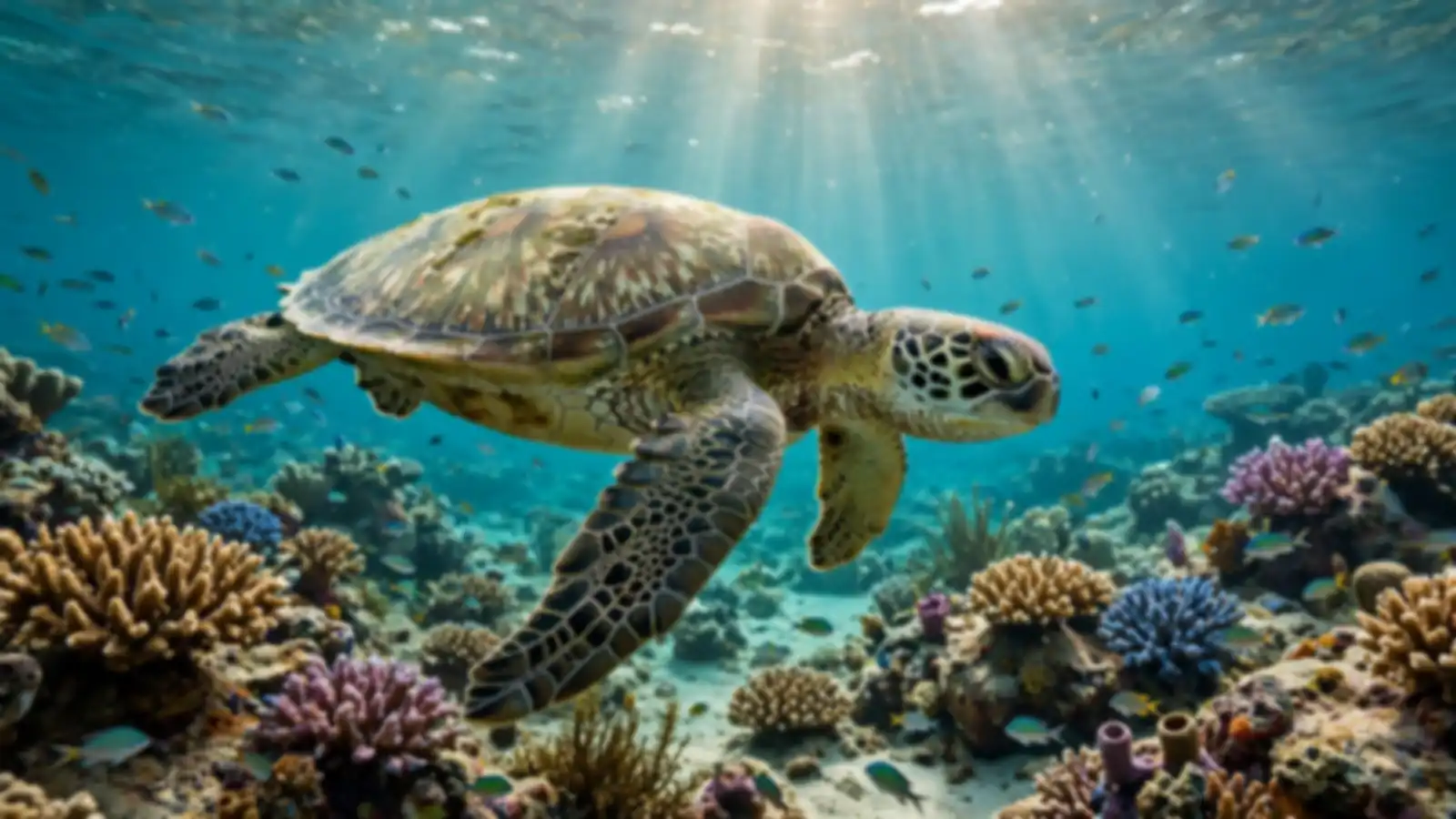
At a Glance
Today’s sea turtles and marine reptiles are humbler than the reptiles that ruled the ancient seas with ichthyosaurs and plesiosaurs, but no less remarkable — survivors that solved the same problems independently. Turtles became hulls with flippers. Sea snakes flattened their tails into paddles. The saltwater crocodile simply grew enormous and swam between islands. And one lizard learned to dive for seaweed.
All thirteen profiles are organised below by lineage. One rule unites them despite 200 million years of separation: every animal in this hub breathes air, and every one must return to the surface — or the shore — to do the things reptiles do.
Sea Turtles and Marine Reptiles: Four Lineages
Count the returns to the sea and you get four. The sea turtles are the oldest hands, marine for over 100 million years. The true sea snakes are cobras’ descendants that took to the water far more recently and, in many species, never come ashore at all — they even give birth at sea. The saltwater crocodile commutes between river and ocean. And the marine iguana stands alone: the world’s only sea-going lizard. The sea turtle reference page is a good doorway into the oldest lineage’s biology and conservation.
They also share the same stubborn problems. Air-breathing ties every one of them to the surface; eggs tie the turtles, kraits and the crocodile to land; and slow growth makes all of them easy to overexploit. Sea turtles add one more ancient quirk — temperature decides the sex of the hatchlings in the nest — which is why warming sands have become a front-line issue for the family’s future. Shared problems are the price the sea turtles and marine reptiles pay for a life split between two worlds.
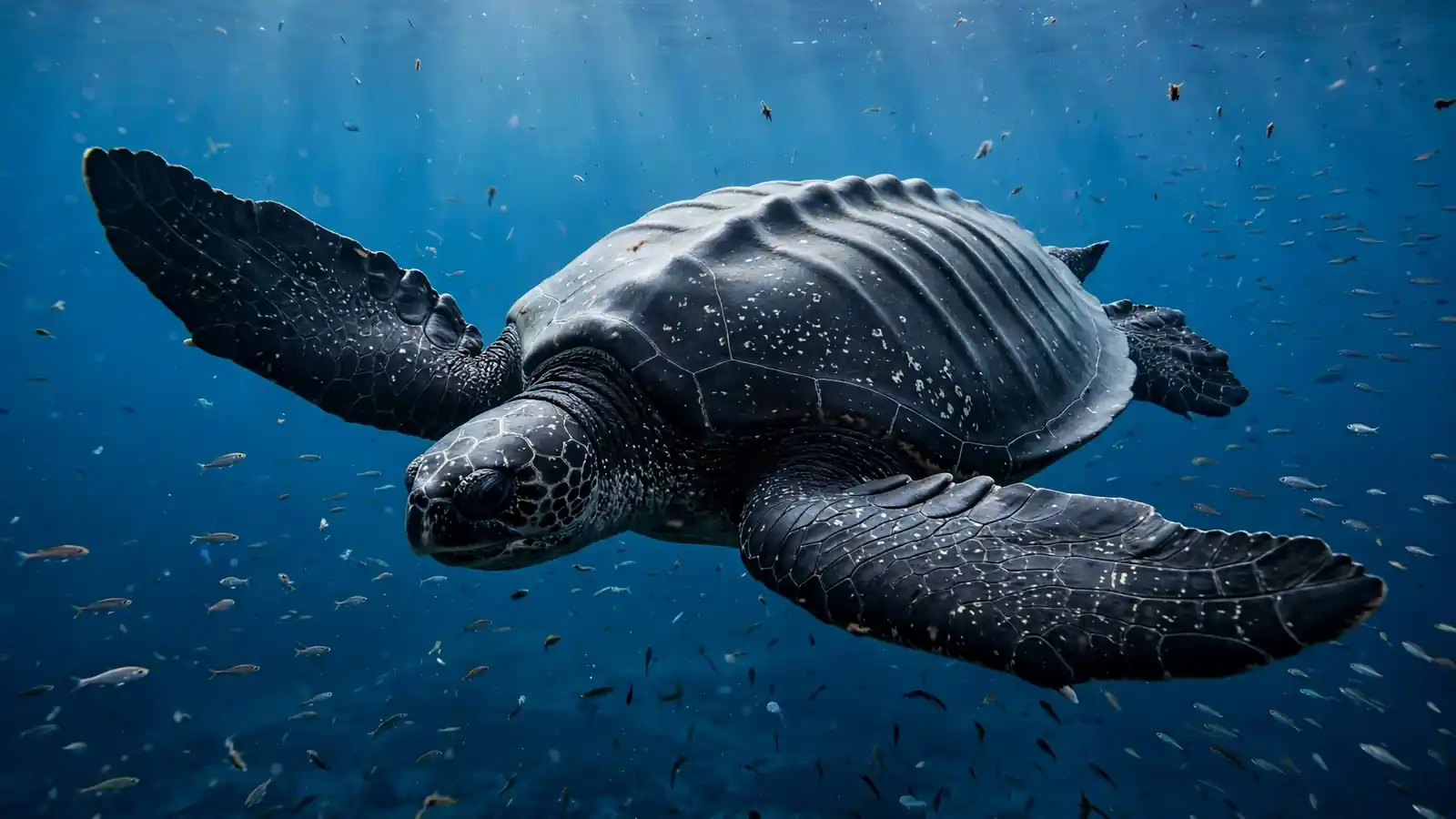
The Seven Sea Turtles
Seven species, two families, one body plan refined over a hundred million years — meet all seven:
Six of the seven are threatened to some degree, which makes their profiles as much conservation stories as natural history. The exceptions that prove recovery is possible — green turtles rebounding where nesting beaches are guarded, Kemp’s ridley pulled back from a few hundred nests — run through the individual guides. They are the conservation thread that runs through all the sea turtles and marine reptiles in this hub.
Sea Snakes: The True Marine Snakes
Venomous, paddle-tailed and beautifully adapted — the sea snakes and their shore-going cousins the sea kraits:

Their equipment rewards a closer look. True sea snakes breathe through a lung stretched nearly the length of the body, top up oxygen through their skin, and excrete salt through a gland under the tongue — engineering that frees them from land entirely. The kraits kept one foot on shore: supreme swimmers that still haul out on rocks to rest, digest and lay eggs, docile in the water despite carrying serious venom. Among the sea turtles and marine reptiles, the true sea snakes are the ones that cut the land tie most completely.
Saltwater Crocodile and Marine Iguana: The Two Outliers
Two one-of-a-kind profiles close the hub — the largest reptile alive, and the only lizard that ever went to sea:
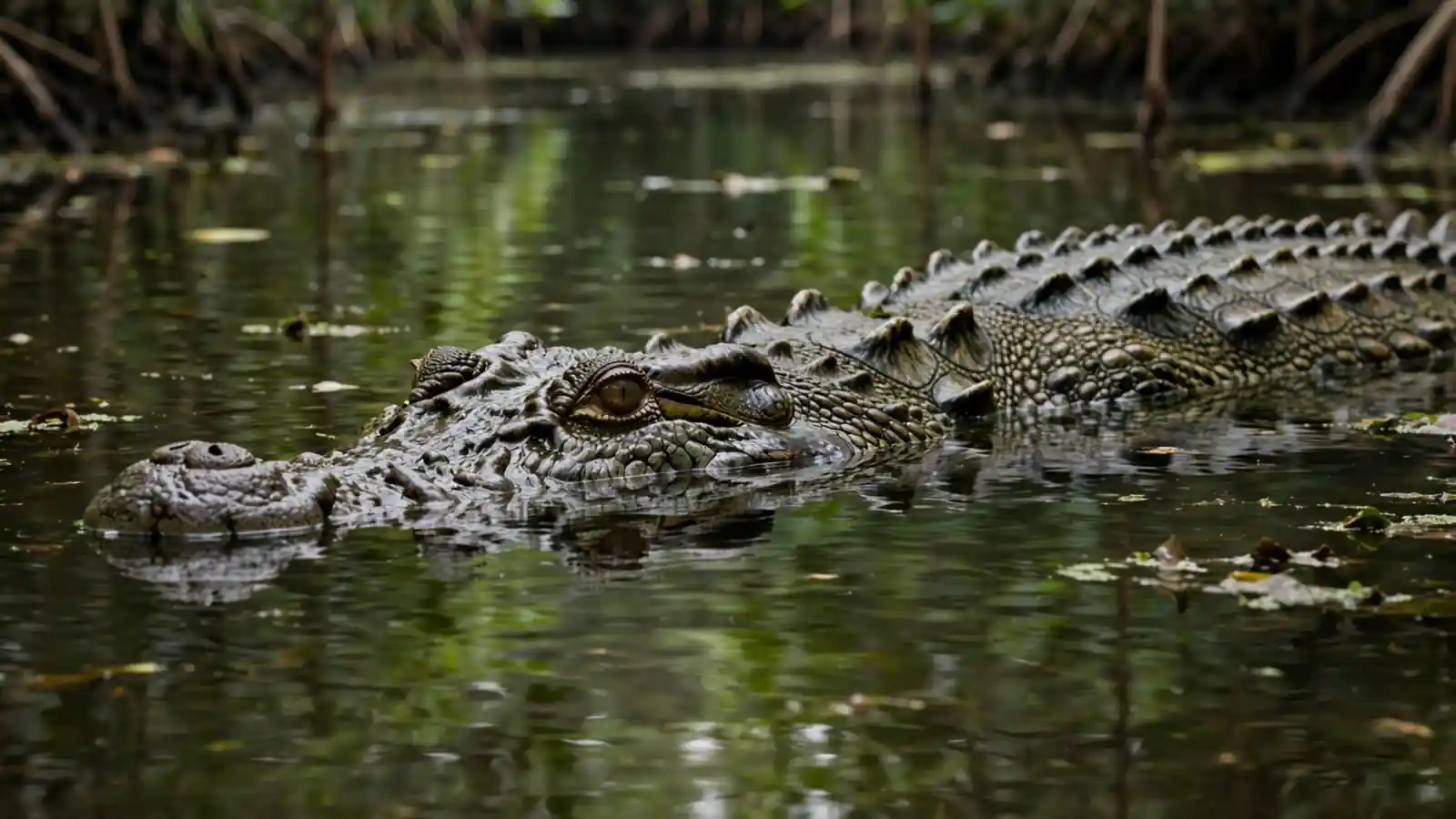
Between them, these two carry the hub’s extremes of temperament and fame. The crocodile is protected across most of its range after twentieth-century hunting for skins, and its recovery is one of reptile conservation’s genuine successes. The iguana, marooned on a handful of Galápagos islands, lives and dies by the El Niño cycle — famous, fragile, and a reminder that being unique is its own kind of risk. They bookend the sea turtles and marine reptiles at their most extreme.
Fun Facts
- A leatherback can dive deeper than 1,000 metres and stay warm in near-freezing water — almost a warm-blooded turtle.
- Female sea turtles navigate back to the region of the beach where they hatched, decades later, to lay their own eggs.
- Some true sea snakes never touch land in their entire lives; they are born at sea and die at sea.
- The saltwater crocodile has the strongest bite force measured in any living animal.
- A marine iguana can shrink its own skeleton — bones and all — during famine years, then grow again when food returns.
- Sea kraits are so docile in the water that divers watch them hunt at arm’s length — though their venom is not to be tested.
Frequently Asked Questions
How Many Species of Marine Reptiles Are There?
Around 100 species of reptiles live in the sea today. The count is dominated by the sea snakes, with roughly 70 to 80 species; then come the seven sea turtles, the single saltwater crocodile, the marine iguana, and a scattering of other semi-marine snakes and lizards. This hub profiles the 13 with their own dedicated guides.
How Many Species of Sea Turtles Are There?
There are seven species of sea turtles: leatherback, green, hawksbill, olive ridley, loggerhead, Kemp’s ridley and flatback. Six are in the hard-shelled family Cheloniidae; the leatherback stands alone in its own family, Dermochelyidae, with a leathery, ridge-backed shell instead of a hard carapace.
What Are the Four Groups of Marine Reptiles?
The four groups covered by the sea turtles and marine reptiles are the sea turtles, the sea snakes (including sea kraits), the saltwater crocodile, and the marine iguana. Each lineage returned to the sea independently from land ancestors, which is why their solutions differ: flippers and shells, paddle tails, sheer size, and algae-grazing dives respectively.
What Is the Largest Sea Turtle in the World?
The leatherback is the largest sea turtle in the world, reaching about two metres long and up to 900 kilograms — and the largest turtle of any kind. Uniquely among sea turtles it has no hard shell, instead carrying a black, leathery, ridge-backed carapace, and it ranges into colder water than any other reptile its size.
Are Sea Snakes Venomous?
Yes — sea snakes are front-fanged elapids, cousins of cobras and mambas, and several rank among the most venomous snakes on Earth, including the Dubois sea snake. They are generally not aggressive, and bites are rare, mostly involving fishermen untangling nets. Their small fangs and shy temperaments make encounters far safer than their venom suggests.
What Is the Only Marine Lizard in the World?
The marine iguana of the Galápagos Islands is the only marine lizard in the world. It dives into cold surf to graze algae from submerged rocks, then sneezes out excess salt through special glands, leaving a white crust on its head. No other lizard — among some 7,000 species — feeds at sea.
Do Marine Reptiles Have to Come Up for Air?
Yes. All marine reptiles breathe air with lungs, so turtles, sea snakes, crocodiles and iguanas must surface to breathe no matter how aquatic they become. Sea turtles can stay under for hours while resting by slowing their heart rate, and sea snakes can absorb some oxygen through their skin — but none has gills, and all must breathe at the surface.
Similar Species Worth Exploring
Keep Exploring
Begin with the leatherback for the deepest dives, or the marine iguana for the strangest. Four separate returns to the ocean meet in the sea turtles and marine reptiles.