Ragworm
Ragworm: The Bristly Bait Worm of the Estuary
The ragworm is the bristly marine worm every British angler knows — a fast, jawed hunter of estuary mud that goes limp the moment it is picked up, which is how it got its name.
By Emily Carter · Reviewed by our vet team · Updated 10 November 2026 · 9 min read
5–30 cm longBristly parapodiaFamous fishing bait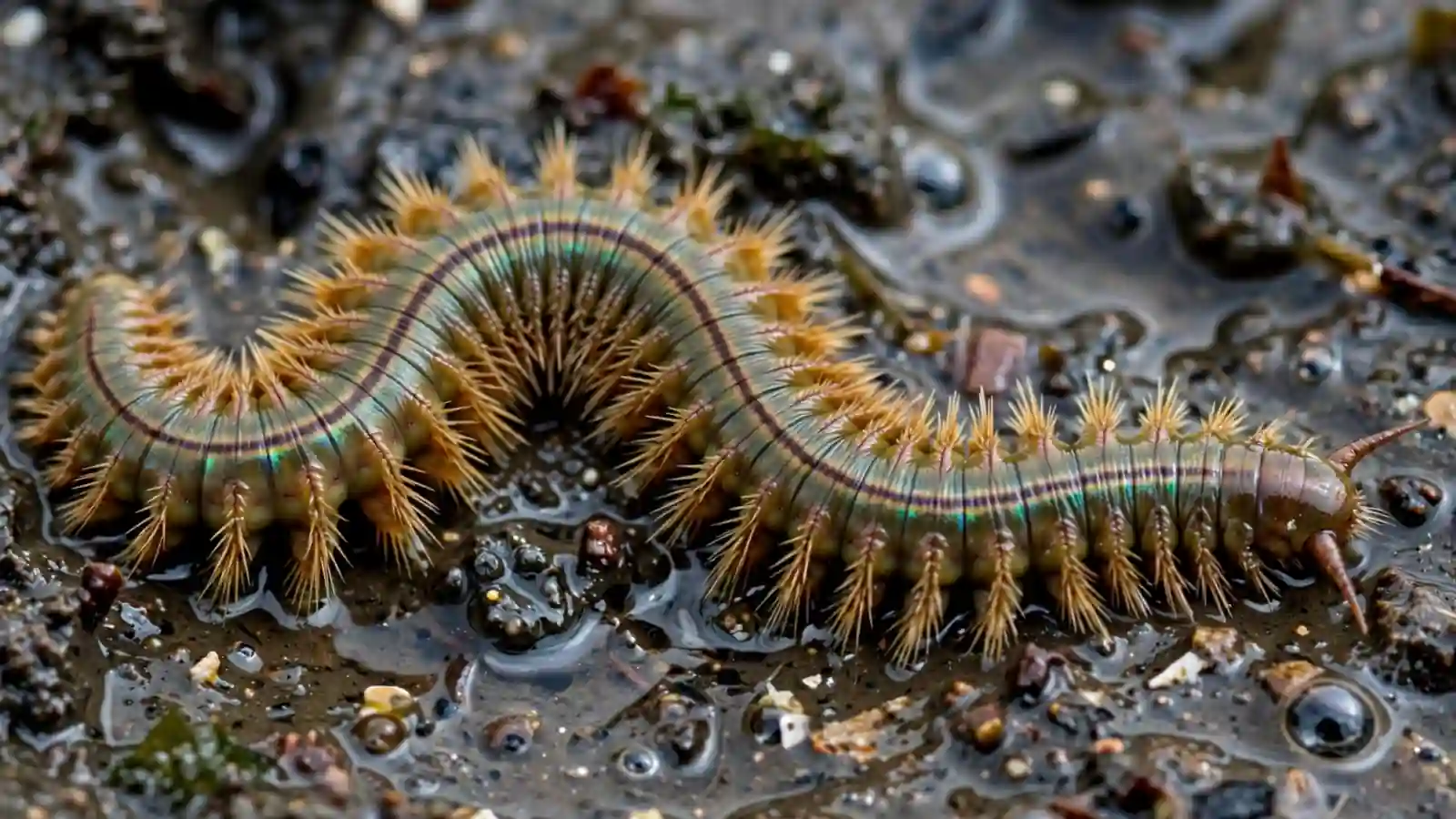
At a Glance
The ragworm is a bristly, fast-moving marine worm of intertidal mud and estuaries, famous as fishing bait and easy to tell from a lugworm by its parapodia — the fleshy, bristled paddles along its body.
Ragworm Size: Small Worm, Big Appetite
It comes in two sizes that matter, and anglers know them both by name. The common worm, Hediste diversicolor, grows to about 10 cm — the length of a finger — while the king worm, Alitta virens, reaches roughly 30 cm, about the length of a ruler. Both are the same kind of animal, a nereid worm with bristled parapodia down its sides, but the king is the one bait shops prize most.
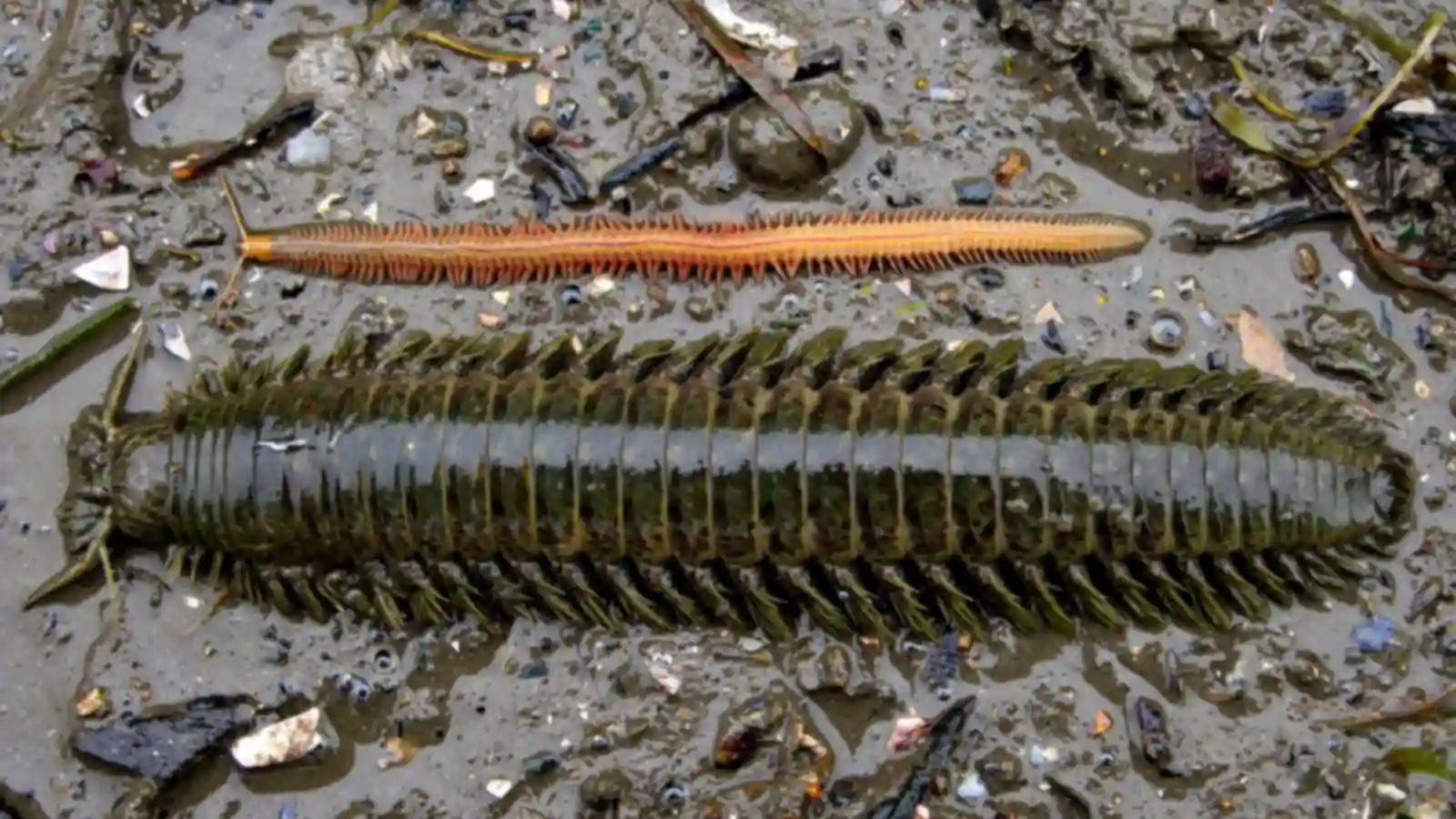
Size is not just a number here: the bigger the worm, the bigger the fish it tempts, and the king worm’s extra length makes it the first choice for cod and bass. The common worm is the everyday bait, dug by the bucket on estuary mudflats, while the king is the premium worm, sold singly and handled with care. Either way, its size is the first thing anyone notices — small worm, big appetite, and a reputation far larger than its body.
Ragworm vs Lugworm: Bristles Tell Them Apart
It and the lugworm are the two bait worms of the British shore, and they are easy to tell apart once you know the bristles. It has parapodia — fleshy, paddle-like flaps tipped with bristles — running down both sides of its body, and it moves freely, crawling and swimming through the mud. The lugworm has no such paddles: it is a smoother, fatter worm that lives in a U-shaped burrow and barely moves at all.
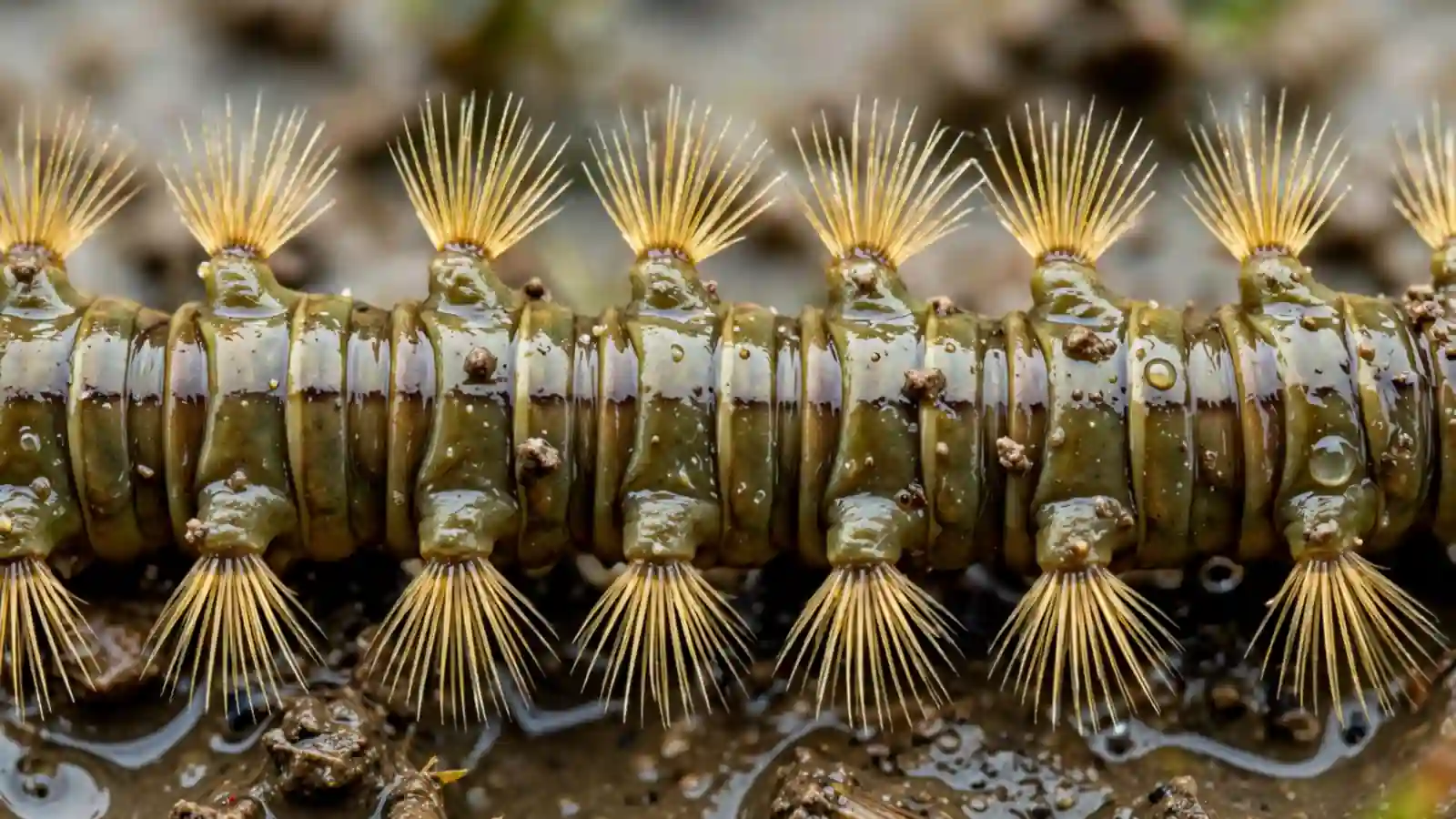
Behaviour gives them away too. Pick up a worm and it wriggles hard, then goes limp — the trick that gave it its name — while a lugworm just lies there, soft and sluggish. It is the hunter of the pair, with jaws and speed; the lugworm is the burrower, eating sand and leaving its coiled casts on the surface. Bristles, movement and attitude: that is the whole identification, and it works every time.
Life in the Mud: Estuaries, Rock Pools and Sand
Ragworms live where the tide goes out and the mud stays wet: intertidal flats, estuaries, rock pools and sandy shores. They dig U-shaped or J-shaped burrows in the soft ground, lining them with mucus, and they come out to hunt when the tide covers them. The estuary is their stronghold — the mix of fresh and salt water, the soft mud, the endless detritus — and a single mudflat can hold thousands of them.
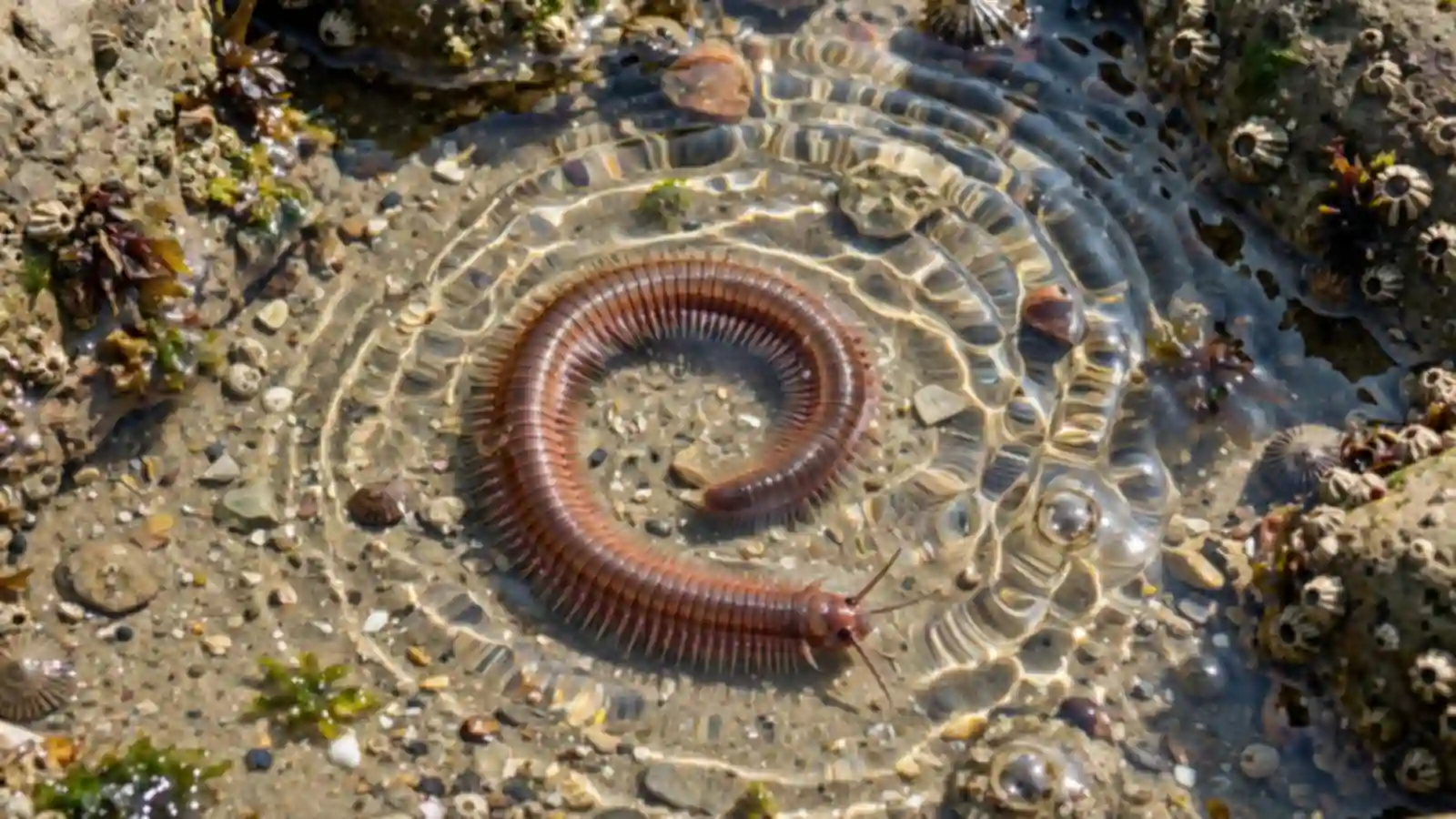
At low tide the signs are everywhere, if you know where to look: small holes in the mud, faint casts, and the dark, wet ground that marks a burrow field. Rock pools hold them too, tucked under stones where the water stays cool. Ragworms are not deep-water animals; they are creatures of the edge, of the twice-daily flood and drain, and their whole life is tuned to the tide.
What They Eat: Scavengers of the Seabed
Ragworms eat almost anything they can catch or find. They are scavengers and hunters both: they take dead fish and crabs, small shellfish, other worms and the rich detritus of the mud, and the bigger king ragworms will hunt live prey, grabbing it with their jaws. Their feeding is part of what makes them good bait — a worm that eats anything smells like food to a fish.
The two lead species feed a little differently, and the size gap shows it. The common worm, at 10 cm, works the surface mud and the shallow burrows, picking at detritus and small animals. The king worm, three times as long, hunts more boldly, taking small crabs and fish. Both are doing the same job for the estuary: turning dead matter and small prey into worm, and worm into fish food.
The Swarming Epitoke: Spawn, Then Die
Worm reproduction is one of the shore’s great spectacles, and it is fatal. When the time comes, the worm transforms into an epitoke: its rear segments fill with eggs or sperm, its parapodia grow into swimming paddles, and it leaves its burrow for the open water. At the surface, in a night-time swarm, the epitokes release their eggs and sperm into the water — and then they die.

The swarm is the whole point of the transformation. Thousands of worms rising together means the eggs and sperm meet in the water, and the next generation begins as tiny larvae drifting on the tide. The adults are spent: the epitoke’s body is built for one night of swimming and spawning, and nothing after it. It is a short, brilliant end to a life spent in the mud.
Jaws, Not Venom: Can They Bite?
Ragworms can nip, and anyone who has dug bait knows it. They carry a pair of dark, horny jaws at the front of the head, and when handled they can give a sharp pinch that draws a drop of blood. It hurts, it surprises, and it is nothing more than that: ragworms are not venomous, and the nip is a defensive snap, not an attack.
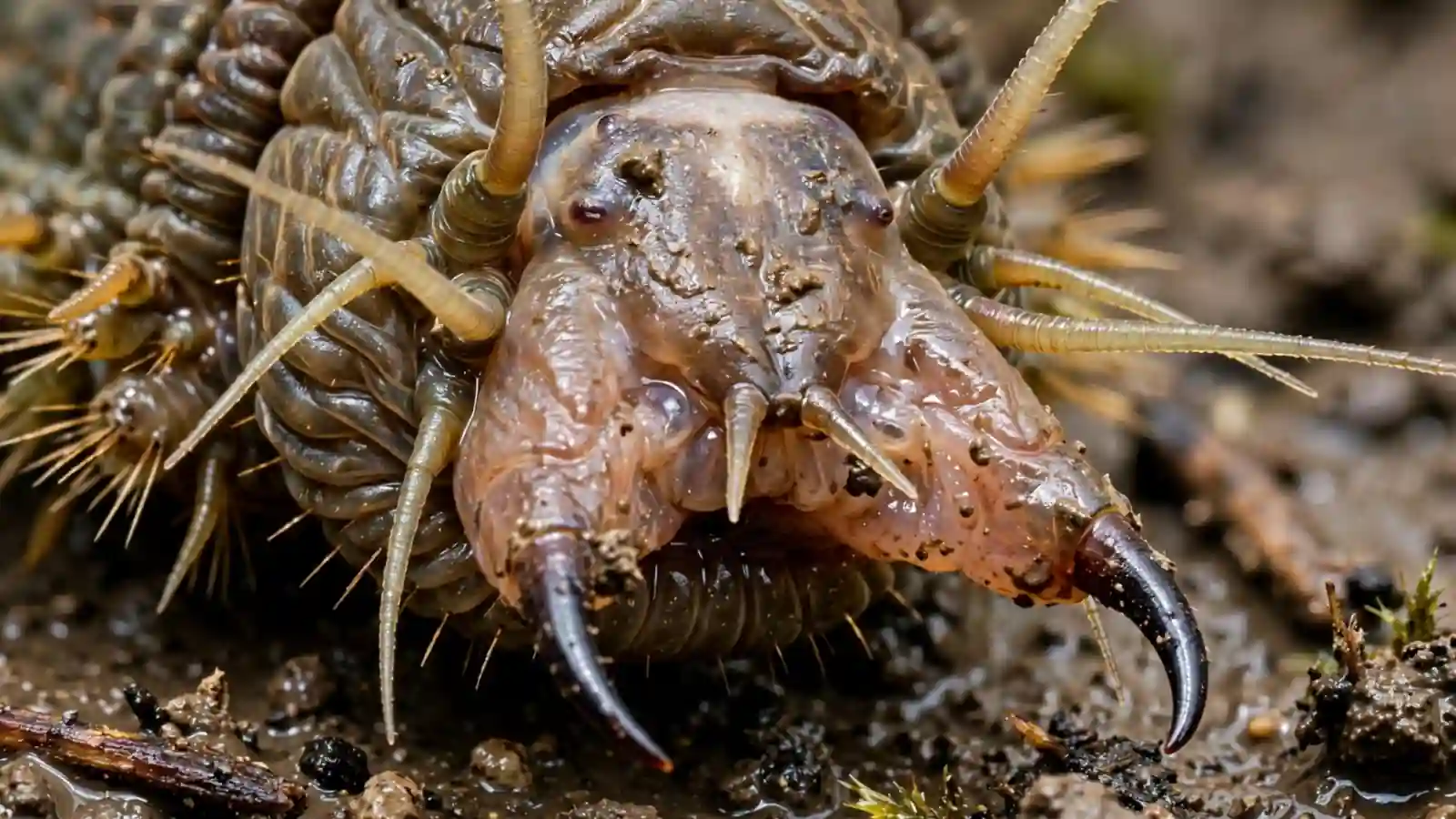
The jaws are hunting tools first and weapons second. In the mud it uses them to grab small crabs and worms, and the same jaws that catch prey can catch a careless finger. Anglers learn to hold a worm behind the head, and bait shops handle them by the thousand without incident. Respect the jaws, hold the worm right, and the danger ends there.
Why Anglers Prize Them: The Best-Known Sea Bait
It is the best-known sea-fishing bait worm in the UK, and the reason is simple: fish love it. Cod, bass, flounder and whiting all take it readily, and a fresh worm on a hook out-fishes most artificial lures on a cold estuary day. Bait shops sell them live, kept cool and damp, and a good it is worth more than its weight in lugworms.

The bait trade has its own rhythm, following the tides and the seasons. Bait diggers work the mudflats at low tide, turning the ground with forks and gathering the worms by hand, and the May peak in the season is the busiest time of the year. For a fuller picture of the worm anglers know best, see this worm guide, which covers the species, the bait trade and the lugworm difference. It is not just bait — it is the worm that built a whole corner of British sea fishing.
Fun Facts
- It goes limp when picked up — and that trick is how it got its name.
- The king worm reaches about 30 cm, three times the length of the common worm.
- Ragworms have bristled parapodia down both sides; lugworms have none.
- Its jaws can nip hard enough to draw blood — but the worm is not venomous.
- At spawning time the worm becomes an epitoke, swarms at the surface, spawns, and dies.
- It is the best-known sea-fishing bait worm in the UK.
Frequently Asked Questions
What Is a Ragworm?
It is a bristly marine worm in the family Nereididae, best known as the common worm (Hediste diversicolor) and the king worm (Alitta virens). It lives in intertidal mud and estuaries, moves freely with bristled parapodia, and is famous as fishing bait.
How Big Is a Ragworm?
It depends on the species. The common worm grows to about 10 cm, while the king worm reaches roughly 30 cm — about the length of a ruler. Both are nereid worms with the same bristled body plan, just at different scales.
What Is the Difference Between a Ragworm and a Lugworm?
It has parapodia — fleshy, bristled paddles — down both sides of its body and moves freely, while the lugworm is smoother and fatter, lives in a U-shaped burrow and barely moves. The ragworm is the hunter of the pair; the lugworm is the burrower.
Are Ragworms Dangerous?
Not venomous, but they can nip. Ragworms carry a pair of dark, horny jaws and can give a sharp pinch when handled. It hurts and can draw a drop of blood, but it is a defensive snap, not a venomous bite — hold the worm behind the head and there is no problem.
Where Do Ragworms Live?
In intertidal mud and sand, estuaries and rock pools. They dig U-shaped or J-shaped burrows in soft ground and come out to hunt when the tide covers them. A single estuary mudflat can hold thousands of them.
What Do Ragworms Eat?
Almost anything they can catch or find: dead fish and crabs, small shellfish, other worms and the rich detritus of the mud. King ragworms also hunt live prey, grabbing small crabs and fish with their jaws.
How Do Ragworms Reproduce?
By epitoky: the worm transforms, its rear segments filling with eggs or sperm and its parapodia becoming swimming paddles. It rises to the surface in a night-time swarm, releases its eggs or sperm, and then dies. The larvae drift on the tide and settle as the next generation.
Similar Species Worth Exploring
Keep Exploring
Meet the lugworm, its burrowing cousin, then the bristle worm, its bristled seabed neighbour, and browse the whole family in our types of marine worms hub — then come back to the estuary’s famous bait worm, the ragworm.