
Saint Bernard Dog Breed Guide
Saint Bernard: the legendary Alpine rescue dog
Massive, gentle, and famously patient — the gentle giant of the mountain passes. Care, grooming, and health in one complete guide.
By Emily Carter · Reviewed by our vet team · Updated 22 October 2026 · 10 min read
Lifespan 8–10 yrs Weight 120–200 lb Gentle & patient
Saint Bernard dog: The legendary Alpine rescue dog: massive, gentle, and famously patient.
Monks at a hospice high in the Alps bred these dogs to find and rescue travelers lost in the snow; their scenting ability, strength, and gentle nature saved countless lives. The Saint Bernard dog is a legendary rescue breed.
The rescue heritage made them symbols of gentleness and heroism worldwide — and the temperament at home is exactly as sweet as the legend suggests.
At a Glance
Size and Weight
A true giant: males stand 28 to 30 inches and weigh 140 to 200 pounds; females are 26 to 28 inches and 120 to 140 pounds. The Saint Bernard dog is a true giant.
Everything must be giant-sized: food, space, vet bills. A puppy becomes a giant fast, so training starts the week it comes home, while it is still liftable.
Coat and Colors
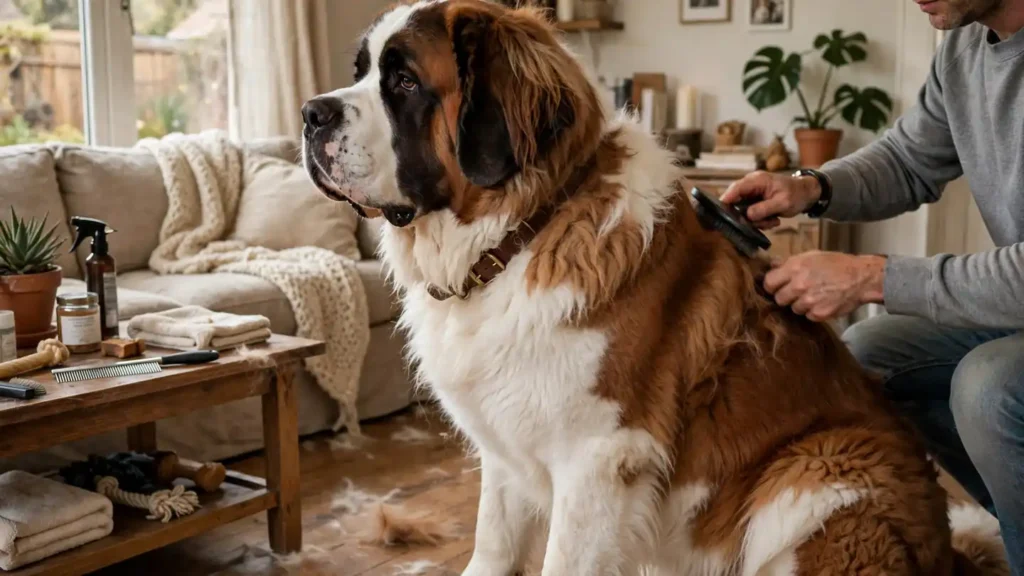
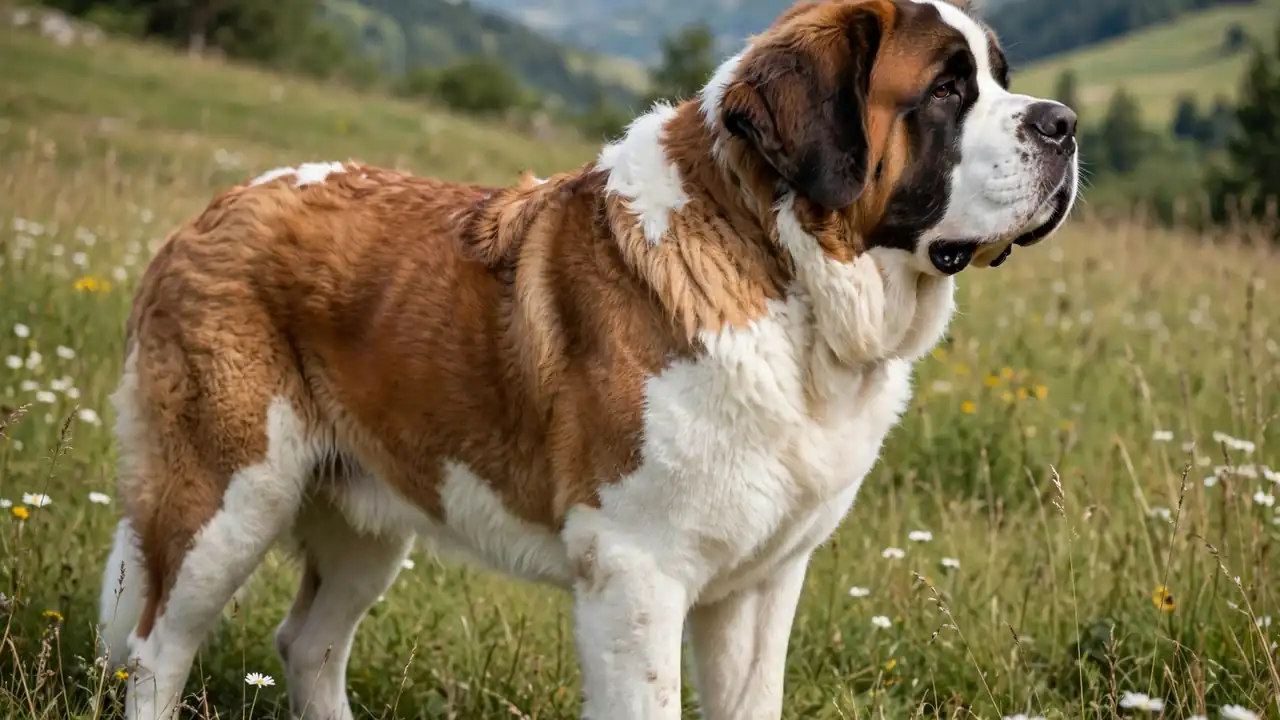
Two coat lengths, classic markings: short-haired and long-haired varieties, in red and white or brown and white with the dark mask. The Saint Bernard dog has two coat lengths.
Shedding is heavy. The long coat needs more grooming.
The drool is legendary. Towels everywhere are standard.


History and Origins
Monks at the Great St. Bernard Hospice in the Alps kept dogs at their mountain refuge.
The dogs found and rescued travelers lost in the snow; their scenting ability, strength, and gentle nature saved countless lives.
The rescue heritage made them symbols of gentleness and heroism worldwide.
Few breeds carry a kinder legend, and this one is rooted in truth. The Saint Bernard dog carries a kinder legend.
Physical Characteristics
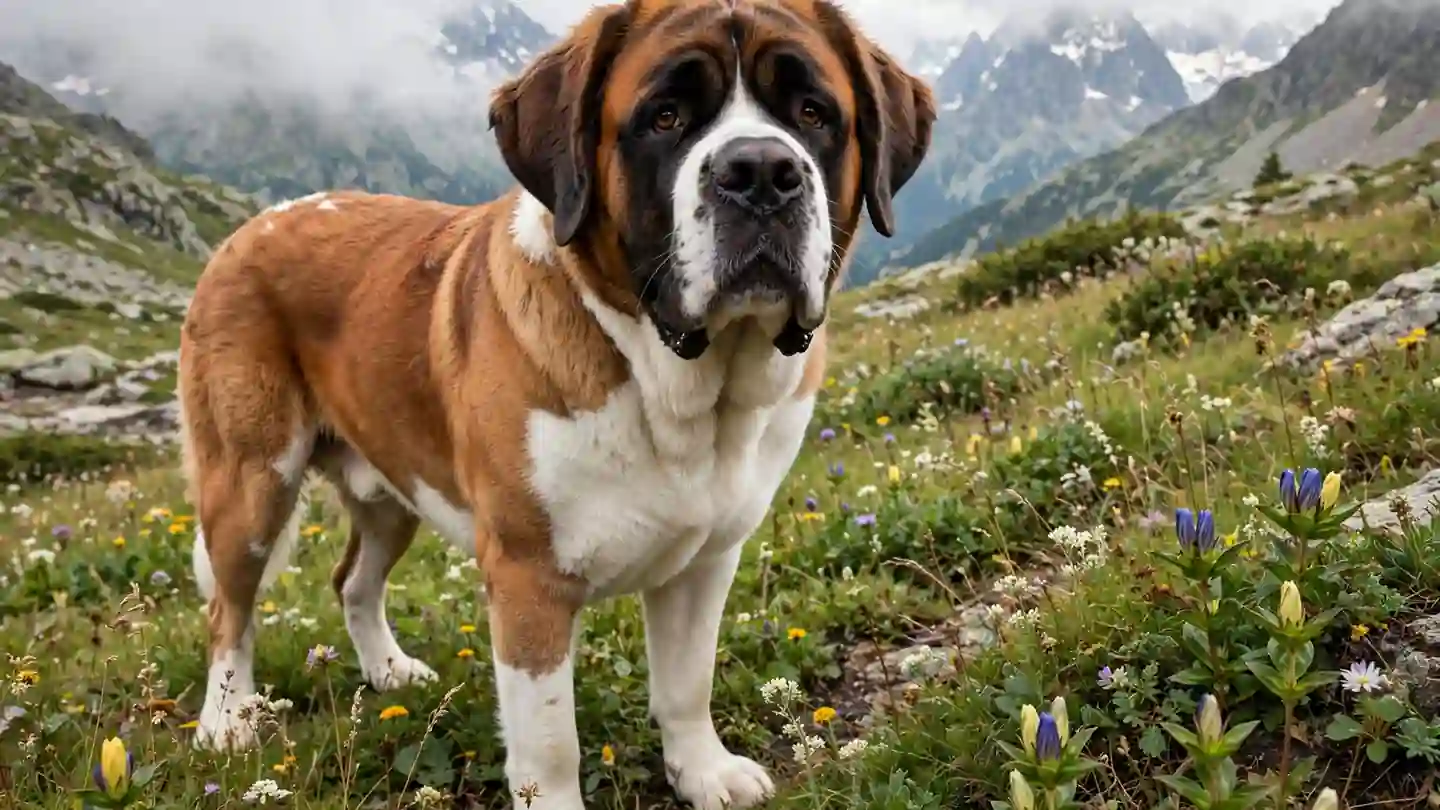
Massive and noble: a huge, powerful body with a massive head and gentle expression.
The build is made for plowing through snow. Despite the size, the demeanor is famously soft.
Saint Bernard Personality and Behavior
The gentlest of giants: famously gentle, patient, and friendly. They are calm indoors, devoted to their families, and famously good with children. They are intelligent and eager to please. The Saint Bernard dog is famously gentle.
They are not high-energy or demanding. But the size means training early is essential; a 180-pound adolescent leaning on guests is a lot. They can be stubborn in a sweet way.
Owners consistently describe the breed as gentle, patient, and friendly — and its sweet nature is why they recommend it to giant-breed lovers.
Expect a dog that wants to be in the middle of family life, preferably touching someone, and that greets guests with slow, happy tail wags rather than suspicion.
The gentlest of giants is exactly right. The Saint Bernard dog is gentle, patient, and friendly, calm indoors and devoted to its family, famously good with children and intelligent and eager to please. The rescue heritage shows at home: a dog bred to find lost travelers in the snow and comfort them still wants to be in the middle of family life, preferably touching someone.
The size sets the training rule. Training must start the week the puppy comes home, while it is still liftable, since a 180-pound adolescent leaning on guests is a lot, and the stubbornness is sweet rather than defiant, answering to consistency and patience. Guests meet slow, happy tail wags rather than suspicion, which is the temperament at its best.
Tolerance of children and household chaos is the breed’s calling card.
Content with a moderate walk and a cool corner of the room.
Gentle persuasion works; force gets you a politely immovable mountain.
- Gentle, patient, and friendly
- Famously good with children
- Calm and undemanding indoors
- Drool — legendary, and everywhere
- Heavy shedding; the long coat needs real grooming
- Short lifespan and giant-sized costs
Care Essentials
Giant dog, gentle needs — here is the daily reality. Training should start early, and the short lifespan is the heartbreak: go in with open eyes.
A typical day is gentle and giant-scaled. Everything must be giant-sized, from food to space to vet bills, and the short lifespan is the heartbreak to go in with open eyes, since most live only eight to ten years. The calm house dog that results rewards the planning with devotion and patience every single day.
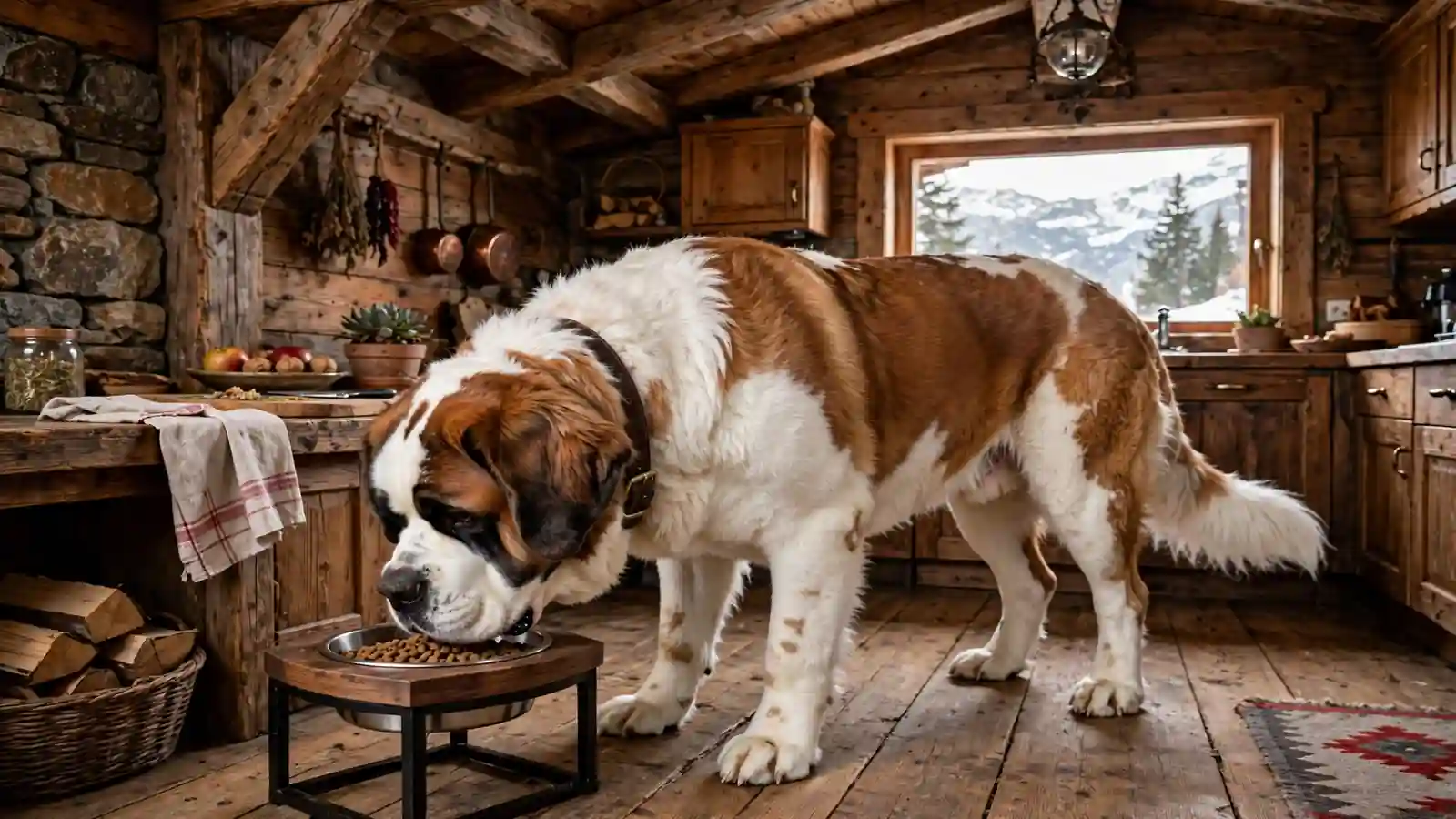
Large-breed puppy food to control growth; adults eat a great deal, two to three meals a day.
Brush two to three times a week, more for the long coat; wipe the jowls constantly.
30 to 45 minutes of moderate activity daily; protect growing joints.
An indoor family home with space and air conditioning in warm climates.
Nutrition and Diet
Giant appetites, careful growth: puppies need large-breed puppy food to control explosive growth and protect joints. The Saint Bernard dog needs careful feeding.
Adults eat a great deal; budget accordingly. Feed two to three meals a day, and avoid exercise right after eating to reduce bloat risk.
Keep them lean. Extra weight is devastating on giant joints.
Feeding needs care at giant scale. Puppies need large-breed puppy food to control explosive growth and protect joints, adults eat a great deal and deserve a budget accordingly, and two to three meals a day with no exercise right after eating reduce bloat risk. Keeping the dog lean matters most of all, since extra weight is devastating on giant joints.
Grooming
The coat and the drool: brush two to three times a week; more for the long coat. The Saint Bernard dog needs regular brushing.
Bathe as needed. Trim nails, check ears, brush teeth regularly. Wipe the jowls constantly.
The coat and the drool define the routine. Brushing two to three times a week covers the short coat, more for the long coat, and heavy shedding is a permanent part of the home, while bathing comes as needed and nails, ears, and teeth follow the same rhythm. Wiping the jowls constantly is the real habit: towels everywhere are standard, as the guide says.

Exercise and Enrichment
Low to moderate energy: aim for 30 to 45 minutes of moderate activity daily. The Saint Bernard dog enjoys gentle exercise.
Avoid overexercising puppies; growing giant joints need protection. They enjoy cool weather and struggle in heat. Short, steady outings beat long hikes; winter walks will be the highlight of the day.
Exercise is moderate and cool-weather friendly. Thirty to forty-five minutes of moderate activity daily cover the need, short steady outings beat long hikes, and winter walks will be the highlight of the day, since the breed enjoys cool weather and struggles in heat. Growing giant joints need protection, so puppies must never be overexercised.
Health
Most live 8 to 10 years. Here are the health issues to know:
The great emergency risk; know the symptoms.
Hip and elbow dysplasia occur; choose screened breeders.
Dilated cardiomyopathy appears in the breed.
Entropion and ectropion occur.
Bone cancer occurs in some lines.
Schedule annual wellness exams, or twice-yearly exams for adults, and ask your vet about screening for conditions the breed can be prone to, such as hip dysplasia and heart disease. Consult your veterinarian promptly if you notice restlessness with a swollen belly, or changes in appetite, weight, or energy. Consider gastropexy discussion with your vet for bloat prevention. For general background, see the Wikipedia guide.
Health care follows the familiar rhythm with joint and heart screening in focus. Annual exams, twice-yearly exams for adults, and screening for hip dysplasia and heart disease cover the ground the guide names, and the Saint Bernard dog’s breeders should screen hips, elbows, heart, and eyes and track longevity. Day to day, limping, breathing changes, and changes in appetite, weight, or energy deserve a prompt vet call.
Indoor and Outdoor Living
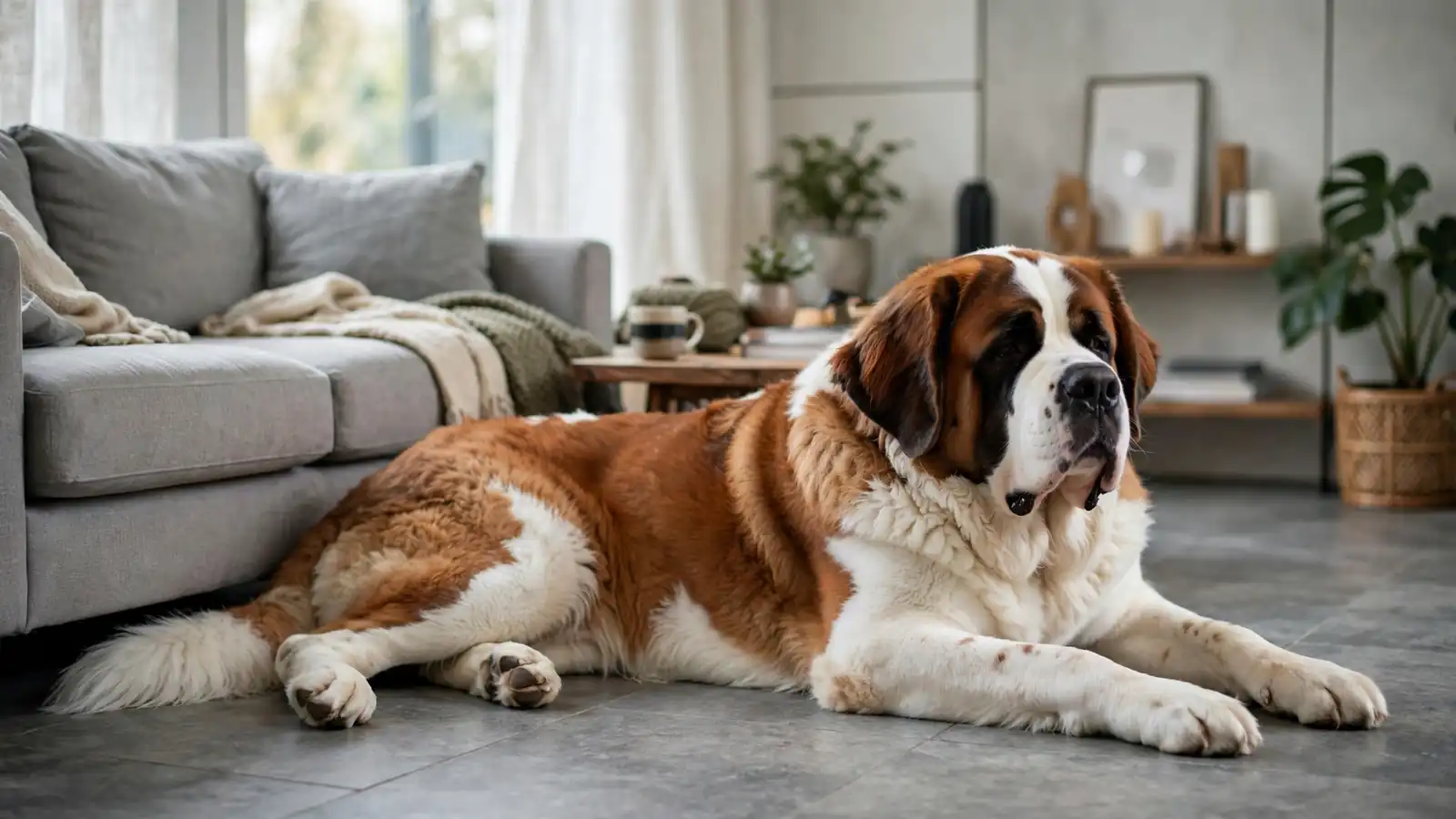
Indoor giant, outdoor snow lover: they live indoors with their families and are calm house dogs. The Saint Bernard dog lives indoors with its family.
They love cold weather and struggle in heat; air conditioning is essential in warm climates. A fenced yard is ideal. Plan the furniture around the dog rather than the other way round: wide doorways, a cool tiled corner, and a bed the size of a small sofa.
Indoor living as a calm giant defines the arrangement. The breed lives indoors with its family as a calm house dog, loves cold weather and struggles in heat, so air conditioning is essential in warm climates, and a fenced yard is ideal. Planning the furniture around the dog, with wide doorways and a cool tiled corner, is simply practical at this size.
Family Suitability
Wonderful with families who have space: famously patient and gentle with children.
The size means supervision with small kids, but the temperament is ideal. They are usually good with other pets.
With families, patience leads and size sets the limit. The breed is wonderful with families who have space: famously patient and gentle with children, and usually good with other pets, though the size means supervision with small kids. The Saint Bernard dog’s gentle, patient character shows best in homes that have the room, the budget, and the heart for a true giant.
Finding a Breeder or Rescue
Health testing matters: the best breeders screen hips, elbows, heart, and eyes, and track longevity.
Rescues have wonderful dogs; the breed’s size and needs cause surrenders.
- Ask about screening — hips, elbows, heart, and eyes
- Ask about longevity in the breeder’s lines
- Ask how puppies are raised and socialized
- Consider a breed rescue
Quick Quiz: Is This Gentle Giant Right for You?
Answer four questions. Tap yes or no.
Frequently Asked Questions
Are Saint Bernards good family dogs?
Wonderful for families with space. They are famously gentle with children.
How much exercise does a Saint Bernard need?
About 30 to 45 minutes of moderate activity daily.
Do Saint Bernards drool a lot?
Yes, famously. It is part of the breed.
How big do Saint Bernards get?
Males reach 140 to 200 pounds. They are true giants.
How long do Saint Bernards live?
Typically 8 to 10 years.
Do Saint Bernards really rescue people in the Alps?
The monks’ dogs did locate lost travelers. Modern rescue work uses other breeds, but the legend is rooted in truth.
What do Saint Bernard owners say about living with the breed?
Owners consistently describe the Saint Bernard as gentle, patient, and friendly. In practice, owners report that the breed’s sweet nature is the main reason they recommend it to giant-breed lovers.
When should I ask my vet about my Saint Bernard’s health?
Schedule annual wellness exams, or twice-yearly exams for adults, and ask your vet about screening for conditions the breed can be prone to, such as hip dysplasia and heart disease. Consult your veterinarian promptly if you notice restlessness with a swollen belly, or changes in appetite, weight, or energy.
The gentlest of giants: patient, friendly, and calm, with a rescuer’s heart and a comedian’s drool. The size, the shedding, and the short years ask a lot of a household — families with space say the sweetness repays all of it.
Similar Breeds Worth Exploring
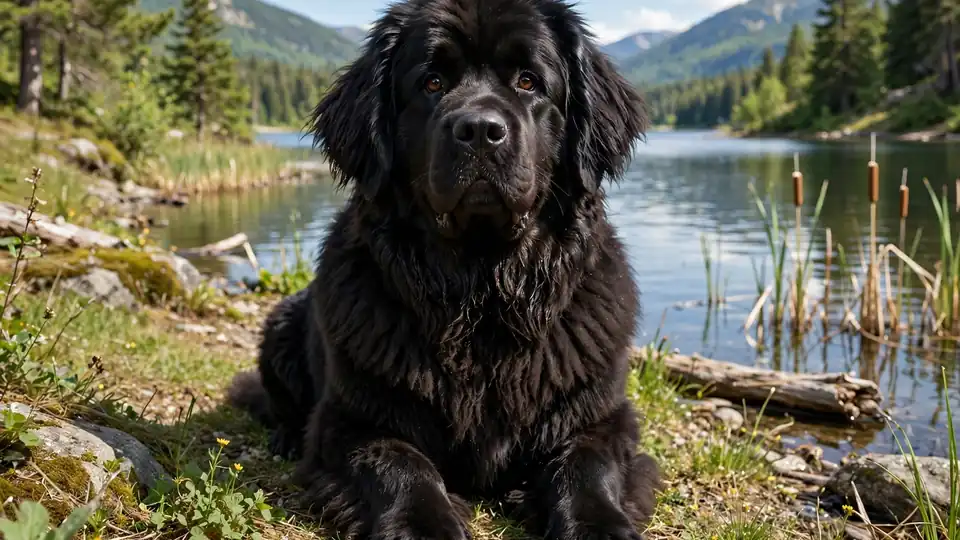
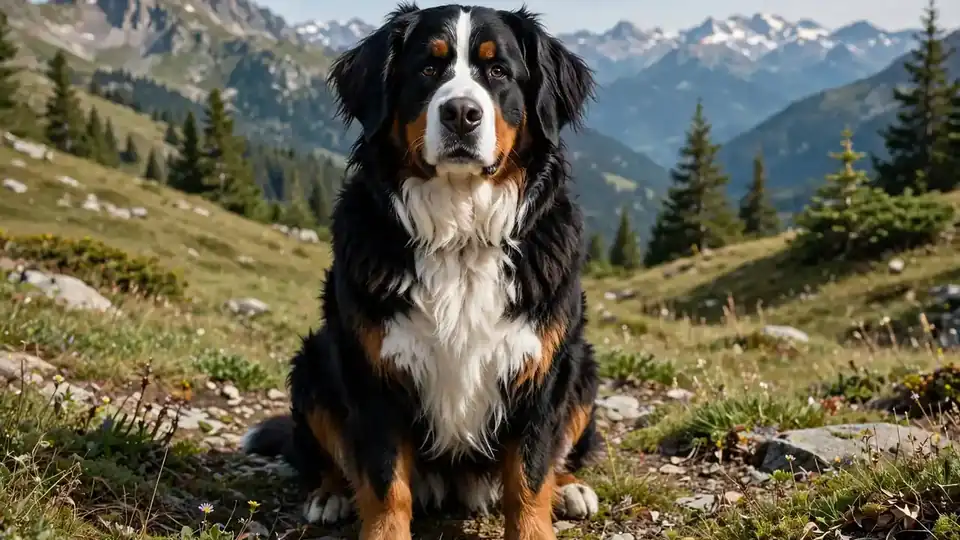
If this breed appeals to you, consider the Newfoundland (gentler water-loving giant), the Great Pyrenees (similar size, guardian), the Bernese Mountain Dog (gentle giant, shorter-lived), or the Leonberger (another gentle giant).
Related Breed Guides
Keep Exploring
Browse all our Dog Breed Guides, try the Dog Age Calculator, or explore our Cat Breed Guides. Every guide on this site follows the same layout, so the facts you need are always in the same place.