
Havanese Dog Breed Guide
Havanese: the cheerful little companion from Cuba
The cheerful little companion from Cuba: playful, smart, and devoted. Care and health in one complete guide.
Lifespan 12 to 16 yrs Weight 7 to 13 lbs Silky, minimal-shedding coat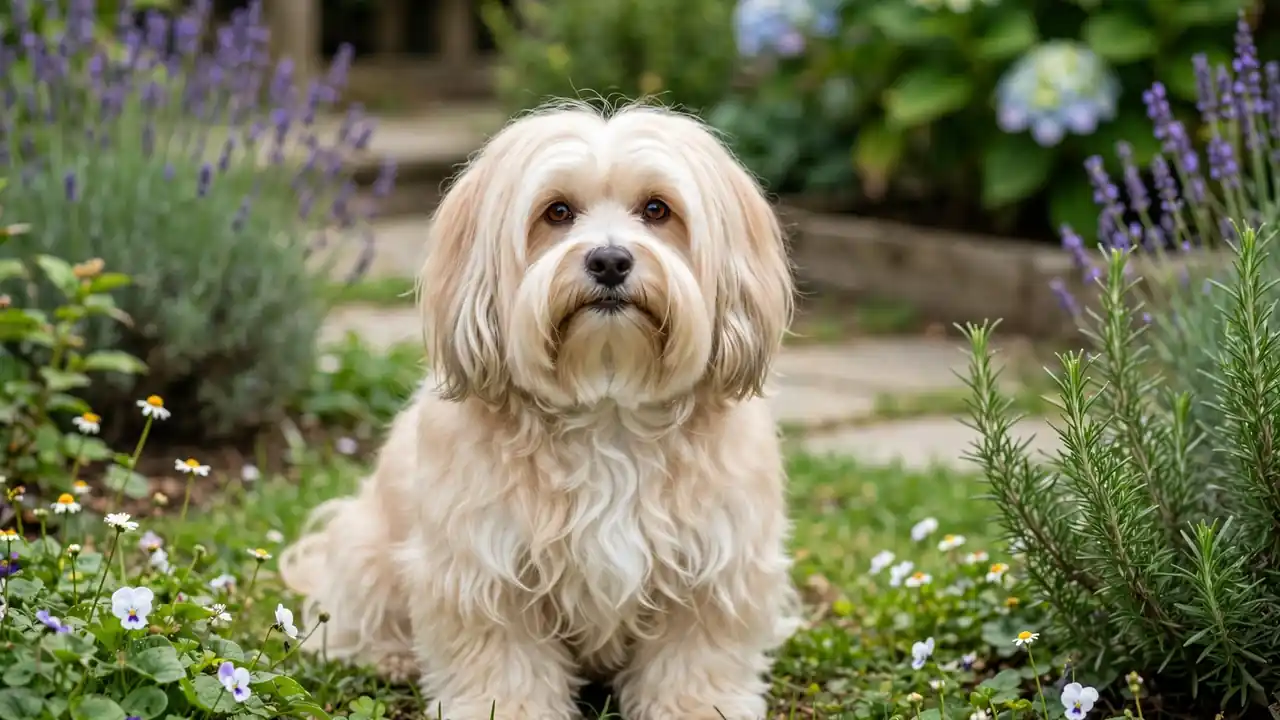
Havanese dog is the cheerful little companion from Cuba: playful, smart, and devoted.
At a Glance
Size and Weight
The breed weigh 7 to 13 pounds and stand 8 to 12 inches tall. The build is surprisingly sturdy for a toy breed. The Havanese dog is sturdy for a toy breed.
Coat and Colors
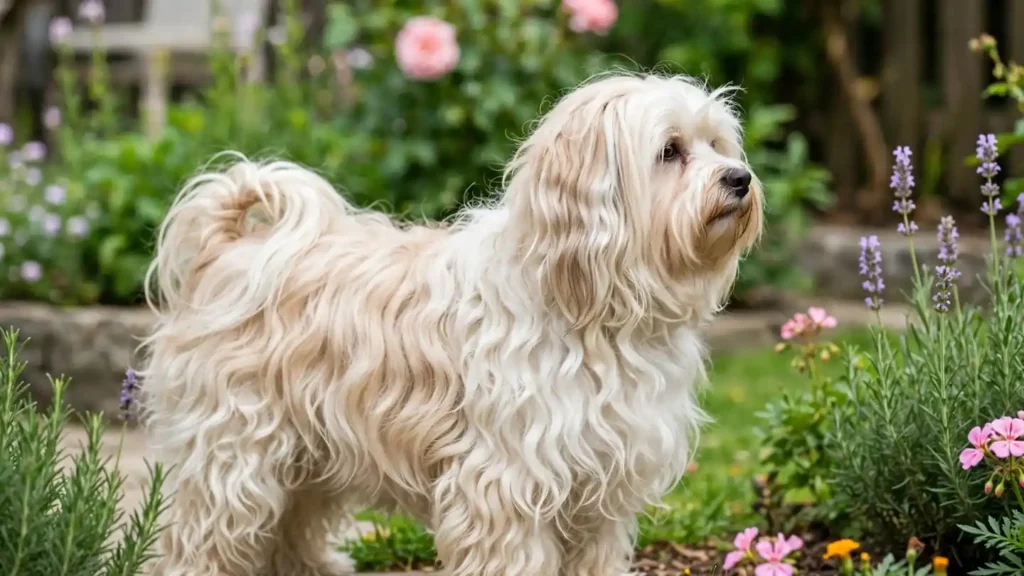
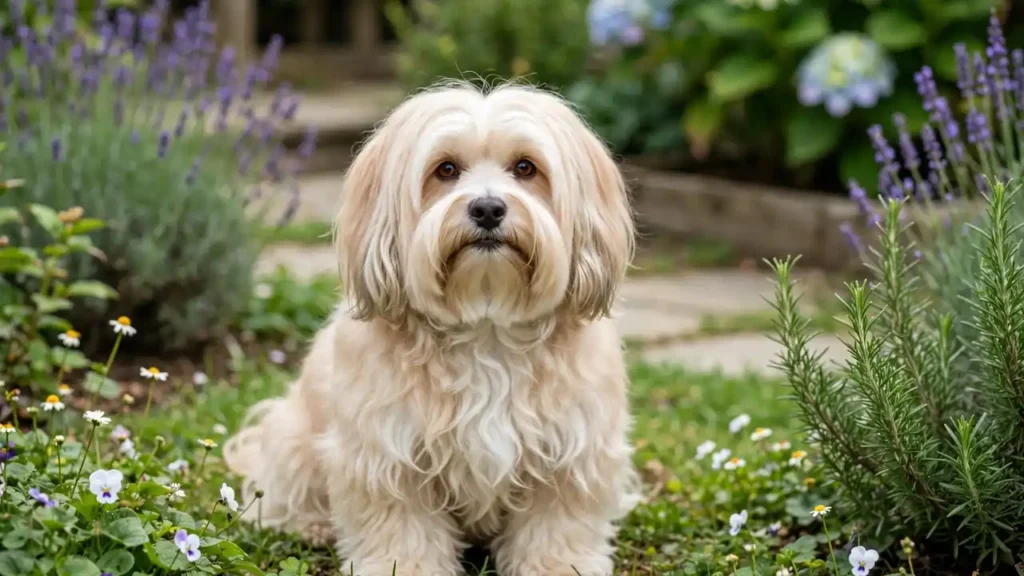
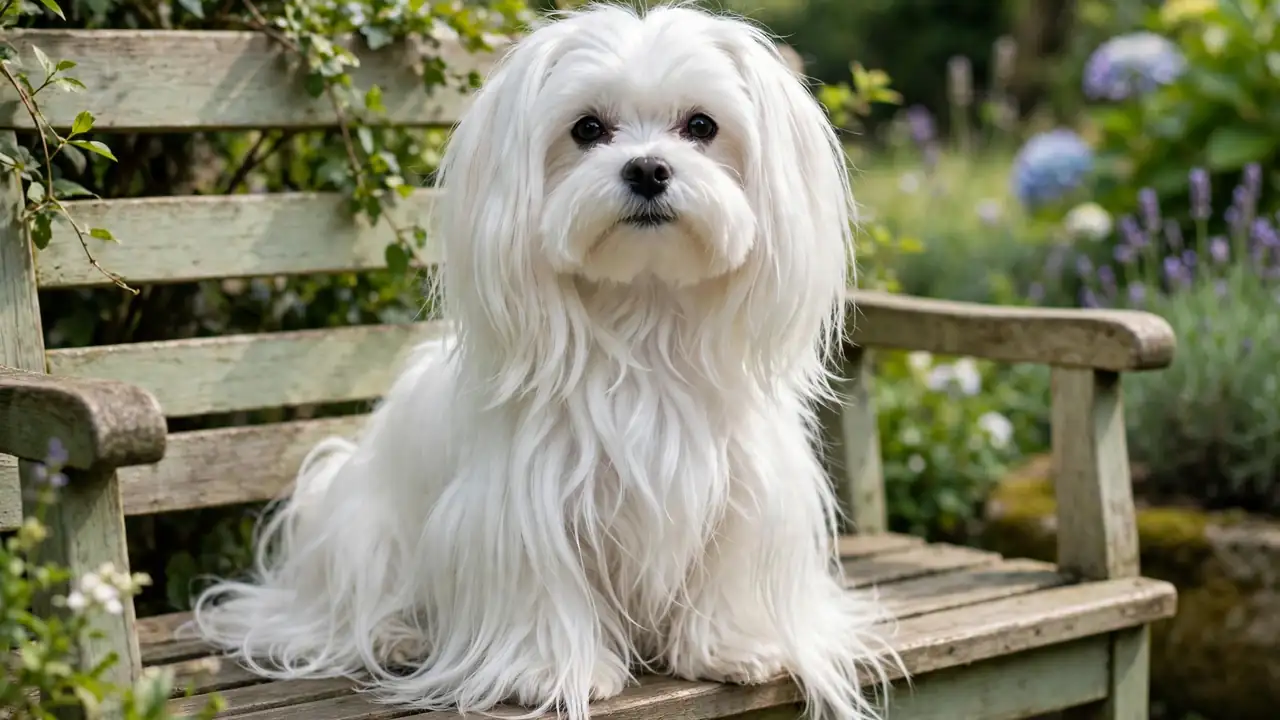
A long, silky double coat in virtually any color. Kept long, it needs regular brushing; most pet owners choose a short puppy cut. Shedding is minimal. The Havanese dog coat needs regular care.

History and Origins
The breed descend from Bichon-type dogs brought to Cuba by Spanish settlers, becoming companions of Cuban aristocracy.
They are the only breed native to Cuba.
The companion heritage is the whole breed. They were bred to charm.
Physical Characteristics
Compact body with a slightly springy gait, expressive eyes, and the silky coat. The tail is carried curled over the back. The Havanese dog has a springy gait and expressive eyes.
Havanese Personality and Behavior
The breed are famously cheerful, smart, and playful. They adore their people, love to entertain, and are friendly with everyone. They are trainable and eager to learn, excelling at tricks. Many owners say the Havanese dog is a devoted companion.
They are companion dogs who hate being alone and can develop separation anxiety. They are sturdy enough for play but still small.
Owners consistently describe the breed as cheerful, smart, and playful. In practice, owners report that the breed’s happy charm is the main reason they recommend it to companion-dog lovers.
The companion nature is the defining trait of this breed. A Havanese dog wants to be where its people are, all day, and the cheerful temperament shows most when the dog is included in ordinary household life. That devotion is delightful, but it has a flip side: long hours alone do not suit this breed, and a dog left by itself all day can grow anxious and unhappy.
Training is usually a pleasure with this breed. The eagerness to learn and the love of entertaining make trick training feel like play, and short, cheerful sessions with plenty of praise tend to work better than strict drilling. Because the breed is smart as well as willing, variety matters: the same routine repeated endlessly bores a Havanese faster than a new trick challenges it.
The breed are famously cheerful, smart, and playful. They adore their people, love to entertain, and are friendly with everyone. They are trainable and eager to learn, excelling at tricks.
They are companion dogs who hate being alone and can develop separation anxiety. They are sturdy enough for play but still small.
Owners consistently describe the breed as cheerful, smart, and playful. In practice, owners report that the breed’s happy charm is the main reason they recommend it to companion-dog lovers.
- Playful and affectionate with the whole family
- Minimal shedding from the silky coat
- Surprisingly athletic for its size
- Coat needs regular brushing or a puppy cut
- Needs daily companionship and play
- Can be prone to patellar luxation and cataracts
Care Essentials
The breed need 30 minutes of daily activity: walks, indoor play, games. They are indoor family dogs who want to be with their people constantly. They do poorly left alone all day. The Havanese dog needs daily play and company.
A typical day is built around togetherness. A walk, some indoor play, and a few training games cover the daily activity, and the rest of the day is mostly about company: a Havanese is happiest with a lap, a nearby chair, or a spot where the family gathers. Owners who work from home often find this breed an ideal colleague, provided breaks for play are part of the schedule.
Feed a measured, high-quality small-breed diet in two meals a day. Keep them lean. Dental health matters; appropriate kibble helps.
The coat decision defines the routine.
Aim for 30 minutes of activity daily. They enjoy walks, play, and training games. They are surprisingly athletic for their size.
The breed live indoors and are excellent apartment dogs. They enjoy outdoor play and handle most climates well.
Nutrition and Diet
Feed a measured, high-quality small-breed diet in two meals a day. Keep them lean. Dental health matters; appropriate kibble helps.

Grooming
The coat decision defines the routine.
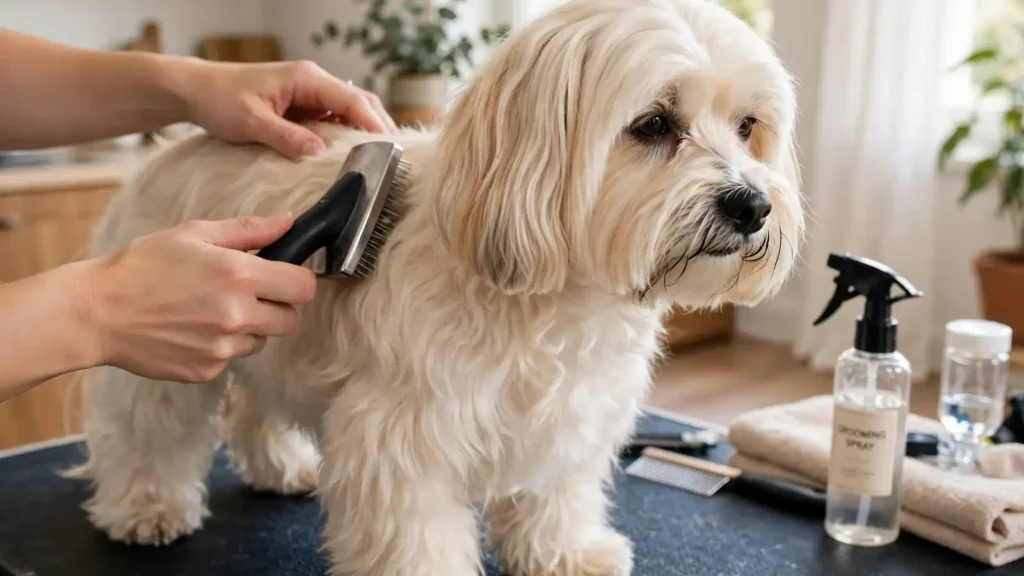
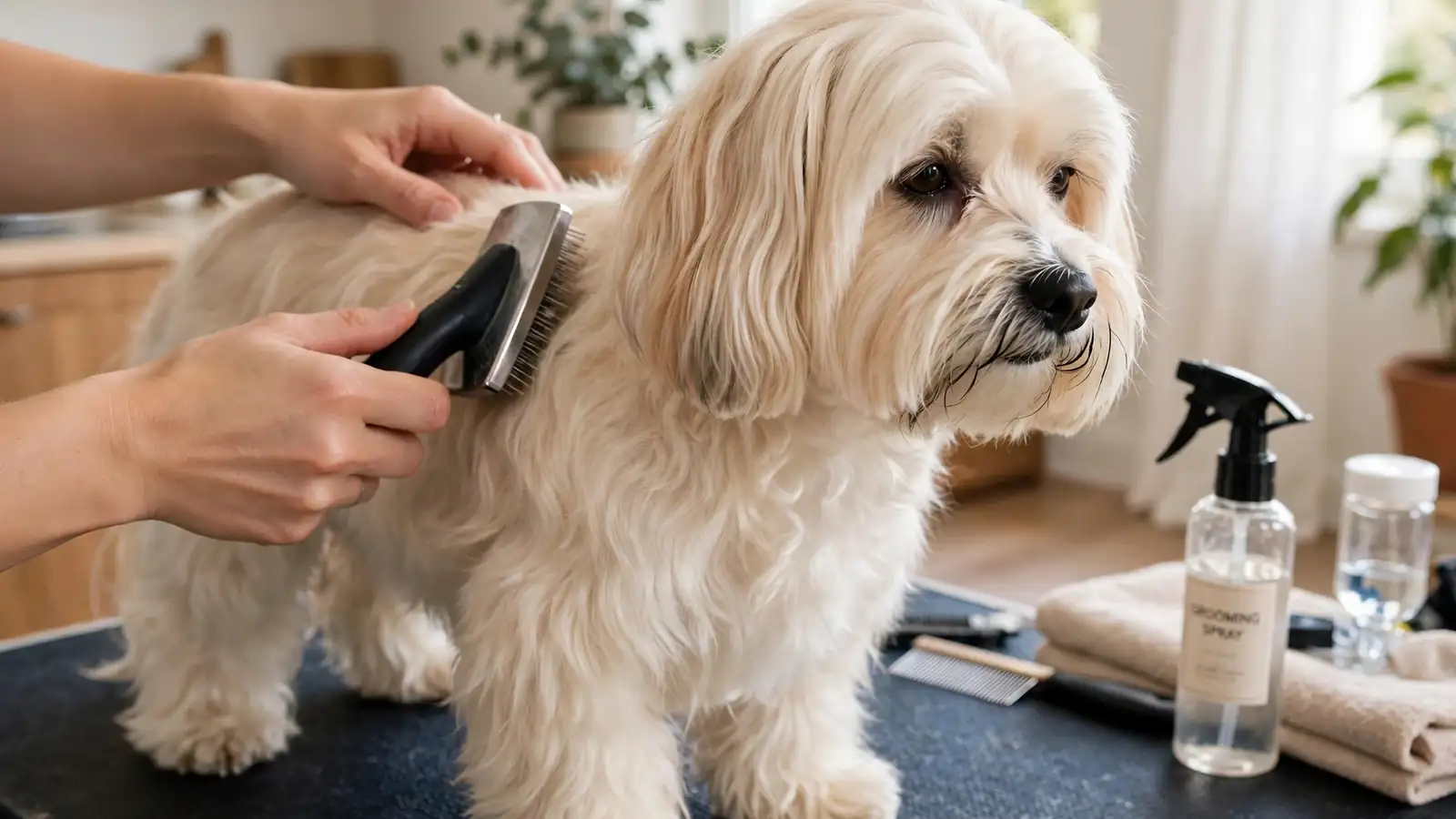
Full coat: brushing several times a week. Puppy cut: much easier, with trims every 6 to 8 weeks. All: regular nail trims, teeth brushing, ear checks.
The coat decision shapes the weekly rhythm. A full coat needs brushing several times a week to stay silky and tangle-free, and the work is easier in short, regular sessions than in occasional long ones. The puppy cut simplifies daily care considerably, but trims every six to eight weeks still anchor the routine, and nails, teeth, and ears need the same regular attention either way.
Exercise and Enrichment
Aim for 30 minutes of activity daily. They enjoy walks, play, and training games. They are surprisingly athletic for their size.
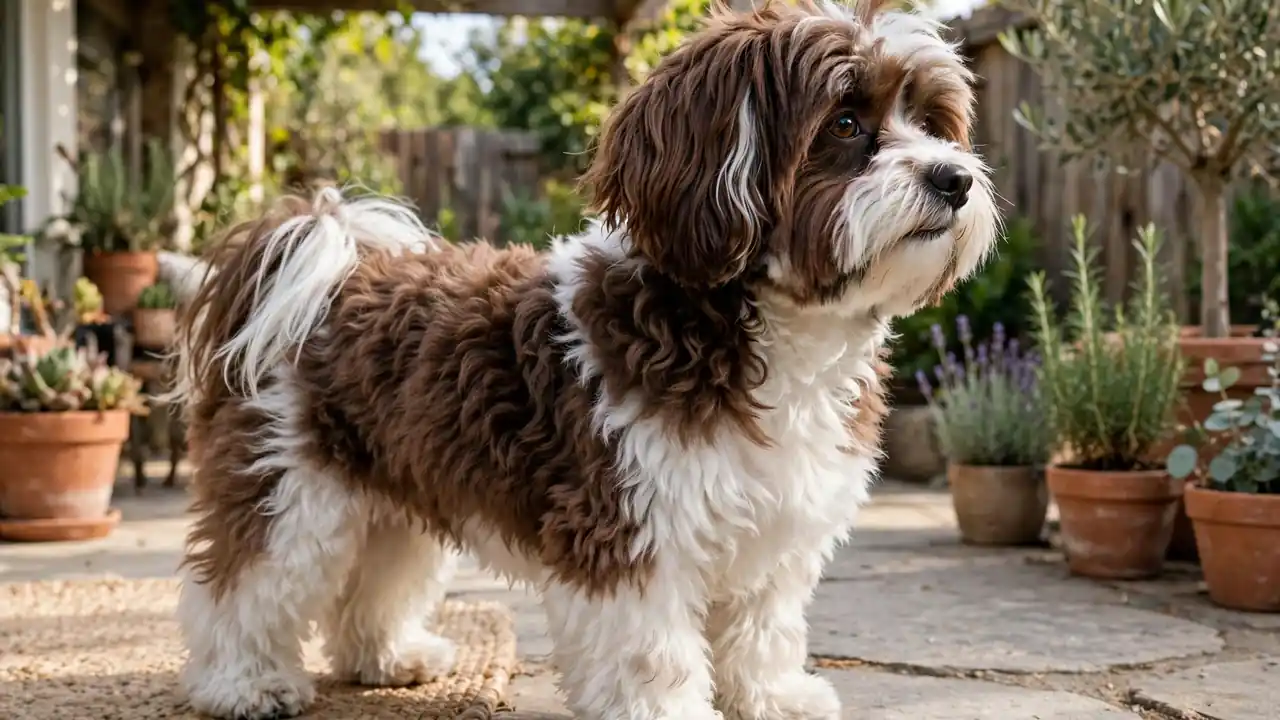
Energy here is moderate but surprisingly athletic. Walks and play cover the basics, and training games double as exercise because the breed enjoys learning as much as moving. The springy gait is a clue to the athleticism underneath the toy size: a Havanese with enough outlets is a lively, bouncy companion, while one without them invents its own games.
Health
Loose kneecaps occur in the breed; choose breeders who screen for it.
Eye changes can develop with age; ask about eye screening.
Deafness appears in some lines, so hearing awareness matters from puppyhood.
Schedule annual wellness exams, or twice-yearly exams for seniors, and ask your vet about screening for conditions the breed can be prone to, such as patellar luxation. Consult your veterinarian promptly if you notice limping, vision changes, or changes in appetite, weight, or energy. For the Havanese dog, regular vet checks matter. For general background, see the Havanese dog reference on Wikipedia.
Routine vet care follows the familiar pattern: annual exams, twice-yearly exams for seniors, and screening for the conditions the guide names, with breeders who test patellas, eyes, and heart worth seeking out. Day to day, the signs worth mentioning early are limping and vision changes, along with shifts in appetite, weight, or energy. Catching small changes early matters more than any single test, and regular checks are the simplest way to do it.
Indoor and Outdoor Living
The breed live indoors and are excellent apartment dogs. They enjoy outdoor play and handle most climates well.
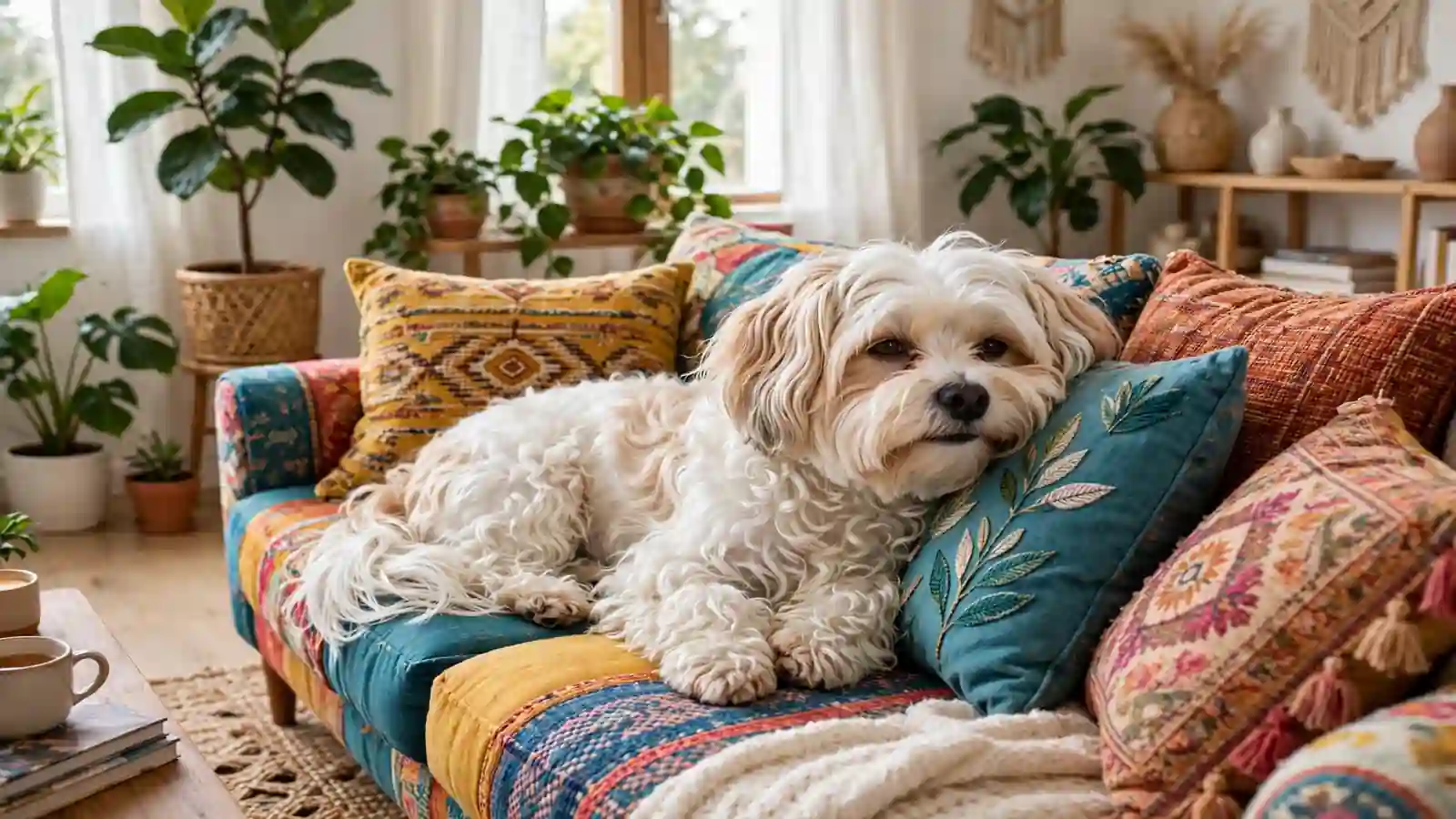
Apartment living suits this breed well. The size fits small spaces, the exercise needs are modest, and outdoor play is enjoyed rather than demanded. Most climates are handled comfortably, and the main requirement is not space but company: a Havanese in a small flat with its people nearby is usually far happier than one in a large house left alone.
Family Suitability
Playful and affectionate with children, friendly with everyone. They are sturdier than many toy breeds. They are usually good with other pets. The Havanese dog suits families who want a close companion.
With families, the breed’s friendliness does most of the work. Children get a playful, affectionate companion, and the sturdier build means the breed copes better with family life than many toy breeds, though gentle handling still matters. Other pets are usually welcomed, and the Havanese dog’s habit of befriending everyone, from visitors to the family cat, is one of the reasons owners recommend the breed so warmly.
Finding a Breeder or Rescue
Good breeders screen patellas, eyes, and heart. The breed rescues have wonderful dogs.
- Ask about health screening for patellar luxation and cataracts
- Meet the puppy’s mother and see where the puppies are raised
- Ask how the puppies are socialized in their first weeks
- Consider rescue too: breed rescues place wonderful dogs
Quick Quiz: Is a Havanese Right for You?
Answer four questions. Tap yes or no.
Frequently Asked Questions
Are Havanese good family dogs?
Wonderful. They are playful, affectionate, and good with children.
How much exercise does a Havanese need?
About 30 minutes of activity daily.
Do Havanese shed?
Very little. The silky coat is minimal-shedding but needs brushing.
Are Havanese easy to train?
They are smart and eager to please, excelling at tricks.
How long do Havanese live?
Typically 12 to 16 years.
Do Havanese have separation anxiety?
They can. They are companion dogs who need their people.
What do Havanese owners say about living with the breed?
Owners consistently describe the Havanese as cheerful, smart, and playful. In practice, owners report that the breed’s happy charm is the main reason they recommend it to companion-dog lovers.
When should I ask my vet about my Havanese’s health?
Schedule annual wellness exams, or twice-yearly exams for seniors, and ask your vet about screening for conditions the breed can be prone to, such as patellar luxation. Consult your veterinarian promptly if you notice limping, vision changes, or changes in appetite, weight, or energy.
Cheerful, devoted, and playful, this little companion suits families, apartment homes, and anyone who wants a dog with a silky, minimal-shedding coat.
Similar Breeds Worth Exploring
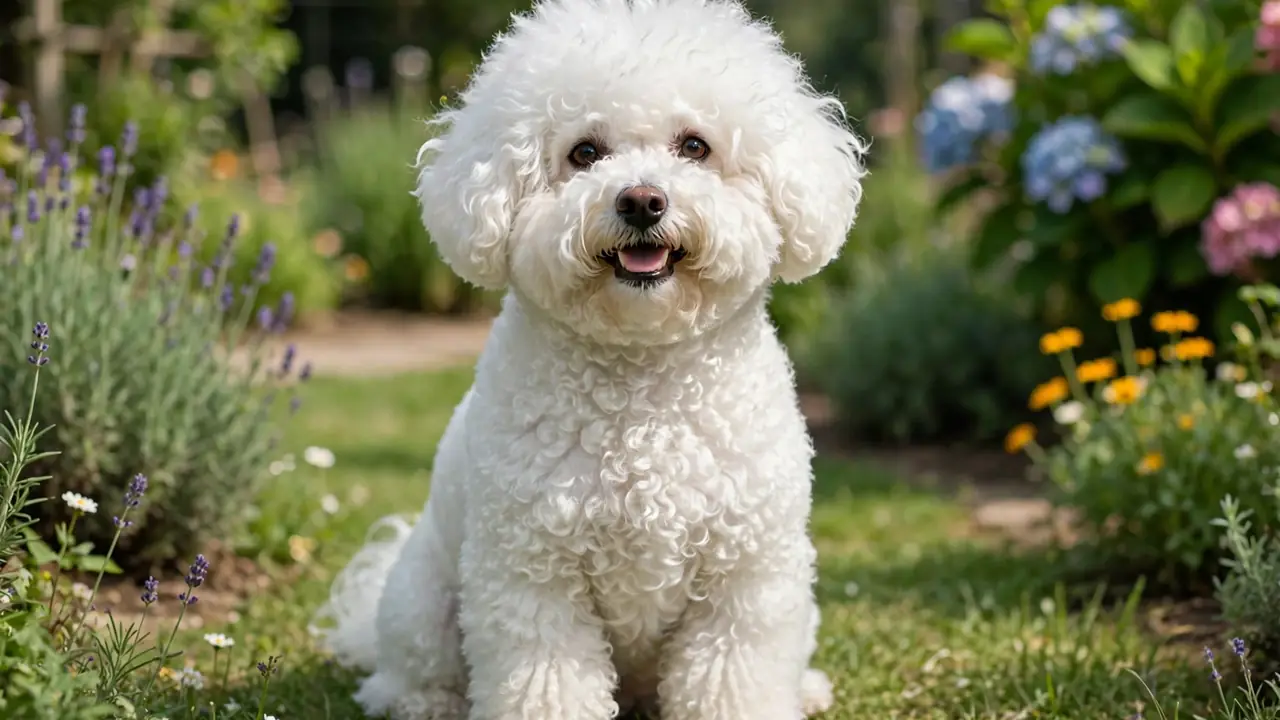
If the breed appeals to you, consider the Bichon Frise (similar white fluff), the Maltese (gentler white toy), the Shih Tzu (similar companion), or the Coton de Tulear (similar cheerful coat).

Related Breed Guides
Keep Exploring
Browse all our Dog Breed Guides, try the Dog Age Calculator, or explore our Cat Breed Guides.