
Pekingese Dog Breed Guide
Pekingese: the lion dog of Chinese emperors
The lion dog of Chinese emperors: dignified, loyal, and full of self-importance. Care and health in one complete guide.
Lifespan 12 to 14 yrs Weight Up to 14 lbs Regal and self-important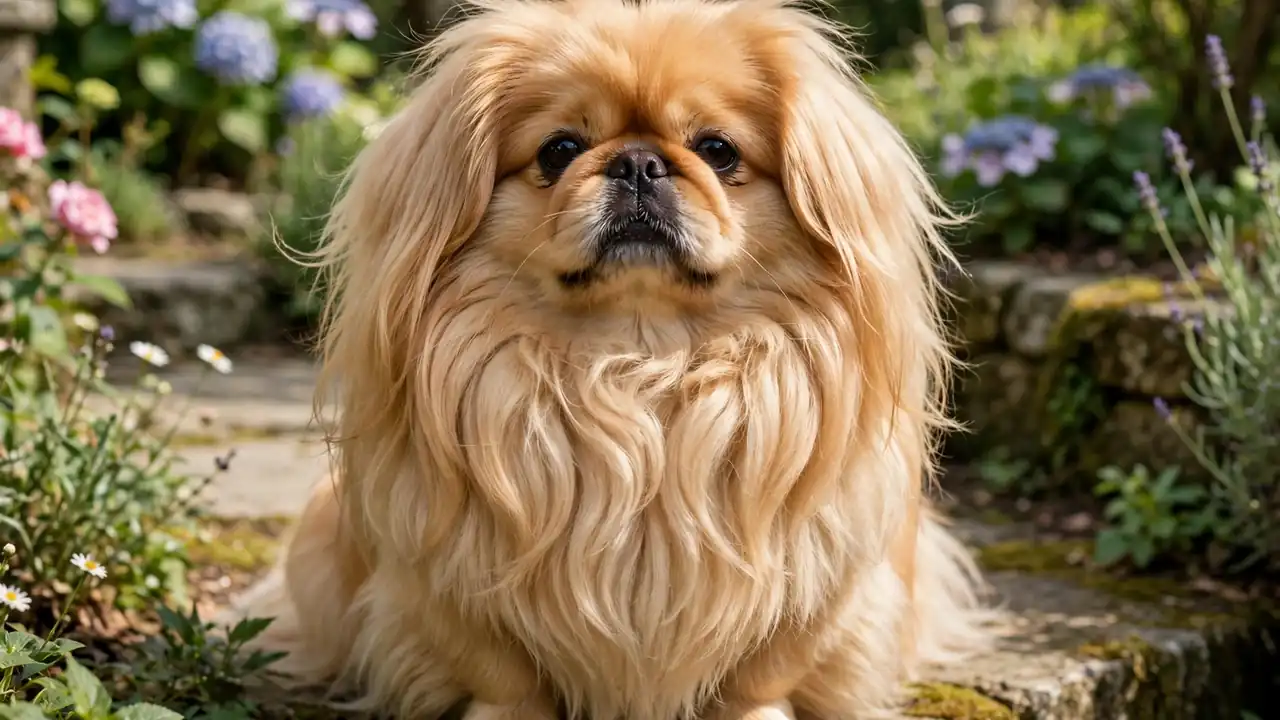
Pekingese dog is the lion dog of Chinese emperors: dignified, loyal, and full of self-importance.
At a Glance
Size and Weight
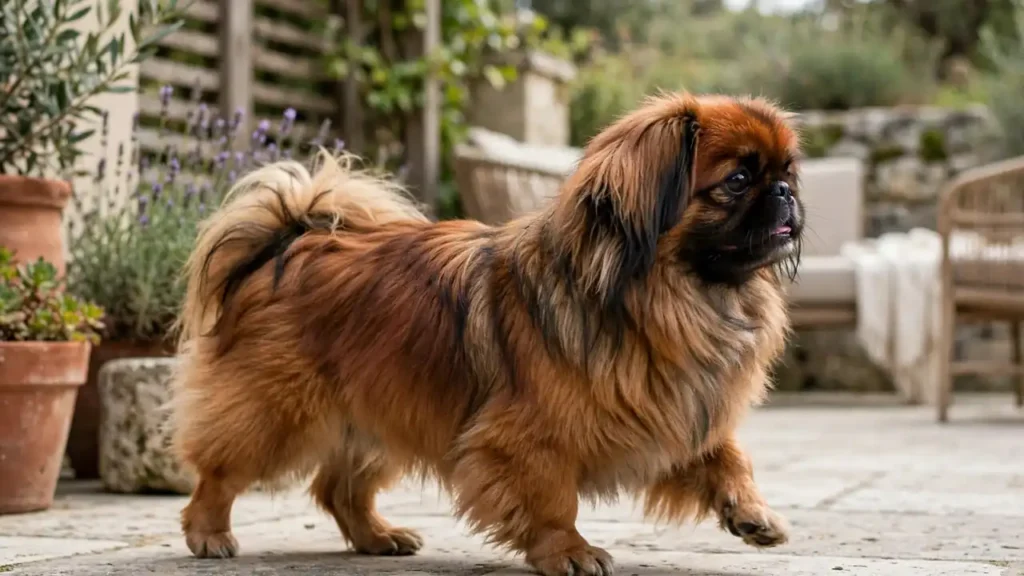
The breed weigh up to 14 pounds, typically 7 to 14, and stand 6 to 9 inches tall. The build is low, sturdy, and lion-like. The Pekingese dog is a low, sturdy little companion with a magnificent mane.
Coat and Colors
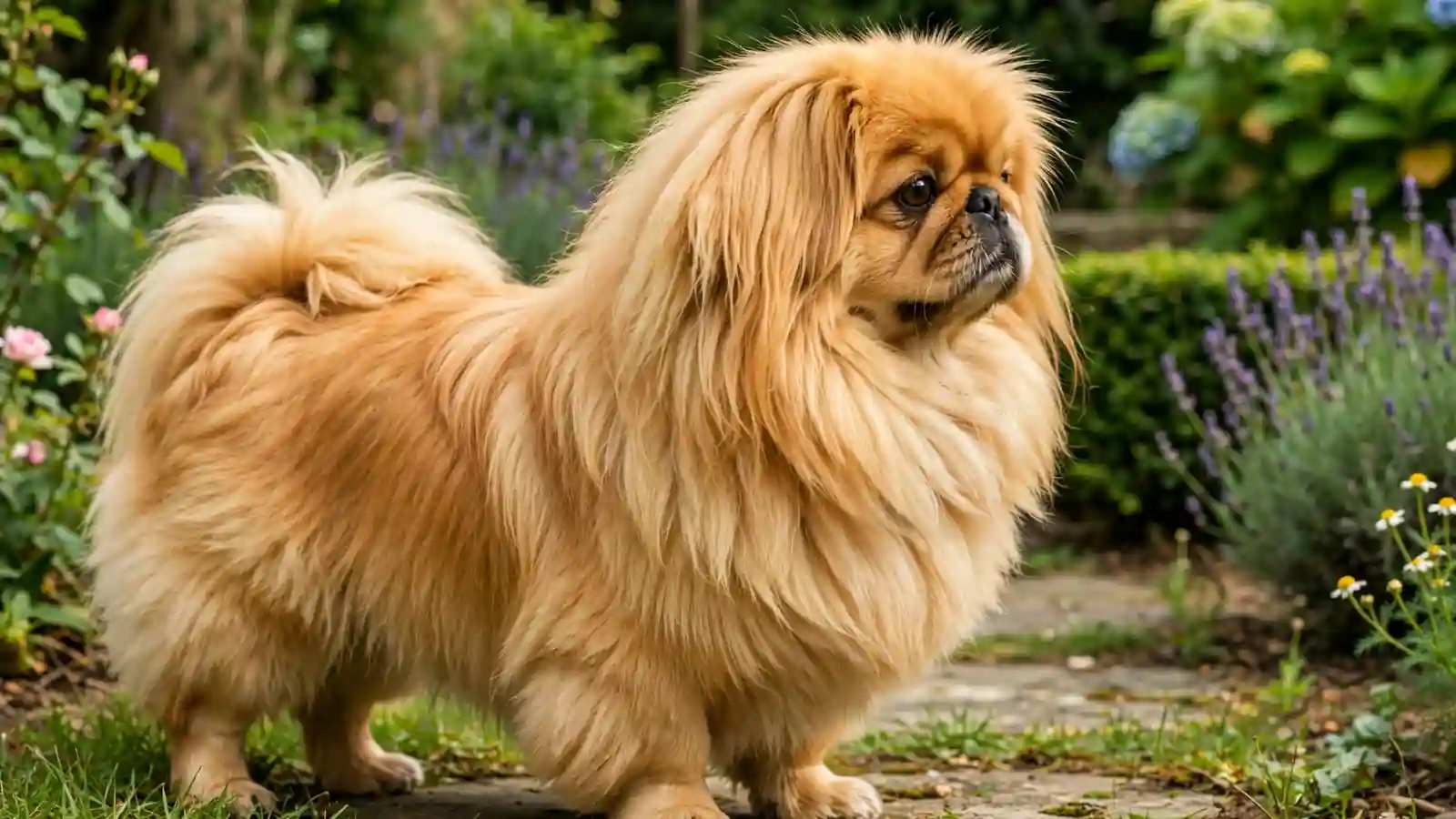
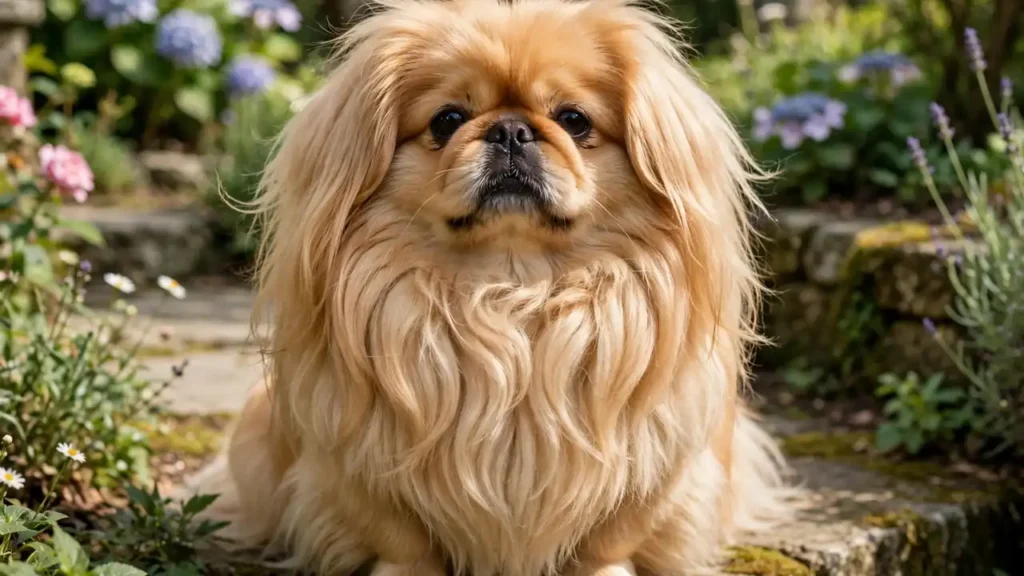
A long, coarse double coat with a profuse mane, in gold, red, sable, or various colors. Shedding is moderate to heavy. The coat needs serious grooming commitment. The Pekingese dog is famous for its long, coarse double coat.

History and Origins
The breed were treasured in the Chinese imperial palace for centuries, considered sacred and kept as royal companions.
They came to the West in the 1860s.
The royal heritage shows in the dignified, self-important temperament. They still expect to be treated as royalty.
Physical Characteristics
Low, sturdy body with a broad head, flat face, and the magnificent mane. The rolling gait is distinctive. The Pekingese dog has a low, sturdy body with a broad head and a flat face.
The flat face means breathing sensitivity and heat intolerance.
Pekingese Personality and Behavior
The breed are famously dignified, loyal, and independent. They bond deeply with their families but are aloof with strangers. They are brave, opinionated, and full of self-importance. The Pekingese dog is dignified, loyal, and independent.
They are not effusive or eager to please; they are calm aristocrats who decide for themselves. They can be stubborn and need patient training.
Owners consistently describe the breed as dignified, loyal, and independent. In practice, owners report that the breed’s regal character is the main reason they recommend it to experienced companion-dog owners.
The regal character is not an act. A Pekingese dog carries itself like royalty, decides for itself, and offers affection on its own terms, and owners who respect that dignity usually get the deepest loyalty the breed gives. The aloofness with strangers is part of the same trait: this is a dog that chooses its people carefully and then guards that bond with quiet seriousness.
Training works around the independence rather than against it. The stubborn streak grows when training feels like drilling, and shrinks when sessions stay short, calm, and rewarding, with the same rules from everyone in the house. Patience is the method here, as it is with other dignified breeds: a Pekingese that trusts its owner cooperates far more than one that feels pushed.
The breed are famously dignified, loyal, and independent. They bond deeply with their families but are aloof with strangers. They are brave, opinionated, and full of self-importance.
They are not effusive or eager to please; they are calm aristocrats who decide for themselves. They can be stubborn and need patient training.
Owners consistently describe the breed as dignified, loyal, and independent. In practice, owners report that the breed’s regal character is the main reason they recommend it to experienced companion-dog owners.
- Deeply loyal to its chosen people
- Calm, low-energy house companion
- Magnificent lion-like mane
- Flat face means breathing and heat sensitivity
- Profuse coat needs serious grooming
- Stubborn and independent in training
Care Essentials
The breed need 20 minutes of gentle daily activity. They are indoor lap dogs who want comfort and closeness. They are heat-sensitive due to the flat face; air conditioning is essential. The Pekingese dog needs only 20 minutes of gentle daily activity.
The grooming is the real commitment. Budget time or money for it honestly.
Comfort is the daily priority. A Pekingese is an indoor lap dog that wants closeness and a cool, comfortable resting spot, and heat management shapes the whole routine: air conditioning indoors, short outings, and no strenuous activity in warm weather. Twenty minutes of gentle activity covers the need, and the rest of the day is happily spent near its people.
Feed a measured, high-quality small-breed diet in two meals a day. Keep them lean. Dental health matters; appropriate kibble helps.
Brush several times a week to prevent mats; daily is better. Professional grooming every 6 to 8 weeks helps. Clean facial wrinkles, trim nails, brush teeth regularly.
Aim for 20 minutes of gentle activity daily. Short walks and indoor time are enough. Avoid heat and strenuous exercise.
They cannot handle heat and need climate control. Short, supervised outdoor time is enough.
Nutrition and Diet
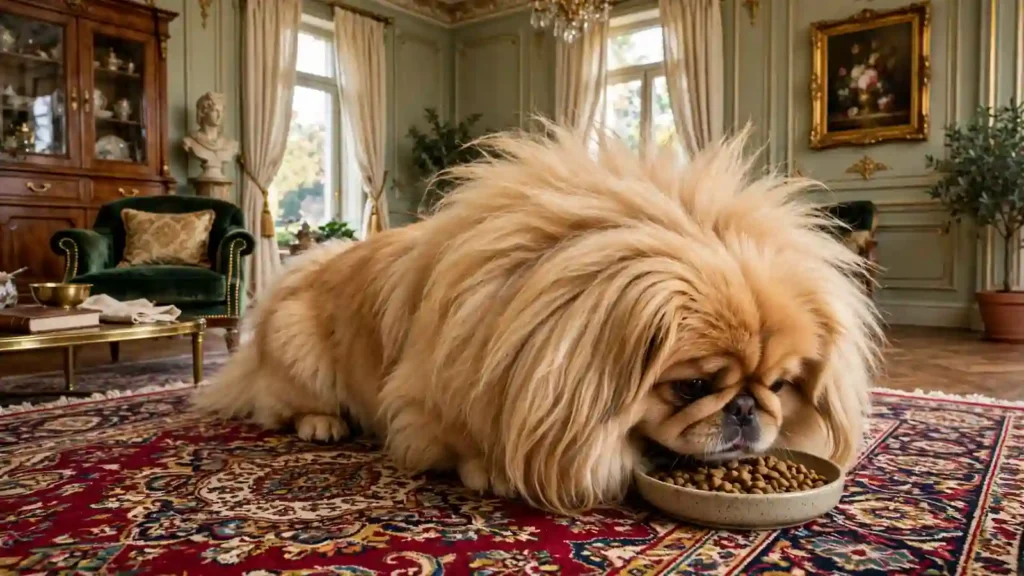
Feed a measured, high-quality small-breed diet in two meals a day. Keep them lean. Dental health matters; appropriate kibble helps.
Feeding stays simple and measured. A high-quality small-breed diet in two meals keeps the low, sturdy build lean, and dental health deserves steady attention alongside weight, since small breeds and flat faces both make mouth care matter. Appropriate kibble and regular tooth brushing cover the daily side, and treats stay counted rather than casual.
Grooming
Brush several times a week to prevent mats; daily is better. Professional grooming every 6 to 8 weeks helps. Clean facial wrinkles, trim nails, brush teeth regularly.
Grooming is the real commitment the guide names, and honesty about it matters. Brushing several times a week prevents mats in the long, coarse double coat, daily brushing is better, and professional grooming every six to eight weeks keeps the mane manageable. Facial wrinkles need cleaning as part of the same routine, along with nails and teeth, so the weekly session is best treated as a fixture, not a chore to postpone.

Exercise and Enrichment
Aim for 20 minutes of gentle activity daily. Short walks and indoor time are enough. Avoid heat and strenuous exercise.
Exercise is gentle by design. Short walks and indoor time are enough, and heat and strenuous activity are to be avoided rather than pushed through, since the flat face makes breathing harder when the dog is hot or exerted. A calm daily rhythm suits this breed better than any ambitious activity plan, and owners who keep it gentle usually keep the dog comfortable.
Health
The flat face affects breathing; avoid heat and strenuous exercise.
Ulcers and dry eye occur with the prominent eyes.
The long, low build makes back problems a risk.
Schedule twice-yearly exams, and ask your vet about screening for conditions the breed can be prone to, such as airway and eye issues. Consult your veterinarian promptly if you notice labored breathing, eye problems, or back pain. For general background, see the Pekingese dog reference on Wikipedia.
Health care centers on breathing, eyes, and back. Twice-yearly exams give the vet regular chances to check airway and eye issues, and the signs worth mentioning promptly are labored breathing, eye problems, and back pain. Breeders who health-test eyes, patellas, and heart and who breed for better breathing are worth seeking out, since breathing is the issue that shapes most of this breed’s daily care.
Indoor and Outdoor Living
They cannot handle heat and need climate control. Short, supervised outdoor time is enough.
Indoor living is not a preference for this breed but a need. Climate control indoors, short supervised outdoor time, and protection from heat define the living arrangement, and a cool home with a comfortable lap nearby is the ideal. Given those conditions, the Pekingese is a calm, devoted housedog that asks for little beyond comfort and company.

Family Suitability
Loyal and affectionate with their families, aloof with strangers. They can be good with respectful older kids. They are often fine with other pets. The Pekingese dog is loyal and affectionate with its family.
With families, the loyalty shows most. The breed is affectionate with its own people and aloof with strangers, and respectful older children usually get the best version of the dog, while rough handling suits neither the temperament nor the low, sturdy build. Other pets are often accepted, and the Pekingese dog’s devoted, dignified companionship rewards households that offer patience and calm in return.
Finding a Breeder or Rescue
Good breeders health-test (eyes, patellas, heart) and breed for better breathing. The breed rescues have wonderful dogs. The Pekingese dog does best with breeders who screen eyes, patellas, and hearts.
- Ask about health screening for brachycephalic airway issues and eye problems
- Meet the puppy’s mother and see where the puppies are raised
- Ask how the puppies are socialized in their first weeks
- Consider rescue too: breed rescues place wonderful dogs
Quick Quiz: Is a Pekingese Right for You?
Answer four questions. Tap yes or no.
Frequently Asked Questions
Are Pekingese good family dogs?
They are devoted to their families but best with experienced owners. They are aloof with strangers.
How much exercise does a Pekingese need?
Only about 20 minutes of gentle activity daily.
Do Pekingese shed?
Moderately to heavily. The long coat needs regular brushing.
Do Pekingese have health problems?
Honestly, yes. Breathing, eyes, and heat tolerance need management.
How long do Pekingese live?
Typically 12 to 14 years.
Are Pekingese easy to train?
They are intelligent but independent and stubborn. Patient training is essential.
What do Pekingese owners say about living with the breed?
Owners consistently describe this breed as dignified, loyal, and independent. In practice, owners report that the breed’s regal character is the main reason they recommend it to experienced companion-dog owners.
When should I ask my vet about my Pekingese’s health?
Schedule twice-yearly exams, and ask your vet about screening for conditions the breed can be prone to, such as airway and eye issues. Consult your veterinarian promptly if you notice labored breathing, eye problems, or back pain.
Regal, loyal, and full of self-importance, this little aristocrat suits calm, experienced homes. It asks for grooming and gentle care, and returns complete devotion.
Similar Breeds Worth Exploring
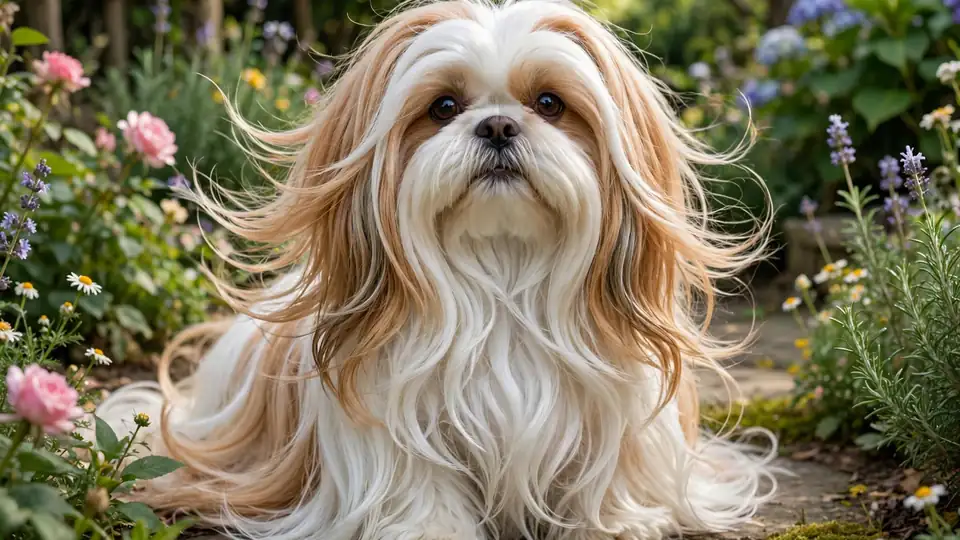
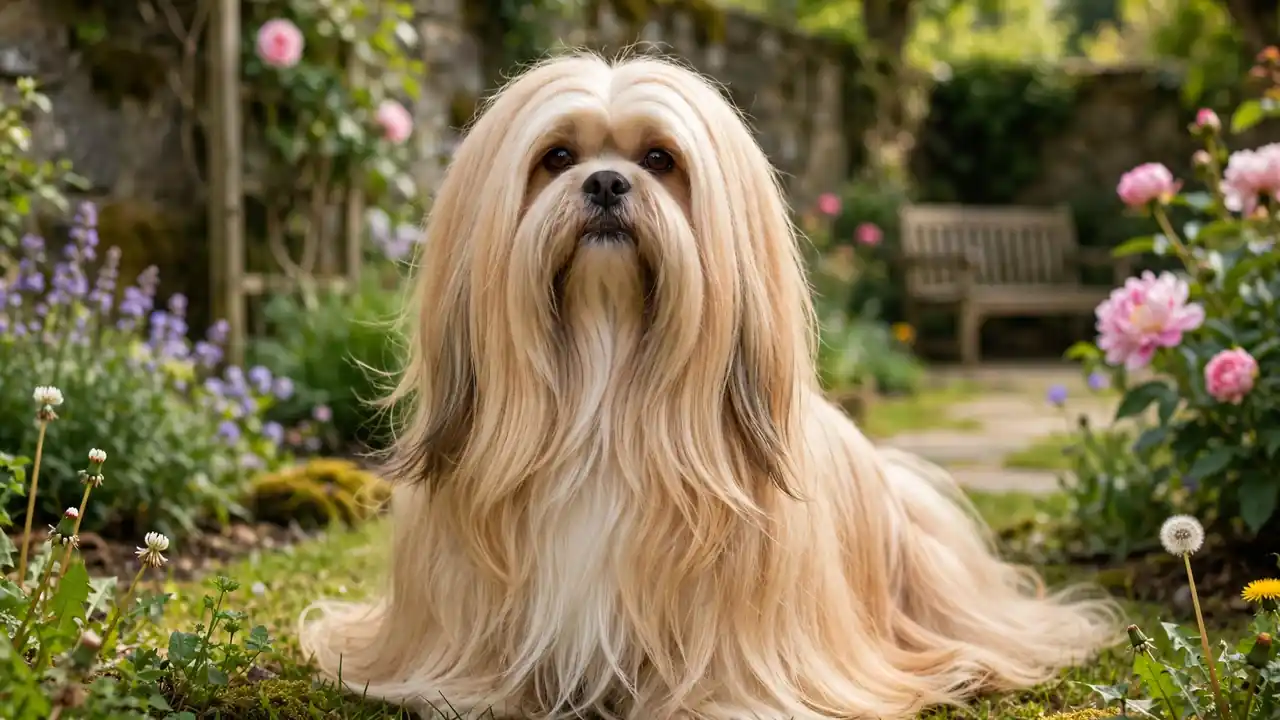
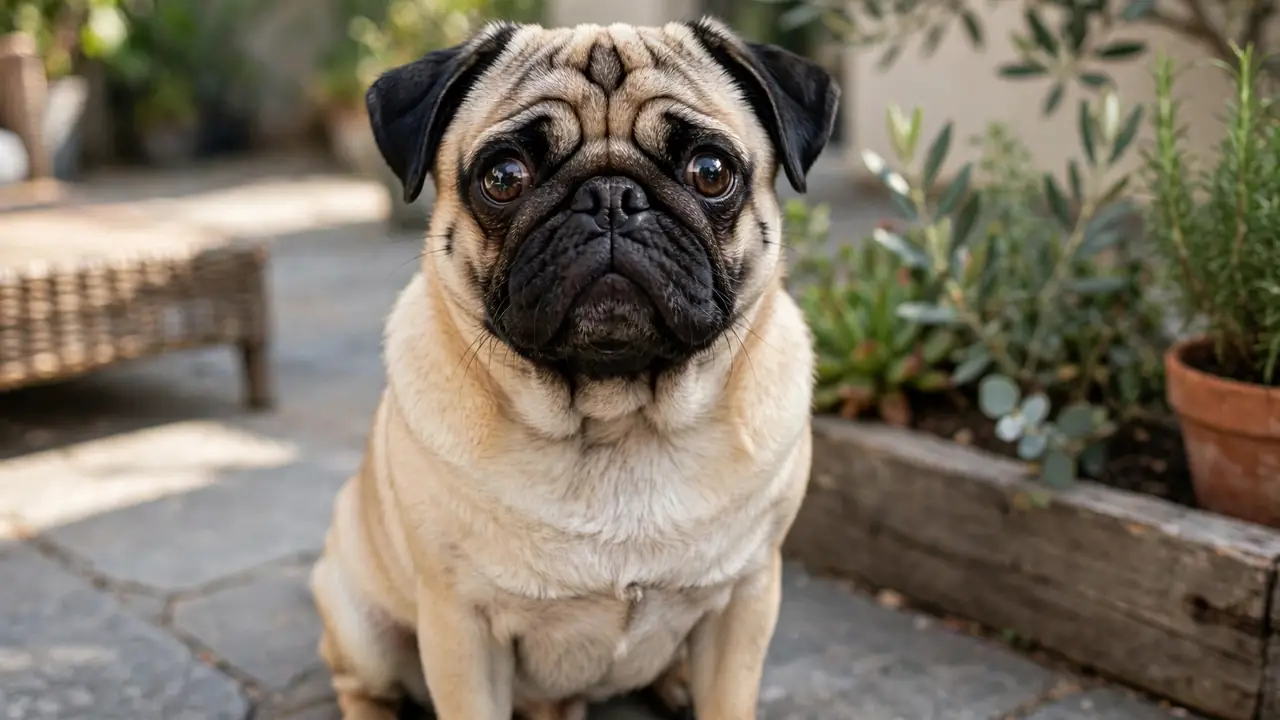
If the breed appeals to you, consider the Shih Tzu (sweeter, similar look), the Lhasa Apso (similar dignity), the Japanese Chin (similar royal companion), or the Pug (similar flat face, more clownish).
Related Breed Guides
Keep Exploring
Browse all our Dog Breed Guides, try the Dog Age Calculator, or explore our Cat Breed Guides.