
Papillon Dog Breed Guide
Papillon: the butterfly-eared charmer
The butterfly-eared charmer: tiny, elegant, and surprisingly athletic. Care and health in one complete guide.
Lifespan 13 to 16 yrs
Weight 5 to 10 lbs
Tiny, elegant, athletic
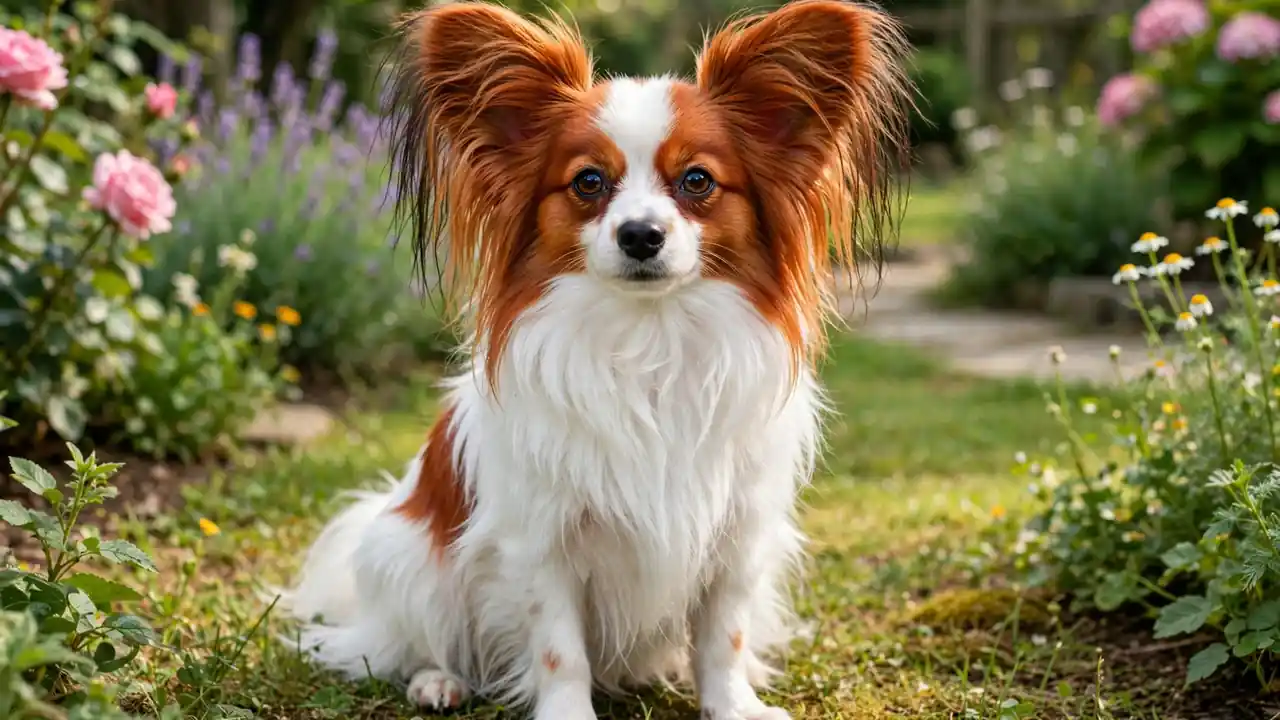
Papillon dog is the butterfly-eared charmer: tiny, elegant, and surprisingly athletic.
At a Glance
Size and Weight
They weigh 5 to 10 pounds and stand 8 to 11 inches tall. The build is fine-boned and elegant. The Papillon dog is fine-boned and elegant.
Coat and Colors
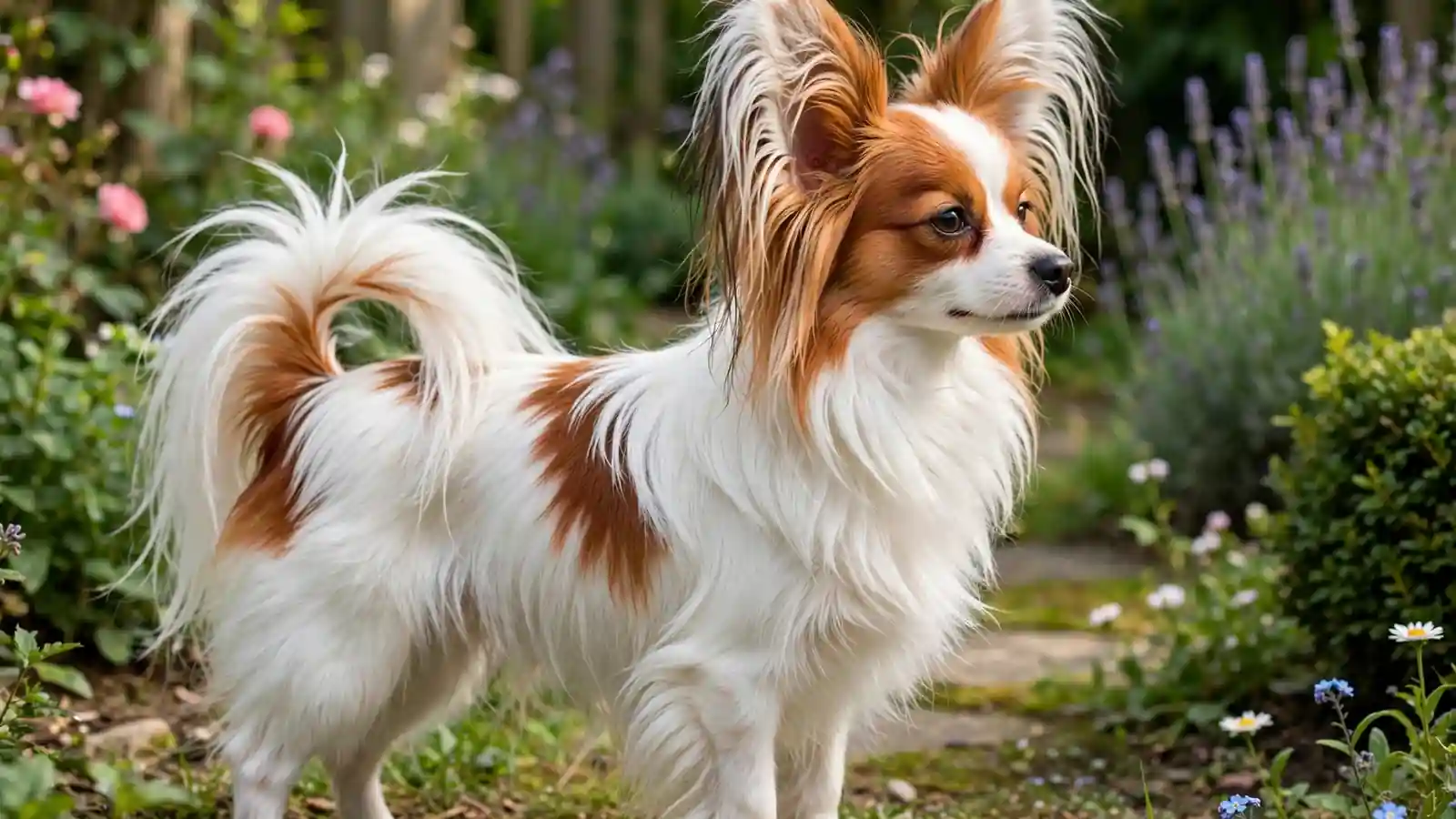
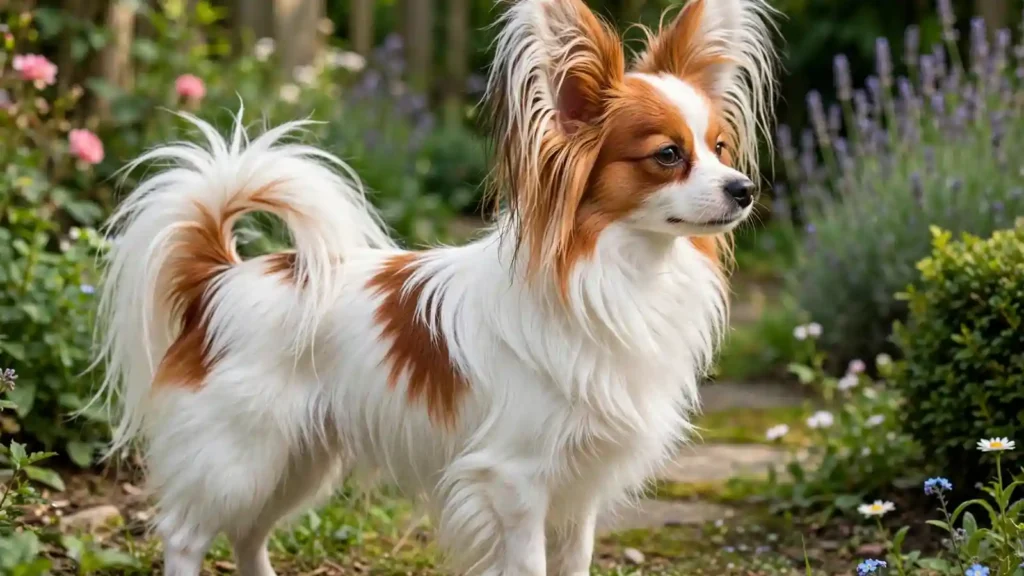
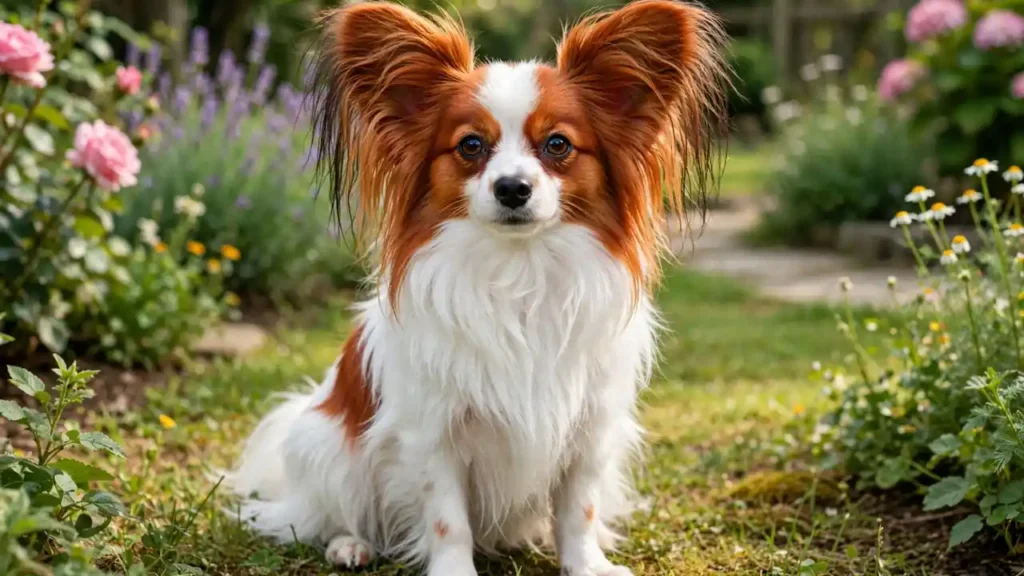
A long, silky single coat, always white with patches of color. The fringed butterfly ears are the signature. Shedding is moderate. The coat needs regular brushing but no clipping. The Papillon dog is famous for its long, silky coat.
The drop-eared variety is called the Phalene.
History and Origins
The breed-type spaniels appear in European royal portraits going back centuries; they were treasured lap dogs of French and Spanish nobility.
The erect-eared variety became the breed, named for the butterfly.
The companion heritage is the whole breed, but the spaniel blood adds surprising athleticism.
Physical Characteristics
Papillon Personality and Behavior
A tiny dog with a big spirit.
They are famously happy, alert, and friendly. They are smart, trainable, and surprisingly athletic, excelling at agility. They adore their people and are lively companions.
They can be yappy without training. They are delicate; rough handling and large dogs are risks. They are among the most trainable toy breeds.
Owners consistently describe the breed as happy, alert, and smart. In practice, owners report that the breed’s delightful spirit is the main reason they recommend it to engaged toy-dog lovers.
That big spirit is the first thing owners mention. The Papillon dog is happy, alert, and friendly in a way that fills a room, and the intelligence shows in how quickly the breed learns routines, tricks, and games. The athletic streak surprises people who expect a lap ornament: this is a tiny dog that genuinely enjoys moving, thinking, and performing.
Training channels all of it. The yappiness the guide warns about grows when the clever mind has nothing to do, and shrinks when training, games, and attention give it a job. Because the breed is among the most trainable toy breeds, short, fun sessions usually work fast, and owners who keep training playful tend to get a polite, confident companion rather than a noisy one.
A tiny dog with a big spirit.
They are famously happy, alert, and friendly. They are smart, trainable, and surprisingly athletic, excelling at agility. They adore their people and are lively companions. The Papillon dog is happy, alert, and friendly.
They can be yappy without training. They are delicate; rough handling and large dogs are risks. They are among the most trainable toy breeds.
- Among the most trainable toy breeds
- Happy, friendly, and lively
- Silky coat needs brushing but no clipping
- Delicate; rough handling is a real risk
- Can be yappy without training
- Dental disease is common in the tiny mouth
Care Essentials
They need 30 minutes of daily activity: walks, play, training. They are indoor companions who want to be involved in everything. They do well in apartments with enough activity. The Papillon dog needs 30 minutes of daily activity.
Protect from falls, hawks, and large dogs.
Daily life revolves around involvement and protection together. A Papillon wants to be part of everything the family does, and the same small size that makes the breed portable also calls for care: safe handling, protection from falls, and supervision around large dogs. Given that care and the daily activity covered, the breed is an easy, cheerful apartment companion.
Feeding
Feed a measured, high-quality small-breed diet in two meals a day. Dental health matters; appropriate kibble and regular dental care help.
Grooming
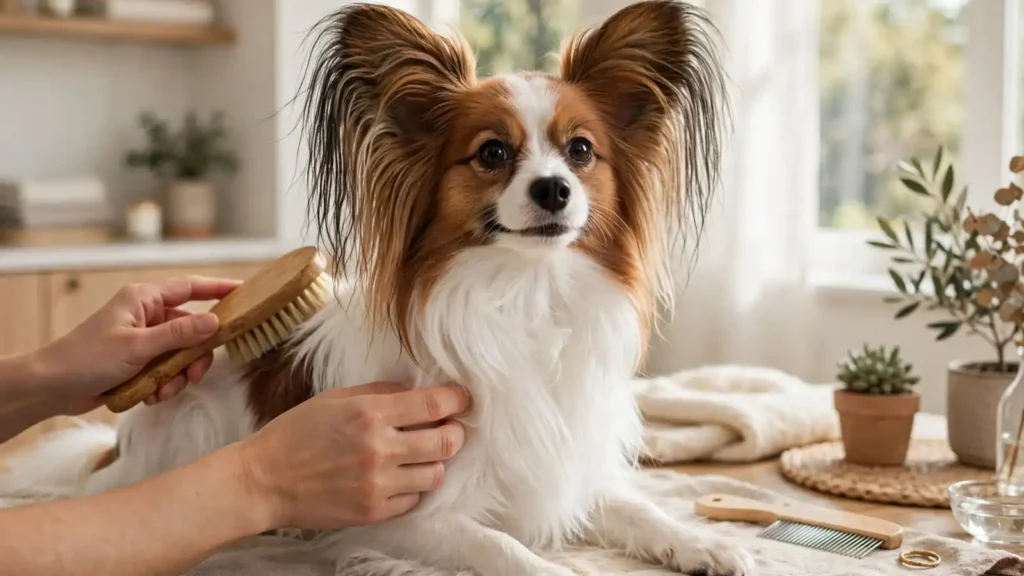
Brush two to three times a week to prevent mats, especially the ear fringes. Bathe as needed. No clipping required. Trim nails, clean ears, brush teeth regularly.
Training & Exercise
Moderate to high energy for a tiny dog.
Home
They live indoors and are excellent apartment dogs. They need protection from cold, hawks, and large dogs outdoors.
Nutrition and Diet
Feed a measured, high-quality small-breed diet in two meals a day. Dental health matters; appropriate kibble and regular dental care help.
Avoid overfeeding; extra weight is significant on a tiny frame.
Portions matter more than recipes for this breed. A measured small-breed diet in two meals keeps weight steady, and extra weight shows quickly on a tiny frame, so treats deserve counting rather than guessing. Dental health runs alongside weight as the daily priority: appropriate kibble and regular dental care do more long-term good than any occasional supplement.

Grooming
Brush two to three times a week to prevent mats, especially the ear fringes. Bathe as needed. No clipping required. Trim nails, clean ears, brush teeth regularly.
The coat routine is simple but regular. Brushing two to three times a week keeps the long, silky coat free of mats, and the ear fringes deserve first attention since they tangle fastest. No clipping is required, baths come only as needed, and the same session covers nails, ears, and teeth, so the whole routine fits into one short weekly habit.
Exercise and Enrichment
Moderate to high energy for a tiny dog.
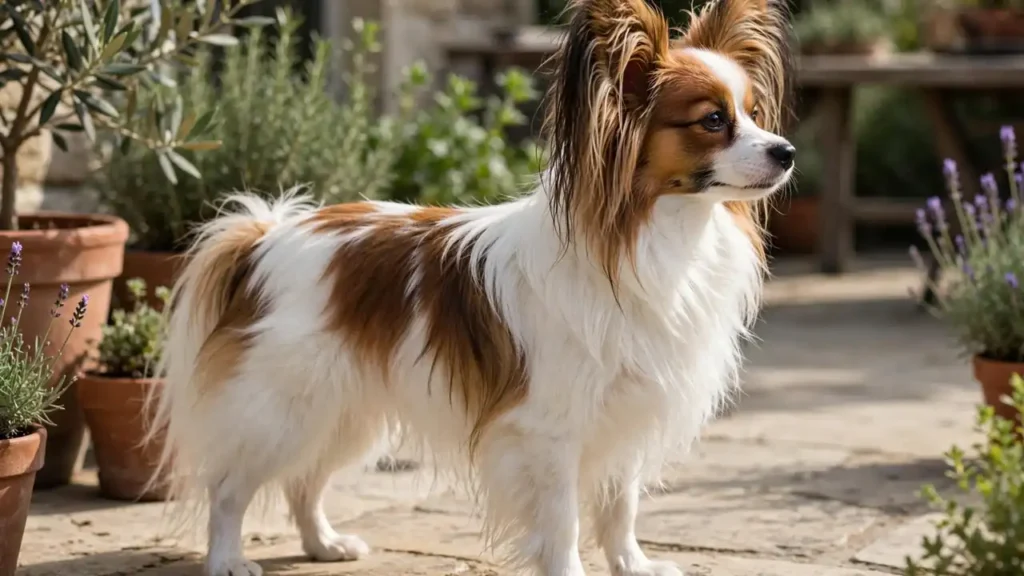
Aim for 30 minutes of activity daily. They love agility, tricks, and games. Mental enrichment through training suits the clever mind. The Papillon dog loves agility, tricks, and games.
Energy is moderate to high for the size, and agility is the natural outlet. Walks and play cover the basics, but tricks, games, and agility-style challenges suit the clever mind and the athletic body together, and a Papillon that trains regularly is usually calmer indoors than one that only walks. Mental enrichment is not optional here: a bored Papillon invents its own entertainment, often loudly.
Health
Loose kneecaps occur; choose breeders who health-test.
Dental disease is common in the tiny mouth.
They can be prone to collapsing trachea; use a harness instead of a collar.
Schedule annual wellness exams, or twice-yearly exams for seniors, and ask your vet about screening for conditions the breed can be prone to, such as patellar luxation and dental disease. Consult your veterinarian promptly if you notice limping, honking cough, or changes in appetite, weight, or energy. For general background, see the Papillon dog reference on Wikipedia.
Health care follows the familiar rhythm: annual exams, twice-yearly exams for seniors, and screening for patellar luxation and dental disease, with breeders who health-test patellas, eyes, and heart worth seeking out. Day to day, the watch points are limping, mouth discomfort, and changes in appetite, weight, or energy, and mentioning them early beats watching them develop.
Indoor and Outdoor Living
They live indoors and are excellent apartment dogs. They need protection from cold, hawks, and large dogs outdoors.
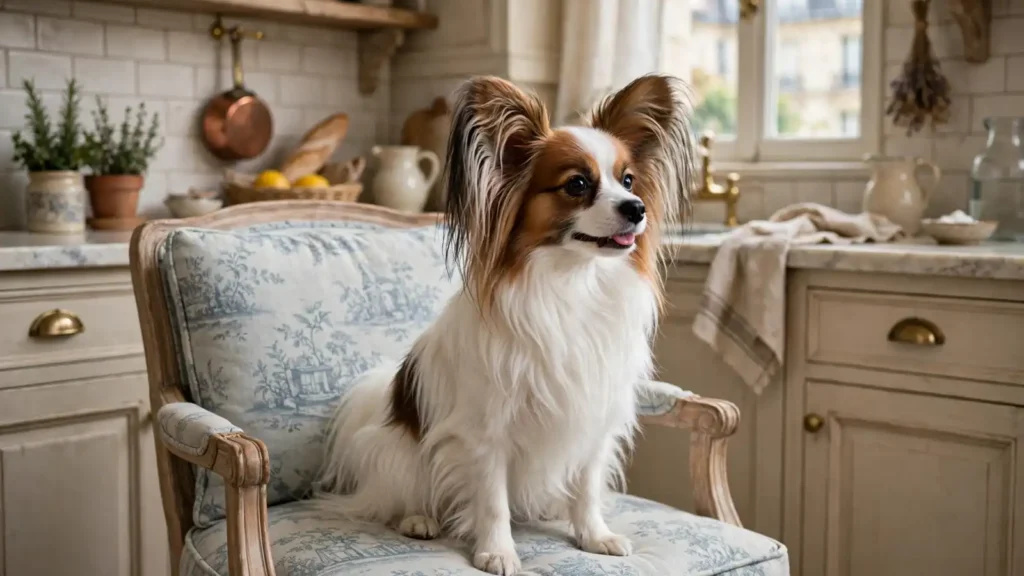
Apartment living suits the breed on one condition: protection outdoors. Cold weather, birds of prey, and large dogs are all real considerations for a dog this small, so outdoor time works best supervised and, in cold weather, with a little extra warmth. Indoors, the Papillon is an excellent apartment dog, content wherever its people are.
Family Suitability
Happy and affectionate with calm adults and older kids. Too fragile for rough toddler play. They are usually good with other gentle pets. The Papillon dog is happy and affectionate with calm adults and older kids.
With families, calm and gentle set the tone. The breed is happy and affectionate with calm adults and older children, and usually good with other gentle pets, but rough toddler play is genuinely too much for a frame this delicate. The Papillon dog’s charm comes out most with people who handle the small size with respect, and those households usually get the most devoted version of the breed.
Engaged toy-dog loversCalm adults and older kidsAgility fans wanting a small dog
You have rough toddlersYou want a sturdy, robust dog
Finding a Breeder or Rescue
Good breeders health-test (patellas, eyes, heart) and raise puppies in the home. The breed rescues have wonderful dogs. The Papillon dog does best with breeders who health-test patellas, eyes, and heart.
- Ask about health screening for patellar luxation and dental disease
- Meet the puppy’s mother and see where the puppies are raised
- Ask how the puppies are socialized in their first weeks
- Consider rescue too: breed rescues place wonderful dogs
Quick Quiz: Is a Papillon Right for You?
Answer four questions. Tap yes or no.
Frequently Asked Questions
Are Papillons good family dogs?
They are wonderful for calm households with older kids or adults. They are too fragile for rough play.
How much exercise does a Papillon need?
About 30 minutes of activity daily.
Do Papillons shed?
Moderately. The silky single coat needs regular brushing.
What is the difference between a Papillon and a Phalene?
This breed has erect butterfly ears; the Phalene has drop ears. They are varieties of the same breed.
How long do Papillons live?
Typically 13 to 16 years, one of the longer-lived breeds.
Are Papillons easy to train?
They are among the most trainable toy breeds, excelling at agility and tricks.
What do Papillon owners say about living with the breed?
Owners consistently describe this breed as happy, alert, and smart. In practice, owners report that the breed’s delightful spirit is the main reason they recommend it to engaged toy-dog lovers.
When should I ask my vet about my Papillon’s health?
Schedule annual wellness exams, or twice-yearly exams for seniors, and ask your vet about screening for conditions the breed can be prone to, such as patellar luxation and dental disease. Consult your veterinarian promptly if you notice limping, honking cough, or changes in appetite, weight, or energy.
Happy, clever, and full of charm, this butterfly-eared toy suits gentle, engaged homes that want a trainable little dog with an athlete’s heart.
Similar Breeds Worth Exploring
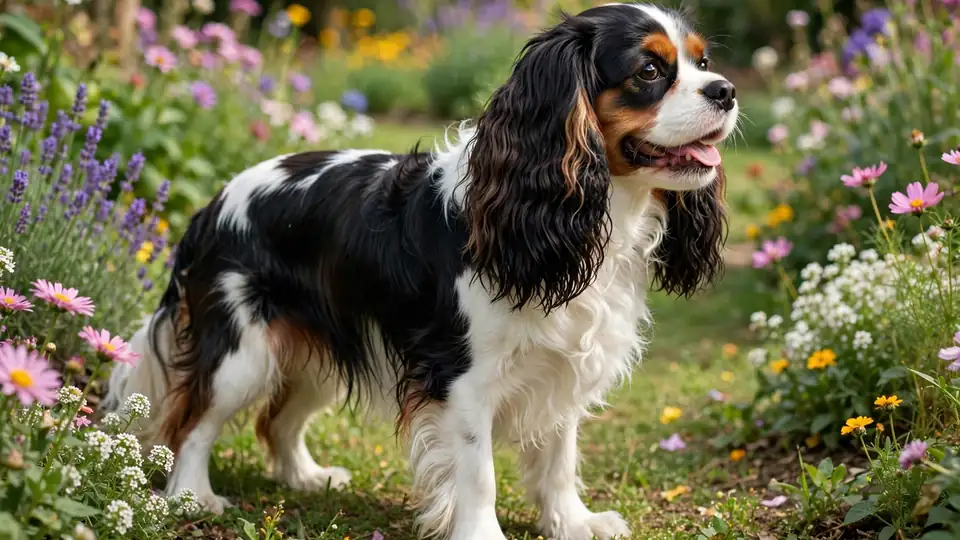
If the breed appeals to you, consider the Phalene (the drop-eared variety), the Cavalier King Charles Spaniel (gentle spaniel companion), the Japanese Chin (similar royal toy), or the Long-Haired Chihuahua (tiny and similar).
Related Breed Guides
Keep Exploring
Browse all our Dog Breed Guides, try the Dog Age Calculator, or explore our Cat Breed Guides.