Pixiebob Cat Breed Guide
Pixiebob: at a Glance
A big, rugged cat in a spotted tawny coat with a bobbed tail and a bobcat’s wild face — and a house cat’s loyal, quiet heart. The Pixiebob follows its people, chirps at birds, and learns tricks like a dog.
By Emily Carter · Reviewed by our vet team · Updated 21 October 2026 · 14 min read
Lifespan 13–15 yrs Weight 8–17 lb Wild look, gentle heart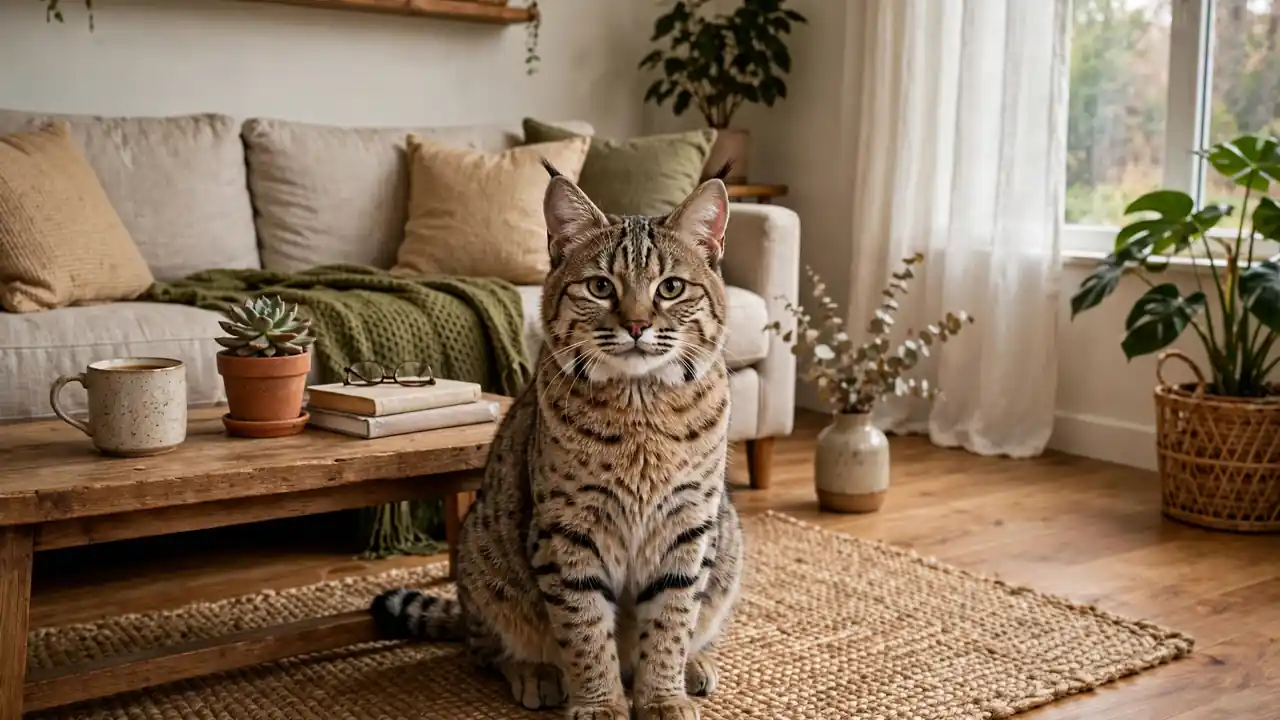
Short on time? Here is the pixiebob cat in a nutshell.
At a Glance
Size and Weight
The pixiebob cat is built to impress, and it carries its size with easy confidence.
Adults typically weigh 8 to 17 pounds, with males noticeably bigger. The body is long, broad, and muscular, with a deep chest and a solid feel when lifted.
They stay agile despite their bulk, climbing well and jumping with power in a rolling gait that suits their wild look. Many keep filling out until age three or four.
Coat and Colors
The coat is where the wild look comes alive, so let us take a proper look at it.
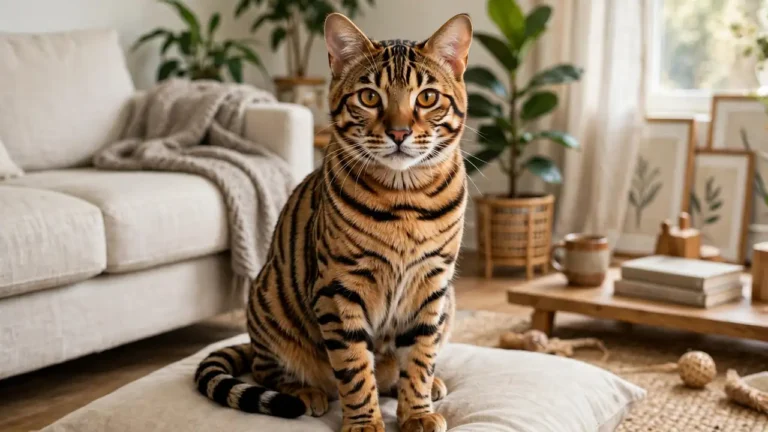
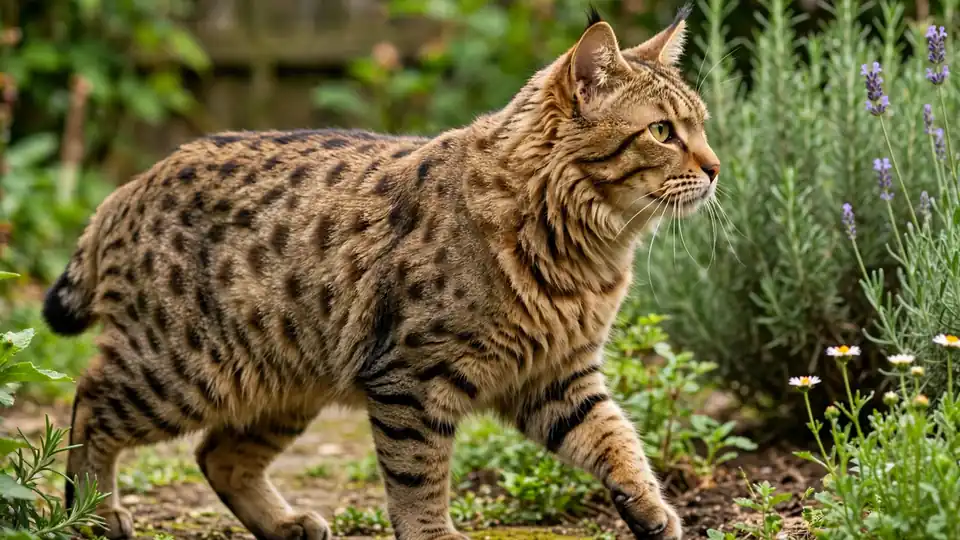
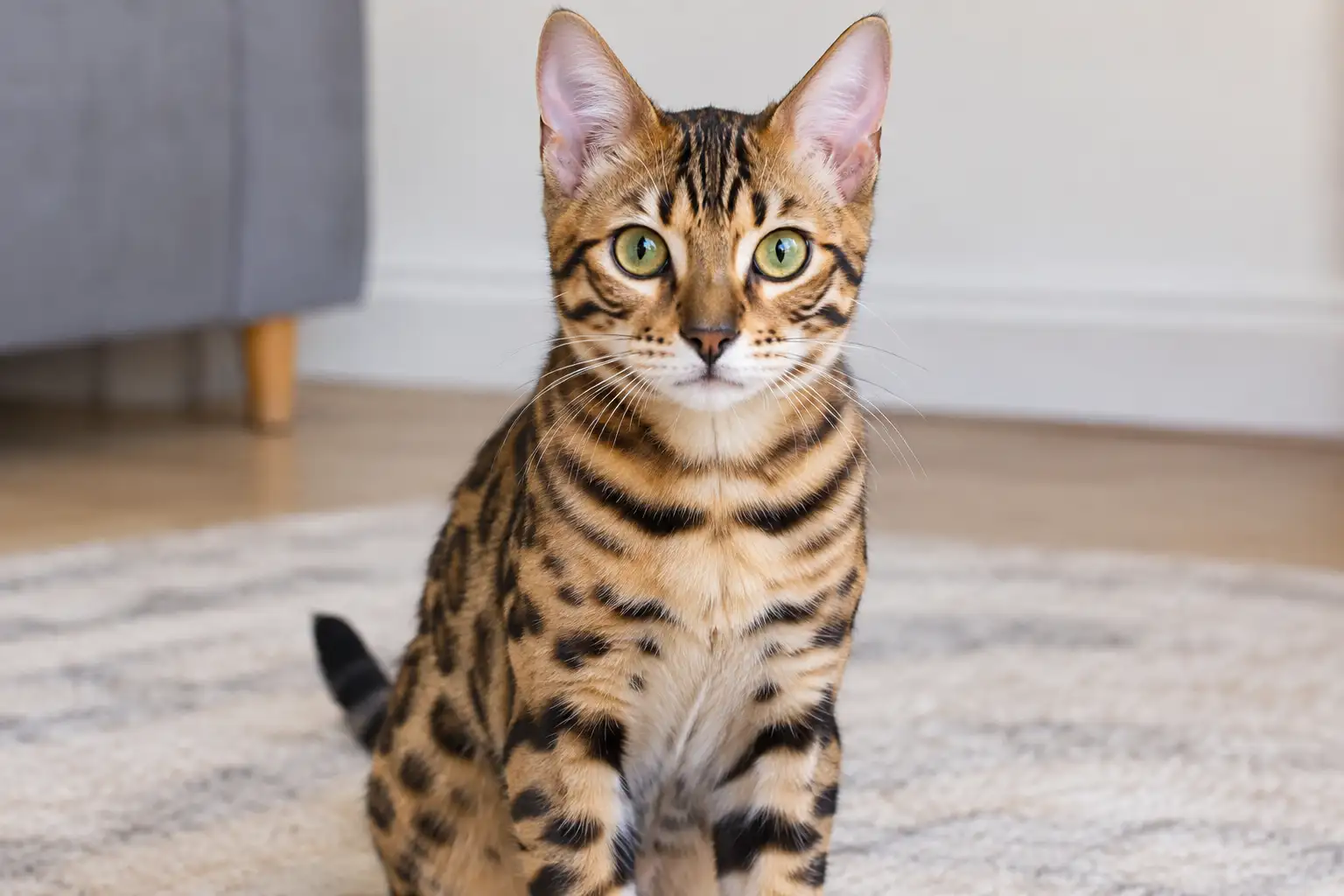
The classic pixiebob cat wears a brown spotted tabby coat. Random spots scatter across a warm, tawny background, and fine ticking between the spots gives a sunlit, dappled finish. Some cats show bold rosettes, others carry smaller flecks. No two patterns are exactly alike.
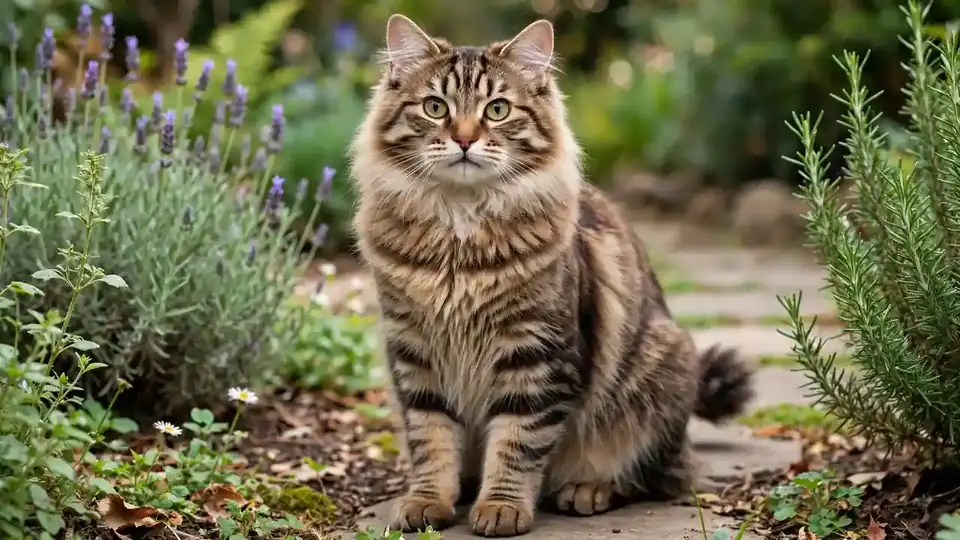
The coat comes in two lengths. The short version lies close and feels dense and plush. The long version looks softer and shaggier, with a fuller ruff around the neck and light feathering on the belly and legs. Both share the same wild pattern and warm brown base.
Ear tufts crown the ear tips, many cats grow upward pointing lynx tips, and a heavy brow shades the eyes for a serious, watchful look. The muzzle is broad and the chin is strong.
Brown spotted tabby is the signature color, though other accepted colors exist in cooler greyed browns and warmer reddish tones. The spotted pattern stays consistent across them, with contrast ranging from soft to striking. Kittens are often born with bolder markings that settle as they grow.
History and Origins
Every breed has a backstory, and this one starts in the forests of the Pacific Northwest.
The breed was developed in the United States in the 1980s, where breeders in the Pacific Northwest wanted a domestic cat with the rugged look of the wild bobcat — spotted coat, tufted ears and short tail.
Temperament mattered as much as appearance, so the founders chose calm, loyal cats that were good with people. Careful selection produced a cat that looked wild but behaved like a devoted companion.
The Pixiebob turns heads with its wild style while fitting happily into family life, and the breed remains fairly rare.
The breed was developed in the United States in the 1980s. Breeders in the Pacific Northwest wanted a domestic cat with the rugged look of the wild bobcat, from the spotted coat and tufted ears to the short tail. Careful selection produced a cat that looked wild but behaved like a devoted companion.
Temperament mattered as much as appearance, so the founders chose calm, loyal cats that were good with people. The result turns heads with wild style while fitting happily into family life, and the breed remains fairly rare.
Physical Characteristics
Once you know what to look for, this breed is hard to mistake for anything else.
The tail comes first. It is short and bobbed, usually just a few inches long, and every one is unique. Some kink or curl, which only adds character. The bobbed tail is a natural trait, never docked.
The paws are another signature. Polydactyl feet are common, so many cats are born with extra toes. Those wide, mitten like paws look charming and give a surefooted grip for climbing and wrestling with toys.
The head is large with a broad muzzle, strong chin, and heavy brow. The eyes sit deep set and often glow gold or greenish gold. Add the ear tufts and lynx tips, and the whole picture says wildcat, though the heart underneath is pure house cat.
Pixiebob Personality and Behavior
Looks may say wild, but the pixiebob cat is all about loyalty and quiet companionship.
These cats bond strongly with the family but can be reserved with strangers at first. Given time and a few treats, most warm up nicely.
Cautious with strangers, but they study you, approve of you, then love you with unusual intensity.
Meals, play and greetings at the door, on schedule. These cats notice routine, and notice when it slips.
- Loyal, trainable and dog like
- Quiet voice — chirps instead of meows
- Gentle with children, good with dogs
- Wants company — not for empty homes
- Large frame needs sturdy furniture
- Fairly rare — expect a wait for a kitten
This breed is famously dog like. It follows its favorite person from room to room, greets visitors at the door, and often learns to walk on a leash. Many learn tricks like fetch or coming when called, because these cats are smart and eager to please.
They are quiet cats. Instead of meowing much, they chirp, chatter, and chortle softly, especially at birds outside the window. The voice is gentle and used sparingly, which suits people who prefer a calm household.
Loyalty runs deep. These cats bond strongly with the family but can be reserved with strangers at first. Given time and a few treats, most warm up nicely, and they fit best where someone is around to share the day.
Care Essentials
A complete, balanced diet with a named animal protein first. Watch portions — a large frame can hide extra weight, and extra pounds stress the joints.
Weekly brushing for the short coat; two or three sessions for the long coat. Check ears weekly, and take extra care trimming nails on polydactyl paws.
At least two interactive play sessions a day — wands, teasers, fetch — plus puzzle feeders. Many take happily to harness and leash walks.
Indoor living with window perches, climbing shelves and a tall, sturdy cat tree by a window for bird watching. Cat proof for size and strength.
Daily life with this breed is straightforward, as long as you meet its social needs.
Cover the basics every cat needs. Provide a large, sturdy litter box and scoop it daily. Set out fresh water in a clean bowl, and keep food and water away from the litter area. A tall scratching post and a sturdy cat tree suit a cat of this size and strength.
Because the pixiebob cat is so people oriented, companionship is a real care requirement. Plan daily interactive play and lap time, and consider a second pet if you work long hours. Puzzle feeders keep a smart cat busy while you are away.
Keep routines predictable. These cats notice household changes and settle best when feeding, play, and bedtime follow a familiar rhythm.
Nutrition and Diet
A big, muscular cat needs fuel that matches its build and energy.
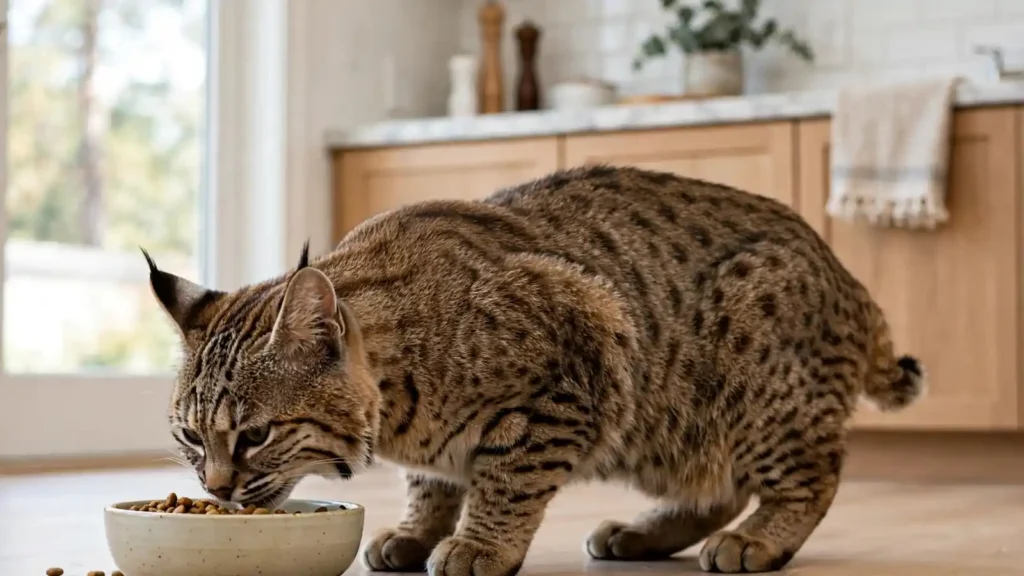
Feed a complete, balanced diet for your cat’s life stage, choosing a food where a named animal protein leads the ingredient list. Wet food adds moisture that supports urinary health.
Watch portions carefully. A large frame can hide extra weight, and even an active pixiebob cat can gain pounds if meals are too generous. Follow the package feeding guide as a starting point, then adjust with your vet’s help based on body condition.
Treats are fine in moderation. Use small training treats as rewards for leash walking or tricks, since this breed responds so well to positive reinforcement. Keep fresh water available at all times and wash bowls daily.
Grooming
Grooming is easy with this breed, and most cats enjoy the attention.
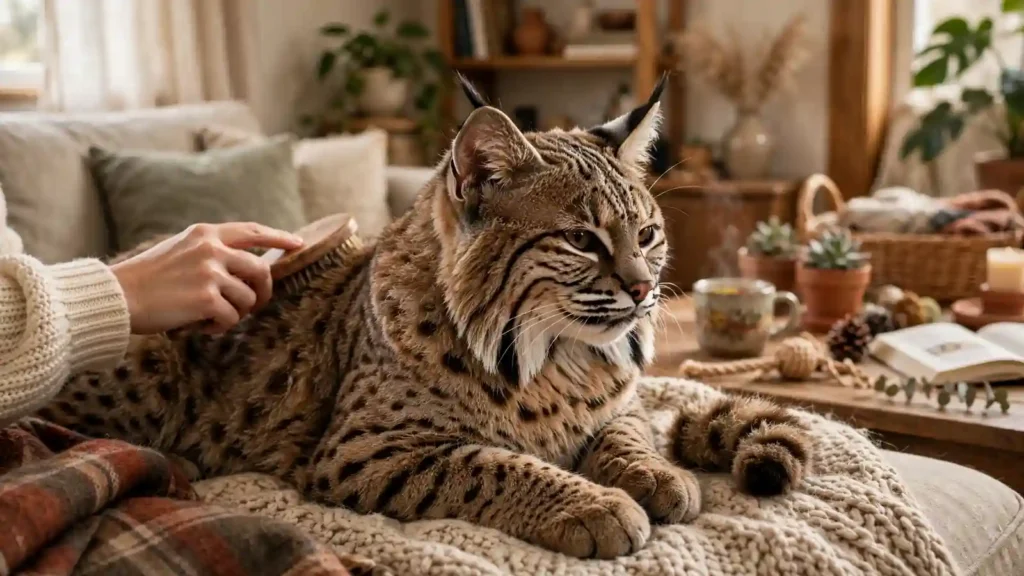
The short coat needs only weekly brushing with a soft bristle brush or grooming mitt. The long coat asks for brushing two or three times a week to prevent tangles around the ruff and belly.
Check the ears weekly and wipe gently with a damp cloth if you see buildup. Trim nails every couple of weeks, taking extra care with polydactyl paws so no nail grows unnoticed between extra toes. Brush teeth as often as your cat allows, working up to a few times a week.
Exercise and Enrichment
This is an athletic breed with a sharp mind, so playtime matters.
Schedule at least two interactive play sessions a day with wand toys, feather teasers, or crinkle balls. Many pixiebob cats enjoy fetch, and puzzle toys stuffed with kibble keep the brain busy between sessions.
Leash training is a natural fit. Start indoors with a well fitting harness, keep early sessions short and positive, then graduate to the yard or a quiet path. Always supervise outdoor time, since even a confident cat is safer on a leash than roaming free.
A tall cat tree near a window makes a perfect bird watching lookout, which often triggers those charming chirps and chatters.
Health
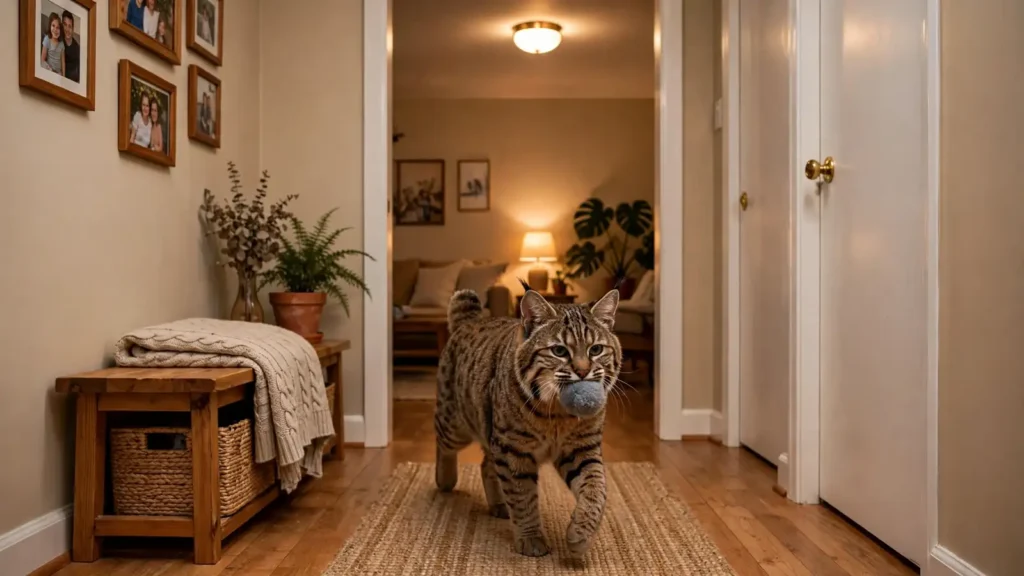
The good news first: the pixiebob cat is generally a healthy and hardy breed.
The Pixiebob is generally a healthy, hardy breed. Annual checkups for adults and twice yearly visits for seniors catch small problems early.
Weight management deserves attention with such a large frame, and dental disease is common in cats of every breed — keep up dental care and ask your vet about recommended screening.
Like all cats, individuals can develop common feline health issues. Annual checkups for adults and twice yearly visits for seniors catch small problems early. Keep vaccinations current and use year round parasite prevention as your vet advises.
Weight management deserves attention with such a large frame. Extra pounds stress the joints, so watch body condition and adjust food as needed. Dental care matters as well, since dental disease is common in cats of every breed.
Ask your vet about any breed specific screening they recommend and share your cat’s full history at each visit. A hardy breed still benefits from watchful, preventive care.
Indoor and Outdoor Living
These cats love adventure, but the safest adventures happen close to home.
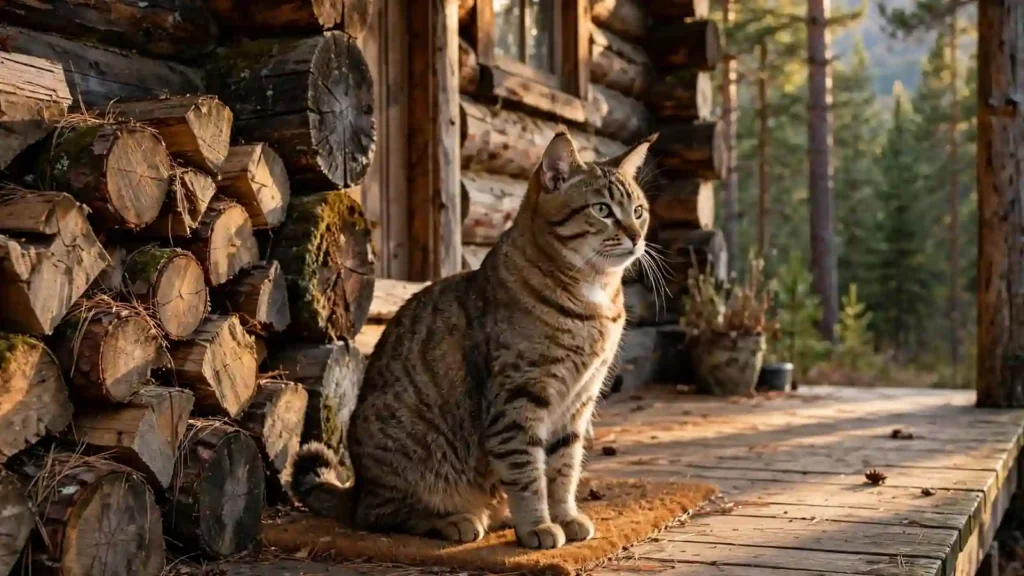
An indoor life with enrichment is the best fit for a pixiebob cat. Set up window perches, climbing shelves, and cozy hiding spots so the house feels like territory worth exploring. A screened porch or catio offers fresh air and sunshine without the risks of roaming.
Leash walks satisfy the urge to explore for cats that take to the harness. Never let the cat roam unsupervised. Traffic, other animals, and disease are real dangers, and a rare, striking cat is also at risk of being taken.
Cat proof for size and strength by securing heavy objects a large cat might knock over mid leap, and choose sturdy furniture and stable cat trees.
Family Suitability
Few breeds fit into family life as naturally as this one.
This breed is gentle with children and patient with respectful handling. Its dog like loyalty makes it a true family member, and kids who play gently will find a devoted playmate.
Other pets are usually welcome too. These cats tend to get along with cat friendly dogs, especially with slow, supervised introductions. A second cat can be a great companion, particularly for a young cat with energy to burn.
The main thing to know is that this breed wants company. A household where someone is home much of the day, or where another pet shares the space, suits it far better than long lonely hours.
Finding a Breeder or Rescue
Taking your time at this stage pays off for years to come.
If you choose a breeder, look for someone who raises kittens in the home, welcomes your questions, and asks plenty of their own. A responsible breeder shares health records, lets you meet the mother cat when possible, and never rushes your decision. Expect a wait, since this is a rare breed with small litters.
Rescue is always worth considering. Breed specific rescues and general shelters sometimes have pixiebob cats or mixes with the same spotted coat and sweet temperament. An adult rescue lets you see the full personality up front.
Whether you choose a breeder or a rescue, plan the homecoming in advance. Set up a quiet starter room with food, water, a litter box, and a hiding spot so your new cat can settle in at its own pace.
- Kittens raised in the home; breeder welcomes questions
- Breeder shares health records and lets you meet the mother
- Expect a wait — the breed is rare
- Check breed rescues — Pixiebobs sometimes need homes
Quick Quiz: Is a Pixiebob Right for You?
Answer four questions. Tap yes or no.
Frequently Asked Questions
Are pixiebob cats good for first time owners?
Yes. The pixiebob cat is loyal, trainable, and easygoing, which forgives many beginner mistakes. Just be ready for its companionship needs and the extra grooming of the long coat version.
Do pixiebob cats shed a lot?
Shedding is moderate. The short coat sheds lightly with weekly brushing, while the long coat sheds a bit more and needs brushing two or three times a week. Regular grooming keeps loose hair under control.
Are pixiebob cats really part bobcat?
No. Despite the wild look, the pixiebob cat is fully domestic. The spotted coat, tufted ears, and bobbed tail come from selective breeding of domestic cats, not from wild ancestry.
How big do pixiebob cats get?
They rank among the larger domestic breeds, usually 8 to 17 pounds with males bigger than females, and they mature slowly until age three or four.
Do pixiebob cats like water?
Many show an unusual interest in water for a cat. Some paw at running faucets or linger near the tub. Always supervise around water, and never force a cat that is not interested.
Are pixiebob cats vocal?
Not very. They chirp, chatter, and chortle softly instead of meowing loudly. Most owners count the quiet, musical voice among the breed’s most charming traits.
The Pixiebob looks like it wandered in from the forest and behaves like it never wants to leave your side — a spotted, bob tailed companion with a wild face and a gentle, devoted heart.
Similar Breeds Worth Exploring
Related Breed Guides
Keep Exploring
Browse the full A to Z cat breed collection to compare personalities, or find out your cat’s age in human years with the cat age calculator.