Ragamuffin Cat Breed Guide
Ragamuffin: a Big Softie With a Bigger Heart
A big, soft, sweet faced cat that melts limp in your arms like a ragdoll. Docile, affectionate and patient, the Ragamuffin was made for laps, cuddles and busy family life.
By Emily Carter · Reviewed by our vet team · Updated 21 October 2026 · 12 min read
Lifespan 12–16 yrs Weight up to 20 lb Docile & floppy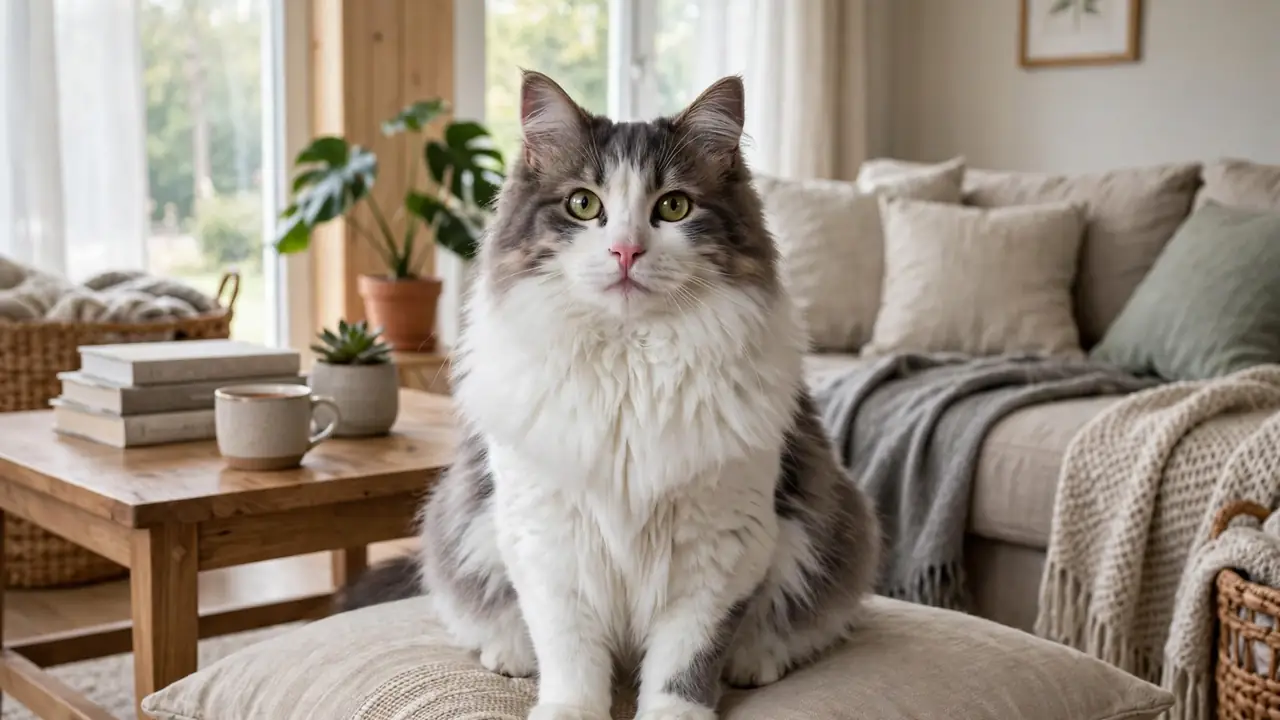
The Ragamuffin cat is a large, plush sweetheart famous for going limp in loving arms. Docile, patient, and wonderful with children, it is the definition of a family cat.
At a Glance
Size and Weight
The ragamuffin cat is a big soft package, and it takes its time getting there.
Males commonly grow to 15 to 20 pounds, while females usually settle between 8 and 15 pounds. These cats mature slowly and may not reach full size and coat until about four years of age.
Despite the impressive numbers, this is not a heavy or clumsy cat. The body is rectangular and well proportioned, with a broad chest and sturdy legs that carry the weight with ease.
Coat and Colors
Coat
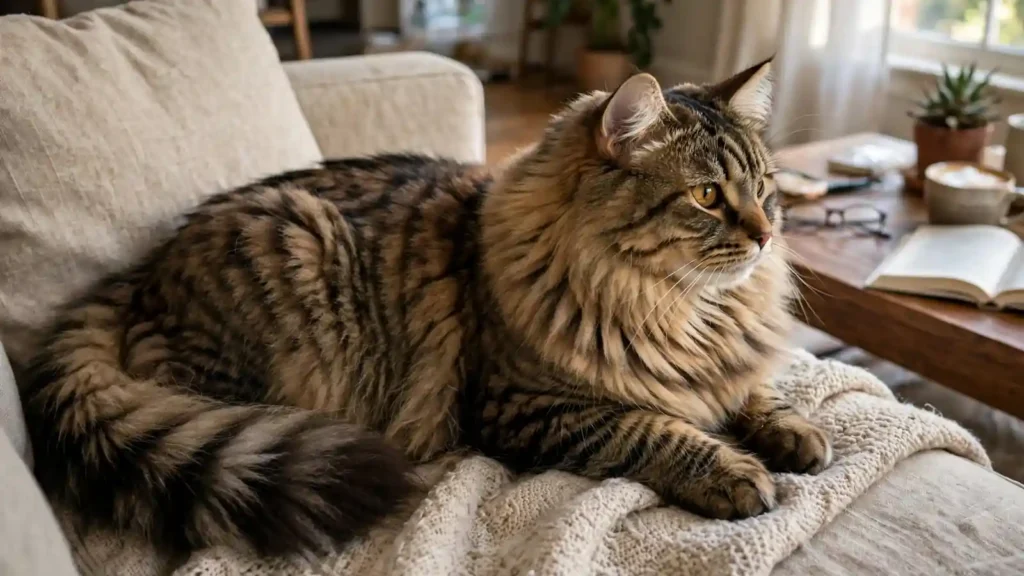
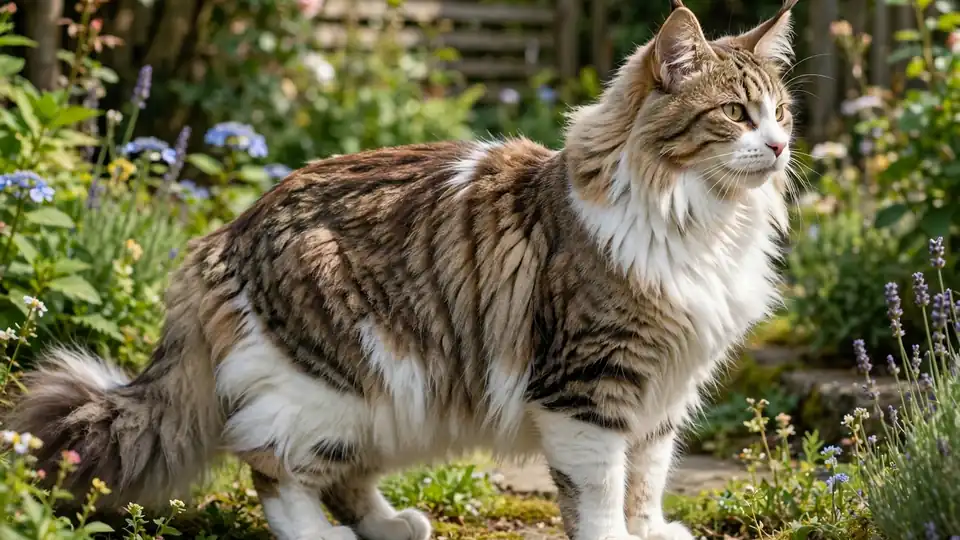
The Ragamuffin cat has a medium to long, dense, and silky-soft coat, with a full ruff around the neck, longer fur on the hind legs, and a bushy tail. Despite its fluffy appearance, the coat resists matting relatively well. Brush it a few times a week, especially during seasonal shedding, to keep it smooth and tangle-free.
Color
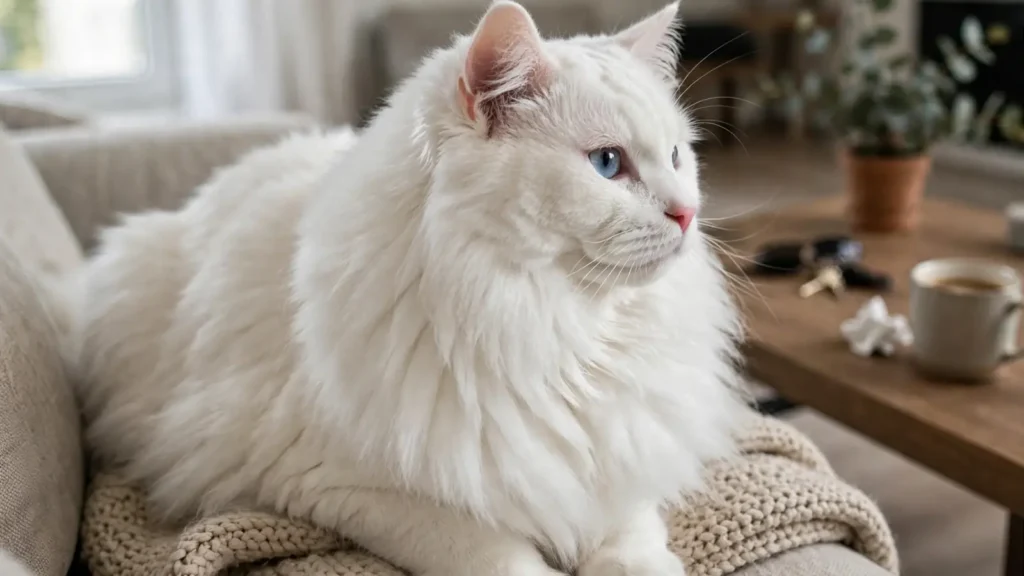
Color is where the ragamuffin truly shows off, because every color and pattern is accepted. Solid blacks, whites, blues, and creams sit alongside tabbies with bold striping, tortoiseshells with marbled patches, bicolors, and colorpoints. The eyes are just as varied and always expressive, with shades of green, gold, blue, and copper paired to the coat. Kittens can shift quite a bit as they grow, with pointed kittens born pale and darkening over months.

History and Origins
The ragamuffin cat is a young breed with an old soul, born in the United States in the 1990s.
Born in the United States in the 1990s, the Ragamuffin story begins with the Ragdoll. Breeders working with Ragdoll lines wanted a cat with the same sweet, floppy temperament in every possible color and pattern.
They crossed their Ragdoll stock with other longhaired cats, including Persians and Himalayans, and the first kittens arrived. These early cats were first called Cherubim.
As the breed program grew and formalized, the name changed to Ragamuffin, a nod to the breed’s scruffy cute charm and its Ragdoll roots.
The story begins with the Ragdoll. A group of breeders working with Ragdoll lines wanted to develop a cat with the same sweet, floppy temperament but in every possible color and pattern. They crossed their Ragdoll stock with other longhaired cats, including Persians and Himalayans, and the first kittens of the new breed arrived in the mid 1990s.
These early cats were first called Cherubim. As the breed program grew and formalized, the name changed to Ragamuffin, a nod to the breed’s scruffy cute charm and its Ragdoll roots.
Physical Characteristics
The Ragamuffin has a soft, sweet face and a sturdy body built for cuddling. Its body is long and rectangular, with a broad chest and strong hindquarters. The legs are medium in length, and the large, round paws often have tufts of fur between the toes.
The head has a rounded wedge shape, full cheeks, and medium-sized ears set wide apart. Large, walnut-shaped eyes give the breed its gentle, affectionate expression. A short, rounded muzzle completes its soft appearance.
Ragamuffin Personality and Behavior
Ask a Ragamuffin owner what sold them, and you will hear the same story. The ragamuffin cat personality is pure affection.
Their patience makes them wonderful with children who have learned to be gentle, and they tolerate the bustle of a busy household with remarkable calm.
Cautious with strangers, but they study you, approve of you, then love you with unusual intensity.
Meals, play and greetings at the door, on schedule. These cats notice routine, and notice when it slips.
- Docile, affectionate lap cat
- Patient and gentle with children
- Silky coat is easier than it looks
- Needs its people — not for empty homes
- Large breed prone to extra weight
- Brush two or three times a week, no skipping
These cats are famously docile. Many go completely limp in your arms like a ragdoll when picked up, melting into a warm puddle of fur. They adore being held, carried, and cradled, and they will happily drape themselves across your lap for hours. This is a cat that wants to be with its people, not near them.
Despite the floppy reputation, Ragamuffins are playful and curious. They enjoy interactive toys, puzzle feeders, and gentle games of fetch. They are also patient and tolerant, which makes them wonderful with children who have learned to be gentle.
Care Essentials
A complete, high quality diet with real animal protein first. Measure meals and keep treats small — large breeds gain weight easily once they settle into an adult routine.
Brush two or three times a week with a steel comb or slicker brush, working through the ruff, belly and bloomers. The silky coat tangles far less than a cottony one.
Short, fun play sessions twice a day — wand toys, crinkly balls, gentle fetch — plus puzzle feeders and a rotation of toys.
Indoor living, made for the sofa. A screened porch or catio, window perches and supervised harness walks give safe fresh air.
This breed is refreshingly easy to live with, as long as you have time for cuddles.
Nutrition and Diet
A big cat needs the right fuel, and the ragamuffin cat is no exception.
Feed a complete, high quality diet with real animal protein as the foundation. Large breeds can be prone to extra weight, especially once they settle into a comfortable adult routine, so measure meals and keep treats to a small share of daily calories. Kittens and young adults under four may need the richer nutrition of a growth formula while they finish filling out.
Fresh water should always be available. Many cats drink more from a wide shallow bowl or a running water fountain, which is worth trying if your cat seems uninterested in the bowl.

Grooming
Yes, all that fur needs attention, but less than you would fear. The ragamuffin cat coat is easier than it looks.
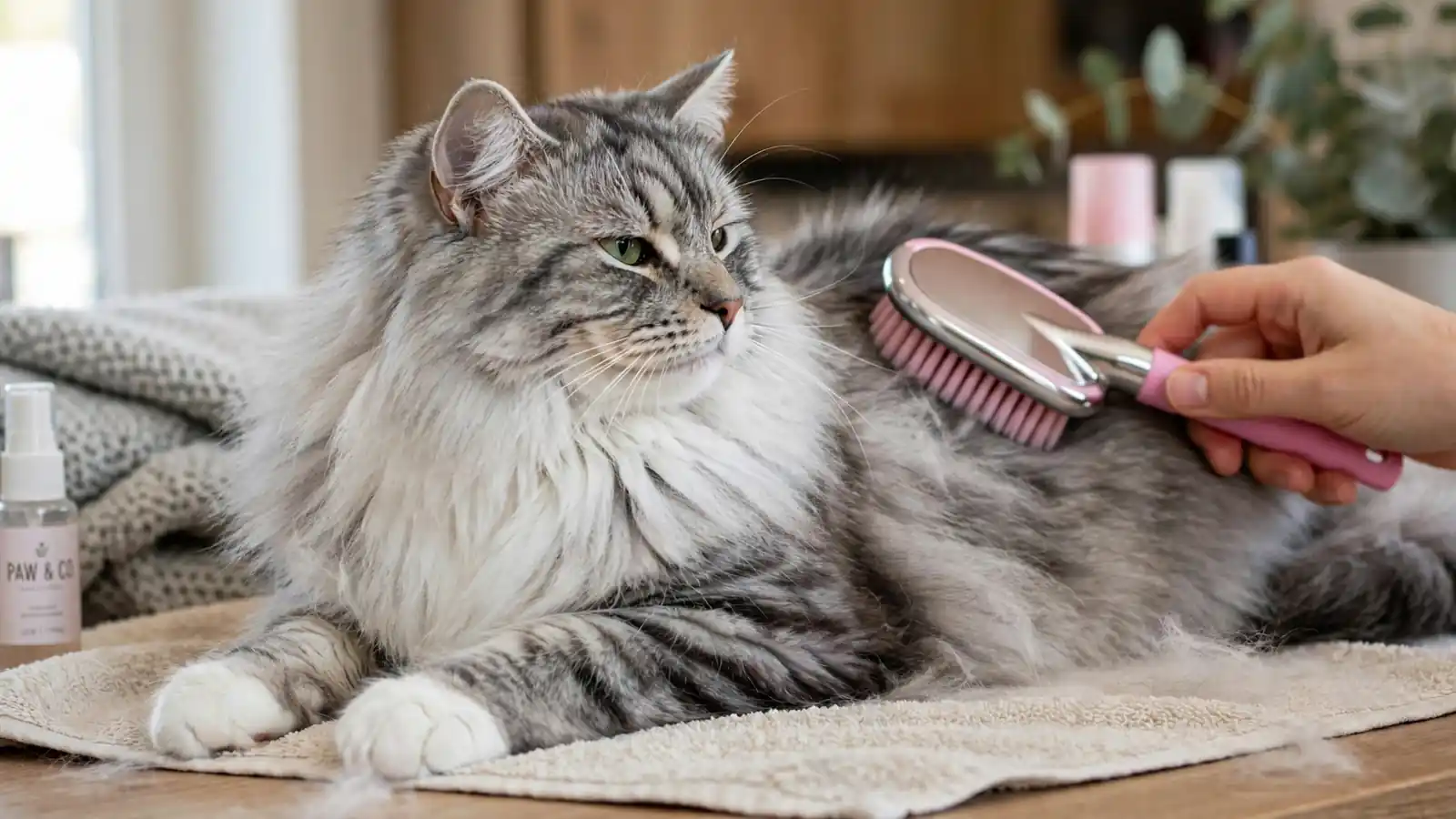
Brush two or three times a week with a stainless steel comb or a slicker brush, working gently through the ruff, belly, and bloomers where tangles are most likely. Because the coat is silky rather than cottony, most sessions go quickly and your cat will probably enjoy them.
Trim nails every couple of weeks, wipe the corners of the eyes when needed, and check ears for wax buildup. A bath is rarely necessary, though a gentle bath can help before special occasions. Start grooming routines in kittenhood so your cat grows up thinking the brush is a treat, not a chore.
Exercise and Enrichment
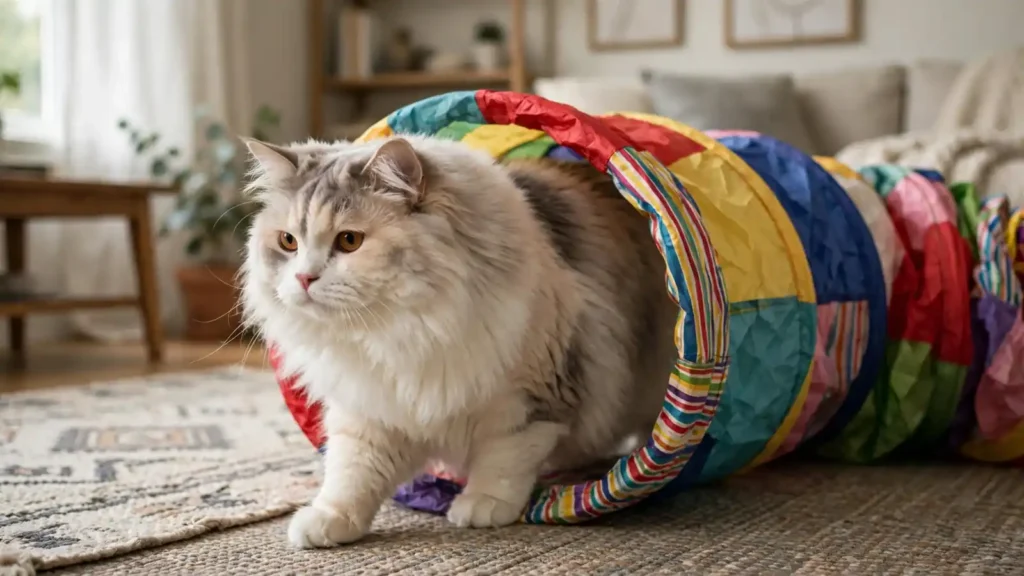
A floppy cat still needs to move. These big soft cats stay healthiest with daily play.
Short, fun play sessions twice a day are ideal. Wand toys that mimic birds, crinkly balls, and gentle games of fetch all appeal to this breed’s playful side. Puzzle feeders turn mealtime into a game and keep a clever mind busy. Because these cats love being near you, the best enrichment is often simply including them in what you are doing.
Do not mistake docile for lazy. A bored Ragamuffin can gain weight or invent its own entertainment, which usually involves your belongings. Keep a rotation of toys, offer vertical space for climbing, and your big soft friend will stay fit and happy.
Health
The ragamuffin cat is generally robust, and responsible breeding keeps it that way. Good health starts with a careful breeder.
The conditions most watched in this breed are hypertrophic cardiomyopathy (HCM), a thickening of the heart muscle, and polycystic kidney disease (PKD). Responsible breeders screen for both and share results openly.
Keep vaccinations current, maintain parasite prevention and schedule yearly checkups. A healthy Ragamuffin often enjoys a long life of 12 to 16 years.
The conditions most watched in this breed are hypertrophic cardiomyopathy (HCM), a thickening of the heart muscle, and polycystic kidney disease (PKD), which causes cysts on the kidneys. Responsible breeders screen their breeding cats for both and will share the results openly. Ask about health testing before you commit to a kitten, and be wary of anyone who brushes the question aside.
Keep vaccinations current, maintain parasite prevention, and schedule yearly veterinary checkups. A healthy Ragamuffin often enjoys a long life of 12 to 16 years.
Indoor and Outdoor Living
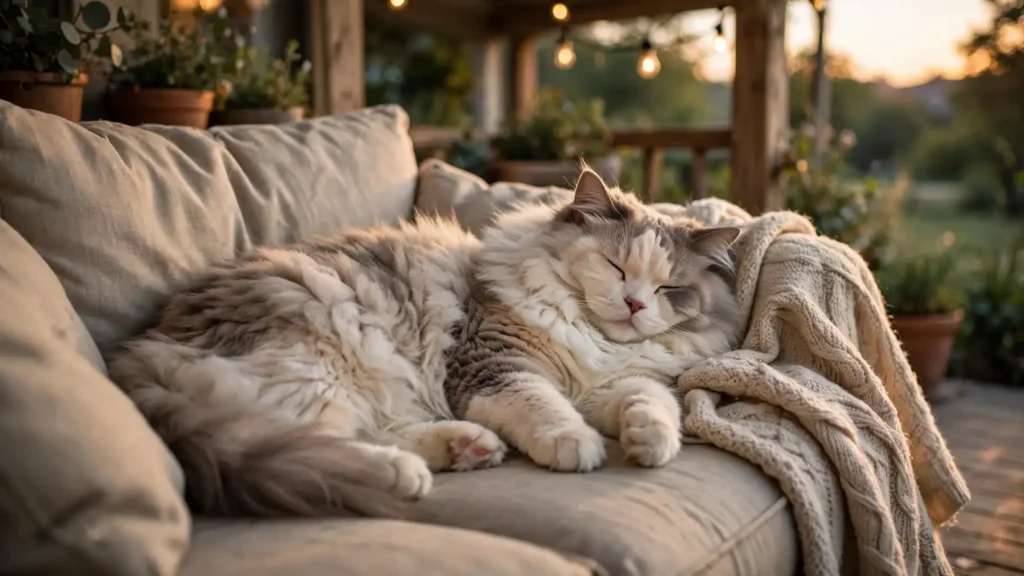
This gentle giant is happiest as an indoor cat. The ragamuffin cat was made for the sofa, not the street.
The trusting, docile nature that makes Ragamuffins such wonderful companions also makes them poor defenders outdoors. They are unlikely to flee from danger and their long coat picks up burrs, mats, and dirt outside. Indoor life keeps them safe from traffic, predators, parasites, and fights.
That does not mean a boring life. A screened porch or catio, window perches, and supervised harness walks can give your cat fresh air and sunshine safely.
Family Suitability
If you want a true family cat, the ragamuffin cat belongs at the top of your list.
Patience is this breed’s superpower. Ragamuffins tend to tolerate the noise and bustle of a busy household with remarkable calm, and they are famously gentle with children who treat them kindly.
They also do well with other cats and with dogs that accept cats, especially when introduced thoughtfully. The only household that may not suit a Ragamuffin is one where everyone is gone all day with no animal company. These cats need their people, and they give back tenfold in affection.
Finding a Breeder or Rescue
Take your time finding the right source. A good breeder is worth the wait.
Look for a breeder who raises kittens in the home, welcomes your questions, and provides written health records including HCM and PKD screening results for the parents. Kittens should be bright eyed, playful, and comfortable being handled. A responsible breeder will also ask you plenty of questions, because they care where their kittens go.
Do not overlook rescue. Breed specific rescue groups and shelters sometimes have Ragamuffins or Ragamuffin mixes looking for homes, and an adult cat’s personality is already fully formed. Whether you choose a breeder or a rescue, avoid sellers who will not let you see where the cats live or who pressure you to decide quickly.
- Written health records including HCM and PKD screening for the parents
- Kittens bright eyed, playful and comfortable being handled
- Breeder welcomes questions and asks you plenty too
- Check breed rescues — Ragamuffins sometimes need homes
Quick Quiz: Is a Ragamuffin Right for You?
Answer four questions. Tap yes or no.
Frequently Asked Questions
Are Ragamuffin cats good for first time owners?
Yes. It is one of the best choices for a first time owner. The temperament is forgiving, the grooming is manageable, and the breed is generally healthy with routine care. You get a stunning longhaired cat without the demanding upkeep of some other longhaired breeds.
Do Ragamuffin cats shed a lot?
They shed a moderate amount, with heavier shedding in spring and fall. Regular brushing two to three times a week keeps loose hair under control and reduces hairballs. The silky coat texture means shedding is less troublesome than it looks.
Are Ragamuffin cats really lap cats?
Absolutely. Most Ragamuffins adore laps and many go limp with pleasure when held. If you want a cat that seeks out cuddles, this breed delivers. Be prepared to share your favorite chair.
How big do Ragamuffin cats get?
Males typically reach 15 to 20 pounds and females 8 to 15 pounds. They mature slowly, so your cat may keep growing until about four years old. Despite their size, they are gentle and graceful indoors.
How long do Ragamuffin cats live?
With good care, most live 12 to 16 years. Quality nutrition, regular veterinary checkups, indoor living, and keeping your cat at a healthy weight all support a long life.
What is the difference between a Ragamuffin and a Ragdoll?
The Ragamuffin was developed from Ragdoll breeding lines in the 1990s, so the sweet floppy temperament is similar. The main differences are variety and build. Ragamuffins come in every color and pattern, while Ragdolls are pointed cats, and Ragamuffins tend to have a rounder, heavier build with a walnut shaped eye.
The Ragamuffin cat is a gentle giant with a rabbit soft coat and a heart that gives back tenfold. For families who want a stunning longhaired cat without demanding upkeep, it belongs at the top of the list.
Similar Breeds Worth Exploring
Related Breed Guides
Keep Exploring
Browse the full A to Z cat breed collection to compare personalities, or find out your cat’s age in human years with the cat age calculator.