Devil Ray Facts: Species, Leaps and the Manta Difference
Devil Ray: The Leaping Ray That Flies
The devil ray is a genus of nine leaping species, from the 1.1-metre pygmy to giants that clear the water in a single bound.
By Emily Carter · Reviewed by our vet team · Updated 10 November 2026 · 7 min read
Nine speciesLeaps up to 2 mGenus Mobula
At a Glance
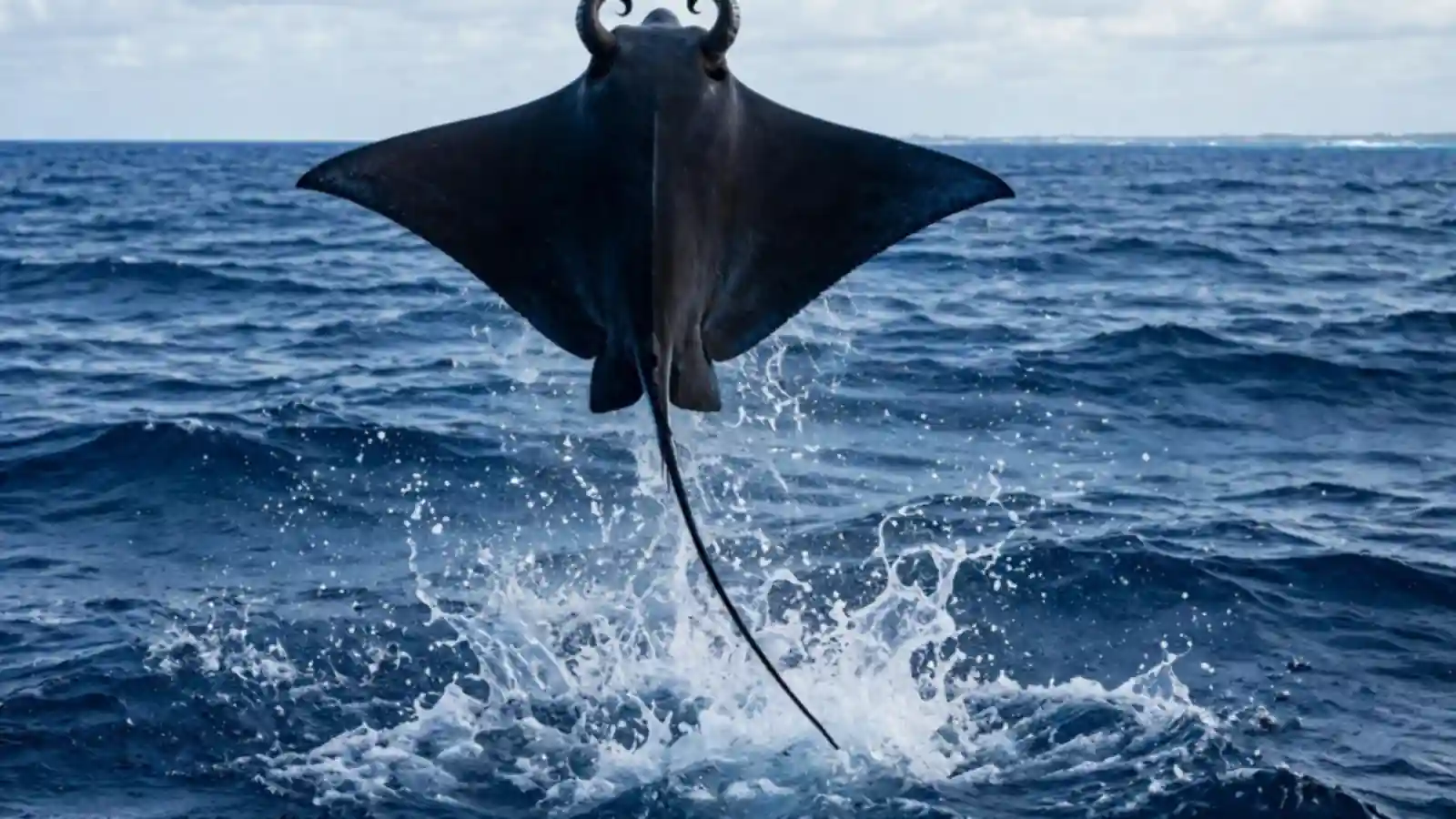
The devil ray is the ray that flies. Members of the genus Mobula leap clear of the water in a single bound, somersaulting in the air before landing with a crash — a behaviour no other ray performs on this scale. There are nine species, from the 1.1-metre pygmy to the giant, and they range across the tropical and warm seas of the world. This guide covers the species, the leaps, and the difference between one of these rays and a manta.
Devil Ray Species: Nine Rays in One Genus

There are nine species in the genus Mobula, ranging from the pygmy at 1.1 metres across to the giant, whose claimed maximum is 5.2 metres. FishBase counts 11 species in the genus — because it includes the two manta rays, which are now classified in Mobula as well — so the count depends on whether the mantas are included.
The nine devil rays are the Chilean, the giant, the spinetail, the pygmy, Munk’s, the bentfin, the shortfin, the Atlantic and the smoothtail species. Each has its own range and its own size, but all of them leap. For the full genus overview, see the Shark Trust spinetail guide.
Why Devil Rays Leap: Flying Up to 2 Metres

Devil rays leap clear of the water, sometimes up to 2 metres, somersaulting in the air before landing with a crash that can be heard for hundreds of metres. Why they leap is still debated — the leading ideas are communication, courtship, and shaking off parasites — but the behaviour is the genus’s signature.
The leap is a full breach: the ray leaves the water completely, wings spread, and comes down flat or on its back. Munk’s devil rays leap in schools of thousands in the Gulf of California, turning the surface into a storm of flying rays.
The Giant: 5.2 Metres, With a Caveat

The giant is the largest of the nine, with a claimed maximum wingspan of 5.2 metres. That figure should be read with a caveat: a 2020 paper argued that the true maximum is closer to 3.5 metres, and the 5.2-metre figure may come from a mis-measured or mis-identified animal.
Either way, the giant is a huge animal — a wingspan of 3.5 metres is still larger than most rays ever grow — and it is the species most often seen by divers in the Mediterranean, where it is a familiar, if rare, visitor.
The Chilean: Diving Deeper Than 2,000 Metres

The Chilean dives deeper than 2,000 metres — deeper than any other ray, and deeper than almost any ray at all. It follows the deep scattering layer of plankton and small fish down into the cold dark, and it returns to the surface to warm up.
The dives are a reminder that devil rays are not just surface animals. The genus spans the whole water column, from the surface leaps of Munk’s to the abyssal dives of the Chilean — and the same animal can do both in a single day.
Only One Species Has a Working Stinger

Only one species has a functional stinger: the giant, Mobula mobular. The other eight species have a stinger that is reduced or absent, and they rely on speed and leaping rather than a barb for defence.
The stinger is a reminder of the genus’s stingray ancestry — devil rays are, in the end, stingrays that learned to fly. The giant’s stinger is the last working weapon of a family that mostly gave up its barbs for wings. Not every ray defends itself with a barb: the electric ray carries no stinger at all, stunning prey instead with electric organs that can deliver a powerful shock.
Devil Ray vs Manta Ray: The Same Genus, Different Rays
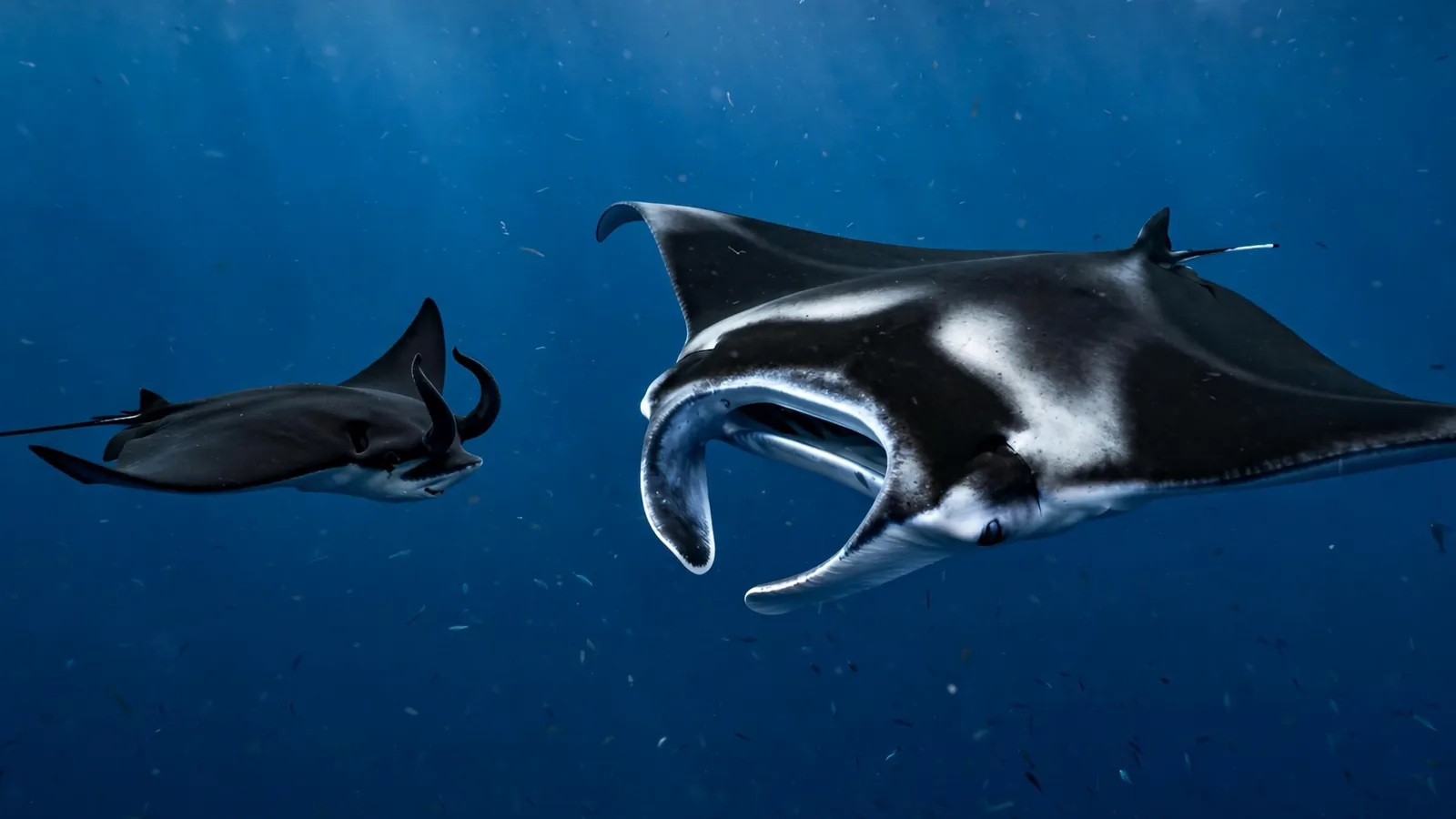
Devil rays and manta rays are in the same genus, Mobula, but they are different animals — and the mantas are covered separately in the Giant Manta Ray guide. The difference is size and mouth: mantas are larger, with a wide, terminal mouth for filter-feeding, while devil rays are smaller, with a mouth set underneath the head.
The confusion is understandable, because the two share the leaping, the wings and the genus. But a manta is a manta, and a devil ray is a devil ray — and the Giant Manta Ray guide covers the manta’s own story, from its 7-metre wingspan to its cleaning stations.
Conservation: A Genus Under Pressure
Most of these species are threatened. They are caught as bycatch in tuna fisheries and targeted for their gill plates, which are sold in traditional medicine, and their slow reproduction — one pup at a time, after a long pregnancy — makes them slow to recover.
Devil rays are listed on CITES Appendix II, which controls international trade, but the real protection comes from the tuna fishery: fewer devil rays in the nets means more devil rays in the sea. The genus’s future depends on that change.
Fun Facts
- Devil rays leap up to 2 metres clear of the water, somersaulting in the air.
- Munk’s devil rays gather in schools of thousands in the Gulf of California.
- The Chilean dives deeper than 2,000 metres.
- Only the giant, Mobula mobular, has a working stinger.
- There are nine species — FishBase counts 11, because it includes the two mantas.
- The giant’s claimed 5.2-metre maximum may really be about 3.5 metres.
Frequently Asked Questions
How Big Do Devil Rays Get?
From the pygmy at 1.1 metres to the giant, whose claimed maximum is 5.2 metres — though a 2020 paper argues the true maximum is closer to 3.5 metres.
Why Do Devil Rays Jump Out of the Water?
The reason is still debated — the leading ideas are communication, courtship, and shaking off parasites. They leap up to 2 metres, somersaulting in the air before landing with a crash.
Do Devil Rays Sting?
Only one species does — the giant, Mobula mobular, has a functional stinger. The other eight species have a reduced or absent stinger, and they rely on speed and leaping rather than a barb for defence.
What Is the Difference Between a Devil Ray and a Manta Ray?
They are in the same genus, Mobula, but mantas are larger, with a wide terminal mouth for filter-feeding, while devil rays are smaller, with a mouth set underneath the head. Mantas are covered separately in the Giant Manta Ray guide.
Where Do Devil Rays Live?
In tropical and warm temperate seas worldwide, in open water — from the surface, where they leap, to the deep, where the Chilean dives beyond 2,000 metres.
What Do Devil Rays Eat?
Plankton, krill and small fish, filtered and caught in open water — a diet that ties them to the same rich currents as the tuna they are so often caught beside.
Are Devil Rays Endangered?
Most species are threatened, caught as bycatch in tuna fisheries and targeted for their gill plates. They are listed on CITES Appendix II, which controls international trade.
Similar Species Worth Exploring
Keep Exploring
Still exploring the rays? Meet the manta in the same genus, the Giant Manta Ray, watch the other leaping ray, the Spotted Eagle Ray, and then browse the whole ray family in the Types of Rays and Skates hub, and then come back to the open ocean to meet the devil ray.