Hydroid
Hydroid: the plant that is an animal, the colony that is a thousand animals
The hydroid looks like a plant, grows like a plant, and sways like a plant — but it is a colony of tiny stinging animals, each one a hunter with a mouth and tentacles, joined together into a single branching body. It is the animal that pretends to be a weed, and the weed that stings.
By Emily Carter · Reviewed by our vet team · Updated 10 November 2026 · 9 min read
Looks like a plant, hunts like an animalOne colony, hundreds of tiny polypsFire coral is one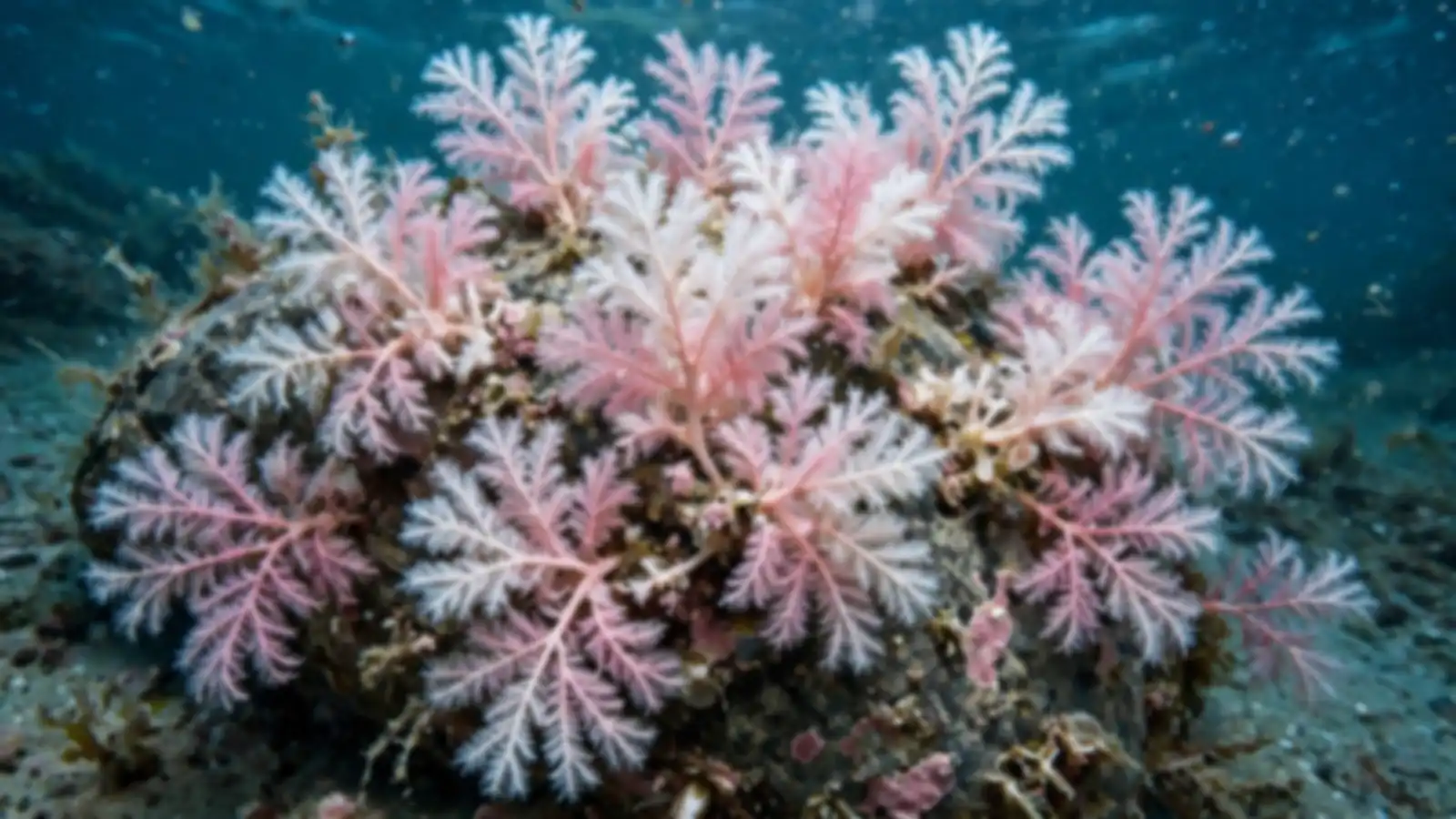
At a Glance
The hydroid is a colonial cnidarian of the class Hydrozoa, the same class that holds the jellyfish, and it lives its life in two forms: a plant-like colony of polyps fixed to a rock, and a tiny, free-swimming medusa that drifts away to found new colonies. Around 3,000 species are recognised, with some counts nearer 3,700, and they are found in every ocean, from the tide line to the deep sea.
What Is It?
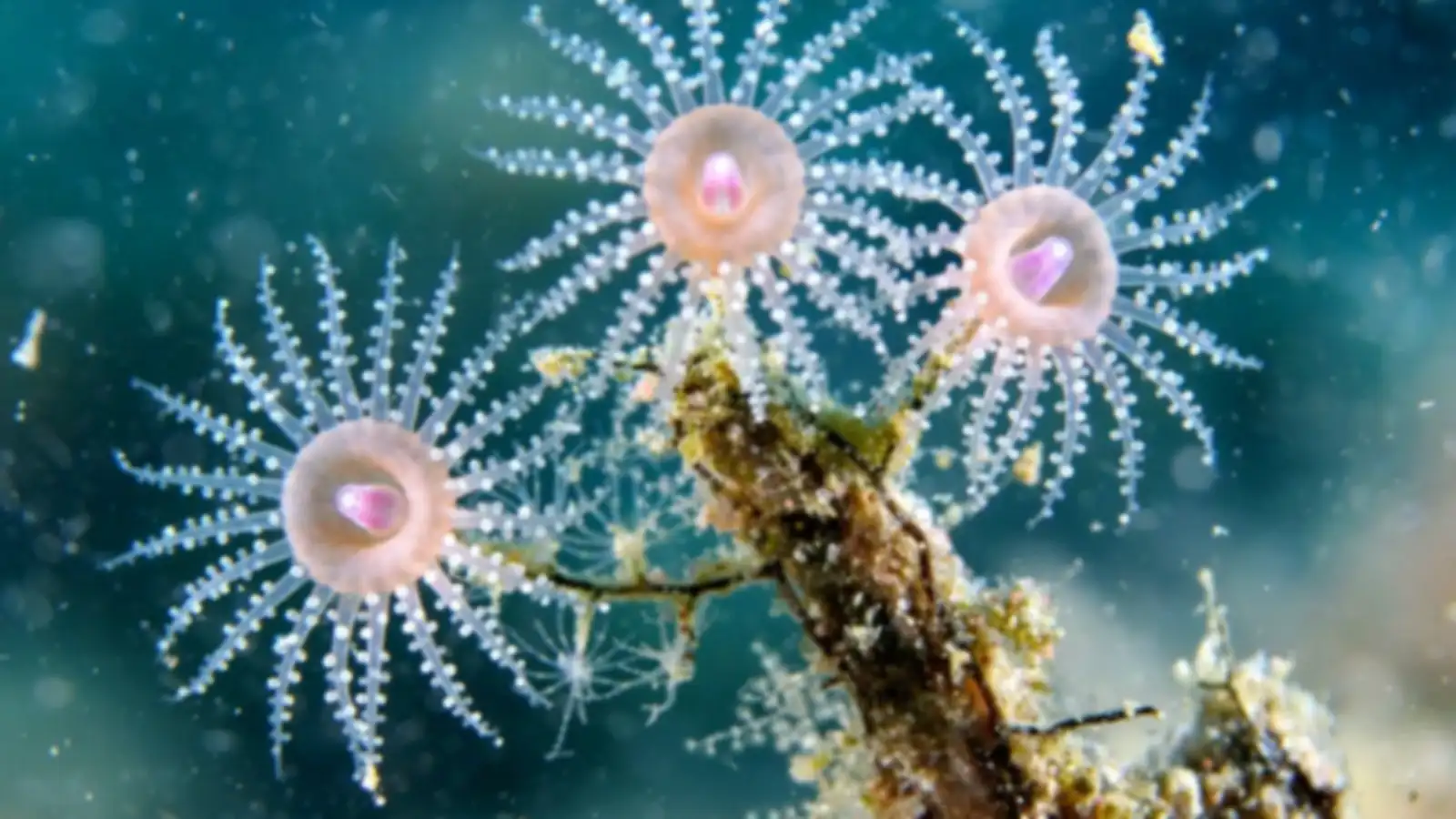
It is a colony of tiny animals called polyps, joined together on a branching stem like the branches of a miniature tree. Each polyp is a small, tubular animal with a mouth ringed by stinging tentacles, and the polyps share food through a common living tube, the stolon, that runs the length of the colony. The colony looks like a plant — feathery, branching, rooted to a rock — but it is an animal through and through, and every polyp in it is a hunter.
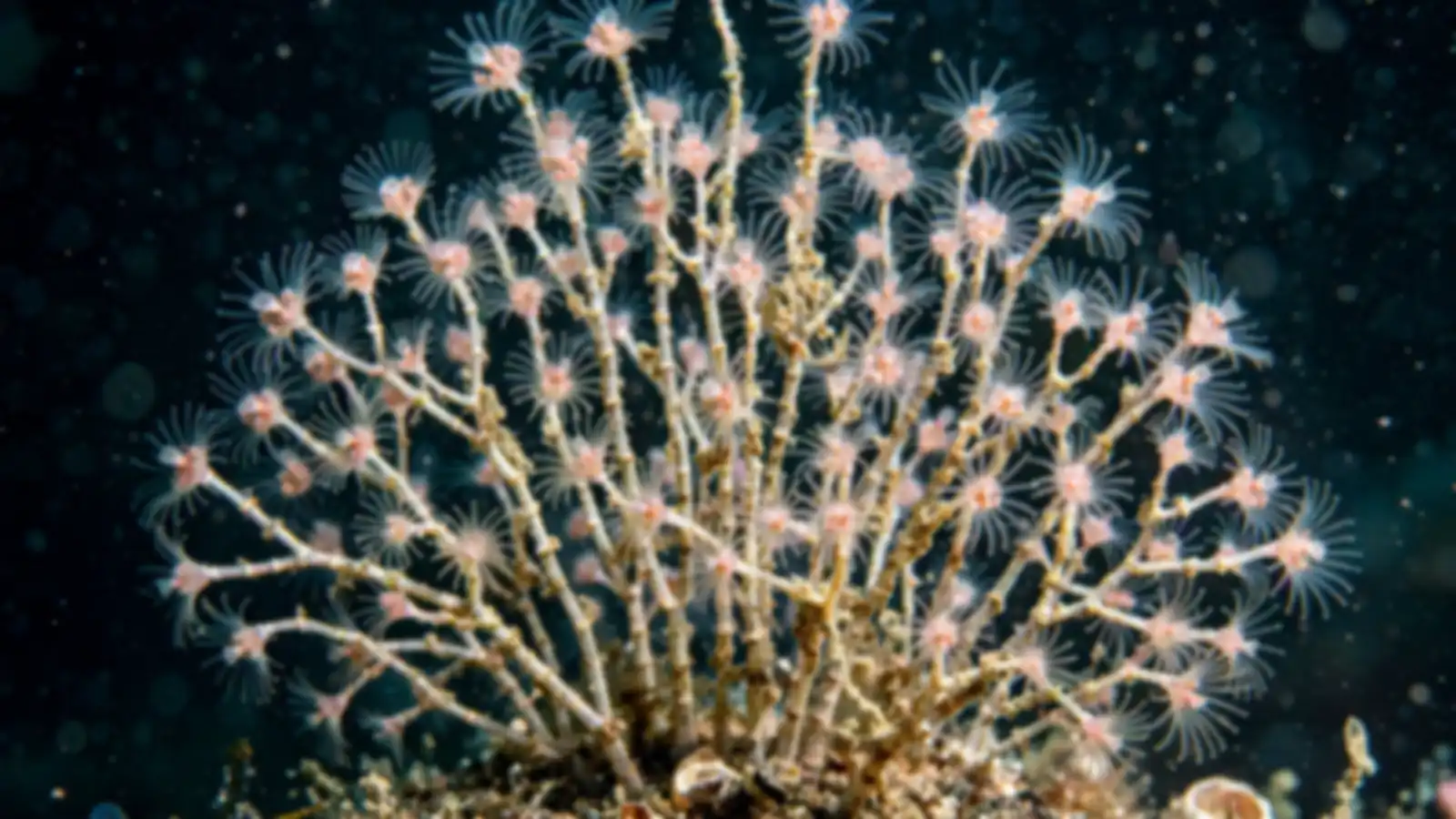
Hydroids grow on almost anything solid in the sea: rocks, shells, seaweed, boat hulls, the backs of crabs and the shells of hermit crabs. A colony is typically 5 to 500 millimetres tall, and it grows by budding new polyps, so a single colony can spread across a rock in a season. Some hydroids are solitary, like the freshwater Hydra, but most are colonial, and the colony is the animal.
Life Cycle: Polyp to Medusa
Its life runs in three stages: a tiny, free-swimming planula larva about a millimetre long, which settles on a surface and grows into a polyp colony, and the colony in turn releases tiny, free-swimming medusae, miniature jellyfish, which carry the eggs and sperm to make the next generation. The textbook example is Obelia, whose life cycle is taught in biology classes around the world: larva to colony to medusa, and back to larva again.
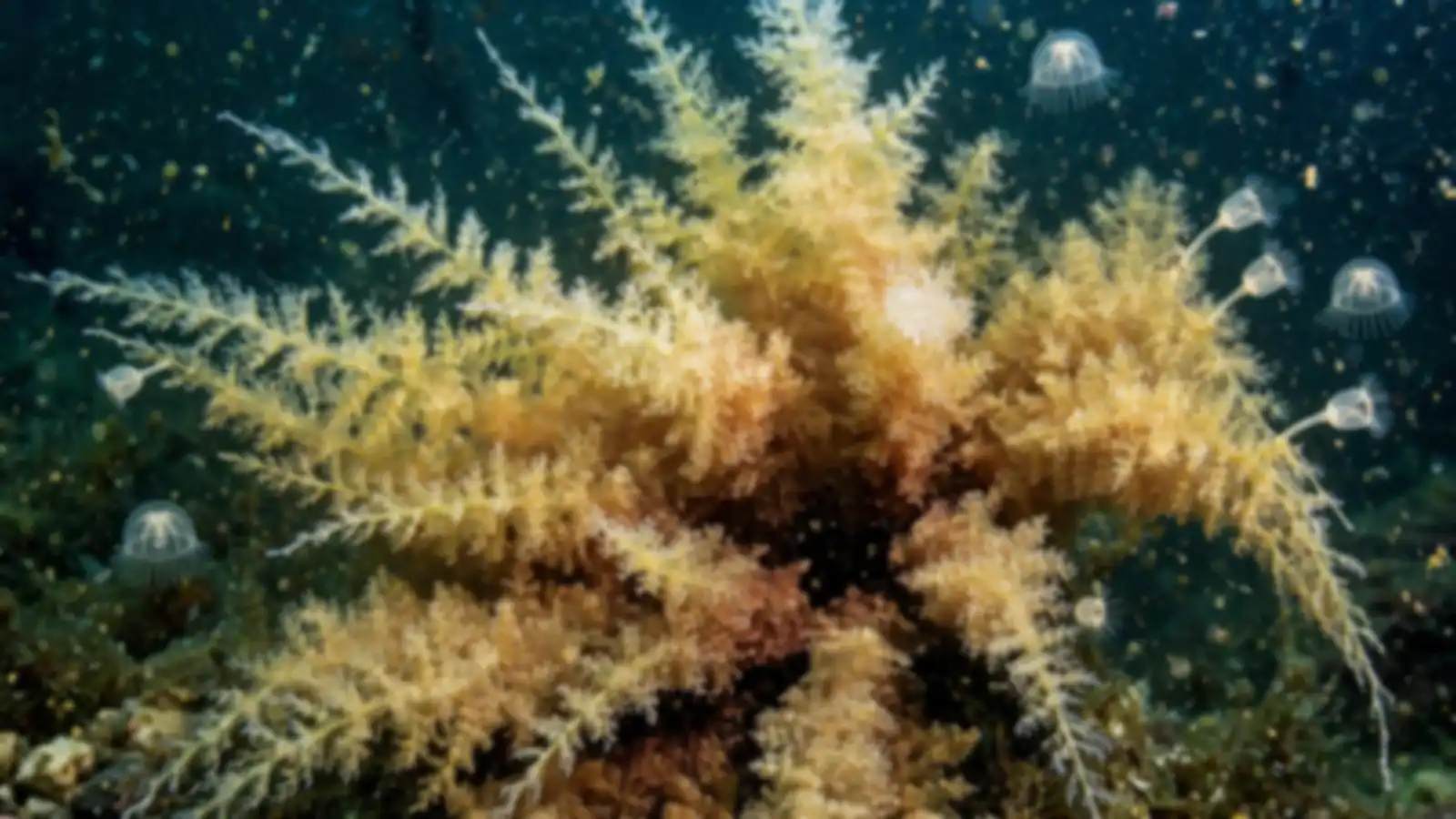
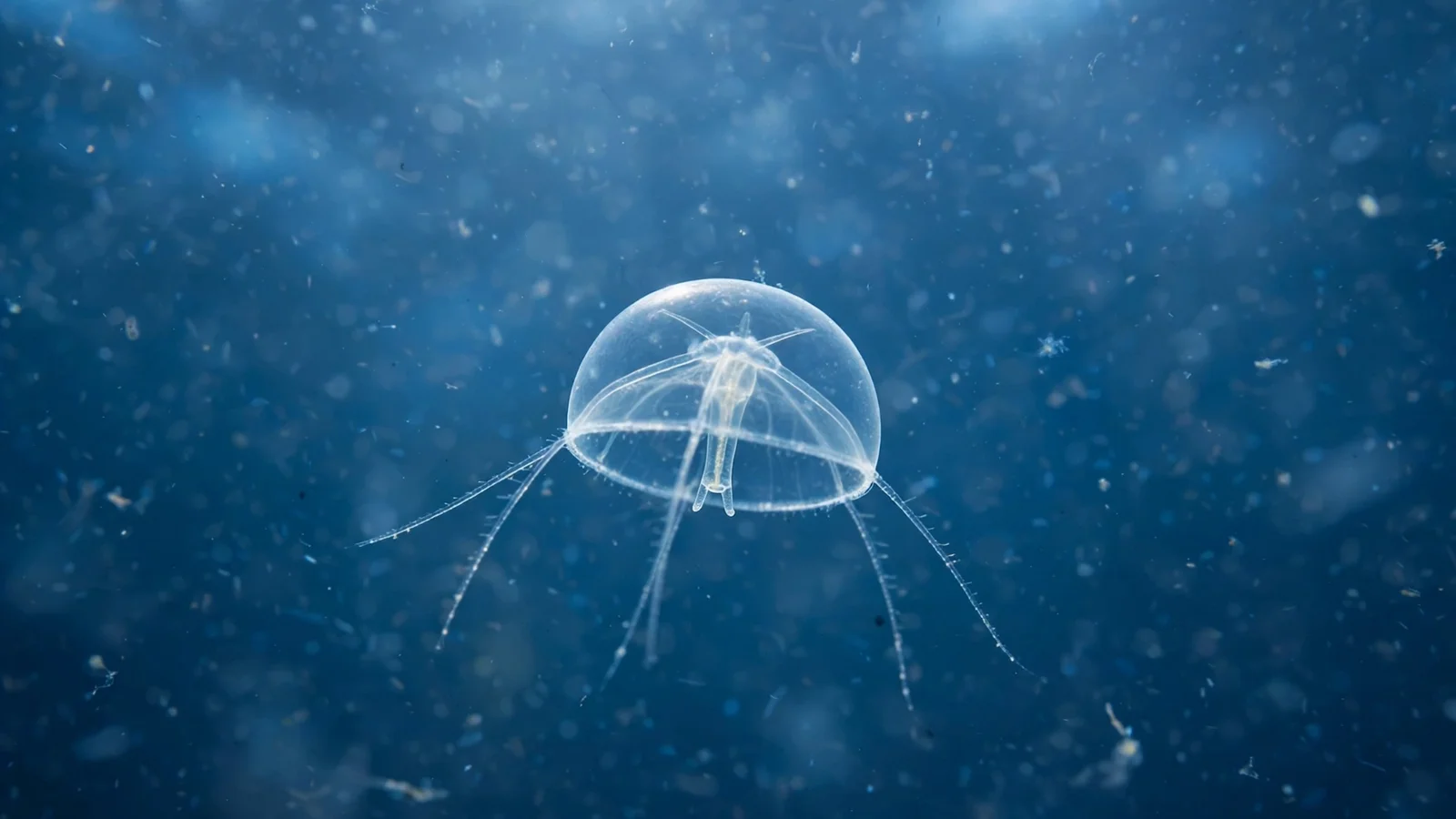
Not every species keeps all three stages. Some species have suppressed the medusa, keeping it as a small bud on the colony instead of releasing it, and the freshwater Hydra has lost the medusa stage altogether. The medusae that are released are small, usually half a centimetre to six centimetres across, and they live only days or weeks — long enough to breed, and then they are gone.
Colonies: Many Polyps, One Animal
The colony is a division of labour. Feeding polyps catch plankton with their tentacles; reproductive polyps, the gonozooids, make the medusae; and defensive polyps, armed with extra stinging cells, guard the colony. The polyps are joined at the base by the stolon, a living tube that carries food between them, and the whole colony is protected by a tough, chitinous sheath, the perisarc, with cuplike hydrothecae that the polyps can retract into.
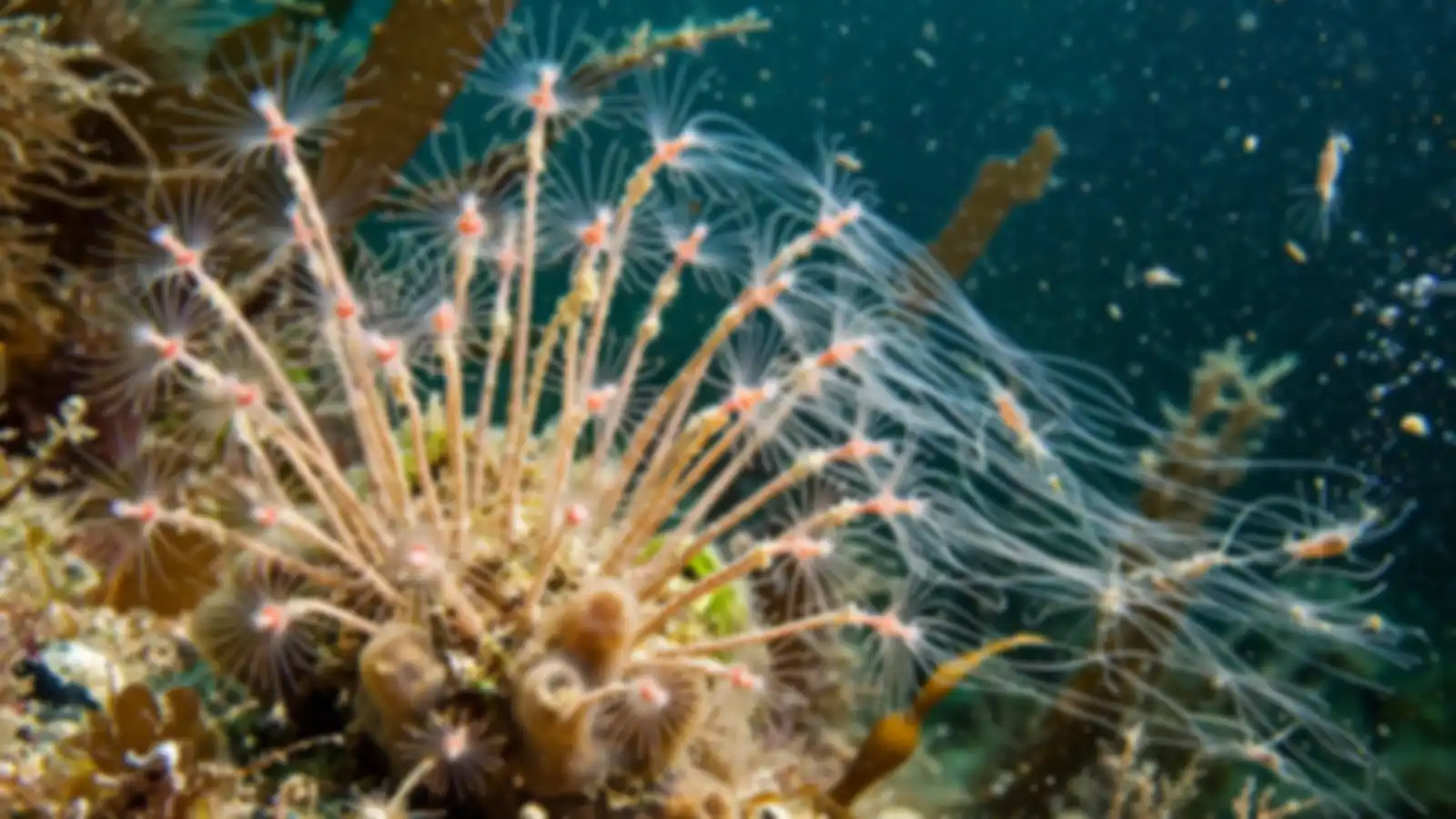
The colony grows the way a plant grows: by adding new polyps at the tips of its branches, so that a colony on a rock can spread into a feathery bush in a single season. It is a single animal made of many animals, and it works because the polyps cooperate — the feeders feed the breeders, the breeders make the next generation, and the defenders keep the colony alive long enough to do it.
Fire Coral and Other Famous Hydrozoans
The most famous is the fire coral, Millepora, one that builds a massive, stony skeleton like a hard coral and covers tropical reefs in smooth, yellow-brown sheets. It is not a true coral — it is a colony that has learned to build in limestone — and it is famous for its sting, which is painful enough to have given the whole group its name. Touching fire coral is a mistake divers remember.

Other famous hydroids are less feared and more admired: the Portuguese man o’ war, a siphonophore and therefore a close relative, drifts on the surface with a sail and trailing tentacles; the immortal jellyfish, Turritopsis dohrnii, is a hydrozoan that can reverse its life cycle; and the by-the-wind sailor and the blue button, both hydrozoans, drift the open ocean on the wind. Our siphonophore guide tells the story of the drifting colonies, and our immortal jellyfish guide tells the story of the animal that restarts its own life.
Do They Sting?
Yes, hydroids sting. Every polyp carries stinging cells, nematocysts, on its tentacles, and the sting is how the colony catches its food: a tiny crustacean that brushes a tentacle is harpooned, paralysed and reeled in to the mouth. Most hydroids are too small to sting a person, and their sting is felt only as a mild itch, if it is felt at all.
The exceptions are the ones to know. Fire coral inflicts a painful sting that burns for hours and can leave a rash for days, and some large stinging hydroids can give a sharp sting to a diver who brushes against them. The rule is simple: look at hydroids, do not touch them, and if you are stung by fire coral, rinse with vinegar and seek help if the pain spreads.
The Jellyfish Connection
Hydroids and jellyfish are close cousins, both members of the phylum Cnidaria, and the link is the medusa. Its medusa is a tiny jellyfish, half a centimetre to six centimetres across, and a true jellyfish is a medusa that has grown large and lives its whole life free-swimming. The difference is one of degree, not of kind: it keeps the polyp as its main life, and the jellyfish keeps the medusa.
The Portuguese man o’ war shows how close the link is: it is a siphonophore, a colony of similar polyps, and it is not a true jellyfish at all, though it is often called one. The account records the life cycle, the colony structure and the species count behind this guide, and the man o’ war’s own story is told in our Portuguese man o’ war guide, where a colony sails the open ocean on the wind.
Fun Facts
- The colony is a single animal made of many tiny animals, each polyp with its own mouth and tentacles.
- Fire coral is not a true coral — it is one that builds a stony skeleton like a coral.
- The textbook example, Obelia, has a life cycle of larva, colony and tiny medusa, taught in biology classes worldwide.
- The freshwater Hydra is a relative that lost its medusa stage altogether and lives as a solitary polyp.
- Its medusae are tiny, half a centimetre to six centimetres across, and live only days or weeks.
- The immortal jellyfish, which can reverse its life cycle, is a hydrozoan — a close relative.
Frequently Asked Questions
What Is a Hydroid?
It is a colonial cnidarian of the class Hydrozoa: a colony of tiny animals called polyps, joined on a branching stem, that looks like a plant but hunts like an animal. Each polyp has a mouth ringed by stinging tentacles, and the colony shares food through a common living tube. Around 3,000 species are recognised.
Is a Hydroid a Jellyfish?
It is not a jellyfish, but it is a close cousin: both are cnidarians, and its medusa stage is a tiny jellyfish, half a centimetre to six centimetres across. A true jellyfish lives its whole life as a free-swimming medusa, while it spends most of its life as a fixed polyp colony.
Is a Hydroid a Plant or an Animal?
It is an animal, not a plant. It looks like a plant because it grows as a branching, feathery colony fixed to a rock, but every polyp in the colony is an animal with a mouth, tentacles and stinging cells, and it catches and eats plankton. The plant-like shape is camouflage and structure, not photosynthesis.
Do Hydroids Sting?
Yes, hydroids sting. Every polyp carries stinging cells on its tentacles, used to catch plankton. Most hydroids are too small to sting a person noticeably, but fire coral, one that builds a stony skeleton, inflicts a painful sting that burns for hours. The rule is to look, not touch.
What Is the Hydroid Life Cycle?
Its life runs in three stages: a tiny planula larva settles on a surface and grows into a polyp colony, and the colony releases tiny free-swimming medusae that carry the eggs and sperm. The textbook example is Obelia. Some species have suppressed the medusa stage, and the freshwater Hydra has lost it altogether.
Is Fire Coral a Hydroid?
Yes. Fire coral, Millepora, is one that builds a massive, stony skeleton like a hard coral. It is not a true coral — it is a colony that has learned to build in limestone — and it is famous for its painful sting, which is why it is called fire coral.
Is the Portuguese Man o’ War a Hydroid?
The Portuguese man o’ war is a siphonophore, a close relative in the same class, Hydrozoa — but it is not one itself, and it is not a true jellyfish either. It is a colony of specialised polyps, with a sail-like float and long stinging tentacles, that drifts on the open ocean.
Similar Species Worth Exploring
Keep Exploring
Keep exploring the cnidarians through the siphonophore, the drifting colony that sails the open ocean, the immortal jellyfish, the hydrozoan that restarts its own life, and the wider world of the types of jellyfish. A plant that hunts, a colony that is one animal, a sting in a weed: that is the hydroid.