Limpet
Limpet: the rock-clinging snail with iron teeth
The limpet spends its whole life on one rock, clamped down so hard that waves cannot shift it, and it returns to the exact same spot after every meal. Its teeth are made of the strongest natural material ever measured, and its homing instinct is so precise that the rock wears a scar in the shape of its shell. This guide covers the common species, the record-breaking owl, and the lookalikes that are not these snails at all.
By Emily Carter · Reviewed by our vet team · Updated 10 November 2026 · 10 min read
Teeth of iron-hard goethiteReturns to the same home scarClamps down against the surf

At a Glance
A limpet looks like nothing more than a small cone glued to a rock, and for most of the day that is exactly what it is. Under that cone sits a muscular foot, a rasping tongue armed with iron teeth, and a memory of home so exact that the animal grinds a matching hollow into the stone. This is the whole animal, at a glance, before the detail begins.
Size: From Fingernail to Dinner Plate
Size varies more than the tide-pool regular suggests. The common species most visitors meet is a modest animal, its cone shell usually 2 to 6 centimetres across, small enough to sit on a fingertip. It is the familiar grey-brown cone of the North Atlantic shore, and millions of them share the same rocks.
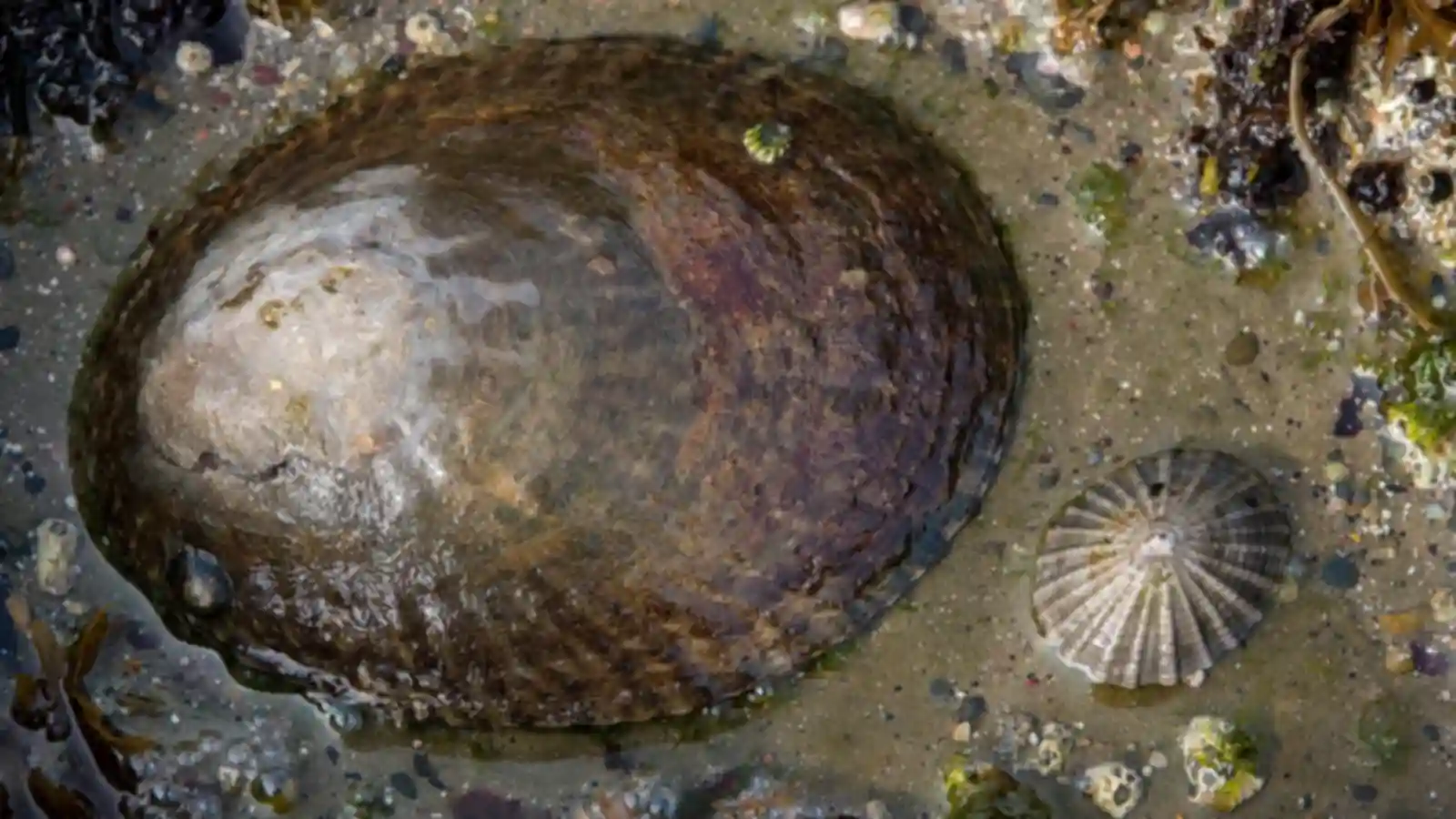
At the other end of the scale sits the owl, Lottia gigantea, of the Pacific coast of North America. It grows to 10 to 20 centimetres across, the largest true one in the world, and a big one can cover a dinner plate. Between those extremes, most true species stay within a few centimetres, and size is a poor way to identify them — the shape of the shell and the shore they live on say far more.
Size also tracks the shore itself. Limpets high on the shore, where the tide leaves them dry for hours, tend to grow taller, steeper shells that hold a little water inside. Limpets low on the shore, washed by every wave, grow flatter, wider shells that hug the rock. The same species can look quite different from one beach to the next, and that variation once fooled naturalists into naming far too many species.
The Common Limpet: The Rock Pool Regular
The common species, Patella vulgata, is the one most people meet, and it is the animal this guide follows. It lives on rocky shores from Norway to Portugal, clamped to boulders, harbour walls and pier legs, anywhere the tide rises and falls over hard stone. Its shell is a low cone, grey-brown and often crusted with barnacles, with fine ridges running from the apex to the rim.
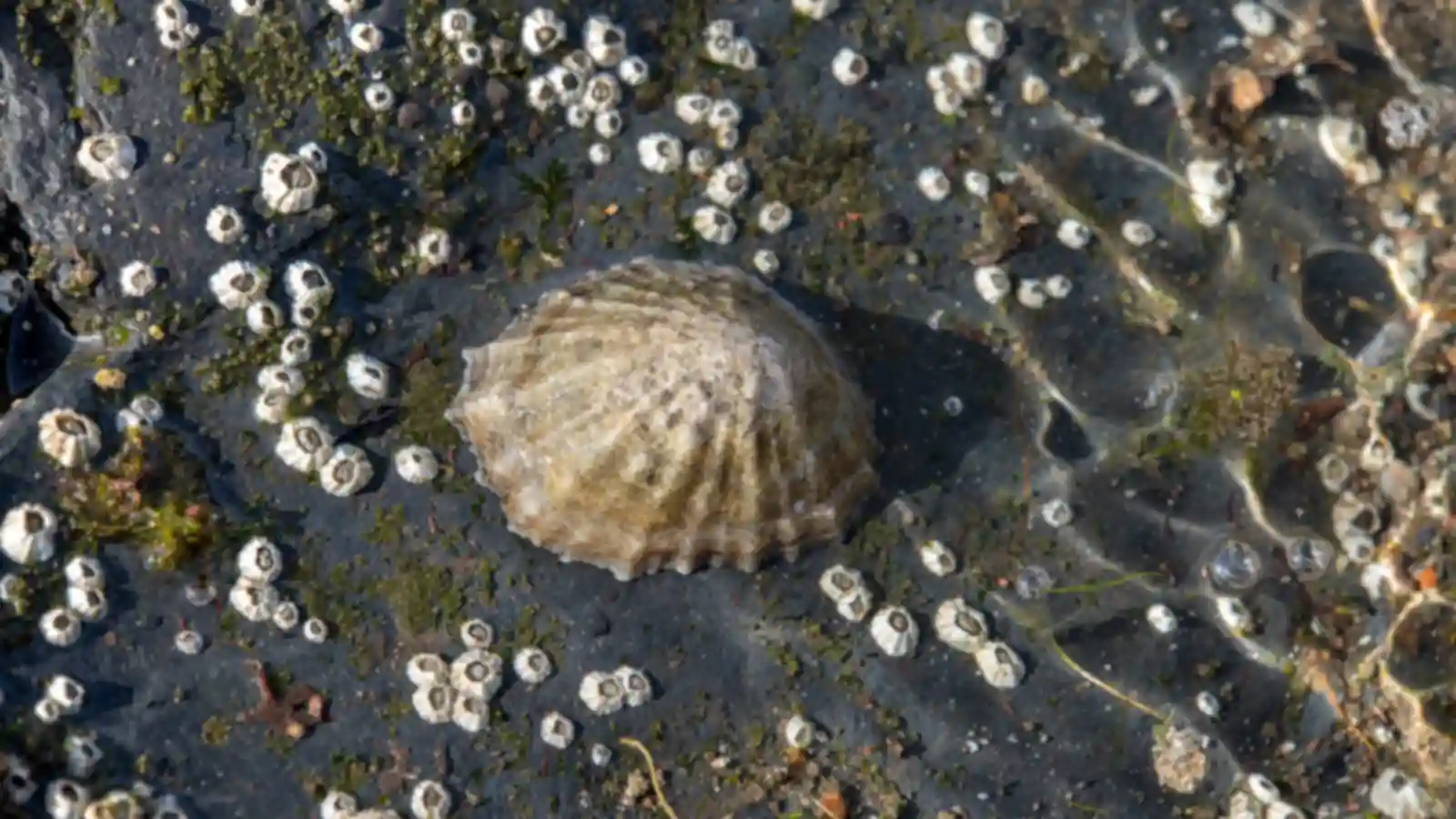
By day it sits still, sealed to the rock. By night, or when the tide covers it, it wakes and grazes, rasping the thin green film of algae from the stone with a tongue covered in teeth. It never wanders far. One may spend its whole life within a few metres of the rock it settled on as a young animal, and that small home range is the key to everything else about it. For the full detail, see the encyclopedia entry on limpets.
How They Stick: The Foot That Won’t Let Go
It sticks to rock with a broad, muscular foot that works like a suction cup and a glue pad at once. The foot presses flat against the stone, squeezes the water out from underneath, and then holds on with a grip that can resist a pull many times the animal’s own weight. Try to prise one off its rock and you will feel the resistance at once — and you may hurt the animal, so the honest advice is not to try.

The seal is so good that it can survive hours out of water at low tide, locked down in its own little pocket of moisture. The shell rim fits the rock so closely that almost no water escapes, and the animal waits out the dry hours in a damp, sealed world of its own making. When the tide returns, the foot relaxes, the seal breaks, and it goes back to work.
The Home Scar: A Limpet’s Map Back to Its Rock
Every one has a home, and the home is a scar. Over months and years of sitting in the same spot, the shell rim grinds a shallow, shell-shaped hollow into the rock, and it returns to that exact hollow after every feeding trip. The fit is so precise that the shell and the scar match like a lid and a jar, sealing out drying wind and hungry predators.
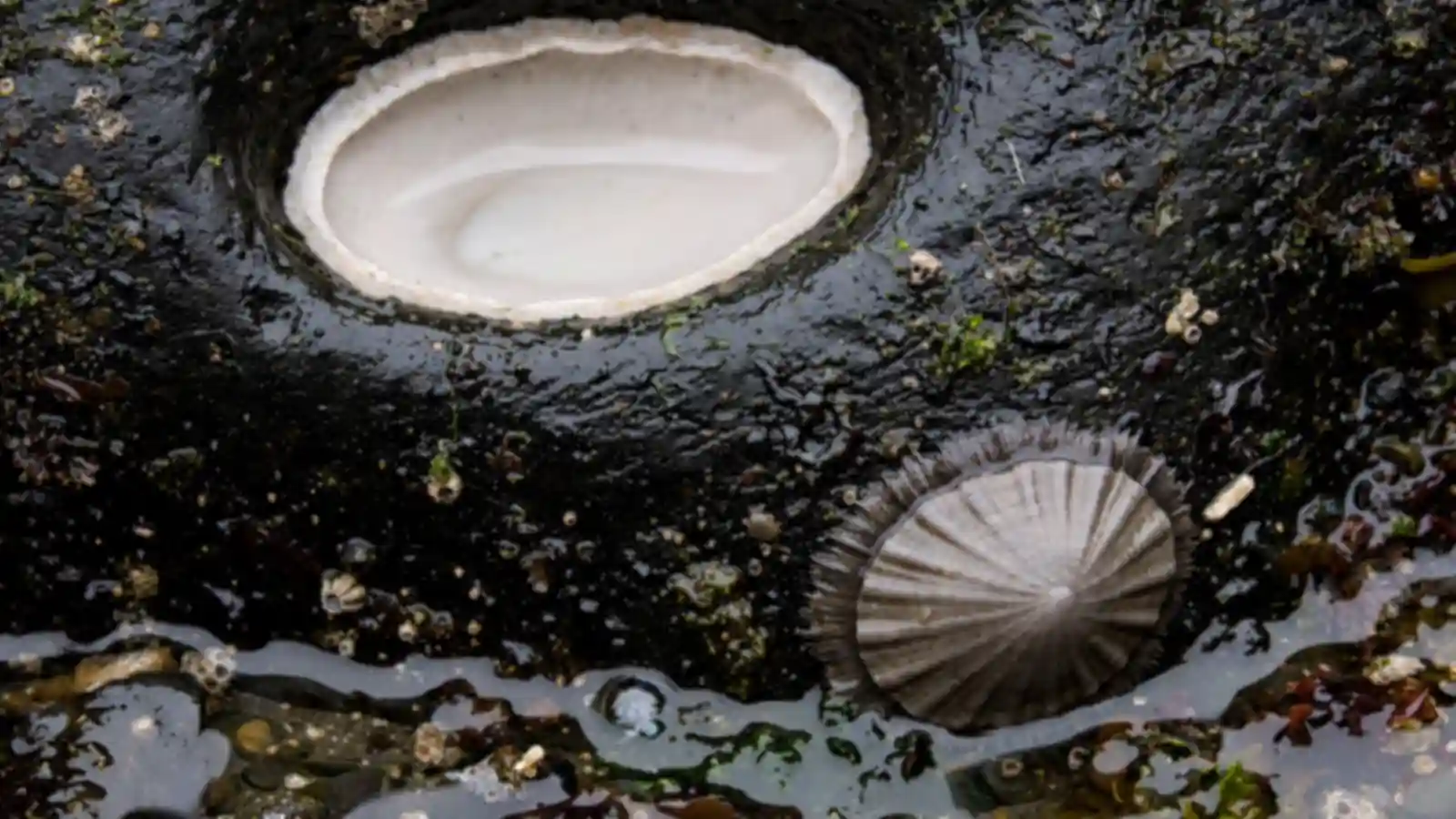
How it finds its way back is still a small marvel. A grazing one leaves its scar, wanders the rock eating algae, and then turns for home, following a mucus trail it laid on the way out. Experiments that moved limpets a short distance from home found them navigating back across unfamiliar rock, and animals moved to a new shore will grind a new scar and settle there. The scar is both a map and a fortress, and it is the reason it can afford to live in the most wave-battered place on the shore.
Iron Teeth: The Strongest Material in Nature
Its teeth are the hardest-working part of the animal, and they hold a record. The radula, the rasping tongue, carries rows of tiny teeth mineralised with goethite, an iron oxide, and research from the University of Portsmouth reported them as the strongest known natural material, stronger than spider silk. The claim rests on that single study, so it is best read as reported rather than settled, but the teeth are unquestionably remarkable.

Each tooth is only a fraction of a millimetre long, and it wears them out fast, scraping algae off rough rock several times a day. New teeth grow in at the back of the radula and move forward like a conveyor belt, replacing the worn ones. A single animal may go through thousands of teeth in a lifetime, and the iron in them is the reason the radula can cut into stone itself, leaving faint grazing marks on the rock.
Keyhole Limpets and Slipper Limpets: Not True Limpets
Not every shell called by this name is one. The keyhole belongs to a different family, the Fissurellidae, and it carries a hole or slit at the apex of its shell, a chimney through which it expels water after breathing. True limpets have no such hole. Keyhole limpets are handsome animals, often larger than common limpets, but they are cousins, not true limpets, and they live a similar rock-clinging life under a different name.

The slipper is further away still. It is a different animal entirely, a slipper-shaped snail that stacks itself in chains on shells and rocks, and its name is a confusion of shape, not family. When a guide uses the name, it means the true ones, the Patellogastropoda, and the two lookalikes belong in their own stories. The test is simple: a true one has a solid cone, a muscular foot, and a home scar, and nothing else on the shore combines all three.
What Do Limpets Eat? Grazers of the Intertidal
Limpets eat the thin green film that coats intertidal rock, a layer of microscopic algae and the young stages of seaweeds, and they take it off with the iron-toothed radula. A grazing one leaves a pale trail across the rock where the film has been rasped away, and a whole shore of limpets can keep the rocks visibly cleaner than a shore without them.

The diet makes limpets gardeners of the shore. By grazing the film they stop fast-growing algae from smothering the rock, and the bare patches they leave are the nursery ground for barnacles and young mussels. Remove the limpets and the shore changes: green algae take over, the barnacles lose their footholds, and the whole community shifts. It is a large ecological job for an animal the size of a coin, and it is done one scrape at a time.
Fun Facts
- Its teeth are made of goethite, an iron mineral, and were reported as the strongest known natural material.
- It grinds a shell-shaped hollow, a home scar, into its rock and returns to the same spot after every meal.
- The owl can reach 20 centimetres across, while the common species is usually 2 to 6 centimetres.
- Limpets can seal themselves to rock so tightly that they survive hours out of water at low tide.
- A single animal may wear out and replace thousands of radula teeth in its lifetime.
- Limpets are gardeners of the shore: their grazing keeps fast-growing algae from smothering the rock.
Frequently Asked Questions
How do limpets stick to rocks?
It sticks with a broad muscular foot that presses flat against the stone and squeezes the water out, forming a suction seal strong enough to resist a pull many times the animal’s own weight. The shell rim fits the rock so closely that the seal also traps moisture, letting the limpet survive hours out of water at low tide.
What do limpets eat?
Limpets eat the thin film of microscopic algae and young seaweeds that coats intertidal rock. They scrape it off with the radula, a rasping tongue armed with iron-mineralised teeth, leaving pale grazing trails across the stone.
How do limpets find their way home?
A limpet follows the mucus trail it laid on its way out, returning to the shell-shaped hollow, or home scar, that its shell has ground into the rock. The fit is so exact that the shell seals against the scar like a lid, and experiments show moved limpets navigating back across unfamiliar rock.
How big do limpets get?
The common species is usually 2 to 6 centimetres across. The largest true one is the owl, Lottia gigantea, which grows to 10 to 20 centimetres across, while most true species stay within a few centimetres.
What are limpet teeth made of?
Limpet teeth are mineralised with goethite, an iron oxide. Research from the University of Portsmouth reported them as the strongest known natural material, stronger than spider silk. New teeth grow in at the back of the radula and replace worn ones like a conveyor belt.
What is a keyhole limpet?
A keyhole belongs to the family Fissurellidae, a different family from the true ones. It carries a hole or slit at the apex of its shell, a chimney for expelling water after breathing. True limpets have a solid cone with no hole.
Where do limpets live?
True limpets live on rocky shores and in tide pools around the world, from the North Atlantic to the Pacific coast of North America. They need hard stone in the intertidal zone, where the tide covers them for feeding and leaves them clamped down at low tide.
Similar Species Worth Exploring
Keep Exploring
Keep exploring the mollusks: meet the sea hare, a giant sea slug that glides instead of clinging, or browse the whole family in our guide to the types of mollusks. Then come back to the small cone that holds its rock against the whole ocean, the stubborn little limpet.