Sphynx Cat: Personality, Care, Health, History & Breed Guide
Sphynx: the hairless cat with the warmest heart
The Sphynx cat trades fur for personality: energetic, acrobatic, and always ready to perform for attention, with wrinkled skin, enormous ears, and lemon shaped eyes.
By Emily Carter · Reviewed by our vet team · Updated 21 October 2026 · 9 min read
Lifespan 8–14 yrsWeight 6–12 lbHairless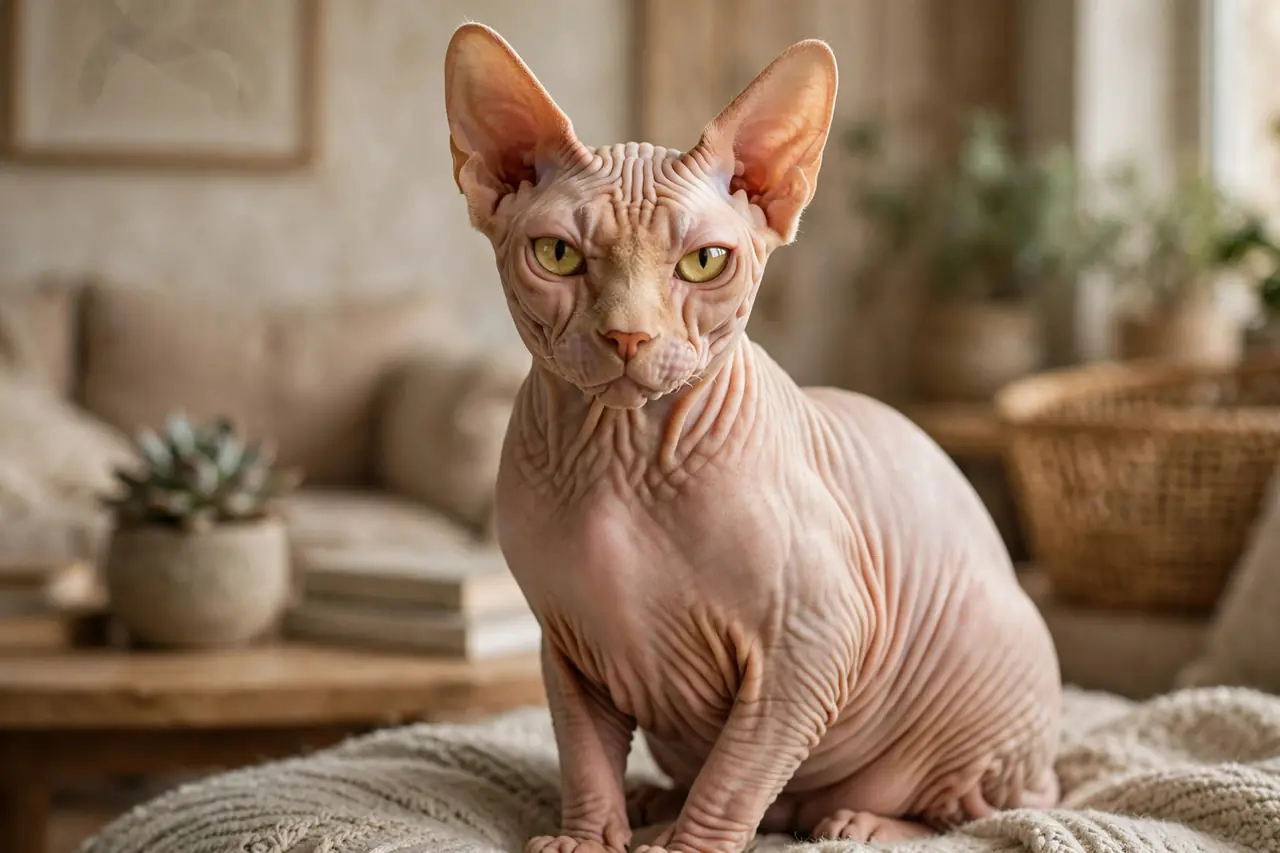
Few cats turn heads like the Sphynx cat. But spend five minutes with one and you will understand the appeal: beneath the wrinkled skin and dramatic ears is one of the most devoted, people loving breeds of all. This guide covers what the breed looks like, where it came from, how it behaves, and what its care really involves.
At a Glance
Size and Weight
The Sphynx is a medium sized cat with a surprisingly solid build. Most weigh between 6 and 12 pounds: males are generally heavier, typically 8 to 14 pounds, while females usually weigh 7 to 10 pounds. A fully grown Sphynx measures about 12 to 15 inches from head to tail and stands roughly 8 to 10 inches tall at the shoulder, with long limbs and a long tapering tail.
Coat and Colors
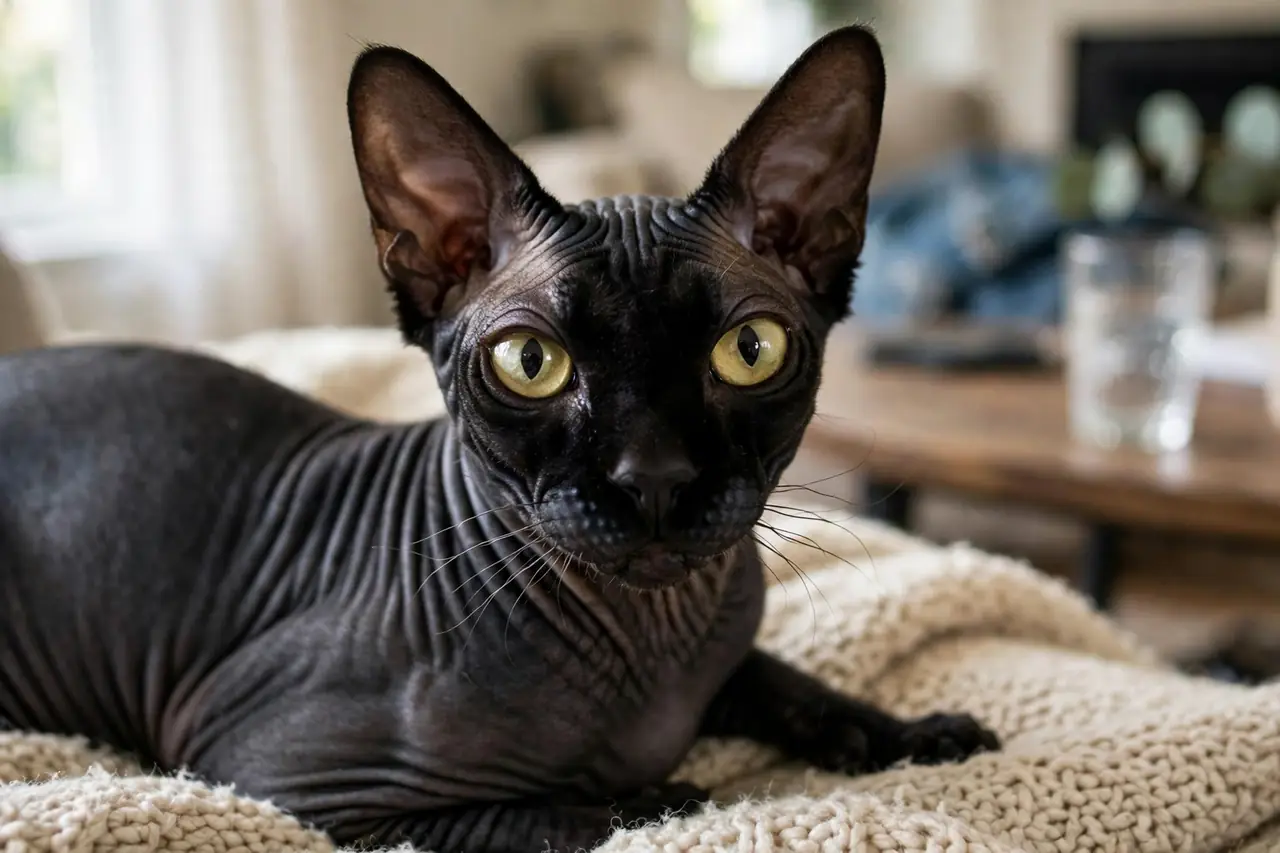
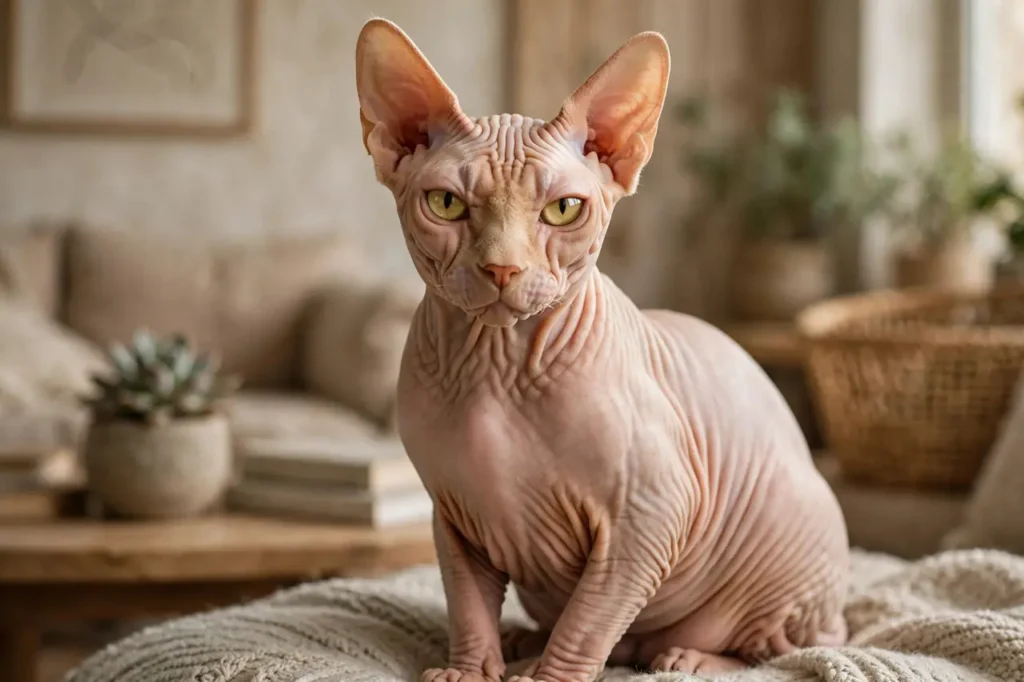
The Sphynx is famous for its nearly hairless appearance, but it is not always completely bald: many Sphynx cats have a fine layer of soft, peach like fuzz that gives their skin a suede like feel. Color and pattern in this breed show in the pigmentation of the skin, and Sphynx cats come in essentially every color and pattern found in domestic cats, from black and blue to tabby, tortoiseshell, and pointed.

History and Origins
The story starts with a surprise: in 1966, a black and white domestic cat in Toronto, Canada, gave birth to a hairless kitten named Prune. His hairlessness turned out to be a naturally occurring genetic mutation.
The path forward was slow. Early breeding programs struggled with a limited gene pool, so breeders crossed the hairless cats with normal coated cats and with the Devon Rex, then bred the offspring back.
The first of these cats were called Canadian Hairless Cats. The name Sphynx came later, inspired by the ancient Egyptian Sphinx and the breed’s regal, statue like profile.
Few breeds have an origin story this unlikely: a single hairless kitten in Toronto became the foundation of one of the most recognizable cats in the world.
Physical Characteristics
Beyond the missing coat, the Sphynx has a very specific look. The body is medium in length, hard and muscular, with a broad chest and a rounded belly. The head forms a modified wedge, slightly longer than it is wide, with prominent cheekbones and a distinct whisker break. The eyes are large and lemon shaped, and the skin feels warm and soft to the touch, like suede or a ripe peach, naturally wrinkled on the head, neck, and shoulders.
Sphynx Personality and Behavior
If you want a cat with a huge personality, look no further. The Sphynx is energetic, acrobatic, and loves to perform for attention, with a sense of humor that contrasts with the serious, alien look. Loyal and loving, the typical Sphynx follows her people from room to room and inserts herself into whatever is happening.
Energetic, acrobatic, and always ready to perform for attention, with a real sense of humor.
Follows her people from room to room, perches on a shoulder, curls up in a lap, or supervises household chores.
Highly social with other animals and outgoing with people: her confidence and love of contact have made Sphynx popular as therapy cats.
- Fiercely loyal and affectionate
- Endlessly entertaining
- Essentially no shedding
- Weekly skin care and regular baths
- Chills quickly and sunburns easily
- Dislikes being left alone
Care Essentials
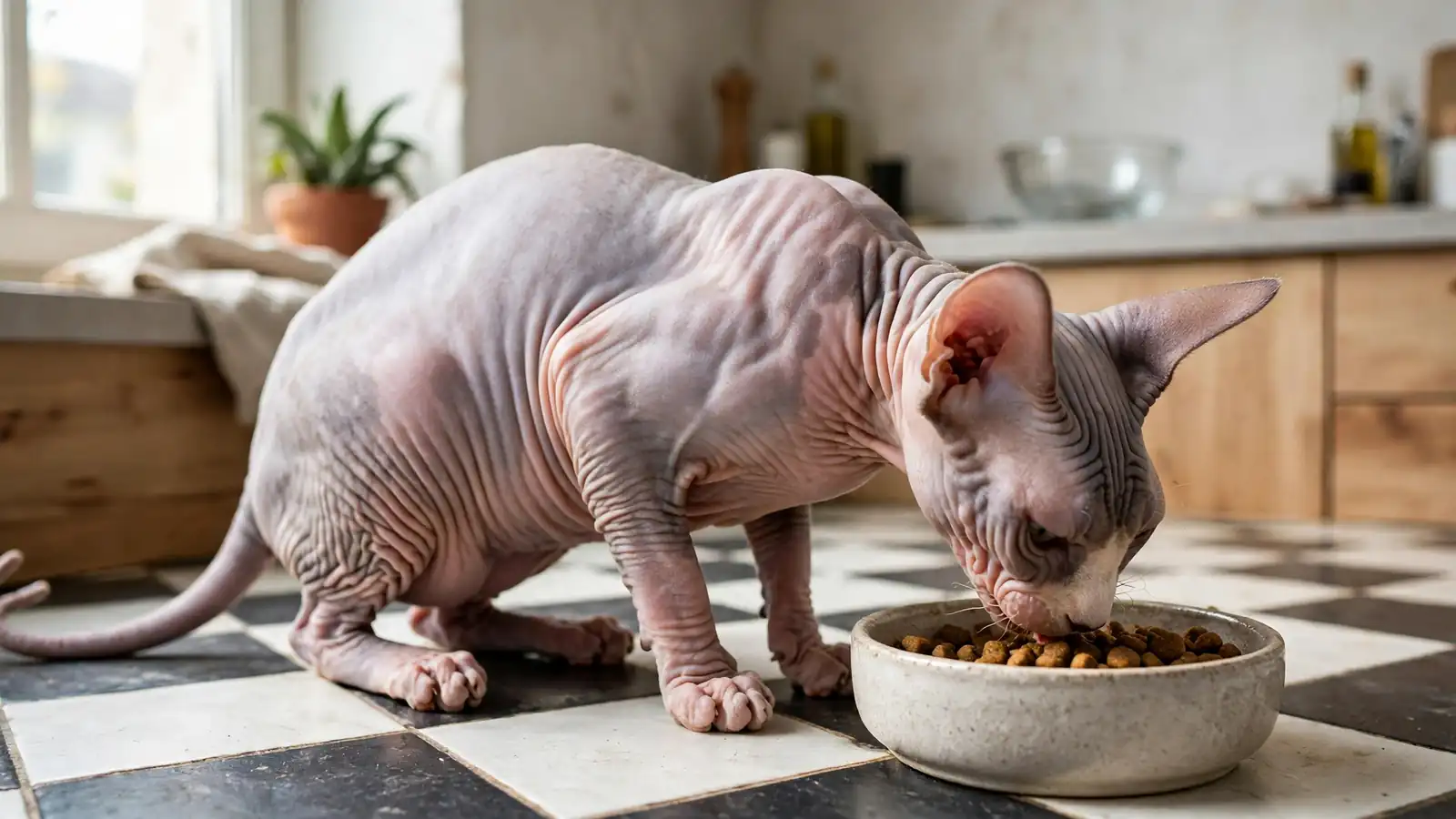
Sphynx cats burn extra calories to stay warm, so they need more food than a coated cat of the same size: high protein food in measured meals.
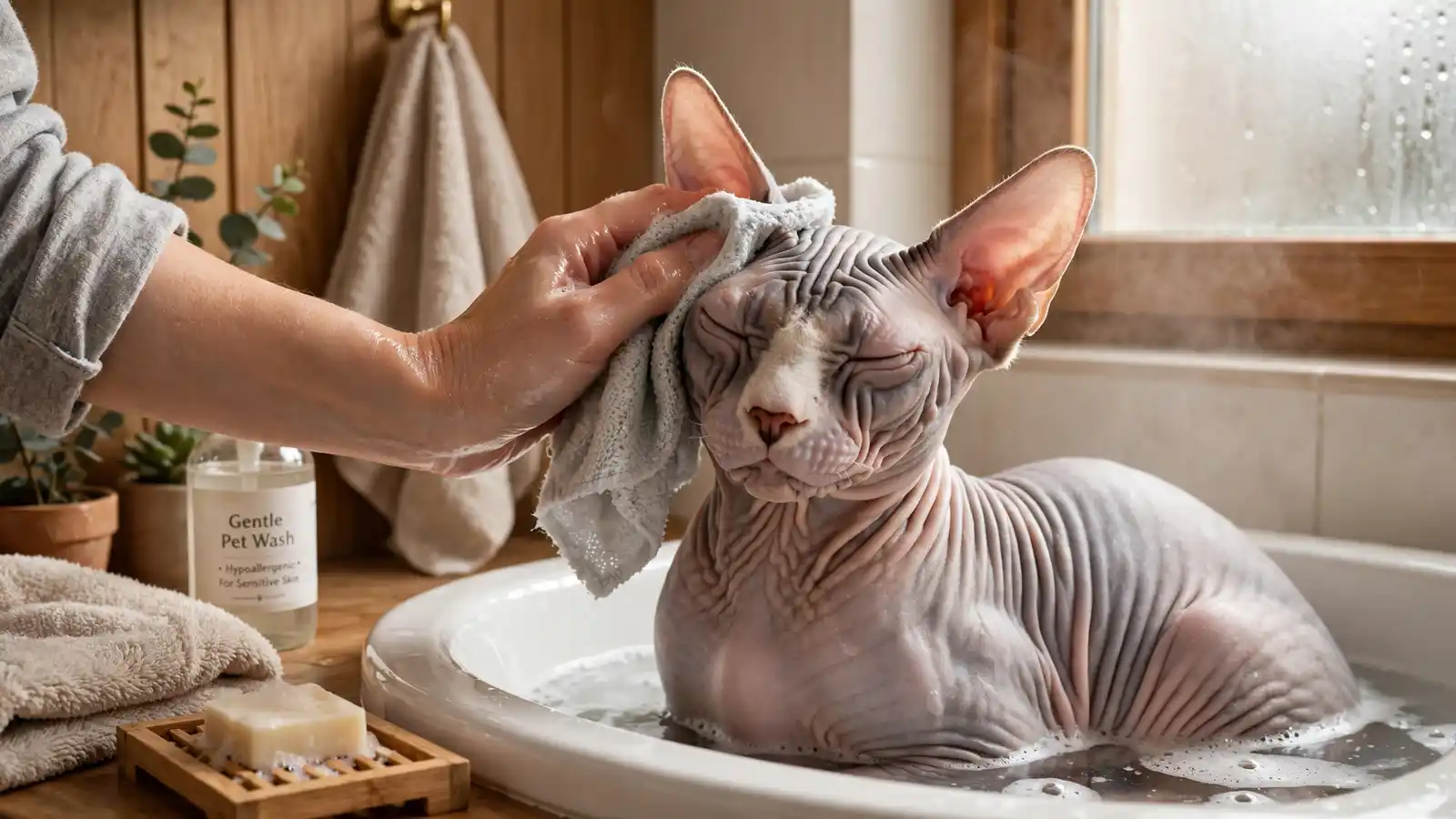
No brushing, but a weekly wipe down or sponge bath, weekly ear cleaning, and regular teeth brushing.
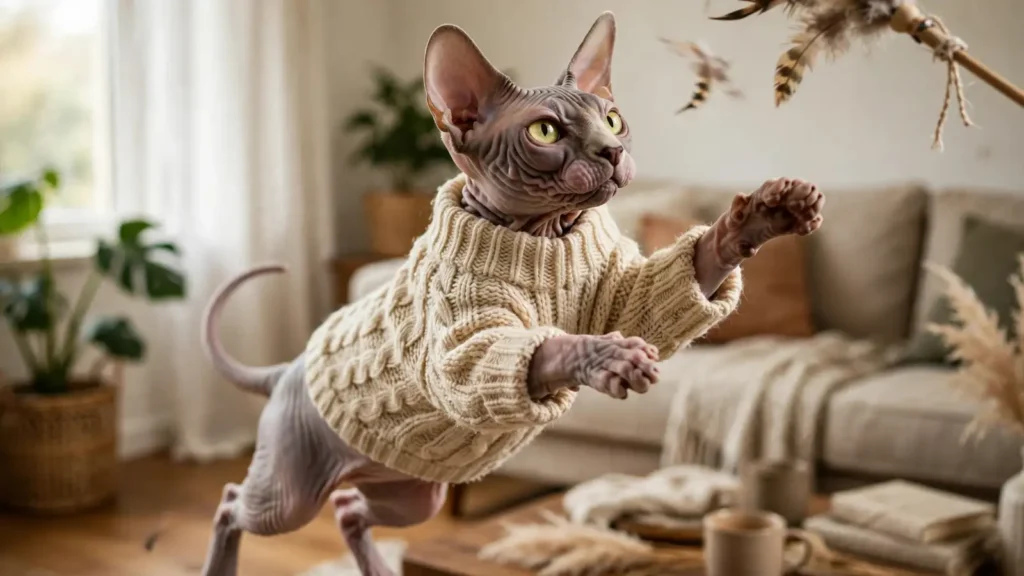
A sturdy cat tree, scratching posts, and interactive toys: this breed loves to jump, climb, and chase.
Heated beds, soft blankets, and sweaters made for the breed: she will find the warmest spot in the house.
Nutrition and Diet
Food is fuel for warmth in this breed. Because the Sphynx loses body heat through her bare skin, her metabolism runs high and her appetite is famously large. Choose a high quality food that is high in protein and low in carbohydrates, with real meat or fish listed as the primary ingredient, and measure portions carefully: an enthusiastic Sphynx may keep eating even when full.
Grooming
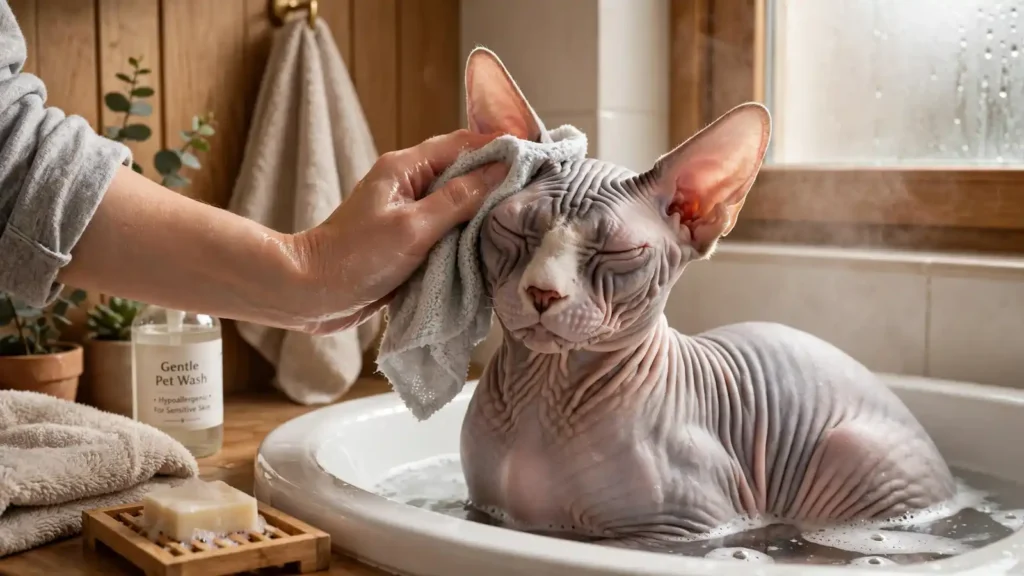
Here is the surprise for many new owners: a hairless cat needs more skin care than most coated cats. The skin produces normal oils, but with no fur to absorb them, the oils build up on the skin. Bathe or sponge bathe your Sphynx every one to four weeks with warm water and a gentle cat shampoo, paying attention to the skin folds, check the ears every week, and brush the teeth regularly.
Exercise and Enrichment
Do not let the sleepy sunbather fool you: the Sphynx is a capable athlete with strong, sinewy muscles. These cats love to jump, climb, and chase, and they will follow their people around the house all day. Provide a sturdy cat tree or condo for climbing and perching, plus interactive toys, feather wands, and chase games to burn off energy.
Health
Overall, the Sphynx is considered a strong and hardy breed with few serious problems when well bred. Still, there are several conditions that future owners should know about so they can ask the right questions.
Hypertrophic cardiomyopathy, in which the heart muscle becomes abnormally thick so the heart cannot pump effectively, is the most discussed concern in the breed. Ask breeders whether their cats are heart screened.
An inherited neuromuscular disorder that causes muscle weakness, seen in some Sphynx. Ask breeders about the condition in their lines.
The bare skin is prone to infections and oil build up. Regular bathing, shade from harsh sun, and prompt attention to sores keep skin issues in check.
Indoor and Outdoor Living
The Sphynx is an indoor only cat, and the reasons are practical: without a protective coat, she chills quickly in cold weather, sunburns easily in direct sun, and can injure her delicate skin outdoors. Indoors, give her warm places to rest: heated beds are a favorite, and many Sphynx owners keep a supply of soft blankets and sweaters made for the breed.

Family Suitability
This breed was made for people who want a companion, not just a pet. Sphynx cats are devoted to their families: they greet family members at the door and want to be part of everything. They generally get along well with other pets, including dogs and other cats, and many do best with a companion animal in the home, since they dislike being left alone.
Finding a Breeder or Rescue
Start with a reputable breeder who prioritizes health. A Sphynx kitten from a breeder typically costs between $1,800 and $3,000, varying with reputation, location, and whether the kitten is sold as a pet or for breeding and showing. Ask whether the breeding cats are screened for hypertrophic cardiomyopathy and whether kittens come with a written health guarantee. Adoption is also worth considering: rescues sometimes have Sphynx cats looking for homes.
- Ask whether breeding cats are screened for HCM
- Ask about a written health guarantee
- Kittens should be raised in the home and well socialized
- Expect to be asked questions too: responsible breeders match kittens to homes
Quick Quiz: Is a Sphynx Right for You?
Answer four questions. Tap yes or no.
Sphynx vs Devon Rex
The Sphynx is not the only unusual coated breed. Here is how it compares to a close relative.
Frequently Asked Questions
Are Sphynx cats hypoallergenic?
No. Despite the lack of fur, the Sphynx still produces normal amounts of the Fel d 1 protein found in saliva, skin glands, and dander, which is what triggers most cat allergies. Some allergic people do report fewer symptoms around Sphynx cats, but reactions vary by individual. Spend time with adult Sphynx cats before committing if allergies are a concern.
Do Sphynx cats need baths?
Yes. They need a bath or sponge bath every one to four weeks to remove the oils that build up on their skin. Without regular cleaning, the skin becomes greasy and prone to irritation.
How long do Sphynx cats live?
The typical lifespan is 8 to 14 years, with many living into their teens. Good nutrition, regular vet care, and careful skin management support longevity.
Do Sphynx cats shed?
Essentially no. There is no coat to shed, though the fine down some cats carry may leave a little residue. This is one of the lowest shedding breeds.
The Sphynx is ideal for someone who is home often and wants a deeply interactive companion: a warm, funny, and fiercely loyal cat who wants nothing more than to be near her people. It is a poor match for a household where everyone is gone all day.
Similar Breeds Worth Exploring
Related Breed Guides
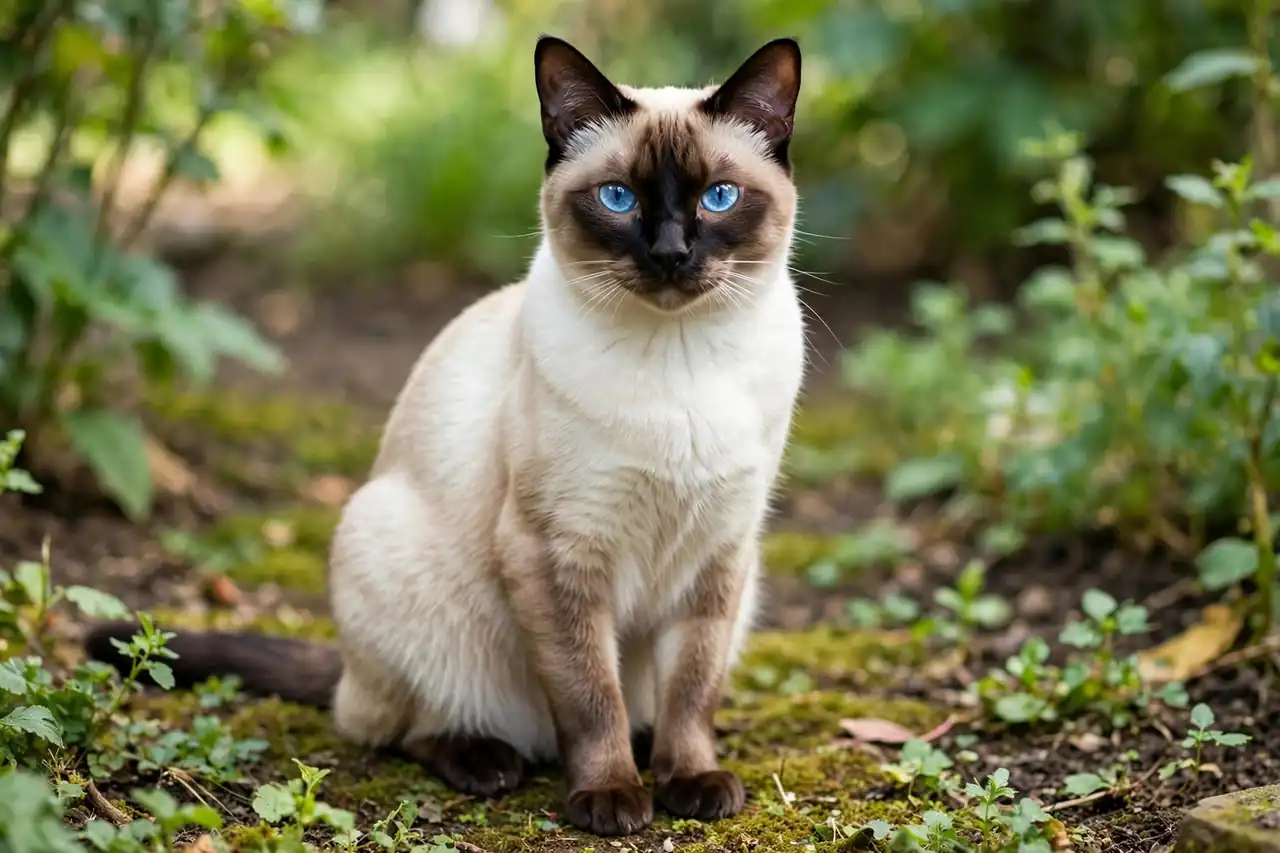
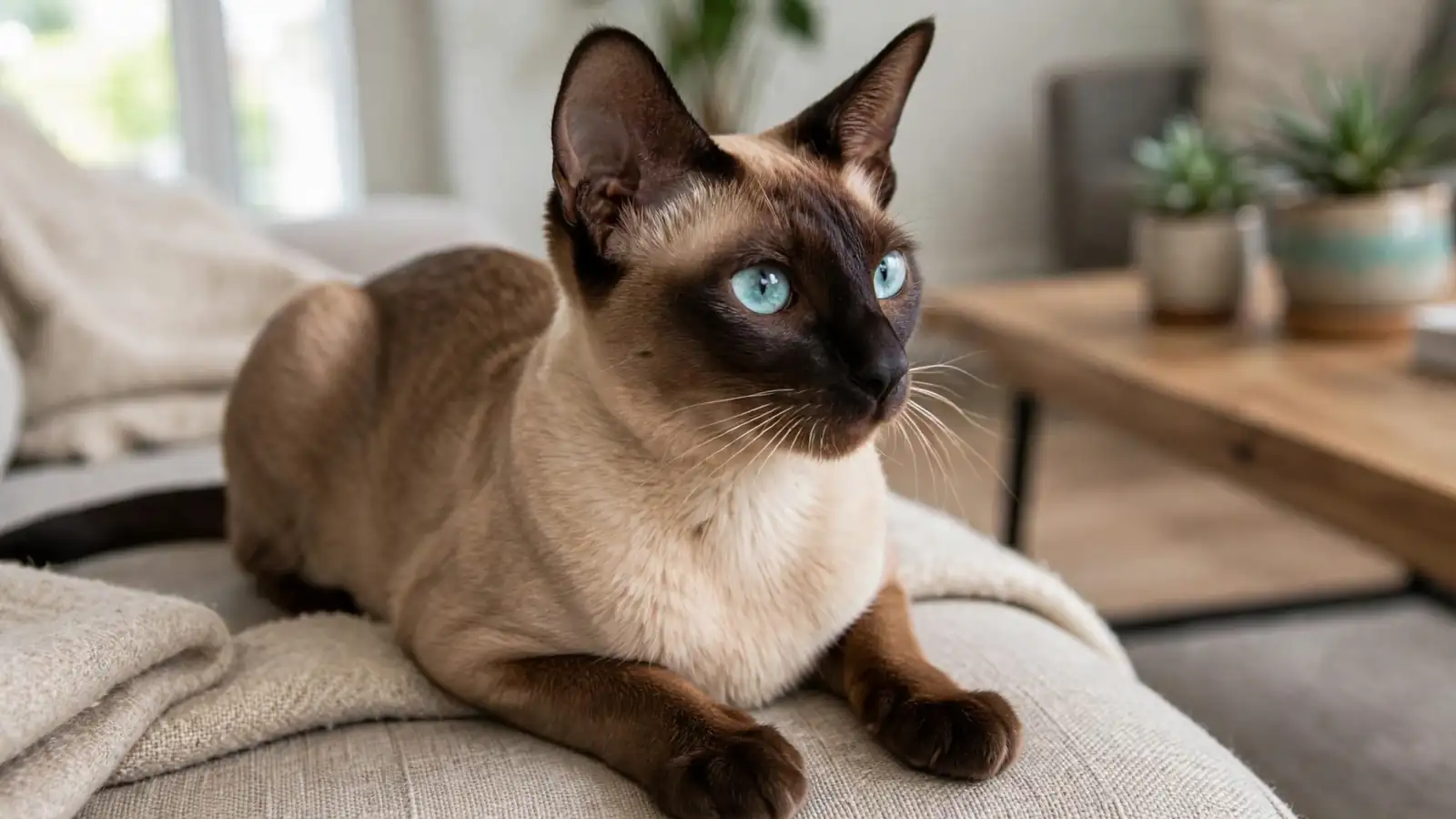
- Siamese Cat Breed Guide
- Tonkinese Cat Breed Guide
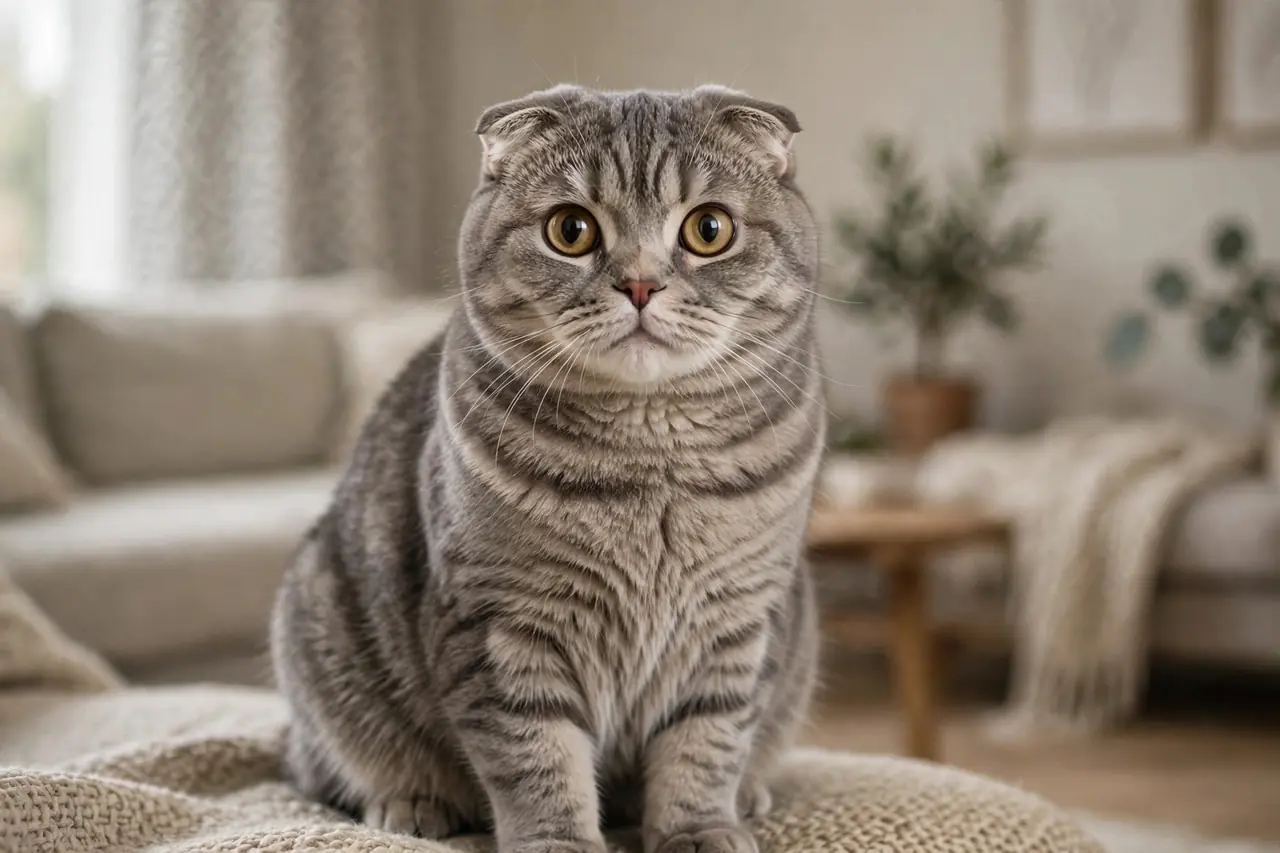
- Scottish Fold Cat Breed Guide
- Peterbald Cat Breed Guide
Keep Exploring
Still deciding? Meet the talkative Siamese, or the gentle, social Tonkinese. Every guide on this site follows the same layout, so the facts you need are always in the same place.