Pink Salmon
Pink Salmon: the smallest Pacific salmon, on a two-year clock that never slips
The pink salmon is the smallest and most abundant of the Pacific salmon: a fish that lives exactly two years, never more and never less, grows a hump like a camel when it spawns, and runs in odd-year and even-year populations that never interbreed. It is the humpy, the humpback salmon — and the most punctual fish in the sea.
By Emily Carter · Reviewed by our vet team · Updated 10 November 2026 · 9 min read
Lives exactly two years, no moreMales grow an enormous humpOdd-year and even-year runs never mix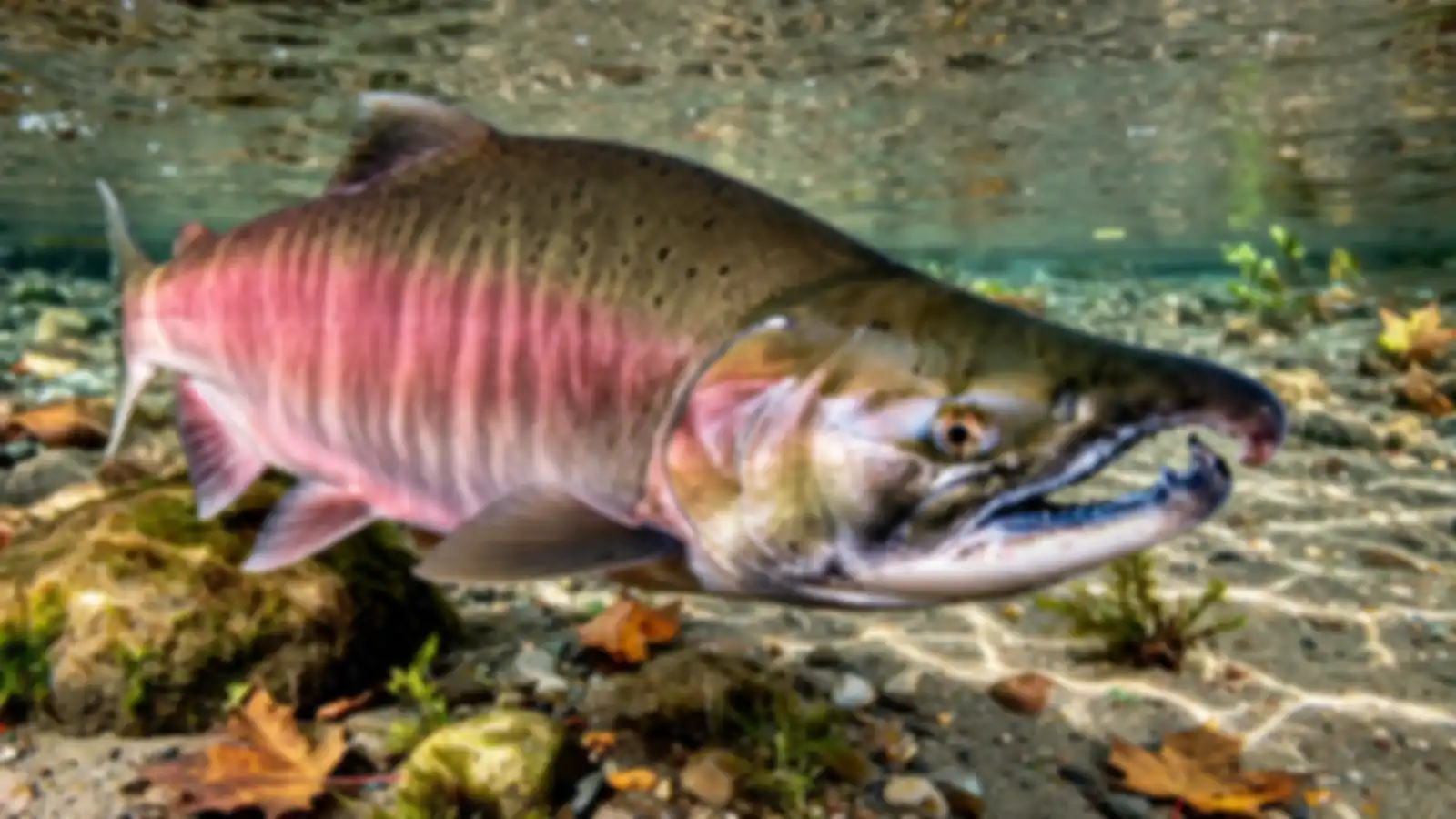
At a Glance
The pink salmon, Oncorhynchus gorbuscha, is the smallest and most abundant of the Pacific salmon, also called the humpback salmon or humpy for the enormous hump the males grow before spawning. Its life runs on a fixed two-year clock: hatch, grow, spawn and die, all inside twenty-four months, with odd-year and even-year runs that are essentially separate populations and do not interbreed.
What Is a Pink Salmon?
It is a small, silvery Pacific salmon with fine black spots on its back and tail, a small head and a deep, laterally compressed body. In the ocean it is bright silver and hard to tell from other young salmon, but as spawning approaches it darkens, the males grow a huge hump and a hooked jaw, the kype, and both sexes turn a mottled green-brown with a pale belly. It is the smallest of the five Pacific salmon, and also the most numerous by far.
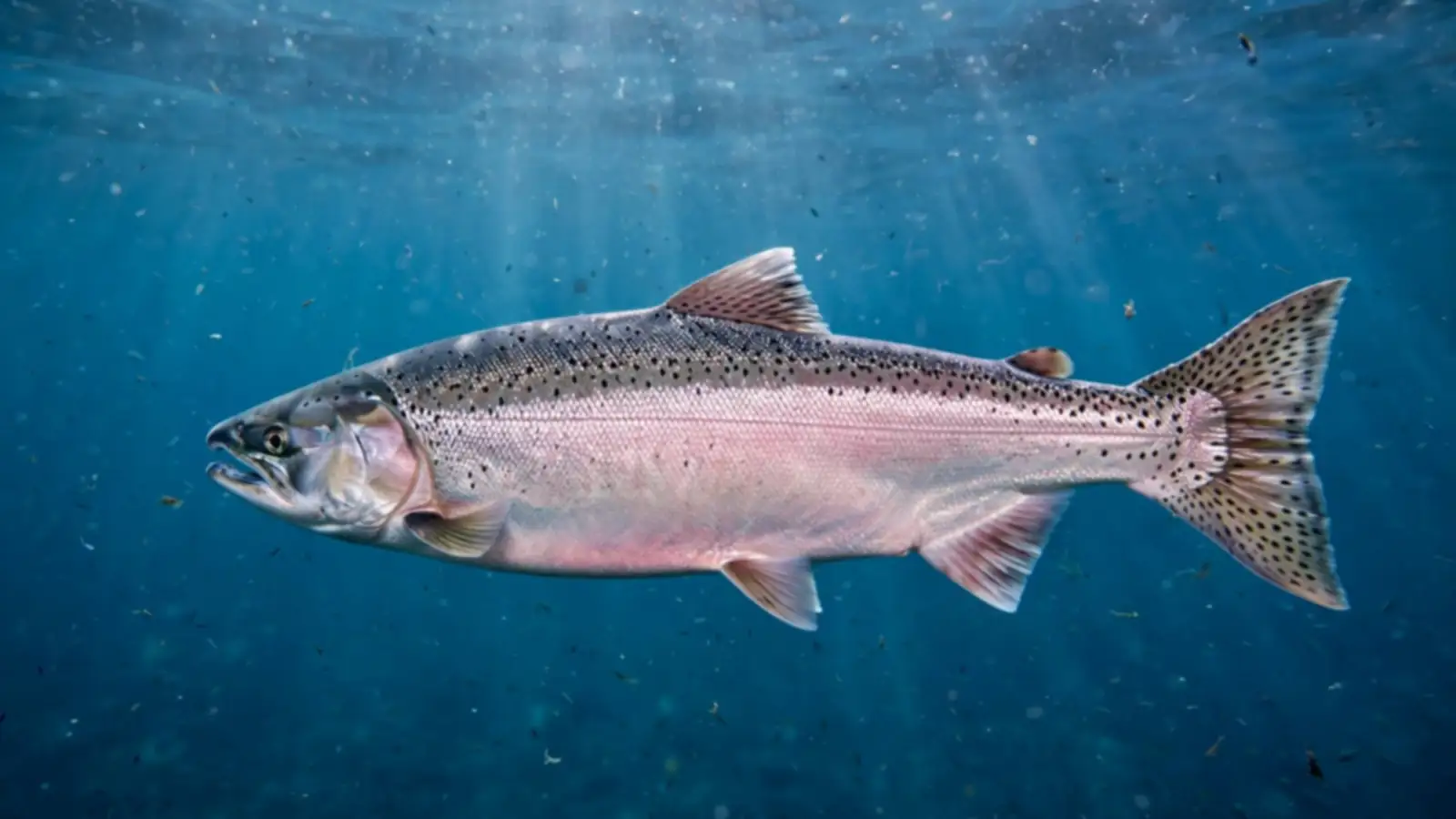
They range around the North Pacific, from California and Alaska across to Russia, Korea and northern Japan, and they have been introduced to the Great Lakes, where they now run in the tributaries. They are a fish of the near shore: most spawn within about 40 miles of the coast, the shortest freshwater journey of any Pacific salmon, and their fry go straight to the sea as soon as they emerge from the gravel.
Pink Salmon Size: The Smallest Salmon
It is a small fish: the average adult is 20 to 25 inches long and weighs 3.5 to 5 pounds, about the size of a large trout. The rod-and-reel record is 14 pounds 3 ounces, a fish caught by a nine-year-old angler in Washington state, and a heavier fish of 14.49 pounds is reported from the Skykomish River, though it is credited as a reported catch rather than the record. Either way, one of 10 pounds is a very big fish, and one of 14 is a fish of a lifetime.
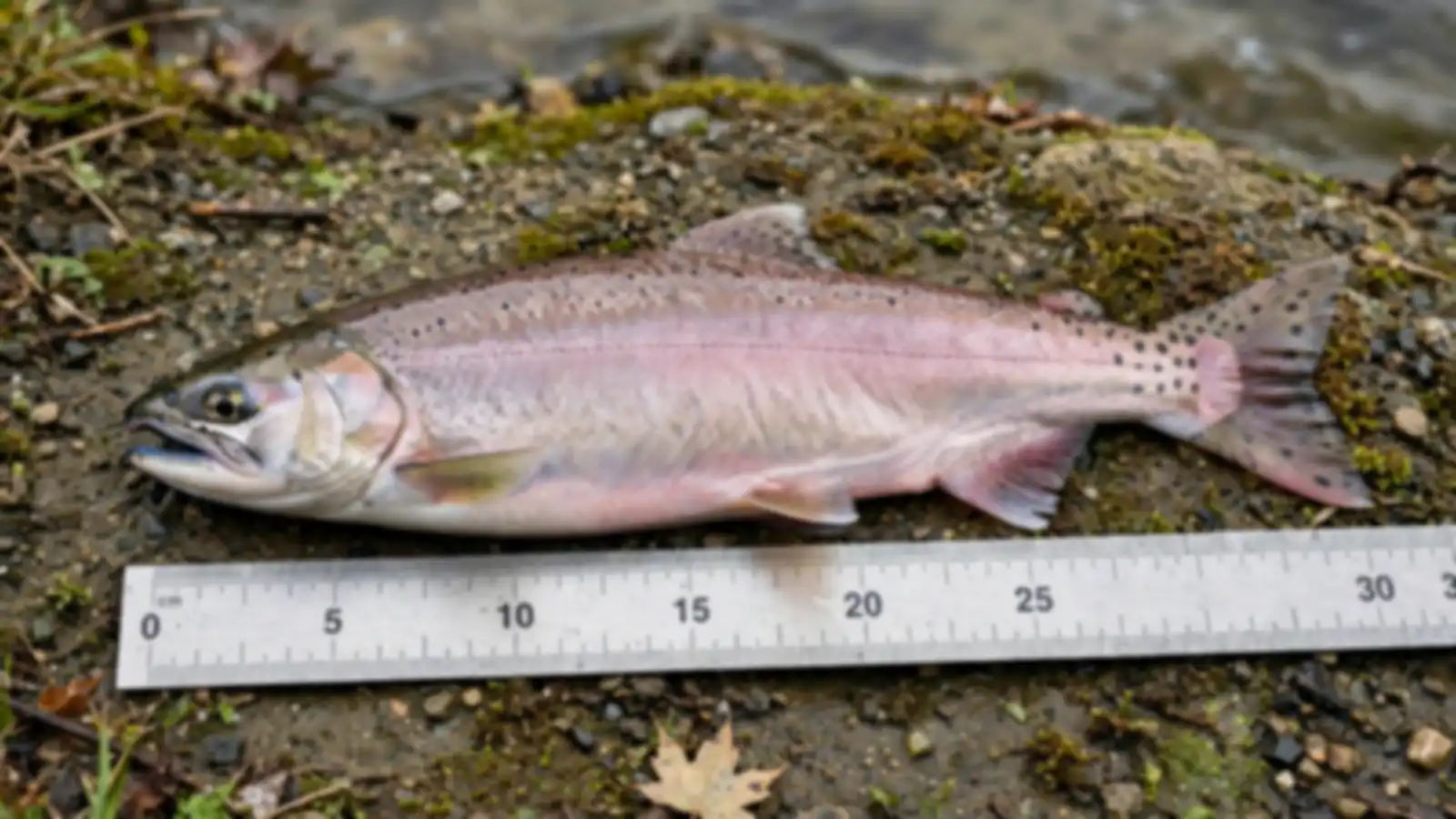
Small size is its strategy: it grows fast, matures young and puts everything into numbers rather than bulk. A river that holds a few thousand Chinook may hold hundreds of thousands of pinks, and the species’ abundance is its defence — no predator can eat them all, and no bad year can wipe them out. Our Chinook salmon guide tells the opposite story, the largest salmon, on the longest run, in the smallest numbers.
The Hump and the Kype: Spawning Changes
The hump is its signature, and it belongs to the males. As spawning approaches, the male’s back rises into an enormous, almost grotesque hump, his jaws hook into a kype, and his teeth grow long and sharp. The hump is made of fat and muscle, built up at sea and spent in the river, and it makes the male look bigger and more threatening to rivals — a display as much as a weapon.
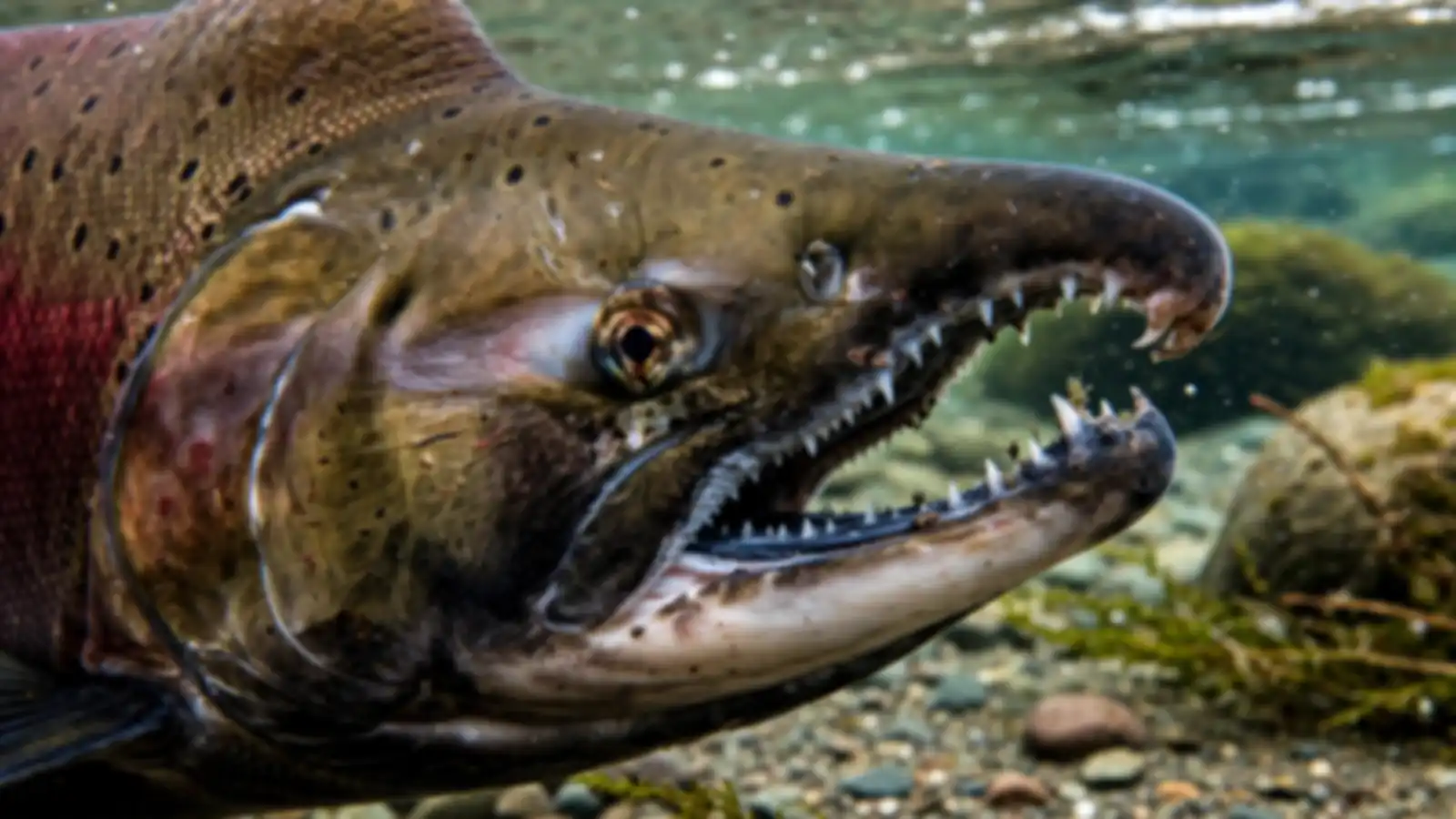
Females change too, but less dramatically: they darken, their jaws hook slightly, and their bodies deepen. Both sexes lose their silver as they enter fresh water, turning green-brown with dark blotches, and both die within days of spawning. The hump is a once-in-a-lifetime ornament, grown for a single run and gone with the fish that wore it.
The Fixed Two-Year Life Cycle
Its life is fixed at two years, and it never varies: eggs laid in autumn hatch in winter, the fry emerge in spring and go straight to the sea, the fish grows for a single winter in the ocean, and it returns to spawn and die at exactly two years old. None lives three years, and none spawns at one — the clock is absolute, and it is the shortest, strictest life of any Pacific salmon.
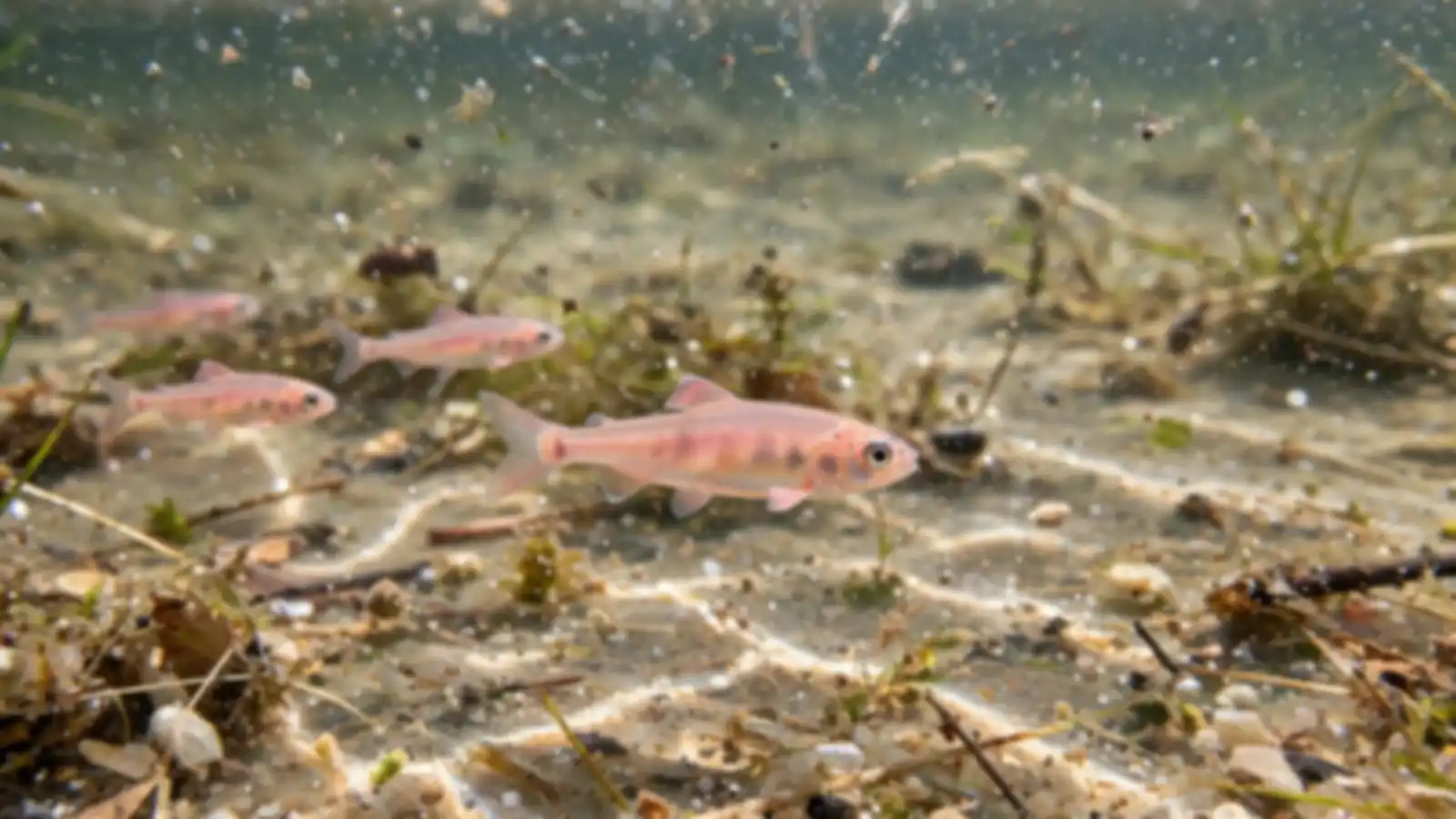
The fry’s journey is the shortest too. The fry migrate to the sea immediately on emerging from the gravel, spending almost no time in fresh water at all, and they grow fast in the estuary and the coastal ocean. Within months they are feeding on zooplankton and small fish in the open Pacific, and within a year they are adults, turning home on the same two-year schedule their parents followed.
Odd-Year and Even-Year Runs
Because every fish lives exactly two years, the odd-year and even-year runs are essentially separate populations that never interbreed: a fish born in an odd year spawns in an odd year, and its grandchildren spawn in odd years too, while the even-year fish run on their own parallel clock. The two populations can differ in size, timing and abundance, and in some rivers one year’s run is huge while the next year’s is small.
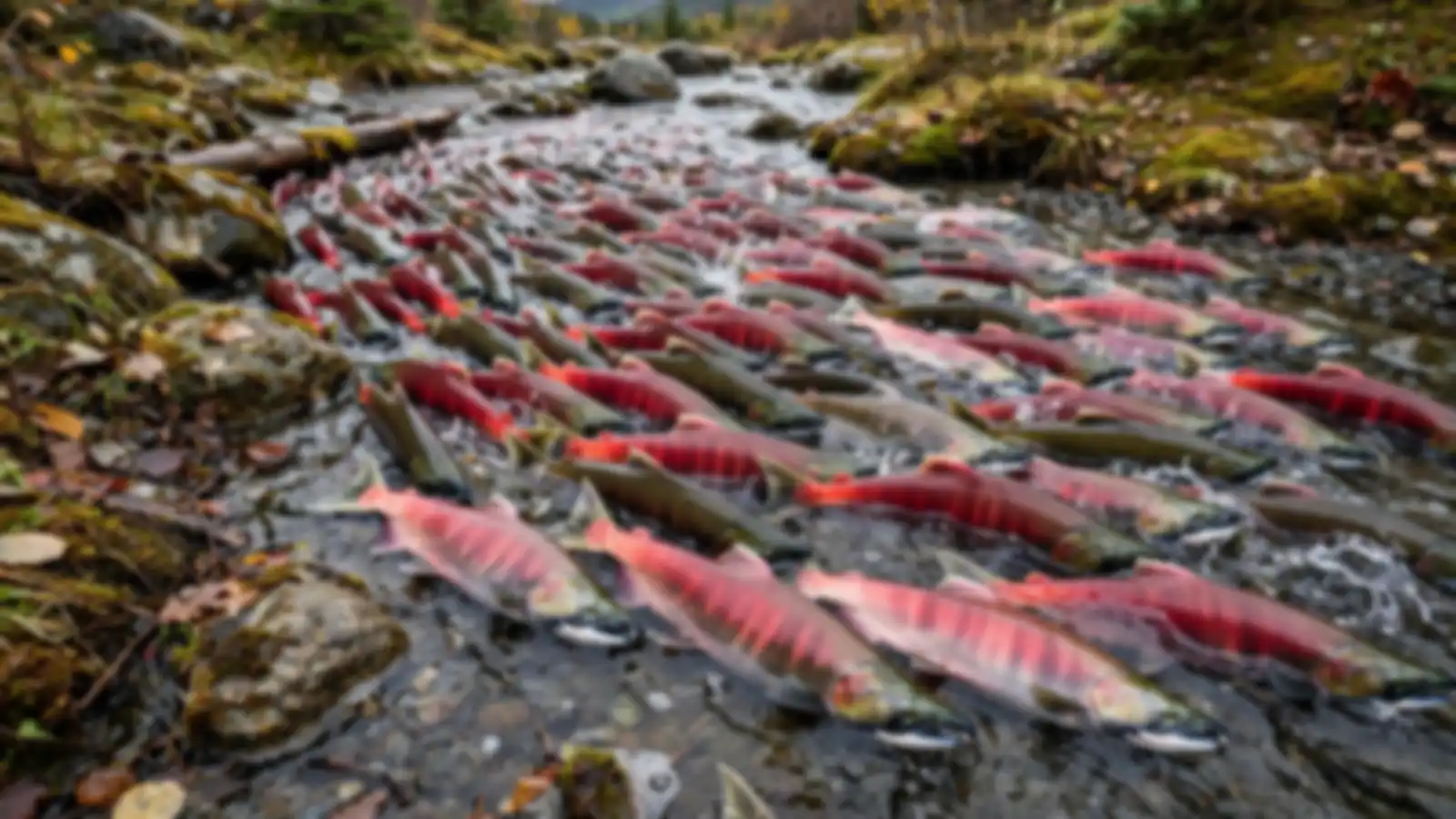
The split is so complete that biologists treat odd-year and even-year fish as distinct lineages, with their own genetics and their own rhythms. It is a natural experiment in evolution, running in every river in the Pacific: two populations, one river, two clocks, never meeting.
Diet and Ocean Growth
They eat zooplankton, small fish and aquatic insects, feeding in the open ocean on the tiny animals that drift in the surface waters. The fry feed on plankton in estuaries as soon as they reach the sea, and the adults take krill, small fish and squid in the open Pacific. The diet is small prey in large numbers, and it is what lets one grow from a fry to an adult in a single year at sea.
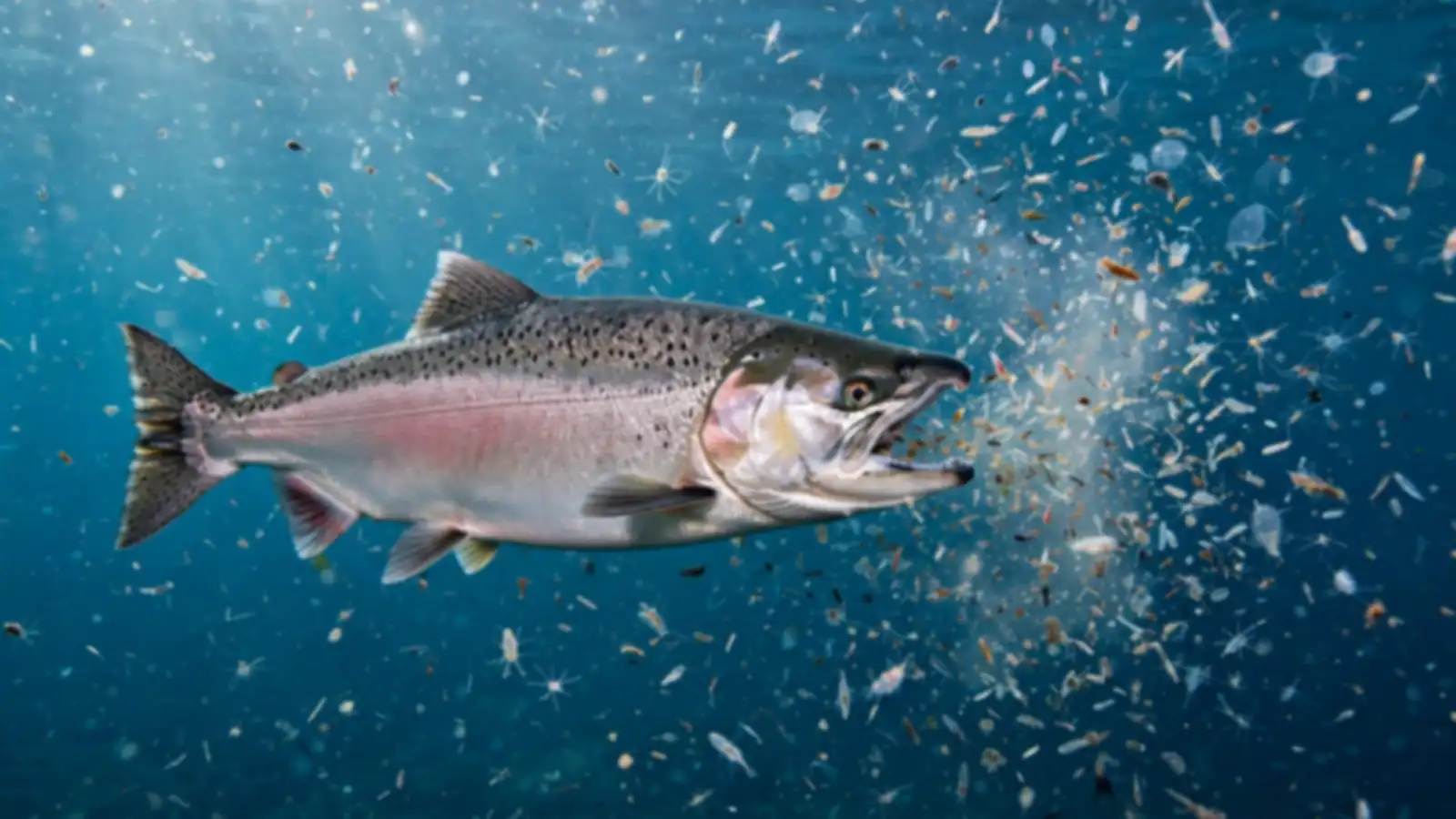
Growth is fast and the ocean is the engine: it puts on most of its weight in its one winter at sea, feeding constantly on the rich plankton of the North Pacific. When it turns home, it stops feeding and runs on stored fat, like every salmon, and it arrives at its river thin, dark and ready to spawn. The species page records the size, life-cycle and run figures behind this guide, and the Atlantic side of the salmon story is told in our Atlantic salmon guide, where the fish survives spawning and may come home again.
Fun Facts
- It lives exactly two years — no more, no less — the shortest, strictest life of any Pacific salmon.
- Odd-year and even-year fish are essentially separate populations that never interbreed.
- The rod-and-reel record weighed 14 pounds 3 ounces and was caught by a nine-year-old angler.
- The fry go straight to the sea as soon as they emerge from the gravel, the shortest freshwater stay of any Pacific salmon.
- Most spawn within about 40 miles of the coast, though some Alaska rivers run further inland.
- They are the most abundant Pacific salmon, outnumbering every other species by far.
Frequently Asked Questions
How Big Do Pink Salmon Get?
It averages 20 to 25 inches long and 3.5 to 5 pounds, making it the smallest Pacific salmon. The rod-and-reel record is 14 pounds 3 ounces, caught by a nine-year-old angler in Washington state. One of 10 pounds is a very big fish.
Why Do Male Pink Salmon Develop a Hump?
Males grow an enormous hump before spawning as a display and a weapon: the hump, made of fat and muscle, makes the male look bigger and more threatening to rivals competing for the best redds. The male’s jaws also hook into a kype and his teeth grow long. The hump is grown for a single spawning run and is gone with the fish.
How Long Do Pink Salmon Live?
They live exactly two years, no more and no less. Eggs laid in autumn hatch in winter, the fry go straight to the sea in spring, the fish grows for a single winter in the ocean, and it returns to spawn and die at two years old. It is the shortest, strictest life of any Pacific salmon.
What Are Odd-Year and Even-Year Pink Salmon Runs?
Because every one lives exactly two years, the fish born in odd years spawn in odd years and the fish born in even years spawn in even years, and the two populations essentially never interbreed. They are distinct lineages with their own genetics, timing and abundance, and in some rivers one year’s run is huge while the next year’s is small.
What Is the Difference Between Pink and Chinook Salmon?
They are the smallest Pacific salmon and Chinook are the largest: a typical pink weighs 3.5 to 5 pounds while a typical Chinook weighs around 30. They live exactly two years and spawn in huge numbers; Chinook live three to seven years, migrate much further upstream, and are the least abundant Pacific salmon. Both die after spawning once.
Where Do Pink Salmon Spawn?
They spawn in short coastal rivers around the North Pacific, usually within about 40 miles of the coast — the shortest freshwater journey of any Pacific salmon. Some Alaska rivers run further inland, up to 250 miles on the Mulchatna. They have also been introduced to the Great Lakes, where they run in the tributaries.
What Do Pink Salmon Eat?
They eat zooplankton, small fish and aquatic insects. Fry feed on plankton in estuaries as soon as they reach the sea, and adults take krill, small fish and squid in the open Pacific. They stop feeding once they enter fresh water and run upstream on stored fat.
Similar Species Worth Exploring
Keep Exploring
Keep exploring the salmon story through the Chinook salmon, the largest of the Pacific salmon, the Atlantic salmon, the fish that survives spawning, and the wider world of the types of fish. Two years, one run, and a hump like a camel: no salmon keeps a tighter schedule than the pink salmon.