British Longhair Cat
British Longhair: dignity wrapped in fluff
Calm, loyal, and quietly funny, the British Longhair cat pairs a magnificent flowing coat with a teddy bear temperament. This complete breed guide covers its history, personality, grooming, and health.
By Emily Carter · Reviewed by our vet team · Updated 21 October 2026 · 12 min read
Lifespan 12–17 yrs Weight 8–18 lb Calm & dignified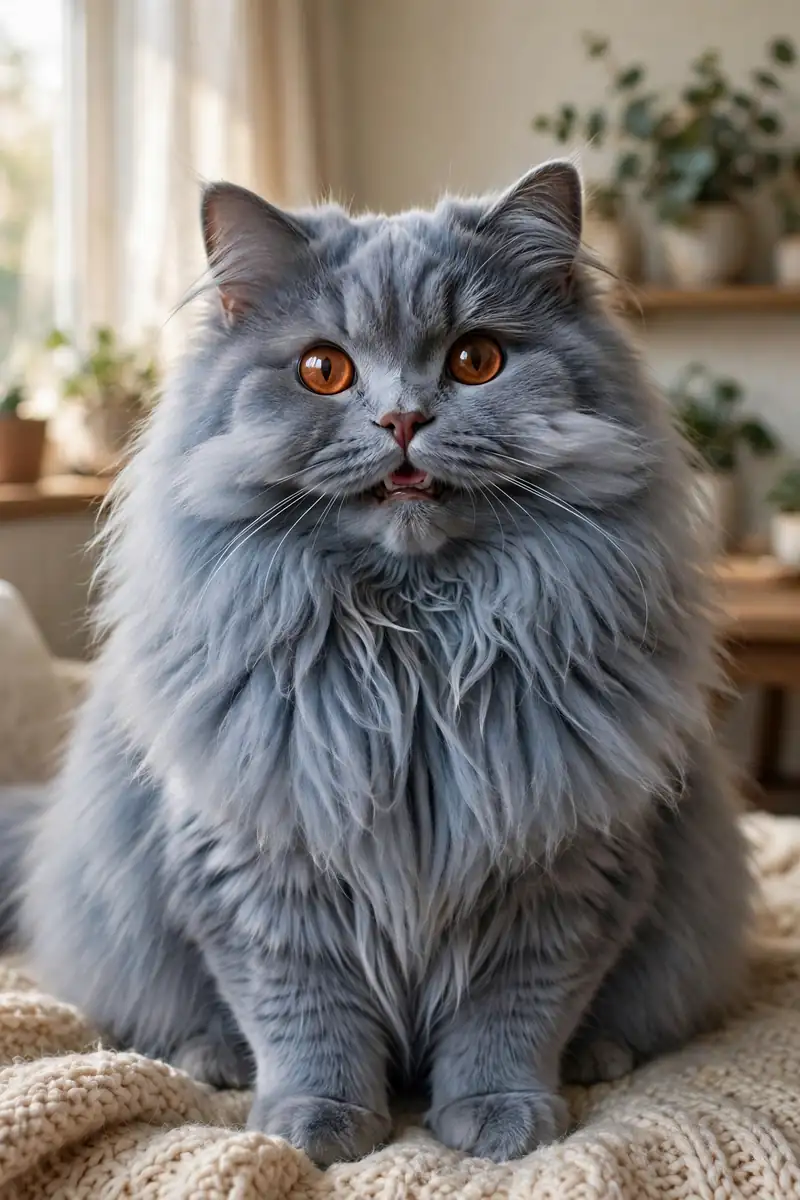
A sturdy teddy bear of a cat with a round smiling face, chipmunk cheeks, and a magnificent flowing coat. The British Longhair cat pairs the dignified calm of the British Shorthair with the glamour of a Persian mane, and the result is one of the most charming companions in the cat world.
This complete guide covers everything about the British Longhair: its history, appearance, gentle personality, grooming needs, health, and whether this fluffy Brit is right for your home.
At a Glance
Size and Weight
The British Longhair cat is a medium to large, powerfully built cat.
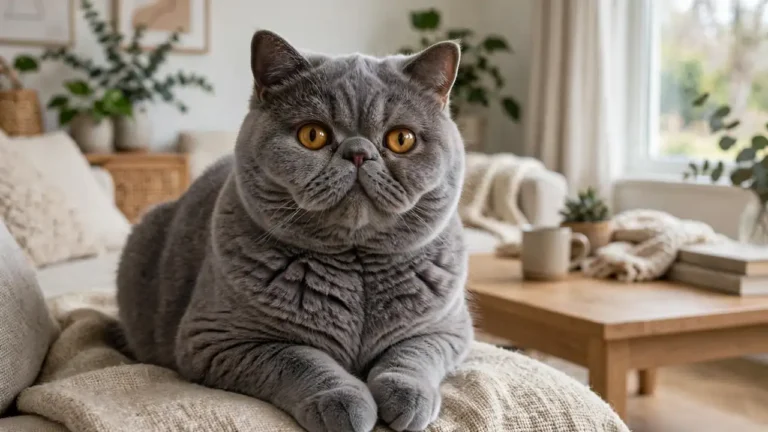
Adults typically stand 12 to 14 inches tall and weigh between 8 and 16 pounds, with males usually heavier than females. Underneath all that fluff is a compact, muscular body with a broad full chest, short strong legs, and a short thick tail tapering to a rounded tip. The dense coat stands away from the body, making these cats look even larger than they truly are.
That weight should come from massive muscular bodies, not from excess food. These cats love to eat and their sedentary ways mean the pounds can creep on quickly.
Coat and Colors
The color range is one of the most expansive of any breed, with over 300 recognized shades and patterns. Mono colors include white, black, blue, red, cream, chocolate, lilac, cinnamon, and fawn, plus silver and golden shaded varieties.Few of well known British Longhair are described below
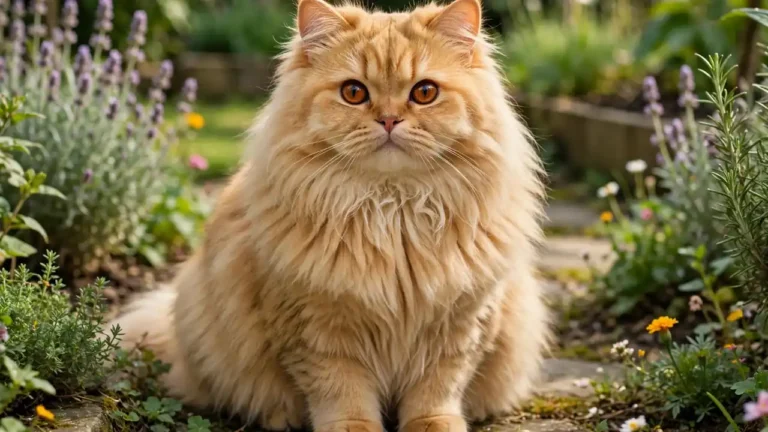
The golden British Longhair cat stands out with its luxurious, thick coat featuring warm golden shades and darker tipping. Its plush fur creates a rounded, majestic appearance, while its large, round eyes often shine in rich green
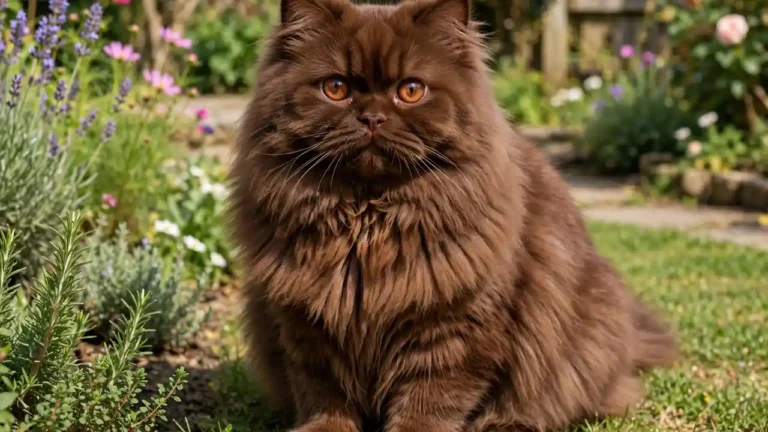
The brown British Longhair cat combines a rich coat color with the breed’s signature round face and sturdy body. Its dense fur may appear in warm chocolate brown shades or brown tabby patterns. Large, expressive eyes, often copper or gold, enhance its charming appearance.
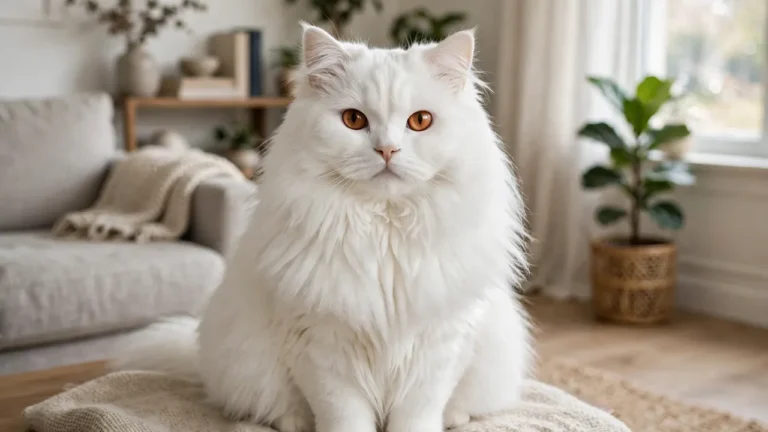
The white British Longhair cat is known for its pure white coat, fluffy appearance, and striking round eyes. Its thick, plush fur creates a soft, cloudlike look, while its eye color can range from deep gold and copper to blue. Some white British Longhairs may also have odd-colored eyes.
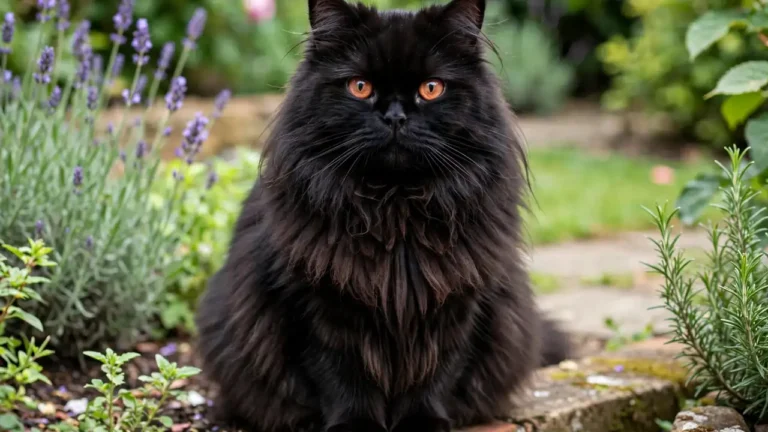
The black British Longhair cat features a dense, luxurious coat that gives it a sleek yet fluffy appearance. Its solid black fur contrasts beautifully with its round face, full cheeks, and large copper or golden eyes. The thick coat and bushy tail add to its impressive, plush look.
History and Origins
Experts believe the breed descends from cats traders imported to Rome from ancient Egypt; the Romans brought them to Britain in 43 CE.
After World War I, breeders crossed British Shorthairs with Persians between 1914 and 1918, introducing the longhair gene.
For decades, longhaired kittens appearing in British Shorthair litters were excluded, with no recognition of their own.
The breed was added in 2001, its standard set in 2004, and full championship status granted in 2009.
Experts believe the breed descends from cats that traders imported to Rome from ancient Egypt. When the Romans invaded Great Britain in 43 CE, they likely brought these cats along as hunters and protectors of food supplies. The descendants of those Roman cats became the foundation of the British Shorthair, established as a breed in the 1800s.
Recognition came slowly. The breed was added in 2001, the standard was set in 2004, and full championship status was granted in 2009. It was recognized in Europe in 2008 and 2016, while the UK’s main registry is still working toward full recognition. Some registry organizations still do not consider the British Longhair a separate breed at all.
Physical Characteristics
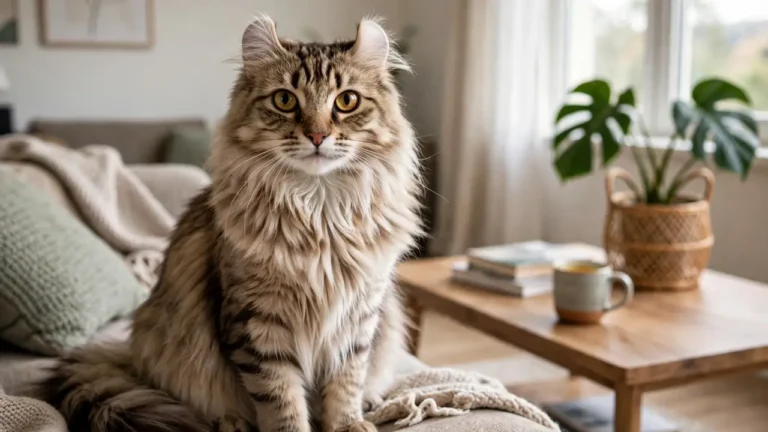
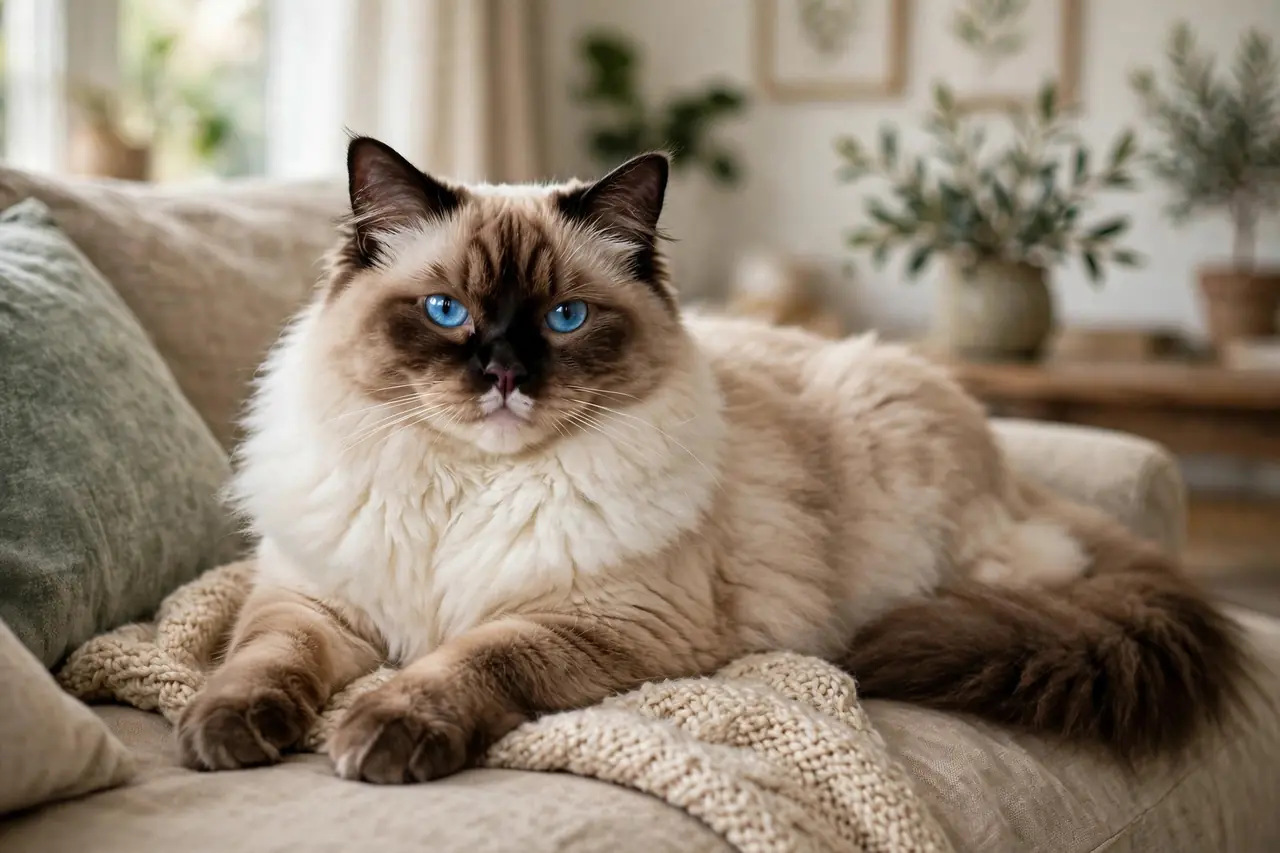
The coat is semi long, extremely thick, plush, and dense, with a rich undercoat. It crowns the body and stands proudly, with males sporting an impressive ruff around the neck. The paws carry thick fluffy tufts, and the tail is wide and very dense. The texture is straight and resilient, and in most colors the large round eyes range from deep gold through copper. Pointed cats have blue eyes, while silvers shine with deep green.
Historians believe Lewis Carroll may have based the Cheshire Cat in Alice in Wonderland on this breed. Look at the round face, the chubby cheeks, the wide open eyes, and that enigmatic smiling expression, and the resemblance is hard to deny. The breed is even sometimes called the Winston Churchill of the cat world, dignified, unflappable, and surveying its household dominion with calm authority.
And then there is Smokey. In 2011, Guinness World Records awarded this 12 year old British Longhair the title of world’s loudest purr. His rumblings measured 67.7 decibels, about as noisy as a lawn mower. He held the record for four years.
British Longhair Personality and Behavior
The British Longhair cat is a study in gentle contrasts: calm yet curious, affectionate yet independent, dignified yet occasionally ridiculous.
These are quiet, unobtrusive cats that rule their indoor kingdoms with a calm demeanor. They look before they leap and do not engage in high flying acrobatics. While not very active, they have their occasional mad moments, chasing around like kittens before settling back into a dignified sprawl. They sleep quite a bit, even by cat standards.
Males and females differ a little in character. The happy go lucky males command respect but welcome attention from everyone, while the more serious females are true British ladies expecting proper form from those they accept.
They are loyal and devoted companions that want to be where you are, snuggling up beside you on the sofa. Note the distinction: they are generally not lap cats. They prefer to sit next to you rather than on you, and many do not like being picked up or carried. Parents should teach children to meet these cats on the floor for petting rather than scooping them up.
They are also famously chatty. British Longhairs strike up little conversations frequently, letting you know they are hungry, thirsty, or simply want attention. If you have thin walls or easily irritated roommates, this is worth knowing in advance.
Their curiosity has earned them the nickname “private investigators.” Do not be surprised to find one pawing through your belongings or observing from nearby to check that everything is as it should be. They are tolerant with children and dogs, fine being left alone during the workday, and quietly amuse themselves in your absence, waiting patiently for your return.
Calm yet curious, affectionate yet independent, dignified yet occasionally ridiculous.
They snuggle beside you on the sofa rather than on your lap, and many dislike being picked up.
Famously chatty cats that strike up little conversations to ask for food, water or attention.
- Gentle and patient with children and guests
- Tolerant of dogs and other cats
- Independent — fine alone during the workday
- Daily combing is non negotiable
- Hairballs from all that self grooming
- Loves food — weight piles on fast
Care Essentials
Twice daily, measured, preferably wet food high in meat — never free feed; these cats love to eat.
Daily combing with a wide toothed metal comb; clip mats away, never cut them with scissors.
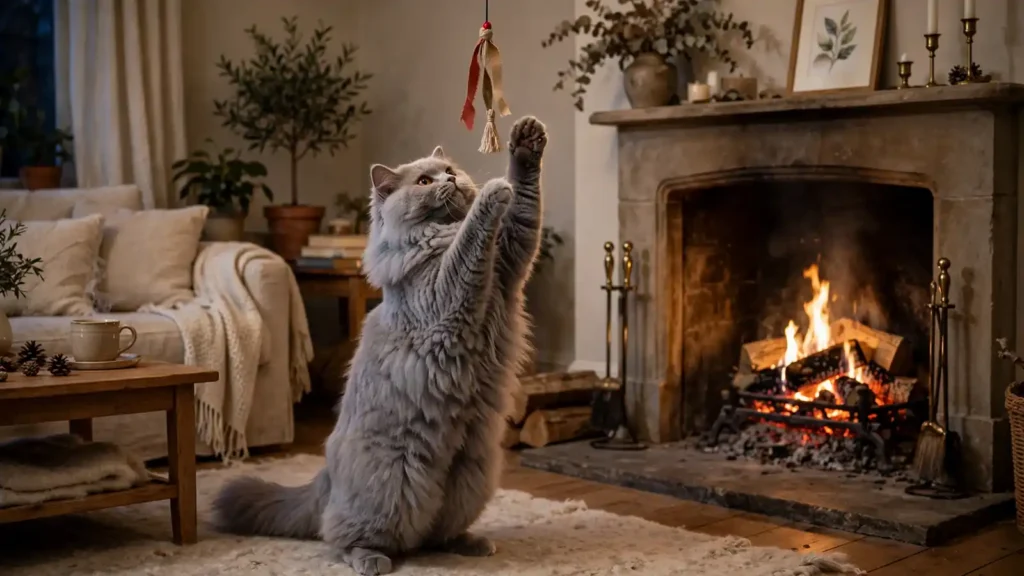
Daily exercise is a must — teaser toys, fetch and laser chases burn calories and tone muscle.
Supervised outdoor time only, in a cat proofed garden or an enclosed catio.
Nutrition and Diet
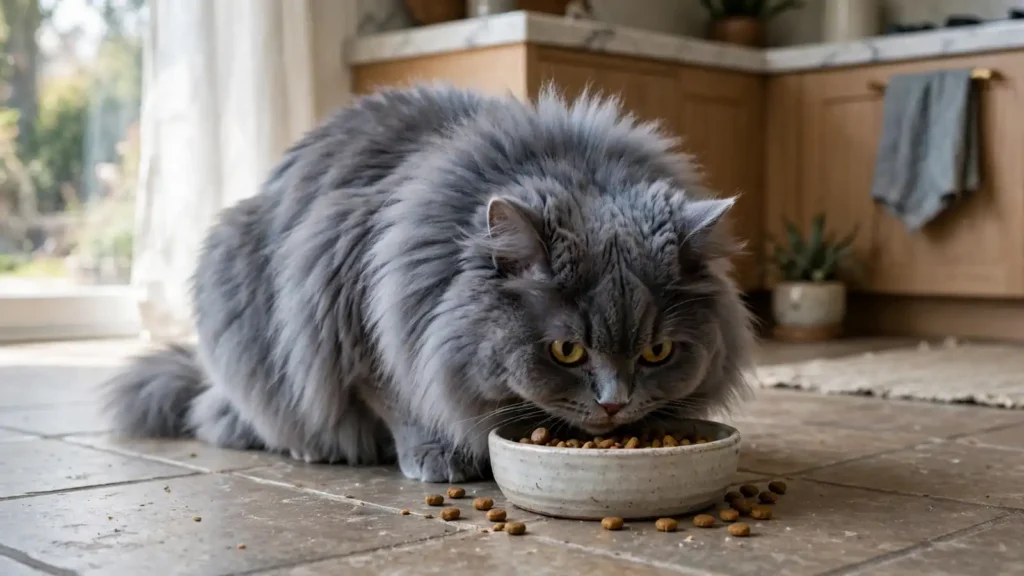
These cats love food, and with their sedentary lifestyle the weight piles on fast. Feed adults twice daily on a regular schedule, preferably wet food high in meat content, and do not free feed. Measure portions, go easy on treats, and use only treats without sugar. Daily exercise is a must: teaser toys, fetch training, and laser light chases all burn calories while toning muscle.
Fresh clean water daily is essential. Place the water bowl at least three feet away from the food, since a strong food smell can put cats off drinking.
Grooming
This is the breed’s biggest commitment. The magnificent coat needs daily combing with a wide toothed metal comb to prevent tangles and mats, working gently in small sections. A soft brush afterwards smooths everything down. The dense undercoat needs regular combing out, especially during seasonal changes.
If mats do form, clip them away with a small rechargeable clipper, never cut with scissors. A cat’s skin is extremely thin and sits very close to the fur, so scissors are dangerous. Pay special attention between the legs and flanks. Some owners clip the underbelly during autumn and winter when coats are fullest.
Bathing needs are infrequent since the breed largely manages its own coat, but an occasional bath keeps the longhair in peak condition. Start bathing when the kitten is young so it becomes a normal routine. Because of all that self grooming, hairballs are common, so regular brushing and hairball relief treatments help.
A good grooming kit includes a metal comb, a soft brush, a grooming glove, and a slicker brush.

Exercise and Enrichment
British Longhair cats are intelligent and easy to train. They learn litter box and scratching post habits readily and can even learn tricks with treat motivation. Provide cat trees for climbing and interactive toys for play sessions. Puzzle feeders suit their clever, food motivated minds.
Health
The British Longhair cat is generally a robust breed with a lifespan of 12 to 17 years, but a few conditions deserve attention.
Hypertrophic cardiomyopathy, the most common heart disease in cats, has a genetic component; responsible breeders screen with echocardiograms.
Polycystic kidney disease, where cysts gradually reduce kidney function; DNA tests can detect the risk in parents before breeding.
Beyond those, standard care applies: yearly veterinary visits, dental checks since untreated dental problems can lead to wider health issues, trimmed nails, clean ears, and regular tooth brushing.
Indoor and Outdoor Living
They enjoy some time outdoors but are a little too trusting and slow to react for free access to the wider world. Supervised access is best: a cat proofed garden or an enclosed catio lets them enjoy fresh air safely.

Family Suitability
Yes, the British Longhair cat is an excellent family cat.
Their gentle, easygoing nature makes them patient with young children and frequent guests, and they are tolerant of curious toddlers and noisy households. They get along well with dogs and other cats, and their independent streak means they handle being left alone during the day without distress.
They suit singles, seniors, and busy families alike. Just remember the handling rule: admire the fluff, but let the cat come to you on its own terms.
Finding a Breeder or Rescue
The breed is still relatively rare, so expect to search and possibly wait.
British Longhair kittens from a reputable breeder typically cost between $800 and $1,200 depending on pedigree. When comparing british longhair price listings, remember that unusually cheap kittens are a red flag. Look for breeders registered with major associations who screen for HCM and PKD, raise kittens in the home, and welcome questions about health and temperament. Be wary of sellers who cannot show screening records.
Because the breed standard is still stabilizing, you will see some variation: some cats are large and long, others more compact and closer to the Shorthair type. Decide which look you prefer and choose a breeder whose cats match it.
- Ask any breeder for both HCM and PKD screening results
- Kittens should be raised in the home
- Expect to pay $800 to $1,200 from a reputable breeder
- Unusually cheap kittens are a red flag
Quick Quiz: Is a British Longhair Right for You?
Answer four questions. Tap yes or no.
British Longhair vs British Shorthair
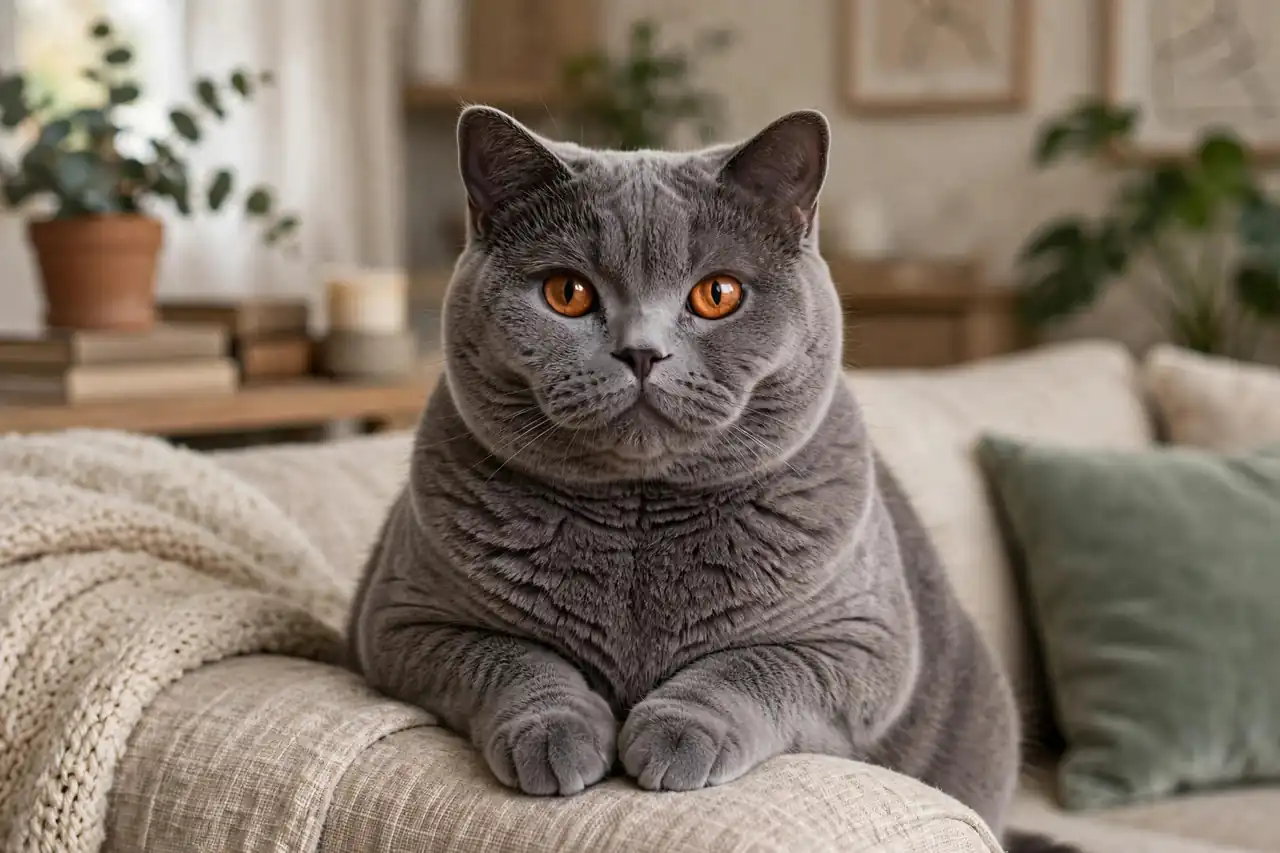
The two breeds share a breed standard in everything except coat length, but they are not identical.
Frequently Asked Questions
Are British Longhair cats hypoallergenic?
No. They shed moderately and produce the usual cat allergens. Allergy sufferers should spend time with the breed before committing.
Do British Longhair cats shed a lot?
They shed lightly compared to other longhaired breeds, but the thick undercoat means regular grooming is still essential to manage loose hair.
Are British Longhair cats lap cats?
Generally no. They are affectionate and love being near you, but most prefer snuggling beside you on the sofa rather than sitting on your lap, and many dislike being picked up.
How long do British Longhair cats live?
Typically 12 to 17 years with good care, with some individuals reaching 20.
Are British Longhair cats recognized as a breed?
Championship status was granted in 2009, and the breed is also recognized in Europe. However, some registry organizations still do not consider it a separate breed.
What is the difference between a British Longhair and a Persian?
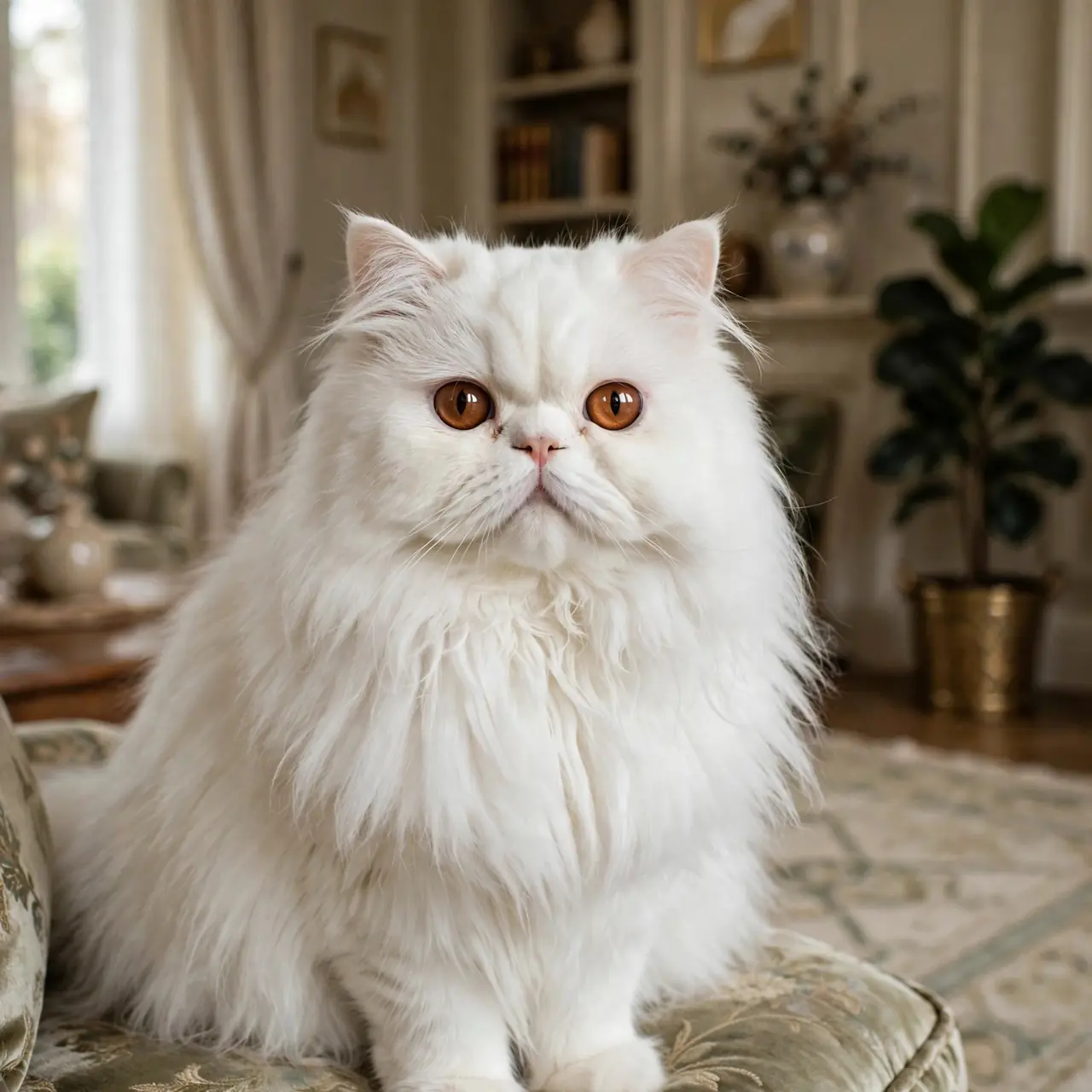
Anyone searching british longhair vs persian will find the two look similar at first glance, but they are distinct breeds. The British Longhair has the cobby, muscular British body type and round face, while the Persian has a more extreme flat face and an even longer, silkier coat that needs more intensive grooming.
The British Longhair cat is dignity wrapped in fluff: a calm, loyal, quietly funny companion that asks for little more than daily combing, regular meals, and a spot on the sofa beside you. For those prepared for the grooming, that famous smile is worth every stroke of the comb.
Similar Breeds Worth Exploring
Related Breed Guides
Keep Exploring
Keep exploring: the classic British Shorthair and the glamorous Persian in the guides above.