Atlantic Halibut: The Largest Flatfish in the World
Atlantic Halibut: The 513-Pound Giant of the North Atlantic
The Atlantic halibut is the largest flatfish in the world — a giant that grows to 8 feet and more, lies flat on the cold North Atlantic seabed, and is now listed as Endangered.
By Emily Carter · Reviewed by our vet team · Updated 10 November 2026 · 7 min read
Largest flatfish513 lb recordEndangered
At a Glance
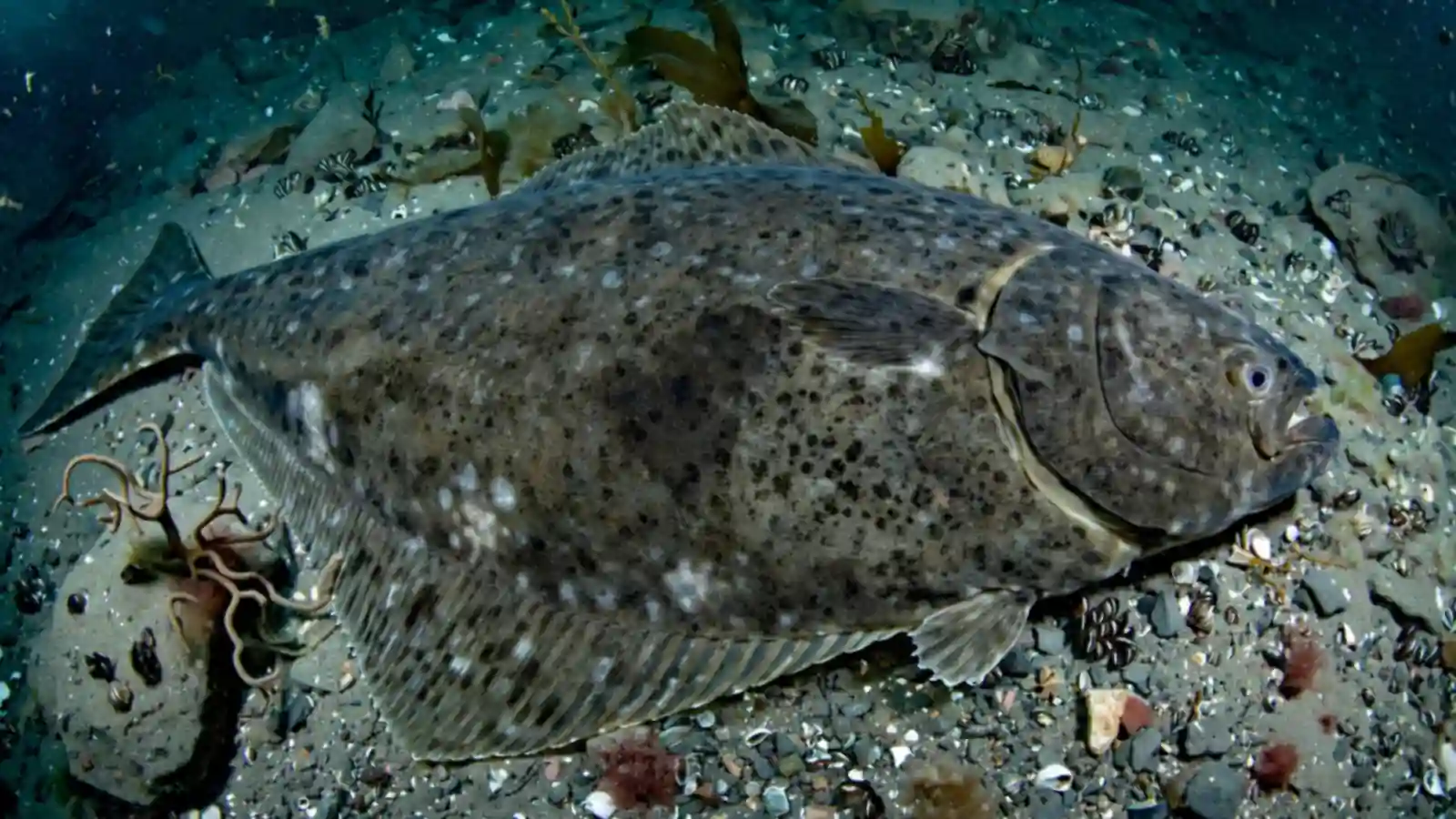
The Atlantic halibut is the largest flatfish in the world — a fish that grows to 8 feet and more, with the heaviest confirmed catch a 513-pound giant taken off Norway in 2019. It lives in the cold, deep water of the North Atlantic, eats cod, haddock and skates, and is now listed as Endangered after a century of heavy fishing. This guide covers the record, the habitat, the slow growth, and why the biggest flatfish in the sea is also one of the most threatened.
Size: The Largest Flatfish on Earth
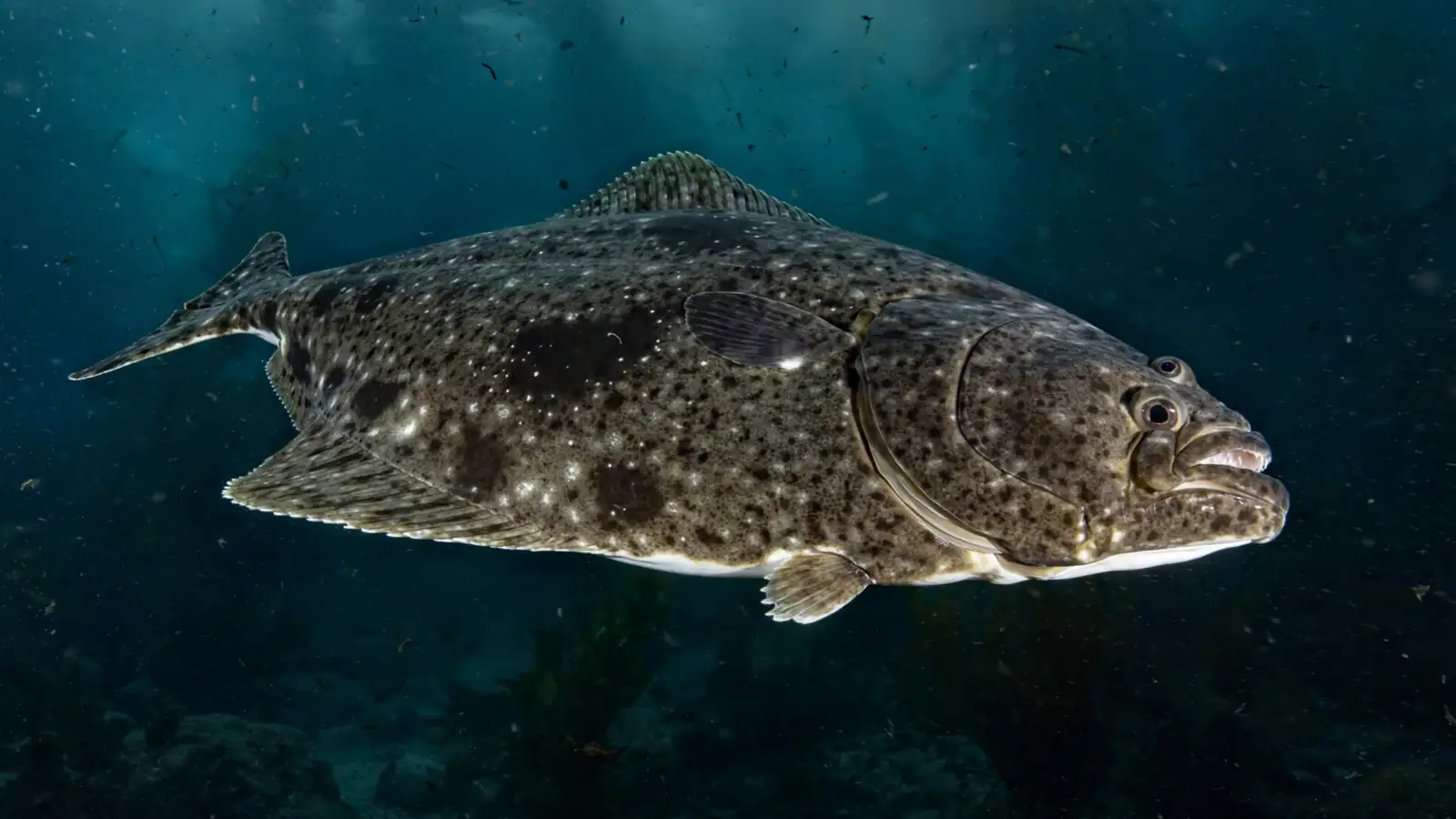
It is the largest flatfish in the world. It grows to 8 feet and more, and the heaviest confirmed catch is a 513-pound fish taken off Norway in 2019, measuring 8.6 feet long. No other flatfish comes close: it is the giant of its family, and it has held the record for as long as anyone has been keeping it. For a side-by-side comparison of the two halibuts, see the full species profile.
The size is a slow business for this fish. It grows steadily on a diet of cod, haddock and skates, and the biggest animals are the oldest — fish that have survived for half a century on the bottom. A 513-pound halibut is fifty years of eating, and the fishery takes the biggest first.
Slowness shapes everything about this fish. A flatfish that needs half a century to reach full size is playing a long game in cold water, growing a little each year on cod and haddock, and the giants are simply the ones that were left alone the longest. Time, not food, is what makes an eight-foot fish.
The 513-Pound Record: Norway, 2019
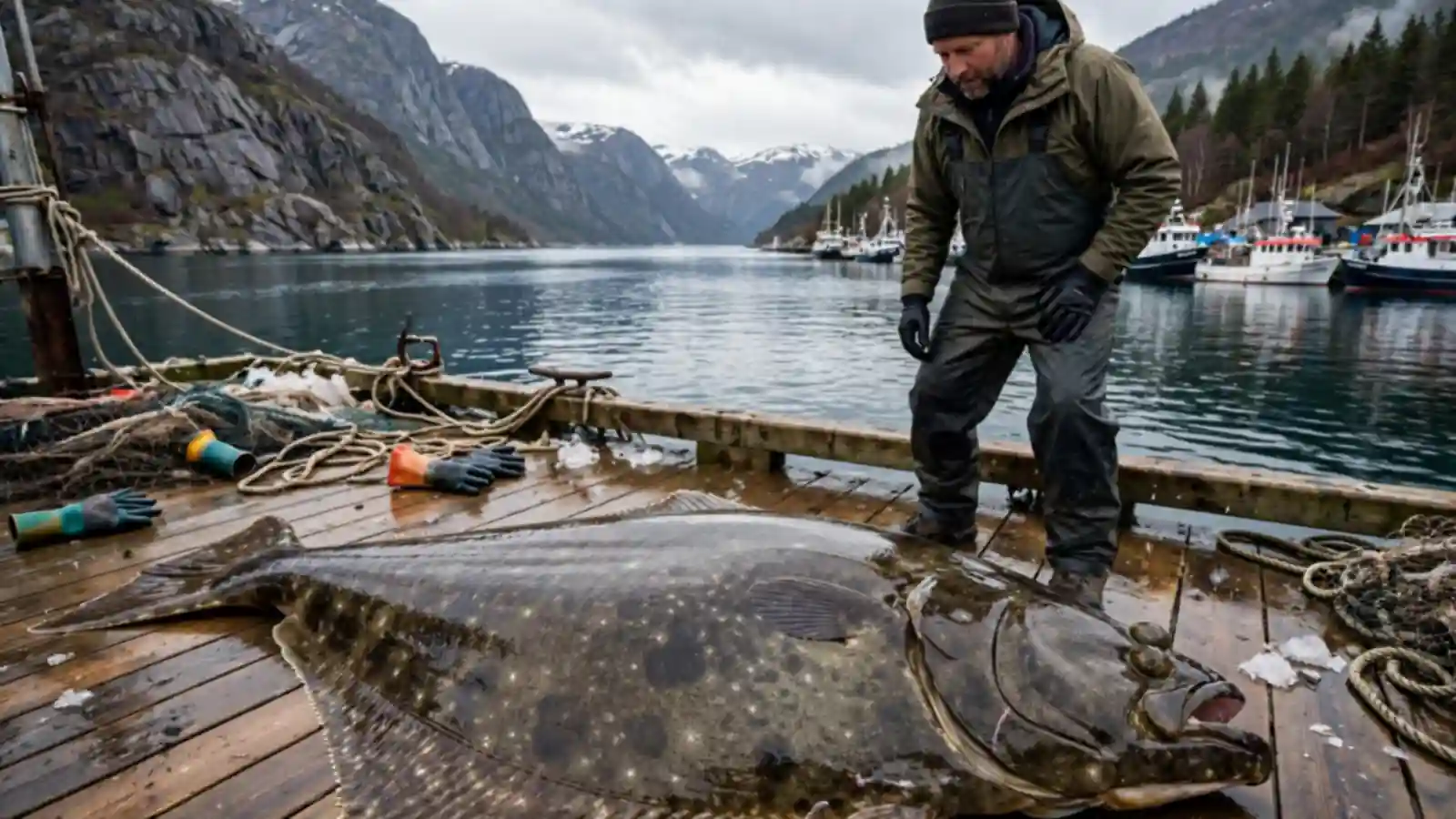
The heaviest confirmed one ever caught weighed 513 pounds and measured 8.6 feet long. It was taken off Norway in 2019 by an angler fishing from a boat, and it is the largest flatfish ever verified — a fish so big it took hours to bring to the surface and a crane to lift onto the deck.
Claims of giants over 700 pounds appear in old fishing stories, but they are historical reports, never verified, and this guide does not print them as fact. The 513-pound fish is the verified record, and it is already enormous: a flatfish heavier than a grand piano, caught on rod and line.
The record fish puts the stories in their place. Five hundred and thirteen pounds is already heavier than a grand piano, measured, weighed and witnessed off Norway in 2019 — which makes the old tales of 700-pound fish read exactly like what they are: harbour legends that grew a little with every retelling over the years.
Where Atlantic Halibut Live: The Cold North Atlantic
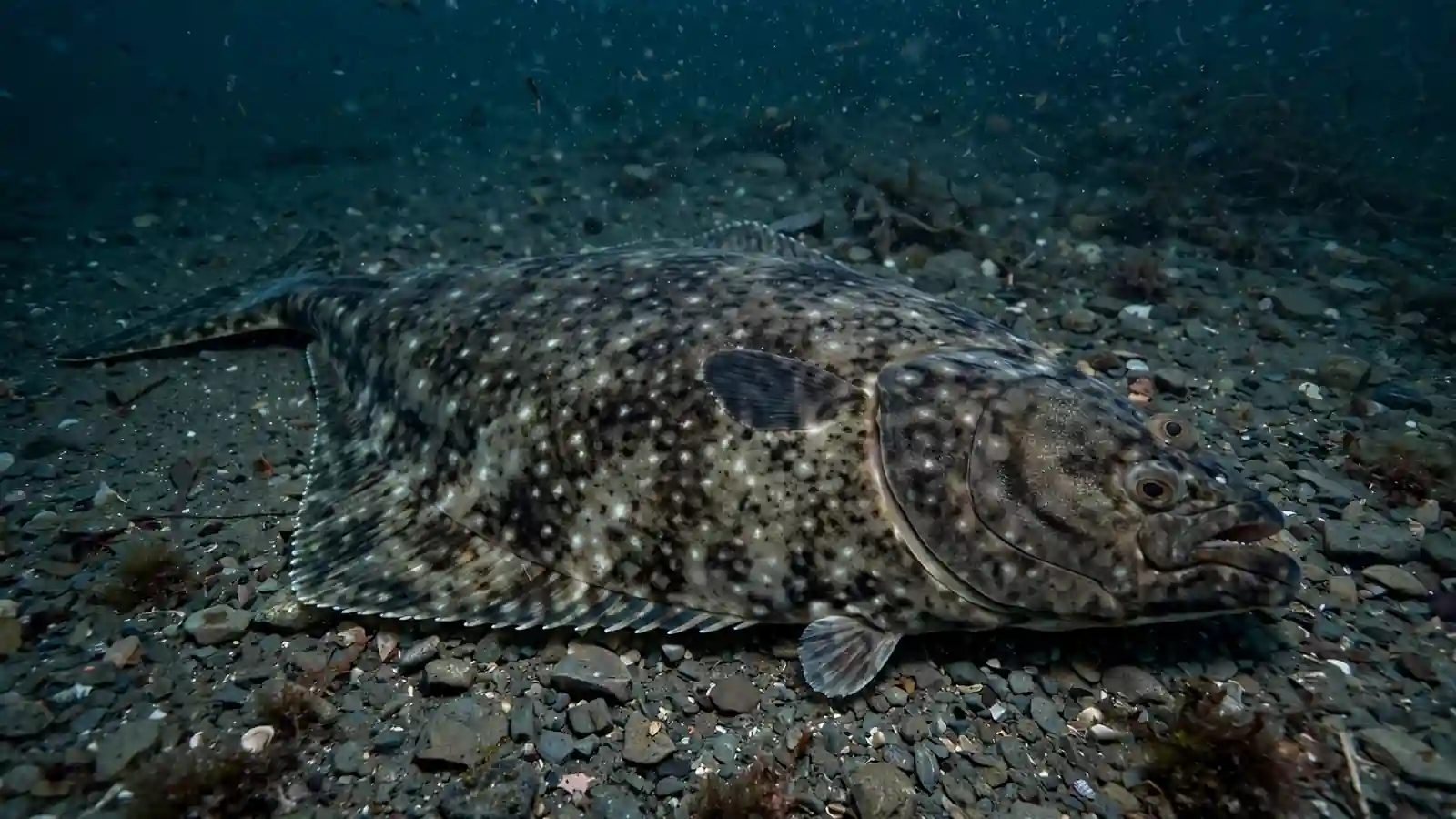
They live in the cold waters of the North Atlantic, from Greenland and Iceland to New England, in deep water down to 2,000 metres. They are bottom fish, at home on sand, gravel and mud, and they follow the cold currents and the prey that lives on the seabed.
They are strongly migratory, and their movements shape the fishing seasons of the whole North Atlantic. Halibut move between feeding grounds and spawning grounds in vast, predictable migrations, and the fishery follows those migrations — which is why the management of the fishery has to be international, not national.
What Does It Eat? Cod, Haddock and Skates

It eats cod, haddock, herring, skates, crabs and other flatfish, all taken on or near the bottom. It is an ambush hunter: it lies flat on the seabed, invisible against the gravel, and when a cod or a skate comes close it rises suddenly and takes it in a single rush.
Ambush is an energy bargain. Lying still on the gravel costs nothing, the camouflage does the hiding, and one explosive rush does all the work of the hunt. For a fish built to live fifty years, that patience is the whole method: spend nothing for hours, then spend everything in a single second when the prey comes close.
The diet is a bottom diet, and it is what keeps the fish on the seabed. The cod and the haddock it hunts live on the bottom, the skates it eats are the flatfish that share its ground, and the halibut is the animal that turns all of that into the flesh that feeds the fleets — and the anglers who dream of a record.
Atlantic Halibut Growth: Slow and Long-Lived
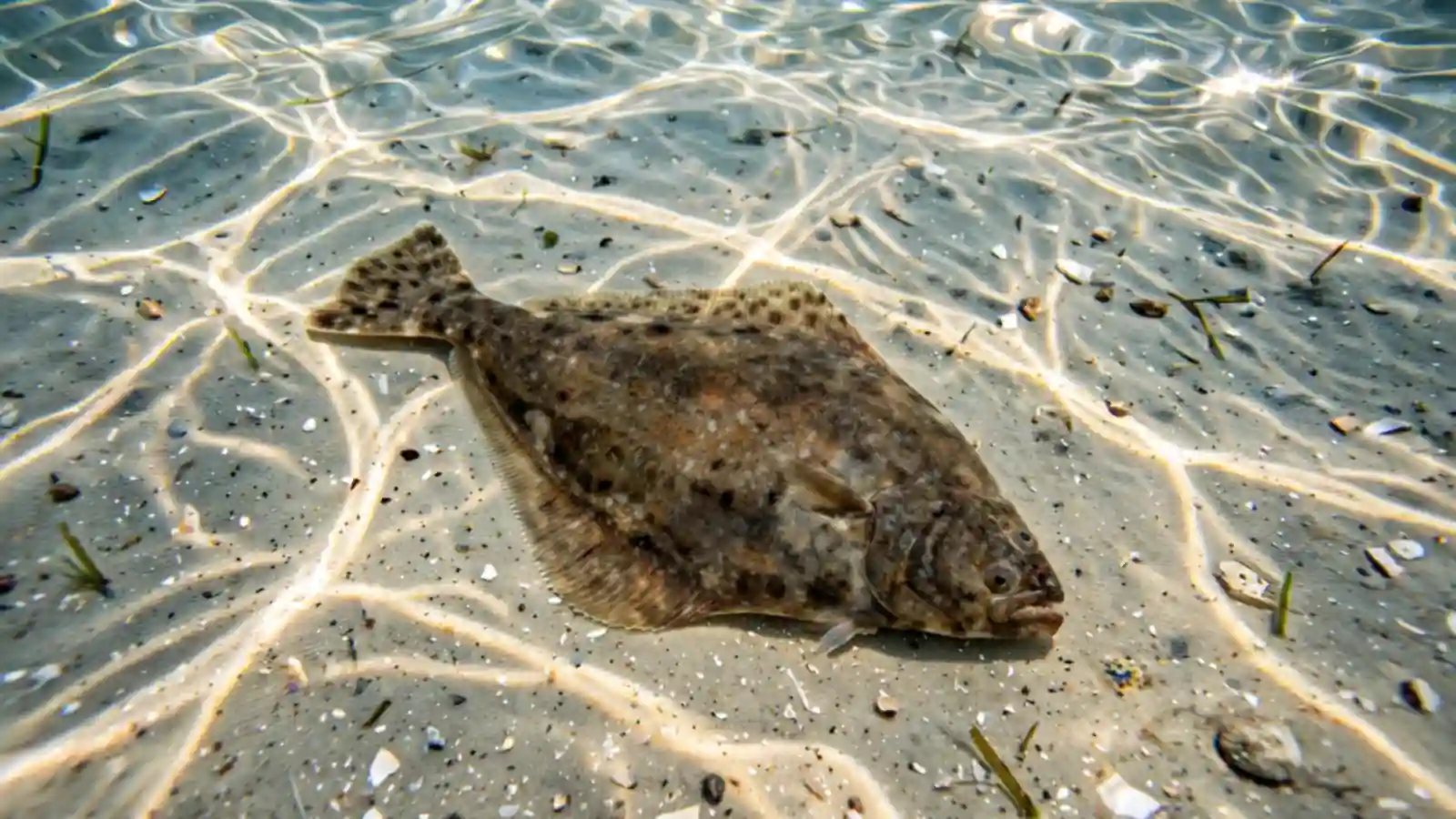
It grows slowly and lives for over 50 years. It is one of the longest-lived flatfish in the sea, and the biggest animals are the oldest — fish that have survived for half a century on the bottom, growing a little each year until they reach 8 feet.
The slow growth is the heart of its conservation problem. A fish that takes a decade to mature and half a century to reach its full size cannot be fished hard without the population collapsing, and it has been fished hard for a century. The growth is slow; the fishing is fast.
That mismatch is the whole conservation story in one line. Nets and lines can empty a ground in a season; the fish needs a decade just to breed once. A century of taking the biggest animals first has skimmed off exactly the fish the population can least afford to lose — the old, heavy, egg-rich females.
Reproduction: Late Maturity
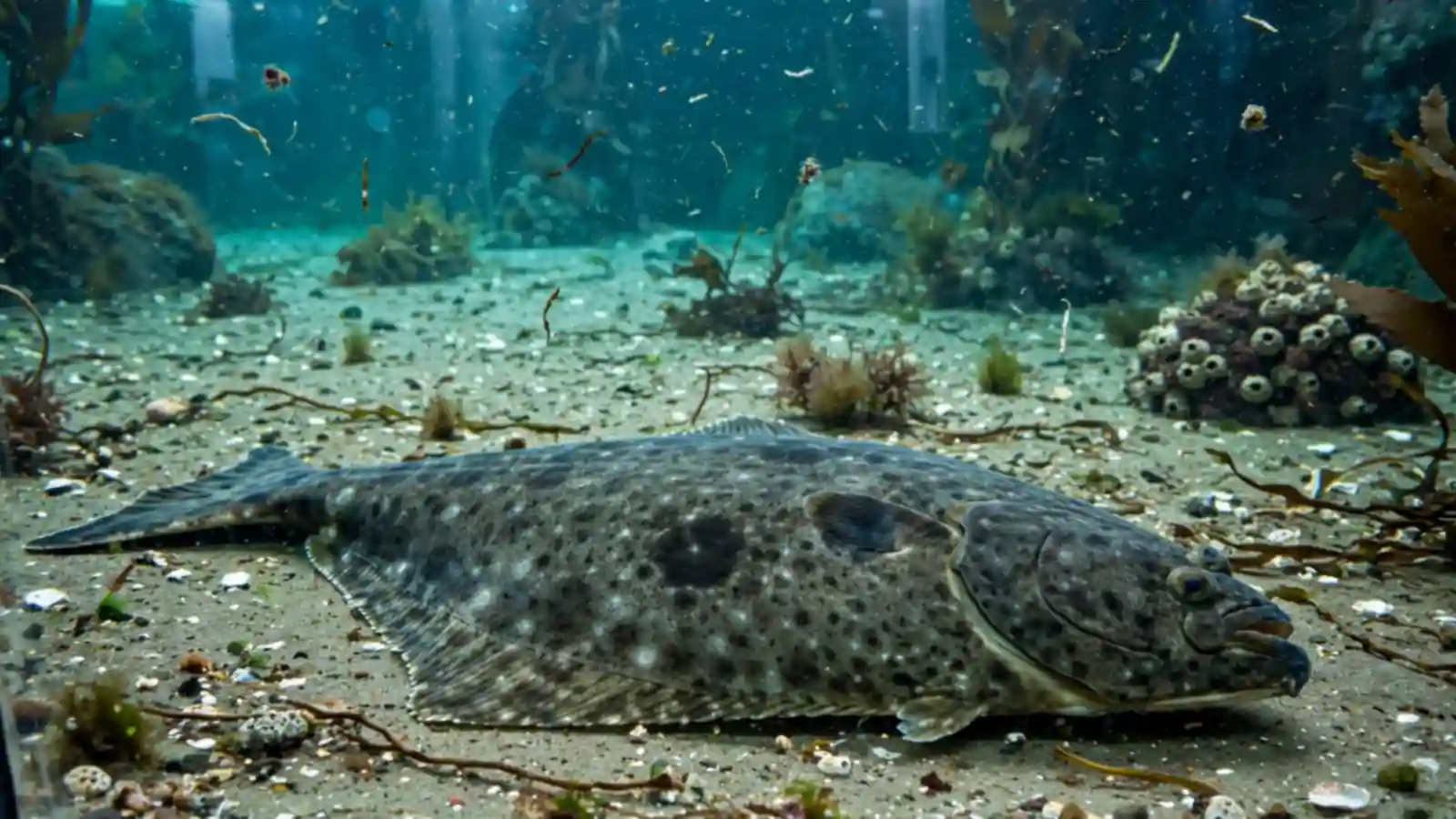
Females do not mature until they are 10 to 14 years old, and they spawn in deep water in the winter, releasing their eggs into the currents. The eggs drift for weeks before hatching, and the larvae drift with the currents until they grow large enough to sink to the bottom and join the adult population.
The late maturity is its vulnerability. A fish that does not breed until it is a teenager, and then produces relatively few eggs, cannot replace itself quickly — and a fishery that takes the biggest females takes the breeders. The halibut’s future depends on enough females surviving to maturity.
The drifting eggs make protection a geography problem. A female spawning in deep winter water sends her eggs into currents that carry them for weeks, so the nursery grounds may lie far from the spawning grounds. Guarding only the places where the adults live leaves half the life cycle — the drifting half — outside the fence.
Conservation: An Endangered Flatfish
It is listed as Endangered, after a century of heavy fishing that cut the population to a fraction of what it once was. The stock is still fished, but under strict limits, and the recovery — if it comes — will take decades, because a fish that lives for fifty years and matures at fourteen cannot bounce back quickly.
What it needs most is what every endangered fish needs — strict catch limits, protection for the spawning grounds, and time. The largest flatfish in the world is also one of the most threatened, and its future depends on whether the fishing that made it famous can be kept within limits the fish can survive.
Recovery, if it comes, will be measured in decades, and that is not pessimism — it is arithmetic. A species that matures at fourteen and lives past fifty rebuilds at the speed of its own generations. Strict limits held for thirty years would still be only two generations of fish, which is why the limits have to start now and hold.
Fun Facts
- It is the largest flatfish in the world.
- The heaviest confirmed one weighed 513 pounds and was caught off Norway in 2019.
- Claims of giants over 700 pounds are historical reports, never verified.
- It lives for over 50 years.
- Females do not mature until they are 10 to 14 years old.
- It lives in water down to 2,000 metres deep.
Frequently Asked Questions
How Big Do Atlantic Halibut Get?
They grow to 8 feet and more. The heaviest confirmed catch is a 513-pound fish taken off Norway in 2019, measuring 8.6 feet long.
Where Do Atlantic Halibut Live?
They live in the cold waters of the North Atlantic, from Greenland and Iceland to New England, in deep water down to 2,000 metres.
What Do Atlantic Halibut Eat?
It eats cod, haddock, herring, skates, crabs and other flatfish, ambushing them from the seabed.
Why Are Atlantic Halibut Endangered?
It is listed as Endangered after a century of heavy fishing, combined with slow growth and late maturity that make recovery slow.
How Long Do Atlantic Halibut Live?
They live for over 50 years, with the biggest animals being the oldest fish on the ground.
What Is the Difference Between Atlantic Halibut and Pacific Halibut?
It is the largest flatfish in the world and is Endangered, while the Pacific halibut is smaller, Least Concern, and its eyes are on the right side of its head.
What Is the Biggest Atlantic Halibut Ever Caught?
The biggest verified one weighed 513 pounds and was caught off Norway in 2019. Claims of fish over 700 pounds are historical reports, never verified.
Similar Species Worth Exploring
Keep Exploring
Still exploring the North Atlantic? Meet the Pacific halibut’s smaller cousin, the Pacific Halibut, hunt with the Atlantic Cod on the seabed, browse the family in the Types of Fish hub, and then come back to the cold water to meet the Atlantic halibut.