Cowrie
Cowrie: the glossy shell that became world money
The cowrie’s shell was money across Africa, Asia and the Pacific for three thousand years, and the word for money in several languages still comes from it. The shell is glossy because the living animal wraps it in its own mantle and polishes it every day, and the money species is a small yellow shell that once bought food, paid taxes and settled debts. This guide covers the money species, the tiger, and the false ones that are not these snails at all.
By Emily Carter · Reviewed by our vet team · Updated 10 November 2026 · 9 min read
Shell money for 3,000 yearsPolished by its own mantleAround 250 species
At a Glance
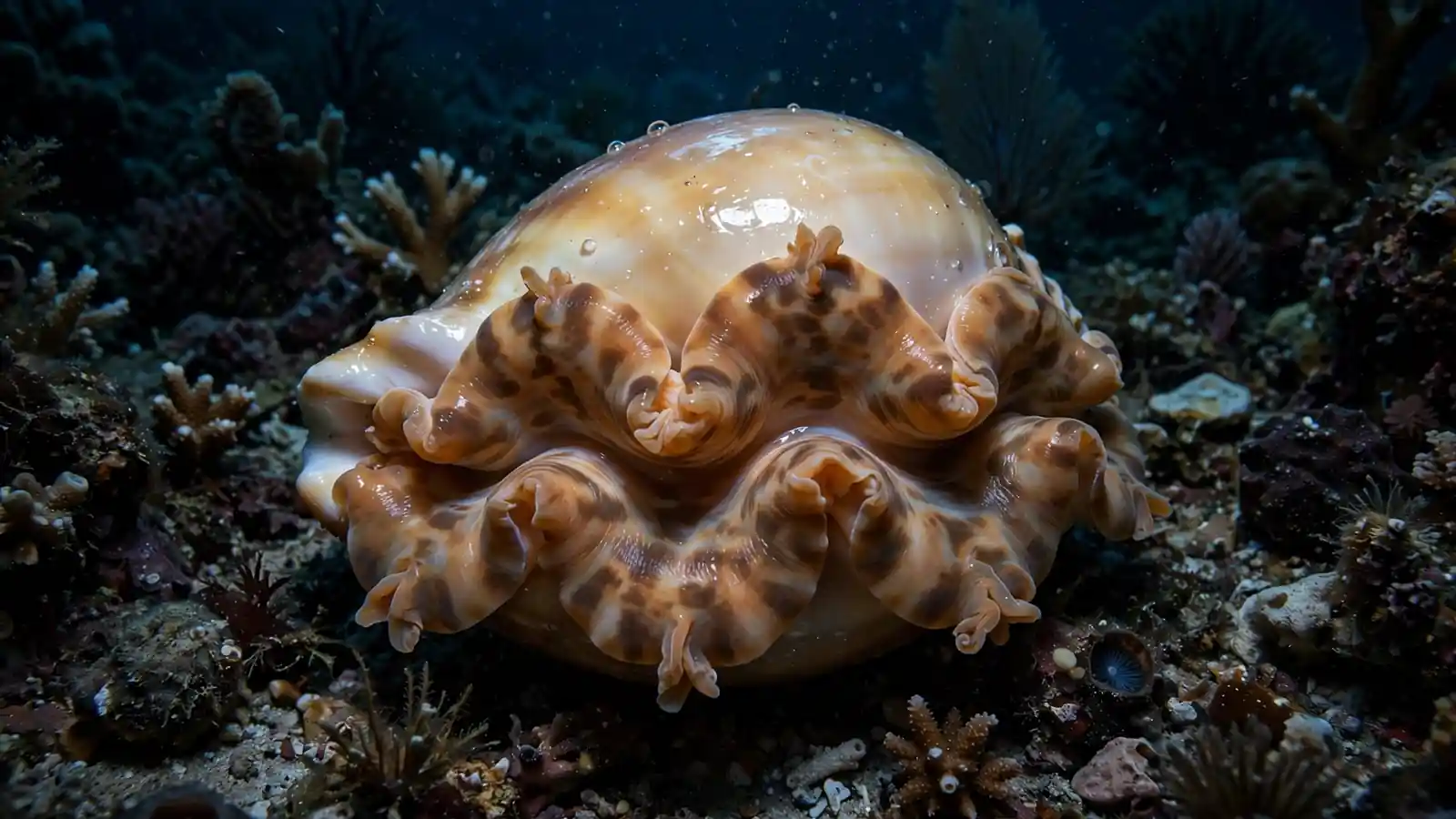
A cowrie is a sea snail with a smooth, glossy, egg-shaped shell, and it is one of the most recognisable shells in the world. The animal inside is a grazer that hides by day and feeds by night, and the shell’s shine comes from the mantle, a sheet of living tissue that wraps the shell and keeps it polished. Here it is at a glance.
Species: Around 250 in the Family
The family, Cypraeidae, holds around 250 species, with sources giving counts from 250 to more than 270. The honest figure is around 250, and the family is spread across the warm seas of the world, from the Indo-Pacific to the Caribbean. Every species shares the same design: a smooth, glossy, egg-shaped shell with a narrow slit underneath, and a mantle that wraps the shell in life.
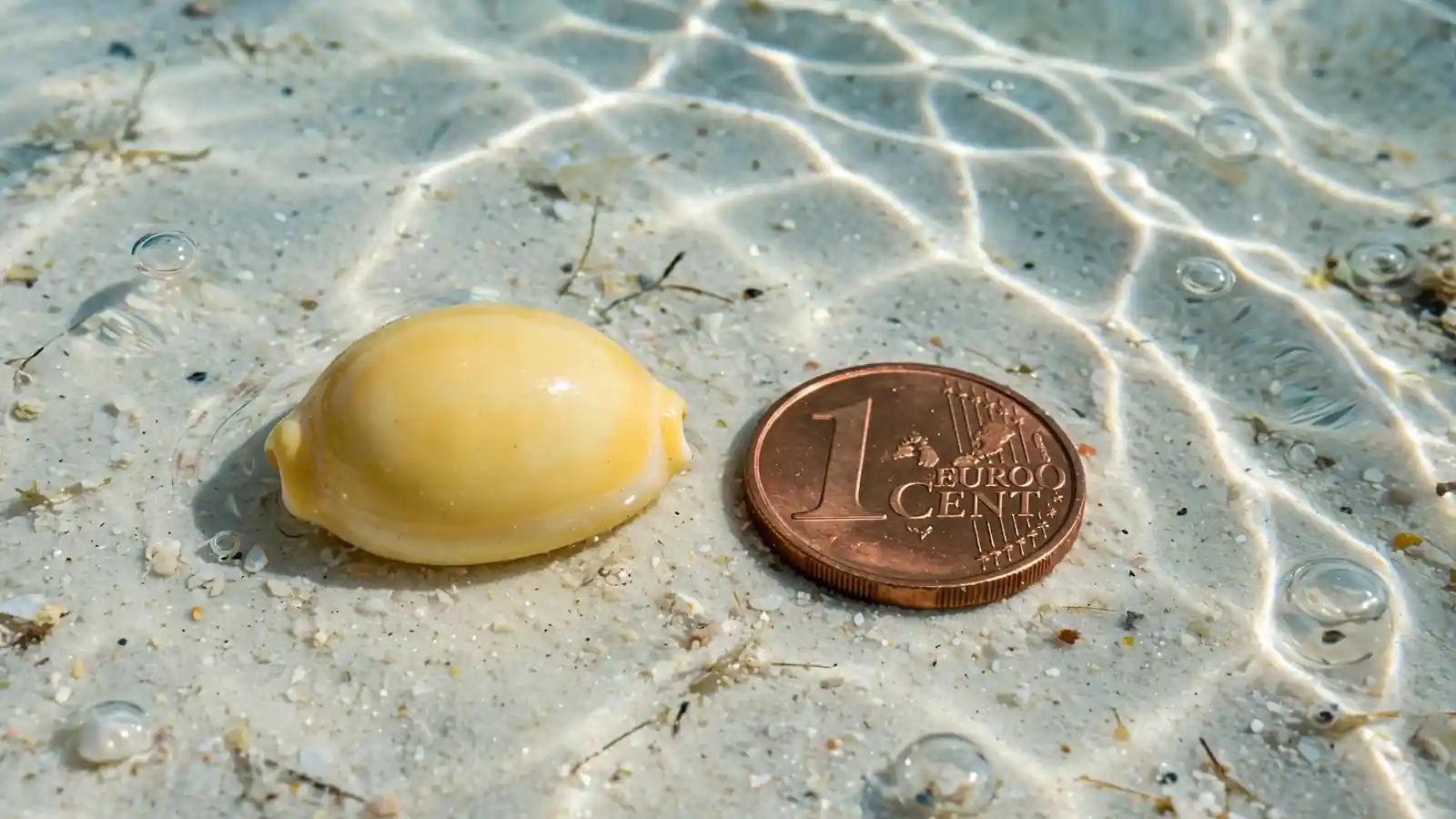
The family ranges from tiny species a few millimetres long to the tiger at 15 centimetres, and the shells vary in pattern from plain cream to spotted, banded and mottled. Collectors prize them, and the family’s shells have been traded, worn and spent as money for longer than coins have existed.
The Money Cowrie: The Shell That Was Money
The money species, Monetaria moneta, is the shell that was money. It is a small yellow shell, and for some three thousand years it served as currency across Africa, Asia and the Pacific, buying food, paying taxes and settling debts. The Maldives were the main source, and the shells were shipped in bulk to the ports of Africa and Asia, where they circulated like coins.
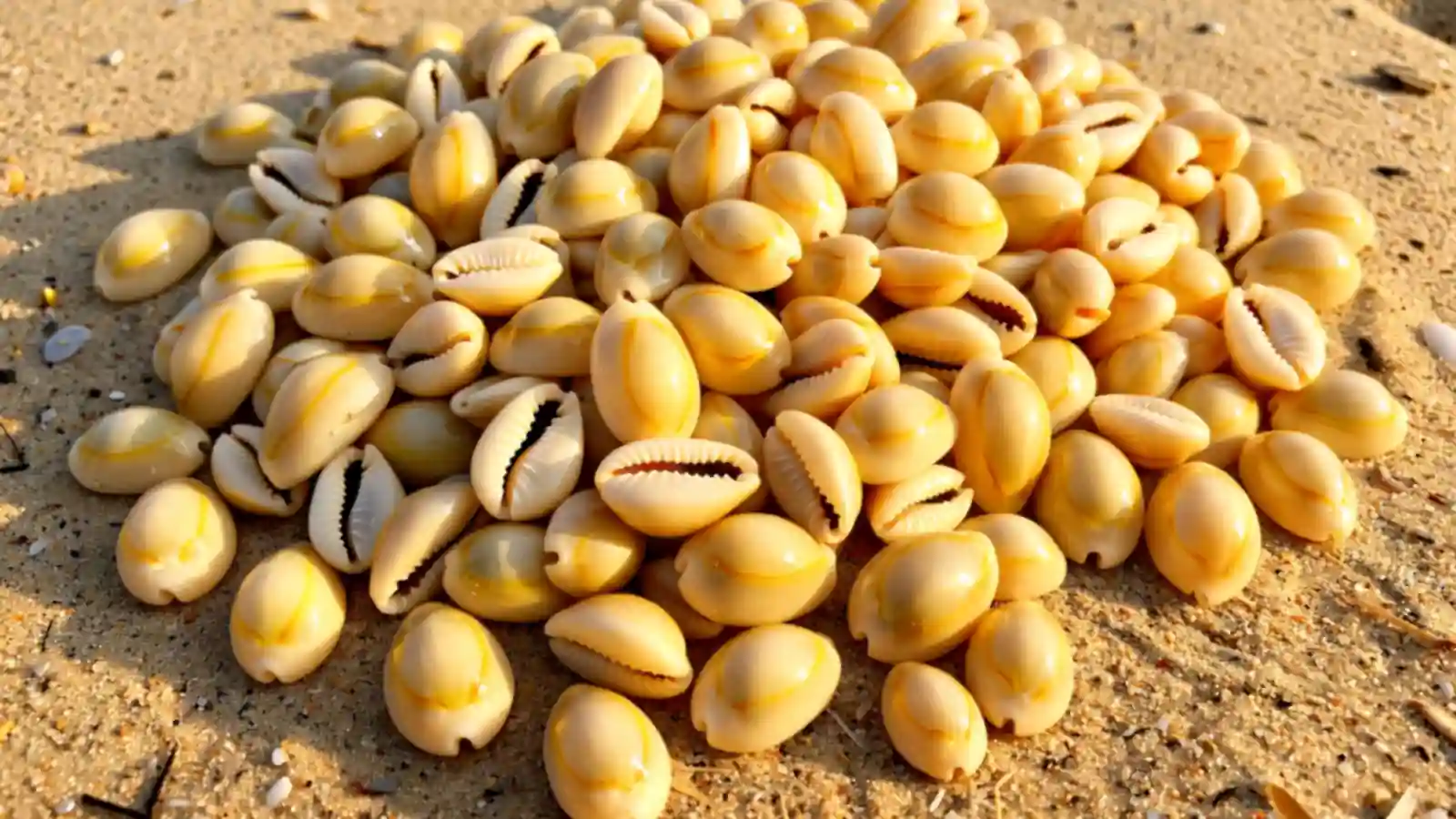
The legacy of the money shell is still in the language. The Chinese character for shell and money, 貝, is drawn from the shell, and the currency of Ghana, the cedi, is named after the shell. A single shell was once worth little, and a fortune was counted in strings and sacks, but the system worked, and it worked for longer than any coinage in history. For the full detail, see the shell account.
The Tiger Cowrie: The Familiar Spotted Shell
The tiger, Cypraea tigris, is the familiar spotted one, and it is the largest of the common cowries, growing to about 15 centimetres. Its shell is cream with brown spots, like a tiger’s coat, and it is the shell most people picture when they hear the name. It lives on Indo-Pacific reefs, hiding under coral ledges by day and grazing at night.
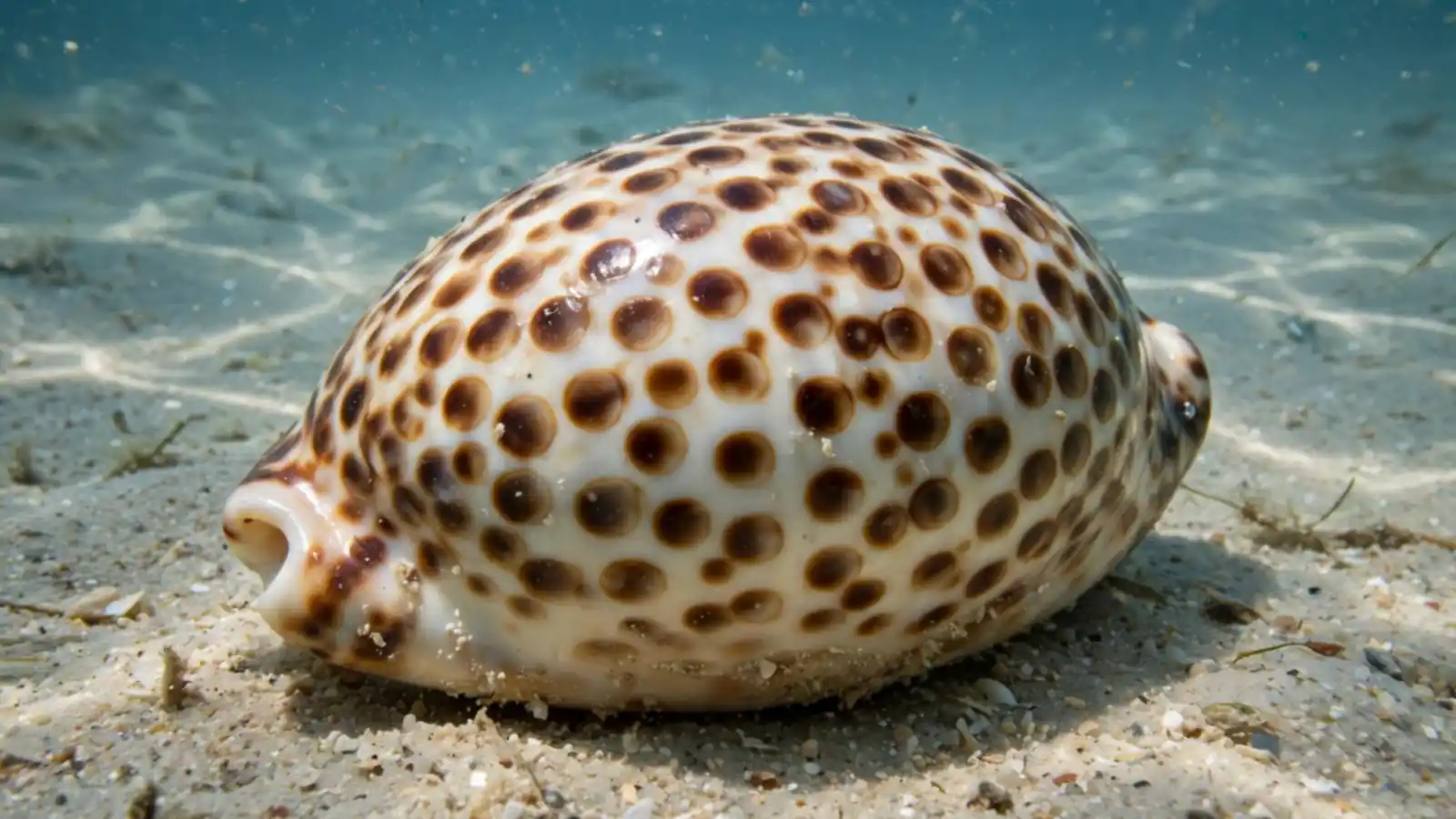
The tiger’s size made it a collector’s shell and a useful animal in its own right. It grazes algae from the reef, and its mantle, when extended, is a mottled grey-brown that covers the shell and keeps it polished. A live tiger looks nothing like its empty shell: the shell is hidden under living tissue, and the animal is a soft, slow grazer of the night reef.
Staying Glossy: The Living Mantle
It stays glossy because its mantle never leaves the shell alone. The mantle is a sheet of living tissue that extends from the animal’s body and wraps around the shell, secreting a thin layer of enamel that keeps the surface smooth and polished. The shell of a live one is therefore always covered, and the glossy shell collectors admire is the shell after the animal has gone.
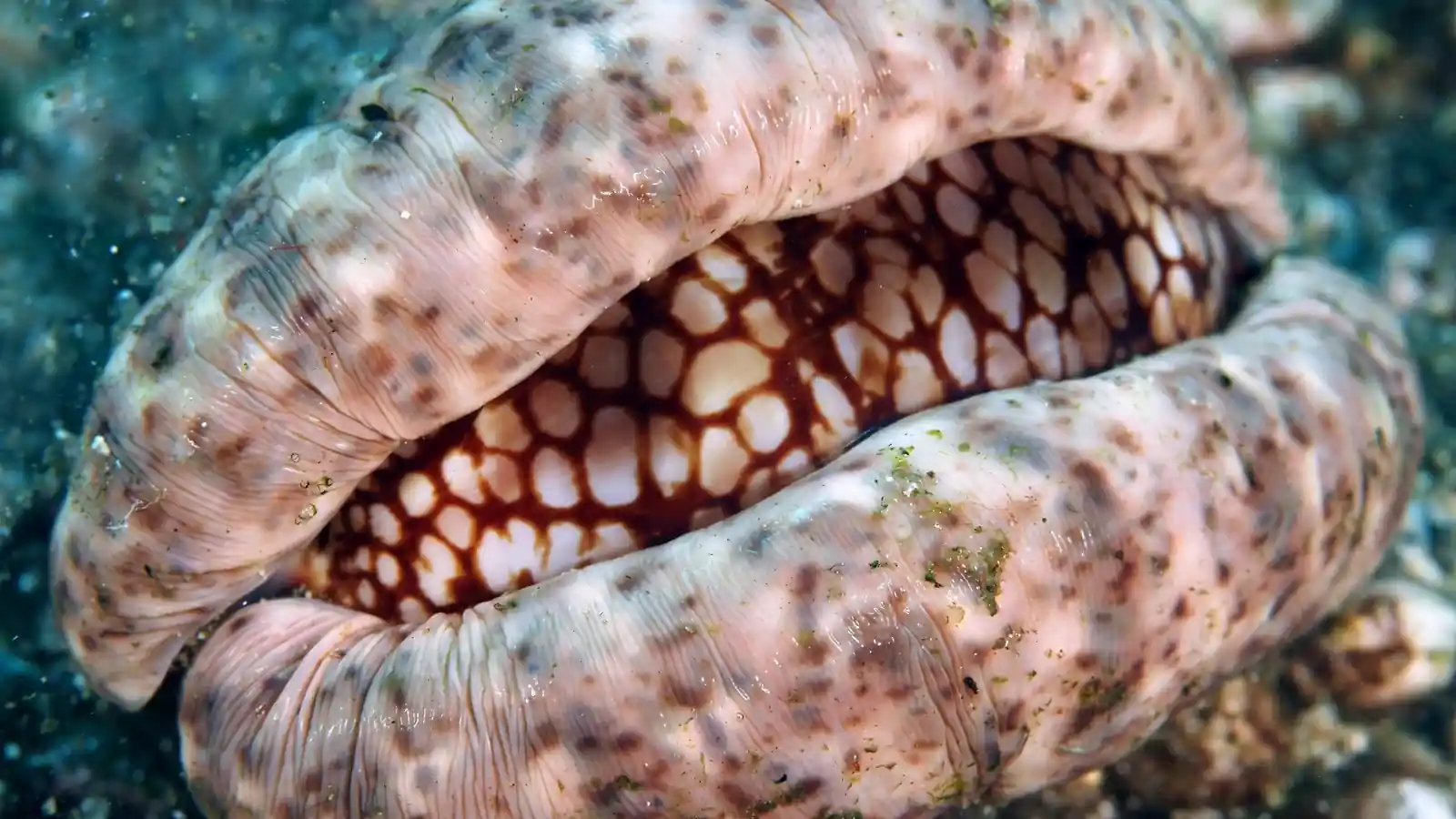
The mantle also carries its senses and its camouflage. It is patterned and textured, and it can match the reef around the animal, hiding the glossy shell from predators. When it is disturbed, the mantle withdraws and the shell’s shine is suddenly visible, a flash of gloss in the dark water.
Where They Live: Warm Reefs Worldwide
Cowries live on warm reefs worldwide, in the tropical and subtropical seas of the Indo-Pacific, the Atlantic and the Caribbean. They hide by day under coral ledges, in crevices and beneath rocks, and they emerge at night to graze, when the reef’s daytime predators are asleep. The hiding is its defence, and the night is its working time.

The range is wide because the family is old and successful. Cowries have lived on reefs for millions of years, and their shells are among the commonest in beach drift and fossil beds alike. A reef without cowries is a rare reef, and the family’s success is written in the shells that wash up on every tropical beach.
What Do Cowries Eat? Algae and Sponges
Cowries eat algae and sponges. They graze the thin film of algae from rock and coral at night, rasping it off with the radula, and some species also eat sponges, taking small bites from the reef’s living surface. The diet is quiet and slow, and its grazing helps keep the reef’s surfaces clean, in the same way the limpet’s grazing keeps the shore clean.
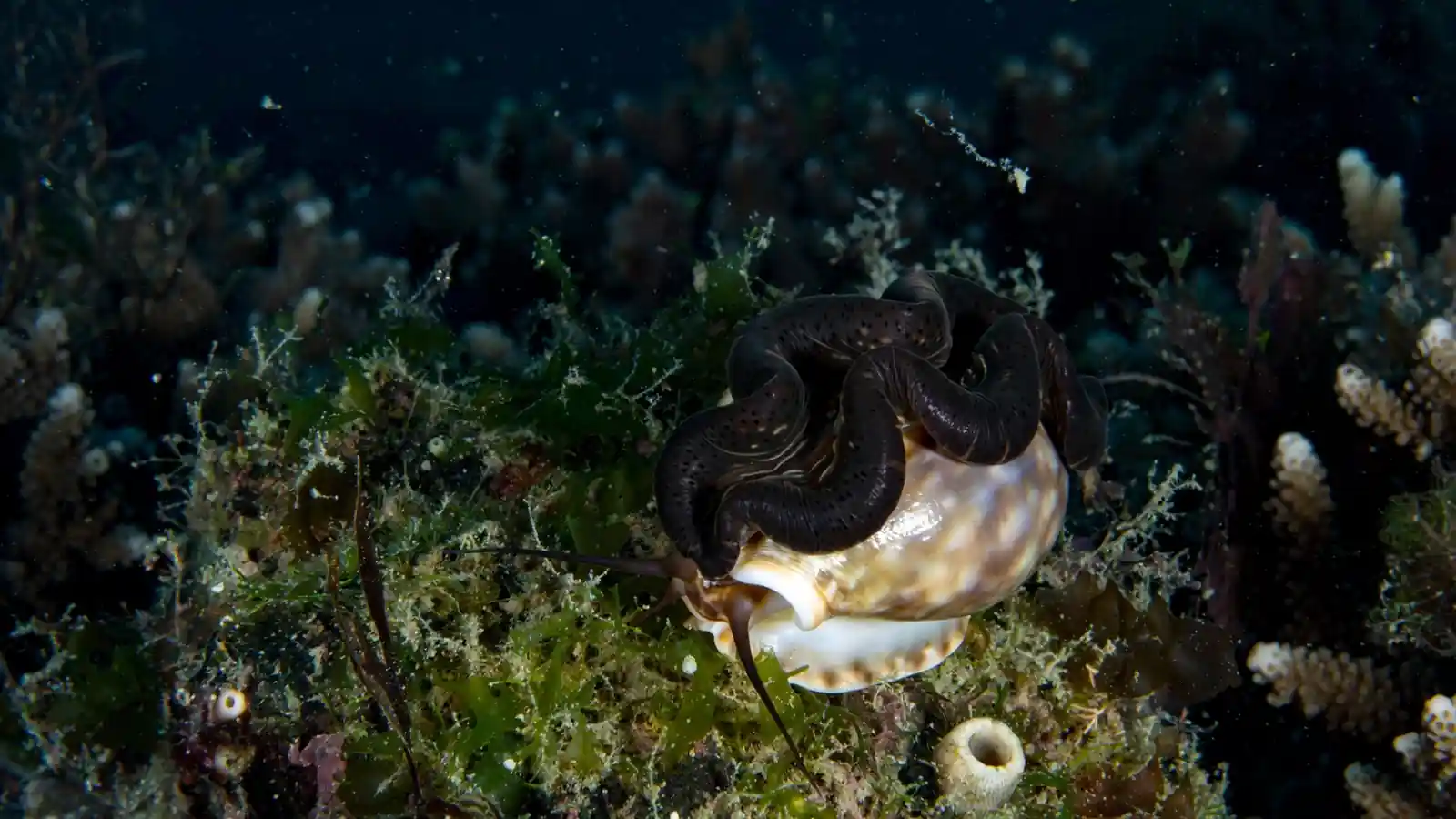
The feeding is done under cover of dark, and it returns to its hiding place before dawn. The radula is the same tool the limpet uses, a rasping tongue, but its radula is tuned to the reef’s algae and sponges, and the animal’s slow grazing is one of the reef’s small, steady jobs.
False Cowries: Ovulids and Trivia
Not every glossy shell is one of these snails. The false cowries belong to other families, above all the Ovulidae, the ovulids, and the Triviidae, the trivia, and they look enough like cowries to have borrowed the name. Ovulids are usually white or pale, live on sea fans and soft corals, and eat the polyps of their hosts. Trivia are small, ribbed and spotted, and they live on compound ascidians.
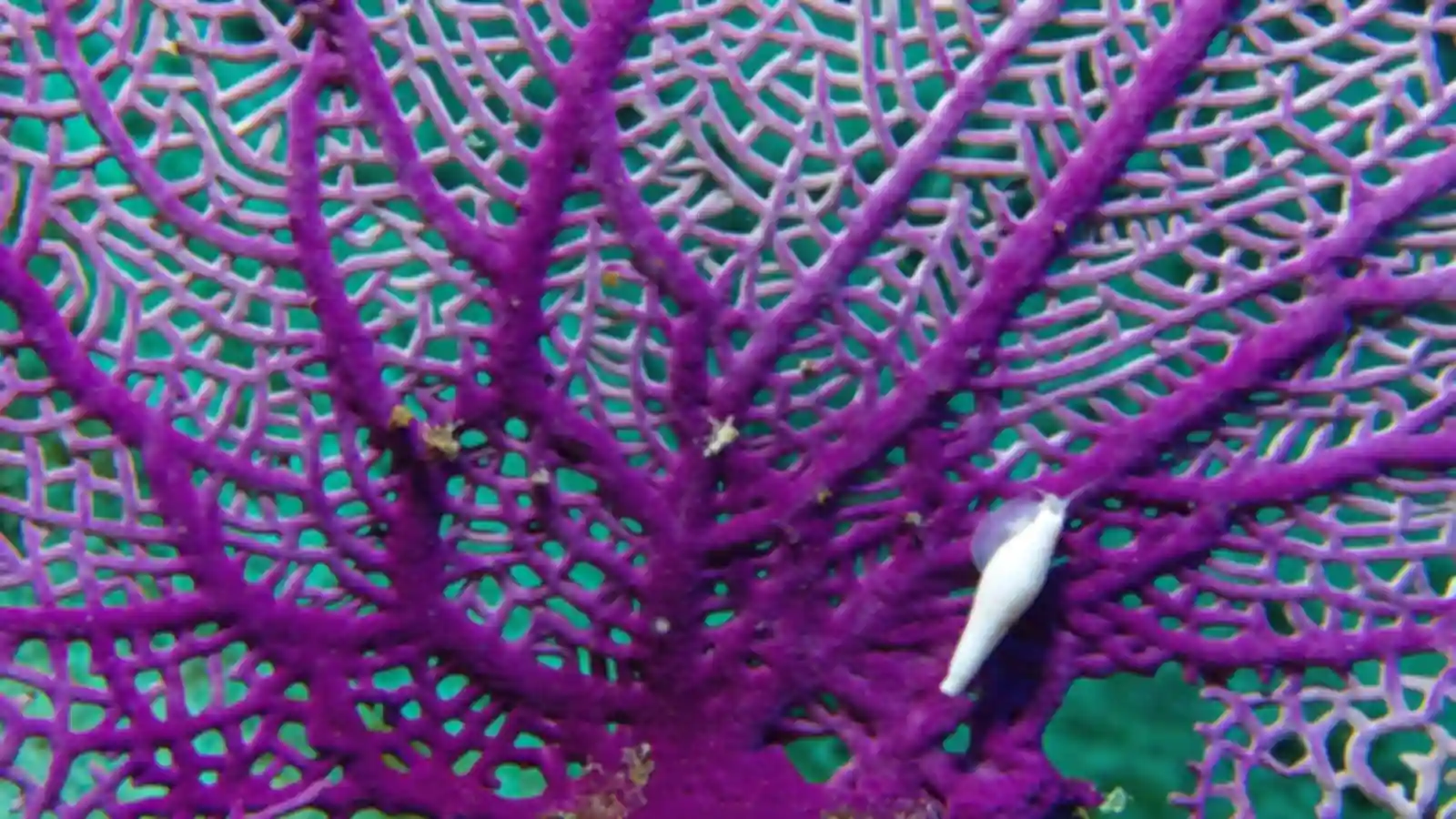
Telling them apart takes a close look. A true one has the narrow slit underneath and the mantle that wraps the shell, while an ovulid’s shell is often longer and thinner, and a trivia’s shell is ribbed. The false cowries are fine animals in their own right, but they are not cowries, and the distinction matters to collectors and to anyone sorting a shell collection.
Fun Facts
- The money shell was currency across Africa, Asia and the Pacific for about 3,000 years.
- The Chinese character for shell and money is drawn from the shell.
- Ghana’s currency, the cedi, is named after the shell.
- Its shell stays glossy because the living mantle wraps it and polishes it daily.
- The tiger grows to about 15 centimetres, the largest of the common ones.
- False cowries, the ovulids and trivia, belong to different families and only look like cowries.
Frequently Asked Questions
What is a cowrie?
A cowrie is a sea snail of the family Cypraeidae, with a smooth, glossy, egg-shaped shell and a mantle that wraps the shell in life. Cowries live on warm reefs worldwide, hide by day, and graze algae and sponges at night.
How many species of cowrie are there?
There are around 250 species in the family Cypraeidae, with sources giving counts from 250 to more than 270. The family ranges from tiny species a few millimetres long to the tiger at 15 centimetres.
Why were cowrie shells used as money?
The shells were small, durable, hard to counterfeit and easy to count, and they were available in huge numbers from the Maldives. For about 3,000 years they served as currency across Africa, Asia and the Pacific, buying food, paying taxes and settling debts.
What is a money cowrie?
The money species, Monetaria moneta, is a small yellow shell that served as shell money for about 3,000 years. The Maldives were the main source, and the shells were shipped in bulk to the ports of Africa and Asia, where they circulated like coins.
How big do cowries get?
Most cowries are small, a few centimetres long. The largest common one is the tiger, Cypraea tigris, which grows to about 15 centimetres. The money species is much smaller, about 2 centimetres.
Where do cowries live?
Cowries live on warm reefs worldwide, in the tropical and subtropical seas of the Indo-Pacific, the Atlantic and the Caribbean. They hide by day under coral ledges, in crevices and beneath rocks, and emerge at night to graze.
What do cowries eat?
Cowries eat algae and sponges. They graze the thin film of algae from rock and coral at night, rasping it off with the radula, and some species also take small bites from sponges on the reef.
Similar Species Worth Exploring
Keep Exploring
Keep exploring the mollusks: meet the giant clam, a bivalve the size of a bathtub that farms sunlight, or browse the whole family in our guide to the types of mollusks. Then come back to the glossy shell that once bought the world, the cowrie.