Manx Cat Breed Guide
Manx: at a Glance
A round, powerful cat with no tail and a dog like devotion. From the Isle of Man, the Manx follows its people, fetches its toys, and supervises the house from the top of the bookshelf.
By Emily Carter · Reviewed by our vet team · Updated 21 October 2026 · 13 min read
Lifespan 12–16 yrs Weight 8–12 lb Tailless & loyal
Short on time? Here is the Manx cat in a nutshell.
At a Glance
Size and Weight
The Manx carries its weight in a round, powerful frame.
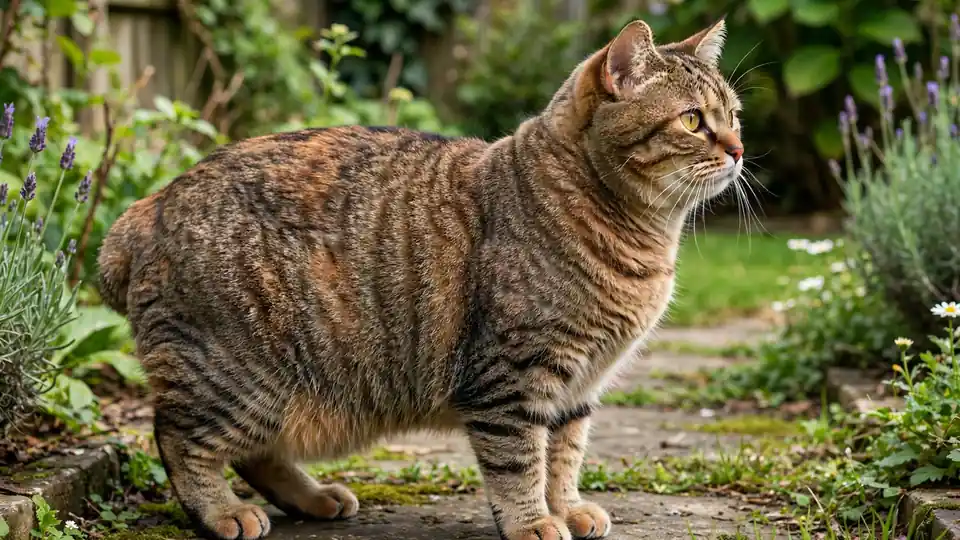
Most adults weigh between 8 and 12 pounds, which puts the breed in the medium range. What makes the Manx cat stand out is not the number on the scale but the shape. Everything about this cat is round: the head, the eyes, the muzzle, and the famously rounded rump where a tail would be.
The hind legs are noticeably longer than the front legs. This gives the breed a distinctive rolling gait and serious spring in its step. Do not let the round body fool you. These cats can reach the top of a bookshelf in a single bound.
Coat and Colors
The Manx coat is thicker and plusher than most people expect, and it deserves a closer look.
The coat is a dense double layer with a soft, cottony undercoat beneath slightly longer guard hairs. In the shorthaired type, it feels thick and springy under your hand, almost like a plush toy that breathes. The longhaired version, sometimes called the Cymric, wears the same double coat at greater length, with a full ruff around the neck and tufts between the toes.
This breed comes in every color and pattern you can picture on a cat. Solid black, white, and blue look striking against the round silhouette. Tabbies of all kinds are common, from classic swirls to fine mackerel stripes. Bicolors, tortoiseshells, calicos, and smokes all appear, and eye color usually echoes the coat: gold, copper, green, or blue in white cats.
Kittens are born with soft, fluffy coats that thicken as they mature. The full density of the adult double coat usually arrives by the second year, so a youngster may look a little lanky before filling out into the classic round shape.

History and Origins
The Manx cat comes from the Isle of Man, a small island in the Irish Sea with big stories.
The Manx comes from the Isle of Man, a small island in the Irish Sea, where a spontaneous natural mutation removed the tail from some local cats — and island life did the rest, until the tailless trait became the signature of the island’s cats.
Legends grew up around the missing tail. One tale says the Manx was the last animal aboard the ark and the door closed on its tail; another blames a Viking raid. The real story is simpler: a natural genetic change, preserved by geography.
Sailors carried these unusual cats to ports around the world, and the round, tailless island cat became a world famous breed.
On the island, a spontaneous natural mutation removed the tail from some of the local cats, and island life did the rest. With a small, isolated population, the tailless trait spread until it became the signature of the island’s cats. Sailors carried these unusual cats to ports around the world, and the breed’s fame grew from there.
Legends grew up around the missing tail. One old tale says the breed was the last animal aboard the ark and the door closed on its tail. Another blames a Viking raid. The real story is simpler: a natural genetic change, preserved by geography, that turned an island cat into a world famous breed.
Physical Characteristics
Every Manx is an individual, and the tail tells part of the story.
Several tail lengths appear in the breed, each with its own traditional name. A rumpy has no tail at all, just a smooth rounded rump with a dimple where the tail would start. A riser shows a small bump of cartilage that you can feel more than see. A stumpy carries a short partial tail, and a longy has a tail of near normal length.
Beyond the tail, this is a study in circles. The head is round with full cheeks, the eyes are large and round, and the body is cobby and deep chested. The longer hind legs lift the rump higher than the shoulders, giving the classic rounded profile from nose to tail, or to where the tail would be.
Manx Personality and Behavior
Living with a Manx cat means sharing your home with a loyal shadow.
Despite the energy there is a gentle side, and most will happily trade playtime for a long cuddle once they are tired out.
Cautious with strangers, but they study you, approve of you, then love you with unusual intensity.
Meals, play and greetings at the door, on schedule. These cats notice routine, and notice when it slips.
- Deeply loyal, dog like companion
- Playful, athletic and a serious jumper
- Patient and affectionate with children
- Does not enjoy long stretches alone
- Moderate shedding, heavier in spring
- Health homework matters — ask about Manx syndrome
These cats bond deeply with their people. They follow their favorite humans from room to room, greet them at the door, and settle nearby to supervise daily life. Many owners describe them as dog like in their devotion, and the comparison fits. They learn routines fast and often enjoy a game of fetch.
Playfulness runs strong and lasts well into adulthood. They invent games with toys, crumpled paper, and anything that rolls, and stalk feather wands with total focus. Despite the energy, there is a gentle side too, and most will happily trade playtime for a long cuddle once tired out.
Care Essentials
Measured meals of complete, protein rich food, two a day. The muscular breed burns real energy, but the round body type can hide gradual weight gain.
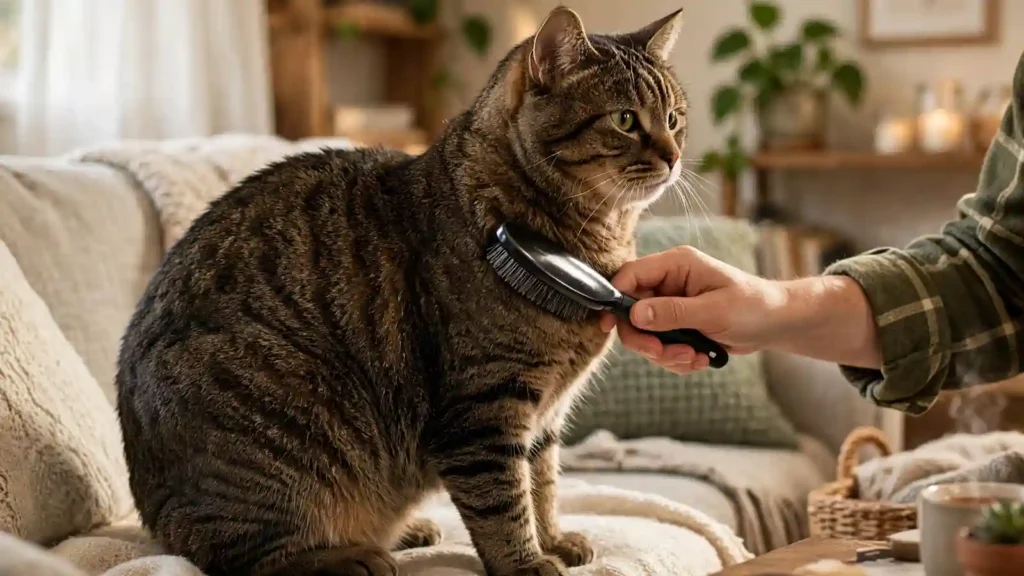
Brush the short coat once or twice a week; the longhaired Cymric needs three to four sessions. Extra brushing in the spring shed, plus nails, ears and dental care.
A tall, stable cat tree for climbing and surveying, feather wands, crinkle balls and puzzle feeders — and fetch down the hall, a firm favorite.
Indoor living with perches, climbing spots and daily play. If the house is empty all day, a feline companion keeps yours content.
Daily life with a Manx cat is straightforward and rewarding.
Give this breed a stable routine, good food, fresh water, and a clean litter box, and it will thrive. They appreciate consistency and learn where everything is. A sturdy scratching post, a tall cat tree, and a sunny window perch will cover most daily needs.
Because the breed is so people oriented, it does not enjoy long stretches alone. If your household is empty most of the day, consider a feline companion or plan interactive play sessions morning and evening. A lonely Manx can get bored, and a bored one will invent its own entertainment.
Nutrition and Diet
A Manx cat thrives on complete, high quality cat food suited to its age and activity level.
This is a muscular, athletic breed that burns real energy jumping and playing, so protein rich food supports its build. Feed measured meals rather than leaving food out all day, since the round body type can hide gradual weight gain. Most adults do well on two meals a day.
Fresh water should always be available. Many enjoy running water, so a cat fountain can encourage better hydration. Treats are fine in moderation but should stay a small part of the daily diet. If unsure about portions, your vet can help set the right amount.

Grooming
The Manx cat double coat looks after itself better than you might think, with a little help.
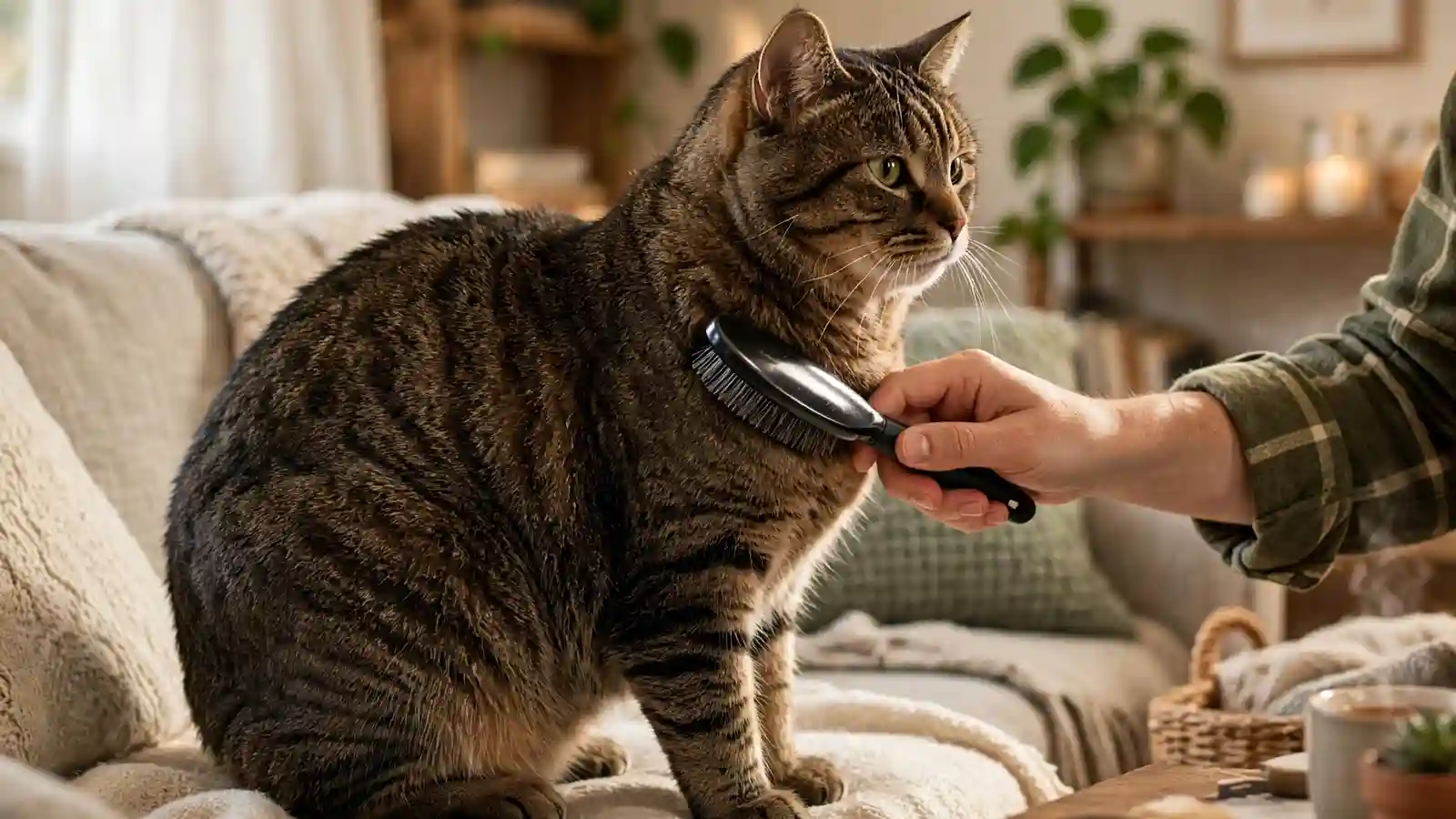
Brush the shorthaired type once or twice a week to remove loose hair and keep the coat glossy. The longhaired Cymric needs more attention, with brushing three to four times a week to prevent tangles in the ruff and britches. A stainless steel comb works well on both coat lengths.
Routine care covers the rest: trim the nails every couple of weeks, check the ears for buildup, and keep up with dental care. Shedding peaks in spring, so a few extra brushing sessions during that heavy period keep things comfortable.
Exercise and Enrichment
A bored Manx is a creative Manx, so keep the body and mind busy.
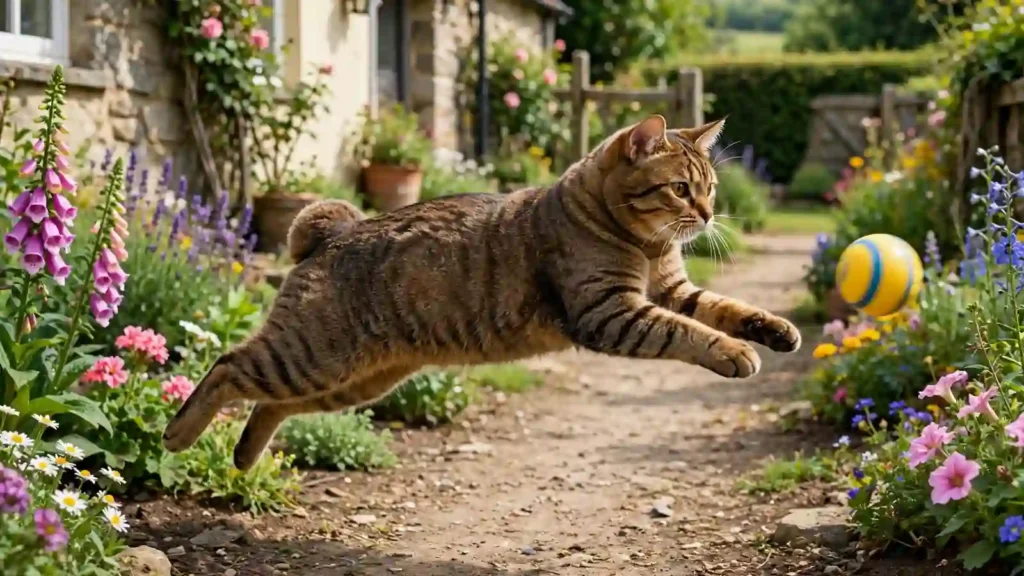
These powerful jumpers need vertical space. A tall, stable cat tree lets them climb, leap, and survey their kingdom from above. Interactive toys like feather wands and crinkle balls tap into hunting instincts, and puzzle feeders turn mealtime into a game.
Fetch is a favorite with many. Toss a soft toy down the hall and do not be surprised when it comes back. A couple of short play sessions a day keeps muscles toned and the mind sharp. A tired Manx is a happy one.
Health
Like every breed, the Manx cat has a few health points worth knowing about before you commit.
The same gene that removes the tail can, in some kittens, affect the development of the spine. Responsible breeders are open about this risk, screen their breeding cats, and discuss it honestly — ask before you commit.
Beyond the spinal question, the breed is generally sturdy and healthy. Regular vet checkups, vaccinations and dental care, plus vet records from day one, set the foundation.
The same gene that removes the tail can, in some kittens, affect the development of the spine. This group of related issues is known as Manx syndrome, and it can range from mild to serious. Responsible breeders are open about this risk, screen their breeding cats, and never breed two completely tailless cats together, since that pairing raises the odds of problems.
Beyond the spinal question, the breed is generally sturdy and healthy. Keep up with regular vet checkups, vaccinations, and dental care. When choosing a kitten, look for a breeder who discusses health openly and provides vet records. A good vet relationship from day one sets the foundation for a long, healthy life.
Indoor and Outdoor Living
The Manx cat does best as an indoor cat with plenty to explore.
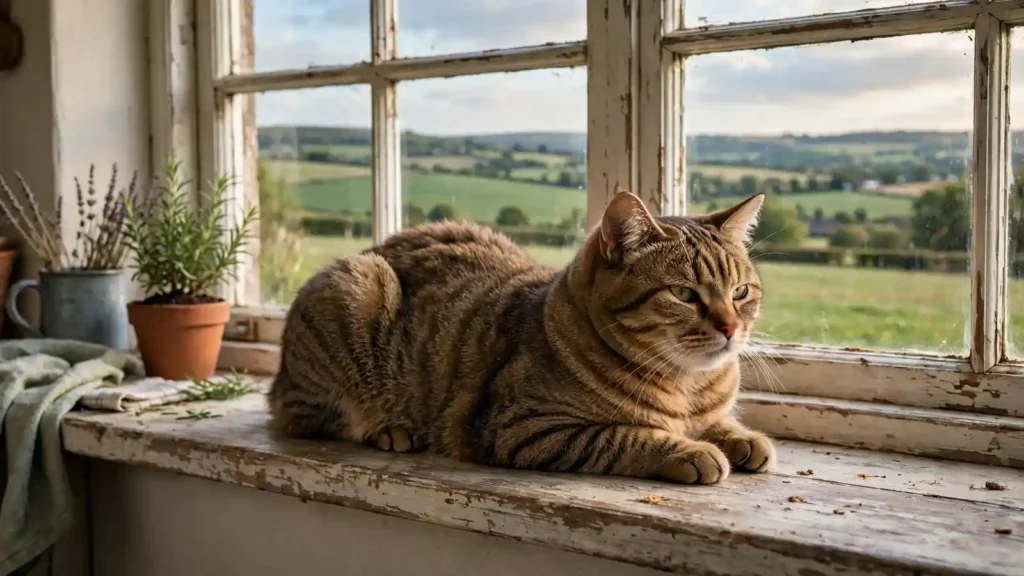
These cats are confident and curious, which makes the outdoor world tempting but risky. Traffic, other animals, and disease are real dangers for any roaming cat. An indoor life with perches, climbing spots, and daily play gives all the stimulation needed without the hazards.
If yours shows interest in the outdoors, a secure catio or a harness and leash can satisfy that curiosity safely. Many take to leash walking with patience and practice, thanks to their willingness to follow their people. Always supervise outdoor time and keep identification up to date.
Family Suitability
Is a Manx cat right for your household? For many families, the answer is yes.
They are patient and affectionate with children, especially kids who understand gentle handling. Their playful streak makes them natural companions for active youngsters, and their loyalty wins over adults just as fast. They tend to get along well with other cats and cat friendly dogs.
The main requirement is companionship. They want to be part of the family action, not a background decoration. Homes where someone is around for much of the day, or where another pet provides company, suit the breed best. Give them attention and they return it many times over.
Finding a Breeder or Rescue
Finding a healthy Manx cat starts with patience and good questions.
Look for a breeder who raises kittens in the home, handles them daily, and talks openly about health, including the spinal issues linked to the tailless gene. Ask to see vet records and expect the breeder to interview you too. A careful breeder is a good sign.
Rescue is another wonderful path. Breed specific rescues and general shelters sometimes have Manx and Manx mixes waiting for homes, including the longhaired Cymric type. An adult rescue can be a great choice, since you can already see the tail type, coat, and personality.
- Breeder talks openly about Manx syndrome and screening
- Kittens raised in the home and handled daily
- Ask to see vet records
- Check rescues — Manx and Cymric adults need homes too
Quick Quiz: Is a Manx Right for You?
Answer four questions. Tap yes or no.
Frequently Asked Questions
Are Manx cats born without tails?
Not all of them. The Manx cat comes in several tail lengths, from the completely tailless rumpy to the riser, stumpy, and longy. Litters can include kittens with different tail types, and every variation is part of the breed.
Are Manx cats rare?
This breed is not extremely rare, but it is less common than many popular breeds. Finding a kitten may take some waiting, especially if you want a specific coat length or color. Rescue groups are worth checking too.
Do Manx cats get along with dogs?
Often, yes. They have a social, dog like temperament and usually adapt well to cat friendly dogs. Introduce them gradually and supervise early meetings, and many become devoted friends with the family dog.
Do Manx cats shed a lot?
They shed a moderate amount. The dense double coat releases more hair during seasonal changes in spring and fall. Regular brushing keeps loose hair under control and the coat looking its best.
Can Manx cats be left alone during the day?
They cope better than some breeds, but they are people oriented and prefer company. If you work long hours, a second pet or dedicated play sessions morning and evening will keep yours content.
What is the difference between a Manx and a Cymric?
The Cymric is simply the longhaired version of the Manx cat. Both share the same round build, tail variations, and personality. The only real difference is coat length and the extra grooming the longer coat needs.
The Manx is a study in circles with a heart of pure loyalty — a round, tailless islander that fetches, follows and supervises, and gives its people everything it has.
Similar Breeds Worth Exploring
Related Breed Guides
Keep Exploring
Browse the full A to Z cat breed collection to compare personalities, or find out your cat’s age in human years with the cat age calculator.