Saltwater Crocodile
Saltwater Crocodile: the largest reptile on Earth
The saltwater crocodile is the biggest living reptile on the planet and the owner of the strongest bite ever measured. It rules the estuaries and coasts from India to northern Australia — an ambush hunter that has barely changed since the age of the dinosaurs, and a surprisingly gentle mother.
By Emily Carter · Reviewed by our vet team · Updated 10 November 2026 · 8 min read
Males to 6 m and 1,000+ kgBite force: 16,414 N — a recordSwims hundreds of km at sea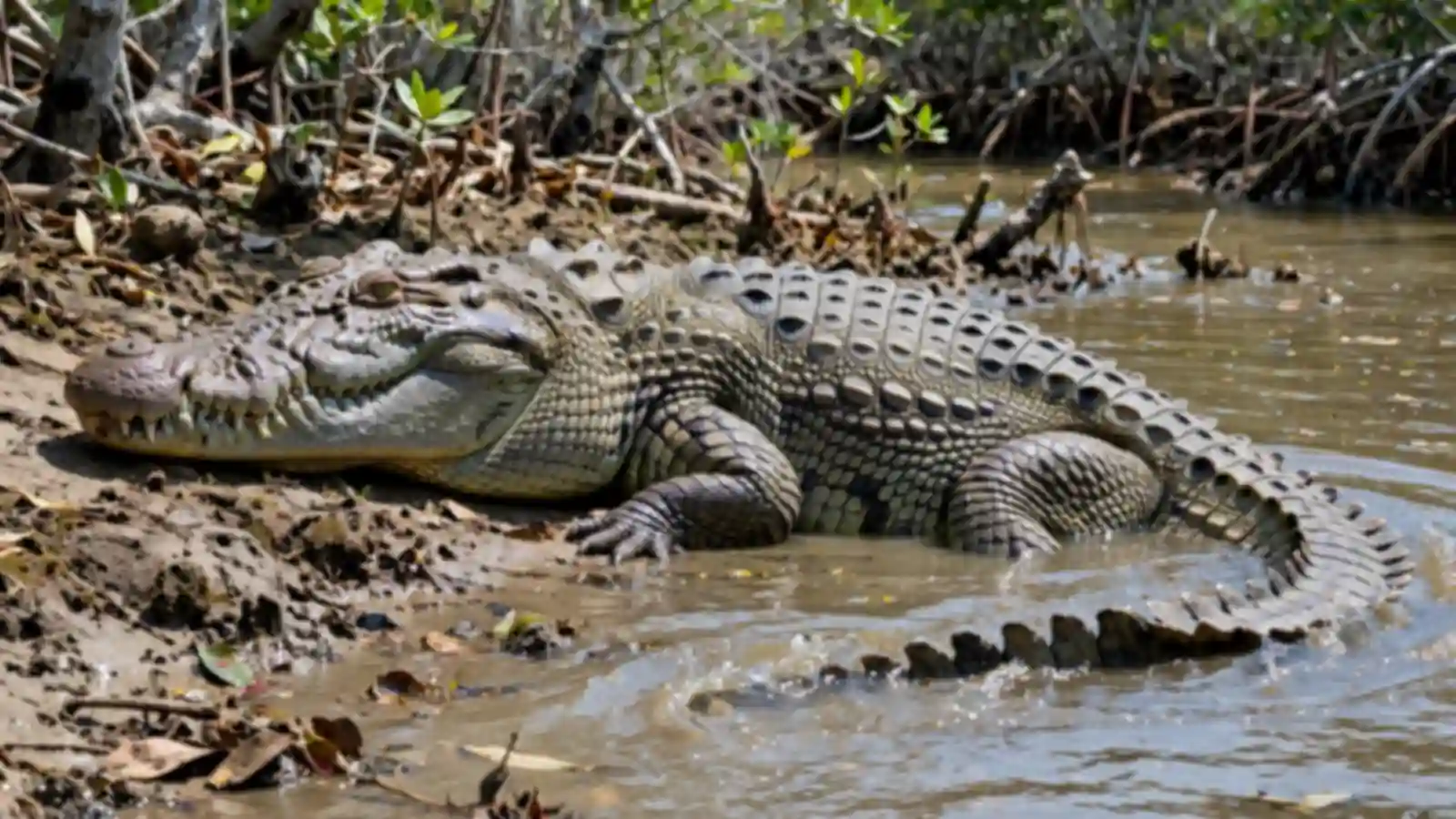
At a Glance
A saltwater crocodile is an ambush given scales: a tonne of muscle and armour that can lie in brown water for hours showing nothing but eyes and nostrils, then remove a drinking animal from the bank in a single second. Australians call it the saltie, and across the tropical north it is the animal every other animal — including people — plans around.
Saltwater Crocodile Size and Weight
Male saltwater crocodiles commonly grow to 4.3 to 4.9 metres (14 to 16 feet) long and weigh 408 to 522 kilograms (900 to 1,150 lb). A truly old male can reach 6 metres (20 feet) and somewhere between 1,000 and 1,300 kilograms — the length of a minibus at the weight of a small car. Females are a different scale of animal: most never pass 3 metres, and look almost delicate beside their mates.
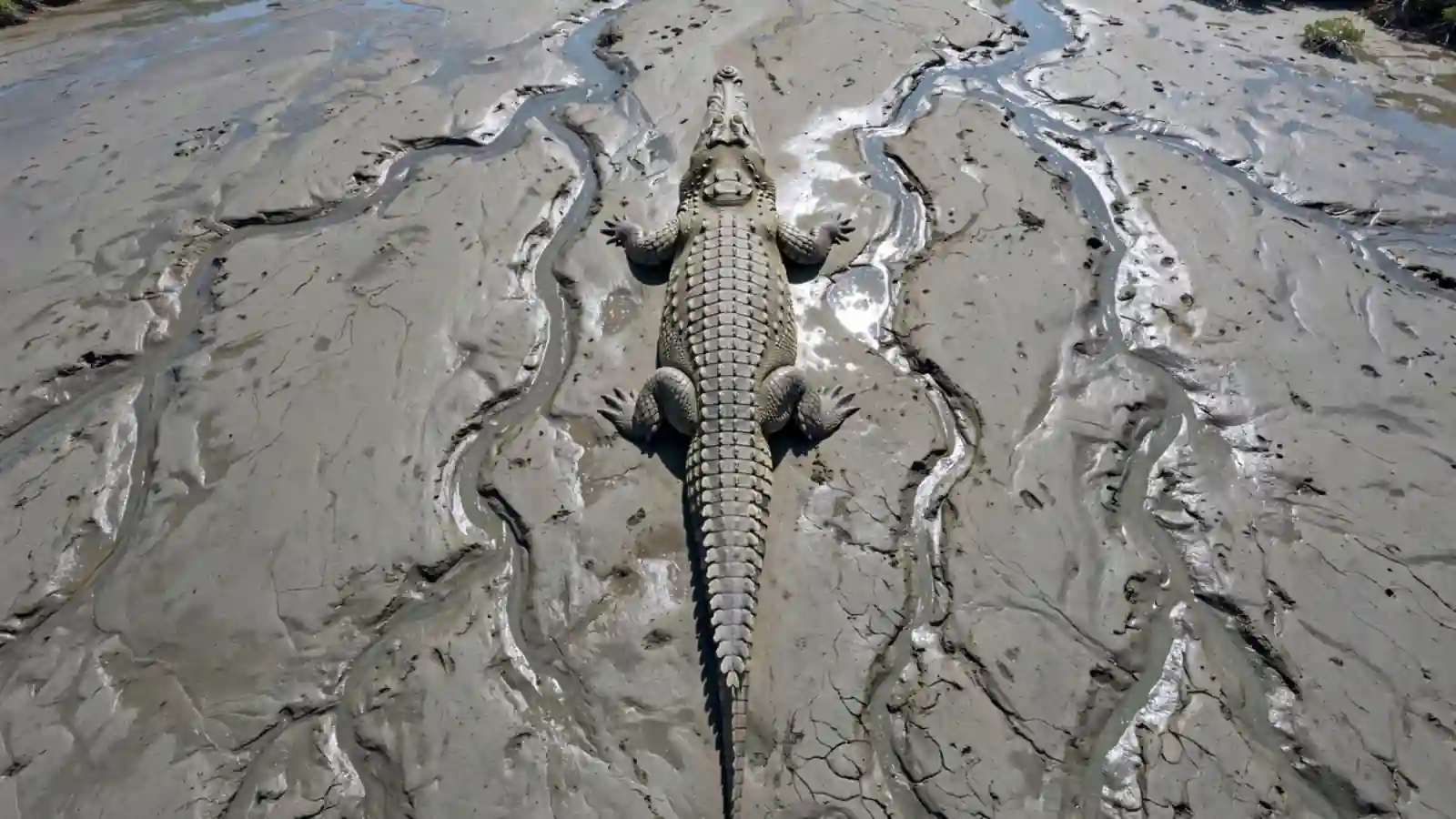
The largest specimen ever measured under controlled conditions was Lolong, a Philippine giant caught in 2011 after a long hunt in a marsh where two people had disappeared. He measured 6.17 metres (20 feet 3 inches) and weighed 1,075 kilograms (2,370 lb). Larger crocodiles are regularly reported — 7 metres and beyond — but none has ever been verified, and big numbers shrink suspiciously fast once a tape measure comes out.
Growth is slow and nearly lifelong. A hatchling starts at about 30 centimetres; a male may take decades to pass 4 metres, which is one reason truly giant salties became rare during the hunting era and are only now returning in protected populations.
The Strongest Bite Ever Measured
In 2012, researchers coaxed a 4.59-metre (15-foot) male into biting a measuring device — and recorded 16,414 newtons of force, about 3,700 pounds. At the time, and still today, it is the highest bite force ever directly measured from any living animal. Bigger crocodiles should bite harder still; models for a 6-metre animal run far higher, though nobody has measured one.

The machinery is simple and brutal: enormous jaw-closing muscles packed into the back of a broad skull, driving 64 to 68 conical teeth built for gripping, not cutting. A crocodile cannot chew. Prey is held, dragged under, and either swallowed whole or torn apart by the famous death roll — the whole body spinning around its long axis until something comes off. Broken teeth are no setback: replacements grow beneath the old ones throughout the animal’s life.
Habitat and Range: From Rivers to Open Ocean
Saltwater crocodiles live where the tropics meet the sea: tidal rivers, mangrove swamps, estuaries, lagoons and the creeks behind the coast, from India and Sri Lanka through Southeast Asia and Indonesia to Papua New Guinea, the Solomon Islands and northern Australia. You can browse the saltwater crocodile’s full range and natural history record for the details of its distribution and biology.
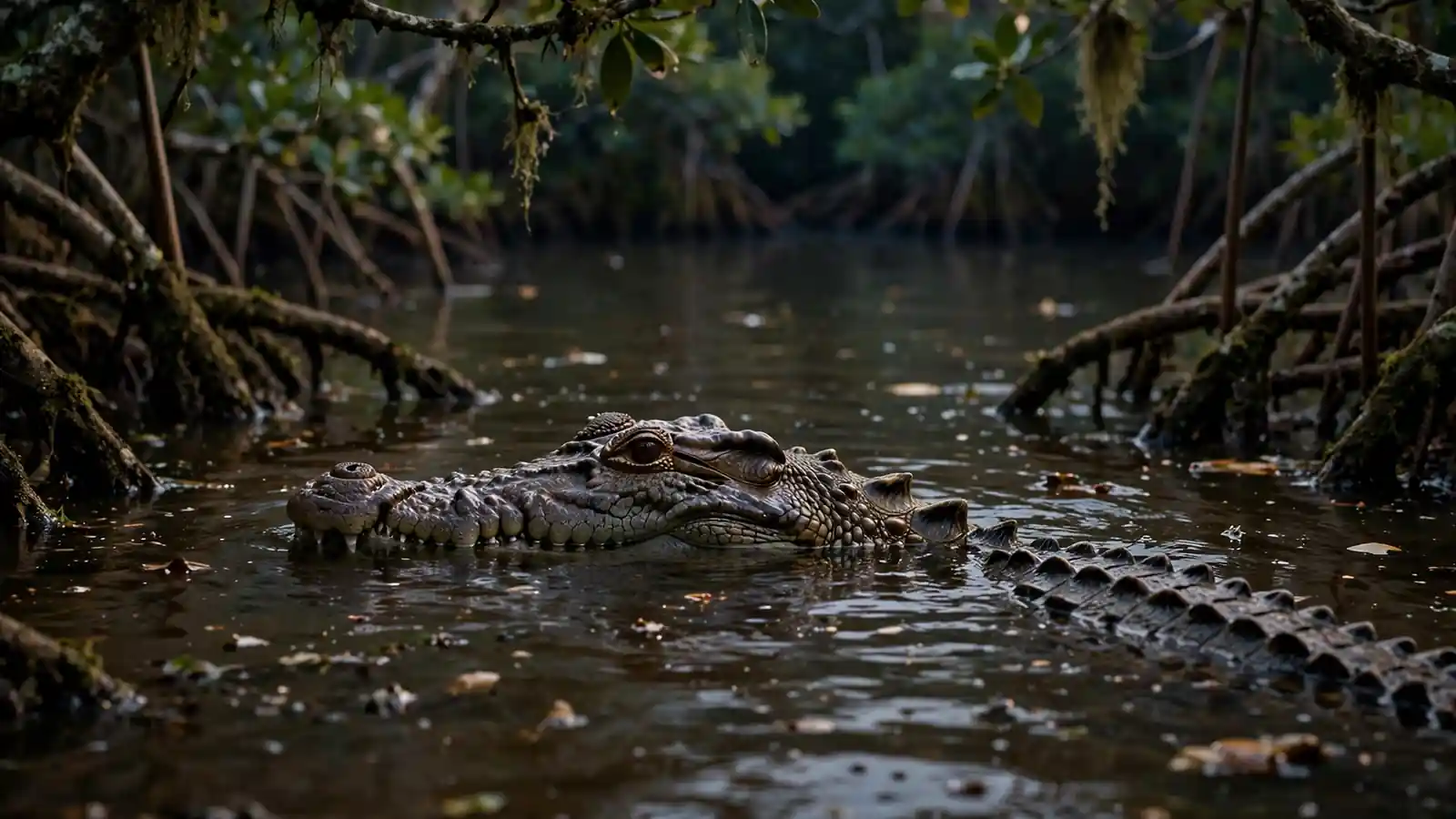
The ‘saltwater’ part is earned, not decorative. Special glands flush excess salt, and the animals are powerful ocean travellers: they ride currents for weeks, turn up on islands far from any river, and have been seen hundreds of kilometres out at sea. That seagoing habit is exactly how one species came to occupy such an enormous range — and why eradicating it from an island rarely lasts.
Hunting and Diet: Patience, Then Violence
A hunting crocodile is mostly invisible. It drifts or lies in the shallows with only the sensor dome of its head above water — eyes, ears and nostrils all mounted on top — reading ripples through pressure sensors dotted along its jaws. When prey comes within range, the tail drives one sideways lunge measured in fractions of a second.
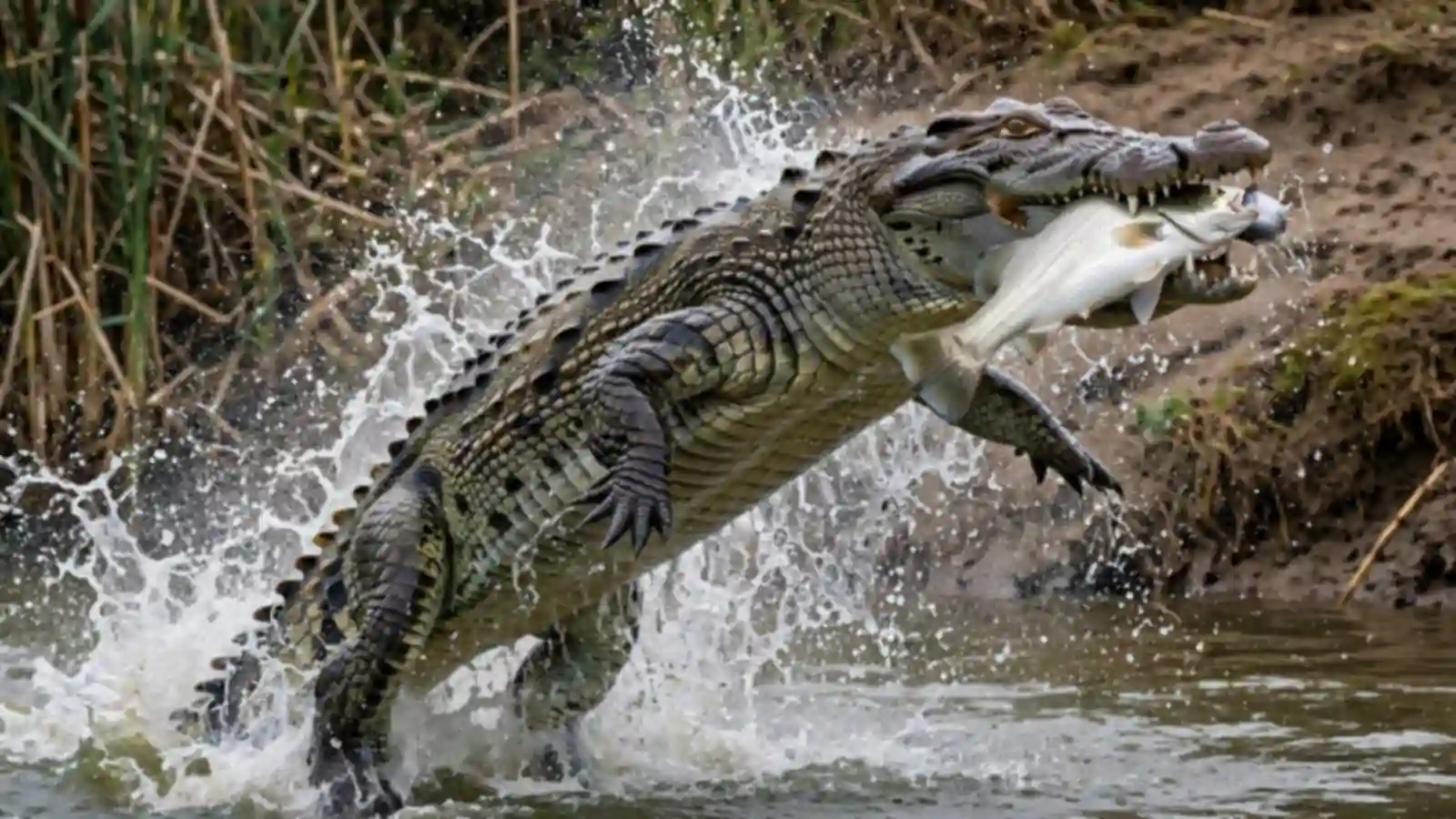
The menu grows with the crocodile. Hatchlings eat insects, small fish and frogs; juveniles add crabs, birds and bigger fish; adults take whatever comes to drink or swim — fish, turtles, snakes, wild pigs, deer, domestic cattle, and occasionally buffalo and sharks. Very little is refused, and very little escapes once the jaws close. Most hunts still fail, which is fine: a big saltie can go many months between serious meals.
Breeding: Mound Nests and Gentle Mothers
Breeding follows the rains. In the wet season — roughly November to March in Australia — a female builds a mound nest of mud and vegetation on a bank above the flood line and lays 40 to 60 eggs (sometimes up to 90). There she stays for the roughly 90 days of incubation, barely eating, guarding the mound against goannas and pigs.

Nest temperature writes the guest list: eggs kept around 31.6 °C hatch mostly male, while warmer or cooler nests produce mostly females — temperature-dependent sex determination, tuned by where the mother piles her mound. When the hatchlings call from inside the eggs, she digs them out and carries them to the water in her mouth, a few at a time, in what must be the gentlest use those record-breaking jaws ever get.

She watches over the crèche for weeks, but the odds stay cruel: floods, predators and her own species take most of the young, and perhaps one hatchling in a hundred reaches adulthood. Those that do may live 70 years or more.
Attacks, Safety and Living Alongside Salties
Honesty first: saltwater crocodiles do attack people, and some attacks are fatal. A large, territorial predator that hunts by ambush at the water’s edge does not distinguish carefully between a wallaby and a fisherman. Yet across most of its range the species is not considered threatened globally — a conservation success built on protection since the 1970s — and coexistence works where people follow crocodile-country rules: never swim in estuaries, stay back from the water’s edge, keep boats and camps well above the bank, and never clean fish where crocodiles wait.
Regionally the picture varies — the species has thinned or vanished from parts of its historic range where wetlands were lost and hunting was heavy — but the strongholds in northern Australia and Papua New Guinea hold huge numbers. The saltie is, all at once, a protected success story and an animal that demands permanent respect.
For more of the world’s great water reptiles, explore our hub of sea turtles and marine reptiles — where the saltie shares billing with ocean travellers like the leatherback sea turtle — or look ahead to the marine iguana, the only lizard that grazes in the sea.
Fun Facts
- A saltwater crocodile can hold its breath for well over an hour when resting — and it slows its heart to just a few beats a minute to do it.
- The bite record (16,414 N) came from a 4.59 m animal. A 6 m crocodile should bite far harder, but no one has talked one into a laboratory test.
- Saltwater genes: salties are such good ocean travellers that crocodiles on some Pacific islands are closer kin to populations across the sea than to neighbours up the coast.
- A mother saltie cracks eggs for her young and carries them in the same jaws that can crush a turtle shell. Control, not just power.
- Crocodiles cannot sweat and cool off by gaping — sitting with the mouth open on a bank is air conditioning, not a threat display.
- The species survived the asteroid that ended the dinosaurs’ reign essentially unchanged. The design was already finished.
Frequently Asked Questions
How Big Do Saltwater Crocodiles Get?
Male saltwater crocodiles commonly reach 4.3 to 4.9 metres (14 to 16 feet) and 408 to 522 kilograms, with exceptional animals reaching 6 metres (20 feet) and over a tonne. Females are far smaller, rarely passing 3 metres (10 feet). It is the largest living reptile on Earth.
What Is the Bite Force of a Saltwater Crocodile?
The highest bite force ever measured from a living animal in a laboratory came from a saltwater crocodile: 16,414 newtons (about 3,700 pounds of force) from a 4.59-metre male. Larger crocodiles are estimated to bite harder still, though those numbers are models, not measurements.
Who Was Lolong?
Lolong was a giant male saltwater crocodile caught in the Philippines in September 2011 after a three-week hunt. He measured 6.17 metres (20 feet 3 inches) and weighed 1,075 kilograms (2,370 lb), making him the largest crocodile ever measured in captivity. He died in February 2013.
Do Saltwater Crocodiles Attack Humans?
Yes, occasionally. Saltwater crocodiles are large, territorial predators, and attacks — some fatal — happen every year across their range, usually when people swim, fish or collect water in crocodile habitat. Treat every wild saltie as dangerous and keep well away from the water’s edge in crocodile country.
Can Saltwater Crocodiles Live in the Ocean?
Yes — it is how they earned their name. Saltwater crocodiles tolerate sea water for long periods, ride ocean currents between islands, and have turned up hundreds of kilometres from the nearest coast. They still live mostly in estuaries and rivers, but the sea is no barrier to them.
What Do Saltwater Crocodiles Eat?
Almost anything they can overpower. Young crocodiles take insects, fish and frogs; adults take fish, birds, turtles, wild pigs, deer, cattle and even sharks and buffalo at the water’s edge. Most hunting is ambush: a motionless wait, then a single explosive lunge.
How Long Do Saltwater Crocodiles Live?
A long time. Wild saltwater crocodiles are thought to live 70 years or more, growing slowly throughout their lives, which is how the oldest males reach such sizes. Few animals survive the dangerous first years, but an adult has almost no natural enemies.
What Is the Difference Between a Saltwater Crocodile and a Freshwater Crocodile?
Size and snout are the quickest tells. A saltwater crocodile is the largest living reptile, with big males reaching 6 metres and more and a broad, heavy snout; the freshwater crocodile is a much smaller animal, around 2 to 3 metres, with a narrow snout, and it lives in the inland freshwater rivers of northern Australia. Saltwater crocodiles are famously aggressive and at home in the sea; freshwater crocodiles are shy and rarely a danger to people.
Similar Species Worth Exploring
Keep Exploring
Still curious about the giants of the coast? Browse the whole sea turtles and marine reptiles hub, meet the record-diving leatherback sea turtle, and keep an eye out for the coming marine iguana. Every estuary in the tropics answers, in the end, to the saltwater crocodile.