Caribbean Reef Shark Facts: Size, Habitat and Status
Caribbean Reef Shark: The Cave-Sleeping Hunter of the Bahamas
The Caribbean reef shark sleeps motionless in caves and thrives in the Bahamas shark sanctuary, an Endangered reef hunter of the tropical Atlantic.
By Emily Carter · Reviewed by our vet team · Updated 10 November 2026 · 7 min read
Sleeps in cavesMax 3 mEndangered (2019)
At a Glance
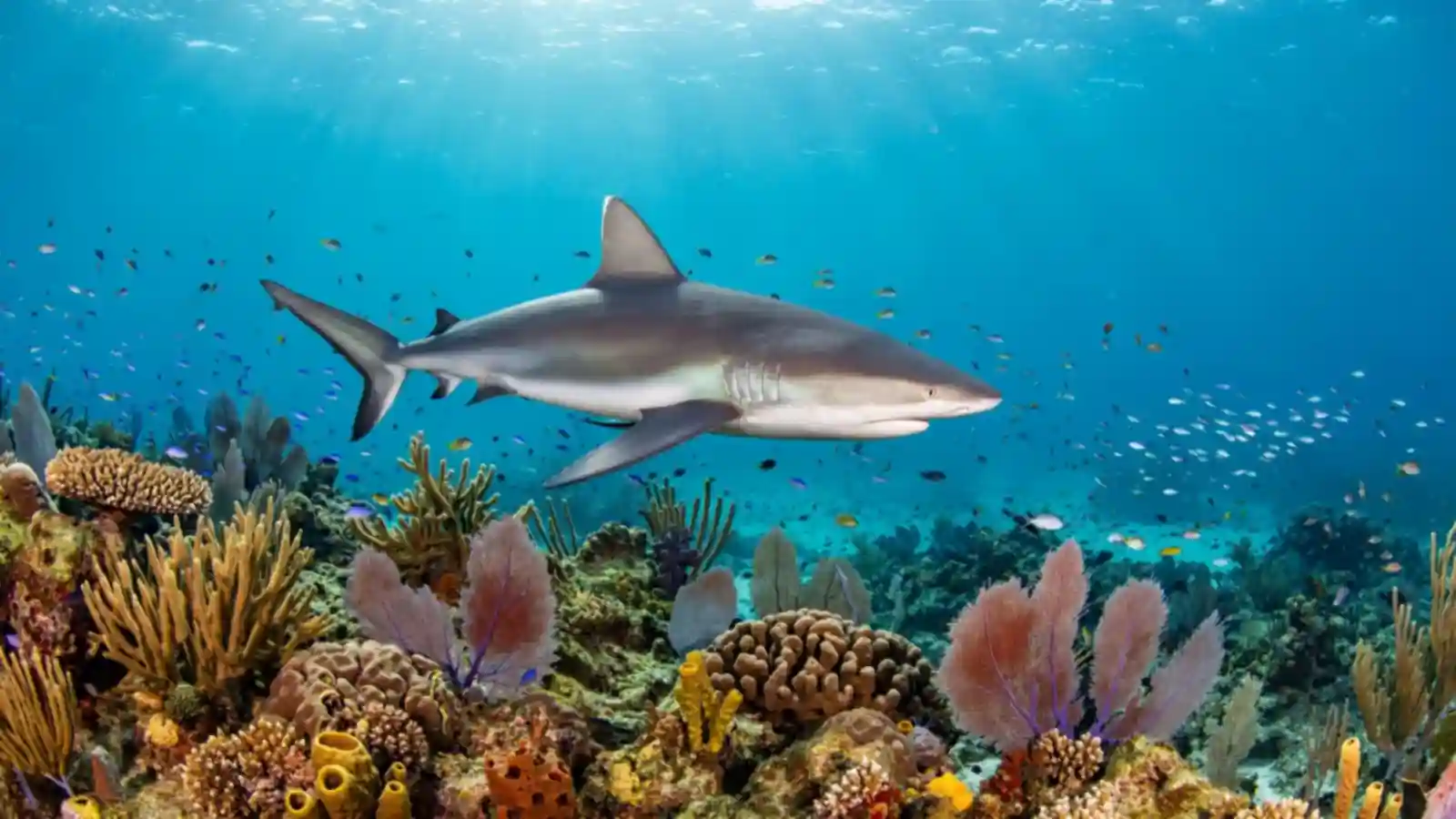
The Caribbean reef shark is the reef shark of the tropical western Atlantic. It patrols the coral reefs of the Bahamas and the Caribbean, sleeps motionless in caves like its whitetip cousin, and thrives in the Bahamas shark sanctuary — one of the strongest shark strongholds in the world. It is also Endangered, after a decline of 50 to 79%. This guide covers the cave sleep, the sanctuary, and the shark’s reef-hunting life.
Caribbean Reef Shark Size: A Mid-Sized Reef Hunter
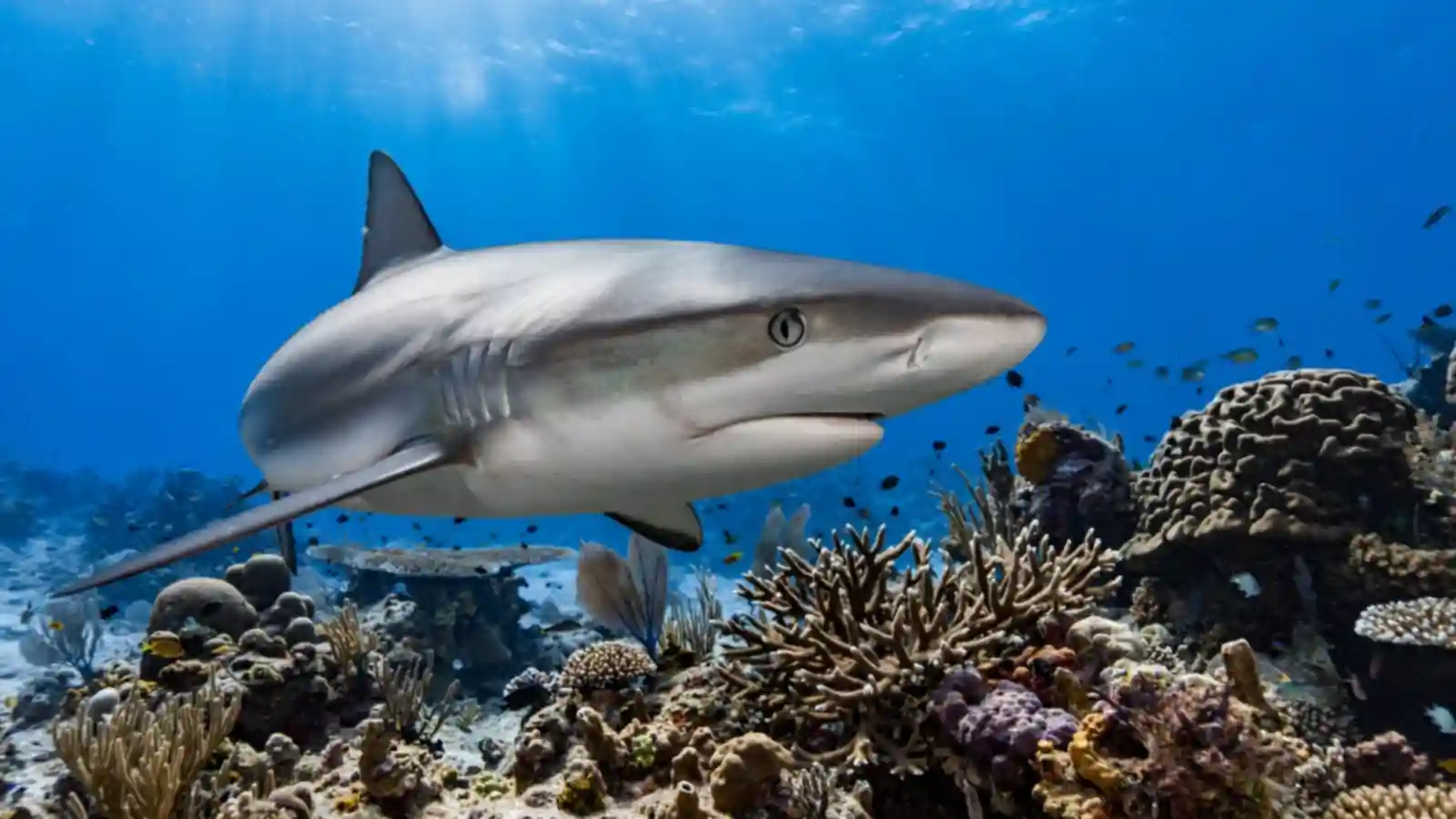
It reaches a maximum of 3 metres — the recorded maximum is 2.95 metres — and weighs about 70 kg, with most adults measuring 1.5 to 2.5 metres. It is a stout, grey-brown shark with a short, rounded snout and a dark edge on its fins, built for the reef rather than the open sea.
Its size is part of its dominance. On a Caribbean reef, it is the largest predator most days, and its presence shapes the behaviour of every smaller fish on the reef. For the full species record, see the full species profile.
Sleeping in Caves: A Shark That Rests Motionless
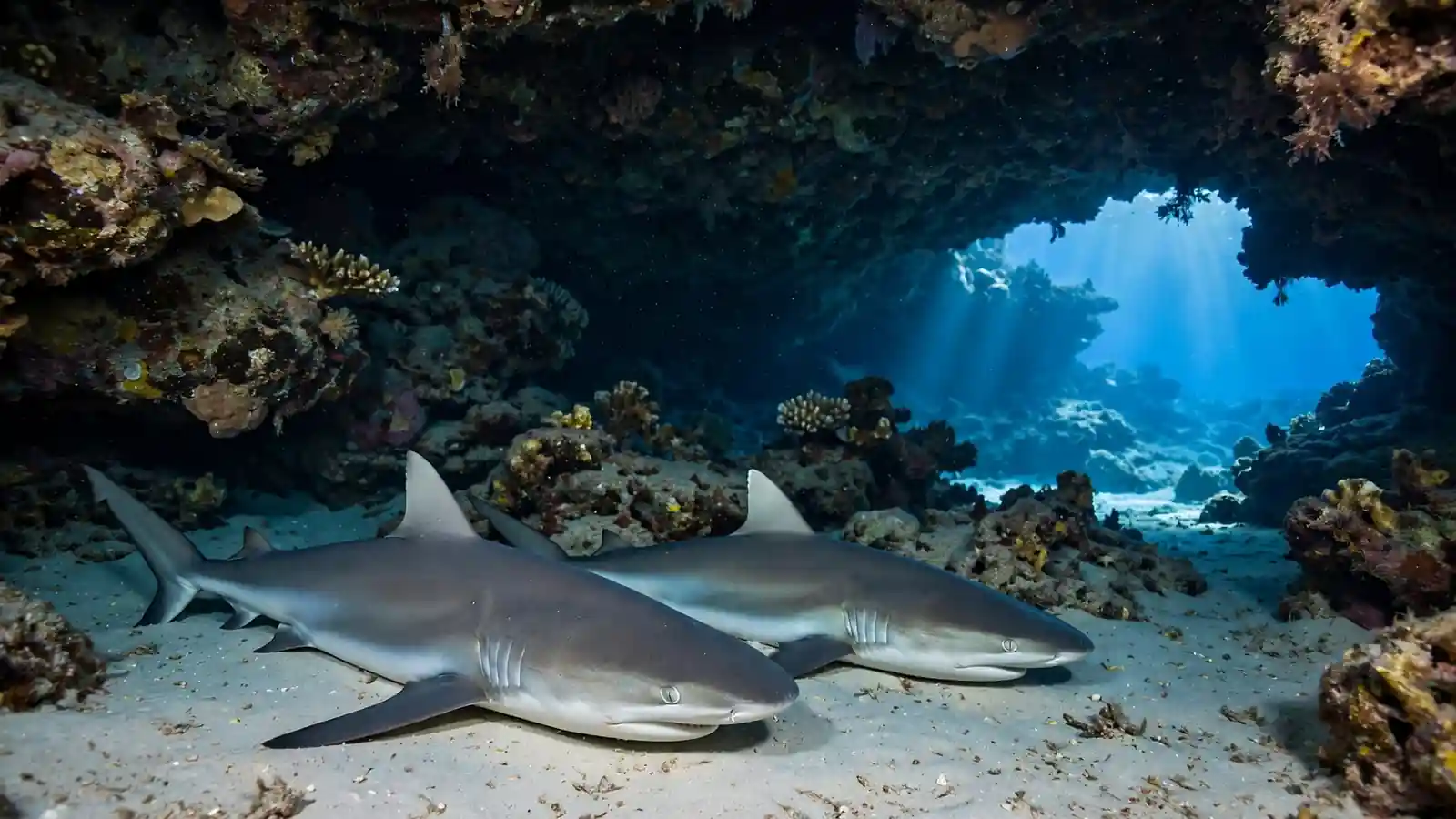
Caribbean reef sharks sleep motionless in caves, lying still on the reef floor for hours at a time. Like the whitetip reef shark, they can pump water over their gills while resting, so they do not need to keep swimming to breathe — and they use the trick to rest through the day.
The cave sleep is one of the species’ most famous behaviours. Divers in the Bahamas find the same sharks in the same caves day after day, lying motionless in the dark, and the sharks wake slowly, unbothered by the divers’ lights.
Where Caribbean Reef Sharks Live: The Tropical Atlantic
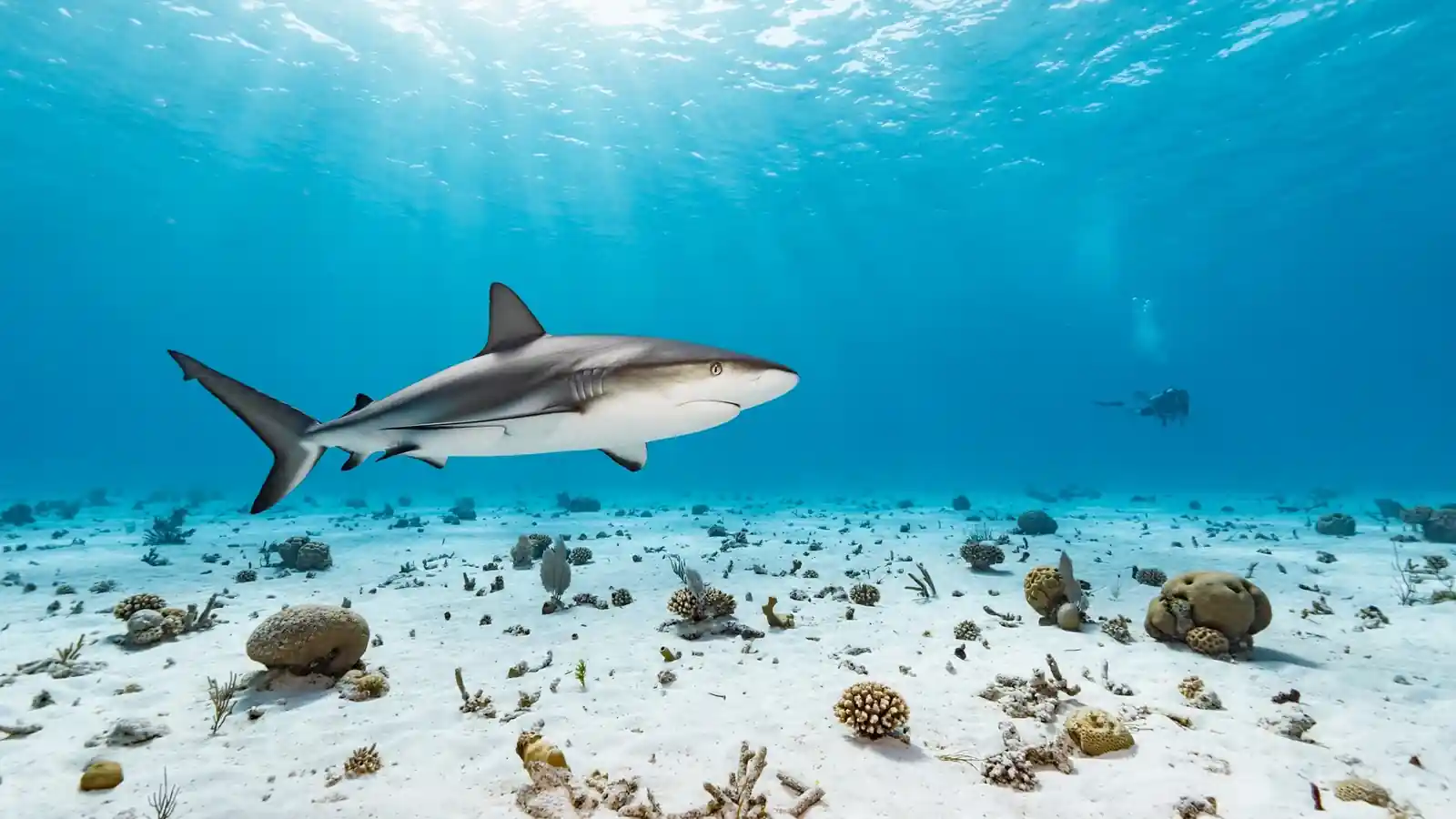
Caribbean reef sharks live in the tropical western Atlantic, from the Bahamas and the Caribbean south to Brazil. They favour coral reefs, reef edges and drop-offs, usually in water less than 30 metres deep, and they are rarely seen far from a reef. Its Indo-Pacific cousin, the grey reef shark, fills the same role on reefs from East Africa to the Pacific.
The Bahamas is the stronghold. The archipelago’s reefs hold the densest populations of the species anywhere, and the country’s shark sanctuary protects them across its whole exclusive economic zone — one of the largest shark sanctuaries in the world.
What Do Caribbean Reef Sharks Eat?
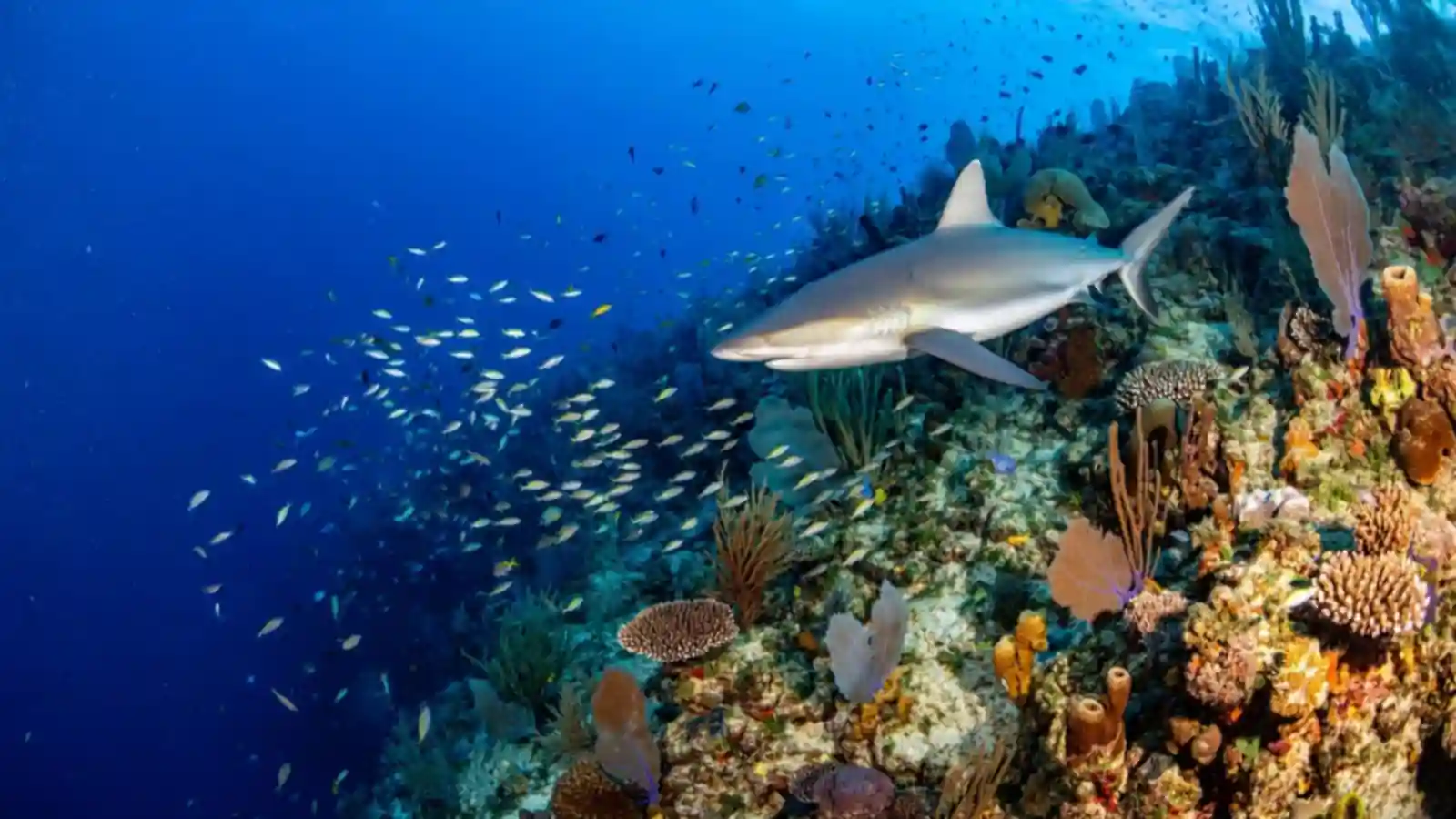
It eats reef fish, stingrays and cephalopods, hunting along the reef edge and in the open water above it. It is a fast, active hunter that chases its prey rather than ambushing it, and it takes what the reef offers — schooling fish when they run, stingrays when they are thick on the sand.
Its diet makes it the reef’s top predator. Where Caribbean reef sharks are abundant, the reef’s fish community is shaped by their presence — smaller fish hide more, feed less, and stay closer to cover.
The Bahamas Shark Sanctuary: A Stronghold That Works
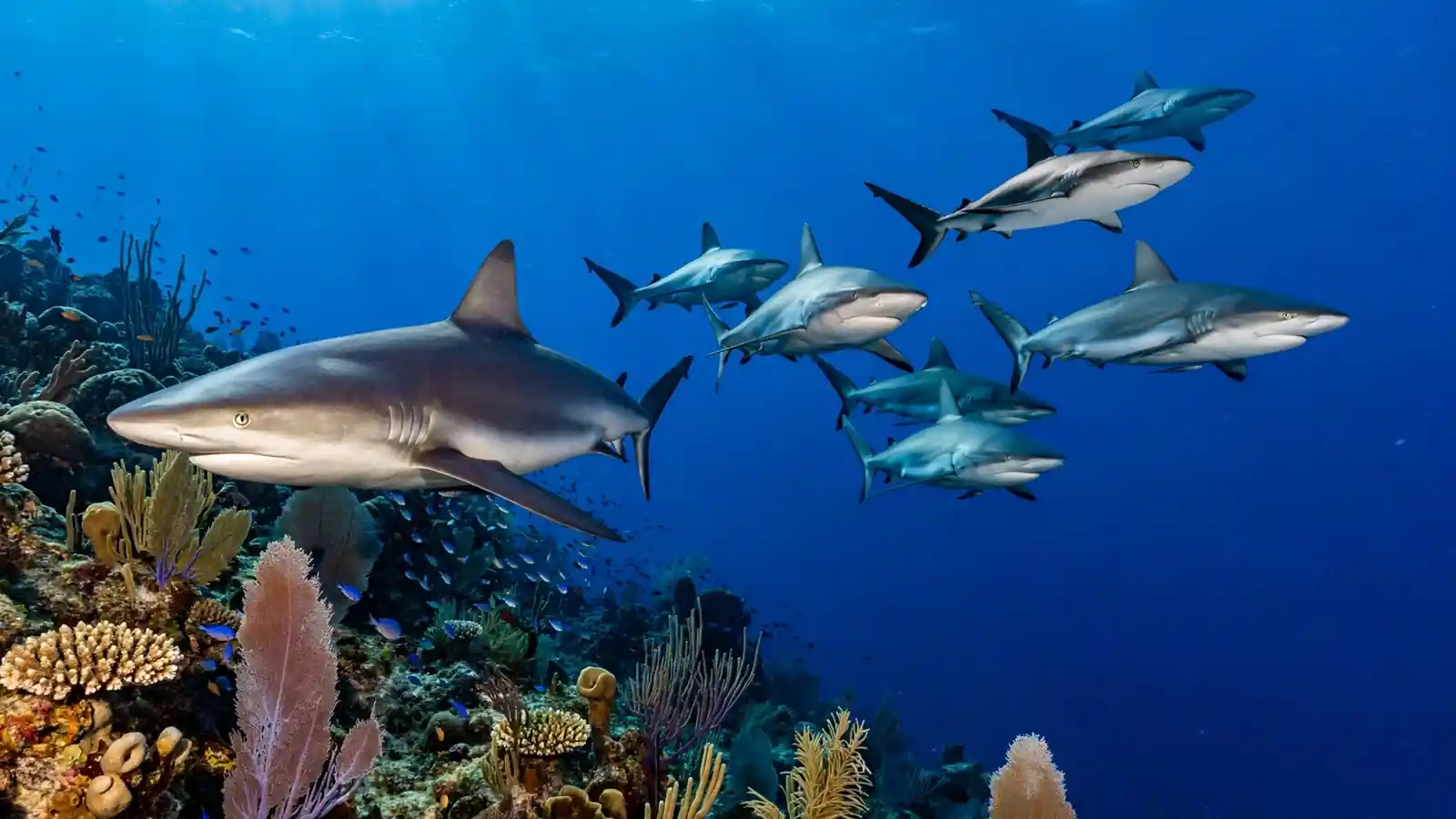
In 2011, the Bahamas declared its entire exclusive economic zone a shark sanctuary, banning commercial shark fishing across more than 600,000 square kilometres of ocean. It was one of the main beneficiaries: its numbers in the Bahamas are the healthiest anywhere in its range.
The sanctuary is a model for shark conservation worldwide. Where it is enforced, shark numbers stay high, reefs stay healthy, and the dive tourism the sharks support is worth far more than the fins ever were. The Bahamas proved that protecting sharks can pay.
Are Caribbean Reef Sharks Dangerous? The Incident Record
There are 22 recorded incidents involving Caribbean reef sharks, and none was fatal. The species is a large predator that can be bold around divers, especially where it is fed, but it does not hunt people — and the record shows that clearly.
Most incidents involve provoked sharks — spearfishing, feeding or handling — rather than unprovoked attacks on swimmers. It deserves respect, but the numbers do not support fear.
Conservation: An Endangered Reef Shark
It is listed as Endangered, a status set in 2019 after a decline of 50 to 79%. Older pages — including the Florida Museum profile — still show the old Near Threatened assessment, but that is outdated: the current assessment is Endangered.
The decline was driven by fishing across the Caribbean, where the species was taken for its fins and meat. The Bahamas sanctuary shows what protection can do, but outside it the species still needs help — and its future depends on more countries following the Bahamas’ lead.
Fun Facts
- Caribbean reef sharks sleep motionless in caves, pumping water over their gills.
- The Bahamas shark sanctuary, declared in 2011, covers more than 600,000 square kilometres.
- There are 22 recorded incidents involving Caribbean reef sharks — none fatal.
- The recorded maximum length is 2.95 metres, just short of 3 metres.
- The Bahamas holds its densest populations anywhere.
- Its status changed from Near Threatened to Endangered in 2019, after a 50–79% decline.
Frequently Asked Questions
How Big Do Caribbean Reef Sharks Get?
The maximum is 3 metres — the recorded maximum is 2.95 metres — and they weigh about 70 kg, with most adults measuring 1.5 to 2.5 metres.
Do Caribbean Reef Sharks Sleep in Caves?
Yes — Caribbean reef sharks rest motionless in caves for hours, pumping water over their gills while they lie still, like the whitetip reef shark.
Where Do Caribbean Reef Sharks Live?
In the tropical western Atlantic, from the Bahamas and the Caribbean south to Brazil, favouring coral reefs, reef edges and drop-offs in water less than 30 metres deep.
What Do Caribbean Reef Sharks Eat?
Reef fish, stingrays and cephalopods, hunted along the reef edge and in the open water above it, chased down rather than ambushed.
Are Caribbean Reef Sharks Dangerous to Humans?
Rarely. There are 22 recorded incidents involving Caribbean reef sharks, none fatal. Most involve provoked sharks — spearfishing, feeding or handling — rather than unprovoked attacks.
Why Are Caribbean Reef Sharks Endangered?
The Caribbean reef shark is listed as Endangered (2019) after a decline of 50 to 79%, driven by fishing across the Caribbean, where the species was taken for its fins and meat.
Where Is the Best Place to See Caribbean Reef Sharks?
On the reefs of the Bahamas, where the shark sanctuary protects them across more than 600,000 square kilometres — the densest Caribbean reef shark populations anywhere in the species’ range.
Similar Species Worth Exploring
Keep Exploring
Still exploring reef sharks? Meet the other cave-sleeper, the Whitetip Reef Shark, from Indo-Pacific reefs, compare the mangrove-nursery Lemon Shark, and then browse the whole reef community in the Types of Reef Fish hub, and then come back to the reef to meet the Caribbean reef shark.