Giant Clam
Giant Clam: the sun-powered giant of the reef
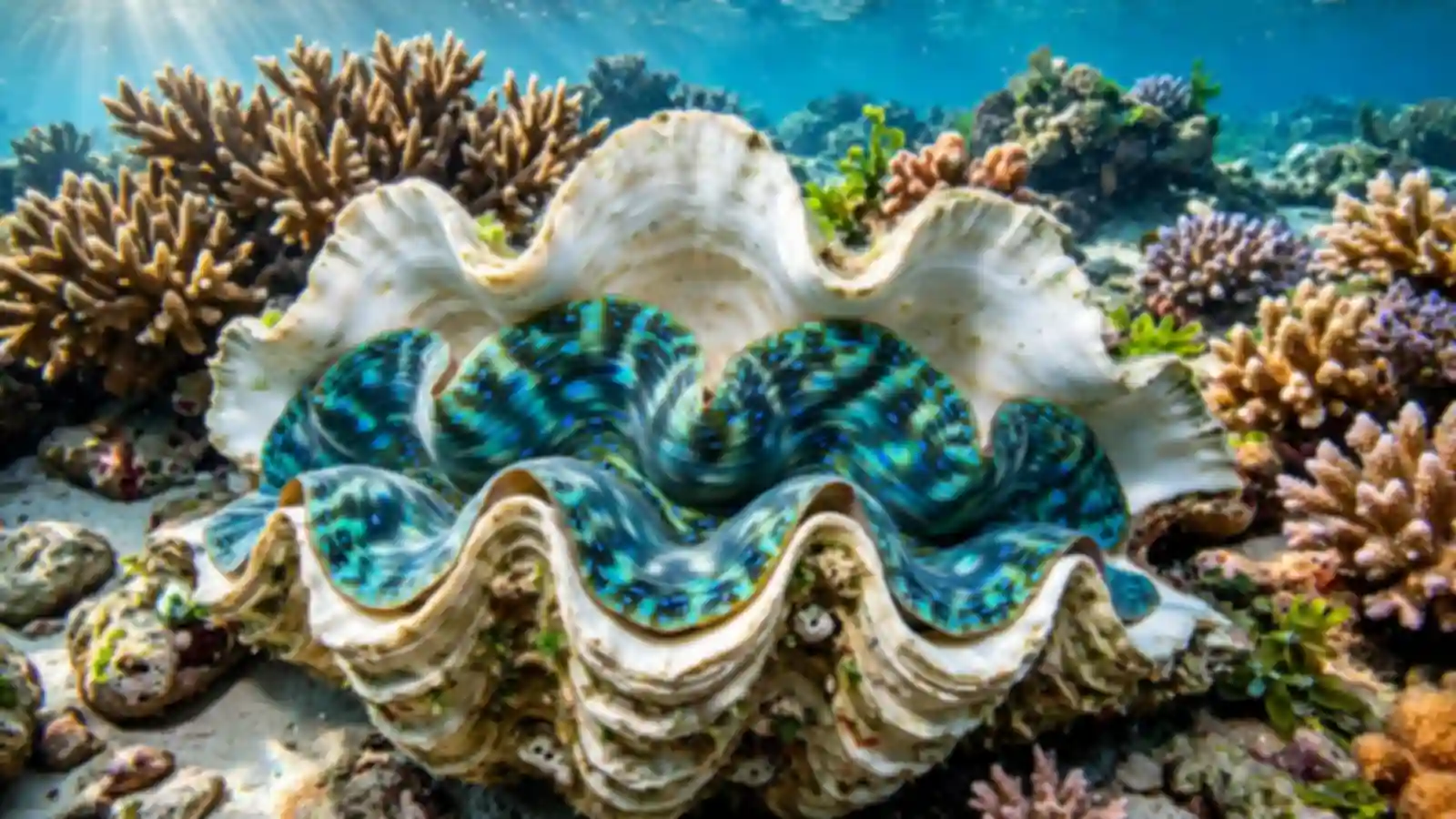
The giant clam is the largest bivalve on Earth, growing to 1.3 metres by farming algae in its own mantle, and it does not trap divers, however often the story is told. Its rippled shell lies open on the reef, showing a mantle of iridescent blues and greens that is really a garden. This guide covers the giant clam’s size, its sunlight farming, and why it is disappearing.
By Emily Carter · Reviewed by our vet team · Updated 10 November 2026 · 9 min read
Largest bivalve aliveFarms algae in its mantleDoes not trap divers
At a Glance
A giant clam is a bivalve the size of a bathtub, lying half-buried on a coral reef with its shell open to the sun. The shell is heavy and rippled, and the soft mantle inside is patterned in iridescent colour, because it is full of algae that feed the clam. Here it is at a glance.
Giant Clam Size: The Largest Bivalve Ever
It is the largest living bivalve, and the numbers are worth stating carefully. The largest measured specimen reached 137 centimetres across, recorded in Sumatra around 1817, and the heaviest measured animals weighed 333 kilograms dead and an estimated 340 kilograms alive, recorded at Ishigaki in 1956. Those are the documented figures, and they are the ones this guide prints.
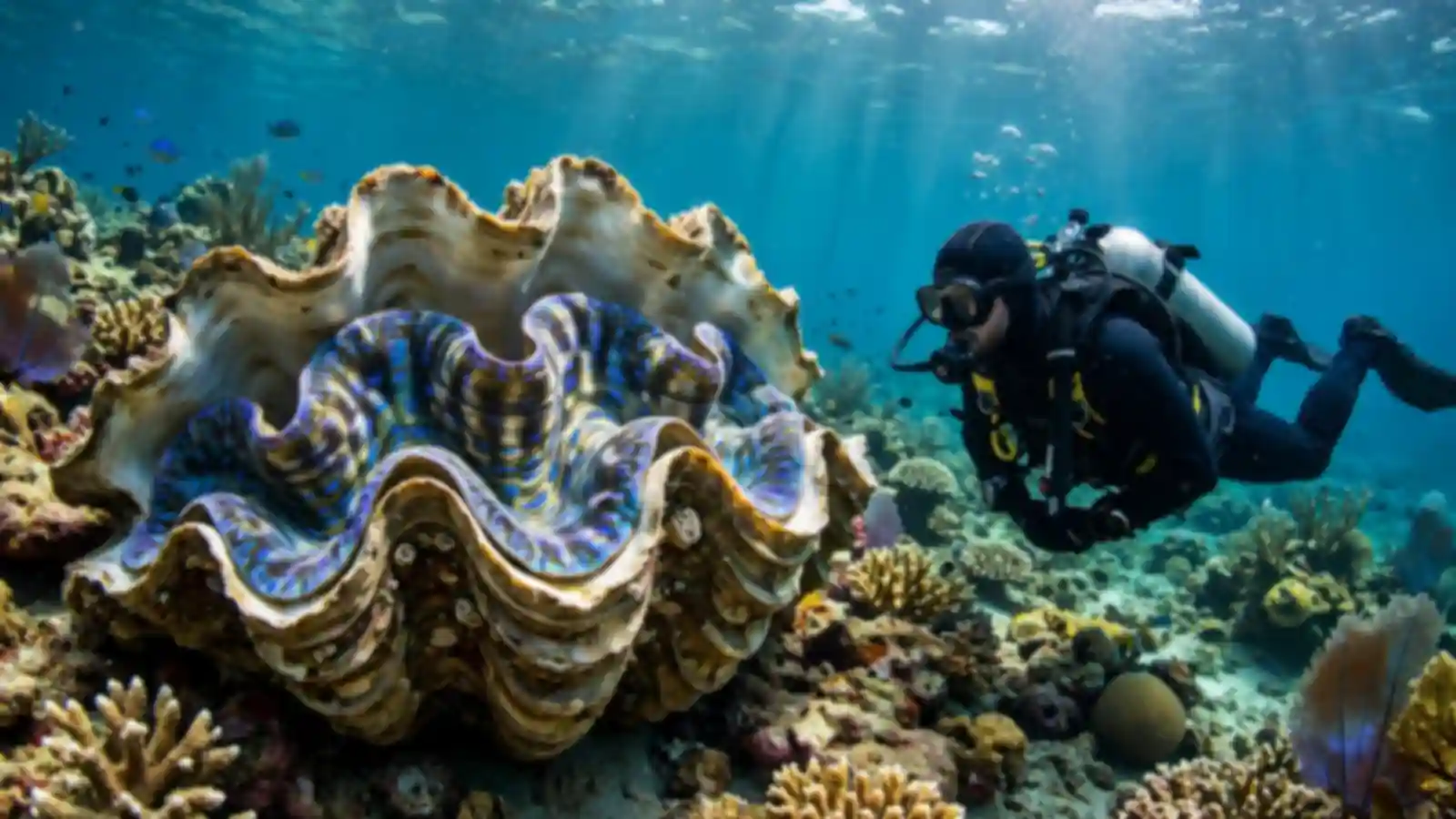
A popular figure of 500 kilograms circulates widely, but it is an upper bound from a scientific estimate, not a measured animal, and it should not be printed as a fact. It grows slowly, adding a few centimetres a year, and a metre-long animal is decades old. Size is the clam’s defence as much as its distinction: few predators can tackle a shell that heavy. For the full detail, see the species account.
Tridacna: The Giant Clam Genus
It belongs to the genus Tridacna, and the name is the keyword that folds into this post. Tridacna holds a dozen or so species of large clams, from the great Tridacna gigas to smaller, brightly coloured species like the fluted and the small. All of them share the same design: a heavy rippled shell, a colourful mantle full of algae, and a life spent half-buried on the reef.
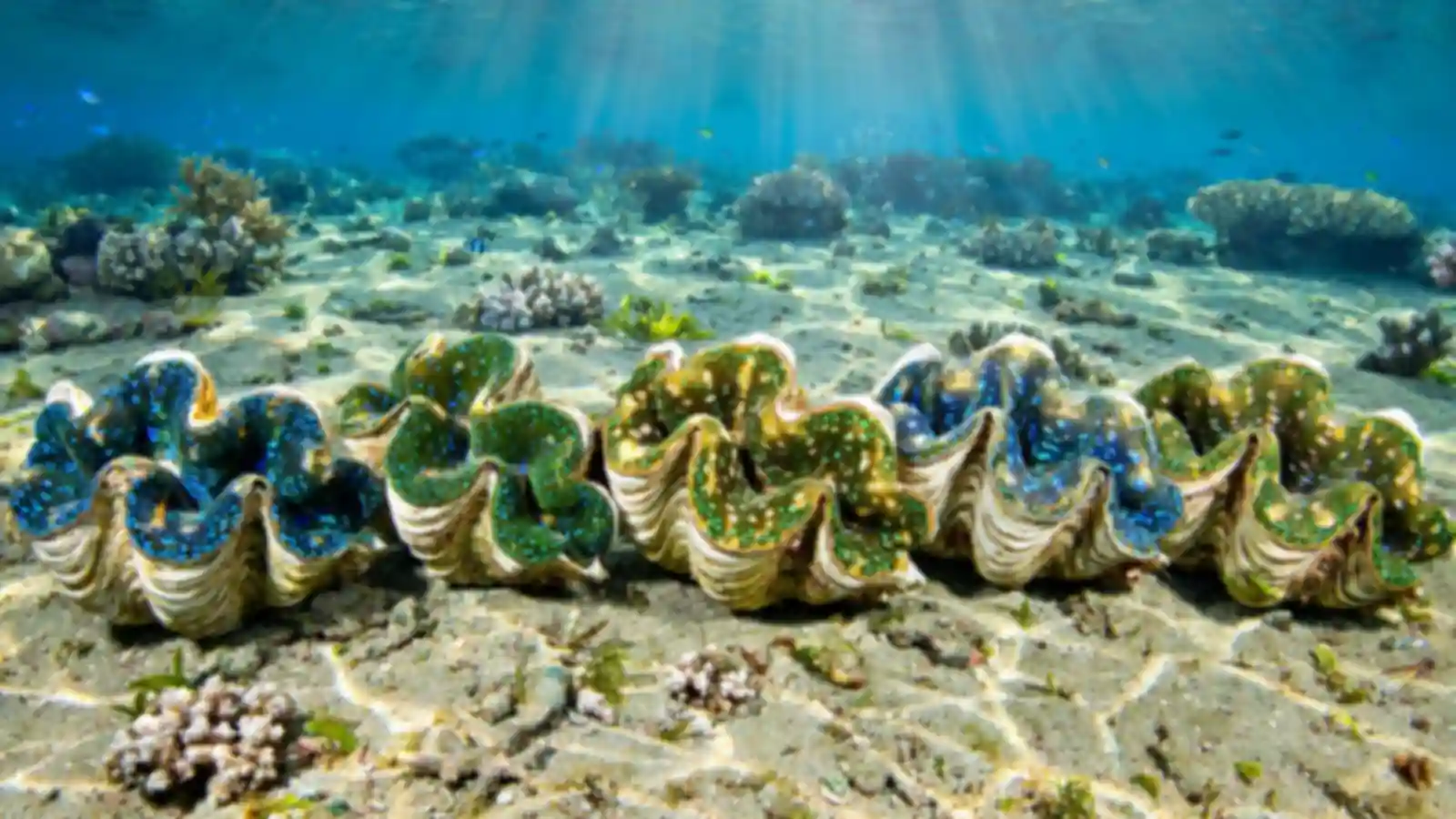
The genus is its family tree, and Tridacna gigas is its largest member. The smaller species are no less beautiful: their mantles carry patterns of blue, green, gold and purple that vary from animal to animal, and the colours come from the algae and the pigments in the mantle tissue. A reef with Tridacna is a reef with living jewels set into the coral.
Farming Sunlight: The Zooxanthellae Partnership
It farms sunlight. Its mantle is packed with zooxanthellae, symbiotic algae that photosynthesise inside the clam’s tissue, and the algae supply 65 to 70 percent of the clam’s nutrition. The clam opens its shell to the sun, the algae make sugars, and the clam harvests them, a partnership as close as the one between corals and their own algae.

The rest of the diet comes from filter feeding. The clam draws water through its siphons and strains out plankton, the way other bivalves do, and the two food sources together let it grow to a size no other bivalve reaches. The mantle’s iridescent colour is the visible sign of the farm: the blues and greens are the algae and the pigments that protect them from too much sun.
Where They Live: Indo-Pacific Reefs
Giant clams live on the coral reefs of the Indo-Pacific, from the Red Sea and East Africa across to the Pacific islands. They need clear, sunlit, shallow water, because their algae need light, and they settle on reef flats and slopes where the current brings plankton and the sun reaches the bottom. A reef without giant clams is a poorer reef, and their absence is a visible sign of trouble.

The range is wide but the habitat is narrow. Giant clams cannot live in deep water, where the light fails, or in murky water, where the algae starve. They are reef animals through and through, and their distribution maps the warm, clear waters of the tropics, from the Indian Ocean to the far Pacific.
What Do Giant Clams Eat? Plankton and Sunlight
Giant clams eat sunlight and plankton. The sunlight comes through the algae in the mantle, which supply most of the clam’s food, and the plankton comes through filter feeding, as the clam draws water through its siphons and strains out the tiny plants and animals. The two sources balance each other: on a cloudy day the clam filters more, and on a bright day the algae do the work.
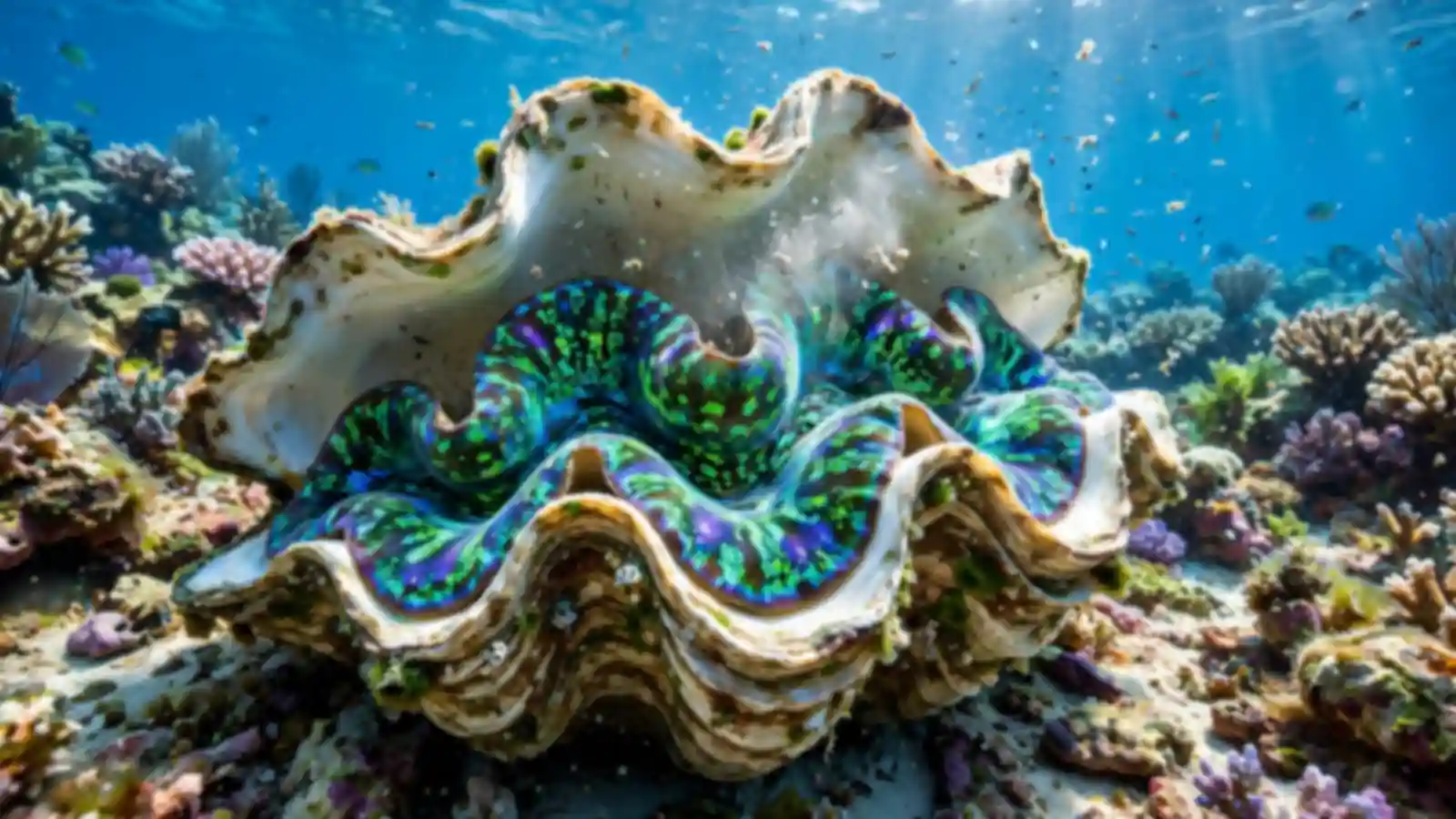
The young clams start life as filter feeders, and they take up their algae from the water as they grow, inheriting the symbiosis from the reef around them. One without its algae is a hungry clam, and the partnership is the reason the animal can grow so large on so little apparent food.
The Diver Myth: Can It Trap You?
It cannot trap a diver, and the story that it can is a myth. The clam closes its shell slowly, far too slowly to catch a hand or a foot, and a diver who touches the mantle will feel the shell close gently, not snap shut. The myth comes from adventure stories and films, where the clam is a monster of the reef, but the real animal is a slow, peaceful filter feeder.
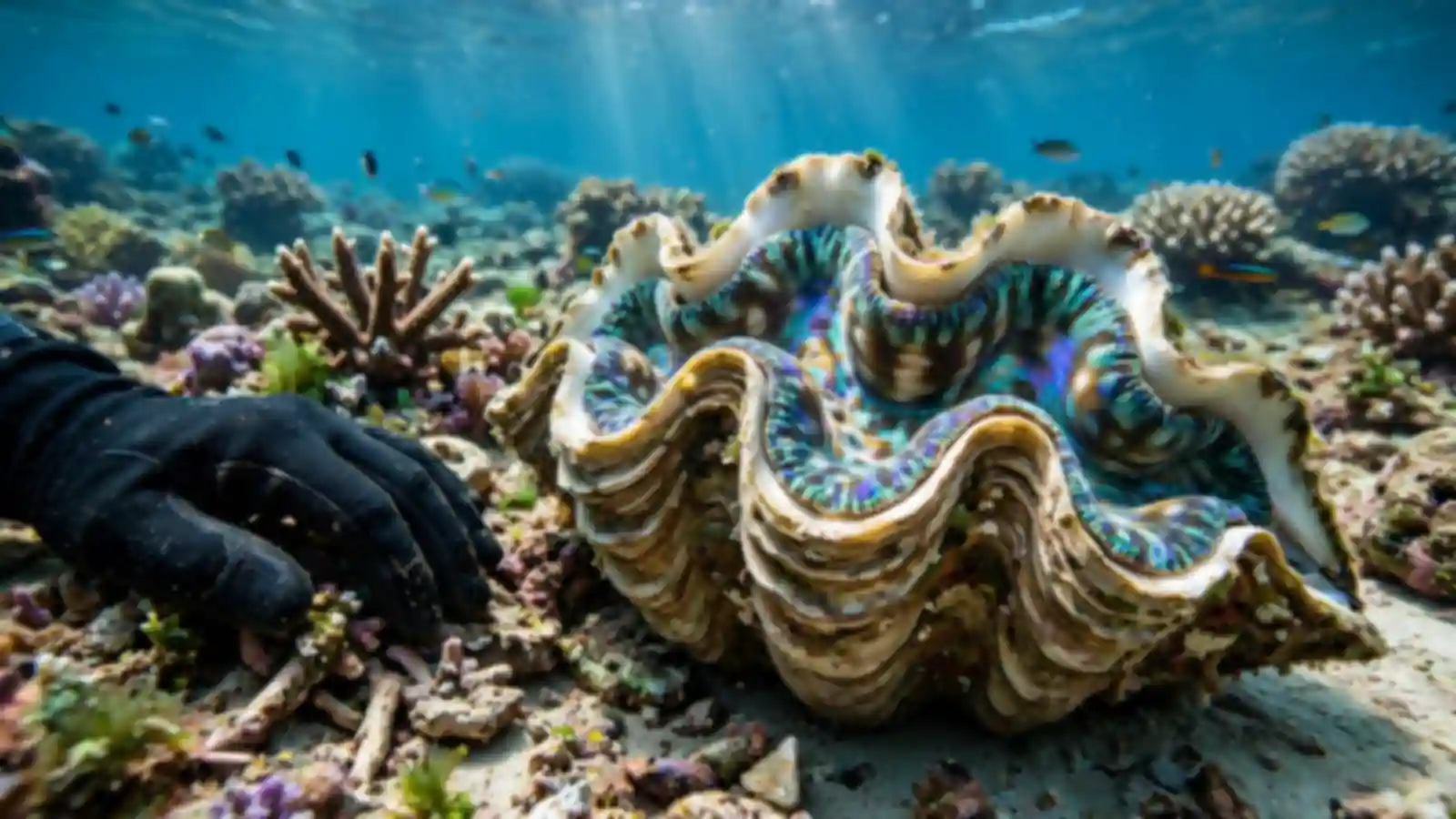
The myth has done real damage, because it made people fear an animal that needs protection. Divers who believe the story sometimes pry at clams or avoid them, and the fear has fed a trade in shells that has helped drive the species down. The truth is simpler and kinder: it is harmless, and a diver’s hand resting beside it is in no danger at all.
Endangered: Why Giant Clams Are Disappearing
Giant clams are disappearing, and the reasons are overharvesting, habitat loss and the aquarium trade. The clams are taken for food, for their shells, and for reef tanks, and the slow growth means a harvested reef takes decades to recover. The conservation status is contested: older assessments list the species as Vulnerable, while newer sources report declines of more than 80 percent and claim Critically Endangered, and the honest wording is that the status is disputed, with both views attributed.
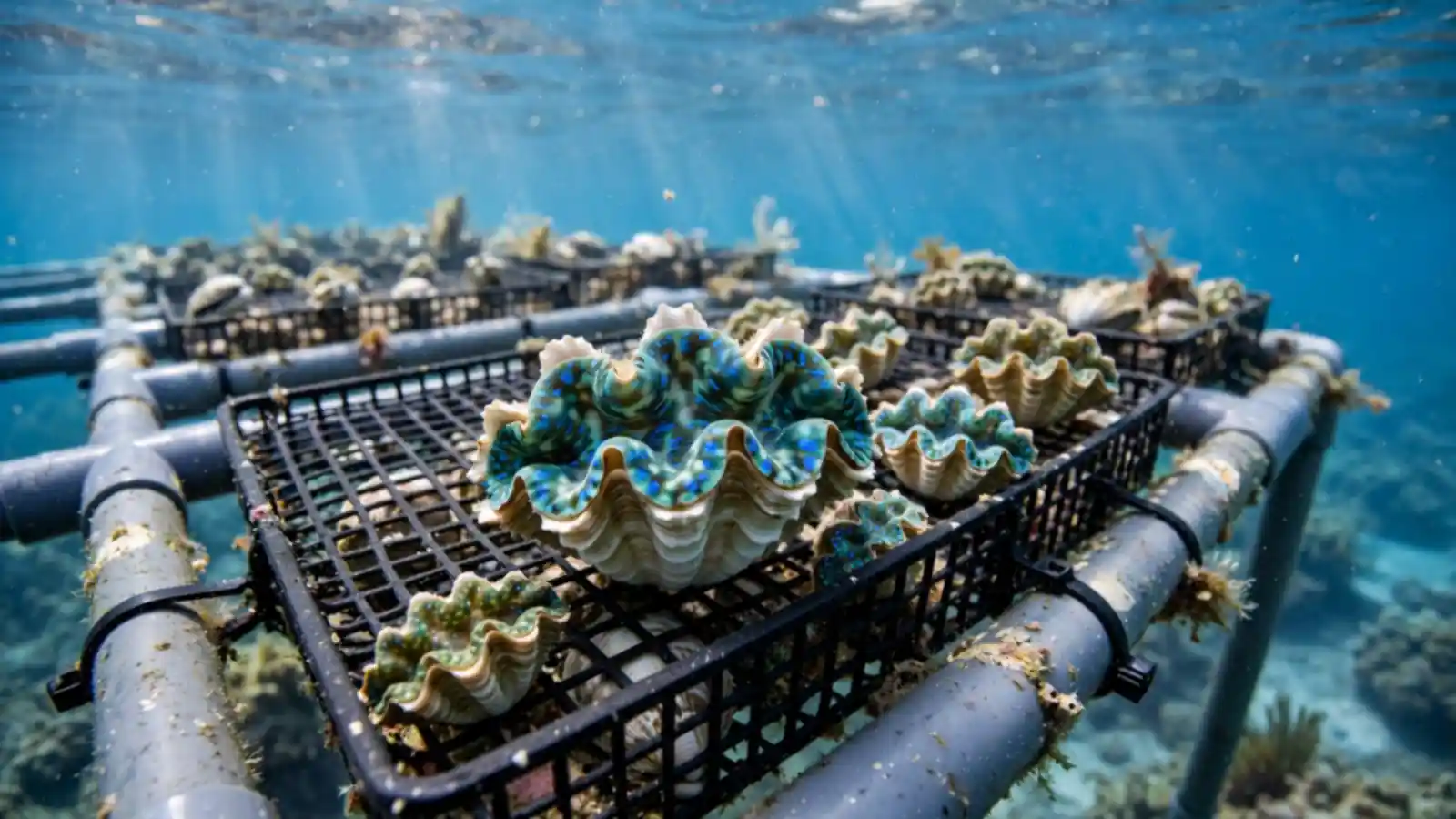
The clams are protected under the international wildlife trade convention, which lists them in its Appendix II, and reef nurseries now grow young clams to restock the reefs. The work is slow, like the clam itself, but the nurseries are succeeding, and a reef with young giant clams is a reef with a future. Its size made it famous, and its slowness made it vulnerable, and the rescue is under way.
Fun Facts
- The largest measured specimen was 137 centimetres across, recorded in Sumatra around 1817.
- The heaviest measured specimen weighed 333 kilograms, not the popular but unmeasured 500 kilograms.
- Algae in the mantle supply 65 to 70 percent of its food.
- It cannot trap a diver: it closes far too slowly, and the story is a myth.
- Giant clams can live 100 years or more on a coral reef.
- Young giant clams are grown in reef nurseries to restock the reefs where they were harvested.
Frequently Asked Questions
How big do giant clams get?
Giant clams grow to 1.2 to 1.37 metres across. The largest measured specimen was 137 centimetres, recorded in Sumatra around 1817, and the heaviest measured animals weighed 333 kilograms dead and an estimated 340 kilograms alive. A popular figure of 500 kilograms is an estimate, not a measured animal.
How do giant clams eat sunlight?
A giant clam’s mantle is packed with zooxanthellae, symbiotic algae that photosynthesise inside the clam’s tissue. The algae supply 65 to 70 percent of the clam’s nutrition. The clam opens its shell to the sun so the algae can work, and it also filter-feeds plankton from the water.
How long do giant clams live?
Giant clams live 100 years or more. They grow slowly, adding a few centimetres a year, and a metre-long animal is decades old. The slow growth is also why harvested reefs take so long to recover.
Where do giant clams live?
Giant clams live on the coral reefs of the Indo-Pacific, from the Red Sea and East Africa across to the Pacific islands. They need clear, sunlit, shallow water, because their algae need light, and they settle on reef flats and slopes where the current brings plankton.
What is a tridacna clam?
A tridacna clam is a member of the genus Tridacna, the giant clams. The genus holds a dozen or so species of large clams, from the great Tridacna gigas to smaller brightly coloured species, all sharing the heavy rippled shell and the algae-filled mantle.
Are giant clams endangered?
The status is contested. Older assessments list the giant clam as Vulnerable, while newer sources report declines of more than 80 percent and claim Critically Endangered. The clams are protected under the international wildlife trade convention, and reef nurseries grow young clams to restock harvested reefs.
Can a giant clam trap a diver?
No, a giant clam cannot trap a diver. It closes its shell far too slowly to catch a hand or a foot, and a diver who touches the mantle will feel the shell close gently. The trapping story is a myth from adventure stories and films.
Similar Species Worth Exploring
Keep Exploring
Keep exploring the mollusks: meet the razor clam, a long thin bivalve that digs instead of farming, or browse the whole family in our guide to the types of mollusks. Then come back to the reef and its sun-powered giant, the giant clam.