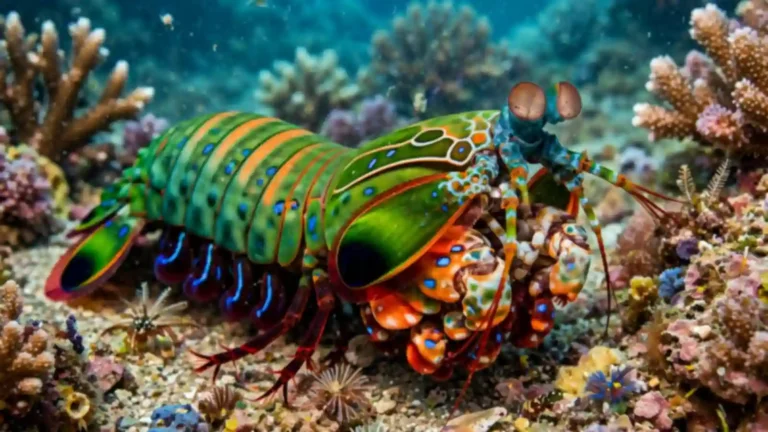
Types of Crabs
Types of Crabs: true crabs, false crabs and one famous impostor
The types of crabs in this hub run from a 3.7-metre spider crab to a pea crab that lives inside an oyster — and the family has a twist: some of the most famous ‘crabs’ of all are impostors. We profile 17 types, split honestly into 13 true crabs and 4 false ones, so you can tell them apart at a glance.
By Emily Carter · Reviewed by our vet team · Updated 10 November 2026 · 8 min read
17 profiles: 13 true + 4 falseLargest span: about 3.7 mSmallest: about 1 cm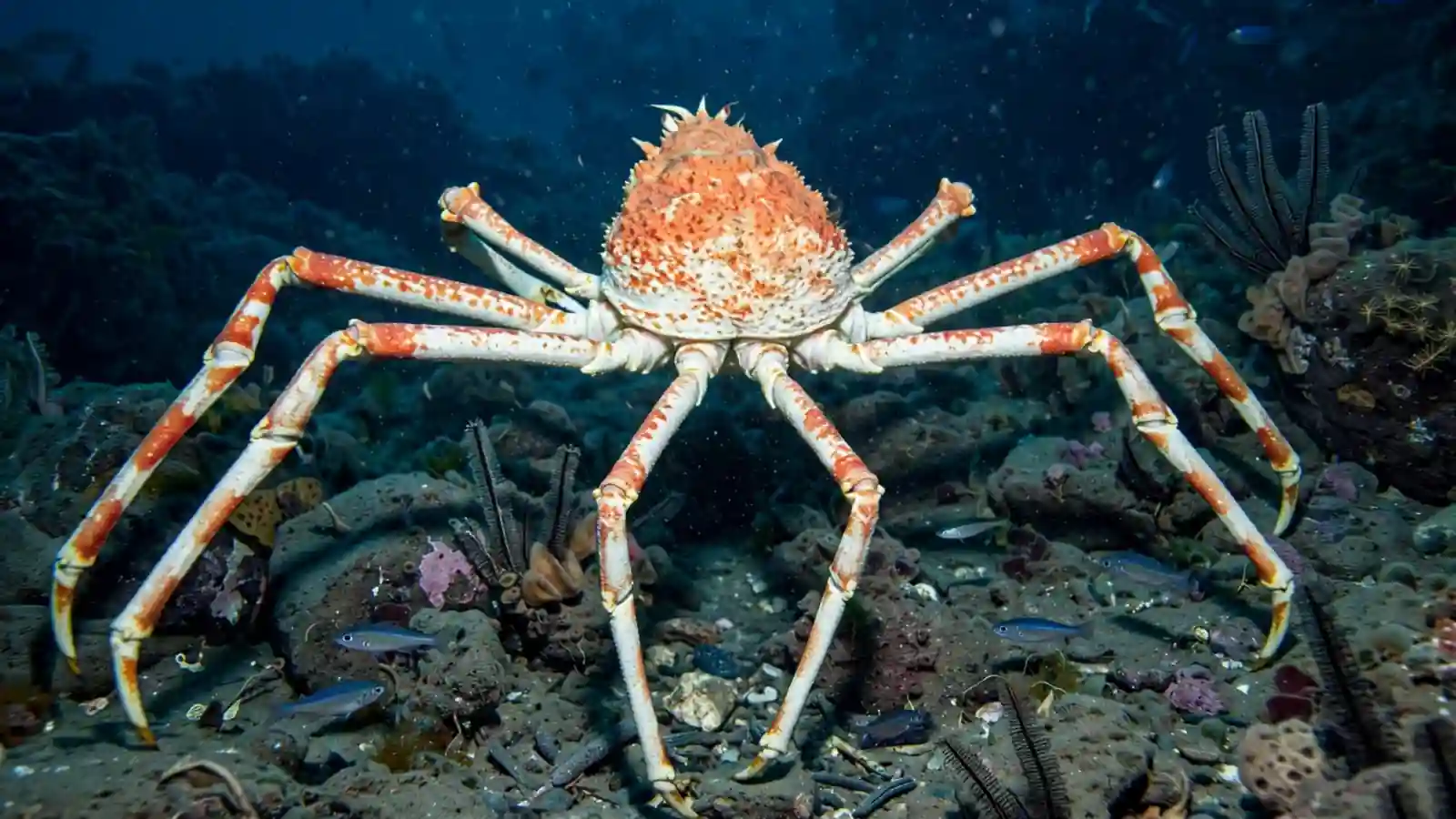
At a Glance
The types of crabs biologists call true crabs — the Brachyura — carry four pairs of walking legs behind their claws, and a tail reduced to a flap folded flat beneath the shell. The impostors, the anomurans, show only three obvious pairs and betray their hermit-crab ancestry in a dozen small ways. Both groups are magnificent; they are just not the same animal, and this hub keeps them in separate rooms — after opening with the simplest test in marine biology: count the walking legs.
True Crabs: The Brachyura
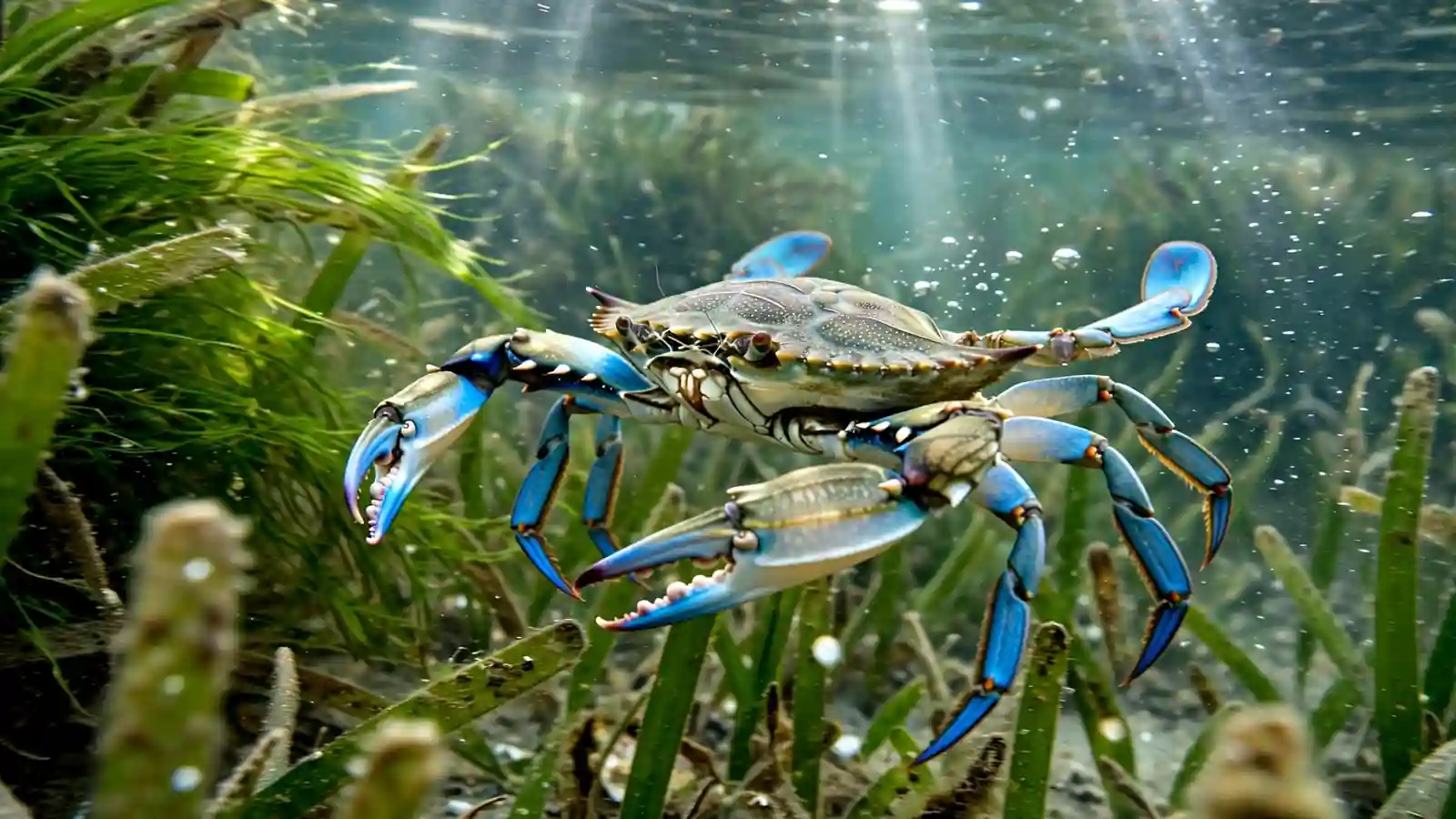
The true types of crabs are one of evolution’s great successes — around 8,000 described species from the deep sea to mountain streams. The swimmers, like the blue crab and the swimming crab, row on paddle-flattened back legs; the giants, like the Japanese spider crab, stalk the deep on stilts; and the specialists include the stone crab, whose crusher claw ranks among the strongest pinches in nature, and the pea crab, which outsources shelter to an oyster.
Shore Crabs: Blue Crab, Ghost Crab and the Sprinters
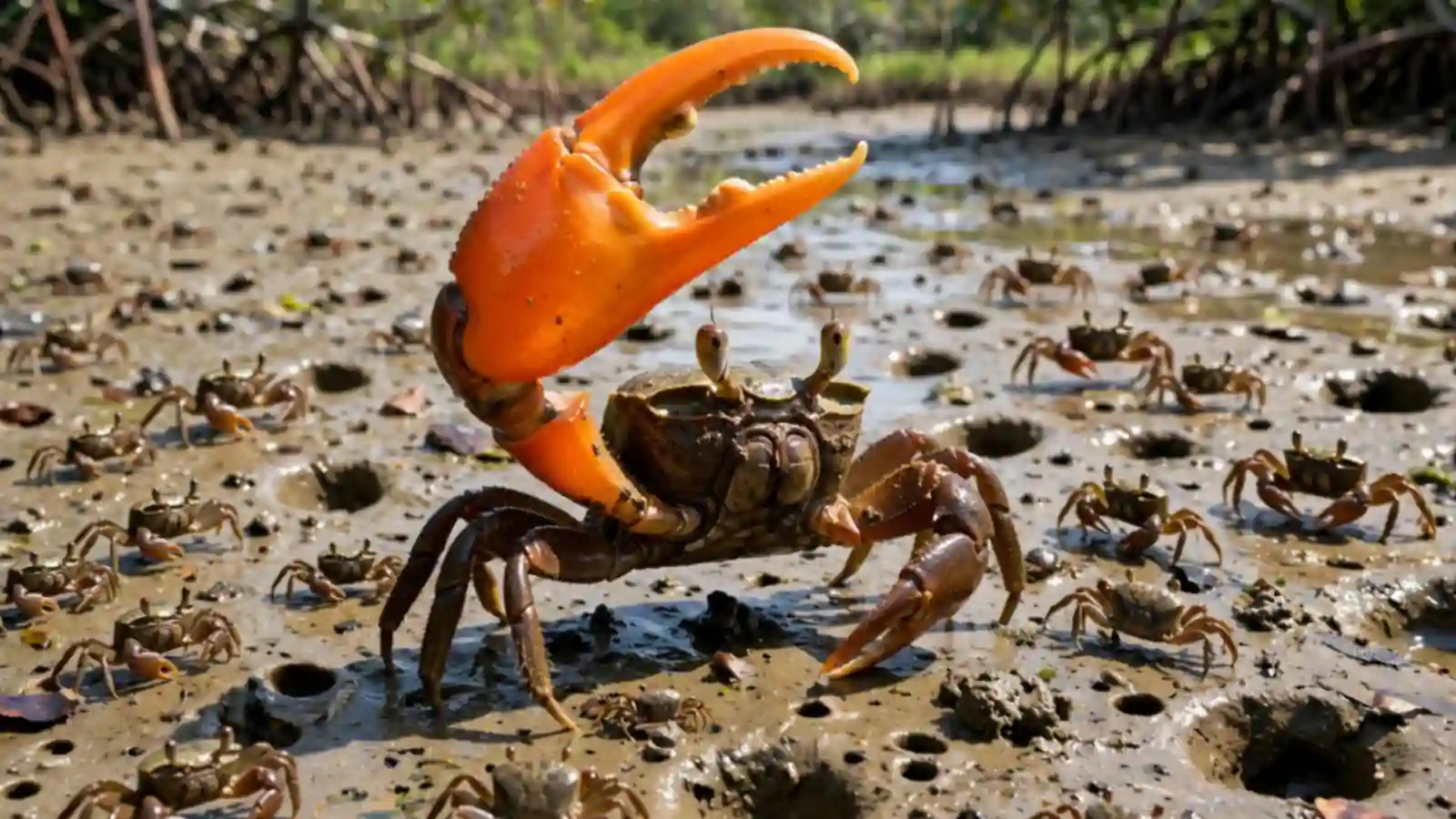
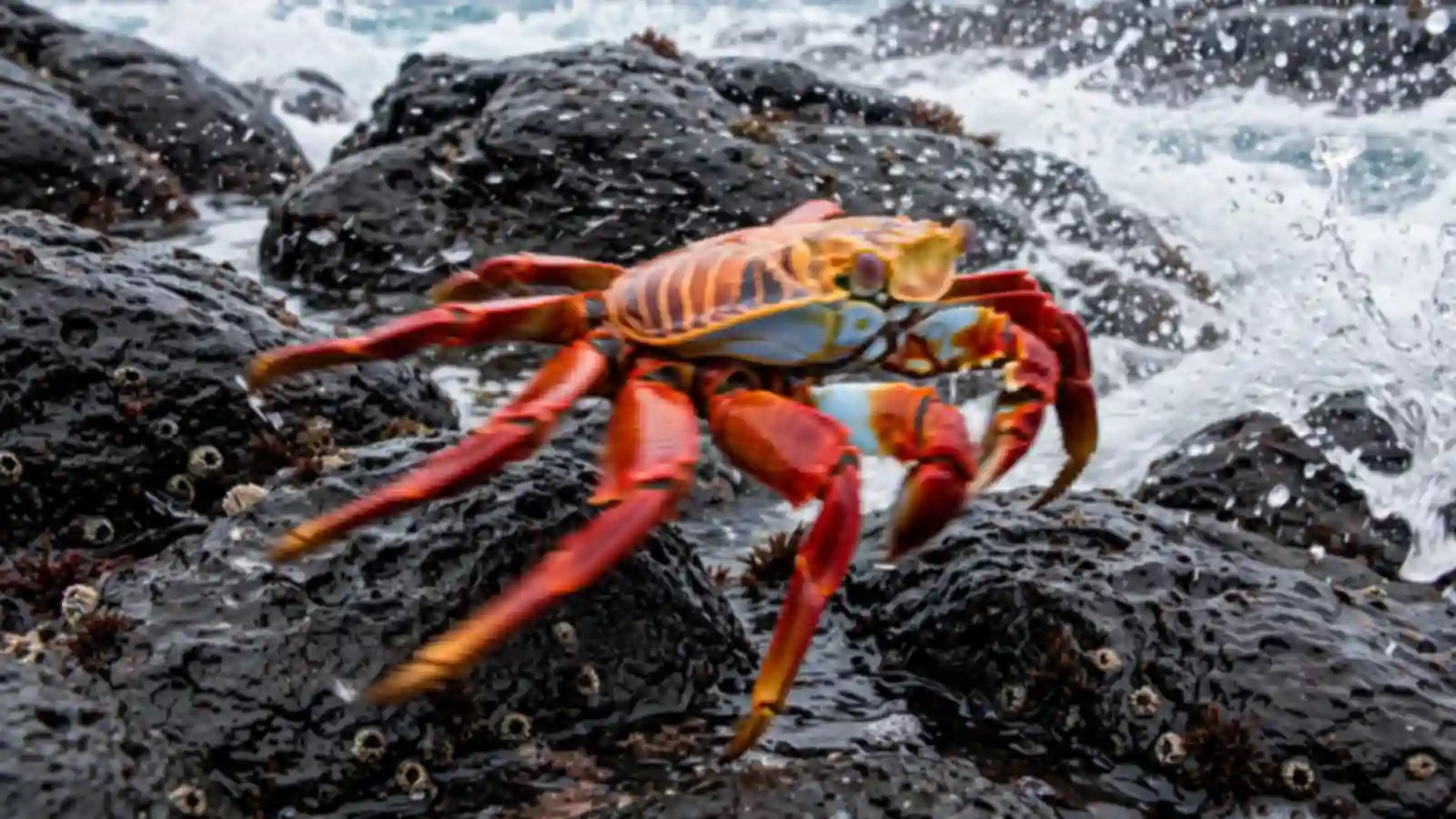
The shore is where types of crabs become athletes. The ghost crab is one of the fastest land crabs alive, a pale blur that vanishes down its burrow; the Sally Lightfoot crab dances across Galápagos lava in the spray zone, too nimble for the predators that wait there; and the male fiddler crab spends the low tide waving a claw that can weigh nearly half his body — a semaphore of health aimed at females, and a warning to rival males.
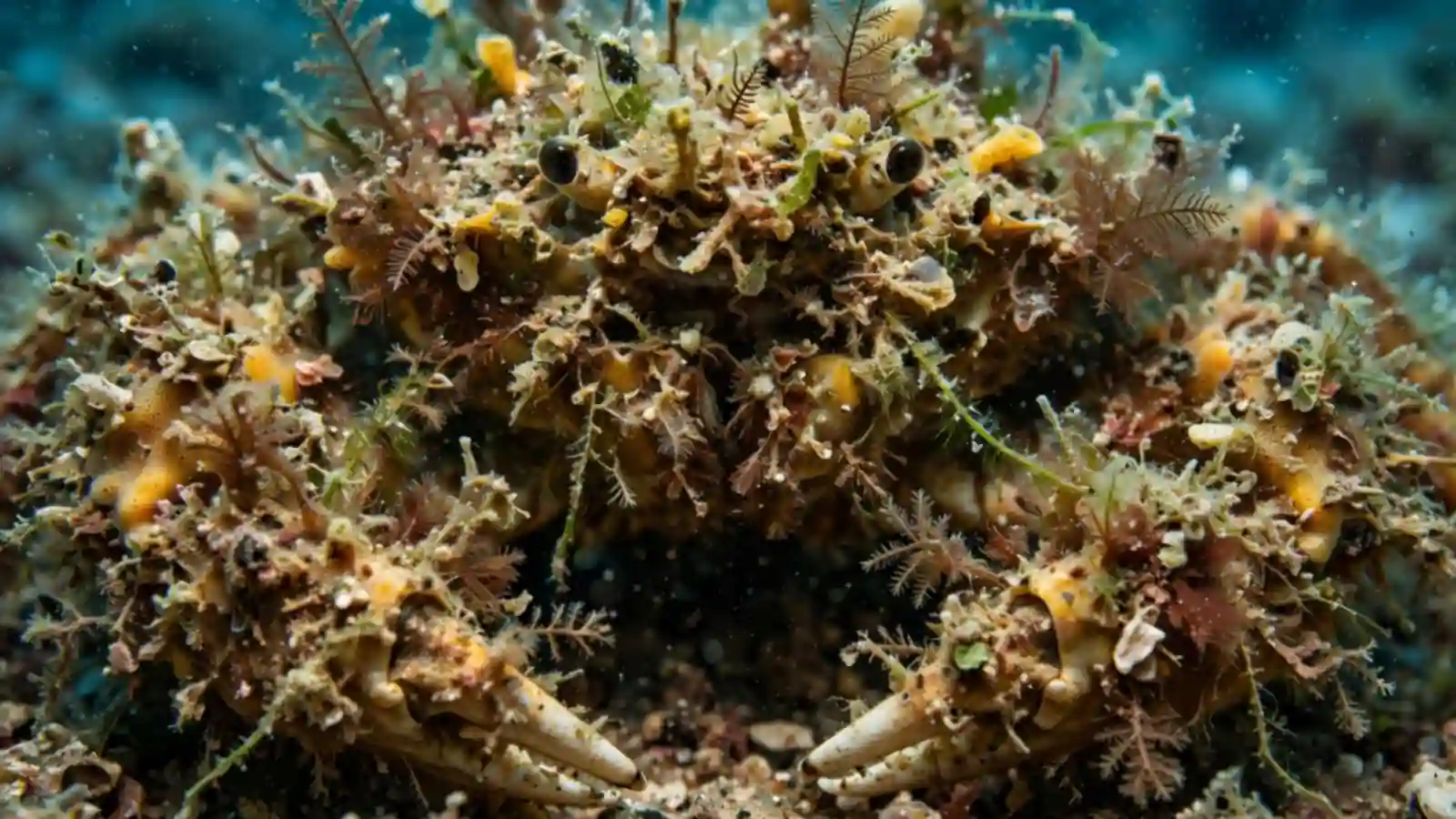
And then there is the crab that dresses for the occasion. The decorator crab snips fragments of sponge, algae and hydroid and plants them on hooked hairs all over its shell, gardening a living disguise until crab and reef are indistinguishable. After each moult it carefully salvages the garden and replants it on the new shell.
False Crabs: The Anomurans
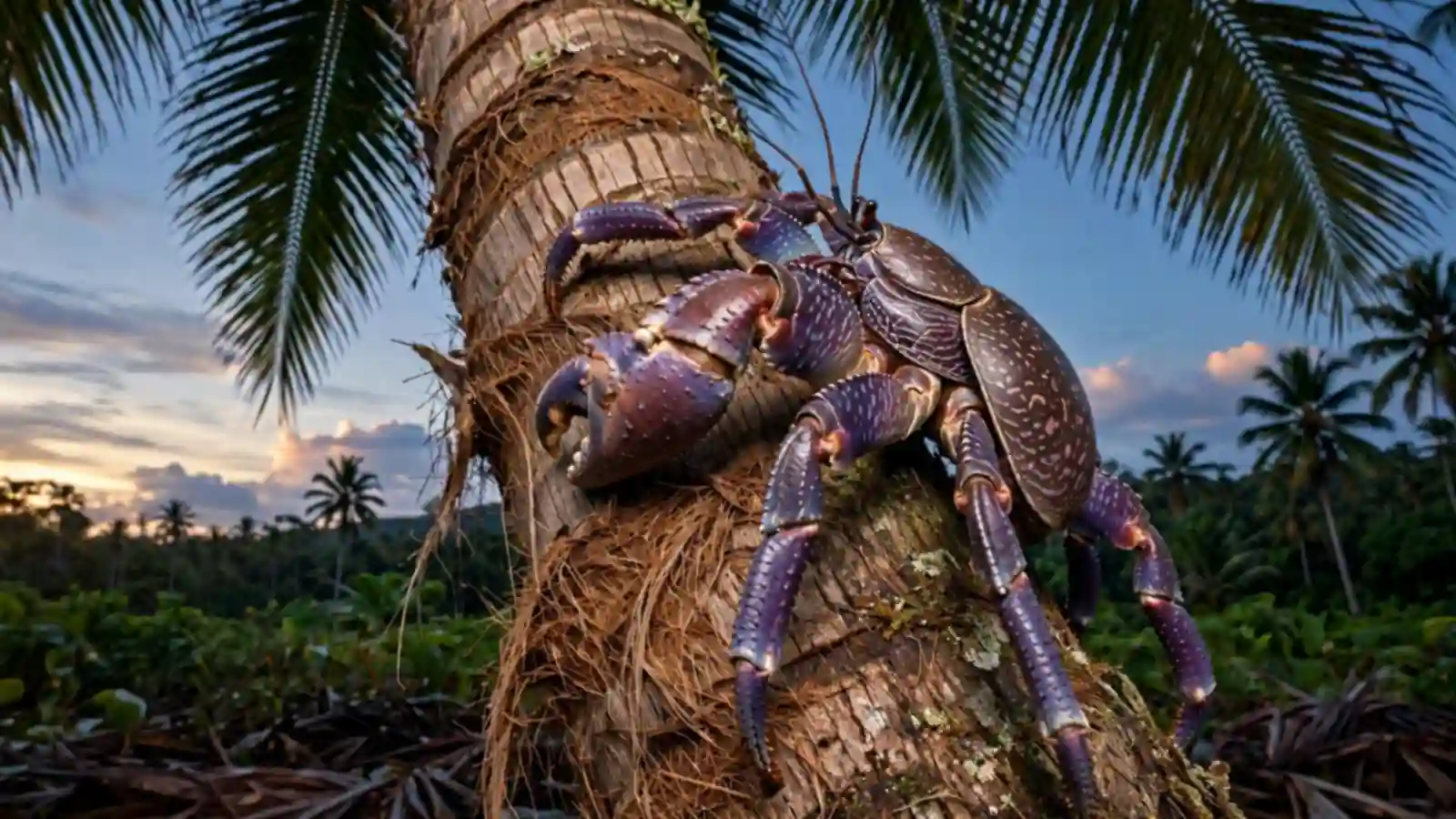
Now the twist. King crabs, hermit crabs, porcelain crabs and coconut crabs look like crabs, pinch like crabs — and are not true crabs. They are anomurans, a separate lineage that evolved from hermit-crab-like ancestors; the giveaway is the reduced fourth pair of legs and, in the king crabs, a lingering asymmetry from their shell-dwelling past. Evolution has produced the crab shape at least five separate times — a process so reliable it has its own name, carcinisation — and the false crabs are its repeat performances.
And One That Is Not a Crab at All
The horseshoe crab fails the test twice over: it is not a true crab, and it is not one of the types of crabs — it is a chelicerate, a relative of spiders and scorpions that has cruised the shallows, nearly unchanged, since before the dinosaurs. We profile it in the parent hub of types of crustaceans and mention it here only to keep the census honest: our 17 are crabs and crab-shaped anomurans, and the horseshoe is neither. For the taxonomy behind the split, see the true crabs’ full account.
Fun Facts
- Evolution keeps inventing new types of crabs: the crab body plan has evolved independently at least five times, a phenomenon called carcinisation.
- A crab tastes with its feet — chemoreceptors on its legs sample the sediment as it walks.
- Japanese spider crabs may live for up to a century in the deep, cold water off Japan.
- The stone crab fishery takes only one claw from each crab and returns it alive; the claw regrows over the next moults.
- A coconut crab’s pinch has been measured stronger, force for force, than the bite of most mammals.
- Some pea crabs spend their whole adult lives inside a single oyster, fed and sheltered by their host.
Frequently Asked Questions
How Many Types of Crabs Are There?
Scientists have described close to 8,000 species of true crab (the group Brachyura) — and thousands more crab-like anomurans that are not true crabs at all, including hermit crabs and king crabs. This hub profiles 17 types: 13 true crabs and 4 of the most interesting ‘false’ crabs, and explains how to tell the two apart.
What Is the Biggest Crab in the World?
By leg span, the Japanese spider crab: up to about 3.7 metres (12 feet) from claw to claw, with a body around 40 centimetres across. By weight on land, the coconut crab wins — up to about 4 kilograms, with a claw strong enough to crack coconuts and, by some measures, pinch harder than most animals bite.
What Is the Difference Between True Crabs and False Crabs?
Count the walking legs. A true crab has four pairs of walking legs plus its claws, and a short tail folded flat and hidden under the body. A false crab — an anomuran, like a hermit or king crab — has only three obvious pairs of walking legs, the fourth pair being reduced or tucked away, and a body plan descended from hermit-crab ancestors.
Is a King Crab a Real Crab?
Not in the strict sense. King crabs are anomurans — false crabs — evolved from hermit crabs that abandoned their shells; you can still see the hermit legacy in their asymmetrical bodies and reduced fourth leg pair. The red king crab is one of the 4 false crabs profiled in this hub.
Is a Horseshoe Crab Actually a Crab?
No — and it is not close. Horseshoe crabs are chelicerates, more closely related to spiders and scorpions than to any crab, and they have barely changed in hundreds of millions of years. We keep them out of this hub’s 17 and cover them separately — see our horseshoe crab profile.
What Is the Smallest Crab?
The pea crab, which lives inside oysters, mussels and other bivalves and can be barely a centimetre across — some species are smaller than the fingernail they are named for. It is the tiny end of a family that also contains the 3.7-metre spider crab.
Why Do Crabs Walk Sideways?
Because of how their legs are jointed. A crab’s legs hinge to move most easily in a side-to-side plane, and the broad, flattened shell that makes them stable also makes forward walking awkward. Not all crabs are strict sideways walkers — spider crabs amble in most directions, and swimming crabs row through the water on paddle-shaped back legs — but sideways is the crab default.
Are Hermit Crabs Really Crabs?
No. Hermit crabs are anomurans — false crabs — not true crabs of the group Brachyura. They have a soft tail they protect by borrowing empty shells, and only three obvious pairs of walking legs, the fourth pair being reduced or tucked away.
All 17 Types of Crabs, Profiled
Keep Exploring
Crabs are one branch of a much bigger family tree — climb up to the types of crustaceans hub for the lobsters, shrimps and barnacles, or start with the giants: the Japanese spider crab and the coconut crab. Either way, you will leave knowing how to sort the true from the false among the types of crabs.