Types of Crustaceans
Types of crustaceans: armour, claws and endless variety
The types of crustaceans range from a parasitic speck smaller than a grain of sand to a spider crab spanning a small car — yet all of them share one design: a segmented body in a jointed shell, two pairs of antennae, and growth by moulting. This hub organises all 39 crustacean profiles in the programme, from the famous crabs and lobsters to the barnacles glued to the pier and the krill that feed the whales.
By Emily Carter · Reviewed by our vet team · Updated 10 November 2026 · 7 min read
About 67,000 described speciesLargest leg span: 3.7 metresFound from abyss to treetops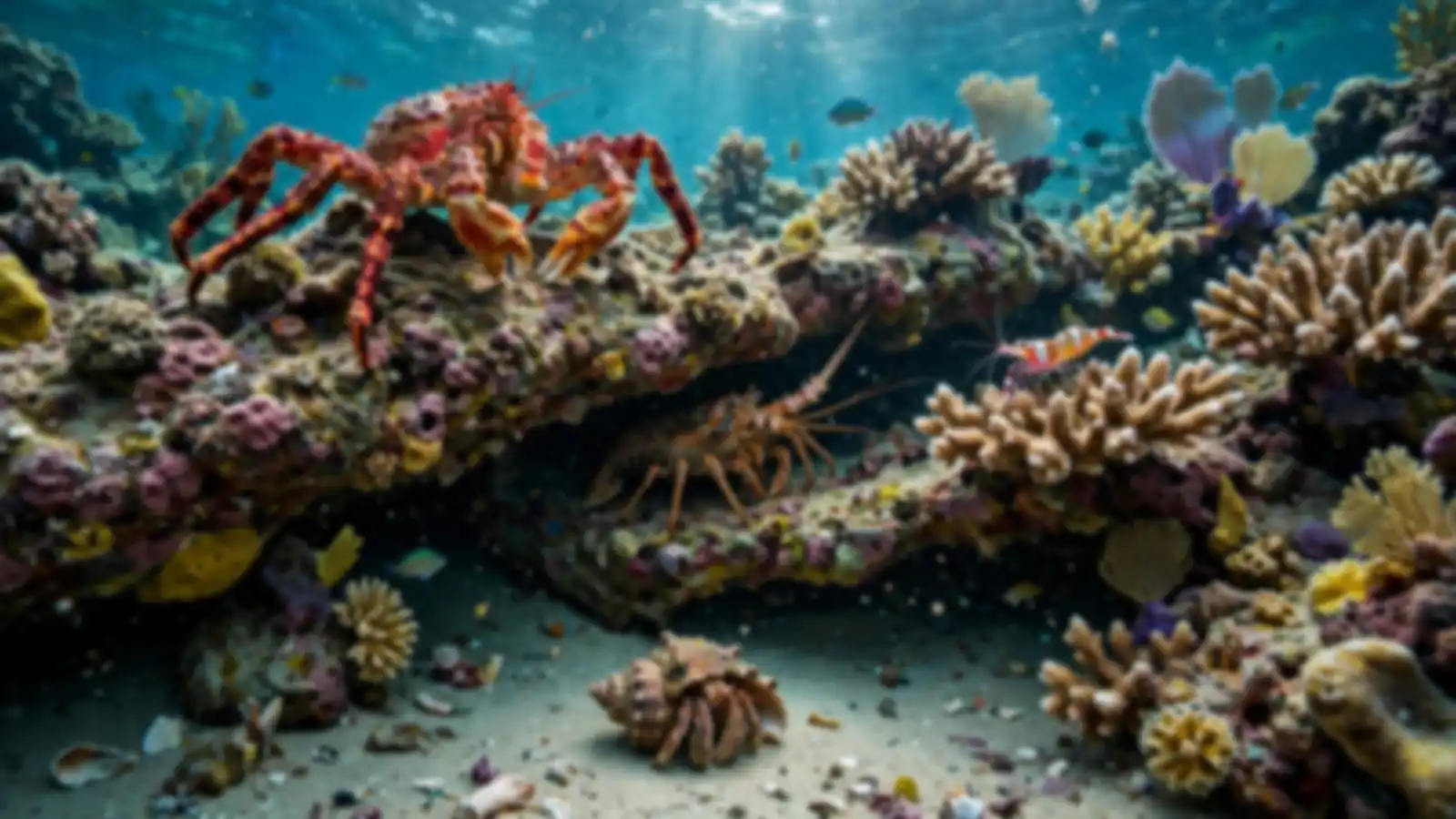
At a Glance
Think of the types of crustaceans as the insects of the sea in reverse: where insects conquered the land, they kept the water, and diversified there beyond counting. The 39 profiles below are the programme’s selection — every group with a real following, organised from the true crabs through the shrimp and lobsters to the planktonic multitudes and the sessile barnacles. Together they show just how far the types of crustaceans can stretch a single body plan.
One warning label is required. The horseshoe crab appears in the crabs section because everyone looks for it there — but it is not a crustacean at all, as its own profile explains. Among the types of crustaceans in this hub, it is the one honorary member.
What Makes a Crustacean?
Strip away the variety and the blueprint shows: a hard exoskeleton that must be moulted to grow, a body in segments, jointed limbs that specialise into claws, legs, swimmers and feelers, and — the diagnostic trait — two pairs of antennae. Most breathe with feathery gills and begin life as a nauplius larva. The crustacean reference page maps the full classification, from the giant spider crabs down to parasitic forms that are little more than sacs of eggs. Learn that blueprint once, and the types of crustaceans sort themselves into a pattern you can read anywhere.
Types of Crustaceans: The Crabs
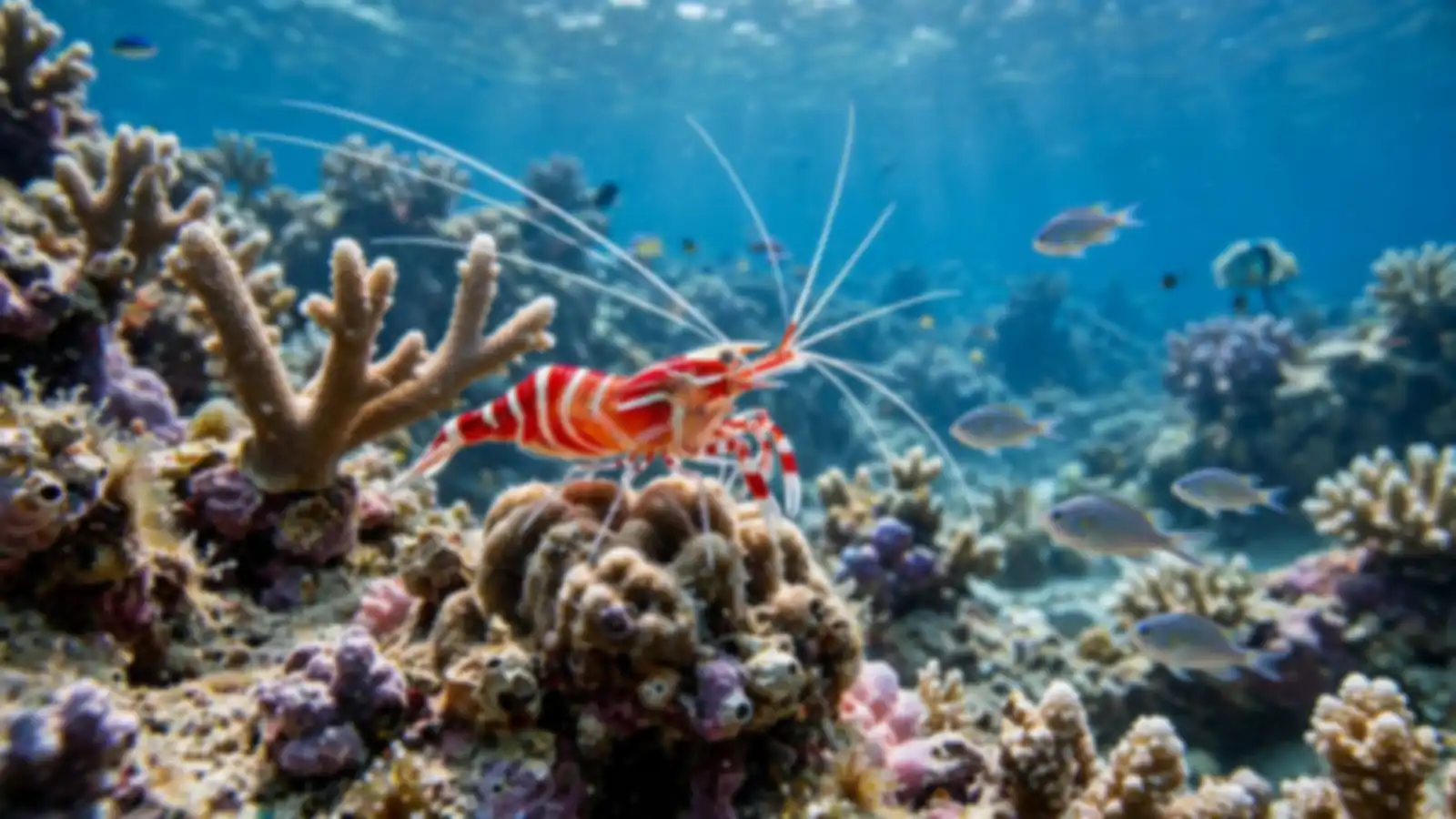
Crabs are the types of crustaceans most people meet first. The true crabs and their closest impersonators — broad shells, stalked eyes and one famous pair of claws:

More Crabs: Fiddlers, Ghosts and Decorators
The specialists — crabs defined by one exaggerated idea:
Shrimp, Prawns and Lobsters
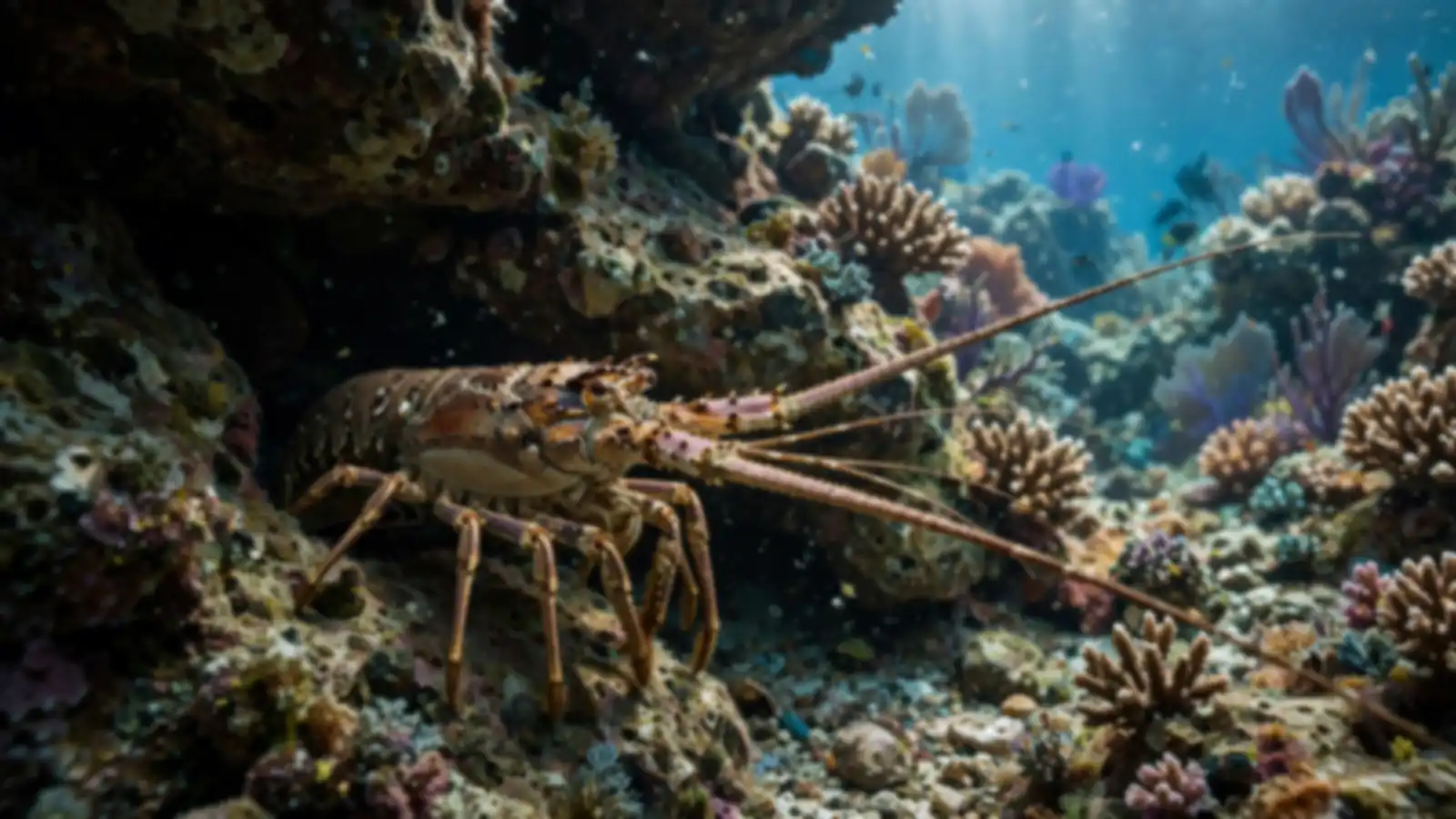
This is where the types of crustaceans turn into swimmers. The long-bodied swimmers — including the two most extreme weapons in the whole subphylum:
Barnacles, Krill and the Small Multitudes
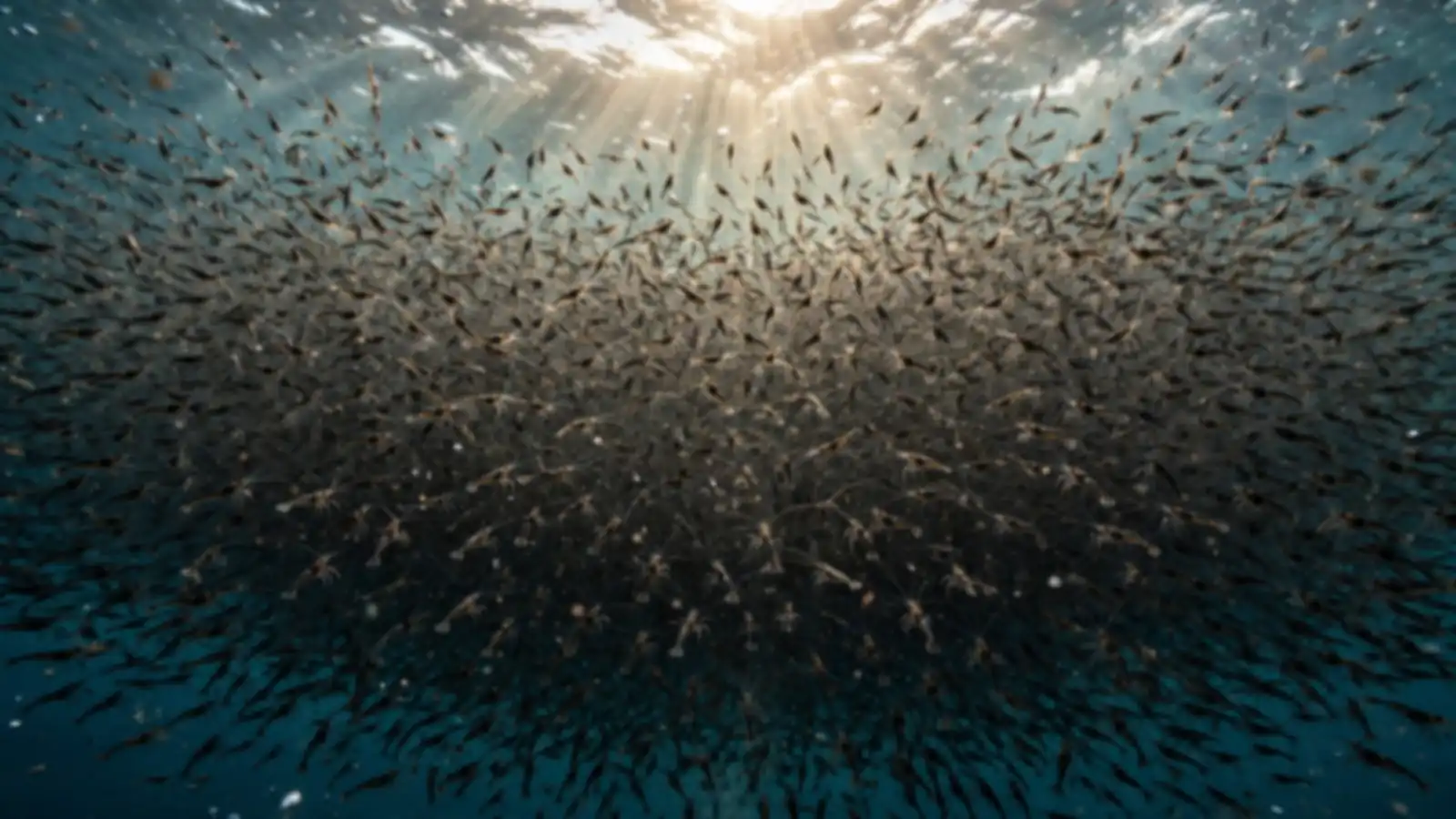
Finally, the crustaceans that abandoned the crab shape entirely — the glued-down, the drifting and the microscopic:
Fun Facts
- The Japanese spider crab’s 3.7-metre leg span makes it the largest arthropod alive — yet it is a gentle scavenger.
- Barnacle glue sets permanently underwater and is studied by scientists designing surgical adhesives.
- The mantis shrimp and pistol shrimp both weaponise cavitation — collapsing bubbles that flash light and stun prey.
- Krill may outweigh humanity: Antarctic krill alone total roughly 379 million tonnes.
- A horseshoe crab’s blue blood is worth a fortune to medicine — and the animal is not even a crustacean.
- Cleaner shrimp are so trusted that predatory fish queue at their stations and let them walk inside their mouths.
Frequently Asked Questions
What Are Crustaceans?
Crustaceans are a huge group of arthropods — mostly marine — with a segmented body, a hard exoskeleton they moult to grow, jointed limbs and two pairs of antennae. The group includes crabs, lobsters, shrimp, barnacles, krill, isopods and copepods, around 67,000 described species, with many more still undescribed.
What Are the Main Types of Crustaceans?
The main types are the decapods — crabs, lobsters, shrimp and prawns, the ten-legged majority of famous species — plus barnacles, krill, isopods, amphipods and copepods. This hub profiles 39 of them: 18 crabs and crab-like forms, 11 shrimp and lobsters, and 10 barnacles, krill and small planktonic groups.
How Many Species of Crustaceans Are There?
About 67,000 crustacean species have been described, and the true total is certainly far higher — deep-sea and microscopic species are still being catalogued. They range from parasites under a tenth of a millimetre long to the Japanese spider crab at 3.7 metres across, arguably the widest size range of any animal group.
Are Barnacles Really Crustaceans?
Yes. A barnacle’s swimming larva is a nauplius, the same distinctive stage shared by crabs and shrimp, which settles and transforms into the sessile, shell-plated adult. DNA and anatomy agree: barnacles sit firmly inside the crustaceans, as highly modified relatives of crabs and lobsters that traded mobility for armour and glue.
What Is the Largest Crustacean in the World?
By leg span, the Japanese spider crab is the largest crustacean — and the largest arthropod — in the world, reaching about 3.7 metres across. By weight the title is contested by the American lobster and the red king crab. The largest land crustacean is the coconut crab, at up to a metre across and four kilograms.
Is a Horseshoe Crab a Crustacean?
No — despite the name, the horseshoe crab is a chelicerate, more closely related to spiders and scorpions than to crabs. It has no antennae, breathes with book gills, and its lineage split from the crustaceans over 450 million years ago. It is profiled in this hub because everyone looks for it among the crabs.
What Do Crustaceans Eat?
Almost everything, depending on the type. Crabs scavenge and crush shellfish; shrimp graze algae, detritus and small animals; krill and copepods filter plankton; barnacles comb particles from the current with feathery legs; and parasitic species feed on the blood or tissues of hosts from fish to whales. The group contains a feeder for every niche in the sea.
Similar Species Worth Exploring
Keep Exploring
Start anywhere: the coconut crab for the giant, the mantis shrimp for the weapon, or the barnacle for the glue. Every path leads deeper into the types of crustaceans.